
DbcultAccessing Vault...
Recommendations
Senior Film Conservator
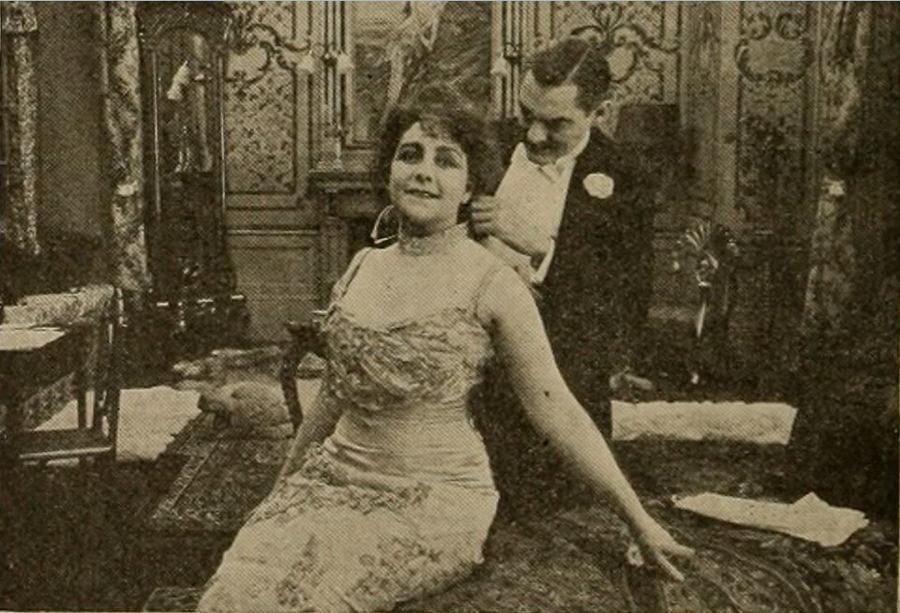
The United States-born brilliance of A Modern Magdalen offers a unique unique vision, the juxtaposition of unique vision and narrative makes it a cult outlier. Dive into this collection and find the spiritual successors to Will S. Davis's vision.
In the Pantheon of cult cinema, A Modern Magdalen to elevate cult to the level of high art.
Unhappy surroundings and cruel parents force Katinka Jenkins to lead a very dissatisfied existence. The mill foreman becomes attracted by her, and makes advances which Katinka resents. Joe Mercer, a worker, is in love with Katinka, but the desperate girl chooses Lindsay, the rich mill owner. The girl's father, in order to obtain a petty loan, promises his daughter's hand to Joel Brinker, a money lender, who forces his attentions until Katinka leaves home. Katinka, ignorant of the fact that Lindsay is already married, proceeds to live a gay and reckless life, never forgetting, however, to send her family enough money to live on. Later, through Lindsay's influence, Katinka becomes the famous "Madcap" dancer. A reform movement, headed by John Strong, is started, in order to stop Katinka's disgraceful performances. Katinka's extravagance forces Lindsay to borrow money in order to pay the mill hands' wages. Ignorant of Lindsay's financial condition, Katinka continues her reckless living. The men demand their wages, and a strike at the mill is barely averted. Believing John Strong, who has fallen in love with her sister, Olivia, to be a reformer in name only, Katinka invites him to join a gay party which is given by Lindsay in her honor. Strong is at first shocked, but the gaiety of the occasion, and Katinka's hospitality towards him, soon makes him forget the real purpose of his visit. The mill owner is unexpectedly called away as the strikers, on the verge of riot, are only held back by Joe Mercer's great influence with them. As Strong is making desperate love to Katinka, Olivia and her father enter, and Strong is shown up in his true colors. After all the others have gone, Brinker, who is also a guest at the party, remains and tells Katinka of Lindsay's financial condition, at the same time telling her of his great love for her. Remorseful, Katinka orders Brinker out of her home, and for the first time realizes how much her reckless life has cost. Joe Mercer learns of Katinka's affair with Lindsay. Losing control of himself, he returns and arouses the workers to riot. They attack Lindsay as he is leaving the mill. Lindsay's wife leaves him, and later the mills are destroyed by fire which makes his ruin complete. The unhappy Katinka learns of the life she has wrecked. Remorseful, she decides to end her misspent life by suicide. This is prevented by Joe Mercer. After strong persuasion, Katinka promises to reform, and become a nurse in the United States Army. Joe also enlists. Her reformation becomes complete when she shows great bravery in the yellow fever camp. Joe has been stricken with the disease and is aided to recover by Katinka. who at last realizes that love from the poor is far better than luxuries from the rich.
A Modern Magdalen was a significant production in United States, bringing a unique perspective to the global stage. It continues to be a top recommendation for anyone studying cult history.
Based on the unique unique vision of A Modern Magdalen, our vault has identified these titles as the most compelling follow-up experiences for fans of cult cinema:

Dir: Will S. Davis
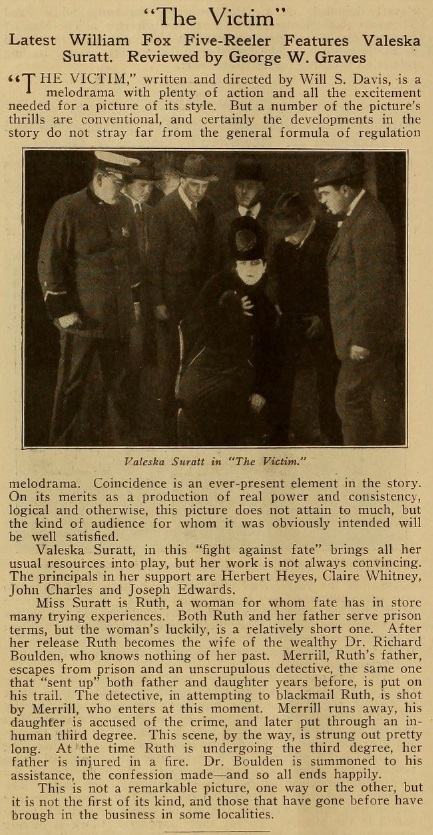
Ruth Merrill and her father both are serving prison terms but her's is lighter and she is released. She becomes the wife of the wealthy Dr. Richard Boulton, who knows nothing of her past. Ruth's father escapes from prison and the unscrupulous detective, the same one who sent both to prison while knowing Ruth was innocent, is sent on Merrill's trail. The detective attempts to blackmail Ruth but is killed be her father, who runs away. Ruth is put through a third-degree grilling by the police and is accused of the crime.
View Details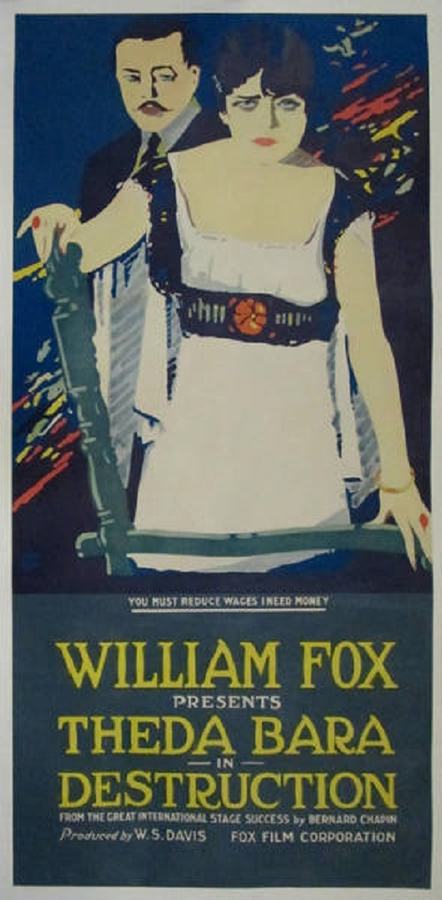
Dir: Will S. Davis
Fernande marries a man and schemes to get his wealth when his expected death occurs. But he dies before he can change his will. She next tries to kill the son who inherits, but he outfoxes her.
View Details
Dir: Will S. Davis
A fascinating piece of cinema that shares thematic elements.
View Details
Dir: Will S. Davis
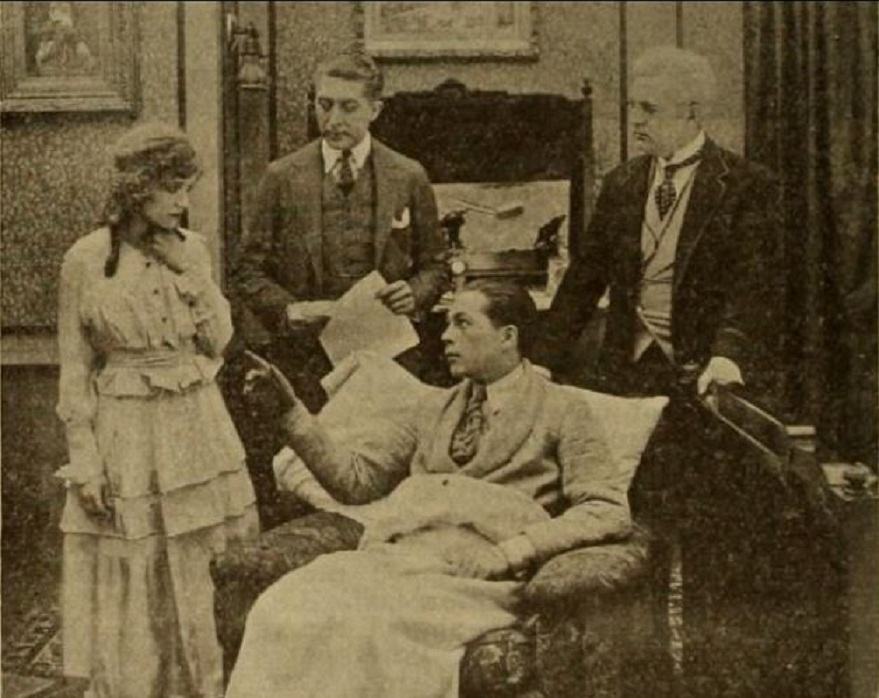
Richard Tremaine, by forging a letter, compromises Helene Blair brings about her divorce from her husband and her separation from her children, and then secures her consent to marry him. She discovers, then, that he already has a wife; that he it was who destroyed her home life by his slanderous lies; she starts out deliberately to revenge herself on him. This she does by inducing his son to fall in love with her. The father is then brought face to face with the dilemma of seeing his son marry a woman with whom he had been intimate, or having his own disgrace brought put into the light. The three finally meet in Helene's apartments, and the son is accidentally shot and killed by a revolver with which the father was attempting to end his own life. The father is charged with the murder of his son, and Helene is the chief witness against him. John Blair, Tremaine's counsel, learns from his wife's testimony of the perfidy of Tremaine. After the latter is sentenced to death, Helene, in a fit of remorse, tells Blair, with whom she is now reunited, that the killing was accidental. Tremaine is freed, and Helene goes back to her rightful place as Blair's wife.
View Details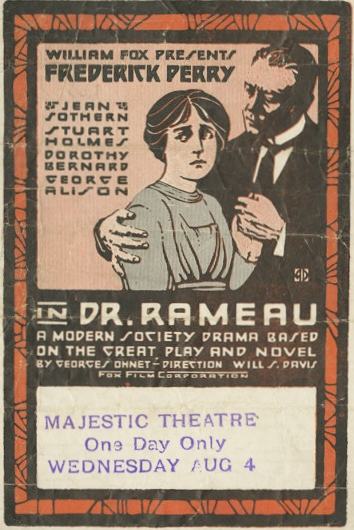
Dir: Will S. Davis
Pierre Rameau, the son of a poor gate-keeper, becomes the foremost physician and surgeon in Paris. Conchita, his wife who he loves above everything else in the world, dies leaving an infant daughter, Pamela. Rameau is inconsolable and keeps the room that Conchita died in inviolate, visiting it only on the anniversary of his wife's death. Twenty years later on one of these visits he discovers, among one of Conhita's letters, proof that she had been unfaithful to him and that Pamela, the girl he had raised from an infant to womanhood, was not his child. The shock drives him out of his mind, and he drives Pamela from his home, refusing to ever see her again. Dr. Talavanne, his best friend, informs him that Pamela is dying and only Rameau's skills as a physician can save her.
View Details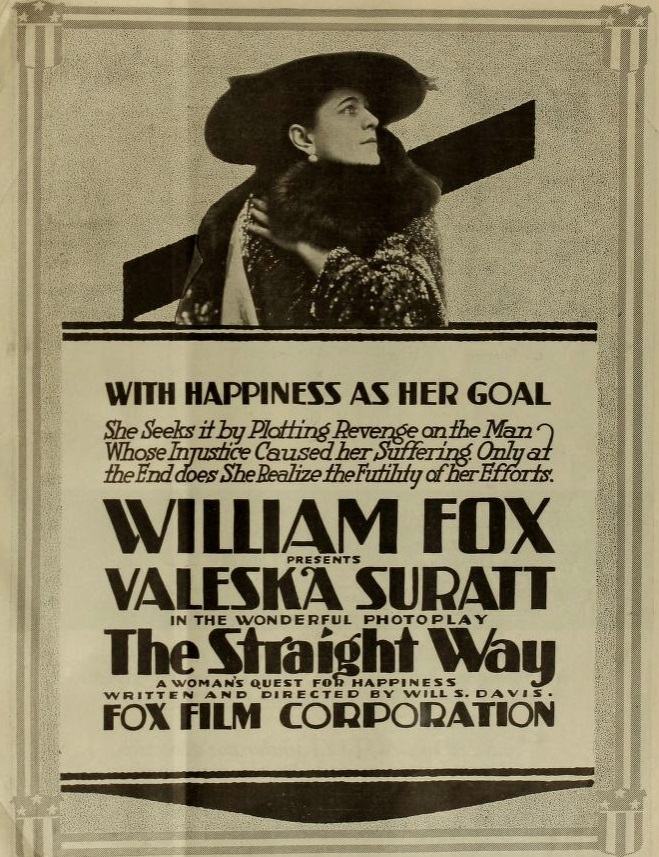
Dir: Will S. Davis
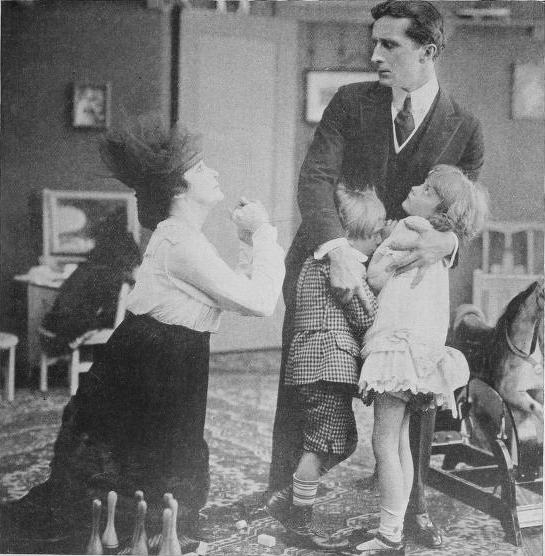
Deserted by her husband, John Madison, because he incorrectly accuses her of having an affair, Mary Madison goes to her aunt's house to have her baby, and then loses her memory in a train wreck. John, however, hears that she has died, so he takes possession of their infant daughter. Years later, John has remarried and Mary has regained her memory, but she does not know that her daughter is still alive. When she learns how John prizes his daughter, she decides to gain revenge on him by disgracing her, so she plots to have the daughter seduced by an ex-convict who served time on a trumped-up charge. The ex-convict and the daughter fall in love, however, and after their marriage, Mary finds out that the woman she tried to ruin is her own daughter. A less vengeful Mary then goes to John and is reconciled with him.
View Details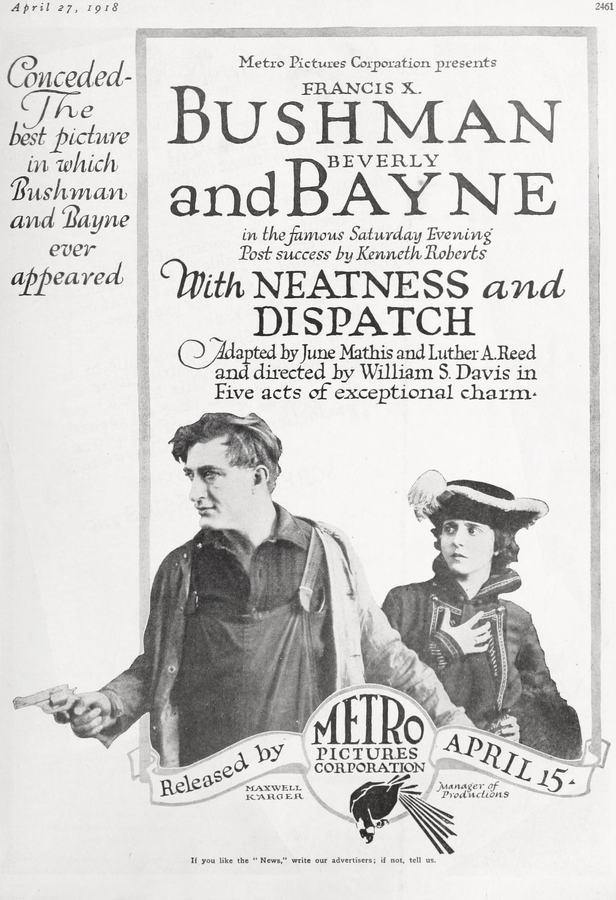
Dir: Will S. Davis
Mary Ames is caught while planning to elope, and locked in a room by Aunt Letitia. Her sister, Geraldine, plans to help her, and goes to her friend the police commissioner to borrow a criminal. Paul, the commissioner's nephew, sees her, and loses his heart. He decides to pose as the criminal to be near her. Everything works smoothly, Mary is released, and the elopement takes place; but just at that moment the chauffeur and ex-gardener, together with the real criminal whom Paul is impersonating, arrive, and attempt to rob the house. Of course, Paul subdues them, and saves the jewels. The commissioner and a number of policemen arrive on the scene, everything is explained, and ends happily with a second elopement a short time after.
View Details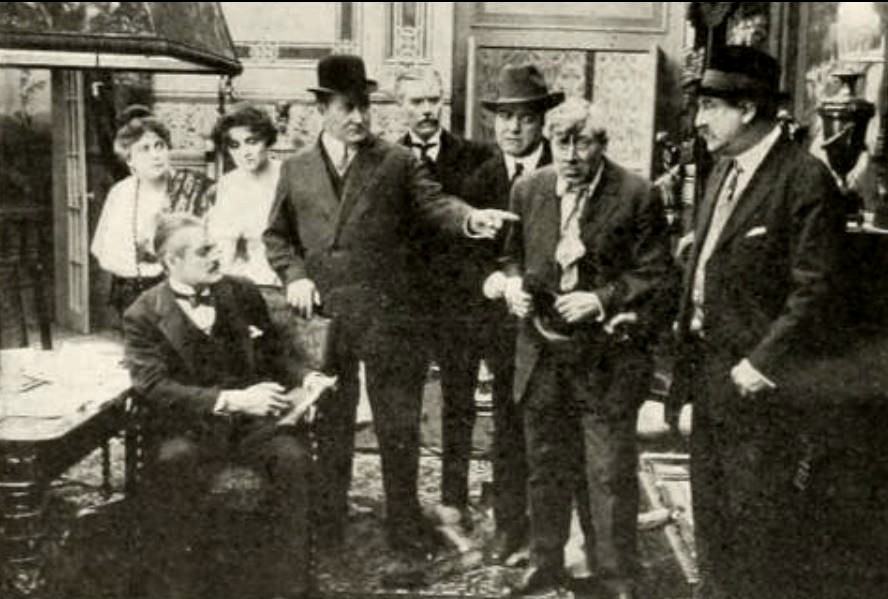
Dir: Will S. Davis
Randolph Legarde, a senior judge of a criminal court, betrothed to Agnes Caverly, is injured by the kick of a horse at the base of his skull. The injury has the effect of establishing in Judge Legarde a dual personality. Miss Caverly, together with her father, a lawyer, is a guest of Judge Legarde and his sister at their apartments. In his courtship, inspired by a feeling of affectionate sentiment, he requests that her "good night" wishes to him be expressed by her playing on the piano, Schubert's Serenade. A few evenings after the accident, as she is rendering this selection, and he listening, he feels an uncontrollable impulse stealing over him to perform some act of lawlessness or violence. The dual personality has its inception, and Judge Legarde, with distorted countenance and the carriage of a thief, suddenly becomes metamorphized into a being of the underworld. He steals out of his house, and on his ramblings through the city, ultimately finds himself the habitué of a den known as the "Lame Duck." Each night this same impulse steals over him, and each morning finds him unconscious at his desk, restored to his original personality. He endeavors to fight off and battle with this evil influence, but without avail. Several thefts and acts of violence occur in the city, which the police authorities are unable to settle upon any one man, but of all these, Judge Legarde is the moving spirit. Allying himself with this band of denizens of the underworld, he becomes infatuated with Amelia, a girl of bewitching beauty, who at the time when Judge Legarde was presiding over his court, was sentenced by him to prison for the theft of a necklace from Miss Caverly, whose maid she was at one time. Amelia meets Legarde in "The Lame Duck" and there charges him with being Judge Legarde. Under the influence of the dual personality he cannot recognize the truth of the accusation, and the girl and the other habitués of the place, impressed by his vehement denial, fail to pursue the subject. He plans a robbery of his own home with the air of "Big Charles" and others. "The Quill," a stool pigeon of the police, reveals the plan of the contemplated theft. They arrive at Judge Legarde's house just at the moment that Big Charles and his pals attempt to escape, and when Judge Legarde undergoes the transformation from the thief to his former good self. Miss Caverly and her father are under the belief that over work and attention to his professional duties are the causes of his strange lapses of memory which Judge Lagarde is subjected to, but never suspecting the real truth. Miss Caverly's marriage to Judge Legarde is deferred until his complete restoration to health. Caverly engages, without Legarde's knowledge, the services of an eminent brain specialist who undertakes to eradicate the dual personality, and at a time when the good personality is about to pass away and the evil one to find its inception, the specialist merges the two into one, finally restores Judge Legarde to permanent health. His marriage to Miss Caverly is consummated.
View Details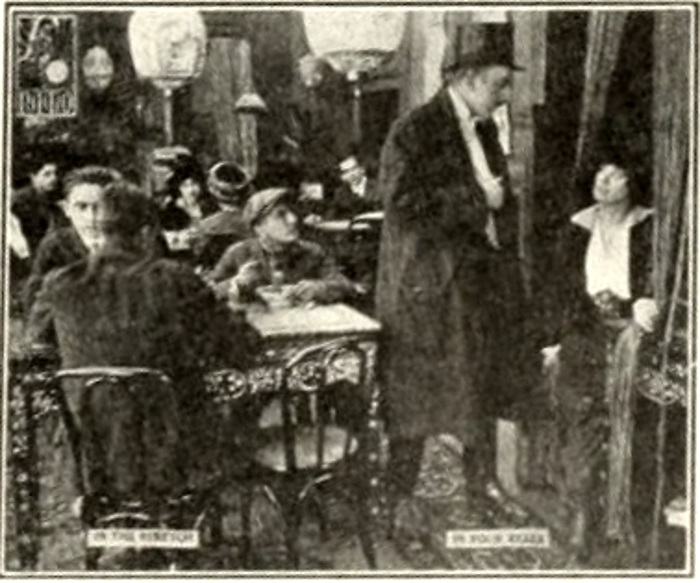
Dir: Will S. Davis
A jockey and a bettor are the victims of a corrupt bookmaker.
View Details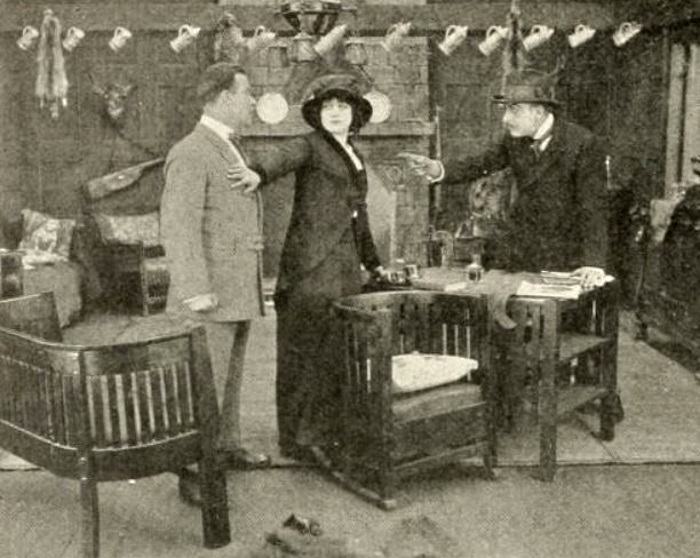
Dir: Will S. Davis
Stuart Homer, backed by the reform party, runs for the assembly. Rev. Richard Walters and his son, Horace, aid him. Homer wants his sister, Alice, knowing nothing of her love affair with Jefferson Blair, a young lawyer. Helen, Homer's wife, knows, however, and opposes the match and an elopement is planned. Helen finds Blair's note to Alice, reading simply, "Come to my bungalow. I love you. We will go away together. Believe me, sincerely, Jeff." Determined to prevent this, Helen starts for his bungalow alone, Homer being at the political meeting. Alice, on her way to Blair, crosses an old bridge to avoid being seen by Walters, who happens in that vicinity. The bridge falls, throwing her unconscious in a deep ravine, where she is exposed to the storm until found by strangers and later brought home. Helen is seen by Walters entering Blair's bungalow. Forming an unjust conclusion, Walters hurries to Homer at the meeting. Homer, not knowing of Blair's love for Alice, goes to the bungalow. Meanwhile Helen has surprised Blair, and shown him the note and told him she intends to wait and take Alice home. At this junction, Homer arrives and upon finding the incriminating note, orders Helen to leave his house and her little girl. Helen is caught in the storm and picked up practically out of her mind by an automobile party of questionable character. Alice is brought home only to die. Her story and Blair's grief convince Homer of his terrible mistake. He is agonized at obtaining no clue to Helen's whereabouts. Helen's despondency makes her a ready convert to the fast life of her companions. After fifteen years, we find Homer as State Governor, his daughter, Mary, away at school, and his wife a leading factor among her associates in their reprehensible career. Fate brings Mary Homer, her daughter, under the consideration of "the Master." Unknowingly she aids in the bringing of Mary into "the Master's" power. Mary's disappearance arouses the Governor's fears, but to avoid the dangers of publicity and disgrace, he puts a detective, Reggie Wilde, on the case. A restaurant is the means of picking the acquaintance of "Crooked Fingers" as Reggie looks easy, and entrance is gained to the house, where "the Master" lives, and Mary is detained. Wilde arrives during an attempted escape of Mary, the result of which is the discovery by Helen of a birthmark on Mary, proving to her that Mary is her own daughter. Helen plans Mary's escape. Meanwhile Wilde, finding the situation with "Crooked Fingers" and his confederates has reached a climax, shows his hand and under forceful "persuasion" the crooks are forced to telephone for the police, and then locked in a closet. "The Master" takes Wilde by surprise, overpowers him in a terrific struggle and stops Helen in her attempt at escaping with Mary. In desperation Helen shoots "the Master" just as the police arrive. Mary has fainted and Helen is arrested for the murder. Wilde takes Mary to the Governor. Blair, now a prominent lawyer, is assigned to the defense of Helen "Smith." On conferring with Helen, he recognizes her, but promises to keep her identity a secret. Mary is the chief witness against Helen "Smith," and during her testimony the Governor recognizes his wife. Tortured and powerless, he hears her testimony, which results in a verdict of guilty. The Governor visits Helen's cell and promises her to keep so that their daughter may not suffer disgrace. Urged by Blair, the Governor decides to pardon Helen, realizing that to do so, he must satisfy the public and get his reasons and thereby bring disgrace on himself and daughter. The decision proves needless, for Helen's weakened condition and refusal of food results in her death before the pardon leaves the Governor's hands. The Governor's Nemesis has disappeared; a Higher Court has assumed jurisdiction; who will be adjudged guilty?
View DetailsAnalysis relative to A Modern Magdalen
| Film Title | Atmosphere | Complexity | Similarity |
|---|---|---|---|
| The Victim | Gritty | Layered | 94% Match |
| Destruction | Gothic | High | 98% Match |
| The Cloud | Tense | Linear | 87% Match |
| Slander | Surreal | High | 93% Match |
| Dr. Rameau | Gothic | Abstract | 88% Match |
This guide was algorithmically generated using the cinematic metadata of Will S. Davis's archive. Last updated: 8/17/2026.
Back to A Modern Magdalen Details →