
DbcultAccessing Vault...
Recommendations
Senior Film Conservator
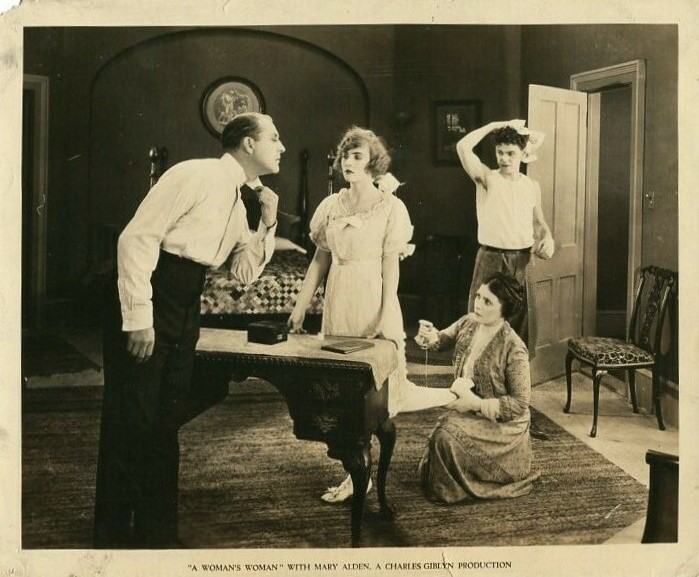
The 1922 release of A Woman's Woman redefined the parameters of Drama storytelling, the visual language established by Charles Giblyn is something many try to emulate. Explore the following titles to broaden your appreciation for Drama excellence.
Historically, A Woman's Woman represents to synthesize diverse influences into a singular artistic statement.
After 20 years of married life, Densie Plummer feels unappreciated by her family and decides to open her own business. Her newfound independence causes strife with her husband and children.
Critics widely regard A Woman's Woman as a cult-favorite piece of Drama cinema. Its poignant storytelling is frequently cited as its strongest asset, solidifying its place in United States's film legacy.
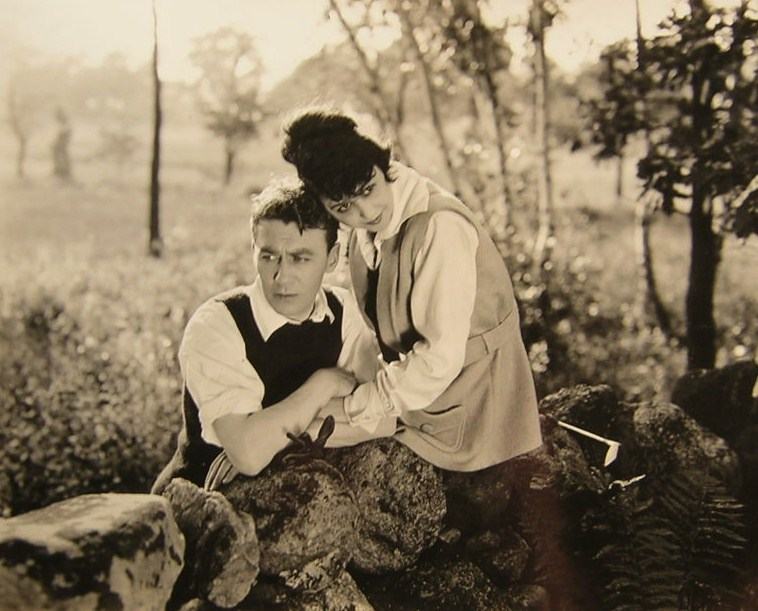
Based on the unique poignant storytelling of A Woman's Woman, our vault has identified these titles as the most compelling follow-up experiences for fans of Drama cinema:
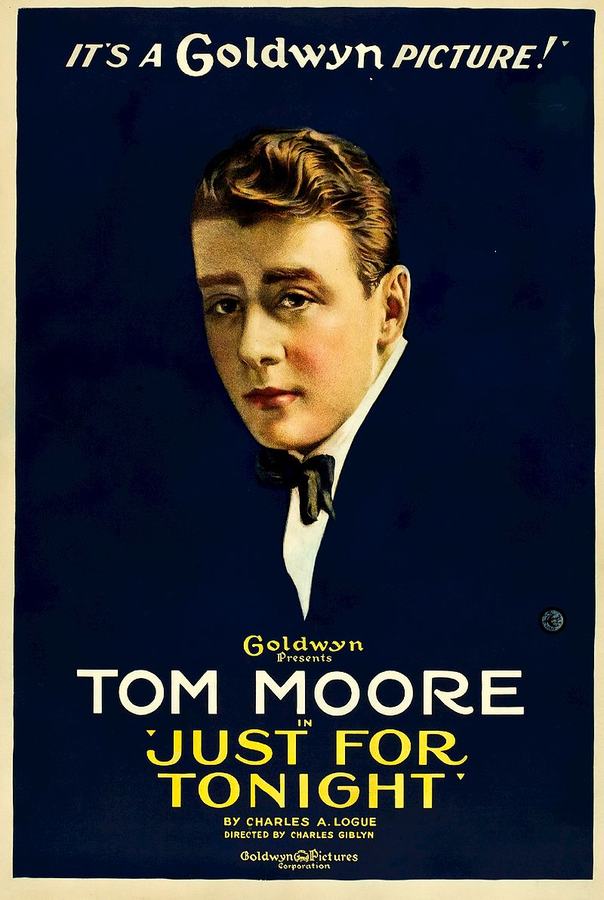
Dir: Charles Giblyn
Theodore Whitney, Sr. commissions his son Theodore, "Ted" Jr., to retrieve a missing stock certificate. On the road, Ted meets and falls in love with Betty Blake, the beautiful but elusive niece of Major Blackburn, whose home was recently robbed. When a detective disguised as British nobleman Lord Roxenham arrives to investigate the case, Ted bribes the officer to let him play the role for one night so that he may be near Betty. As the love struck young man is romancing his sweetheart, Lady Roxenham suddenly arrives, alienating Betty and throwing Ted into a panic. Lady Roxenham agrees to participate in the deception, but later Ted spies her breaking into the major's safe. After he alerts the household, she and the butler are revealed as notorious thieves. Betty, who had been trying to purchase Whitney's stock, accepts Ted's marriage proposal, and the profits are shared between the two.
View Details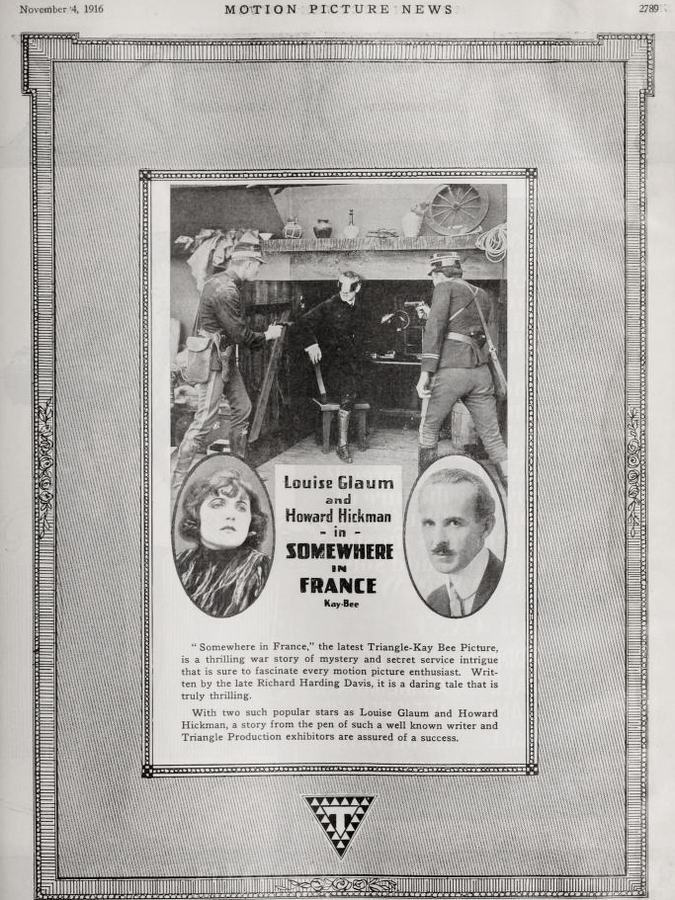
Dir: Charles Giblyn
Marie Chaumontel, a spy for the Germans during World War I, vamps her way through the French high command, accumulating state secrets as she discards lovers. Captain Henry Ravignac commits suicide because of her, after which his brother, Lieutenant Charles Ravignac, vows revenge. As a result, he pretends to be a German spy and then becomes an assistant to Marie, all the while gathering evidence against her. Finally, he accumulates enough to hand her over to French authorities, after which he is hailed as a hero for so damaging German espionage operations.
View Details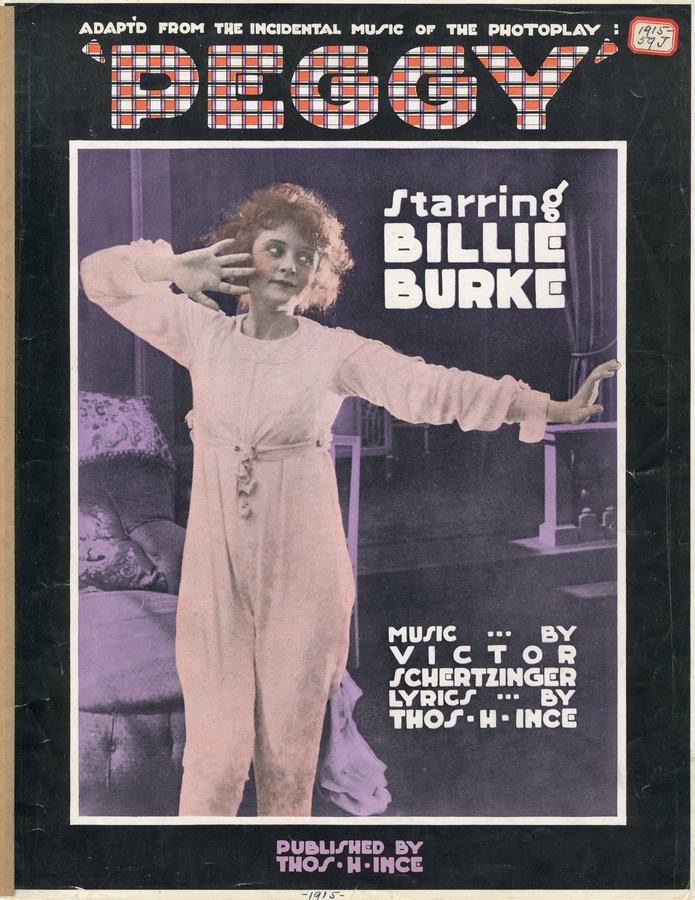
Dir: Charles Giblyn
Peggy, a rambunctious young American girl, goes to Scotland to visit her uncle. Her American ways both shock and eventually delight the people of the old village--especially the handsome young minister.
View Details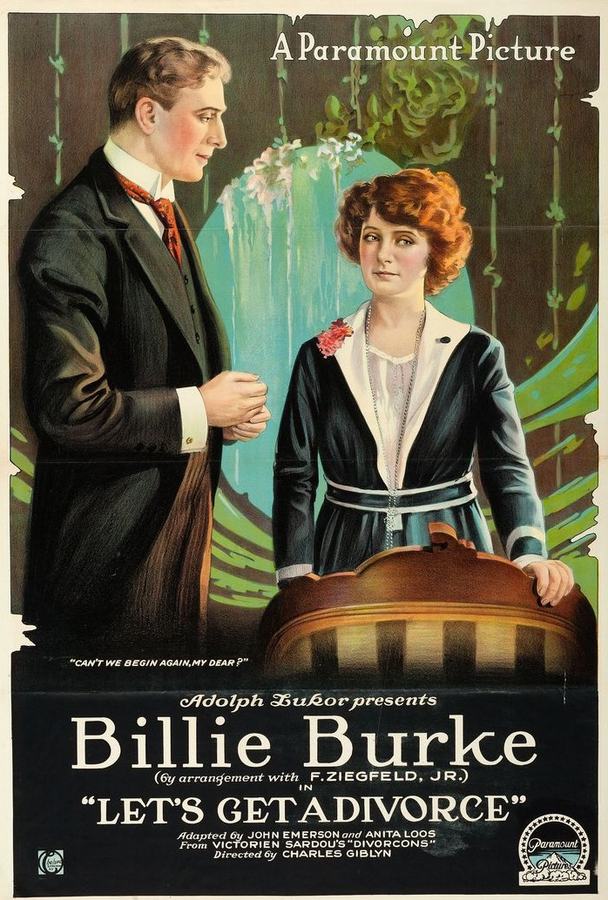
Dir: Charles Giblyn
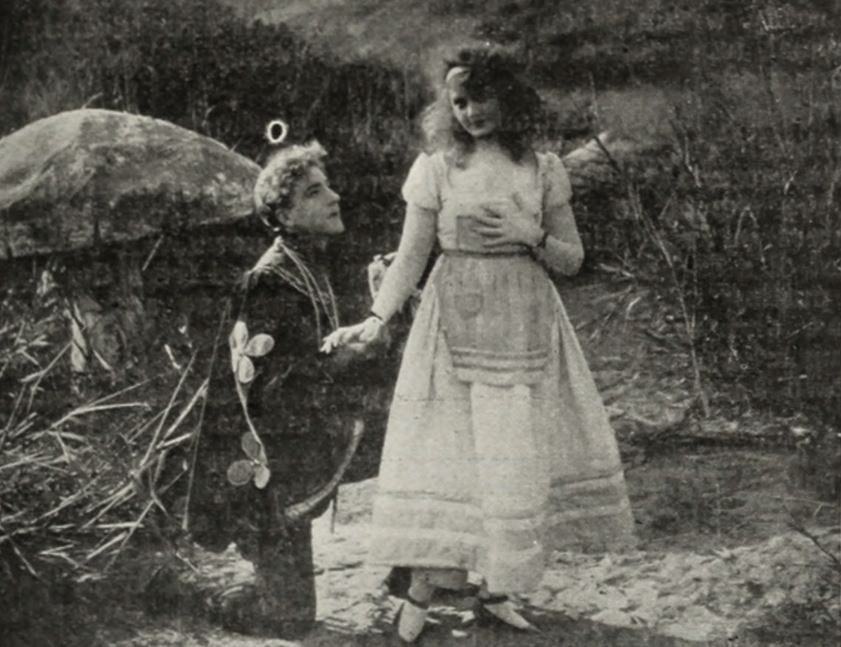
The Sardou play begins with this girl's life as the young wife of a man nearing forty, kind enough to his bride, but more or less absorbed in his serious work. She has dreamed of romantic love, intoxicating adventure, and tumultuous passions only to find none of these things in retirement with a good husband. She decided that her existence has been wrecked and ruined, and gets it into her foolish head that the only remedy is a divorce. There is a lover handy, her husband's cousin Adhemar, French in his ambition to have an "affair" with some charming married woman, and equally French in his thrift; he is a poor young man in no situation to marry any such extravagant young lady. The clear-headed husband enters into a little conspiracy with some friends to let his bored young wife have her own way, ostensibly yielding to her wishes, and he even makes things as easy and comfortable as possible for the unsuspecting lover, inviting him to the house, and announcing that he has even provided for his wife's future by settling a large sum of money upon her. She sees that this settlement has weight with the lover, and begins to falter, but she goes on determinedly with what gradually loses all the charm of forbidden fruit. Her relations with Adhemar become more and more commonplace at a time when she begins to realize her husband's magnanimity. He has denied her nothing, and he gives Adhemar full permission to marry her as soon as the divorce is granted. Meanwhile she begins to be distressed by the fact that her husband seems to be enjoying himself, staying out late at night, and suspects that he has an "affair" with some woman "not worthy" of him. She revolts when he announces he has a dinner engagement, urges him to break it and have a little celebration with her and Adhemar, finally deciding to leave Adhemar out altogether. It would be such a lark to steal away from him and have dinner in a private room with her husband, so compromising. Adhemar learns of the infidelity of his wife-to-be, and goes in search of her in a rainstorm. He is drenched when he finds the restaurant where she is dining alone with her husband in a private room contrary to what he conceives to be the rights of a husband-to-be, and he is so indignant that he seeks the protection of a Commissary of police as a safeguard for his future marital rights. The situation now becomes ludicrous in the extreme, and it ends with restored sanity for the young wife, and a complete reconciliation with her husband.
View Details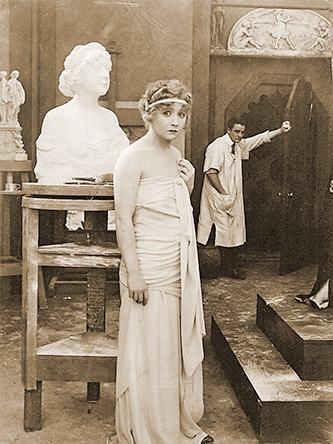
Dir: Charles Giblyn
Having to support her impoverished family, Grace Tyler poses for artist Michael Arnold, who seduces his new model and then leaves her. A few years later, after Grace has married the wealthy John Marshall, her sister Ruth, repeating Grace's mistake, becomes involved with Michael. Grace tries to break up the romance, until Michael threatens to expose their own affair to John, who has already become somewhat suspicious. Determined to learn the truth about his wife and Michael, John goes to the artist's studio while Grace and Ruth are also there, then, after a brief struggle, Michael dies from a knife wound. John is accused of the murder, but just before a jury convicts him, Ruth confesses to the crime and the court quickly acquits her because she had been defending her honor against Michael's advances.
View Details
Dir: Charles Giblyn
Minnie Penelope Peck, the village scamp of Yaptank, accompanies her father to the bank to demand the $9 owed him for his work as a night watchman. When the bank president refuses to pay Peck, Minnie posts a sign which states that the bank is insolvent, so all of the depositors immediately demand their money. The fire department is called in to quell the mob, but things get worse when Minnie accidentally turns on the fire hose. Minnie is saved from reform school by a new woman in town, Hortense Martinot, who hires the tomboy to model clothing in her shop. After falling in love with jewelry-store proprietor Dick, Minnie discovers that Hortense, in league with two gentlemen from the city, is planning to rob the bank. With the help of Dick, who is actually a detective, Minnie captures the crooks, then accepts a wedding ring from her jewelry salesman.
View Details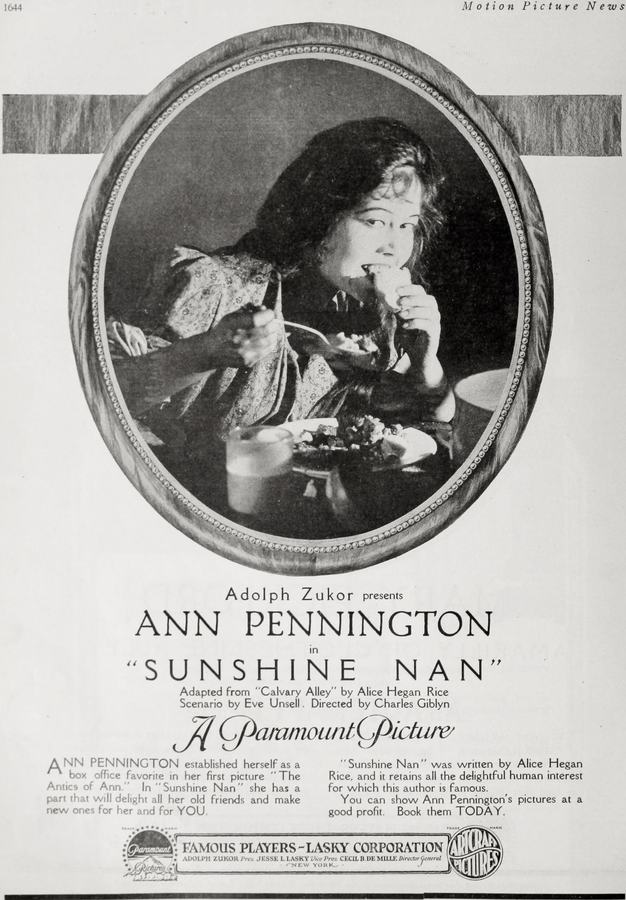
Dir: Charles Giblyn
Nance Molloy's cheerful disposition, in sharp contrast to the slum near the cathedral where she and her parents make their home, earns her the nickname "Sunshine Nan." However, her fights with the cathedral choirboys, led by MacPherson Clark, gets her into trouble. For interfering in a family squabble, she and her pal, Dan Lewis, are sent to reform school for five years, and upon her release, she becomes a stenographer in the elder Clark's shoe factory. Dan meanwhile has taken a job in the factory's chemical department, where he invents a dye process that promises to make him rich. In trouble over a woman, MacPherson decides to steal the formula and present it to his father as his own. Nan enters the lab just as MacPherson is copying Dan's formula, and the two old enemies begin to fight. Dan joins in the scuffle, but when some chemicals spill, the lab is enveloped in fire. Dan rescues Nan, and MacPherson, awakening in the hospital, remorsefully confesses his crime. Nan and Dan soon marry and the alley's name is changed to "Cathedral Court."
View Details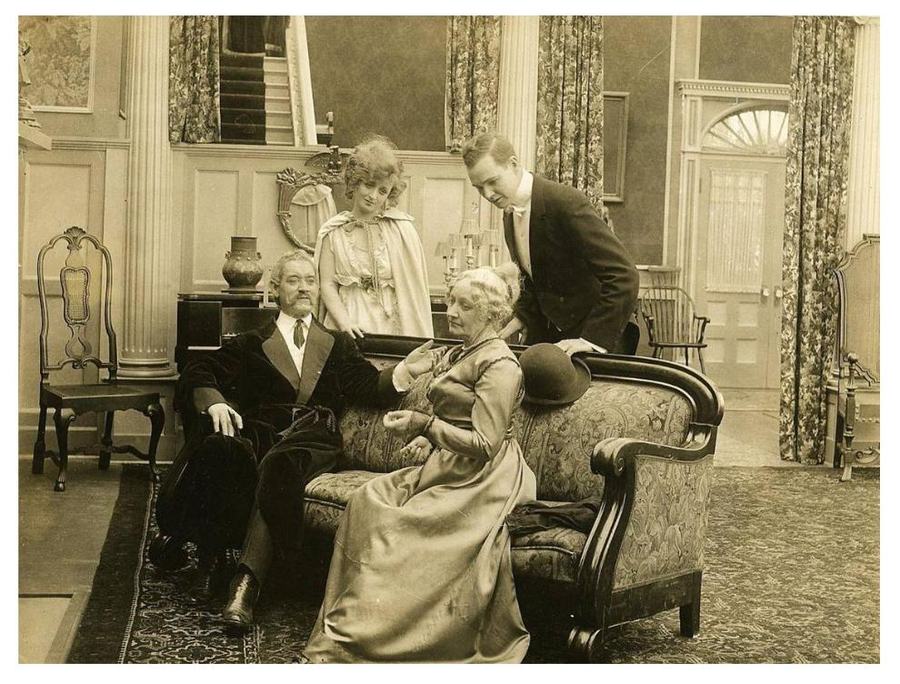
Dir: Charles Giblyn
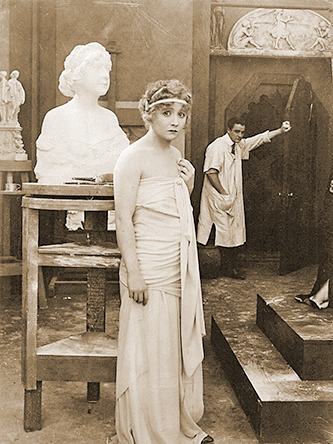
The pride of his aristocratic Southern family, a young man shatters his family's hopes by marrying a Broadway vamp known as "The Moth." The young man's father then plots to rescue his unwitting son from "The Moth's" clutches, but at great sacrifice.
View Details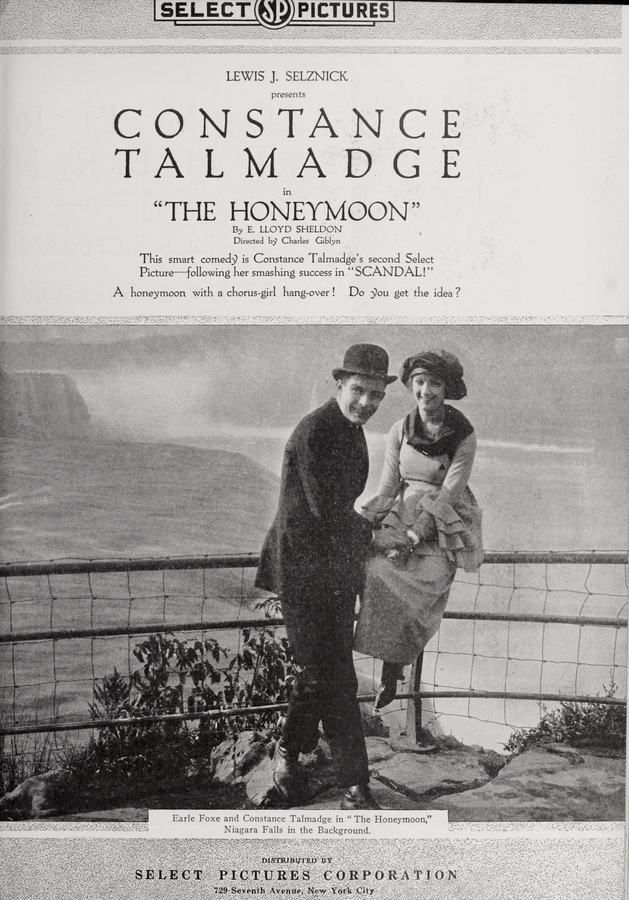
Dir: Charles Giblyn
Immediately after Susan Lane becomes Mrs. Richard Greer, she grows jealous when she sees her husband talking to Marion Starr, one of her bridesmaids. Susan's brother Phil wishes to marry Marion, but is entangled with actress Maizie Middleton. Consequently, Dick Greer agrees to see Maizie, whose troupe is playing Niagara, and attempts to buy her off. Susan follows Dick to Marion's dressing room, returns to the hotel and wires her Uncle Jimmy to file for divorce. Uncle Jimmy, resolved to cure Susan of her jealousy, intends to allow Susan to believe that she has been divorced, without actually filing. His law partner rushes the case through the courts, however, and the divorce is granted. Susan suffers such despair at the news of her separation from Dick that Uncle Jimmy rushes out and secures a minister, the couple are remarried and begin their honeymoon again.
View Details
Dir: Charles Giblyn
Mabel waits on the residents of a local boardinghouse, but her fondness for pranks finally leads to her dismissal. By a strange turn of fortune, Mabel finds herself in the possession of a traveling corset saleswoman's suitcase, whereupon she adopts the profession herself. While passing through a small town, Mabel decides to take a swim in the ocean, but as she frolics, her suitcase, which contains all of her clothing, is stolen. Forced to wear only her bathing suit, Mabel sets off in search of her clothing and learns that the police, having identified the suitcase as belonging to a jewel thief, are in search of her. Following several adventures, she discovers that the jewel robbery, which involved her friend Lena, was only a publicity stunt.
View DetailsAnalysis relative to A Woman's Woman
| Film Title | Atmosphere | Complexity | Similarity |
|---|---|---|---|
| Just for Tonight | Gritty | Linear | 88% Match |
| Somewhere in France | Gritty | Abstract | 95% Match |
| Peggy | Ethereal | High | 96% Match |
| Let's Get a Divorce | Ethereal | High | 98% Match |
| Not My Sister | Gothic | High | 93% Match |
This guide was algorithmically generated using the cinematic metadata of Charles Giblyn's archive. Last updated: 8/16/2026.
Back to A Woman's Woman Details →