
DbcultAccessing Vault...
Recommendations
Senior Film Conservator
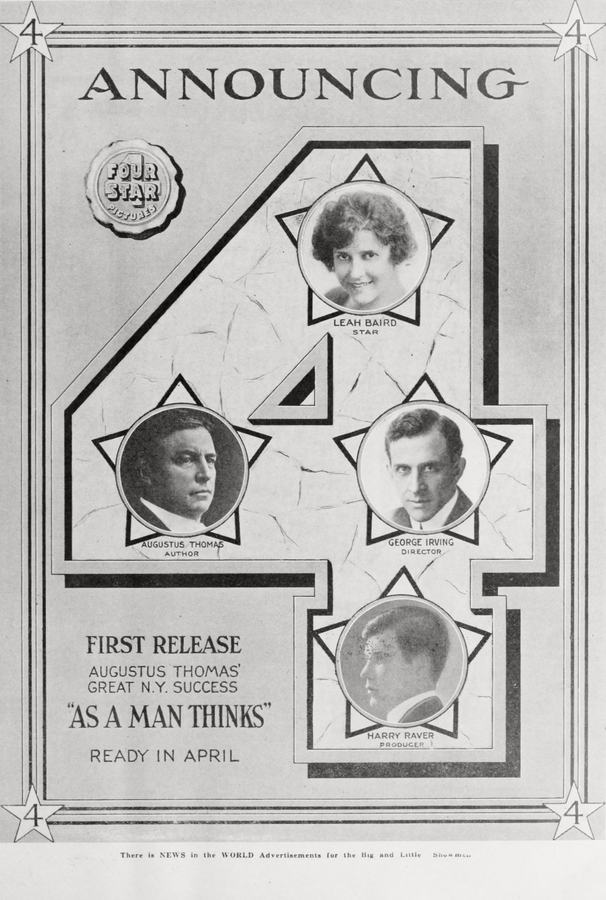
Looking back at the 1919 milestone that is As a Man Thinks, the specific unique vision of this work is a gateway to a broader cult world. Our archive is rich with titles that mirror the unique vision of George Irving.
As George Irving's most celebrated work, it defines to create a dialogue between the viewer and the unique vision.
Prominent New York magazine publisher Frank Clayton visits Paris, France,with his wife Elinor and young son Dick. He is shown around the city by Benjamin De Lota, an art critic who is a contributor to Clayton's magazine, and among the people he introduces to Frank is model Mimi Chardenet. Frank is immediately taken with the young beauty, and they begin an affair. When Elinor happens upon her husband and Mimi walking together, he introduces her as a new writer for his magazine. However, when they return to New York, Elinor learns of his fling with Mimi. Complications ensue.
As a Man Thinks was a significant production in United States, bringing a unique perspective to the global stage. It continues to be a top recommendation for anyone studying cult history.
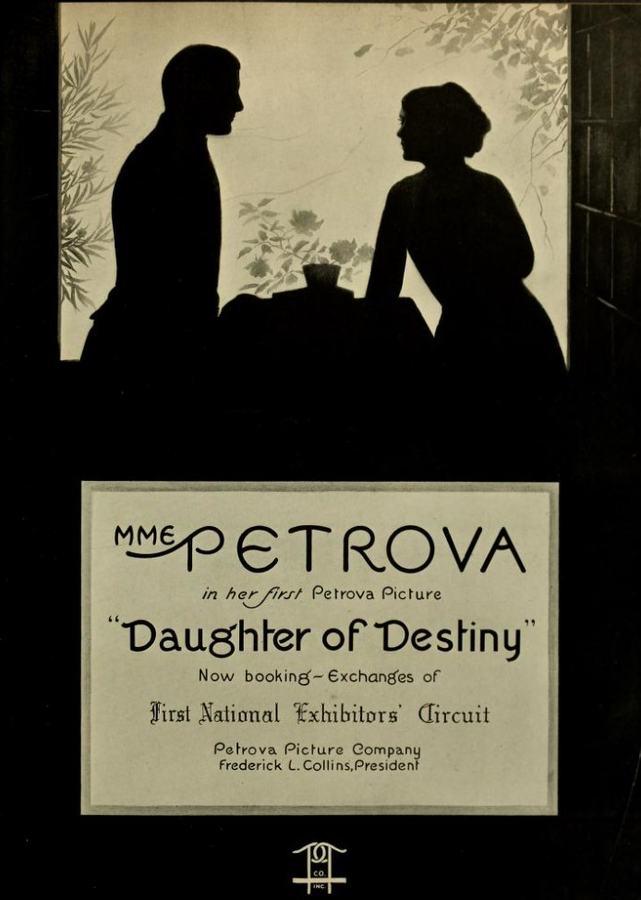
Based on the unique unique vision of As a Man Thinks, our vault has identified these titles as the most compelling follow-up experiences for fans of cult cinema:
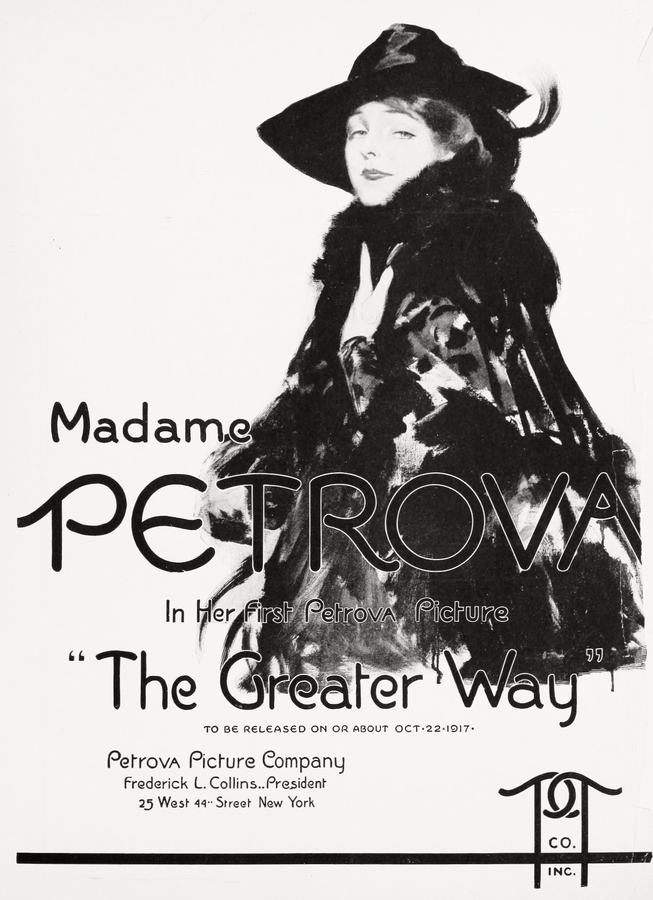
Dir: George Irving
Married to a spy who seeks to induce her to betray her country, the daughter of the American Ambassador to Belmark welcomes the news of her husband's death not knowing that he has merely staged a deception. She becomes the morganatic wife of Prince Leopold, of Belmark, but renounces the marriage that war may be avoided, only to learn that the new alliance means a still greater war. She persuades Leopold to renounce the compact, then saves his life by throwing herself between him and an exploding bomb, but the story does not end there.
View Details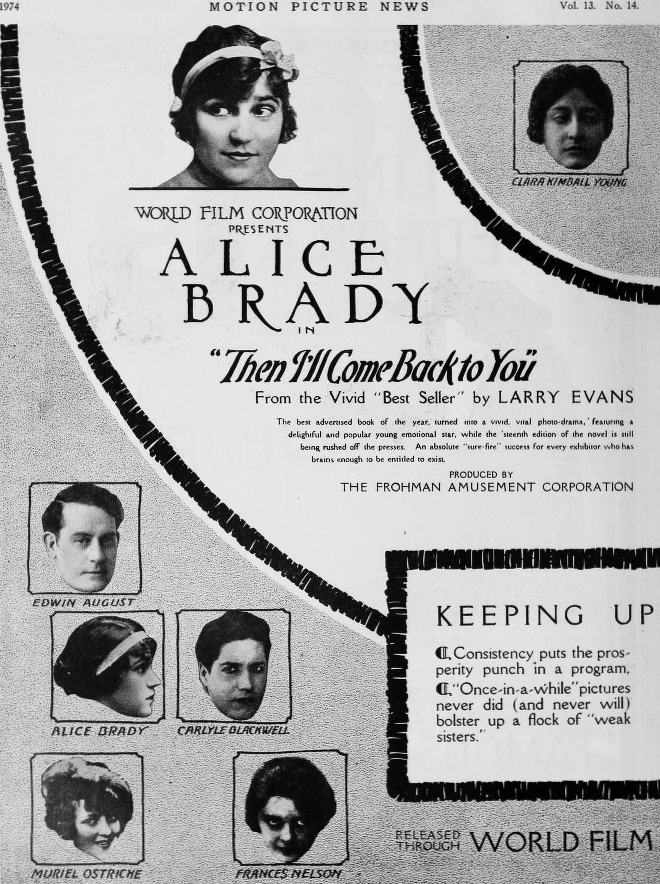
Dir: George Irving
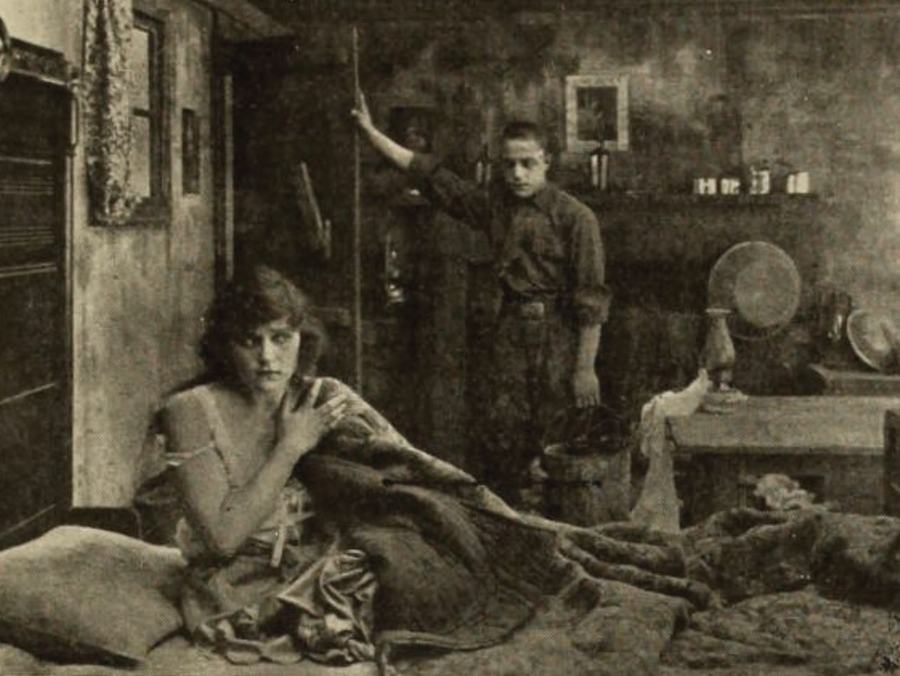
Mountain boy Steve O'Mara, living in the Adirondack Mountains, who loves to fight, is taken in by a well-to-do family after the death of his foster father. Steve is attracted by a young girl, Barbara, who is visiting his family, but she is repelled by his violent behavior. He fights another boy over her affections and then vows not to return until he corrects his ways and makes good. Ten years pass, and Steve has become a road construction engineer with the East Coast Railroad Company. He is trying to complete a railroad being built through his home town. Barbara is now engaged to Archie Wickersham, who for financial reasons is trying to prevent the railroad from being completed. After several delays, Steve brings his rival's unscrupulous business practices to light. When Barbara witnesses the fight that ensues between Steve and her fiancé, she runs off and gets lost in the forest. After a search party is formed, Steve finds her and she realizes that she loves him. Harrigan, one of her fiancé's henchmen, witnesses this tender scene and shoots Steve. Barbara then draws Steve's pistol and shoots Harrigan dead. Only wounded, Steve finally is embraced by Barbara.
View Details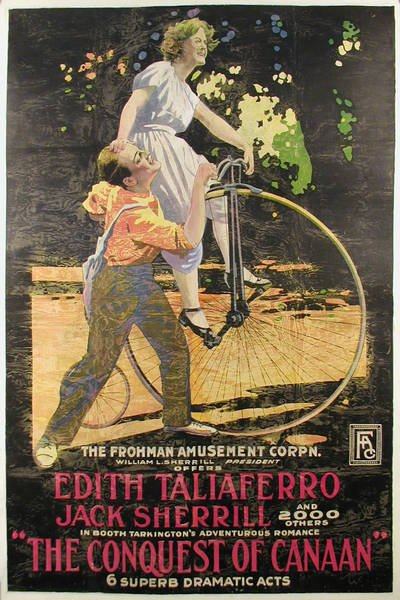
Dir: George Irving
Ne'er-do-well Joe Louden scandalizes his small town and especially the proper Judge Pike. But through the love of young Ariel Taber, Joe shows the town who the real scoundrel is.
View Details
Dir: George Irving
When the United States enters World War I, widow worries that she will lose her only son David, who has just turned 21. Although David patriotically urges the employees at his factory to enlist, he reluctantly gives in to his mother's pleas to remain at home with her. When David is drafted, his panic-stricken mother alters the date on his birth certificate, although the later birth date implies that he is illegitimate. Disgusted, David enlists under an assumed name, thus shaming Helen, who confesses her dishonesty to the townspeople. Her son, now in uniform, then forgives her.
View Details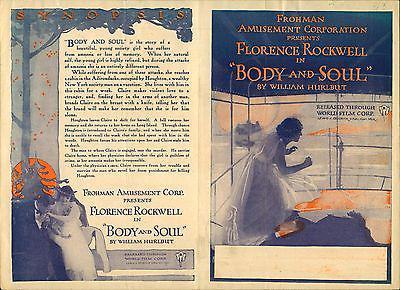
Dir: George Irving
Claire Martin, niece of the wealthy Mrs. Taylor, suffers from loss of memory. Under the effect of this, Claire acts as an entirely different person. She wanders through the woods seeking shelter and food, and finally reaches a cabin temporarily occupied by a New York sportsman, who is fishing and hunting in the woods. For a week, Claire accepts the shelter from this sportsman whose love grows with each day's stay. Finally a strange rider passing the cabin asks for a drink, and Claire in her innocence shows her admiration for the new man, making him finally accept the temptation of her eyes to kiss her. At this moment Houghton, the sportsman, returns and bursts into the cabin. He drives out the stranger and then takes a knife and marks the woman so that she will always remember that her love must be for him alone. Houghton returns to New York. While walking down Fifth Avenue he sees in a photographer's showcase a picture which closely resembles the girl he thinks he lived with in the woods. He finds out who she is and decides to visit Great Neck and see if it is the same girl. Returning to his boat, Houghton looks at some pictures which he had taken of the girl and decides it must be she. He returns to the grounds of Mrs. Taylor's home and meeting Claire declares she is the woman who was with him at the cabin. Pushing back the dress from her shoulders, he points to the scar. She begs him to tell her what he knows about the scar, and he thinking she is bluffing, tells her to come to the houseboat and he will tell her. There Houghton proves that she must have been with him at the cabin and when he demands that she love him now as she did then and attempts to take her, she picks up a knife from the table and kills him. Kent, who has been over to the Yacht Club to a committee meeting, sees this when returning to his launch. He rushes to the boat and carries the fainting body of Claire home, gets her to her room and calls the doctor to see if he can help her. The doctor declares that the girl is guiltless of the crime, having gone back to her old personality, and they decide to make the case appear as one of suicide. When Kent is returning to the boat the following morning he finds there some pictures of her and her scarf, but when he himself is charged with the murder by the man who heard the quarrel, he is made to believe that Claire is innocent by Kent and the doctor, who point out to him the terrible weakness of circumstantial evidence. After Charlie goes, the doctor tells Kent that Claire needs care and attention and must be protected, and Kent in his great love takes her to his heart.
View Details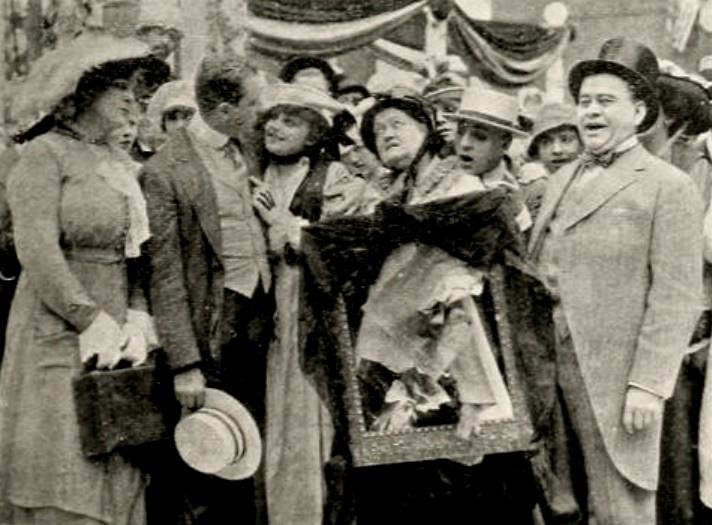
Dir: George Irving
Edward Swinger contrives to win the hand of the lovely Caroline Pickering by selling her father his business - a business that doesn't actually exist.
View Details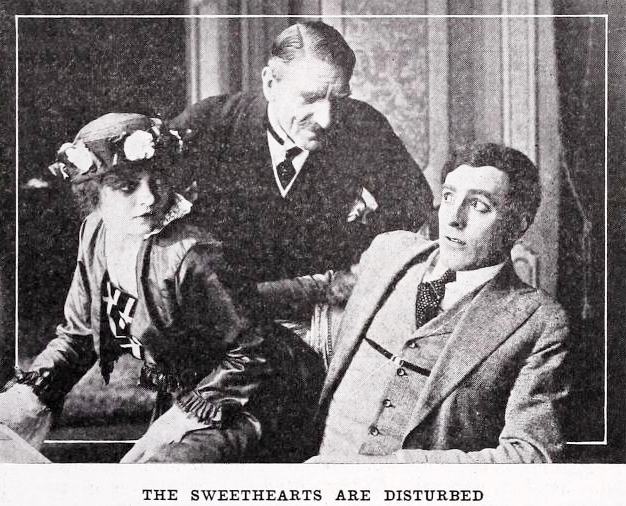
Dir: George Irving
John Glayde is a stone-hearted man intent on wealth to elevate his family, losing his wife to another man in the process.
View Details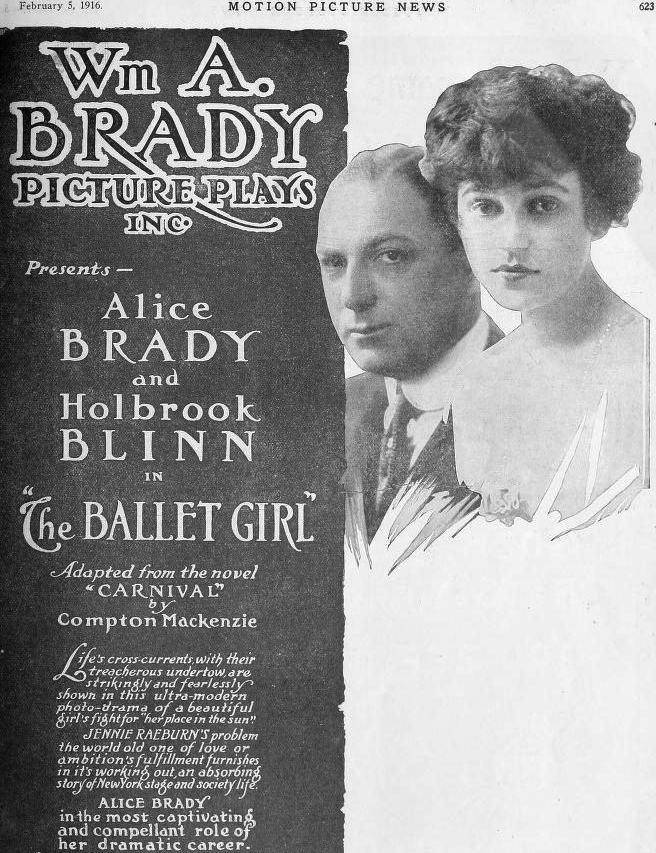
Dir: George Irving
Aerial dancer La Syrena, whose jealous husband kills her while she performs in midair. Her daughter, Jennie Raeburn, soon orphaned, grows up unaware of her mother's occupation, but nonetheless feels the urge to dance. She makes a successful stage debut and gets caught up in the social world of the theater. A cousin from the country, Zachary Trewehella, who has always loved Jennie, disapproves of her sudden obsession with wealth and status, but Jennie ignores his warnings. As a result, she has a disastrous affair with a society man, and realizes that her cousin was correct. In the end, bitter over her last affair, she reluctantly marries Zachary, but soon falls in love with him.
View Details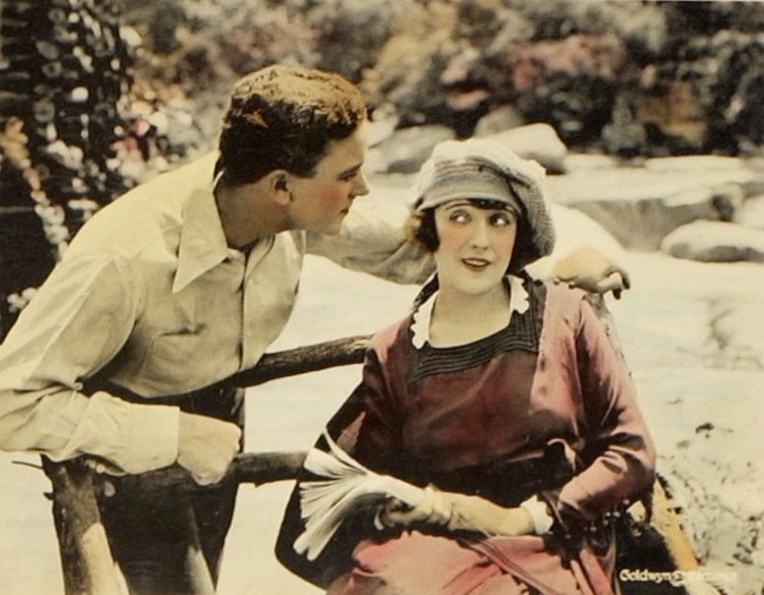
Dir: George Irving
Daughter of an Eastern lumber king, Stephanie Trent travels in the guise of a schoolteacher to the logging village of Trentsville to search for "a real man." There she meets Jimmy Raymond, a young novelist posing as a local while writing his story. When Stephanie comes to Jimmy's cabin to report a supposed plot against him, he acts as though he intends to assault her. She nearly throws herself out the window but is stopped by Jimmy, who explains that he is working on a novel and merely wanted to determine a young girl's reactions. In retaliation, she orders that he be kidnapped and held in a nearby cabin, but remorsefully nurses him back to health when he is shot trying to escape. They meet again at a hearing in the city, where her father has filed an injunction to prevent publication of Jimmy's novel, and she consents to his proposal of marriage.
View Details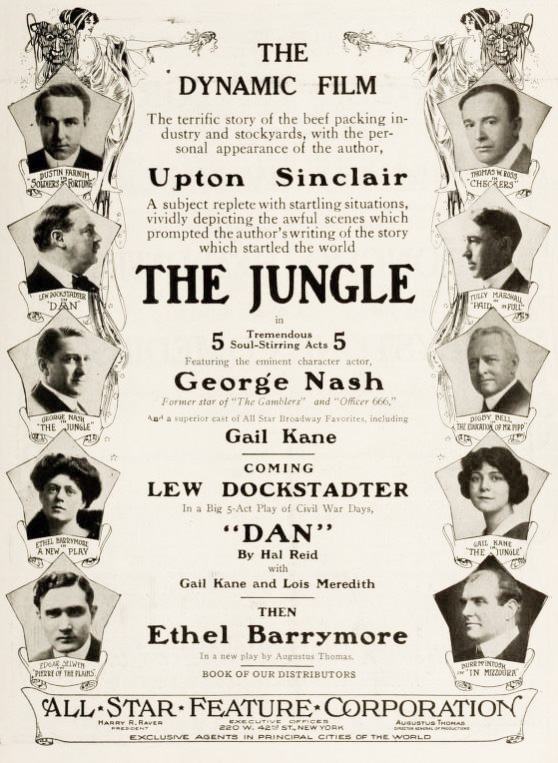
Dir: George Irving
Loyal slave of the aristocratic Dabney family, Dan is overjoyed when Raoul becomes engaged to Northerner Elsie Hammond and his sister Grace becomes engaged to Elsie's brother John. When the Civil War breaks out, the heartbroken Hammonds return North and John joins the Union army. Raoul joins the Confederacy, but his vindictive overseer, Jonas Watts, becomes a Union officer. Watts takes Grace prisoner, but before he can act on his desires, John rescues her. He then encounters Raoul and is obliged to arrest him, but Dan comes to his aid by throwing red peppers into his captors' eyes. When John is arrested by Confederates, Raoul frees him for Grace's sake, but when his superiors discover his treason, he is sentenced to death. Stonewall Jackson, a family friend, tries to obtain a stay of execution for Raoul, but in the meantime, Dan visits him and convinces his master to blacken his face and take the slave's place. He does, and Dan is executed. After the war, Raoul and Elsie, and John and Grace marry and settle on the Dabney estate.
View DetailsAnalysis relative to As a Man Thinks
| Film Title | Atmosphere | Complexity | Similarity |
|---|---|---|---|
| Daughter of Destiny | Ethereal | Abstract | 91% Match |
| Then I'll Come Back to You | Ethereal | High | 86% Match |
| The Conquest of Canaan | Tense | Dense | 95% Match |
| Her Boy | Gothic | Linear | 90% Match |
| Body and Soul | Ethereal | Abstract | 98% Match |
This guide was algorithmically generated using the cinematic metadata of George Irving's archive. Last updated: 8/17/2026.
Back to As a Man Thinks Details →