
DbcultAccessing Vault...
Recommendations
Senior Film Conservator
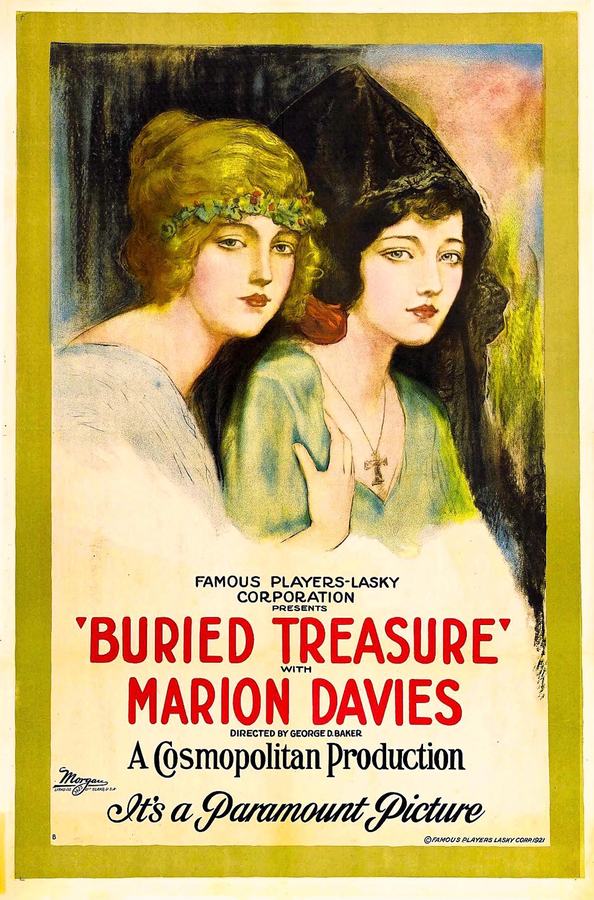
The artistic legacy of George D. Baker was forever changed by Buried Treasure, the thematic layers of this 1921 classic invite a wider exploration of the genre. This list serves as a bridge to other Romance experiences that are just as potent.
The vintage appeal of Buried Treasure to reinvent the tropes of Romance cinema for a global audience.
Strung around the idea of reincarnation, this film goes back in time to the days of the Spanish galleons and pirates burying their treasure; treasure to be found centuries later.
Based on the unique cinematic excellence of Buried Treasure, our vault has identified these titles as the most compelling follow-up experiences for fans of Romance cinema:
Dir: George D. Baker
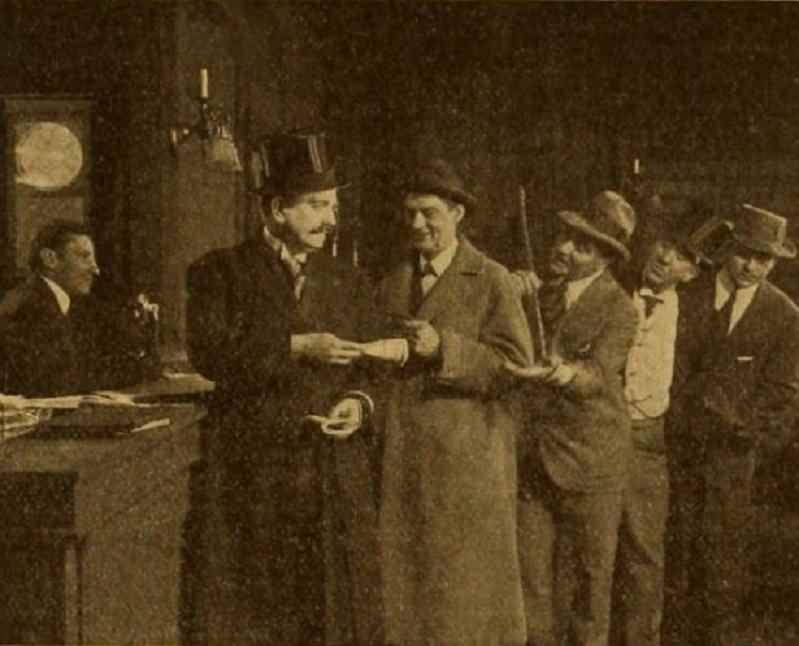
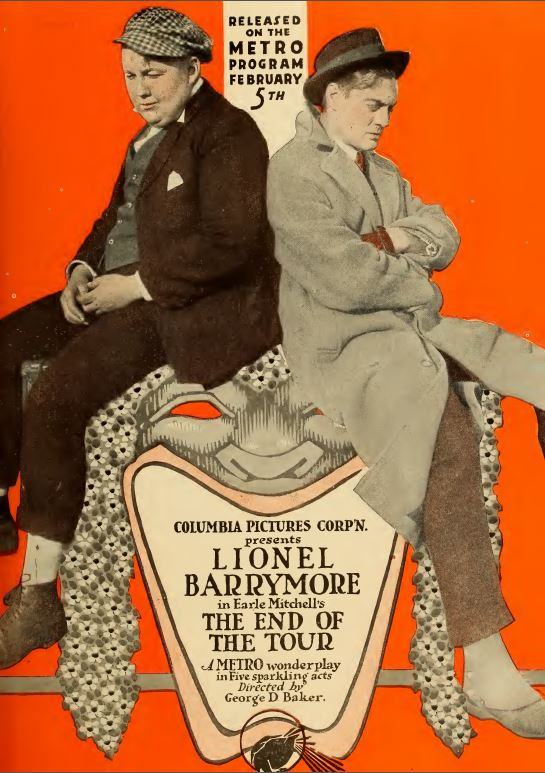
Col. Jessup of Mayville does not waste any affection on his young wife, who finally runs away with a theatrical company, taking her son with her, but leaving her baby daughter. Later, she dies, and the boy, Byron Bennett, known as Buddy, is leading man for a theatrical company playing one-night stands, but this season has been disastrous and the company is about to disband when they receive word that the house is sold out for the performance at Mayville, so they hang on. However, the manager collects the receipts for the performance and takes the first train, leaving the company stranded. Buddy secures a position as Instructor for the Jessup Volunteer Hose Company which is to give an amateur theatrical performance. He persuades Grace Jessup's father to allow her to take the leading part in order to out-do Hose Company No. 1, which also plans a performance. Grace becomes interested in traveling salesman Percy Pennington. He tries to persuade her to elope, but she refuses until he makes a definite promise of marriage. He boasts to Buddy and his friend Skinny and intimates that the promise will not be carried out. Soon after, he starts out riding with Grace. Buddy is suspicious and follows on a bicycle, but is outdistanced. At last, however, he sees the horse tied by the roadside, and hears Grace scream. Rushing to her assistance he overcomes Percy, and carries a wilting Grace home.Col. Jessup, thinking Bud is the culprit, fires at him twice. One bullet lodges in the shoulder; the other is stopped by Buddy's watch in which he carries a picture of his mother. Grace regains consciousness and explains matters, and Jessup is amazed to find that the picture in the watch is that of his wife. The doctor advises that Buddy will recover, and there is a reconciliation among father, son, and daughter.
View Details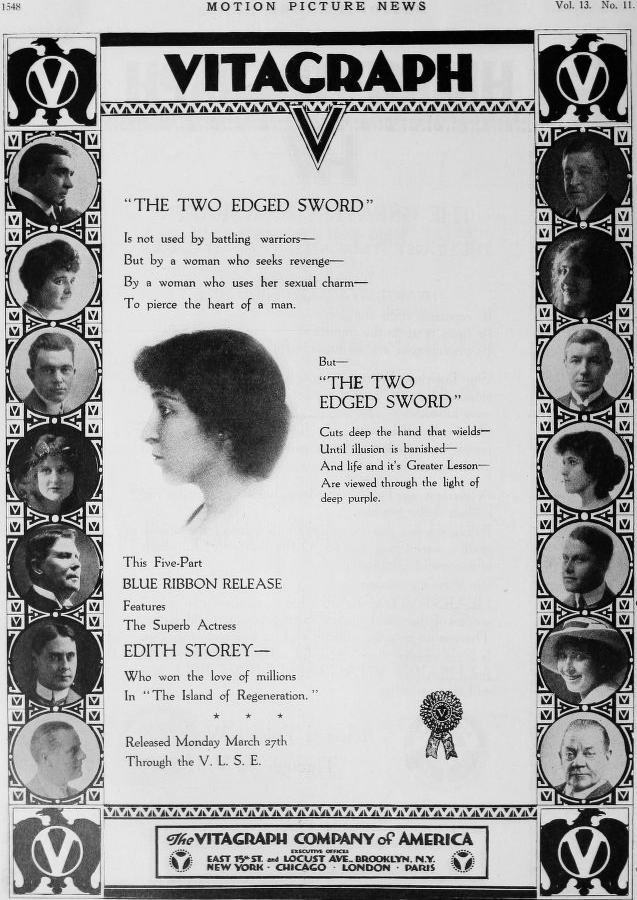
Dir: George D. Baker
Gordon Allen works hard to support his wife Dorothy, but she becomes bored with Gordon and her marriage. She takes a trip with her friend Evelyn to a farm for a vacation, and there meets and flirts with handsome but native farmer Jed. She thinks nothing of it, but Jed takes it very seriously, and his sister Mary tries to break up the relationship. When Gordon pays a surprise visit to the farm to see Dorothy and she greets him warmly and kisses him, Jed realizes that he's been played, and after Gordon beats him in a fight, Jed kills himself. Mary, outraged, vows vengeance on Dorothy.
Dir: George D. Baker
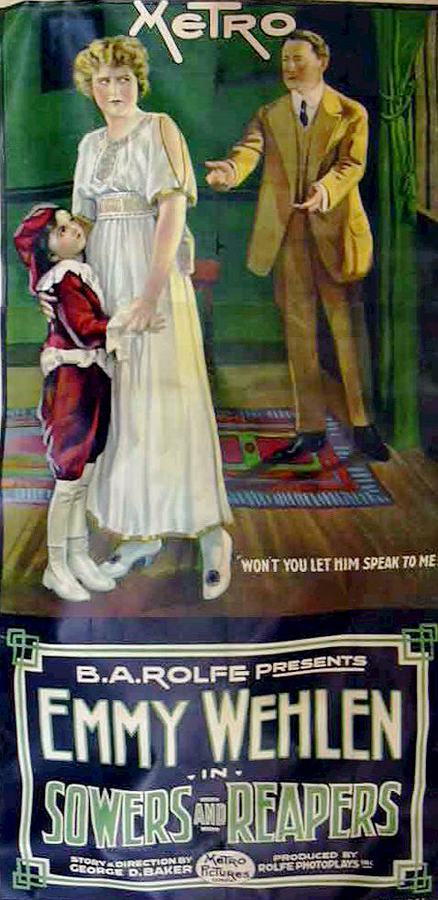
Although Earle Courtney has married factory girl Annie Leigh, his millionaire father, Major James Courtney, is determined that Earle will marry the wealthy Ethel Ainsworth. Courtney kidnaps his son and sends a message to Annie requesting an annulment, to which he signs Earle's name. All records of the marriage are then destroyed and Earle is led to believe that his wife has perished in a factory fire. Meanwhile, Annie goes to the city looking for her husband and there her child is born. While in the hospital, she reads an announcement of the wedding of Earle and Ethel. Obtaining employment in a film studio, Annie soon soars to stardom. When Mexican investments result in financial disaster for the Courtneys, Annie takes over the mortgage on their estate and produces a picture based on the story of her betrayal. When Earle views it, he learns of his father's treachery and the major, overcome with remorse, begs Annie's forgiveness. Nothing can undo Earle's unhappy marriage, though, until Ethel elopes with artist Paul Roubais, thus removing all obstacles in the path of Annie and Earle's reconciliation.
View Details
Dir: George D. Baker
Overcome with guilt after having an affair with her best friend's husband, Clorinda hopes to escape her past by moving to Europe, where she meets Malcolm, a decent man who falls in love with her. Unable to accept his love, she returns to America and confides her sin to Rev. Bainbridge. Malcolm has followed her, but when she discloses her past, he turns his back. Rev. Bainbridge proposes and before the marriage takes place, Malcolm returns, begging Clorinda's forgiveness. Preferring the worldly man over the minister, Clorinda marries Malcolm and they begin their new life together in France.
Dir: George D. Baker
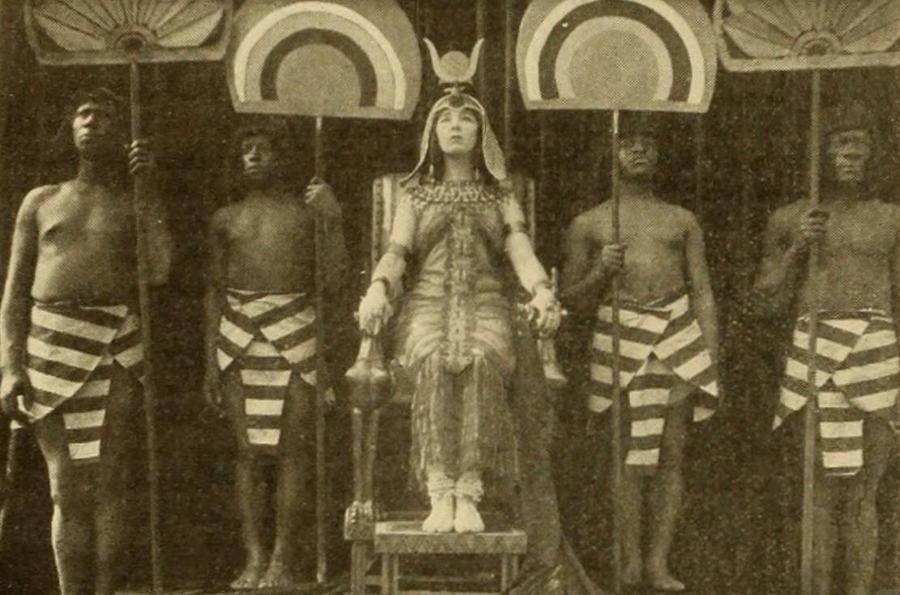
An imperious Egyptian princess awakens from a 3000-year trance and wreaks comic havoc in the modern world, but it all turns out to be the dream of a young man, inspired by a mummy left in his care overnight.
View Details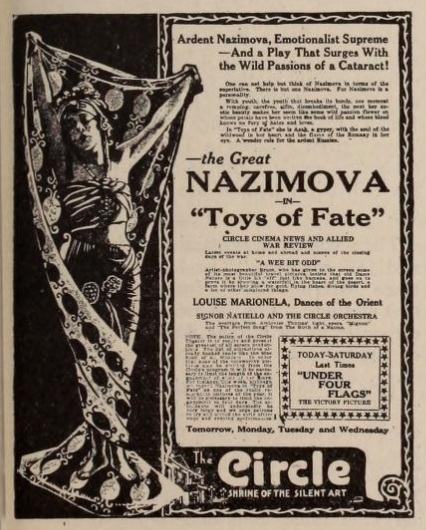
Dir: George D. Baker
A gypsy girl whose mother committed suicide after being seduced and abandoned by a rich man finds herself twenty years later being wooed by the same man.
Dir: George D. Baker
A fascinating piece of cinema that shares thematic elements.
View Details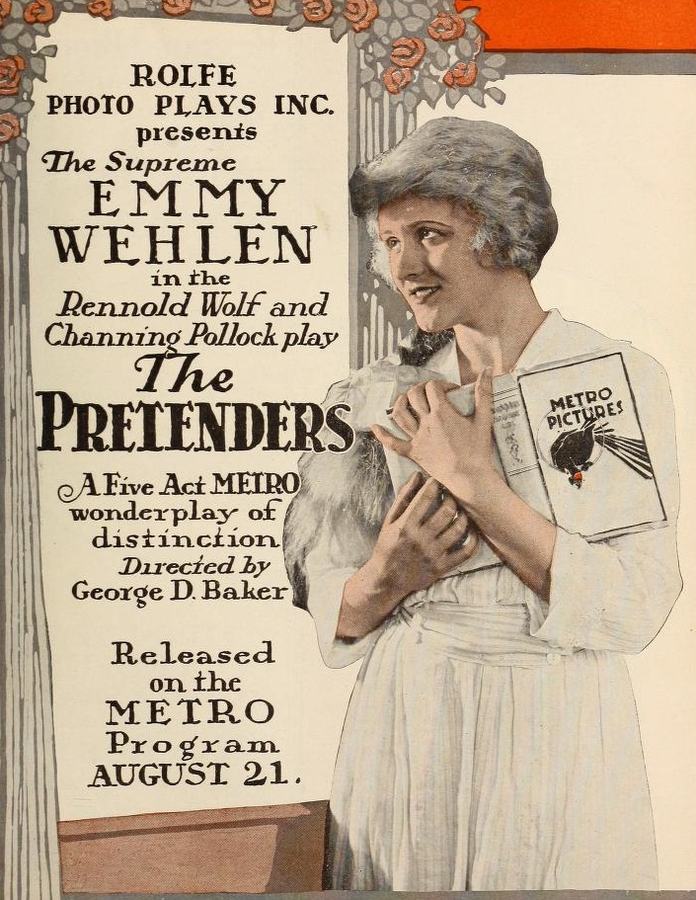
Dir: George D. Baker
When Silas Pettingill strikes oil and becomes immensely wealthy, his wife Maria and their daughter Helen demand to move from their Middle-Western home to a mansion on Fifth Avenue in New York City. Even then they are dissatisfied, for they have so fashionable friends. Helen is constantly reading books about royalty, and she bewails her fate because she knows no lords or earls. Wearying of their complaints, Silas goes out and makes friends with a taxicab driver, as agreeable young man named Hubert Stanwood, and as the hour grows late, takes him home with him to bed. In the morning Mrs. Pettingill demands to know who the stranger is. Not daring to tell her he has brought home only a chauffeur, he introduces Stanwood as Count Erfitt. Mrs. Pettingill runs to tell Helen the glad news, and they plan a series of social functions to introduce their guest. Soon the "Count" is seen everywhere with Helen. He does not want to pose under false colors, but Pettingill implores him not to let them know that he has deceived them. At a tea-dance they met Macklin Thurston, who is introduced to them as the Earl of Bradwood. Stanwood starts when he hears the name, for his own grandfather is the heir. He does not know that both have died, and that Thurston, discovering that the second son, Hubert, has been missing for several years, has appeared as a false claimant for the title. Stanwood decides to say nothing, but to investigate. Thurston is really the proprietor of an international employment agency. He uses this position to supply Huntington Lodge, the Adirondack home of the Pettingills, with two servants, Rita and Dugan, who are clever crooks. Both Thurston, as the Earl, and Stanwood, as the Count, are invited to a house party at the Lodge. Helen and Stanwood have fallen in love with each other at their first meeting. Stanwood proposes, and Helen accepts him. But Thurston tells Rita she must find a way to compromise Stanwood. She does so, and Helen breaks her engagement to Stanwood, and announced her engagement to Thurston, known as "the Earl." Stanwood engages a detective to unmask Thurston, but he has manufactured credentials, and Stanwood himself is unmasked as a false count by a man who knew him as a chauffeur. Helen orders him to drive her guests back to their hotel from the lawn fete that is in progress. Thurston goes to Helen's room and tries to persuade her to elope with him, but she refuses. Under cover of night, Rita and Dugan attempt to steal Helen's jewels. Stanwood returns in time to prevent them, but he is injured in the struggle, and when Helen enters she thinks it is he who is the thief. Still loving him, however, she urges him to escape, but the real thieves are apprehended. Detective Burke is about to take both Thurston and Stanwood into custody, not knowing which one of them is the tales Earl of Bradwood, when the lawyer arrives from New York and identifies Stanwood as the genuine Earl. Thurston is led away, and Stanwood and Helen, soon to be Lady Bradwood, are reunited.
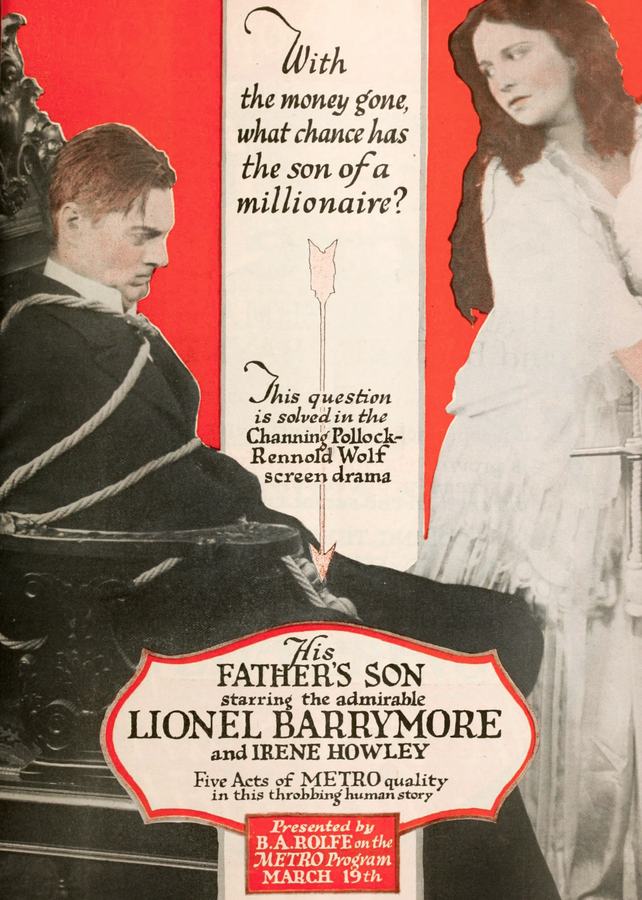
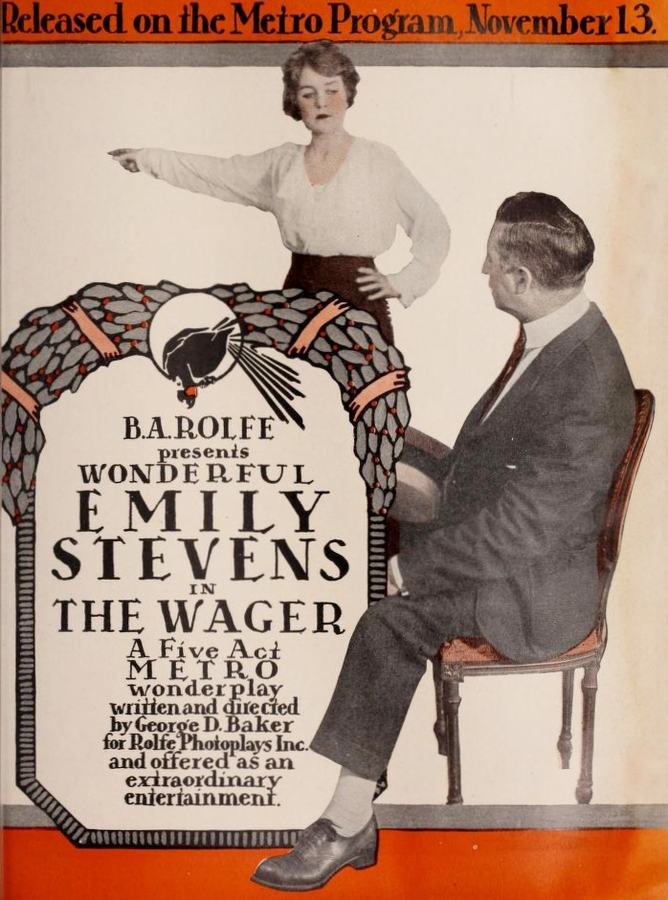
Dir: George D. Baker
College youth J. Dabney Barron regularly fails in his examinations; in disgust, his father deprives him of money and tells him to go to work, betting him $6,000 that he cannot hold a $60-a-month position for that time period. J. Dabney agrees, and with his valet Perkins he goes to look for a job. In a park he meets heiress Betty Arden, whose car has broken down. Her guest, Lord Lawrence, is incapable of helping her, and Dabney hastens to her assistance. She hurries away as soon as her car is repaired. Installing himself and his valet in a room in a lodging house, Dabney reads the want ads. Answering an advertisement for a bookkeeper, he stands in a long line of applicants until he grows tired; his valet, who has taken his place, gets the job. Finally Dabney obtains work through his friend Jim Foley of a detective agency. John Arden, millionaire gem collector, has a priceless emerald called "The Lady of the Sea." He fears it may be stolen and as a matter of fact his guest Lord Lawrence, better known to the English police as "London Larry," is planning to steal the emerald. Foley tells Dabney that to guard the emerald he must pose as butler in the Arden home. No sooner does Dabney enter upon his new work than he discovers Betty Arden, his employer's daughter, to be the girl he helped in the park. In an attempt to retain his dignity in her eyes he tells her he and his sister inherited an enormous fortune from an uncle; that the uncle had a secretary a villainous chap named Slime who forced him to make a will disinheriting Dabney and his sister; that Slime and his accomplices made the old man drink nitroglycerin but unfortunately for them permitted him to fall down when he exploded burning up the will; that the villainous secretary had then overpowered Dabney and run away with the girl, whom Dabney had ever since been seeking, hence his presence in the Arden household as butler. Betty pretends to believe the story, although she has been aware of Dabney's identity all along. Dabney continues to attend to his duties as butler and to guard the jewel from "London Larry." Finally the month is up, and Dabney, in great glee at having won the bet from his father, dares to make known his love to Betty. She returns his affection, and they are discovered in a fond embrace by John Arden, who instantly discharges Dabney. That night he is about to take his departure when he surprises "London Larry" opening the safe in Arden's library. He overpowers the would-be jewel thief, and throws him into the safe. Arden, coming downstairs, liberates Lord Lawrence, who tells him Dabney is the real culprit, and together they overpower him and tie him to a chair. Dabney urges them to send for Foley, to identify him, and the detective, arriving, makes haste to free Dabney and arrest "London Larry." Dabney, cheered by Betty's promise to marry him, goes home to collect his $6,000, having proved himself his father's son.
View Details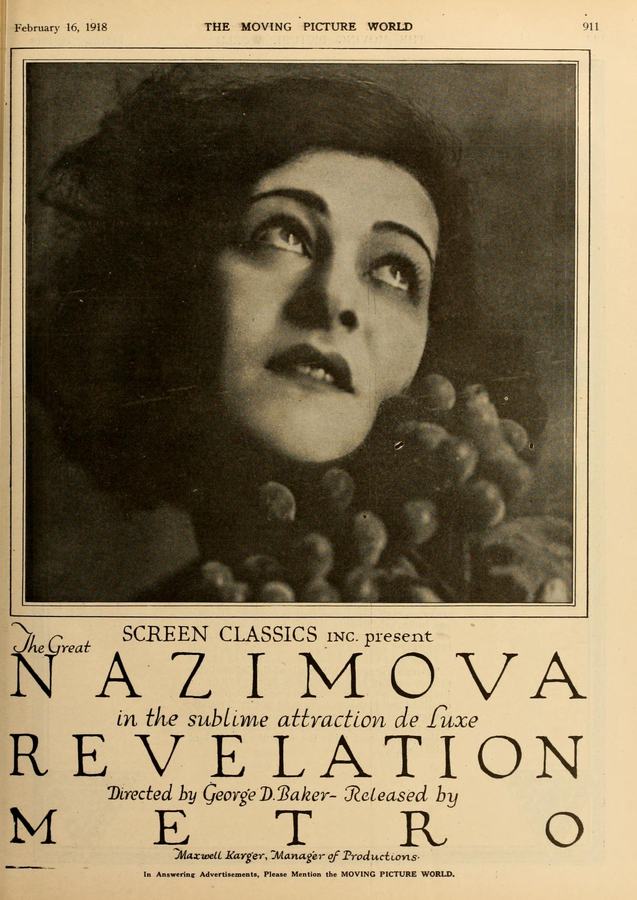
Dir: George D. Baker
Joline, a "Daughter of Joy," becomes enamored of Paul Granville, a poor artist, and as his model enables him to win fame in a series of startling canvases. A wealthy patron of art commissions Paul to paint "The Madonna of the Rose Bush," and he feels that a new model is needed, but the jealous Joline drives them away, and they start for the monastery, where the miracle of the rose bush is supposed to have occurred. There a monk declares that in Joline he has seen the Virgin, and some chord in her better nature is touched. She leaves Paul, but is reunited when she, a Red Cross nurse, finds him wounded upon the battlefield.
View DetailsAnalysis relative to Buried Treasure
| Film Title | Atmosphere | Complexity | Similarity |
|---|---|---|---|
| The End of the Tour | Tense | Dense | 88% Match |
| The Two Edged Sword | Gothic | High | 86% Match |
| Sowers and Reapers | Gothic | High | 92% Match |
| The Lifted Veil | Gothic | Linear | 95% Match |
| The Dust of Egypt | Ethereal | Abstract | 96% Match |
This guide was algorithmically generated using the cinematic metadata of George D. Baker's archive. Last updated: 6/26/2026.
Back to Buried Treasure Details →