
DbcultAccessing Vault...
Recommendations
Senior Film Conservator

The cinematic DNA of Business Is Business (1915) is truly one of a kind, finding other movies that capture that same lightning in a bottle is a top priority. We have meticulously scanned our vault to find hidden gems that resonate with this work.
As a pivotal work in United States cinema, Business Is Business to challenge the status quo through its avant-garde structure.
Newly wealthy Isidore Lechat lives in a castle in the south of France. He believes that business is the most important thing in life, but manages to stay attached to his children, although he believes that his wife's slovenly appearance detracts from his social position, so he doesn't let her go out in public. He begins an affair with Celeste, an acquaintance of his wastrel son Xavier. He believes that this may be the beginning of a new cycle of personal and business triumphs for him, but soon matters begin to take unexpected turns.
Critics widely regard Business Is Business as a cult-favorite piece of cult cinema. Its stylistic flair is frequently cited as its strongest asset, solidifying its place in United States's film legacy.

Based on the unique stylistic flair of Business Is Business, our vault has identified these titles as the most compelling follow-up experiences for fans of cult cinema:

Dir: Otis Turner
The tale is that of a curious expedition to a pearl lagoon off the South Sea Islands in search of untold treasures. The members of the party are a newspaper reporter, a degenerate Australian, who is literally seeped in gin, and a cunning Chinese, who supplies the money to fit out the vessel. When they arrive at the island, they find only a girl, Leila, who was shipwrecked with her father long before. Leila is so glad to see white men again that she eagerly shows them a bag of beautiful pearls brought up from the ocean bed by her father, who disappeared shortly afterward. The pearls are so tempting to the Australian and the Chinese that they form a combination against Leila and the reporter, Bruce Chalmers, when the latter refuses to aid them in robbing the girl. The struggle which follows for the possession of the pearls and the lagoon is very realistic.
View Details
Dir: Otis Turner
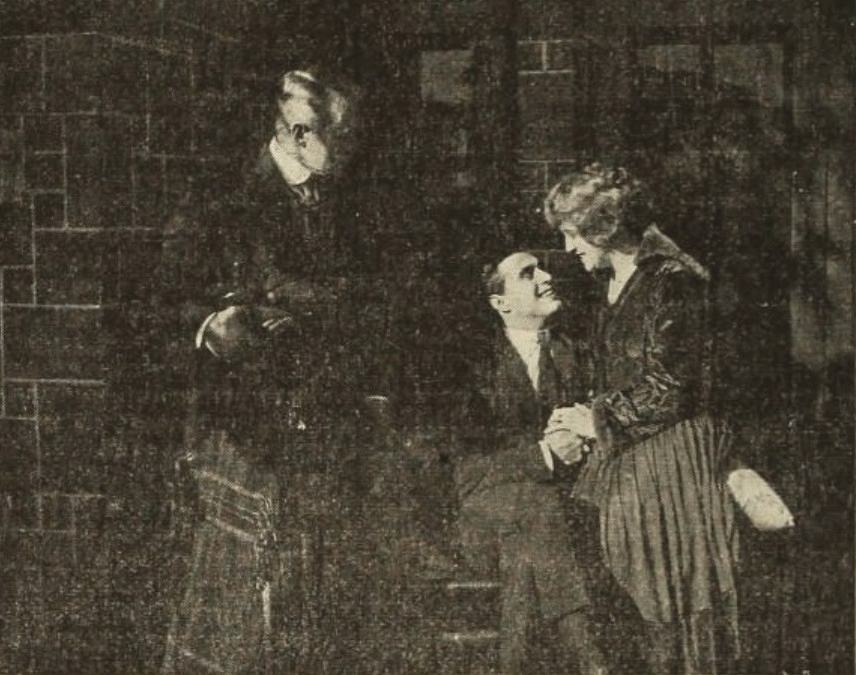
Balentine inherits a fortune from his father. He also inherits a fiancée. He sets out to spend the fortune and would have succeeded had not Vera Morton stepped in. Miss Morton, the fiancée, gets his money away from him, and keeps it until he settles down to earn a living. Jack changes his mind about marrying Miss Morton, when he sees Jane Billon. Vera solves the difficulty by becoming the wife of old Billon. Then she returns Jack's fortune, and he adds to it by acquiring Jane.
View Details
Dir: Otis Turner
Luke Simms is an honest politician: He is as charitable as he is honest and his greatest pleasure is found in giving excursions to the poor little ones of the slums. The nomination for mayor is refused by Franz Hargraves, on the score that he believes he would be expected to sign away the people's rights in favor of the Electric Company. Simms is nominated and finally elected, after declaring himself in favor of the people. Richard Sears, the leader of the corruptionists, presents a fraudulent bill to the mayor, who refuses to sign it. Sears then decides to get the ordinance passed by working on Simms' weak spot. Calling upon the mayor, Sears learns how the former's sweetheart was killed in trying to avoid running down a child while she was riding in an auto with him. Believing that he has found the mayor's weakness, that of his love of children; Sears returns home and tells his mistress, Florida Everett, that she must get acquainted with Simms and eventually marry him. Florida, a good woman at heart, longs for a decent, wholesome existence, and Sears tells her this is her chance to get it. Plans are laid to entrap Simms. The scheme works and Florida and Simms are married, and are living happily. Meanwhile Sears' stenographer, Nell, whom he has betrayed, gives birth to a child which dies a few days later. Under the assumption that he has now got the honest mayor in his power, Sears again presents the crooked ordinance, but again Simms refuses to sign it. The corruptionist then commands Florida to induce her husband to honor the measure, but she begs to be left alone. Sears threatens to expose her and she tries to get her husband to sign the bill, but he refuses. Learning of her failure, Sears sends her a telegram to meet him that night at Ardsleigh Towers, and signs it Ned Harter, who is secretary to the mayor and brother of Nell, the betrayed girl. Florida finds herself trapped, and she is kept there all night. When the mayor again refuses to sign the bill, Sears threatens to expose his wife. The corruptionist tells the mayor to find out where his wife spent the preceding night. Angered, Simms questions Florida closely, and in her anguish and fear, she begs him not to go to Sears. This decides him and he departs with vengeance in his heart. In the meantime Nell has returned to her brother. Ned drags the truth from her. He steals into Sears' home and, finding a revolver in a table drawer, extracts the cartridges and replaces the weapon, determined that his victim shall not have even a dog's chance. He secretes himself behind a curtain and hears Sears entering, and is about to shoot when the maid comes in. Simms calls and informs Sears to keep his wife's name out of their affairs. A fight starts, and just as Sears is about to stab Simms, who has the empty revolver pointed at the crook and who pulls the trigger, Ned fires unseen by the others and Sears is killed. Simms thinks he has killed him, and giving away to his grief, tries to revive Sears, and does not see the youth steal from the curtain, grab up the empty revolver and leave. Simms is arrested and indicted for murder in the first degree. Against his command, Florida takes the stand and bares her life. She relates how Sears deceived her when she was young and innocent, and of her continued bad life until she met her husband. The jury releases Simms, who, horrified at the thought of being a murderer, resolves to part from his wife, whom he reverences more than before. He does not consider himself worthy of her. Officer Ryan, ambitious for promotion, and suspecting Ned knows more than has been brought out, follows him and learns enough to make him suspicious. Simms has returned home and is preparing to leave. Officer Ryan follows Ned to Simms' house. Ned becomes alarmed and takes to the roof. Just as Simms is leaving, Ned rushes in, wounded and bleeding from the revolver of his pursuer, and confesses that he killed Sears. Ned dies and Florida and Luke are reunited.
View Details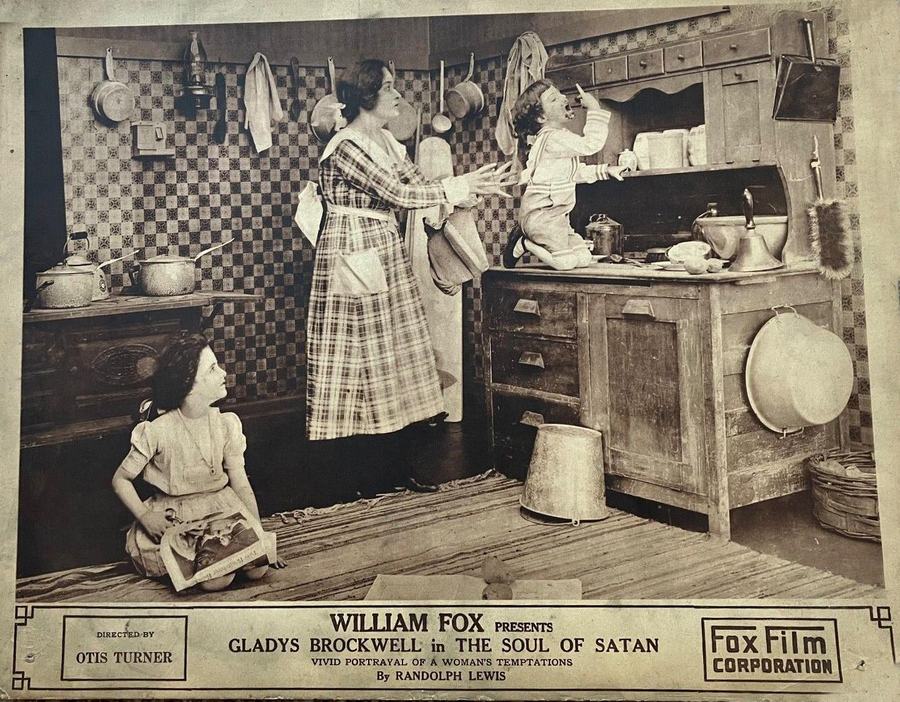
Dir: Otis Turner
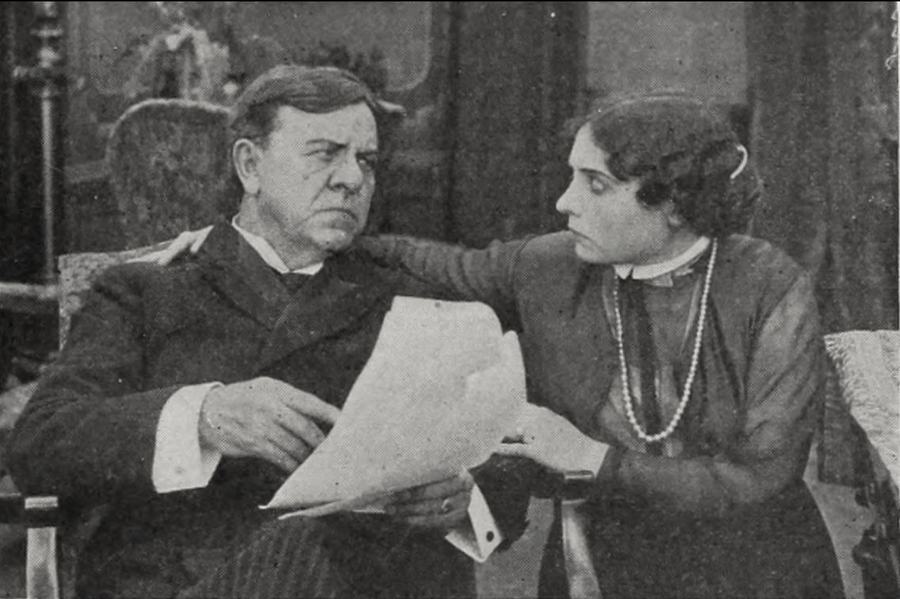
Miriam Lee is a young woman in New York who works hard for a living. Her life changes when she meets Joe Valdez, a handsome and ruthless gambler. After the couple is married Valdez opens an elegant gambling house and uses Miriam, who is nicknamed "the queen of the night", as bait to attract rich and gambling customers.
View Details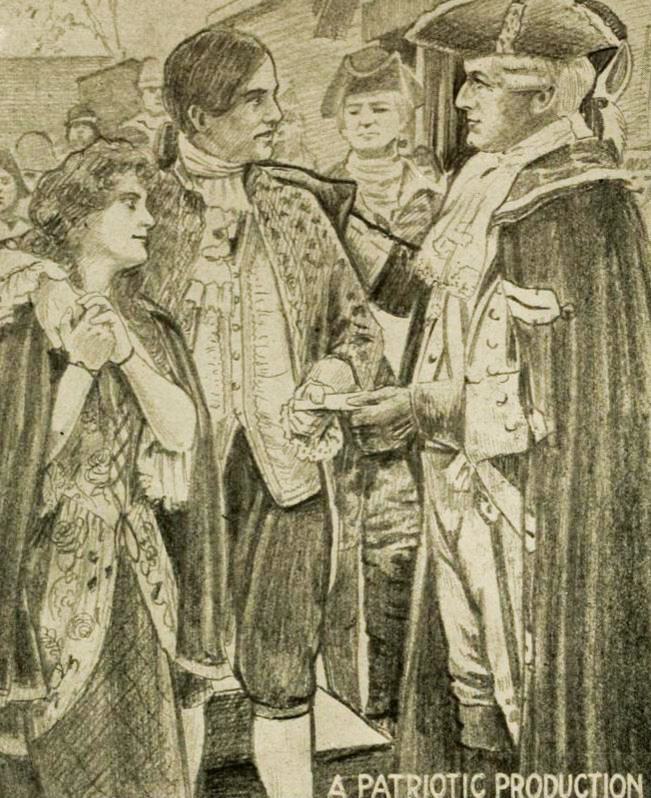
Dir: Otis Turner
Borrowing shamelessly from "A Tale of Two Cities", an American agent, Harvey Birch (Herbert Rawlinson), exchanges places in prison with Henry Wharton (J. W. Pike'), a condemned British officer and brother of a woman,Frances Wharton (Ella Hall he greatly admires, and goes to the gallows. After his death, General George Washington (William Worthington),reveals the true identity of the dead martyr.
View Details
Dir: Otis Turner
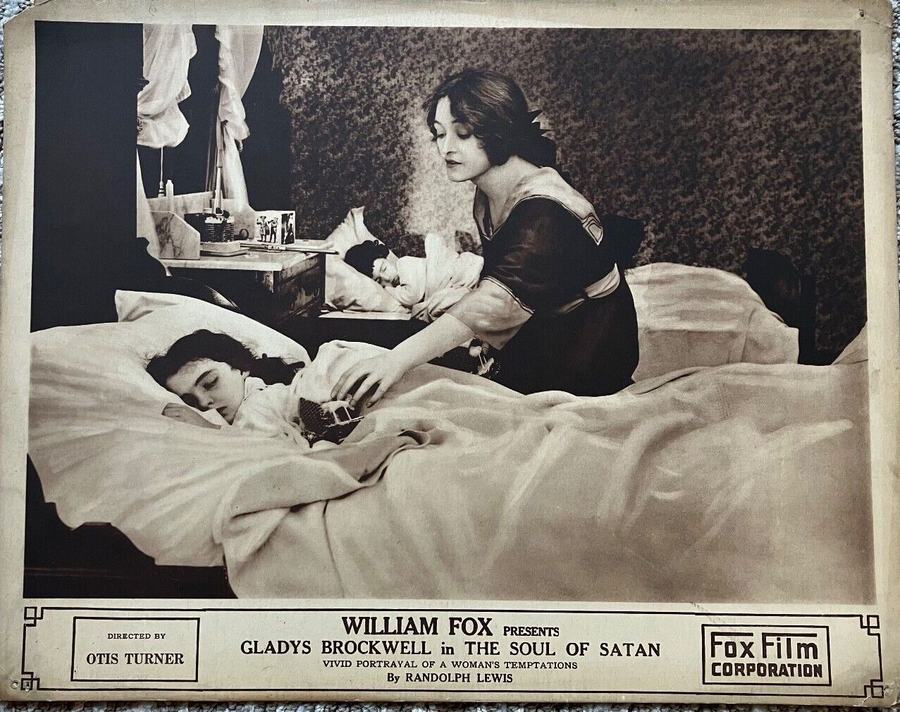
Ruth and Lem Heck are orphans. Ruth is a nurse in a small town populated by a religious sect called "The Seekers." Their object is to seek those that are needy and administer to their needs. Ruth and Lem live with Rev. Hood. Lem is apprentice in a machine shop. Two crooks in the machine shop rob the village bank with Lem's tools, which they stole. Lem is accused and sentenced to jail for 15 years. After three years, Ruth laments the absence of her brother, whose health is failing. Rev. Timothy Hood heeds the call of another little village of the same sect to send them a nurse and sends Ruth. She arrives at the little village of Canaan Mountain and is met by Sheriff John Mount, the son of Rev. Israel Mount, with whom she is to live. One Sabbath a drunken brute is abusing his wife at the church door. John, trying to aid the wife, is about to be shot by the husband, when he is saved by Ruth. John and Ruth help the wife and gain her friendship. Later, the sheriff and Ruth become engaged. Lem, her brother, is shipped out of jail by an old convict who places him in a huge packing box which he is filling. Lem makes his escape from the baggage train and meets Ruth in the woods. A gossip sees them in each other's arms and spreads the news that Ruth is untrue to John, her betrothed. He refuses to believe the tales. Ruth hides Lem in the barn and continues to visit him at night. John starts to get suspicious. It happens that Ruth is compelled to borrow $50 from Rev. Mount and signs a note for it, promising to work off the debt. She goes to the barn and John follows her and sees her give Lem the money. He confronts them, and Ruth tells the truth. They plead for liberty, but John's sense of duty is greater, and he starts to take Lem back. The men fight, and, as John is about to overpower Lem, Ruth strikes him over the head with an iron chain, knocking him unconscious. Ruth helps her brother to escape, and when she returns to the barn she finds it in flames. She rescues John, who tells the crowd of villagers who have gathered that he knocked the lamp over by accident. Several months pass. Ruth works off the debt, and the lovers are estranged. The customary time arrives to send a young couple to another part of the mountains to populate a new settlement. The couple are chosen by lottery. John is the young man chosen and Rev. Mount realizes that Ruth and John are torn with anxiety as to who will be the chosen wife. When the day comes, the maidens cast their names in the box, and the Rev. Mount so fixes the lottery that Ruth's slip is picked. In a big city Lem is at work in a printing shop. At every sound he starts guiltily, thinking that someone will arrest him. A man rushes in with a slip of paper and tells Lem to rush it out in type for the next edition. Lem reads the paper, and it is an account of his acquittal and the full confession of the two crooks who robbed the bank. The State has pardoned his escape and only want news of his whereabouts. Lem is happy that he is finally free. Ruth and John continue on their way over the mountains in the old buggy.
View Details
Dir: Otis Turner
Young Anthony March, living in London, inherits a considerable amount of money, but his crooked uncle Dr. Manuel Ceneri steals it. When Anthony gets suspicious, Ceneri's partner in crime, Macari, persuades Ceneri to kill him. However, just as they commit the murder a blind man, Gilbert Vaughan, mistakenly enters the house. Anthony's sister Pauline sees the murder, faints and loses her memory. Thinking they have gotten away with the murder, Ceneri and Macari soon find out that they're in for a shock.
View Details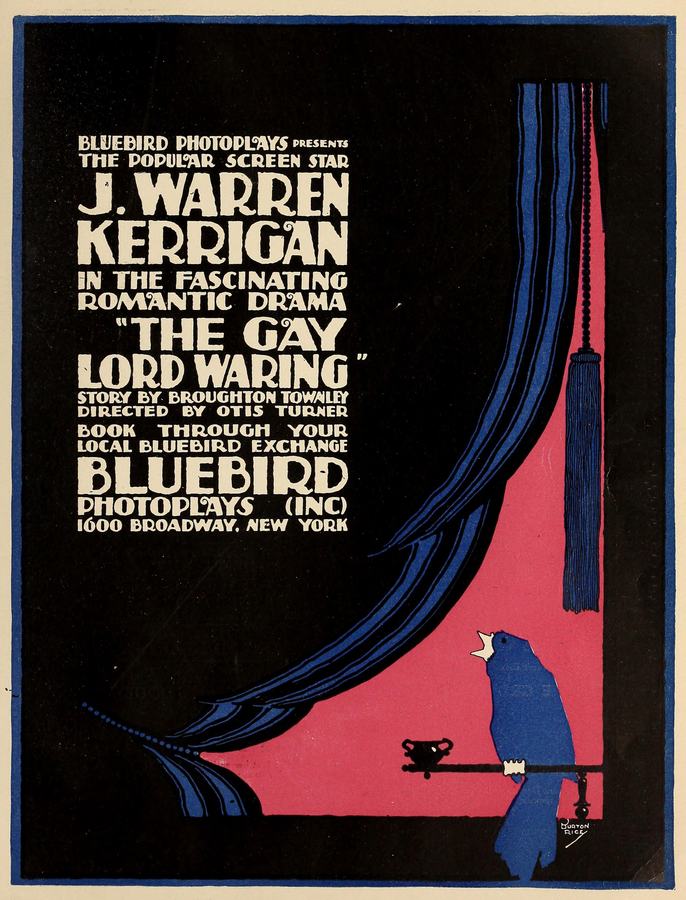
Dir: Otis Turner
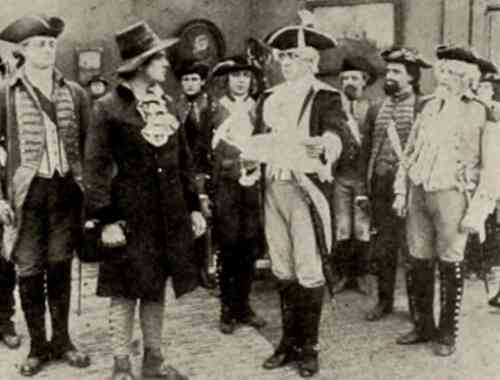
With his only asset being his title, then when Lord Arthur Waring seriously injures Helene Von Gerold in a riding accident, he borrows money from his dishonorable rich younger brother Mark in order to pay for her medical treatment. Mark drives a hard bargain, however, and makes Arthur agree to commit suicide in six months, thus allowing Mark to inherit the title, if he cannot pay back the loan. Toward the end of the allotted time, Arthur still has not been able to raise the money. Then, just as Arthur is about to kill himself, Helen's father overturns a lamp and sets fire to his house, and Arthur, hearing the alarm, rushes to the scene. Mark also hurries to the Von Gerold's house, but he dies en route when he is thrown from his horse. Arthur rescues Helen, and then, having inherited Mark's fortune, he confidently begins a romance with her.
View Details
Dir: Otis Turner
Reverend Eric Norton leaves his position in a fashionable New York congregation to preach in a poor mining town, against the wishes of his wife Cecelia. Disputes rage about the safety of the mines, which have been closed under pressure, but in spite of threats from powerful miner "Bull" Morgan, Eric uses his influence with the owner to reopen the mines. Bored with her drab life, Cecelia deserts her infant son and runs off to Paris with former lover Richard Allen, who eventually leaves her. Penitent, Cecelia decides to return home only to find that her husband, believing her dead after reading about her apparent suicide in a newspaper, has married Edith Jackson, his ward. Bull Morgan attempts to blow up the mines but is buried in the explosion instead. Sneaking into her home for a last look at her son, Cecelia accidentally sets the house on fire. After a brave rescue of the baby, Cecelia begs Eric's forgiveness, then dies.
View Details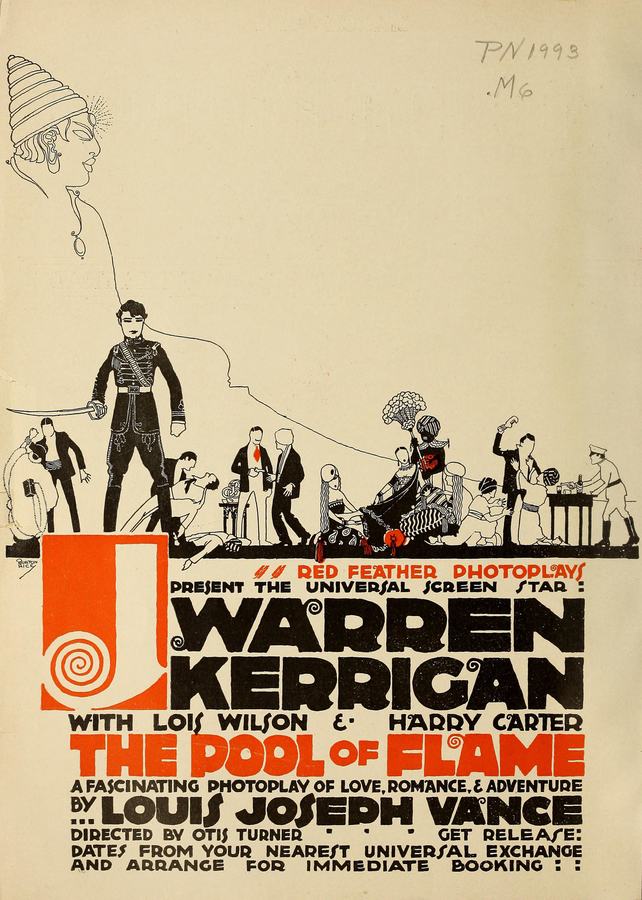
Dir: Otis Turner
Terence O'Rourke an adventurer, has been courting Princess Beatrix long enough to ask her to marry him, but he realizes that, with no steady income, he has no right to propose. Then, the Pool of Flame, a huge ruby that adorns a statue of Buddha, is stolen, and officials in Rangoon offer Terence $500,000 to find the jewel and return it. In tracking down the gem, Terence must outwit such longtime adversaries as Chambret, Princess Karan, and another of Beatrix' suitors, Duke Victor. Finally, Terence manages to complete his mission, and then, with his fortune assured, he ends the long wooing phase of his romance with Beatrix and marries her.
View DetailsAnalysis relative to Business Is Business
| Film Title | Atmosphere | Complexity | Similarity |
|---|---|---|---|
| The Island of Desire | Ethereal | High | 96% Match |
| Melting Millions | Gothic | Dense | 94% Match |
| The Frame-Up | Gothic | Abstract | 91% Match |
| The Soul of Satan | Gritty | Layered | 97% Match |
| The Spy | Surreal | Abstract | 86% Match |
This guide was algorithmically generated using the cinematic metadata of Otis Turner's archive. Last updated: 6/23/2026.
Back to Business Is Business Details →