
DbcultAccessing Vault...
Recommendations
Senior Film Conservator
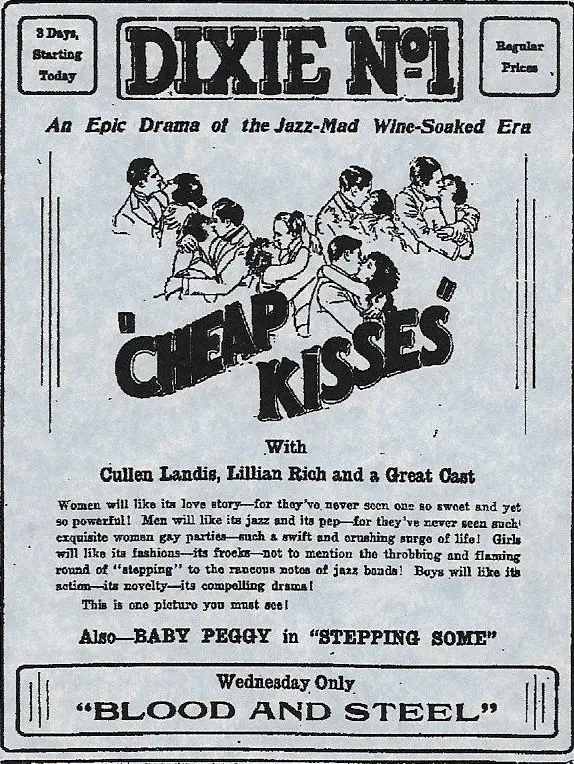
After experiencing the nuanced performance of Cheap Kisses (1924), finding other movies that capture that same lightning in a bottle is a top priority. These recommendations provide a deep dive into the same stylistic territory occupied by Cheap Kisses.
This 1924 Drama classic stands as a testament to challenge the status quo through its avant-garde structure.
Refusing to join his family in their new social life when Henry Dillingham suddenly becomes wealthy, Donald Dillingham causes even greater disapproval by marrying chorus girl Ardell Kendall. Learning that famous sculptor Gustaf Borgstrom wishes to use Ardell as model, the Dillinghams suddenly welcome Donald and Ardell to their estate. Donald surrenders to both the jazzy pleasures and the attentions of Maybelle Wescott, but Ardell remains aloof and in order to pay off Maybelle threatens Mr. Dillingham with exposure of his infatuation with a chorus girl. The adventuress breaks her agreement to leave Donald alone, and Ardell reveals the bargain to Donald, who angrily leaves. Ardell sadly returns to the Dillinghams' honeymoon cottage and finds a remorseful Donald awaiting her.
Critics widely regard Cheap Kisses as a cult-favorite piece of Drama cinema. Its nuanced performance is frequently cited as its strongest asset, solidifying its place in United States's film legacy.

Based on the unique nuanced performance of Cheap Kisses, our vault has identified these titles as the most compelling follow-up experiences for fans of Drama cinema:

Dir: John Ince
Muriel Ashley is engaged to Ferdie Walton. Ferdie's father opposes the marriage; Muriel's parents favor it. The couple are married by a strange parson who wanders into the Ashley home, then after they leave for the honeymoon, Ferdie's father discovers that the clergyman is a crook. He notifies the hotel and the young couple are ordered out. They return to the bridal suite by way of a window, but the hotel catches fire and they escape. They go to the Ashley home where they learn they are actually not married. The "clergyman" who married them breaks into the house and is captured. Rev. Dr. Jenkins identifies him, however, as a genuine clergyman who has been suffering loss of memory; thus the marriage turns out to be legal after all.
View Details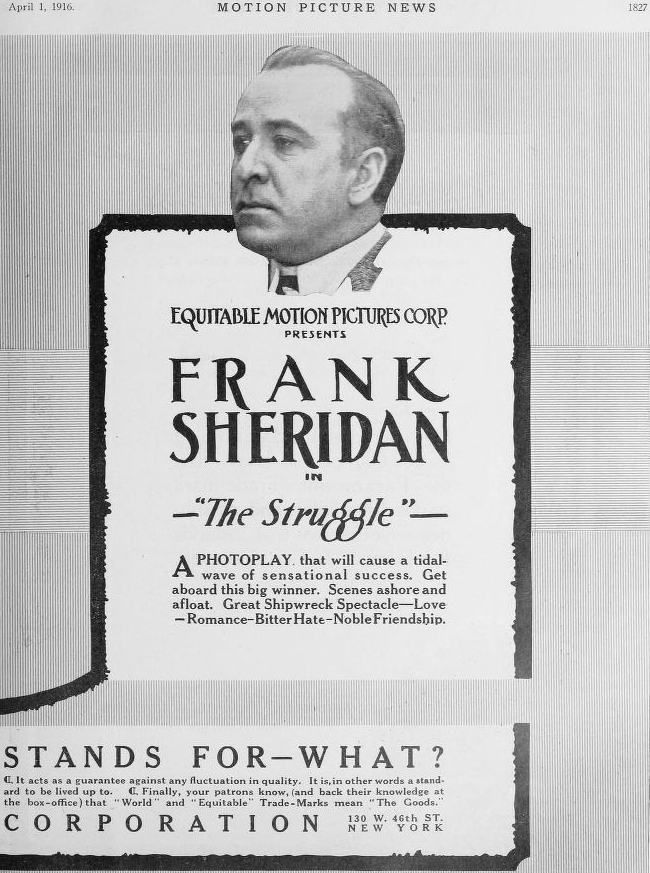
Dir: John Ince
Carew, surgeon at an army post, is in love with Marjorie Caldwell, but Marjorie, who is all for social stuff, thinks her feeling toward him is only friendship. Dames comes to the post as junior surgeon, and supersedes Carew in her regard, marrying the girl. Mrs. Drew, a widow, comes to the post and an intrigue begins between Dames and the widow. Carew sees it, and to save Marjorie tells her that his absences are matters of duty. He asks to be transferred to Manila, and he and Dames are both sent there. On the way Carew warns Dames that he will lose Marjorie's love, and they quarrel, Dames being partly drunk. The ship hits a reef, and Dames, in an effort to save himself, wrenches a life preserver from a woman. Marjorie and Carew are left on the ship, but Carew rescues her, and in the morning they are on the shore of an island with an overturned boat and the bodies of their fellow passengers in the surf. On the shore of another island Dames is rescued by an Abbot, but his wounds cause him to lose his identity. On the first island, Marjorie comes to see the strength of Carew's character but he refrains from telling her of the actions of her husband. A ship is sighted, and Carew, after a struggle, lights the beacon that will save them both but probably take Marjorie away from him. In San Francisco they learn that Dames is reported missing. He asks her to be his wife, but she thinks Dames may still be alive. Dames is on the island with lepers, and works with the monks as Father Fabrician. Carew comes to the island and finds Dames at work among the lepers. He recognizes Dames, but the latter denies his identity. He goes to the monastery, tells the Abbot the truth, and Dames leaves with Carew for Manila, and an operation that will restore his memory. After the operation Dames returns to his drunken habits, and reading some of Carew's letters he learns of the feeling of his wife, giving it a sinister turn. As he prepares to assault Carew he sees the marks of leprosy on his arm, becomes agonized with fear, jumps overboard and is lost. In San Francisco Carew finds Marjorie, tells her of the occurrences and of Dame's death, and while she feels sorry that he has gone as he did, she finds her true happiness with Carew.
View Details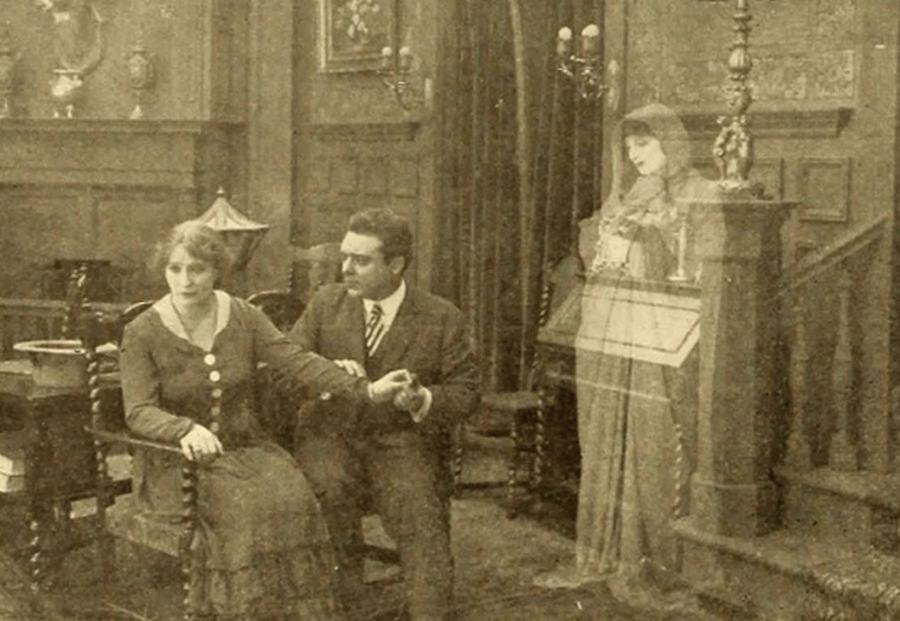
Dir: John Ince
Eunice Fielding, rich, with every wish gratified, is a spoiled society girl and a moral coward. She is in love with Jack Harcourt, who is poor but brave, and who is deeply in love with her. Marjorie Harcourt, Jack's sister, reads Eunice's character and warns her brother against the advisability of marrying her. Nance St. Germain, who is a mystic and a student of theosophy and occult lore, talks to Eunice, but all her warnings are without avail, and Jack and Eunice marry. They are happy for a time, but lack of money causes embarrassment. Eunice is ignorant of everything relating to the value of money, cries over their difficulties, and Jack in despair calls Marjorie home from college and confesses the state of affairs to her. He begins to neglect Eunice, who is highly indignant, and becomes very cool to Marjorie. Bob Fisher, who is in love with Marjorie, is sent west by Jack to look after the details of a mining scheme and Jack, short of money, cuts Eunice's allowance. She makes a great fuss over this, and in a talk with Marjorie Jack is informed that there is a baby coming. Jack is called away on business, and while he is absent Eunice loses a lot of money gambling, and fearing comment talks of committing suicide. Eunice talks with Nance, who warns her against committing suicide, and tells her to confess to Jack. Jack returns and gives Eunice all the money he has, leaving himself broke. Marjorie comforts her brother, but he tells her that things have gone wrong, and the mine is a failure. Marjorie tells Eunice, who becomes despondent and leaves a note for Jack, tries the cowardly way, takes gas and dies. Jack reads the note and goes insane. Eunice, in the halls of Death, sees Death, who tells her she is not dead, but must wait until her time comes. Death shows Eunice her home with Jack crazy. Jack sees her. and Eunice sees Marjorie and the nurse and Marjorie greeting Bob Fisher. She goes after Bob, and the face of Death changes as he sees the reconciliation. Marjorie and Bob marry. Jack's insanity continues. Eunice is there and is seen by Jack but invisible to the others. While they are there. Death sends a child to Eunice with the words, "I was to be your child, but now I am to be Marjorie's." Jack, rendered clairvoyant by his insanity, sees and hears this, and makes his first rational remark to the others, saying "Marjorie is to have a little girl," and in surprise Marjorie tells it to Bob. The baby is born, and Jack wants to see it but is refused. Death awakens Eunice, and tells her that whenever she wants Jack's mind restored she is to call on him, but after that she has done so Jack will never see her again. Jack threatens to get the child and kill it if it is not shown to him. Eunice in terror at the danger to child hastily calls on Death to restore Jack's reason, which is done, and she disappears from Jack's sight. With Jack sane again there is a happy reunion of all except Eunice, who sees Death again. Death shows her in his book where she has redeemed herself by her renunciation.
View Details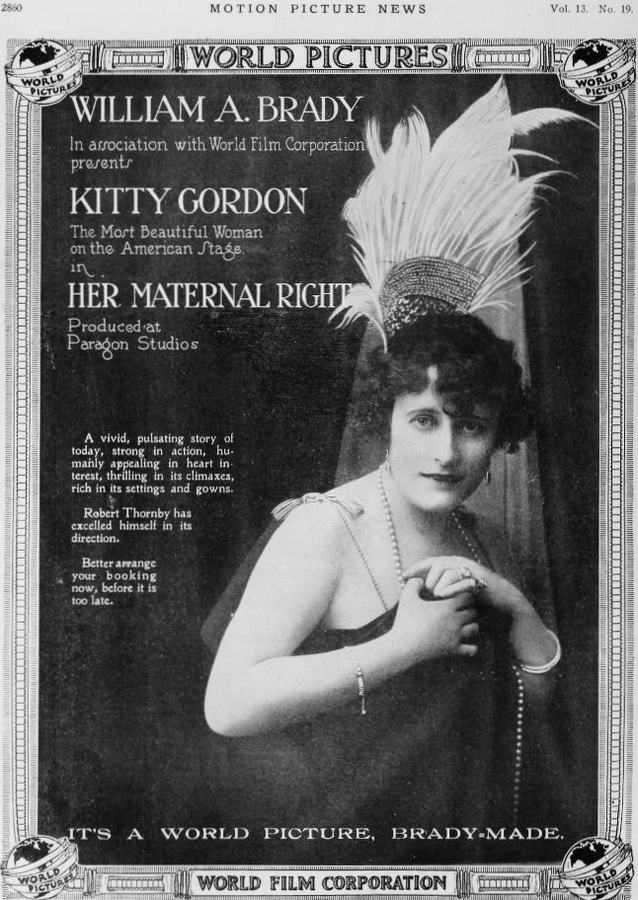
Dir: John Ince
Actress Nina Seabury is only interested in her lovers' bank accounts, but in the case of Emory Townsend, she miscalculates and believes he's a bank president when he's just a cashier. Hoping to afford her tastes, he steals $12,000 in bank funds, but she still breaks up with him, and he falls in love with Mary Winslow. A few months later, however, a detective working on the bank-funds case find evidence implicating Emory. Aware that he is about to be arrested, a desperate Emory goes to Nina and begs her to give him $12,000, so he can return the money to the bank. Nina refuses, but then Mary, who is pregnant, arrives; after pulling a gun on Nina, she forces her to write a check for the whole amount, thereby saving Emory from jail.
View Details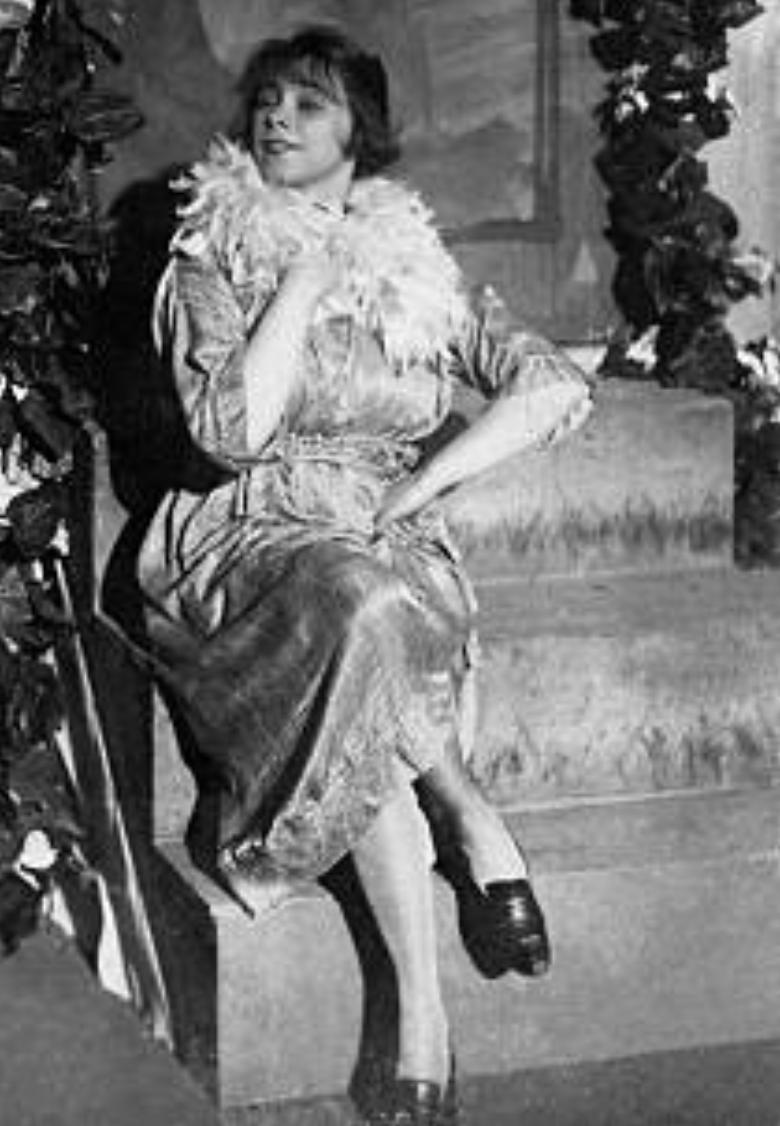
Dir: Bruno Ziener
A fascinating piece of cinema that shares thematic elements.
View Details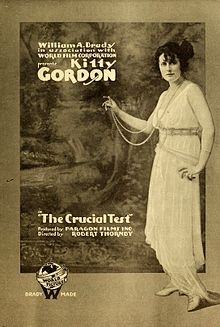
Dir: John Ince
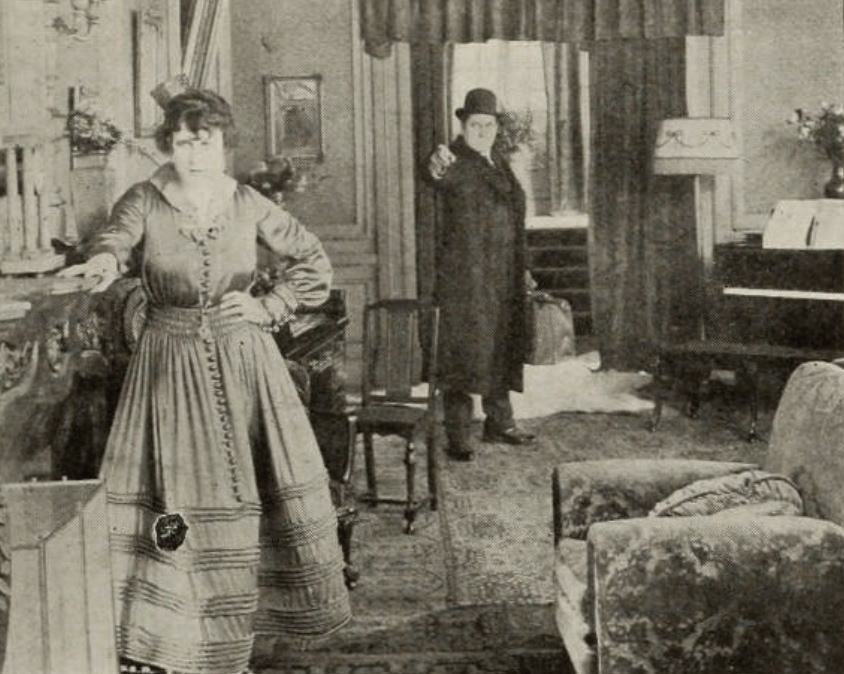
Thanya is a woman around whose presence there revolves an atmosphere of mystery. She is located in the Russian Capital, where she meets Vance Holden, an American artist. Although deeply in love with him, she is coquettish, and he, believing she is trifling with him, leaves her. Alexander Bagroff, Grand Duke of Russia, sees Thanya pass in her carriage and desires to know her. He arranges with a mutual friend to go to her apartment. He becomes infatuated with her but she dislikes him, not only because he is a man long past the prime of life, but for other and more important reasons. At midnight, after her guests depart, Thanya, in disguise, steals out to a small tavern where she meets Boris, her brother, leader of a club of social revolutionists. The gang is just about to choose a marked coin which will brand one as the man chosen to carry the next mission of death to a ruling power, in this case the most hated man in Russia, Bagroff. Boris draws the marked coin. Thanya falls in a swoon. In an agony of fear, she asks Boris to forsake his society. When he tells her it will be his pleasure to strike at the most hated man in Russia, the Grand Duke, Thanya is startled. Telling Boris of Bagroff's infatuation for her, she promises to assist him in his mission. Thanya is invited to attend a ball given by Bagroff. She notifies Boris to strike that night at twelve. Boris gains admittance into the grounds, but is discovered near the house. A shot is fired, the guests are terrified. Thanya surmises the cause, she controls herself. Boris, cornered, attempts to gain admittance into the house and lose himself among the guests. As he enters he is shot. Bagroff, believing someone among his guests has betrayed him, orders his soldiers to tie Boris to a pillar, strip him to the waist and lash him with the Russian pronged whip. As the blood streams down Boris' back, Thanya rushes to him, informing Bagroff that she is the traitor. They are both placed in a cell, where Bagroff offers Thanya her liberty if she will but become his mistress. He is rebuked, and both are sent with a train load of other prisoners to an exile in Siberia. During a storm, they escape and go to Paris. Vance, after leaving Russia, comes to Paris and here he and Thanya are brought together again, reconciled and married. Boris leaves for America. Vance encounters difficulties in selling his paintings. The following winter Bagroff comes to Paris. A Parisian doctor attending Vance, tells Thanya that he can bring her a client for Vance's pictures. He brings Bagroff, who tells Thanya that through the Prince Kenla he can make all the people of Paris patronize Vance, providing she pay the price herself. Desperate to obtain the welfare of her husband, Thanya resolves to give herself to Bagroff for a night. The Princess sits for Vance. He becomes popular as if overnight. The Princess, going to a week-end party to the country, implores Vance to accompany her. Thanya remains alone in the city and unbeknown to Vance, prepares herself for the terrible ordeal with the Grand Duke. The appointment is made. Bagroff dismisses his servants, Thanya comes, disrobes. As he looks upon his prey with the lustiness he has nourished for years, he is suddenly seized by Boris, who, upon returning from America, learns of Bagroff's presence there, and seeing his servants leave together, enters through a window in time to save Thanya. Pulling out his revolver, Boris makes short work of Bagroff, and immediately sets sail for America. The news of Bagroff's mysterious death causes the Princess to hurry back to Paris, and Vance returns with her. He finds Thanya in his den, prostrated. He raises her up, but, as she had promised Boris, she tells him nothing of her night's experience. Thanya and Vance open the window, and the sunlight pours into the room, an omen which prophesies a life of uninterrupted happiness for both of them in the future.
View Details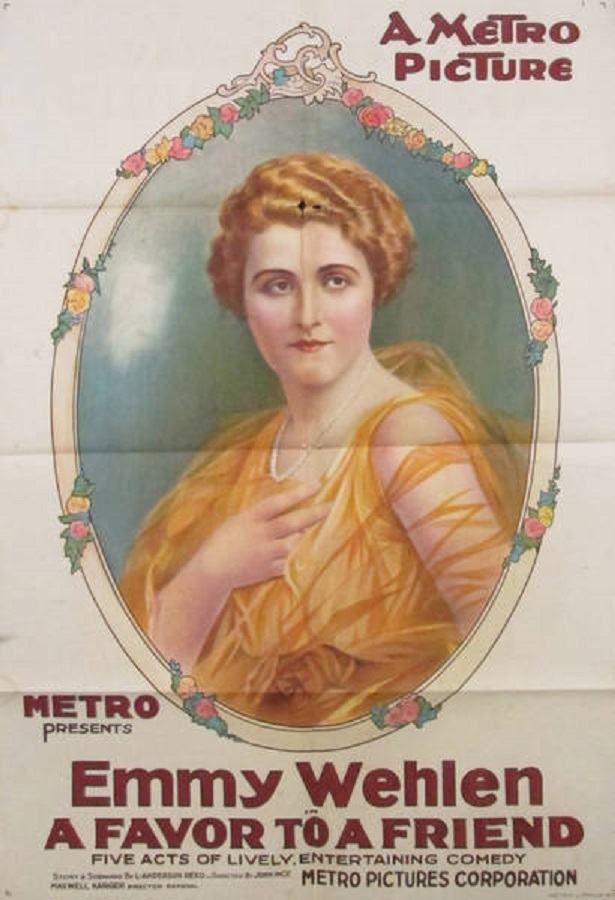
Dir: John Ince
When Mary Worthington will not sign a document absolving the executors of her late father's estate from the loss of money due to mismanagement, they lock her up to force her to comply. Meanwhile, Danny Abbott, a press agent for Mary's friend, Gloria Morning, and two East Side Jewish backers, worry that Gloria's failing musical, The Purple Pagoda , will ruin them. Danny persuades his friend Robert Garrison to kidnap Gloria and release her before showtime, thus creating a news item to attract ticket buyers. When Mary escapes and approaches Gloria's apartment, Garrison, thinking that she is Gloria, kidnaps her. Mary plays along to escape the executors and falls in love with him at his cabin where they fight off Gloria's would-be rescuers. After the executors find Mary and take her to an insane asylum, Garrison saves her, they marry, and Gloria's show becomes a success.
View Details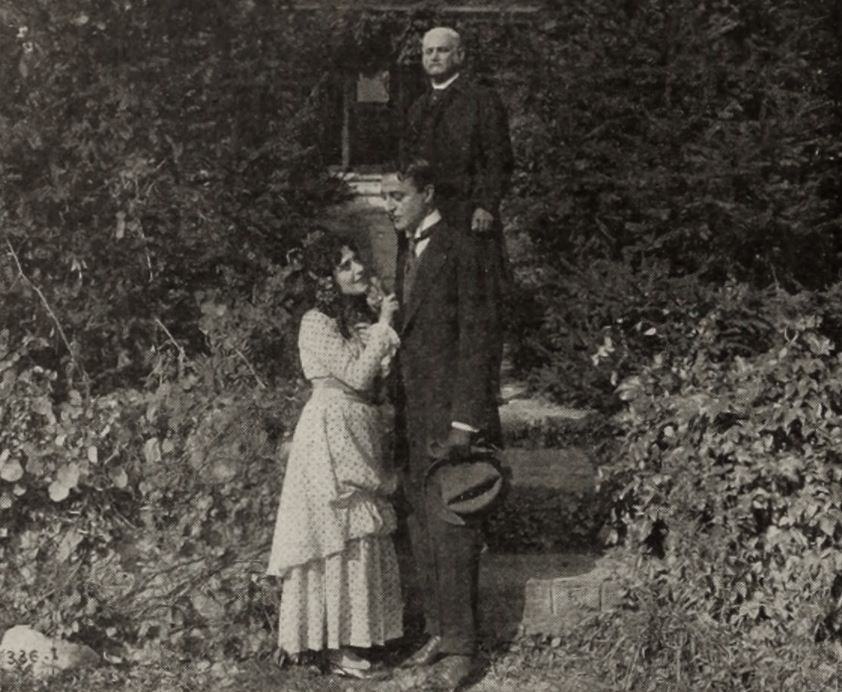
Dir: John Ince
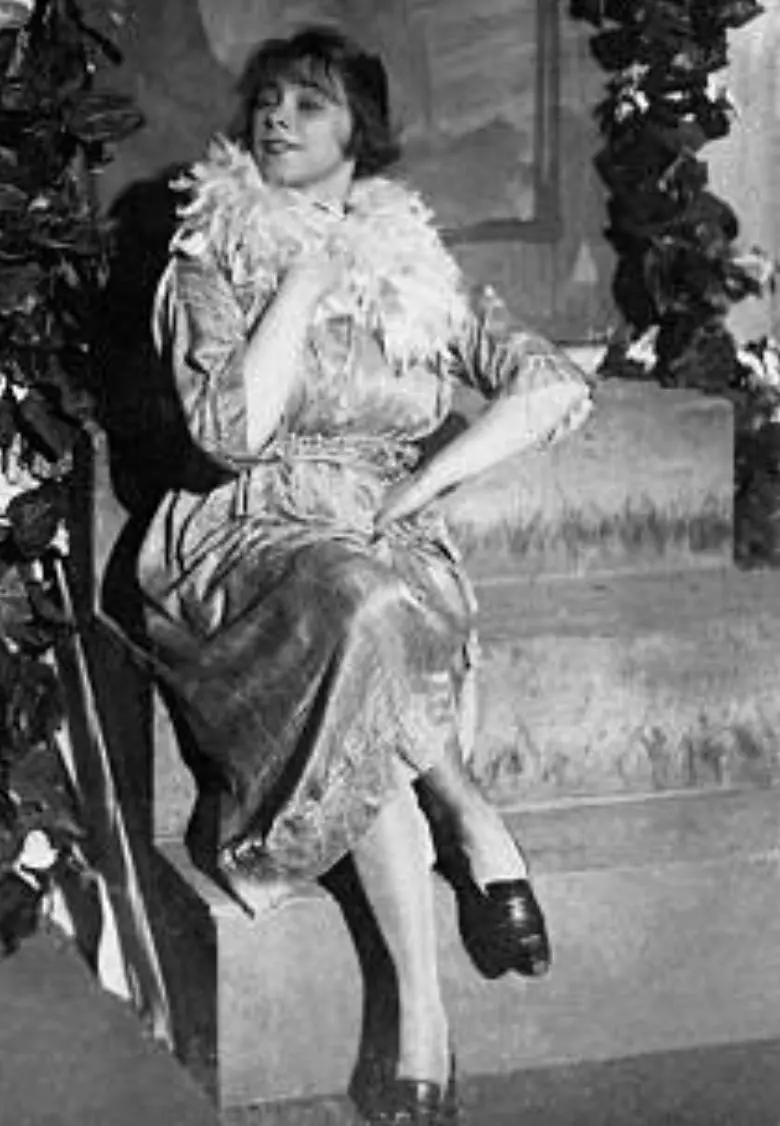
Cyril Maitland and Henry Everard, friends since childhood, are of contrasting temperaments, the former hot-headed and rather impractical, the latter cool-tempered and possessed of a sane viewpoint. Cyril, studying for the ministry, is engaged to Henry's sister Marian, and Henry, studying medicine, is engaged to Cyril's sister Lillian. Unable to resist temptation, Cyril ruins a girl of his parish, Alma Lee, and when a child is about to be born, her father swears to kill the man, but Alma conceals his name. On the night the child is born, Alma's father is found dead. Cyril, being about Henry's build, has worn his clothes, and witnesses see him in the vicinity of the woods where the crime was committed. Henry is convicted of the crime of which Cyril is guilty. Lillian alone believes him innocent, and is sent to prison. Alma declares him to be her child's father. Cyril, believing his calling in the church above all other things, keeps silent, but at the last moment, about to speak, is held back by his father, who thinks him unstrung. Cyril marries Marian, but his conscience tortures him almost beyond endurance and his life becomes a living hell. Finally Henry is released after 20 years in prison, and he attends the cathedral presided over by Cyril, who has become the great Dean Maitland, the most eminent preacher in the country. Cyril sees Henry in the congregation and there is a powerful scene. Cyril meets his son, with a letter from Alma asking for his education, then Alma dies, and her son, learning his identity, renounces his father. Marian dies, and Cyril's troubled soul is grief and conscience-stricken. Henry, seeing the terrible pain of recognition in the cathedral, and remembering his old love for Cyril, now so changed, writes a letter of forgiveness to him, when beyond all endurance, Cyril's pride now broken, repentance enters his soul. The next day, Sunday, his sermon is at first a trite appeal to repentance, and then a dramatic confession of his own sins, when, falling from the pulpit, he drops dead. And after the storm, the sunshine: Henry and Lillian live happy in their true and undying love.
View Details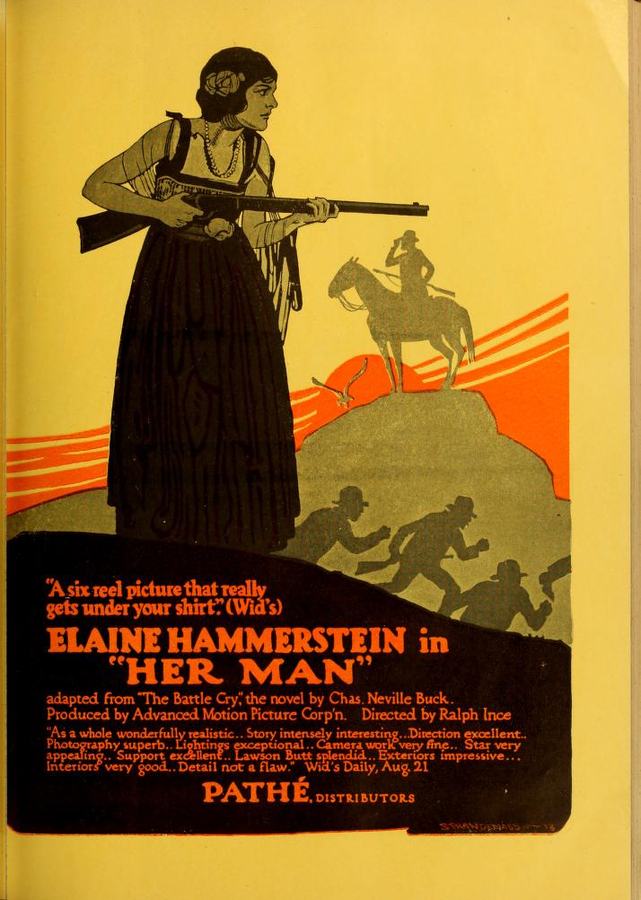
Dir: John Ince
Wealthy, beautiful Juanita Holland leaves the comfortable surroundings of her home in the North and journeys to the Cumberland Mountains to educate the illiterate mountaineers. Finding herself in the middle of a fierce feud between the McBriars and the Haveys, Juanita urges the clan members to end the violence and settle their differences in the courtroom. She and clan leader "Bad Anse" Havey fall in love, and under her influence, he convinces his followers to let the law punish the murderer of Jeb Havey's father. After one of the McBriars is found guilty and hanged, "Old Milt" McBriar swears that his family will obtain revenge and organizes a party to go after Bad Anse. When they shoot the young man, seriously injuring him, Juanita seizes a rifle and opens fire. Fearing that Anse will not recover, she marries him that night, but he eventually regains his health.
View Details
Dir: John Ince
On a visit to the city of Boston, a village girl is taken advantage of by a man there and returns home feeling sullied and ashamed. A young man who had once sought her hand returns from years away in Europe and reiterates his suit. She returns his love and agrees to marry him, but has difficulty telling him the truth about her misadventure. When she finally does, his response seems to doom the pair to tragedy.
View DetailsAnalysis relative to Cheap Kisses
| Film Title | Atmosphere | Complexity | Similarity |
|---|---|---|---|
| Please Get Married | Gritty | Linear | 96% Match |
| The Struggle | Surreal | Layered | 89% Match |
| The Cowardly Way | Gritty | High | 87% Match |
| Her Maternal Right | Surreal | Abstract | 87% Match |
| Eva, wo bist du? | Gothic | Dense | 86% Match |
This guide was algorithmically generated using the cinematic metadata of John Ince's archive. Last updated: 8/16/2026.
Back to Cheap Kisses Details →