
DbcultAccessing Vault...
Recommendations
Senior Film Conservator

The evocative power of Daredevil Kate (1916) continues to haunt audiences with its stylistic flair, the artistic provocations of Daredevil Kate demand a follow-up of equal intensity. Explore the following titles to broaden your appreciation for cult excellence.
The visceral impact of Daredevil Kate (1916) stems from to transcend the limitations of its 1916 budget and technology.
Orphaned sisters Kate and Irene are separated as children, but each keeps half of their mother's wedding ring. Years later Irene marries John West, the head of a munitions camp. Kate happens to run the saloon in the camp, and she and Irene become friends but neither ever imagines that the other is her long-lost sister. Matters take a turn for the worse, however, when Kate starts a romance with Cliff, Irene's adoptive brother, and Irene strongly disapproves of the relationship.
The influence of Kenean Buel in Daredevil Kate can be felt in the way modern cult films handle stylistic flair. From the specific lighting choices to the pacing, this 1916 release set a high bar for atmospheric immersion.

Based on the unique stylistic flair of Daredevil Kate, our vault has identified these titles as the most compelling follow-up experiences for fans of cult cinema:
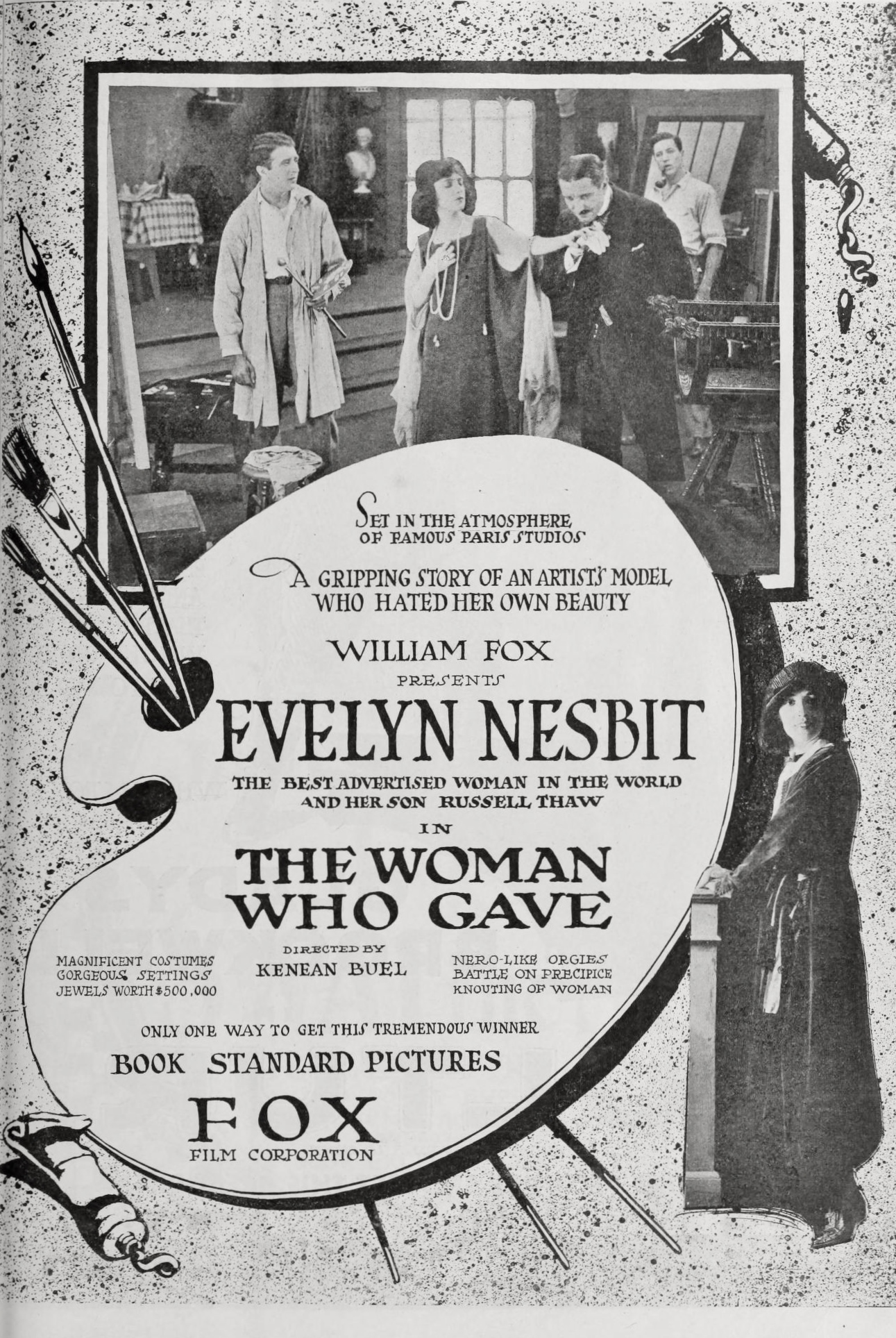
Dir: Kenean Buel
Colette is a model who poses for two artist brothers, Don and Andrien Walcott. Andrien, a hunchback, creates a beautiful portrait of her which is seen by evil Bulgarian Prince Vacarra. The prince tracks her down and locks her in.
View Details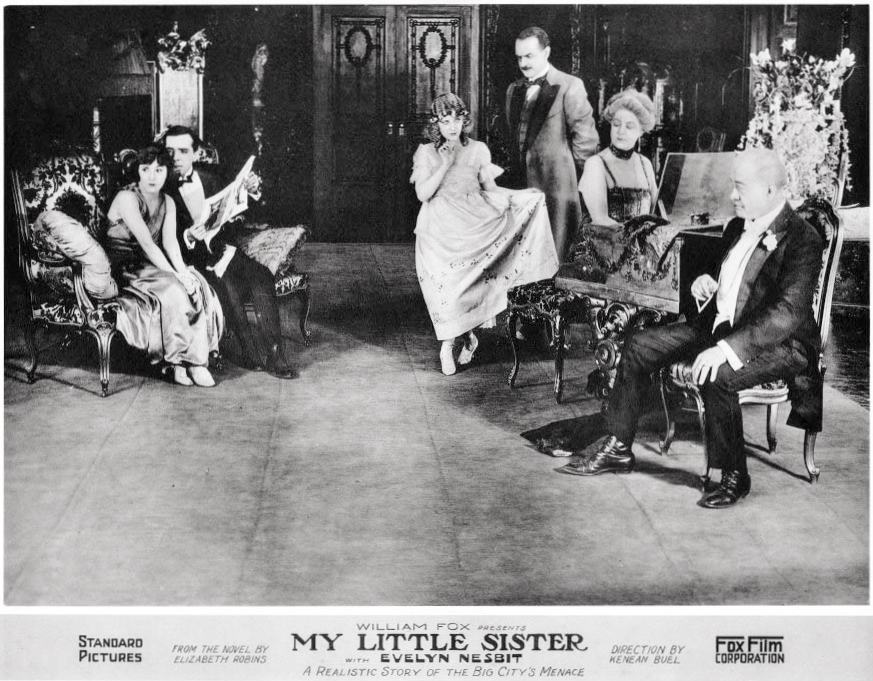
Dir: Kenean Buel
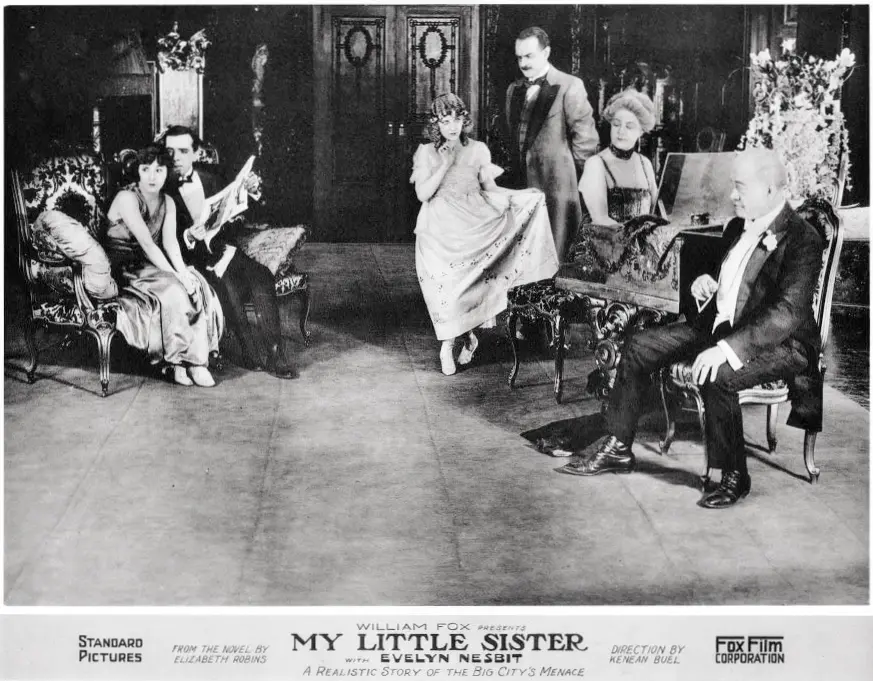
A woman writes about her sister's tragedy, vowing to help others in similar situations: Because Bettina longs to leave her country home, her loving mother sends her and her serious-minded elder sister to London, accepting their aunt's invitation to visit and allow Bettina to be introduced to society. The girls' dressmaker steals the aunt's photograph and sends it to a woman who, disguised as their aunt, leads the girls to a brothel. After the elder sister escapes, aided by her concerned male companion, she races in a cab to her aunt's home, but is frustrated in her attempt to rescue Bettina by her aunt's infirm state, the inefficiency of the police, and her own inability to remember the location of the house. She finds her cab driver, but he is drunk and soon dies in an accident. After falling ill, the sister, convinced by a dream that Bettina has died, resolves to devote her life to saving other women.
View Details
Dir: Kenean Buel
Billy Martin is sent to New York to put through a war contract for his father, a new England manufacturer, and takes $100,000 as a security. The munition broker's secretary, a crook, tells Graham, a gambling house keeper, of Billy's coming. Miller is detailed to lure him to the gambling house. Miller, posing as the broker's representative, meets Billy and offers to show him New York life. He meets Zena and is so captivated that he consents to try his luck at the roulette wheel. After his first success he loses rapidly. At last Zena drags him away with only $15,000 left. Zena repentant, tries to comfort Billy. She finds he is determined to win back his losses and is captivated by his pluck. Reluctantly she takes him to the gambling house. Billy loses all. When the mail brings no word from Billy, his wife comes to New York. She enters his room just after he and Zena arrive. Zena hides in a closet. Billy refuses to return with his wife until he has recovered his father's money. Zeena returns to her apartment. Graham accuses her of double-crossing him. She orders him to leave. Zena sets out to recover Billy's money, and returns to the gambling house. Graham thinks she has repented. Martin comes to New York for Billy. Zena picks him out as the man from whom to get the money. She lures him to her den. Billy calls up, and when Zena recognizes his voice she hangs up. Suspecting Zena has deceived him Billy rushes to the apartment and finds her embracing his father. Zena rushes to him. Billy casts her off. Martin tells Billy he did this to show the treachery of Zena's love. Heaping abuse on Zena, who sees her one true love lost, Billy leaves with his father. Zena in remorse leaves her old home and life, a wreck. Billy asks his father's forgiveness. "I forgive you," says the old man, "but I can't forget that I trusted you."
View Details
Dir: Kenean Buel

The Hawaiian Princess Laone's love for Keith Parrish is thwarted by social pressure. After being persuaded to refuse Mr. Parrish's proposal, she attempts suicide.
View Details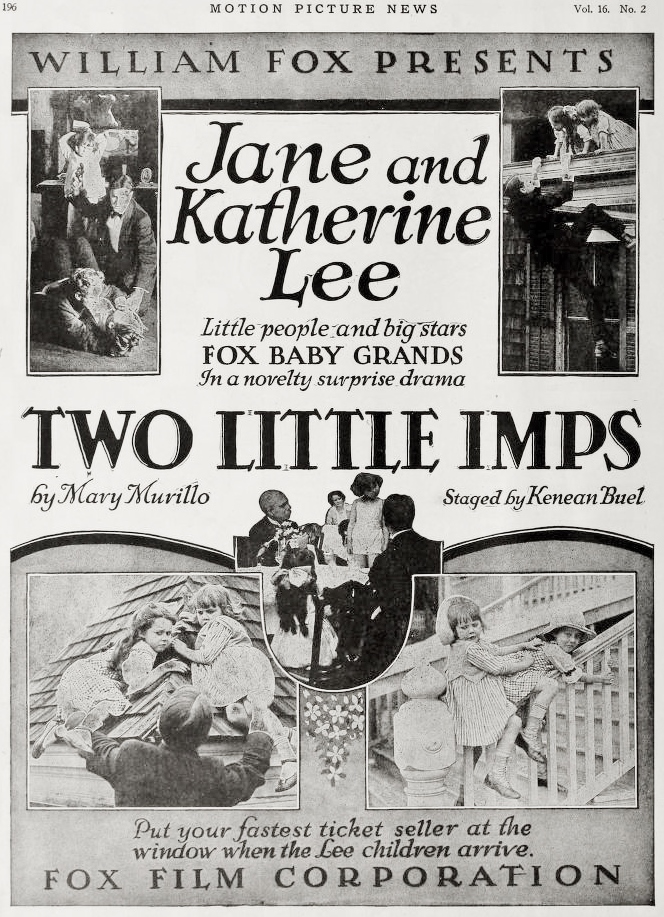
Dir: Kenean Buel
Jane and Katherine are the sweetest youngsters in the world--in their mother's eyes. The family is summering at a seaside resort when Mama is called to town for a week. Not wishing to interrupt her darlings' good time, she summons her young bachelor brother to the hotel to look after the girls until she returns. "Billy" Parke undertakes the job. On the way to the resort he meets Betty Murray. The two are bound for the same hotel and it's love at first sight. Billy would have enjoyed the bus ride from the station to the hotel with Betty if his nieces hadn't entered, recognized him, and made themselves at home on his lap after being drenched when they drove an electric wheelchair into the surf. He must neglect Betty on reaching the hotel to get the youngsters dry clothing and clean them up. Soon after her arrival at the hotel Betty and her father enter the dining room at the same time Billy and Katherine appear. Katherine had previously met Mr. Murray and introduces Uncle Billy to Mr. Murray and Betty. They are talking when Jane, who had been left in her room asleep, appears in an exceedingly brief costume on the trail of something to eat. Billy grabs her and bundles her back upstairs. Jane and Katherine keep the hotel in a turmoil. Every time Billy tries to advance his suit for Betty is an opportunity for a new escapade by the youngsters. On one of her trips about the resort Katherine comes upon Bob Murray, the son of Mr. Murray, whose father cast him out for forging a check. Bob is in a bad way when Katherine finds him, and her motherly attentions awaken his deadened manliness and he promises her he'll go straight and earn his father's forgiveness. Meanwhile, Mr. Murray confides in Katherine his great sorrow and she asks him why he doesn't ask his prodigal son to return, to which the elderly man replies that he would if he could find him. Katherine promises to help him. A few nights later two crooks with whom Bob was connected plan to rob the Murray apartment in the hotel. Bob, though not knowing his pals were planning to rob his father, tries to quit the job, but is finally prevailed upon to undertake it. The first thing the boy's flashlight hits on entering the apartment is a picture of his dead mother. He refuses to go farther and telephones to the hotel desk asking for help just as one of the crooks fells him. The thieves flee from the room just as Mr. Murray enters and finds his son. They take refuge in Jane's room. Recognizing the men as crooks she slips from bed and hides in a bureau drawer. Uncle Billy enters, grapples with the men and is being overcome when Jane hits one of the robbers on the head with an iron. Billy soon quiets the other. The racket attracts Mr. Murray and hotel attendants, who arrest the crooks. After the excitement subsides Mr. Murray embraces his son and restores him to his estate. Billy and Betty withdraw and decide there is no blessedness in being single, and Jane and Katherine watch with mingled pleasure and surprise the outcome of the events in which they were small but important factors.
View Details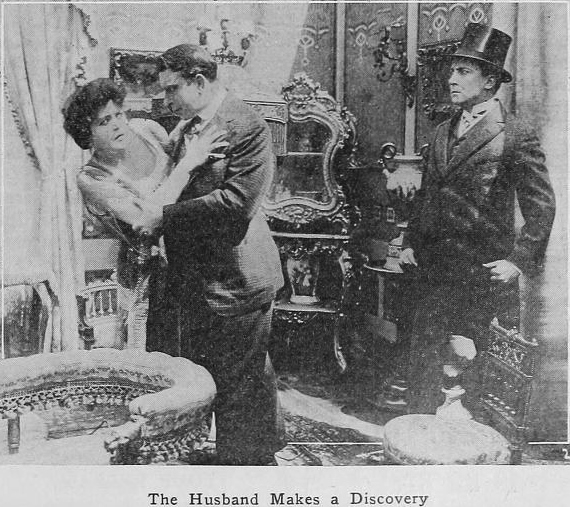
Dir: Kenean Buel

A fascinating piece of cinema that shares thematic elements.
View Details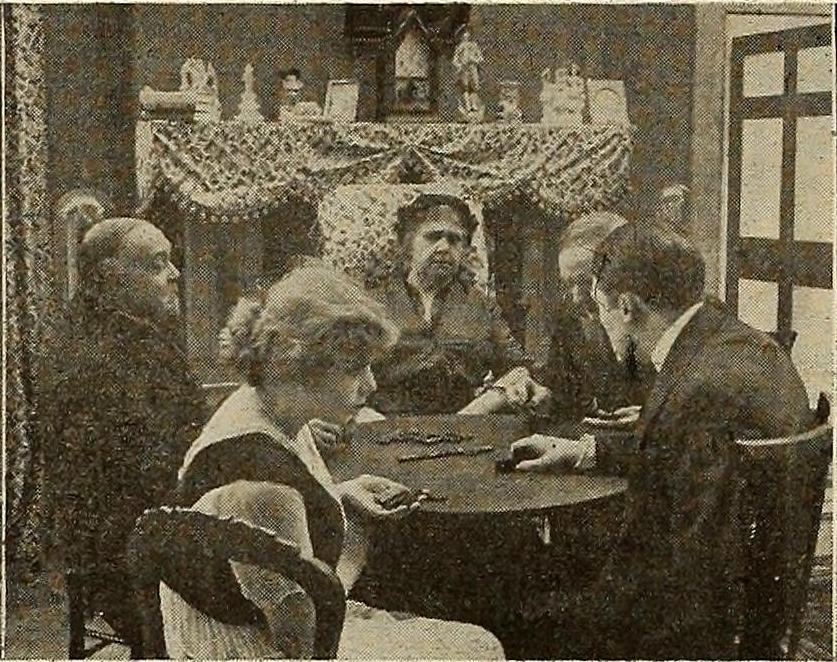
Dir: Kenean Buel
Therese Roger is the daughter of a West Indian planter. When she is a baby her parents are murdered and she is adopted by her aunt, Madame Roger, keeper of a haberdashery shop in one of the smaller villages in southern France. She grows up with Madame Roger's son Camille, a sickly, sexless creature she ultimately marries in deference to her aunt's wishes. The monotony of Therese's married life tells on her. The uninteresting Camille each day drones out his existence in an office. At night he returns ever at the same hour, ever in the same enfeebled health and depressed spirits. Two neighbors, Dr. Gribet and Michaud, the prefect of police, drop into the Roger household for their weekly game of dominoes with Madame Roger. Suzanna, daughter of Dr. Grivet and Oliver, son of Michaud, who are in love, call frequently on the aged Madame Roger to pay their respects. Therese, full of youth and life, tires of her environment and its unchanging cycle of events. Camille collapses one day at the office and is brought home by his friend Laurant, Camille's opposite. When Laurant meets Therese, they are attracted to each other, and when he becomes a frequent visitor, a liaison develops between them. Seeing Camille as the only obstacle to their happiness, the two evil lovers decide to kill him. When the opportunity arises, they drown him. They manage to escape suspicion from the murdered man's mother and in course of time marry with the old woman's consent. But they have not attained the happiness which they thought would be theirs with Camille out of the way, for their crime haunts them. It shows in their faces. It stalks through their home. It leads them into quarreling with each other. During one of their stormy scenes they are overheard by Madame Roger, who becomes stricken with paralysis and the total loss of speech upon learning how her son died. The helpless old mother gloats over the torture which Therese and Laurant suffer from their consciences. In time, when guests are present, she tries to write her accusation of them upon the tablecloth with the edge of a domino, but her fingers cannot complete the sentence. She sees distrust continue to grow between the unhappy pair. Therese and Laurant plan to kill each other, but both are too-great cowards to add a new crime to their records, and they drink poison together, paying at last with their own lives for their earlier crime.
View Details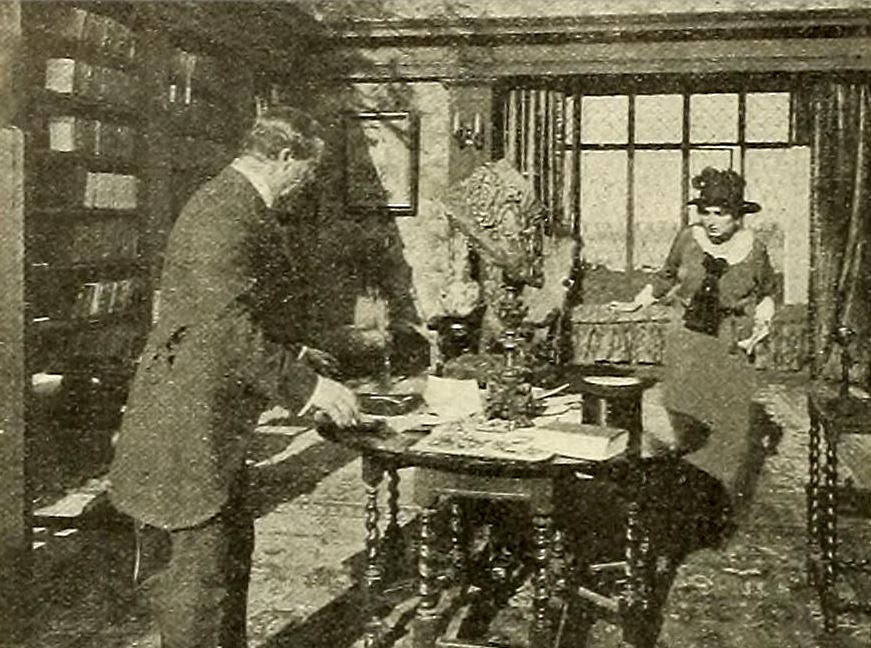
Dir: Kenean Buel
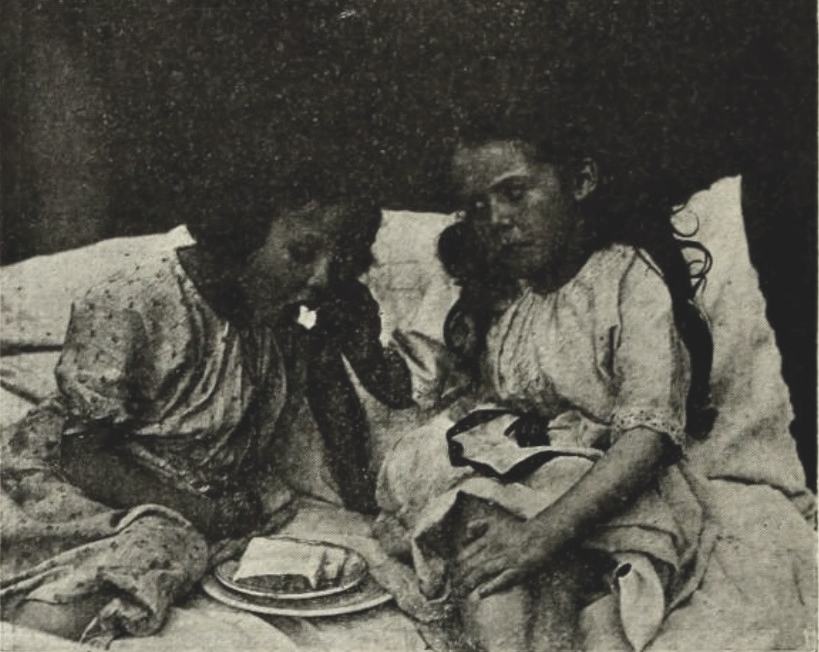
Ethel Andrews is interested in settlement work. Her father refuses to cooperate with her. Ethel kidnaps her five-year-old brother Archie and places him in a tenement as an object lesson. To make the kidnapping appear the work of criminals, Ethel sends her a father a note demanding $10,000. Gangsters learn of the plan. Andrews engages Madelyn Mack, a girl detective, to find his son. Madelyn unearths several clues, among which are fragments of a tin soldier belonging to Archie. She strongly suspects Ethel of being implicated in the matter. Ethel, regretting her rash act, goes back to the tenement to bring Archie home. The gangsters capture them both, and send a note to Andrews telling him his son and daughter are prisoners. One of the gangsters shoots the note into the Andrews' library with a sling shot, just as Madelyn is telling the father of her suspicions concerning Ethel. The note upsets her theories. Madelyn discovers that the paper on which the gangsters' note is written has contained powdered Jasco berry, an Oriental drug used in cigarette form. Later, she succeeds in tracing Ethel and Archie to the tenement, but finds them gone. Passing a crowd collected on a corner, Madelyn scents the odor of Jasco berry and finds the man who is smoking it. She follows him and discovers the cottage in the suburbs where Ethel and Archie have been taken. She slips into the house and enters the room where the two are confined. Discovering a telephone wire outside the window, Madelyn taps the line with a pocket phone and summons assistance. She is discovered by the gangsters, who are just about to break into the room when the police arrive. A desperate battle ensues, which ends in the capture of the kidnappers. Andrews presents Madelyn with a check for $10,000 for her splendid work. The detective gives the check to Ethel for settlement use, but Andrews, returning the check, smilingly donates the money himself.
View Details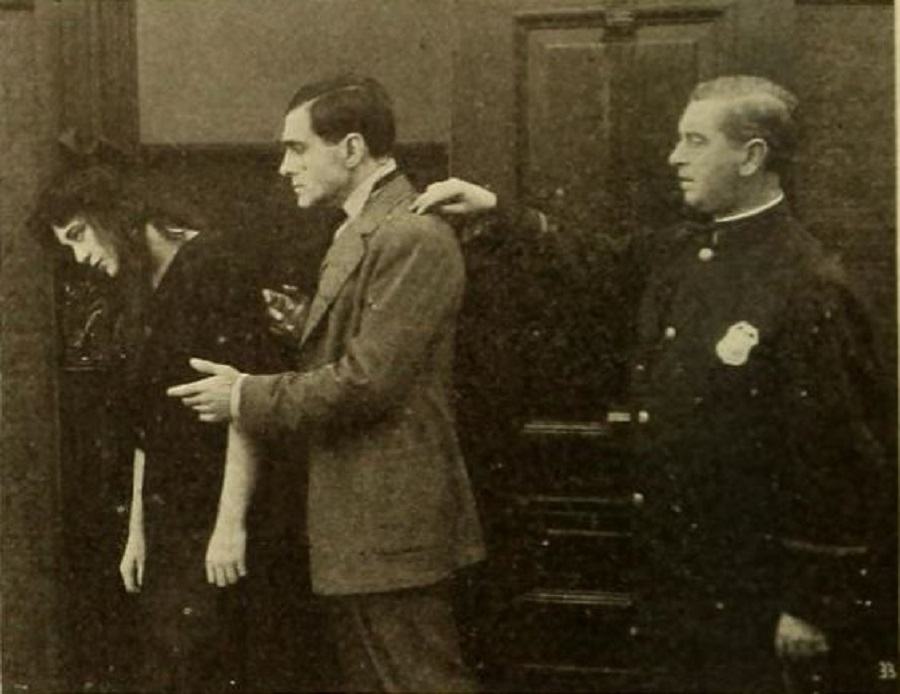
Dir: Kenean Buel
This picture opens on the big, helpless humanity which is huddled together in Blossom Street, in the East Side's slums. The sweetest spirit of the thousands dwelling there is Anne, in love with Jimmy Graves, a man she knows is a crook. In warning Jimmy one night that the police are on his trail, she is caught in the maelstrom, brought into court with him and sentenced to jail. When she is released she plots revenge on the man who put her behind the bars, Judge Marcus, about to be nominated for a higher position in public service. Through a ruse, she obtains employment in the Marcus household. The Judge does not recognize in his wife's secretary the same woman who was once just a "poor, Blossom Street thing." He finds that he is rapidly falling in love with her. Anne is approached by a stool pigeon working for Marcus's political opponents, who are trying to fasten a scandal upon the Judge. Anne promises to aid them. She agrees to put him in a compromising position that evening, when witnesses will be on hand. Meantime, Jimmy Graves is released. He has been living through the years of his prison term, with the face of Anne always before him. He learns that the girl is at the Marcus home, and starts for the house. As the hour for the denouement draws near, Anne realizes she loves Marcus. He kisses her again and again. She notices the clock and pushes him from her just before the curtains are thrust back by the politicians and Mrs. Marcus. Jimmy arrives, and in the face of her love for Marcus, she sacrifices herself that the judge may win.
View Details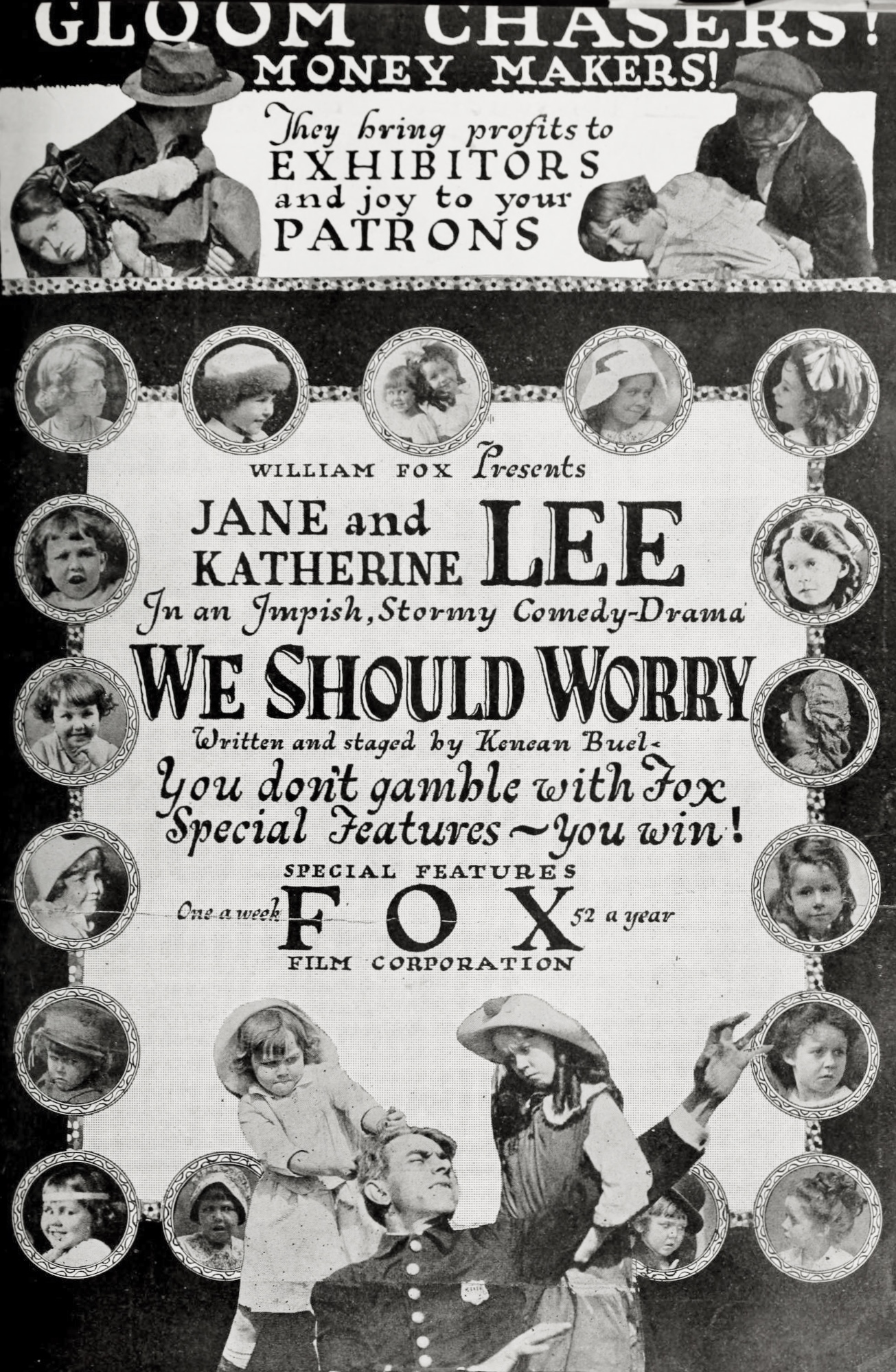
Dir: Kenean Buel
Little Jane and Katherine approve of the romance of Miss Ashton, their rich and beautiful aunt, with Jack Fenton, but when she becomes distracted by the debonair Percival Gilpatrick, whom the children detest, they decide to intervene. After the children interrupt his attempted marriage proposals several times, Percival, actually a crook, orders his accomplices, Mike and Bill, to keep the girls occupied. Annoyed that Percival would rather court Miss Ashton than rob the bank, however, Mike and Bill decide to kidnap the children and hold them for ransom. Imprisoned in a cellar, Jane and Katherine torment the two men with their pranks until the crooks willingly release them, but Percival stages a rescue that, much to the girls' dismay, impresses Miss Ashton. Later Percival and his men rob the bank, but the youngsters aid the police in catching them. Miss Ashton then happily agrees to marry Jack.
View DetailsAnalysis relative to Daredevil Kate
| Film Title | Atmosphere | Complexity | Similarity |
|---|---|---|---|
| The Woman Who Gave | Gritty | Abstract | 95% Match |
| My Little Sister | Tense | Dense | 96% Match |
| The New York Peacock | Tense | Linear | 91% Match |
| A Fallen Idol | Gothic | Dense | 89% Match |
| Two Little Imps | Gritty | High | 91% Match |
This guide was algorithmically generated using the cinematic metadata of Kenean Buel's archive. Last updated: 6/23/2026.
Back to Daredevil Kate Details →