
DbcultAccessing Vault...
Recommendations
Senior Film Conservator
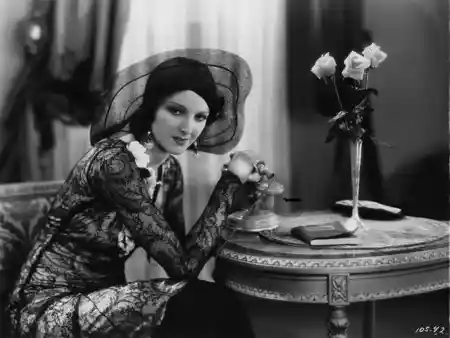
The cinematic DNA of Don Juan diplomático (1931) is truly one of a kind, the search for similar titles reveals the deep impact of George Melford's direction. Our cinematic experts have identified several titles that reflect the spirit of 1931.
As a pivotal work in United States cinema, Don Juan diplomático to capture the existential zeitgeist of 1931.
The ambassador of a Ruritanian land charges his attache with cozying up to the wife of the war minister, to get her to make her husband change his mind on a treaty he opposes.Complications both political and romantic ensue.
The influence of George Melford in Don Juan diplomático can be felt in the way modern Comedy films handle cinematic excellence. From the specific lighting choices to the pacing, this 1931 release set a high bar for atmospheric immersion.
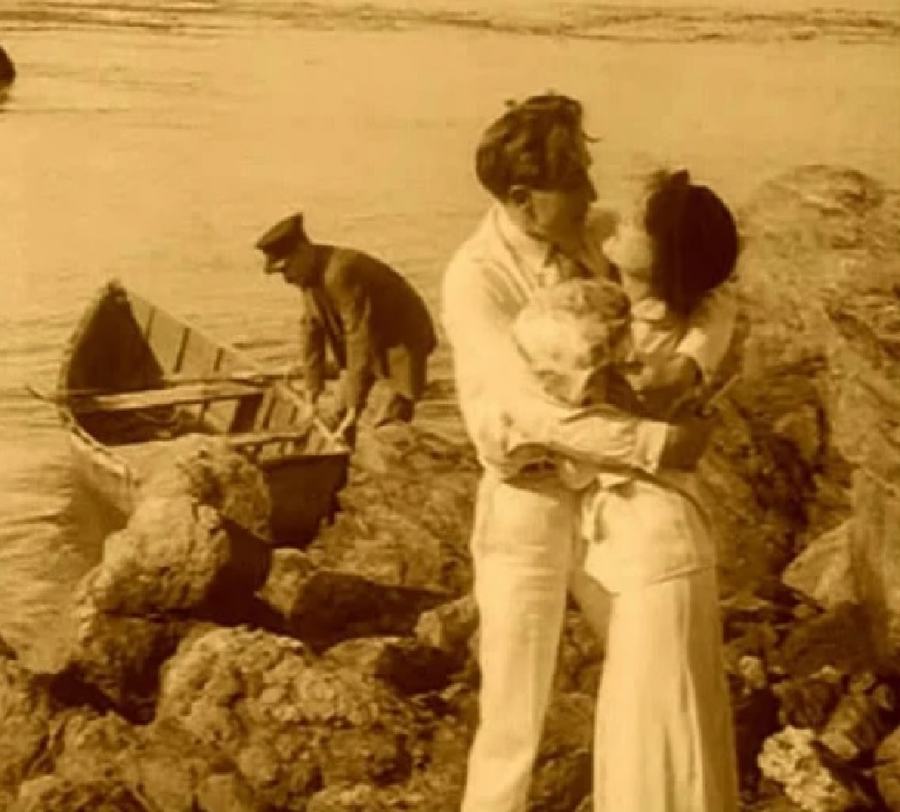
Based on the unique cinematic excellence of Don Juan diplomático, our vault has identified these titles as the most compelling follow-up experiences for fans of Comedy cinema:
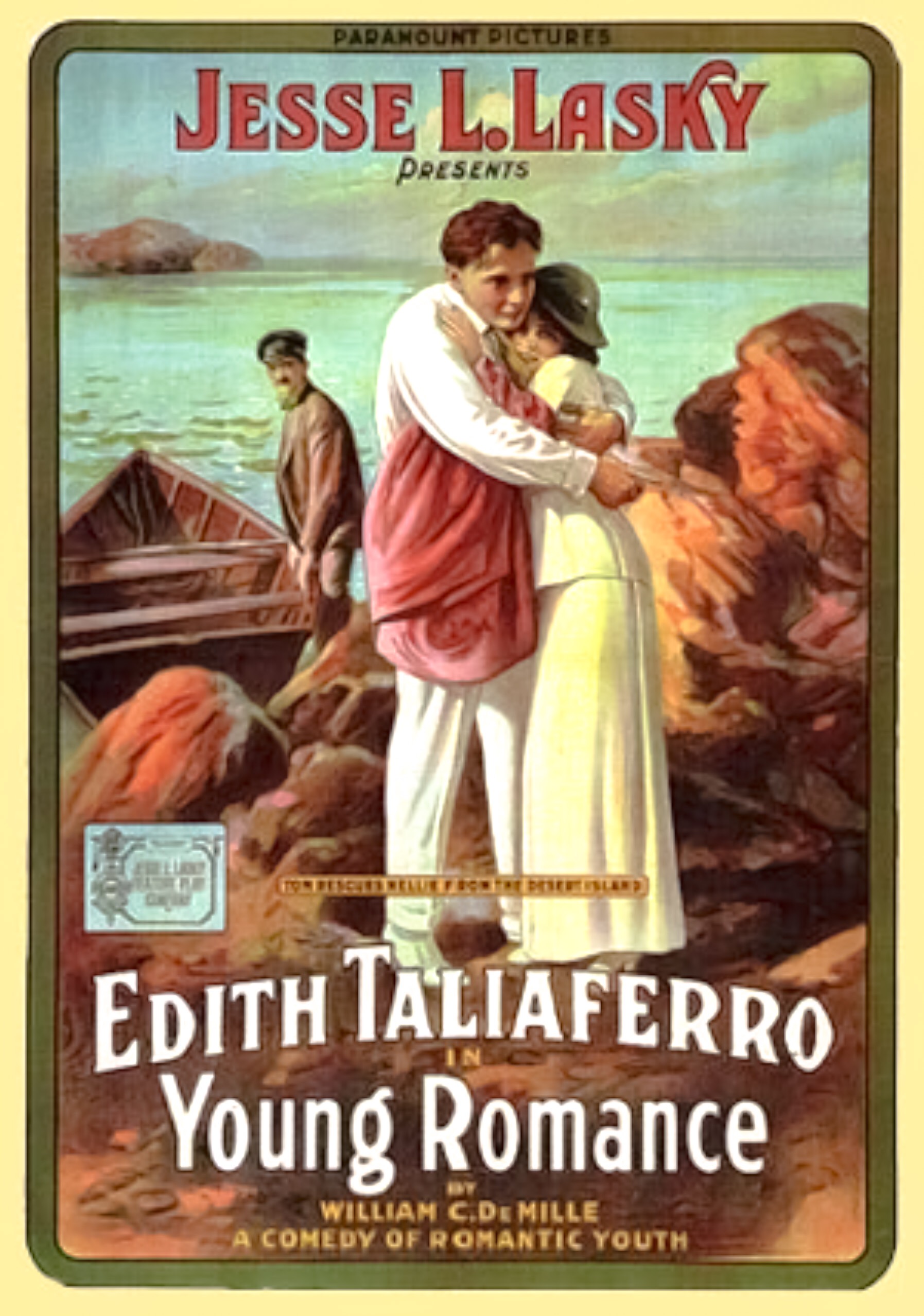
Dir: George Melford
Two people working in the same department store pretend to be aristocracy at a fancy resort, intending to pull a wealthy spouse, but end up falling in love with each other instead.
View Details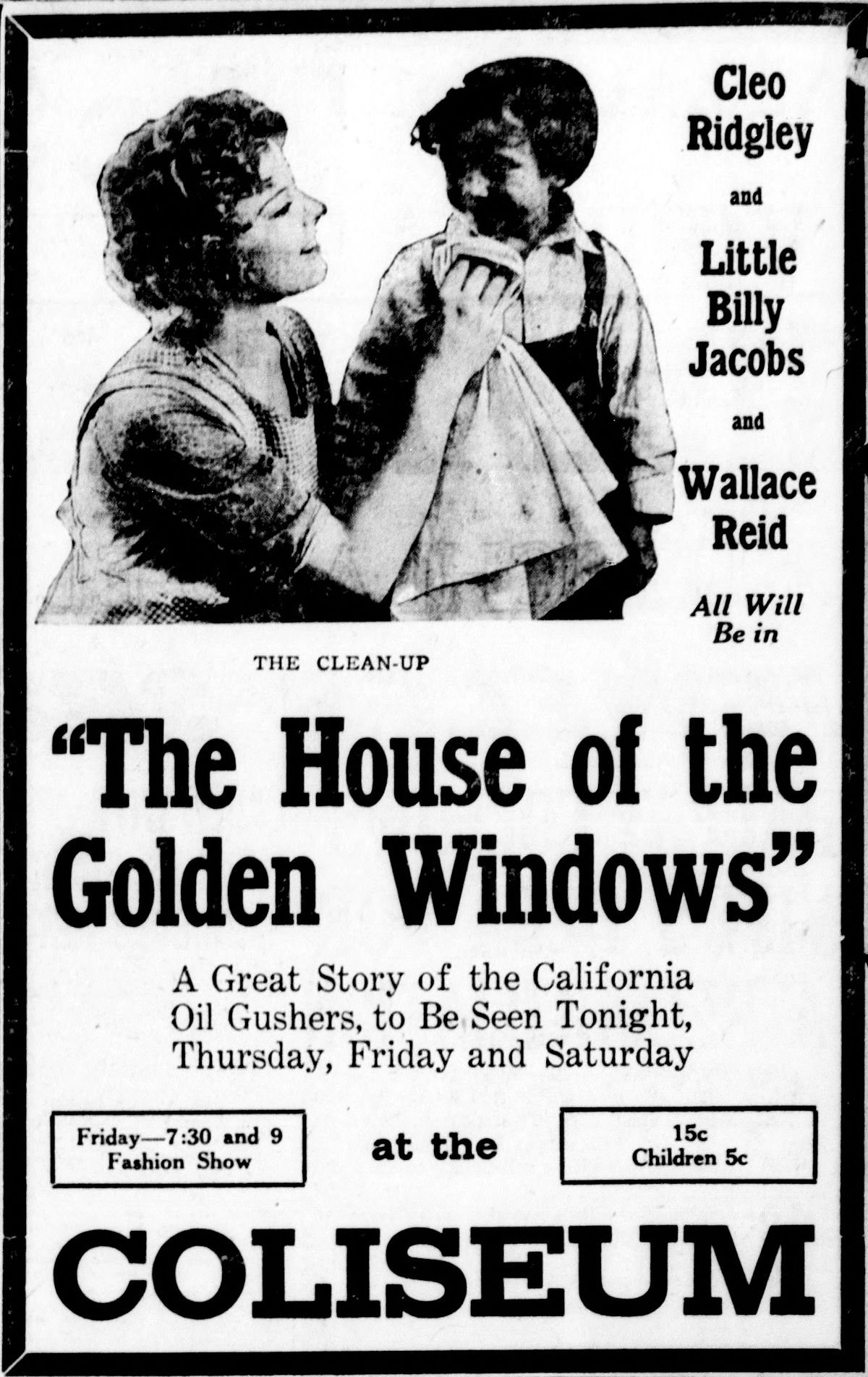
Dir: George Melford
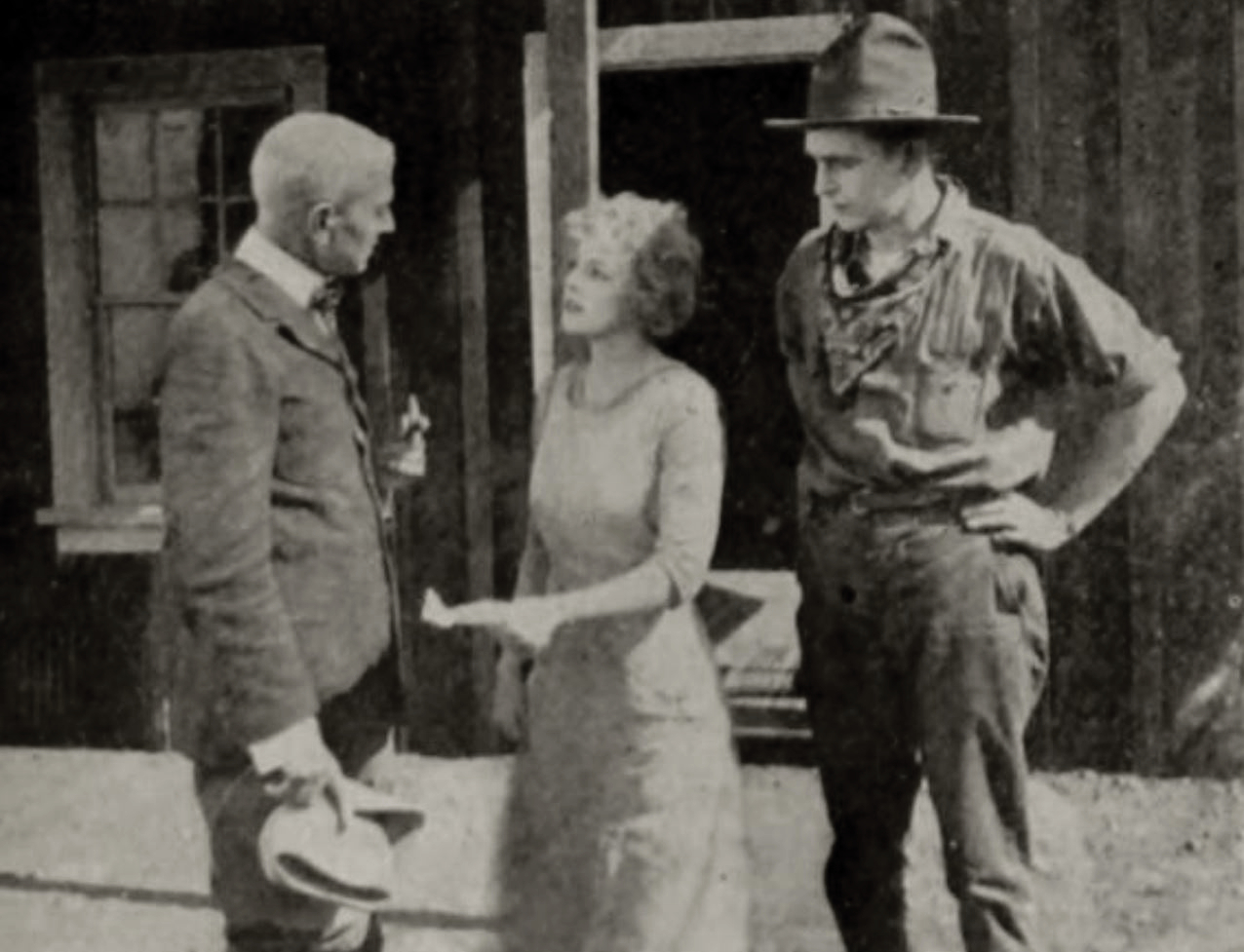
Sue Wells husband Tom works as a shepherd, is sick of being poor, living in the shadow of Mr. and Mrs. James Peabody's opulent estate. When the Peabodys leave for a vacation, Sue and Tom carry out a check fraud scheme and take advantage of a loophole in the Peabody's lease, resulting in their becoming the owners of the estate. However, living in the mansion does little to make Sue happy, and when James returns and discovers what she and her husband have done, he kills Tom. He is about to murder Sue, too, when she wakes up, and realizes that her life as a wealthy landowner has been only a dream. James then enters, and announces that he has made Tom the estate manager, which forever ends Sue's financial worries.
View Details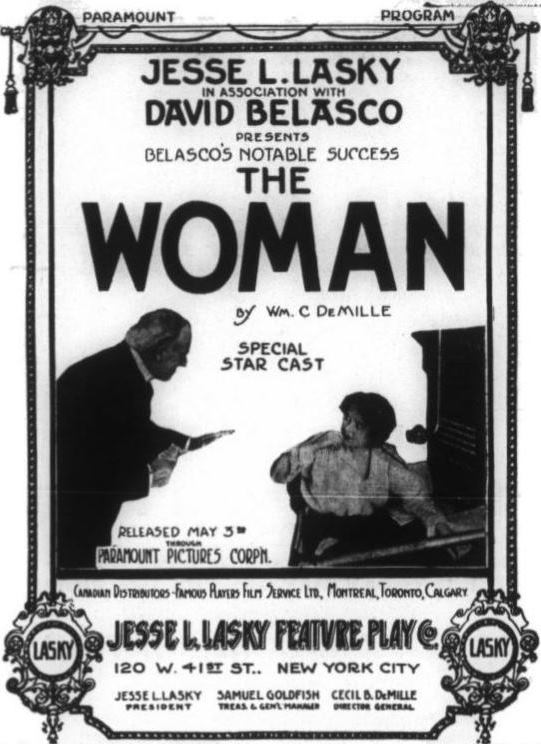
Dir: George Melford
The story relates the attempt of a group of machine politicians at Washington to ruin Matthew Standish, an insurgent who has made himself so strong with the people that he is in a position to defeat the Mullins bill, fostered by a corrupt ring in Washington, in favor of certain railroads. The leaders of this ring are Jim Blake, the boss of the party machine, and his son-in-law Mark Robertson. Standish is being hailed throughout the country as the exponent of morals and virtue, and Blake realizes that the only way to defeat him is to find some blot on his record in the past. He puts a detective to work, who, by bribing Standish's former secretary, finds out that some years ago Standish became involved with a young woman of good family, but for some reason he did not marry her. Blake realizes that skillfully handled, this story could be made to ruin Standish's career, but without the woman's name it will look like a campaign lie. So the entire machine bends its energy to discovering the woman's identity to prove the story. To accomplish this, they lay a trap that they think will make Standish try to warn the woman by telephone. He is deceived and does telephone the woman to be on her guard, calling the number Plaza 1001. Wanda Kelly, telephone girl at the Keswick, has been told of the plan by Blake, who believes that she can be bribed to give him the telephone number. After Standish telephones, Blake's son-in-law Robertson comes in to 'phone his home in New York, calling the same number that Standish has just called. Wanda, the operator, sees that the woman in the case is really Blake's daughter and Robertson's wife, and besides refusing to give the number, destroys her record sheet. Mrs. Robertson arrives from New York and is driven to desperation when Standish informs her that, though he has tried to protect her, he needs to give her name to Blake and Robertson if they continue striving to ruin him by this story. The subsequent events leading to the conclusion of the drama and the defeat of the offensive Mullins bill in Congress are stirring in the extreme. Once again the telephone girl interferes in the plot by disconnecting the wires when the "ring'' politicians, driven to their last ditch, are trying to telephone a newspaper to release the story even without the woman's name. She keeps her courage after this, even when threatened with arrest and criminal prosecution. It is the woman herself who finally comes to the rescue and refuses to see the little telephone girl made to suffer further on her behalf. This terrible revelation makes Blake and Robertson see what a veritable heroine she has been and even leads to the happy consummation of a romance between the telephone operator and Jim Blake's son.
View Details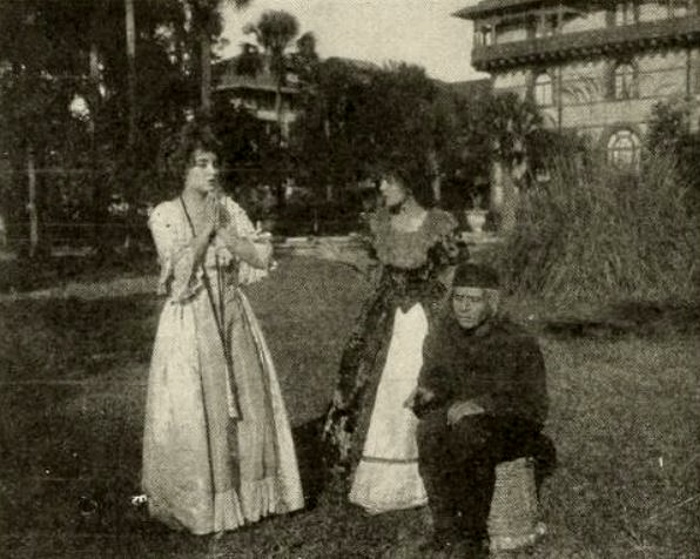
Dir: George Melford
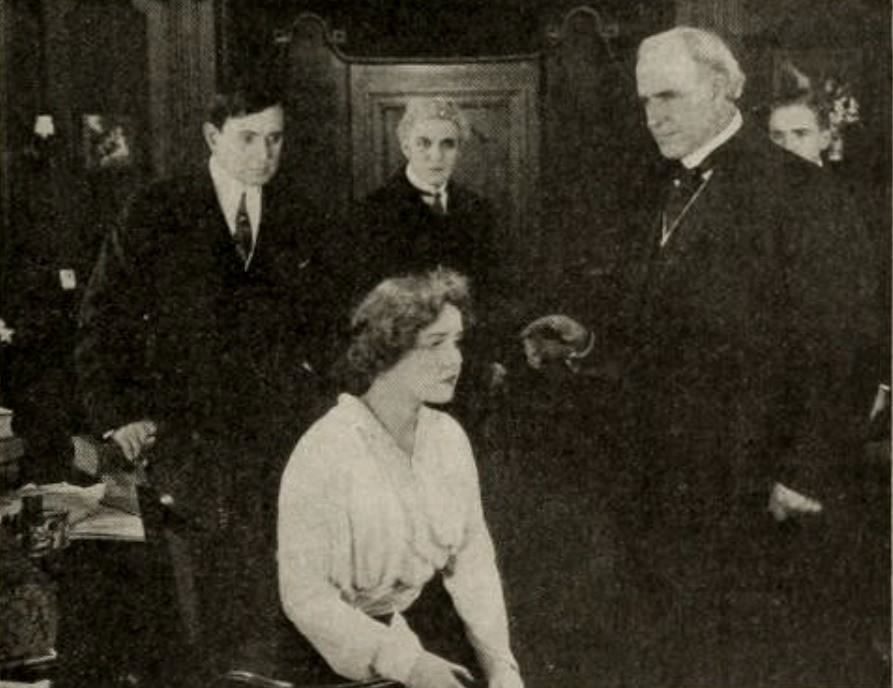
Foster sister of the Duchess d'Aubeterre, Madeline, marries Jean Renaud, a French soldier, and has a daughter named Adrienne. Five years later, on a battlefield, Renaud is entrusted by the Count de Moray with jewels and papers proving that Adrienne is his heir. After Moray's death, Renaud gives everything to Madeline and then returns to the battle. Lazarre, who had followed Renaud, then goes to Madeline and demands the jewels. Madeline's refusal awakens Adrienne, but Madeline quiets her by saying that her father is home. When Madeline still refuses Lazarre's request, he stabs her. Later, Adrienne tells the neighbors that her father had just been with her mother. Renaud is sentenced to prison for life, after which the Duchess adopts Adrienne. Many years later, Adrienne re-encounters her father and eventually the true murderer is revealed and Renaud is pardoned.
View Details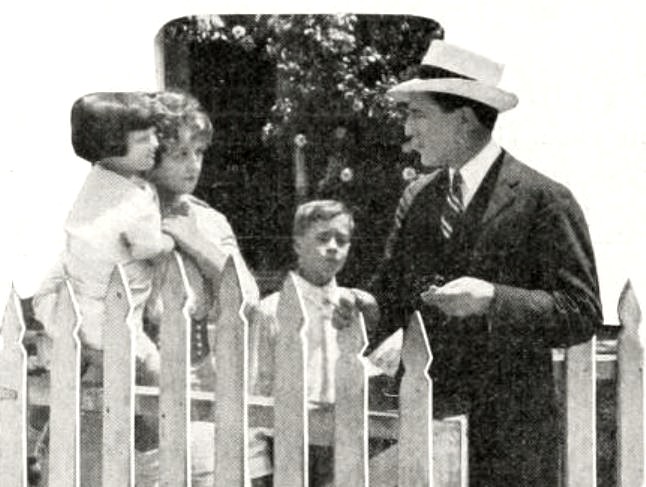
Dir: George Melford
Anna Granger's husband commits a fraud at the bank where he works and is condemned to pay the penalty of a jail sentence. In the hope of proving his innocence she goes to work, under an assumed name, for the President of the closed bank. This man is now indicted himself, though unjustly, and employs detectives who finally unearth a letter positively establishing the guilt of Granger. In spite of everything, Anna remains faithful until she learns that the theft her husband committed was to get money for another woman. Then comes a sudden climax which puts an end to a situation which she could not possibly endure.
View Details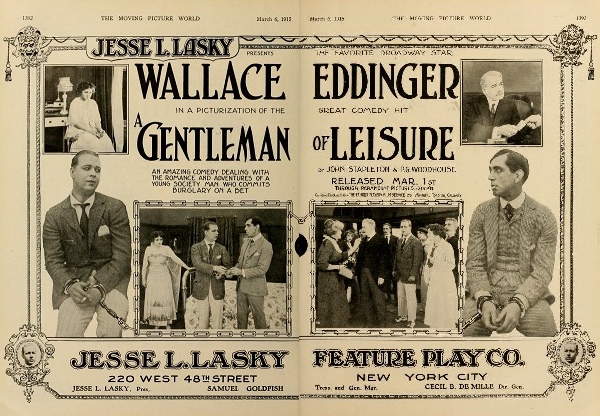
Dir: George Melford
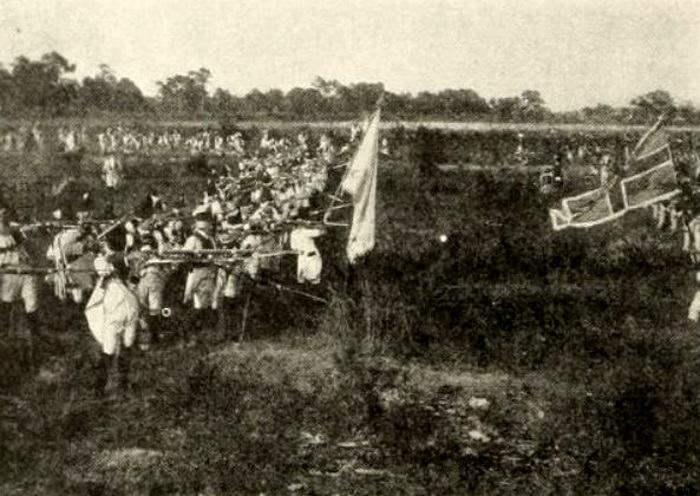
A young New York society man makes a bet that he can rob a house and get away without being caught by the police. Shortly after making this wager, he overpowers a professional burglar in his own house, and instead of giving the man up, decides to use him in winning the bet. However, the house that he attempts to rob is the home of the Deputy Police Commissioner, with whose daughter he is in love. The succeeding complications, which arise out of this altogether original situation, are due to the Commissioner's willingness to accept graft and the professional burglar's inability to restrain himself when tempted to steal a valuable necklace. The final result is a happy conclusion to the very troubled love-story.
View Details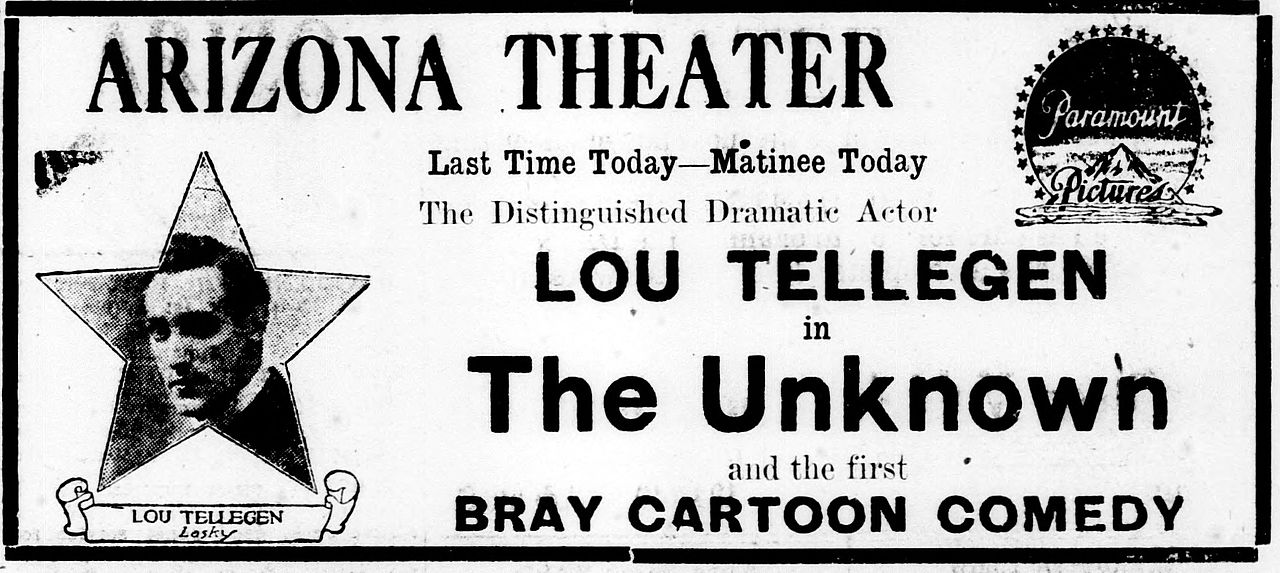
Dir: George Melford
A young man joins the French Foreign Legion and is sent to Algieria, where he becomes a target for hatred by his commander. However, the commander has a change of heart when he realizes who the young man is.
View Details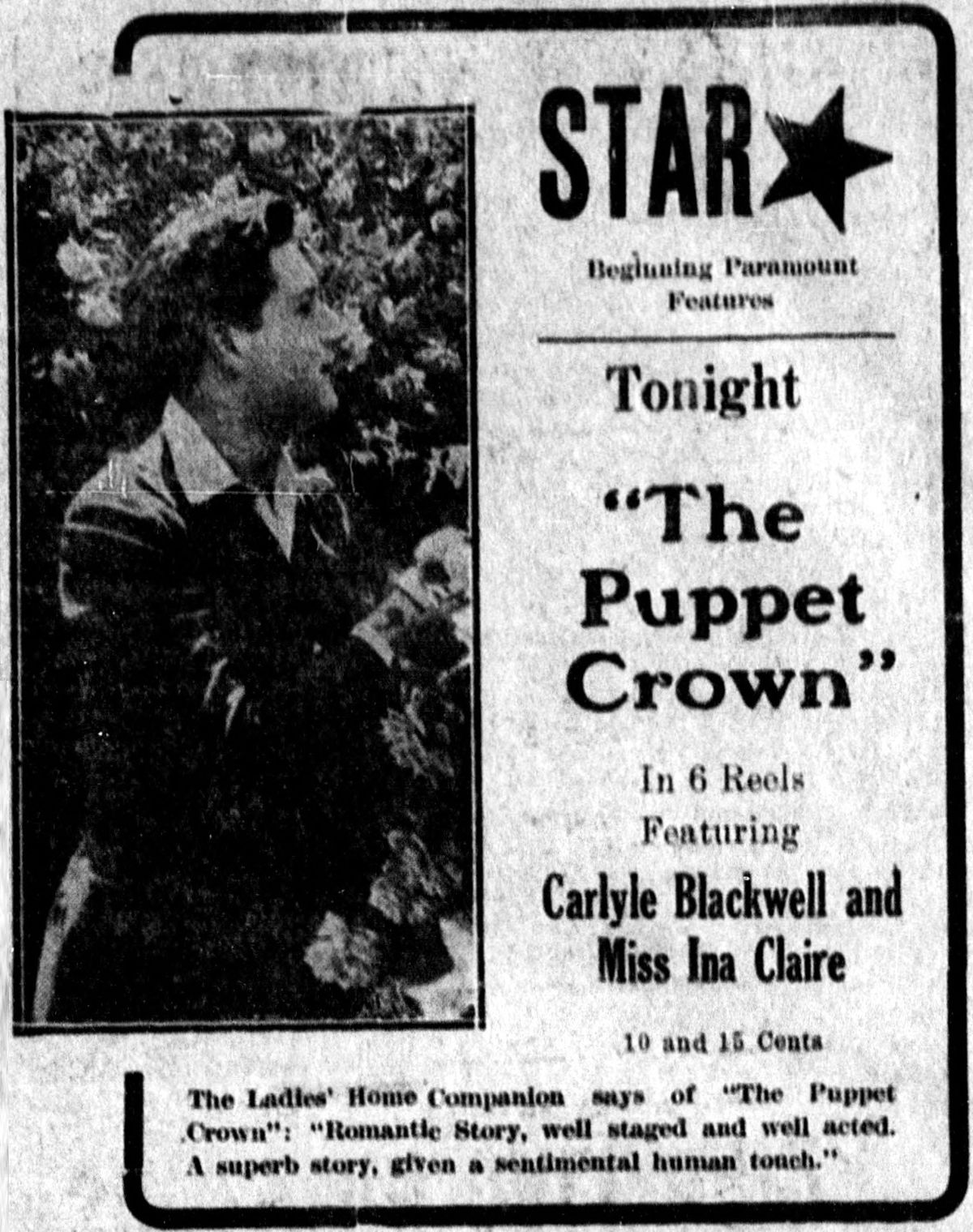
Dir: George Melford
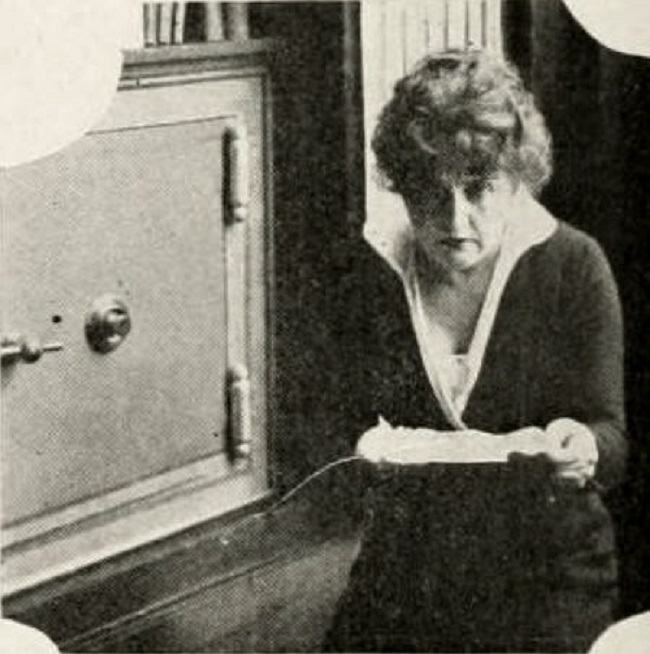
Ailing King Leopold sends his daughter Princess Alexia of Osia to a exclusive American girls' boarding school as a commoner, so that she can know the meaning of true freedom. When she meets young millionaire Bob Carewe, they fall in love, but Alexia is summoned home because of a conspiracy of the king's advisers threatening to replace him with the Duchess Sylvia. When Bob reads of Osia's financial difficulties, he goes to help with a loan, though he realizes she cannot marry him if she is ever to rule. When the king dies suddenly, it causes a rebellion among the people. Although Bob bravely fights against the conspirators and nobly helps a bleeding rival for Alexia's affections, the duchess is proclaimed queen. She orders Alexia's arrest, but Bob, using one of the conspirators as a shield, escapes with Alexia to the border, now they are happily free to marry.
View Details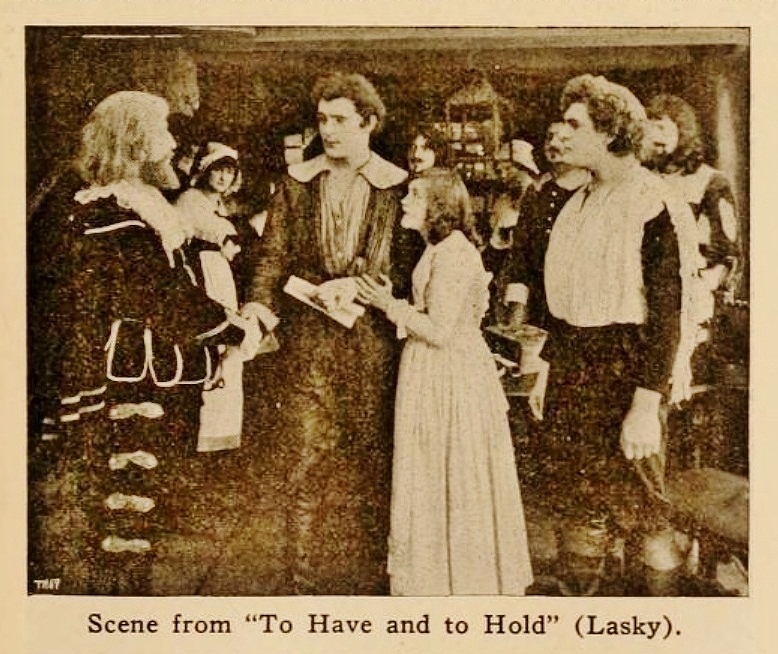
Dir: George Melford
Lady Jocelyn, a favorite in the court of England's King James, escapes a forced marriage to the hated Lord Carnal by fleeing to American colonies. There she meets and marries Captain Ralph Percy. Pursued by Lord Carnal, Lady Jocelyn and her new husband eventually find themselves shipwrecked on a desert island with Lord Carnal. A band of pirates finds them there, and Captain Percy convinces them that he is himself a notorious pirate chief. But Lord Carnal casts them all into danger by revealing Percy's true identity.
View Details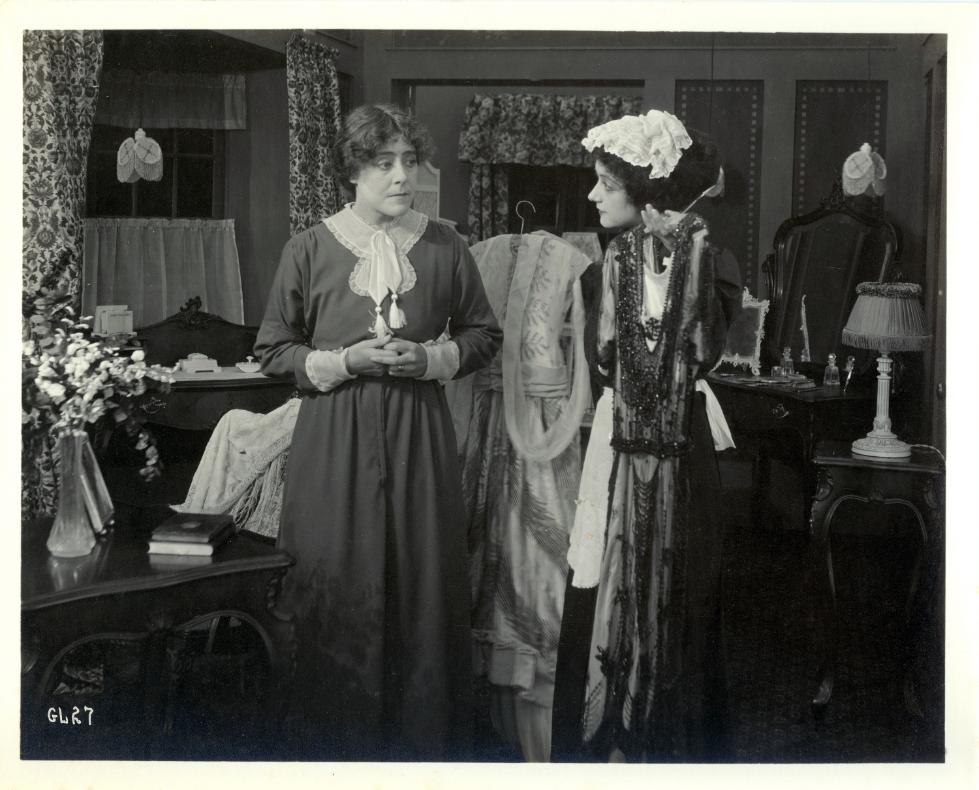
Dir: George Melford
At the opening of the story Daniel Slade is working in a mine and, though not positively in need, he and his wife live in comparative poverty. Slade is a man filled with ambition, but his wife is contented and absorbed in her love for her husband. By a fortunate accident he discovers a gold mine, and with his newly acquired wealth, immediately sets out to make a position of influence for himself in the world. His aggressive personality and ability at once attract attention, these qualities being combined with wealth, and the possibilities of a political career are pointed out to him by Senator Strickland. Slade has no sooner established himself in his new surroundings than he comes to feel that his wife does not know how to take advantage of their altered circumstances. She is still the same simple, home-loving person. In the course of time he becomes attracted to the Senator's daughter, who, like himself, is of ambitious temperament. In fact, though she does not love him, she agrees to marry him if he obtains a divorce from his wife. The concluding episodes of the story show how the wife rescues her husband from his unpardonable folly, and how, much chastened, he finally persuades her to come back to him. He has now become the chief executive of the State and Mary at last takes her place as the Governor's Lady.
View DetailsAnalysis relative to Don Juan diplomático
| Film Title | Atmosphere | Complexity | Similarity |
|---|---|---|---|
| Young Romance | Surreal | Abstract | 86% Match |
| The House with the Golden Windows | Gothic | High | 91% Match |
| The Woman | Tense | Abstract | 86% Match |
| A Celebrated Case | Gritty | Layered | 94% Match |
| The Fighting Hope | Gothic | High | 85% Match |
This guide was algorithmically generated using the cinematic metadata of George Melford's archive. Last updated: 6/26/2026.
Back to Don Juan diplomático Details →