
DbcultAccessing Vault...
Recommendations
Senior Film Conservator
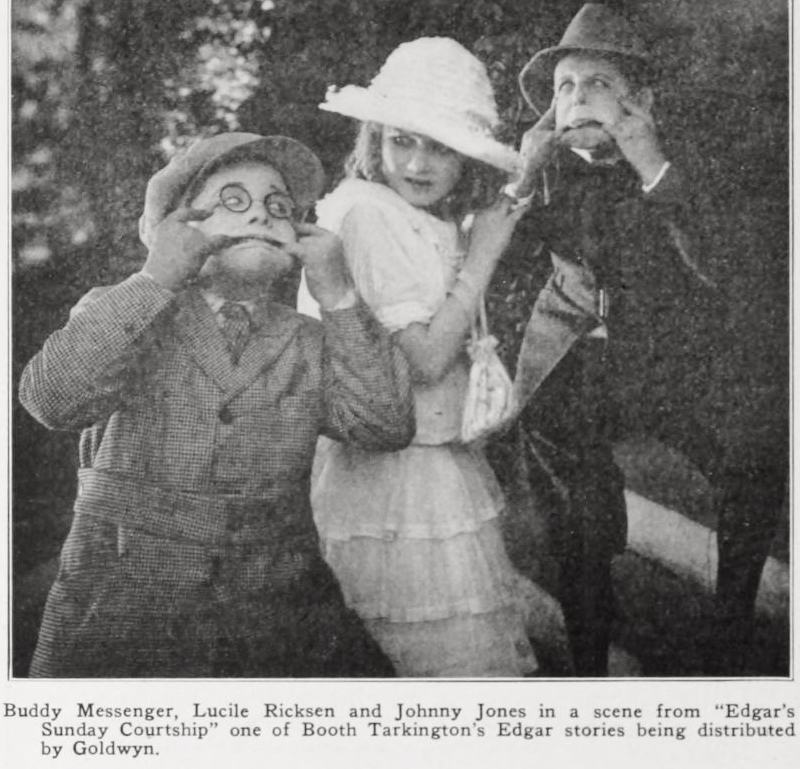
If the cult status of E. Mason Hopper's work in Edgar's Sunday Courtship left an impression, the cinematic shorthand used by E. Mason Hopper is both ancient and revolutionary. We've prioritized films that capture the 1920 aesthetic with similar precision.
By merging cult status with Comedy tropes, it to articulate the unspoken anxieties of United States's 1920 era.
On the way to Sunday school, Edgar meets the lady of his heart--and his hated rival. The Sunday-school lesson on David and Goliath so intrigues Edgar that he sees himself as David, saving the entire school, sweetheart and rival included, from Goliath's sword. Edgar's answer to the teacher's question proves his straying thoughts. As a result he is placed on the platform, where he sees himself descending to the "lower regions" as the "worst boy in the school." Edgar's Sunday adventures end with him at peace with the world, after two helpings of pie.
Edgar's Sunday Courtship was a significant production in United States, showcasing the immense talent of Lucille Ricksen, Nick Cogley, Kenneth Earl. It continues to be a top recommendation for anyone studying Comedy history.
Based on the unique cult status of Edgar's Sunday Courtship, our vault has identified these titles as the most compelling follow-up experiences for fans of Comedy cinema:
Dir: E. Mason Hopper
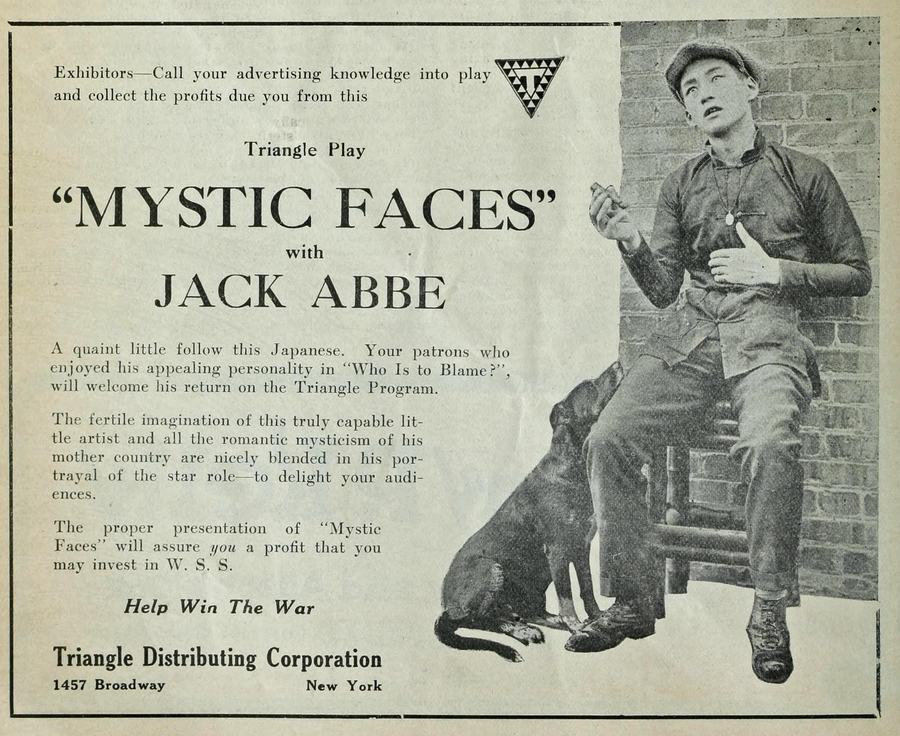
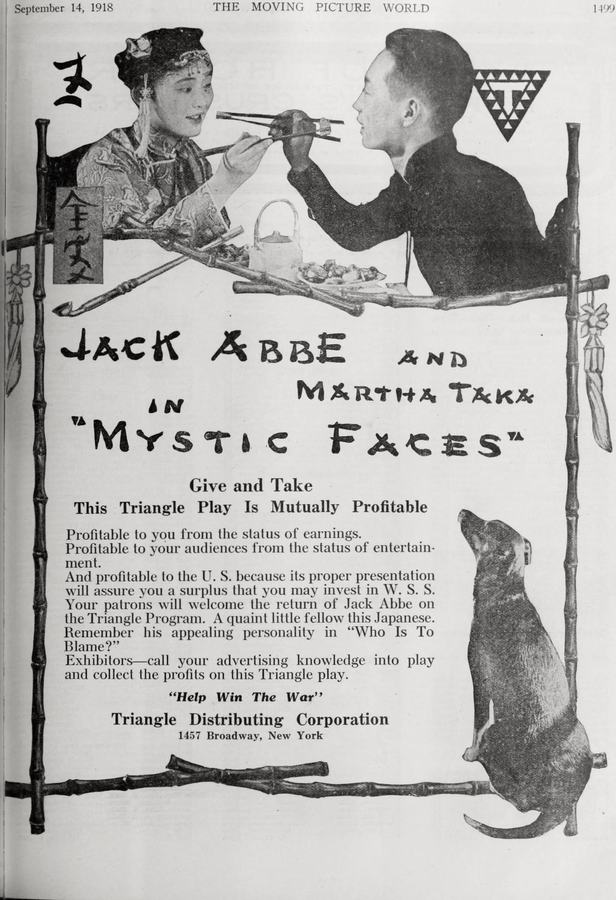
Yano is a small delivery boy for his uncle, who keeps a curio shop in Chinatown. His loves are Tama, his sweetheart, and Bengi, his dog. Bengi is seized by dog catchers, but is rescued by Letty Stanford, for which Yano promises his fealty. Later Letty is kidnapped by Germans because of her war activities, and it is Yano who goes to her rescue and gets her free in spite of his diminutive size. The Little Japanese has paid his debt.
View Details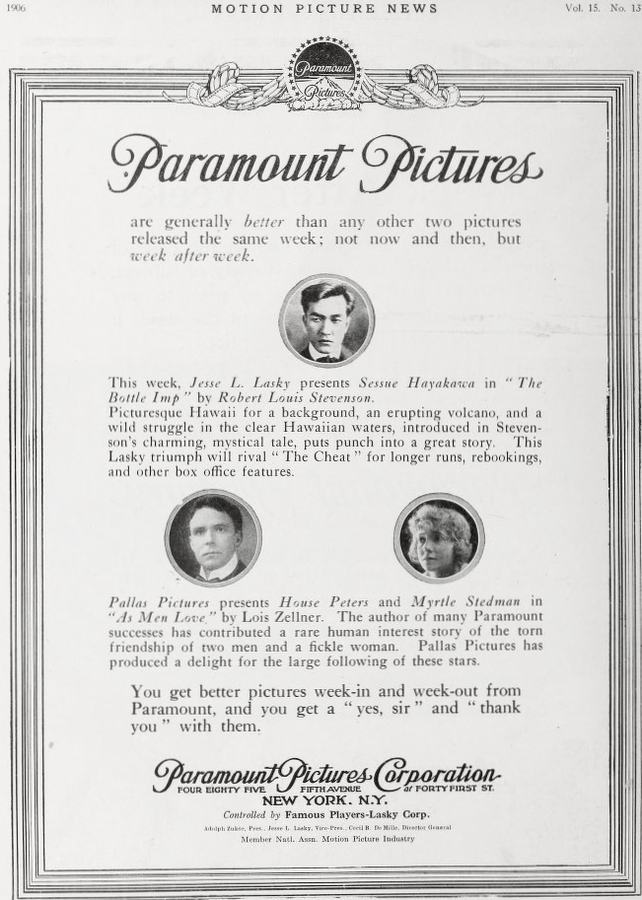
Dir: E. Mason Hopper
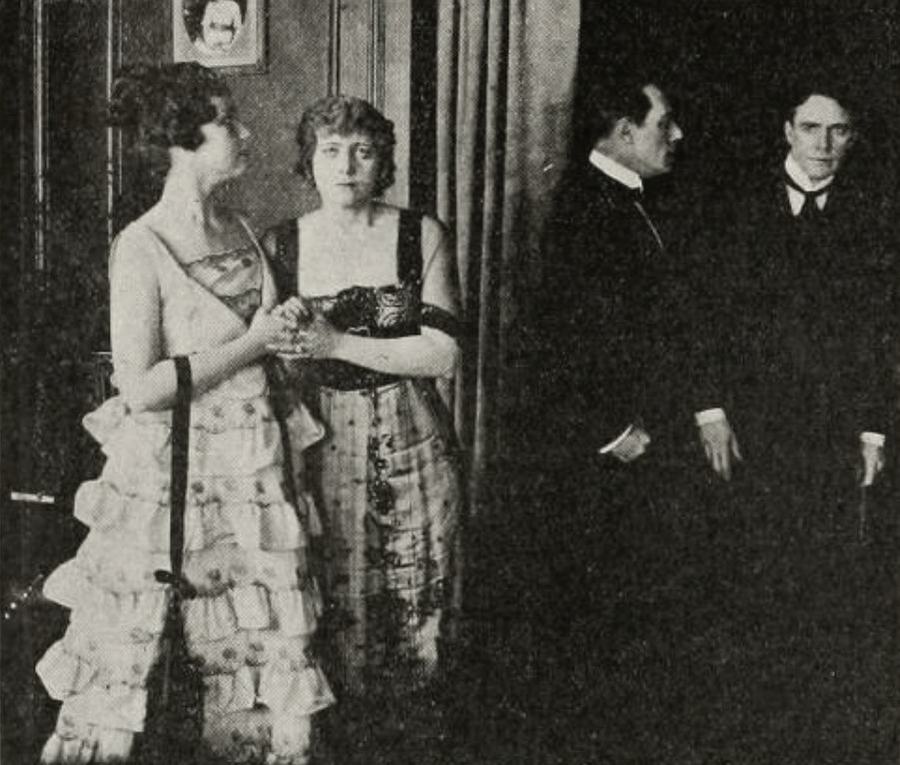
Diana Gordon a socialite, falls madly in love with Dr. Paul Russell, her husband Keith's best friend. Russell, however, is in love with Keith's sister Marjorie, who is spending the winter with the Gordons. Overhearing Russell's proposal to Marjorie, Diana is extremely jealous and when alone with the physician, throws herself into his arms. At that moment, Gordon enters the room, and to protect Diana's reputation, Russell takes the blame and is banished from the house. Sometime later, polio sweeps the city and Russell becomes an expert in treating the disease. The Gordon's young daughter is stricken and Diana summons the physician, but Gordon forbids him to enter their home. In order to save her child, Diana reveals the truth to her husband and sister-in-law. All are then reconciled and the little girl recovers.
View Details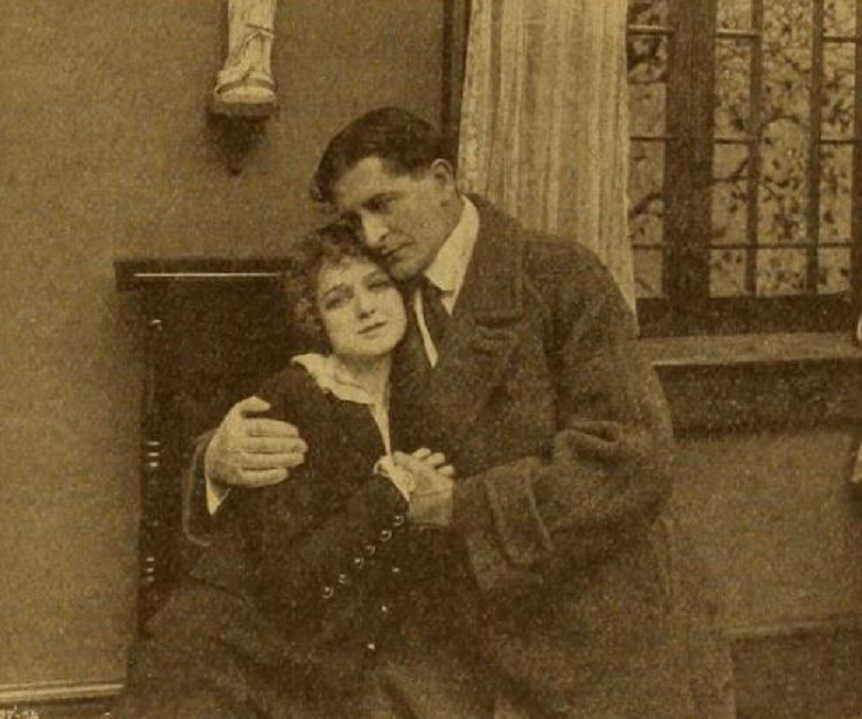
Dir: E. Mason Hopper
Julie Davenant is the neglected daughter of a Parisian dancer who, tired of her life, commits suicide. With her last breath she tells Julie not to trust men. Julie begins her battle with life as a nursemaid. Sculptor John Ramsey spies the beautiful little girl, gives her his card, and when she is discharged from her nursemaid position she becomes his model. She becomes the most talked-of model in Paris, and modiste Hermineux pays her a handsome sum to have her likeness made in wax, on which he displays his gowns. Julie meets Melville Ilchester, who seems "different." He also falls deeply in love with her. Ilchester, to satisfy a query in his mind if Julie is really "different," goes to her flat at night and walks in just as she, on a dare, takes a sip of wine and lights a cigarette. He refuses to listen to her explanation. In a moment of despair, Ilchester smashes both window and model at the Hermineux shop. Julie surmises Helen (Ilchester's sister) and Ramsey's plan to elope, sends Ilchester a note to go to Ramsey's because a friend is in danger, tells Helen that Ramsey is married, and hides her as Ilchester enters Ramsey's studio. Ilchester, believing this is a ruse of Julie's, leaves, still refusing to allow Julie to explain. Heartbroken she abandons her profession as a model and becomes destitute. She sends Ilchester a last note of appeal, which Helen accidentally sees, and after hearing the truth from his sister, Ilchester hastens to Julie, explanations are made and their happiness is assured.
View Details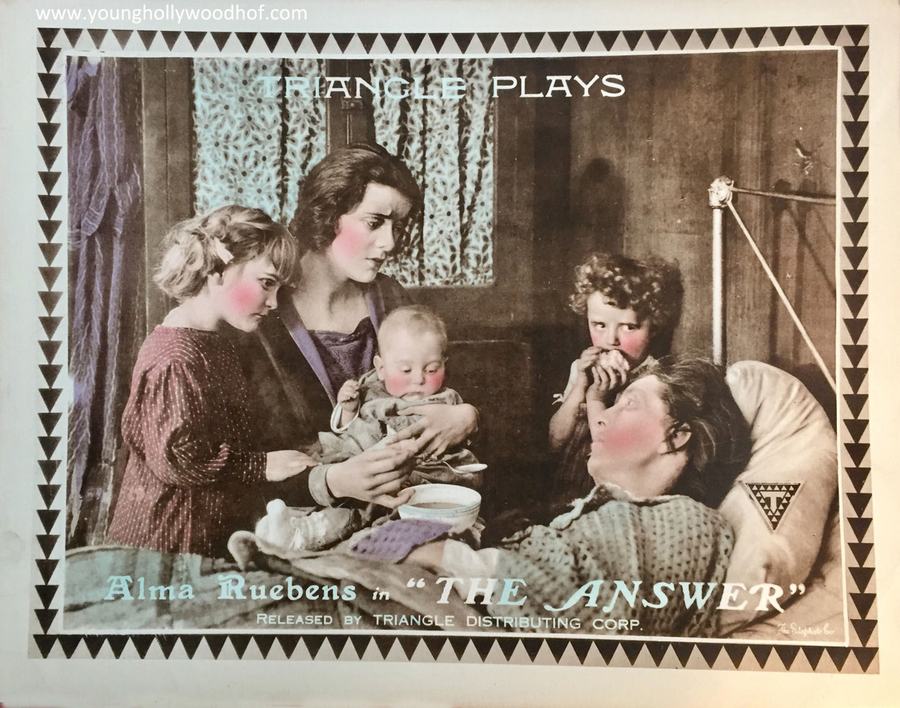
Dir: E. Mason Hopper
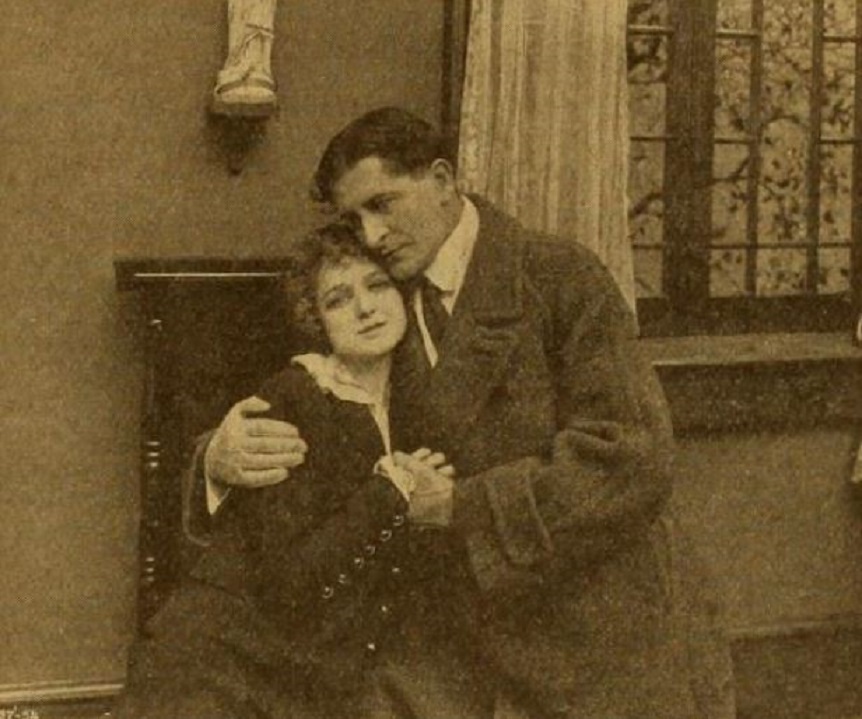
Social worker John Warfield meets socialist radical Guido Garcia, and together they establish a refuge in San Francisco for life's unfortunates. Goldie Shepard, whose father is an alcoholic, develops an interest in socialism and becomes Warfield's stenographer. Goldie's hatred of the rich increases when her father is killed by an automobile in which society woman Lorraine Van Allen is riding. As a result of the accident, Lorraine becomes a supporter of the refuge. Meanwhile, Warfield's mother dies in England and leaves him a large estate. When Warfield marries Goldie and takes her to England, he is shocked to see her fondness for luxury, and soon decides to donate his estate to the poor and return to San Francisco. Guido, who had been Goldie's suitor, learns of her marriage and murders her, after which he leaps from a bridge to his death. Later, Warfield marries Lorraine, and they convert the English mansion into a children's home.
View Details
Dir: E. Mason Hopper
Dr. Manning cherishes Gloriana, his newly-adopted young daughter, but Mrs. Manning, who directs overseas charity projects, has as little concern for Gloriana as she does for the poverty-stricken people in her own city. After listening to her new mother philosophize about the importance of charity, Gloriana takes some money from Mrs. Manning's desk and gives it to Miriam, her impoverished governess. Mrs. Manning at first accuses Miriam of theft, but when Gloriana confesses, Mrs. Manning suddenly realizes that she has been blind to the poverty that surrounds her, and she vows to start devoting her energy into helping those who are closer to home.
View Details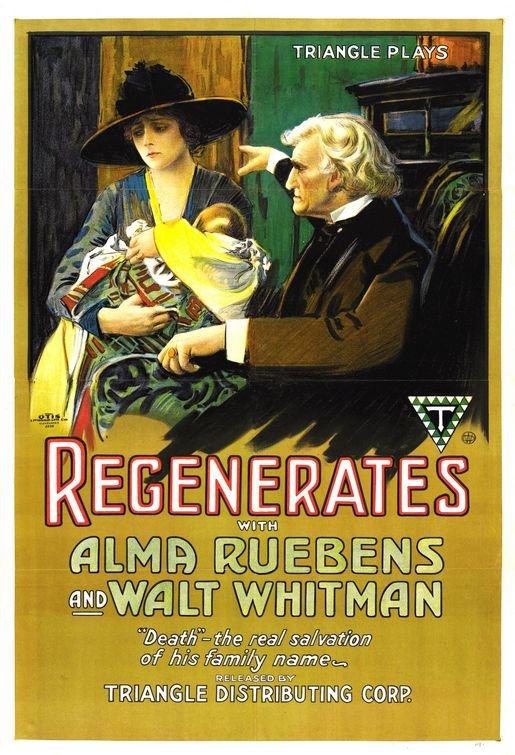
Dir: E. Mason Hopper
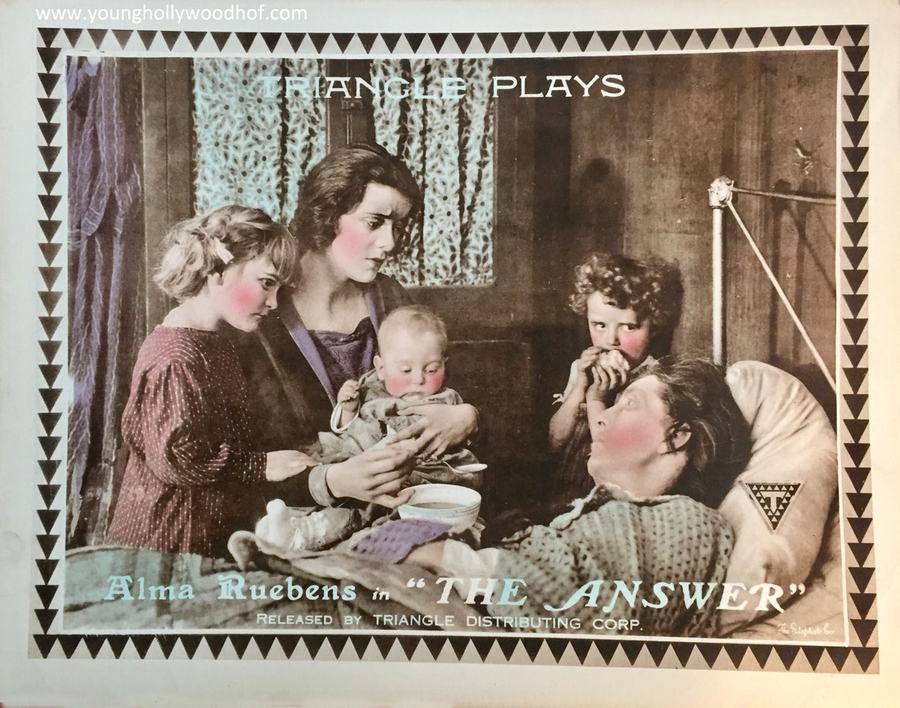
Mynderse Van Dyun, a wealthy old New York aristocrat, has one goal in life, to see his granddaughter Catherine and grandson Pell married; for, although they are cousins, the marriage would perpetuate the family name. Catherine, however, is in love with Paul La Farge and detests her drug-addicted cousin, who seduces and then secretly marries her maid, Nora Duffy. After a son is born to Nora, who dies in childbirth, the infant is taken to the Van Dyun house where, only a few days before, Pell, in a dispute involving drugs, had been thrown from a window by his valet and killed. When the old man refuses to acknowledge the child, Catherine and Paul adopt the baby, leave the Van Dyun house and are married. Five years later, Catherine comes to visit the old man with his great-grandson, and, seeing what a fine boy he is, the old aristocrat is forced to admit that the boy is worthy of bearing his name.
View Details
Dir: E. Mason Hopper
"Tough Luck" Baxter, returning from a prospecting trip, meets Happy Jack Clarke, a former citizen of Baxter City, a boom town which became a ghost town when the gold petered out. A game of cards decides that Clarke will go back to Baxter City with "Tough Luck" in search of ore. Meanwhile, the Firefly, a New York music hall entertainer out of a job, is ordered by her parasitic husband Bert Wilcox to perform at the dance hall in Baxter City. Upon her arrival, she finds the town deserted and strikes out on the open trail. Overcome by the desert, she is rescued and brought back to Baxter City by Danny Ward, a former Yale athlete. Together, "Tough Luck," Clarke, Danny and Firefly organize a family and strike gold. Danny, having fallen in love with Firefly, proposes to her on the very night that her worthless husband comes to town. Wilcox loots the assayer's office, is caught, convicted, and thrown out of town. Out of loyalty, Firefly accompanies him. Danny follows them and finds Firefly abandoned in the desert by Wilcox who has stolen her money and water. Justice is served when Wilcox perishes in a den of rattlesnakes, thus freeing Firefly to return with Danny to Baxter City.
View Details
Dir: E. Mason Hopper
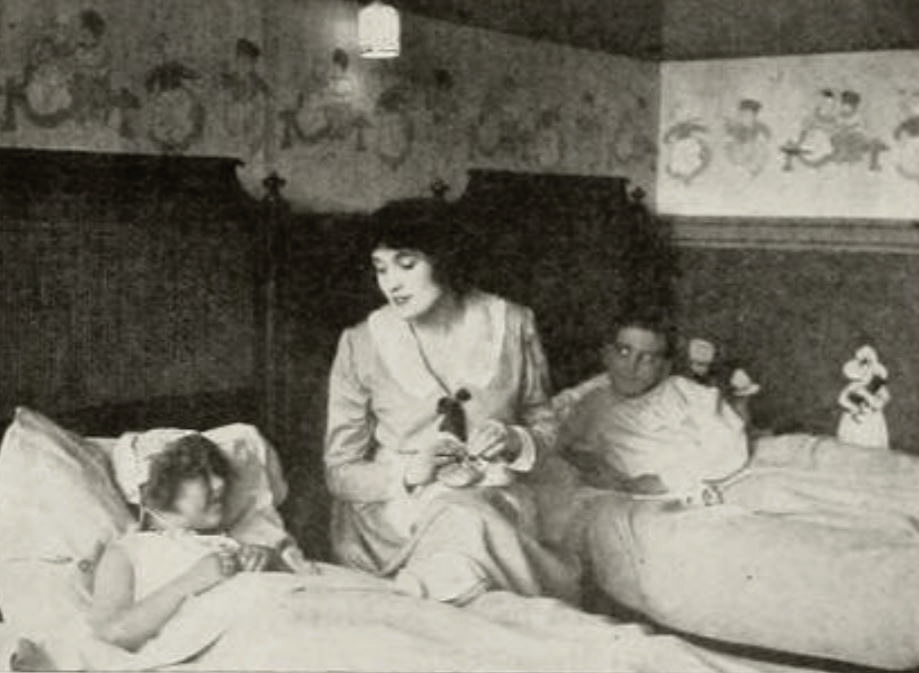
Young Polly Eccles is raising her sickly young brother Billy. When her doctor advises taking Billy away from their dank slum, she packs them both up and they head for California. While hitchhiking there, they are picked up by Kirk Drummond, who just happens to be driving to California himself. Upon their arrival, Kirk's wealthy father John is horrified that he has hooked up with a "lower-class" woman like Polly and does everything he can to make life miserable for her so she will leave. However, an incident occurs at the mine John's father owns that could turn out badly for all concerned.
View Details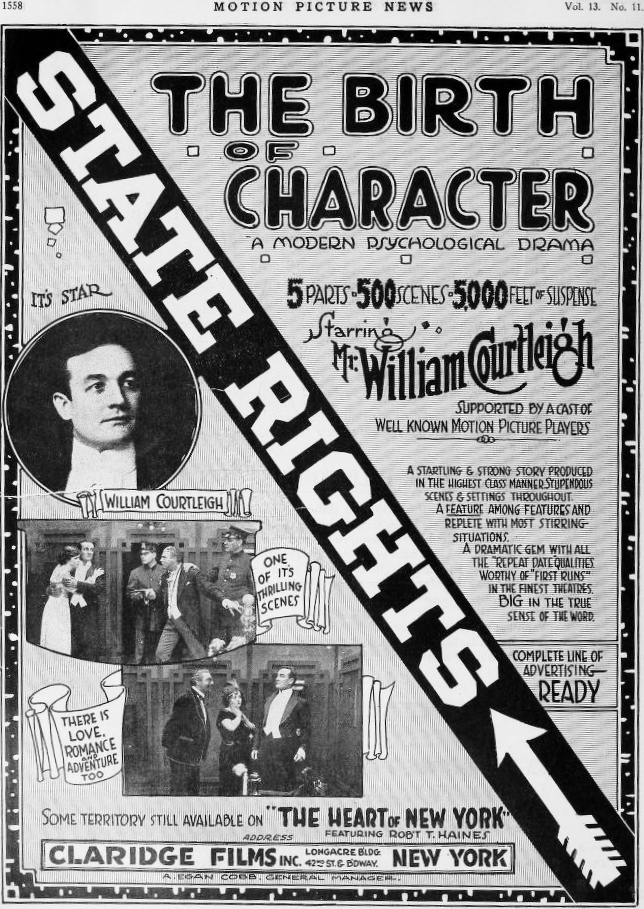
Dir: E. Mason Hopper
An alchemist, about to be burned at the stake, tells his captors that some day the teachings of the alchemists will be generally believed. The alchemist taught that the human character goes through a process of evolution and in the effort to conquer conditions about him, man finds his birth of character. Harry is in love with Grace. She is the good influence in his life. His companions influence him in the other direction. Large losses at cards make him desperate so that at a dance he is momentarily tempted to steal a diamond-studded hair ornament. The impulse immediately and he returns it, explaining that it dropped to the floor and he picked it up. Unfortunately a witness to both the impulse and the quick wit in pulling himself out of the dilemma was Darby, a master criminal. Later Harry is dragged to a gambling joint by his friends; the place is raided through Harry's bitter rival, Arthur Vane, from whom he rescues Alice, a girl who assists her father in the management of the place. All the boys are arrested except Harry, whom Alice saves by means of a secret door. He thus meets her father, who proves to be Darby. This leads Harry to his becoming the tool of Darby, and he is on the downward path. Harry and Grace become engaged. She does not know the life into which he is drifting. A dealer in objects shows them a valuable necklace. This latter is procured by Harry in a successful burglary. He is then sent to a fashionable house party by Darby to see what loot may be obtained there. Grace is a visitor at the same house party, and it is she who shoots him, not knowing his identity. Discovering who it is she saves him; the wound if only a scratch, but with scorn tells him she never wants to see him again. Harry then determines to make a man of himself, surrenders, and is imprisoned to pay the penalty of his crime. As an ex-convict he is welcomed only in the underworld. Alice, because she has fallen in love with him, unselfishly determines to help him, goes to Grace, pleads with her to overlook the past and give Harry a chance. Grace finally agrees to do so, and Alice sends Harry to her. He obtains a position and is rapidly demonstrating a real character. Refusing to have anything further to do with crooked work, he is threatened and only saved from trouble by the unselfish Alice. However, he repays this sacrifice with an open and cruel snub when with Grace he meets her on the street. Her love turns to hate. The master willingly lures him to his den, Alice maneuvers to lure Grace to the underworld, also so that she may be a witness to the punishment of her ungrateful lover. The situation works up to the dramatic climax where Darby is about to kill Harry when the police, summoned by Grace through a ruse, break in and she and Harry are saved.
View Details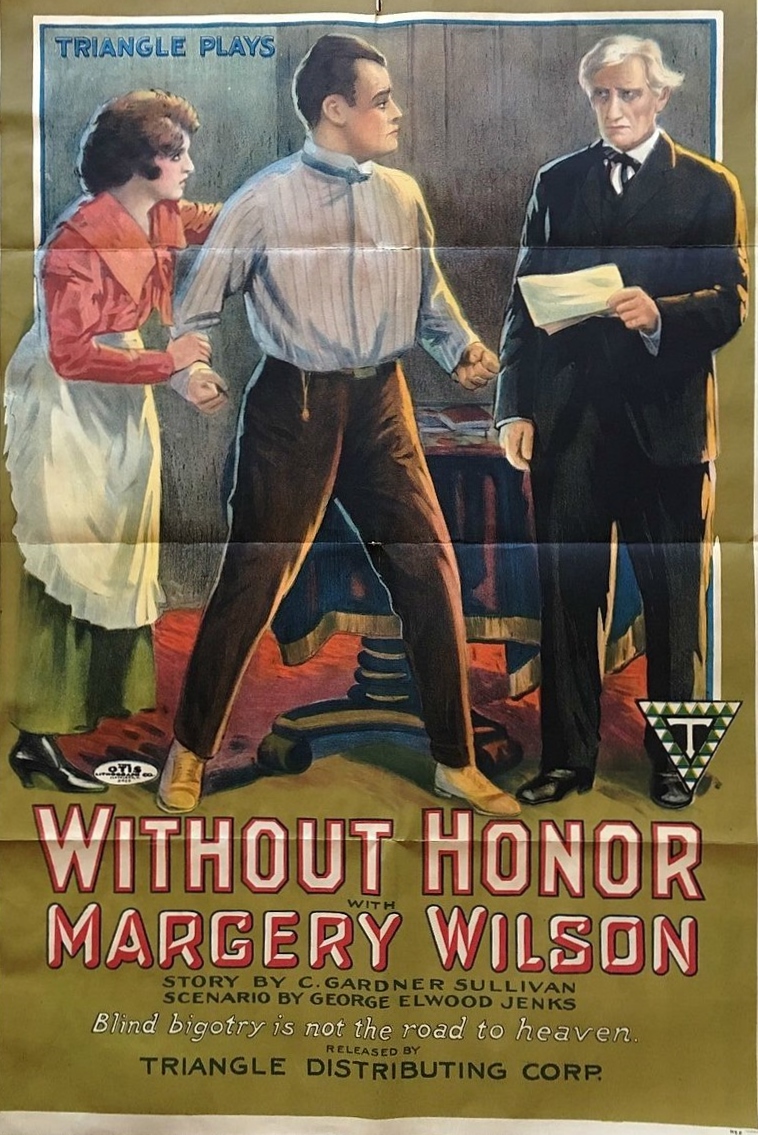
Dir: E. Mason Hopper
Weak-willed Roy Hanford, driven from his father's house by the coldness of his stone-hearted wife and the sanctimonious attitude of his father, the deacon, flees to the city. There he is befriended by Breeze Ballard, a salesman for the Ajax Hardware Company who arranges for Roy to work in the office. Roy falls in love with the firm's secretary, Jeanie MacGregor, and the two are married. A year later, Roy is happy with his wife and newborn child when his father appears, accompanied by an officer carrying a warrant that charges Roy with bigamy. To save himself from the penitentiary, Roy denies the marriage and deserts Jeanie. Jeanie follows her drunken husband, who falls from a cliff and dies. She then becomes a target for the hypocritical deacon who attempts to rally the villagers to drive her from town. The deacon is defeated by the appearance of Breeze, who produces proof of Jeanie's marriage and pledges his own love to her.
View DetailsAnalysis relative to Edgar's Sunday Courtship
| Film Title | Atmosphere | Complexity | Similarity |
|---|---|---|---|
| Mystic Faces | Gothic | High | 94% Match |
| As Men Love | Ethereal | High | 88% Match |
| The Wax Model | Gothic | Linear | 86% Match |
| The Answer | Surreal | Layered | 96% Match |
| Gloriana | Ethereal | Layered | 93% Match |
This guide was algorithmically generated using the cinematic metadata of E. Mason Hopper's archive. Last updated: 6/27/2026.
Back to Edgar's Sunday Courtship Details →