
DbcultAccessing Vault...
Recommendations
Senior Film Conservator
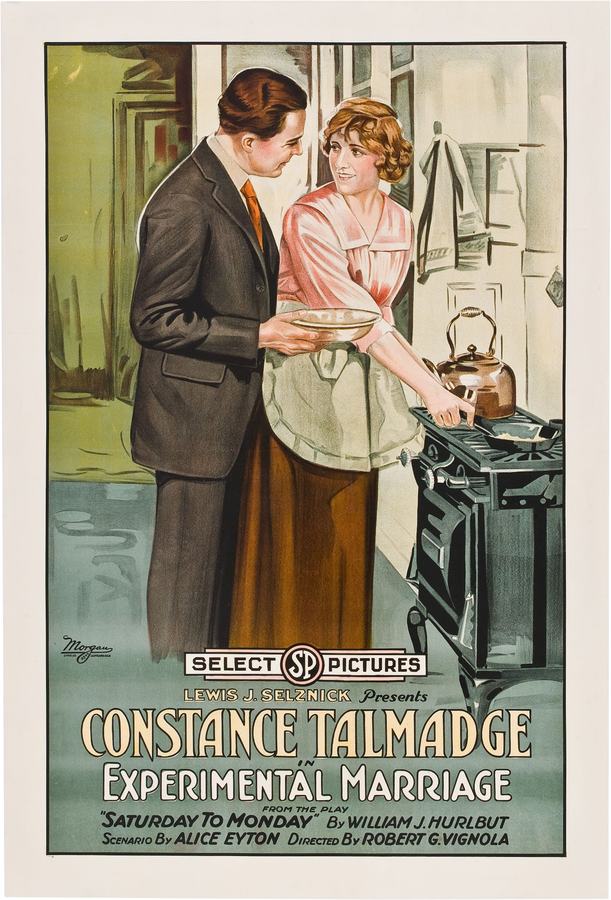
For those who were mesmerized by Experimental Marriage, a true cult masterpiece from 1919, the quest for comparable cinema becomes a journey through the fringes of film history. Our curated selection of recommendations echoes the very essence of Experimental Marriage.
The legacy of Experimental Marriage is built upon its ability to create a hauntingly beautiful cinematic landscape.
Because he does not want to lose feminist Suzanne Ercoll, lawyer Foxcroft Grey unhappily accepts her proposal that they marry but live together only from Saturday until Monday, leaving each free to live as he pleases the rest of the week, no questions asked. On their first Monday morning together, after Suzanne leaves Foxcroft's apartment, Foxcroft helps his upstairs neighbor Charlie Hamilton, who after an all-night party dared Dot Harrington to stay and cook breakfast, to get Dot out of the building without being seen. Suzanne returns shortly after and sees Dot coming out of Foxcroft's bedroom. When Foxcroft says nothing, Suzanne tries to make him jealous by arranging for him to find her in a playwright's bungalow, but Foxcroft sees through her scheme and remains unmoved. After a feminist delegation presents Suzanne with an award, Foxcroft finds her in tears wanting to end the arrangement, and they begin to live conventionally.
Based on the unique stylistic flair of Experimental Marriage, our vault has identified these titles as the most compelling follow-up experiences for fans of cult cinema:
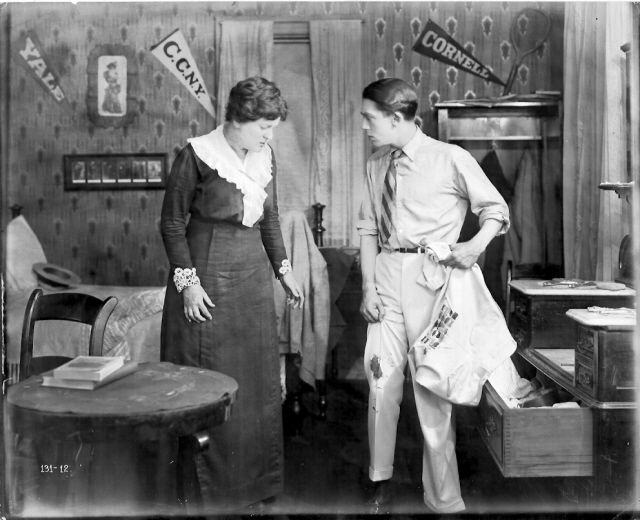
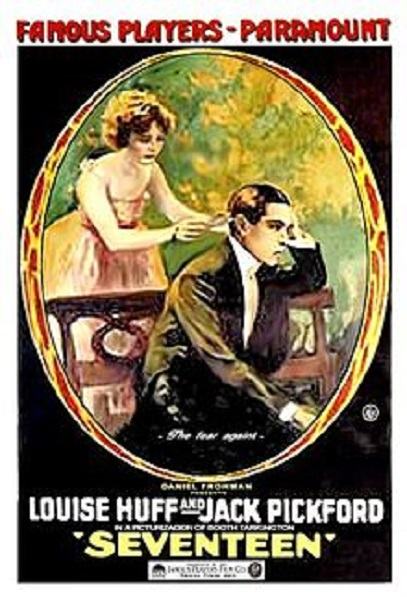
Dir: Robert G. Vignola
Seventeen-year-old William Sylvanus Baxter has fallen madly in love with young coquette Lola Pratt. After he has spent all his money on the fickle girl, she runs off with an older man. Now heartbroken, William contemplates suicide until May Parcher, a friend from childhood, visits him and decides to fall in love with him.
View Details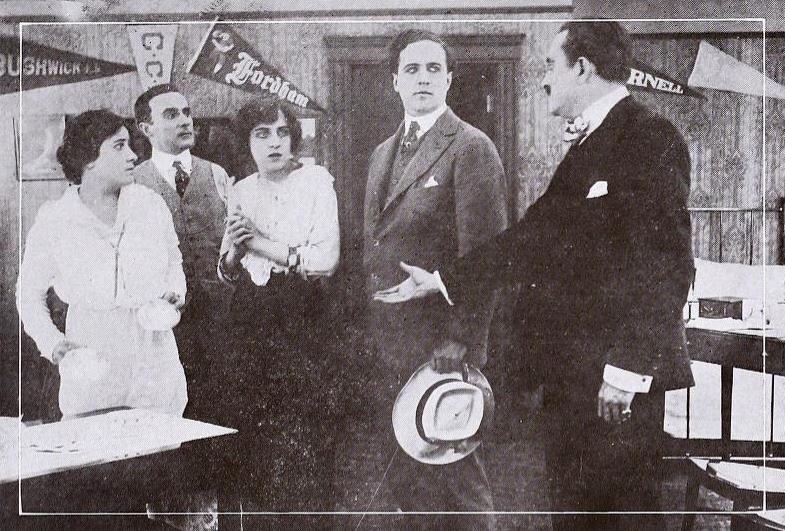
Dir: Robert G. Vignola
Anna, who lives with her harsh-tempered aunt, eagerly seizes the opportunity to join a traveling repertoire company. The girl and Darnton, the "villain" in the company, become deeply interested in each other, and because of Anna Darnton conquers his terrible craving for liquor. Later, when the troupe disbands in New York, Anna meets Rita. The girl makes the acquaintance of Marbridge, an agent of the worst type, and only her wit saves her from the man's clutches. Following a quarrel with Darnton, Anna foolishly consents to go autoing with Rita and the fast set with which the latter associates. The auto hurtles over an embankment and Anna alone escapes death. A reconciliation with Darnton follows. Anna obtains a position in the company in which Darnton plays the villain. The girl receives her great opportunity when the star, whom she is understudying, is injured on the opening night. Enwright, the manager, learns of the love between the new star and Darnton. Fearing lest sentiment affect their work, he sends Darnton to head the Chicago company. But the separation depresses Anna so greatly that Enwright orders Darnton to return. The player comes back unknown to Anna and suddenly appears before her at the next performance. The ensuing scene thrills the audience, which never for a moment suspects that the heroine and the villain are secret lovers. But the moment the curtain has descended Anna walks into Darnton's arms. Her lips meet his.
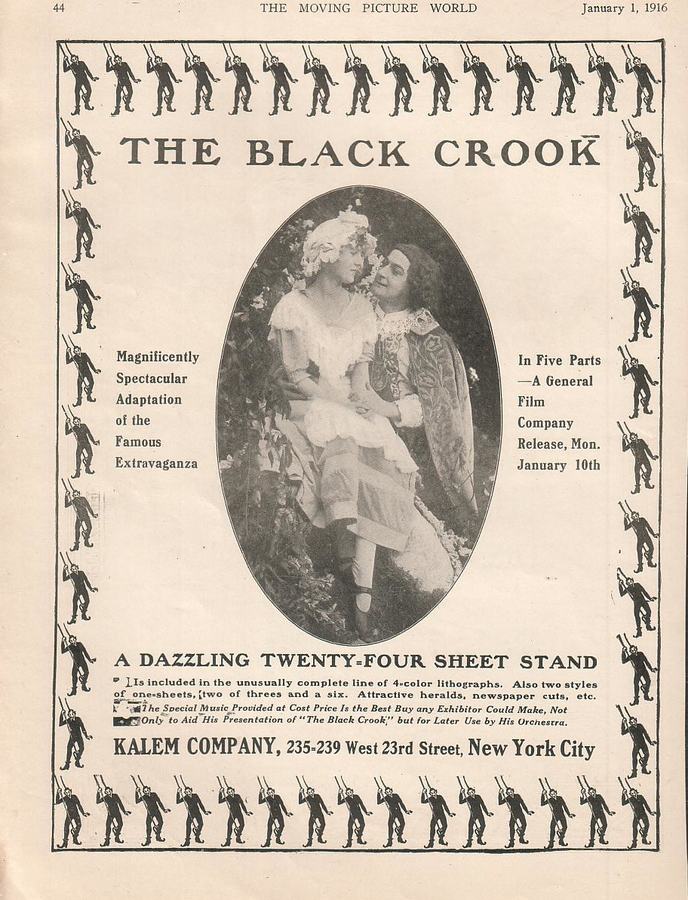
Dir: Robert G. Vignola
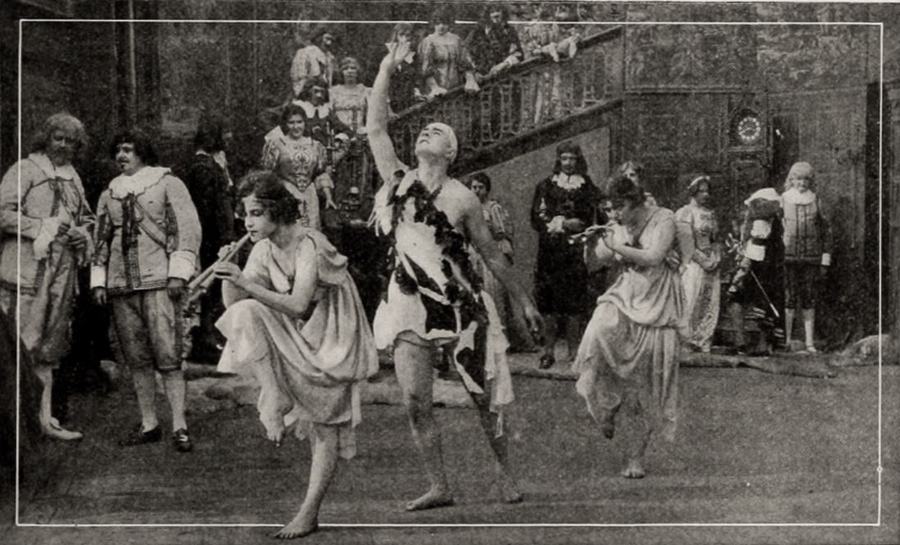
Amina loves Rudolph and turns the powerful Count Wolfenstein down when he proposes to her. In a jealous rage, Wolfenstein throws Rudolph into a dungeon. Meanwhile, Hertzog, "The Black Crook," has a deal with the devil: he must hand over to Satan one soul each year or find himself banished to Hell. With only 24 hours left before the year ends, Hertzog focuses all of his attention on Amina and Rudolph, believing them to be weakened from despair and therefore easy prey.
View Details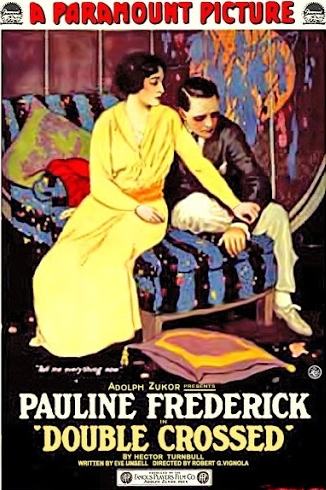
Dir: Robert G. Vignola
Young Frank Stratton, the scion of a wealthy family who is temporarily short of funds, has borrowed a valuable bracelet and hasn't returned it to its owner. A crooked detective, Jim Foley, finds the bracelet in Stratton's possession and promises not to arrest him for it in return for Stratton signing a confession that he stole it, which Foley intends to use at a future date. Years pass and a political boss in danger of losing an election asks Foley's help in getting valuable papers from his opponent, Worthington Lawrence. Foley knows that Lawrence is a friend of Stratton and tells Stratton that unless he steals those papers Foley will make his signed confession public. Complications ensue.
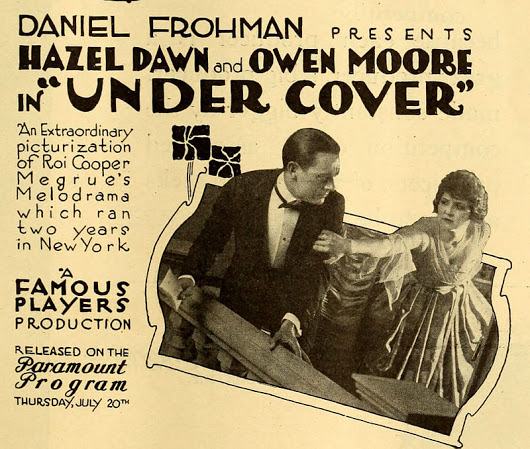
Dir: Robert G. Vignola
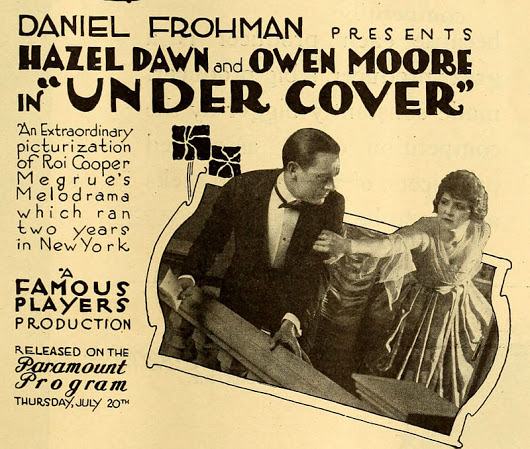
At her godmother's place in Paris, Ethel Cartwright meets dashing Stephen Denby but is reluctant to reciprocate her interest in her because he seems to be idle. Denby is actually a jewel smuggler and sells a $200,000 pearl necklace. Upon her arrival in New York, Ethel notices that her necklace is gone and claims her insurance money. The insurance company inspector finds Ethel's sister's behavior very peculiar and has her investigated by customs inspector Taylor; she soon reveals that she is the thief. Taylor tells Ethel he can forget the whole story if she helps him frame Denby. Ethel agrees and does it. As he is about to be taken to jail, Denby offers Taylor $30,000 to release him. Taylor accepts. Denby reveals himself a secret service agent in charge of catching a customs inspector who has been dealing illegally with smugglers for three years: Taylor. Ethel eventually marries Denby.
View Details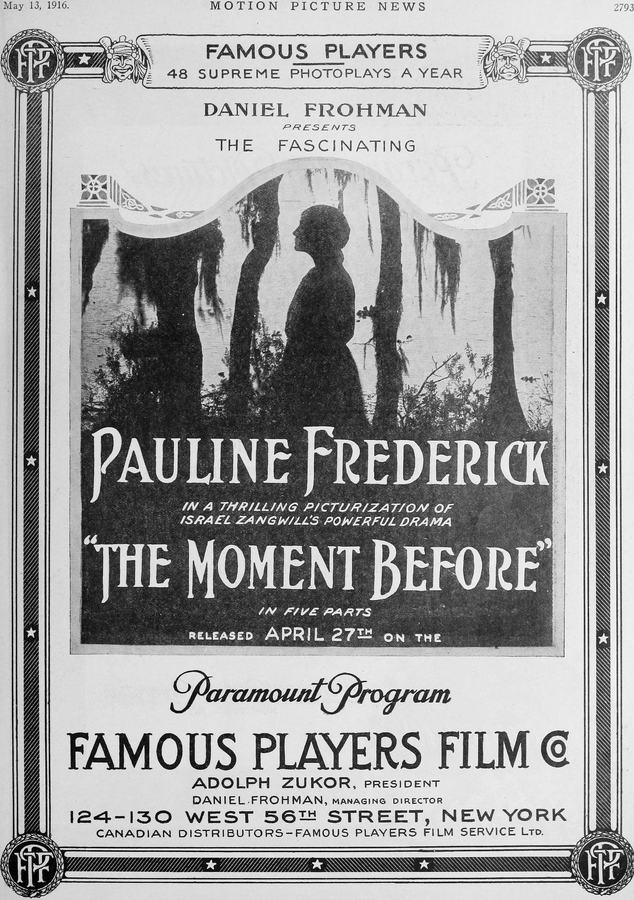
Dir: Robert G. Vignola
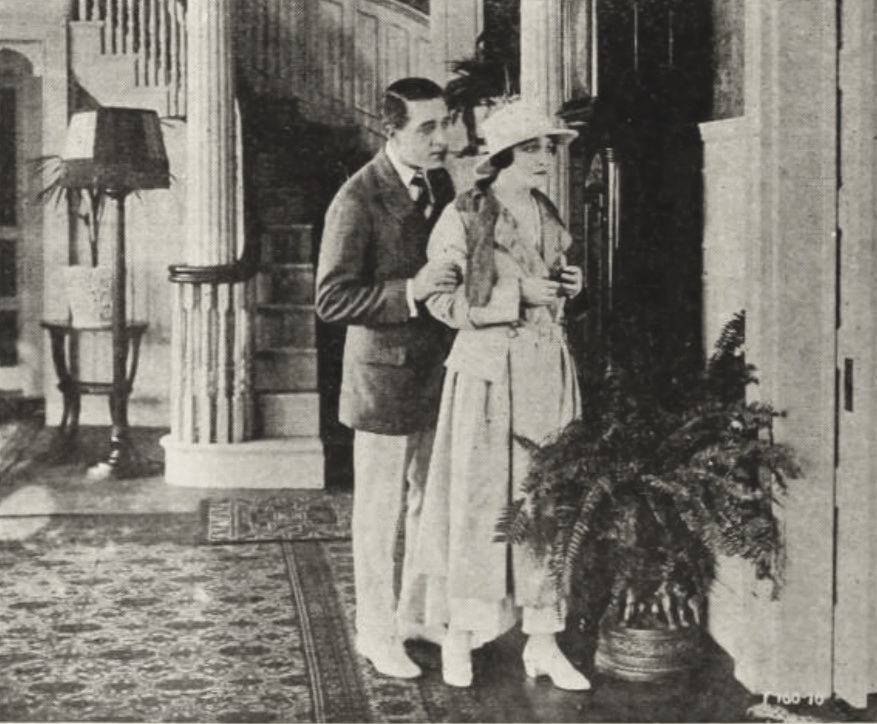
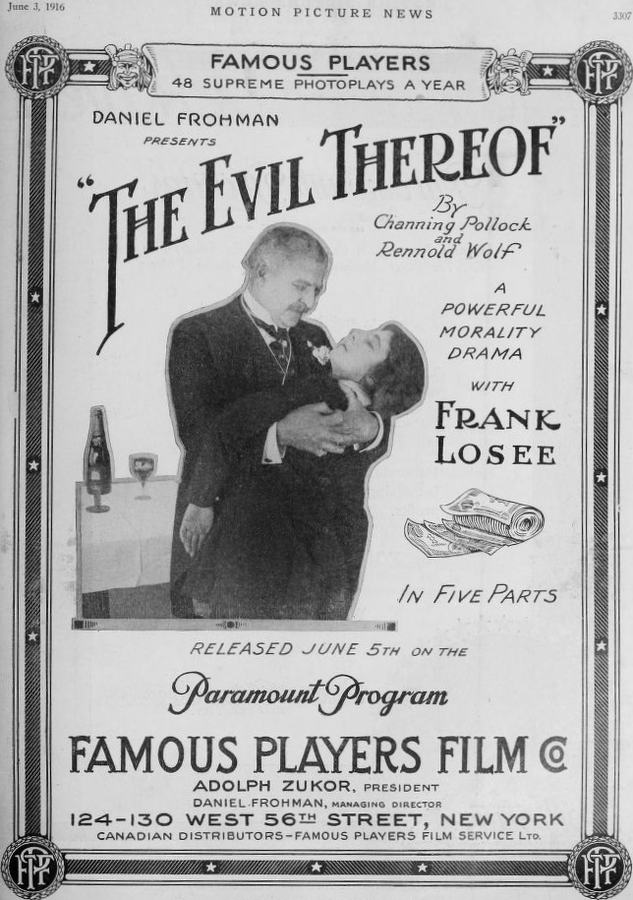
One moment before she dies, the aged, philanthropic, and universally respected Duchess of Maldon sees her life flash before her. As Madge, a young gypsy woman, two men fight for her, after which the winner, John, forces her to marry him. Then Madge deserts John and begins a romance in England with Harold, the youngest son of the Duke of Maldon. Soon, however, Harold fights with his older brother, who has criticized the affair with a married woman, and, believing that he has killed his brother, Harold leaves Madge behind and smuggles himself out of the country. Years later, Harold, who has found out that his brother did not die, meets Madge once again, and, determined not to let him leave her a second time, Madge kills John so that she and Harold can marry. Successfully covering up past scandals, Madge and Harold begin a life so sedate and distinguished that they quickly become England's model couple.
Dir: Robert G. Vignola
A fascinating piece of cinema that shares thematic elements.
View Details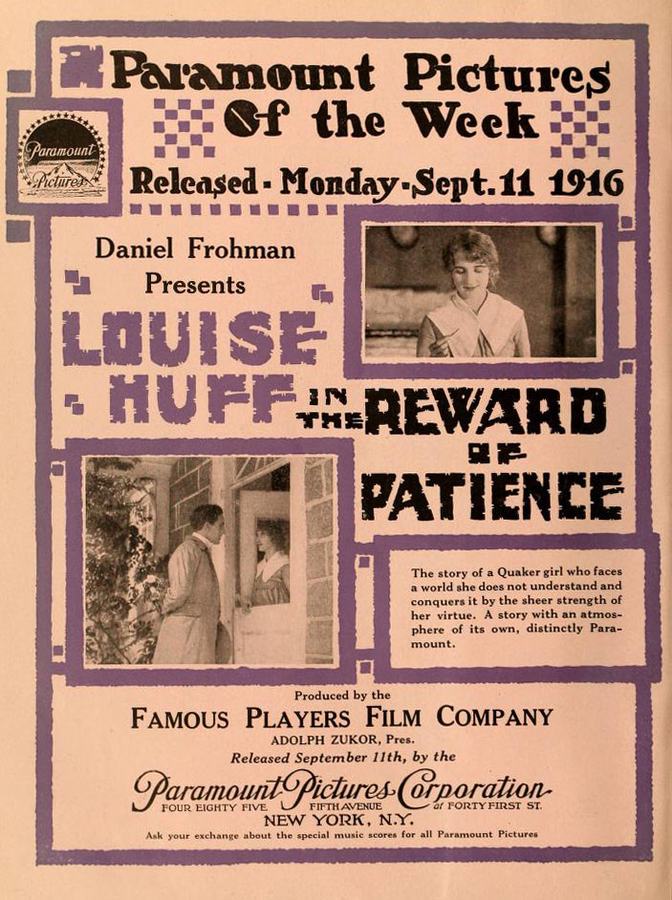
Dir: Robert G. Vignola
When rich civil engineer Robert Penfield goes to a small Quaker town in Pennsylvania to supervise a job, he meets Patience, who soon falls in love with him, but Robert is engaged to Edith, who plans to marry him for his money only. To remain close to Robert, Patience returns with him to the city to take a job as his mother's secretary. After Robert and Edith's wedding, and following the birth of their child, Patience takes care of the baby much more enthusiastically than Edith does; in fact, Edith is preoccupied with Paul Dunstan, a former suitor who wasn't rich enough to marry her, but who has since inherited a fortune. Finally, the couple elope, but they both die when Paul's yacht sinks. After the accident, Robert realizes that he loves Patience, and marries her.
Dir: Robert G. Vignola
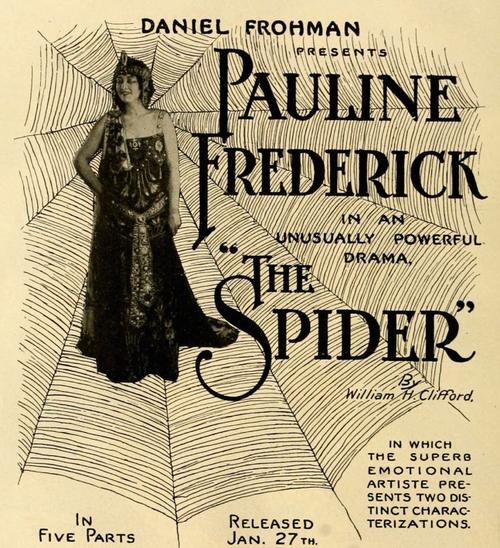
Valerie St. Cyr, seizes a chance for excitement and money, deserts her infant daughter Joan and her impoverished husband and runs away to Paris with the Count Du Poissy. Years later, without knowing that they are mother and daughter, both Valerie and Joan fall in love with artist Julian St. Saens, who rejects the former but becomes engaged to the latter. Enraged, Valerie convinces the count to kidnap Joan, but after she is captured, Joan stabs the count to death. When Valerie learns that Joan is her daughter, she takes the blame for the murder and goes to the guillotine while Joan, still unaware that Valerie is her mother, makes plans with Julian for their marriage.
View Details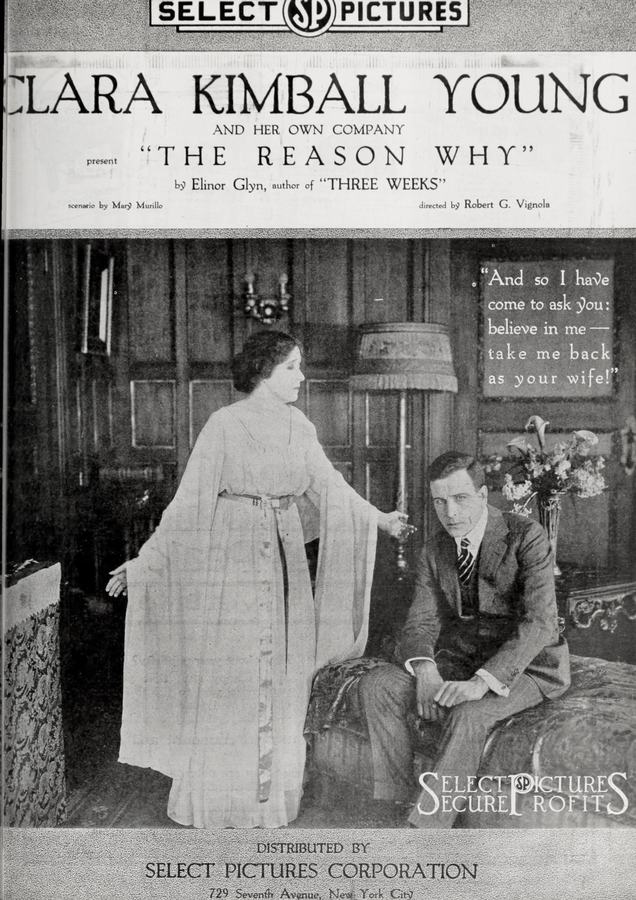
Dir: Robert G. Vignola
A Russian refugee who masquerades as Zara, niece of Francis Markrute, comes to his home and marries Lord Tancred, a scion of the English nobility, after a long series of misadventures she makes a full confession to her supposed uncle and to her husband regarding her origin and her young son by a former marriage to a Russian prefect of police, whom an infuriated mob murdered for his cruelty. Tancred is stunned, but only for a moment. Overwhelmed with forgiveness he avows his undying love.
View DetailsAnalysis relative to Experimental Marriage
| Film Title | Atmosphere | Complexity | Similarity |
|---|---|---|---|
| Seventeen | Gothic | Abstract | 85% Match |
| The Luring Lights | Gothic | Dense | 93% Match |
| The Black Crook | Tense | Abstract | 94% Match |
| Double Crossed | Gritty | Abstract | 97% Match |
| Under Cover | Ethereal | High | 98% Match |
This guide was algorithmically generated using the cinematic metadata of Robert G. Vignola's archive. Last updated: 6/26/2026.
Back to Experimental Marriage Details →