
DbcultAccessing Vault...
Film History
Senior Film Conservator

Let’s kill the myth of the innocent silent era right now. We are often told that early cinema was a naive playground of slapstick and melodrama, a time before the 'corrupting' influence of modern grit. That is a lie. The true ancestors of the transgressive cult film weren’t the art-house darlings of the 1960s; they were the 1910s and 20s 'educational' reels that used the thin veneer of social hygiene and historical instruction to smuggle the forbidden into the light. It was a grift as old as the lens itself. If you wanted to show a woman in a state of undress or a drug den in full swing, you didn't call it a thriller. You called it a warning. You called it a lecture. You called it a window into a 'savage' world that the civilized viewer needed to see to properly despise.
Consider the 1919 curiosity The Little White Savage. On its face, it’s a narrative about circus men Larkey and Kerry explaining the origins of their star attraction to a disgruntled reporter. But look at the mechanics. The film functions as a meta-commentary on the very nature of cult exploitation. It frames the 'savage' as a spectacle to be consumed, using a back-story of shipwreck and survival to justify the display of a feral, uninhibited woman. This isn't cinema as art; it’s cinema as the tent-barker’s booth. The 'educational' aspect is the bribe paid to the censors to allow the camera to linger on the 'uncivilized' body. It’s a cynical, brilliant maneuver that would later define the entire 'mondo' movie genre of the 60s.
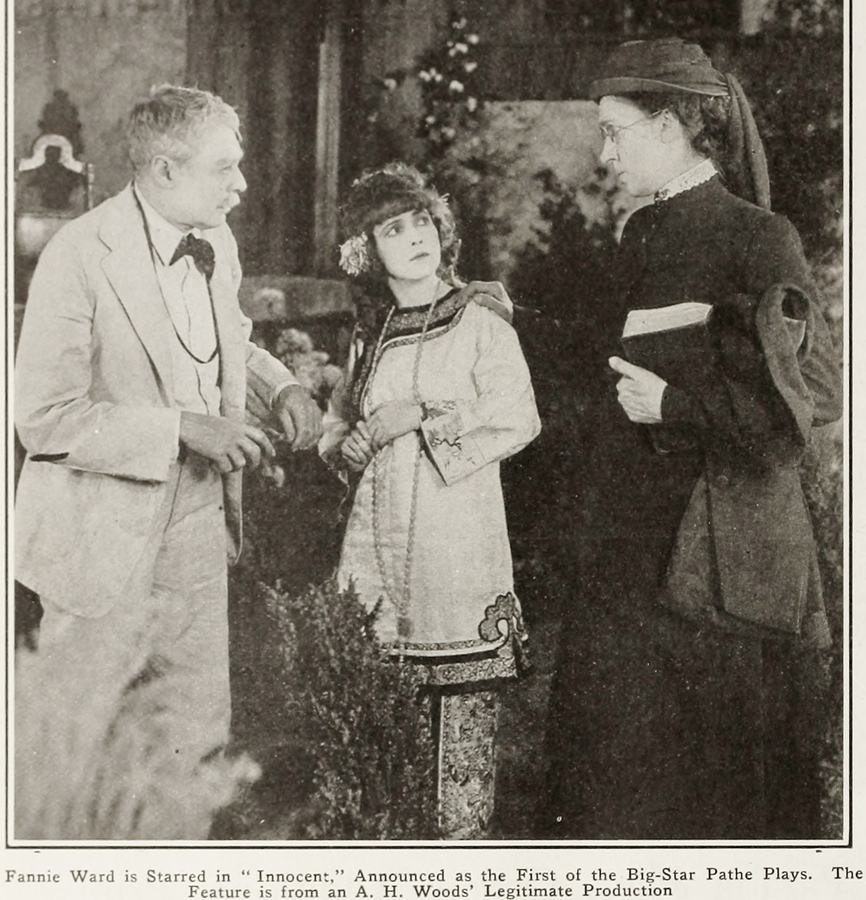
In The Little White Savage, the framing device—the men telling the story to pacify a reporter—is a direct parallel to how early distributors pacified local morality boards. They weren't selling titillation; they were selling 'human interest.' The fact that the 'savage' is a white girl 'gone wild' adds a layer of racial anxiety that early audiences ate up. It is a deeply uncomfortable watch today, not because it’s 'dated,' but because it reveals the predatory DNA of the camera. It’s a film that knows you’re watching for the wrong reasons and gives you a handshake to make you feel better about it.
If the circus was the outdoor laboratory for exploitation, the 'Vice Squad' film was its urban counterpart. Take 1924’s Speed Wild. It stars Jack Ames, a motorcycle officer assigned to the vice squad. His mission? Investigating the smuggling of 'Chinese picture brides.' Here, the 'educational' hook is the exposure of a social evil. But for the 1920s audience, the draw wasn't the triumph of the law; it was the rare, illicit glimpse into the 'orientalized' underworld. The film uses the badge as a flashlight to illuminate spaces that were otherwise off-limits. This is the same logic that drives the modern true-crime obsession: the 'need to know' is actually a 'desire to see.'
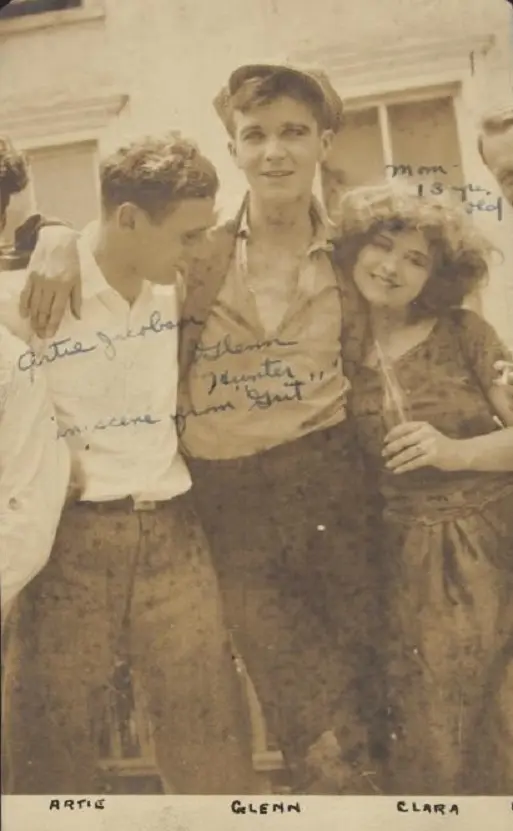
The 1920 film The Terror operates on a similar frequency. When Chuck Connelly kills a man for compromising his sister, the film doesn't just present a crime; it presents a descent into a 'protected organization' of underworld figures. These films are the bridge between the moralizing Victorian tract and the hard-boiled noir. They are obsessed with the 'compromising situation.' They thrive on the moment a character crosses the line, and they invite the audience to cross it with them, provided they agree to judge the character afterward. It’s a hypocritical, intoxicating loop.
The 'educational' label was the original 'based on a true story'—a hollow claim used to bypass the viewer's conscience and engage their basest curiosity.
When the budget went up, the 'educational' excuse moved into the realm of the 'historical spectacle.' Salambo, a $100,000 Spectacle (1914) is a prime example. Based on Flaubert’s novel, it deals with the daughter of Amilcar, ruler of Carthage, and a 'Sacred Veil' that human eyes must not gaze upon. The irony is staggering. The entire film is built around the forbidden gaze. By placing the story in the safely distant past of Carthage, the directors could indulge in a level of eroticism and violence that would have been banned in a modern setting. The 'Sacred Veil' is a metaphor for the film itself: it’s the thing you’re told not to look at, which makes you want to look at it more.
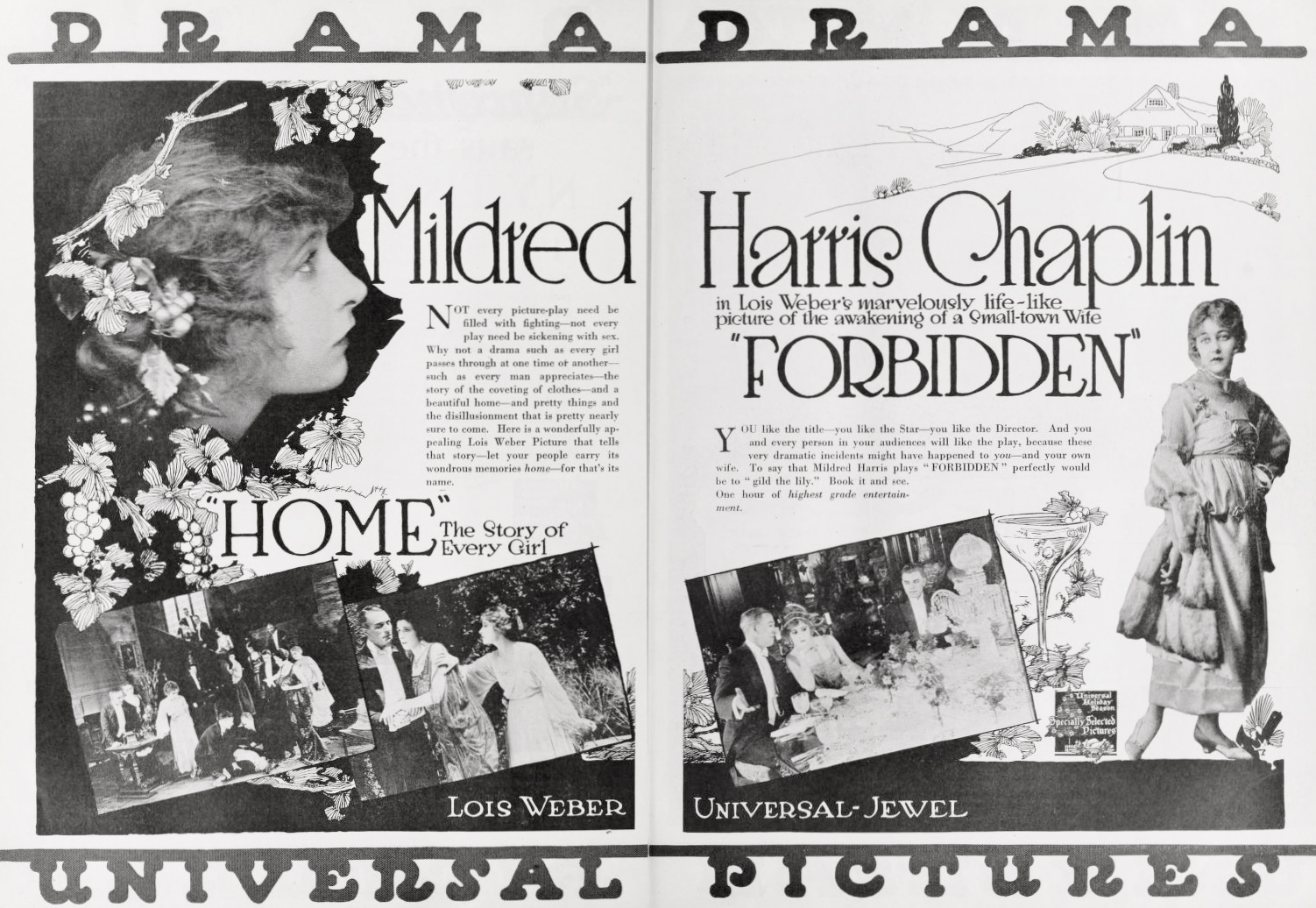
Similarly, The Dancer of the Nile uses the 'tyrannical Egyptian princess' trope to explore themes of jealousy and murder. These weren't just dramas; they were 'educational' tours of ancient depravity. The high production values—the $100,000 price tag—acted as a shield. If it cost that much, it must be 'important.' It’s the same trick used by prestige TV today: wrap the gore and the sex in enough silk and history, and the critics will call it a masterwork instead of a grindhouse flick. I’ll go on record saying that The Dancer of the Nile is more honest about its voyeurism than most modern historical epics. It knows it’s selling the priestess’s robes and the dancer’s movements, not a history lesson.
The silent era was also obsessed with the 'secret society,' a theme that remains a staple of cult cinema. The Ace of Hearts (1921) is a claustrophobic, intense look at an anarchist group plotting a political assassination. Lon Chaney, the master of the grotesque, brings a level of physical agony to the role that elevates the film beyond a simple thriller. The cult appeal here lies in the ritual: the drawing of cards to decide who will be the killer. It’s a proto-slasher setup. The 'educational' value? Supposedly a warning against the 'red menace' or radicalism, but the film spends all its energy on the tension, the shadows, and the internal rot of the group.
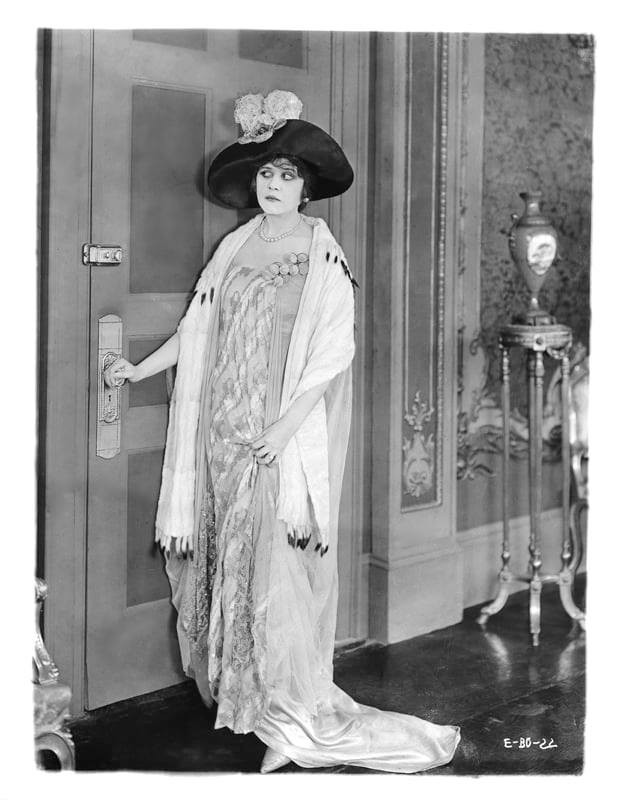
This is where the 'cult' mindset truly begins. The Ace of Hearts doesn't care about the politics of the anarchists; it cares about the *feeling* of being inside a forbidden circle. It’s about the secret meeting, the shared oath, and the inevitable betrayal. When we watch modern films about cults or clandestine organizations, we are following the blueprint laid down by these 1920s experiments. They understood that the audience doesn't want to be told that secret societies are bad; they want to see the card being flipped. They want to be in the room when the lights go out.
Even animation wasn't safe from this drive toward the strange and the physical. Victor Bergdahl’s 1922 short Kapten Grogg har blivit fet (Captain Grogg Has Gotten Fat) is a bizarre, rubbery exploration of the body. While it’s technically a comedy, there is a lingering obsession with physical distortion and appetite that feels distinctly cultish. Early animation often drifted into the 'uncanny valley' before the term existed, creating a sense of unease that the 'educational' cartoons of the era tried to suppress. Grogg is a character of pure id, and his transformations are a precursor to the body-horror tropes we see in later cult classics.
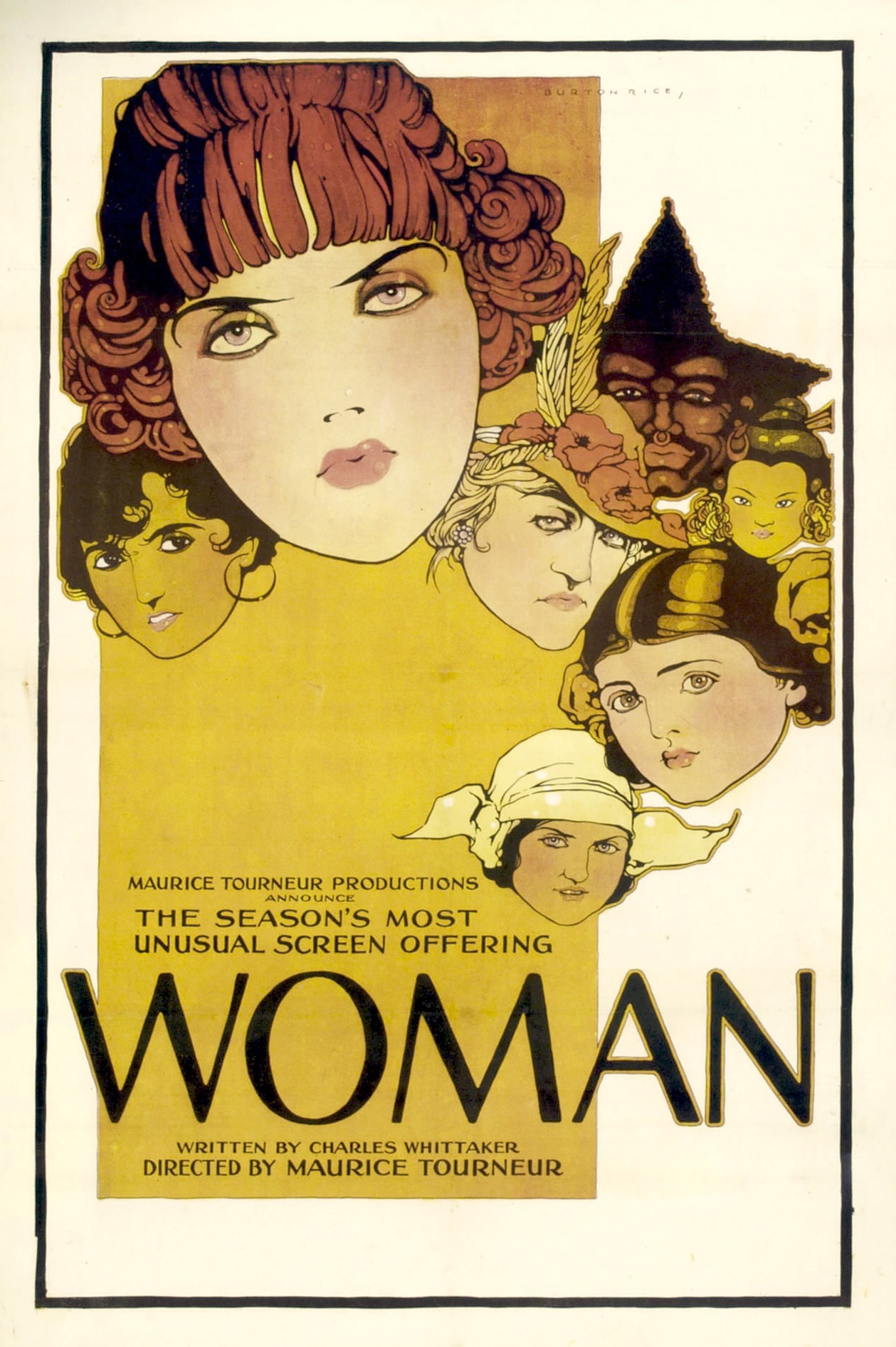
So, what is the takeaway? We need to stop viewing these films as 'primitives.' They were sophisticated in their deception. The 1910s 'social hygiene' films and the 1920s 'vice' reels were the first to realize that the camera is a weapon of curiosity. They taught us how to be voyeurs. They taught us that if you frame something as a 'problem,' you can show the 'problem' in all its graphic detail. This is the fundamental rule of exploitation cinema, from Reefer Madness to the latest true-crime docuseries on Netflix.
The cult film isn't a modern invention; it’s a symptom of the camera’s inherent desire to see what it shouldn't. Those early 'educational' films weren't trying to save our souls; they were trying to capture our eyes. They were the first to understand that the most powerful thing you can do with a lens is to point it at something and tell the audience: 'You aren't supposed to see this.' And then, they let the film roll. That is the true birth of the cult obsession, and it’s a lot grimmer—and more honest—than the history books like to admit.