
DbcultAccessing Vault...
Recommendations
Senior Film Conservator
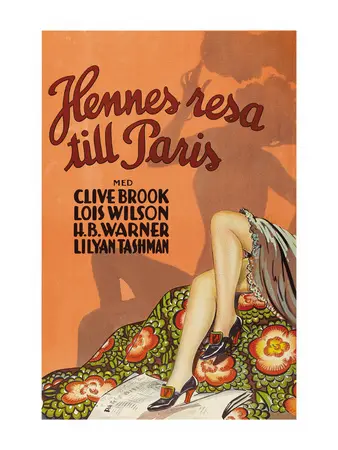
The cinematic DNA of French Dressing (1927) is truly one of a kind, the search for similar titles reveals the deep impact of Allan Dwan's direction. Our cinematic experts have identified several titles that reflect the spirit of 1927.
As a pivotal work in United States cinema, French Dressing to capture the existential zeitgeist of 1927.
Philip and Cynthia Grey are a pair of recently-wed Bostonians, and Cynthia is properly Back-Bay no-action quiet and dowdy, and Philip resigns himself to the quietness (no action) regularity of their home. But then along comes a blonde, Peggy Nash, who adds some action to Philip's life. Cynthia is somewhat upset at this turn of events, and decides to go to Paris--the Wickedest City in the World--and get a quiet divorce. Cynthia soon finds out that Paris is a really gay city, especially after Henri de Briac shows up and offers to be her guide to the delights of Paris (primarily him). Cynthia quickly sheds some of her dowdy clothes and ways and starts having what was once quaintly described as a gay old time. Philip then shows up in Paris, deciding that he wants Cynthia back as his wife. Peggy shows up right behind him, and soon it's up to Henri to make the pairing arrangements for the foursome.
The influence of Allan Dwan in French Dressing can be felt in the way modern Comedy films handle cinematic excellence. From the specific lighting choices to the pacing, this 1927 release set a high bar for atmospheric immersion.
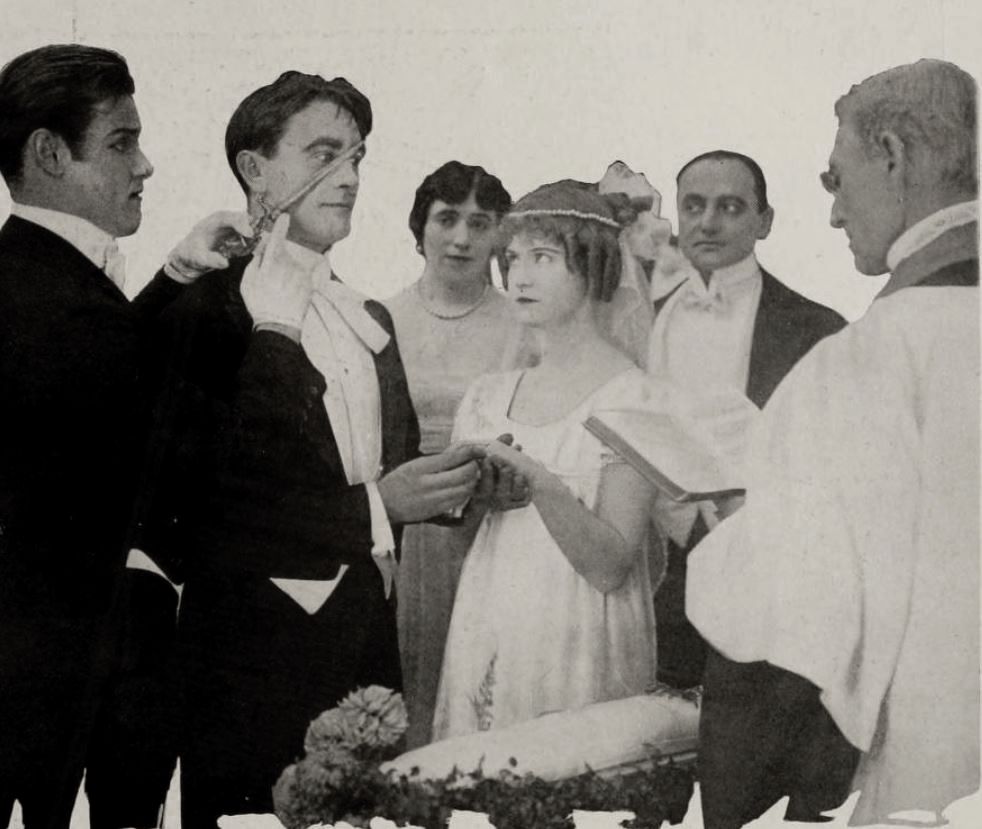
Based on the unique cinematic excellence of French Dressing, our vault has identified these titles as the most compelling follow-up experiences for fans of Comedy cinema:
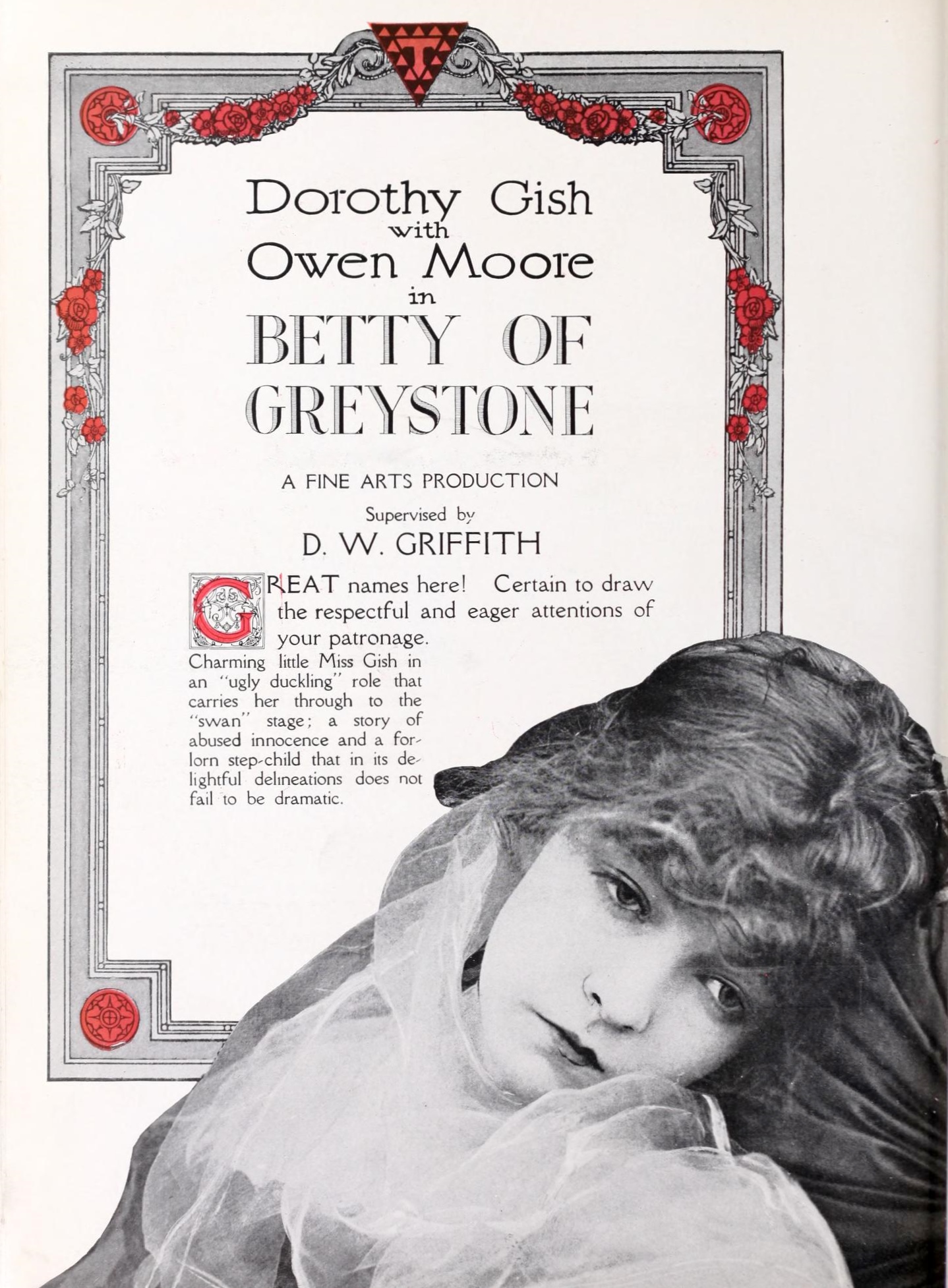
Dir: Allan Dwan
After the death of her father, Betty Lockwood goes to Graystone Gables, the estate where he had been the caretaker, to spend some time alone there. She meets David Chandler, Graystone's owner, who is attracted to her and tells her to come back whenever she wants to. Betty's mother soon remarries, but her new stepfather is not the same kind of man that her father was; she finds herself the subject of some vicious gossip begun by her mother's new husband when he spots her at the estate with David. Complications ensue.
View Details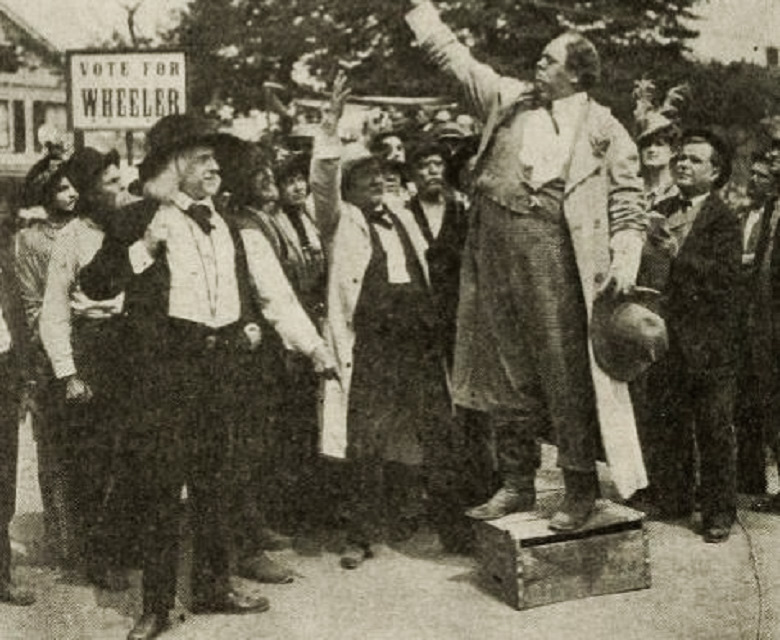
Dir: Allan Dwan
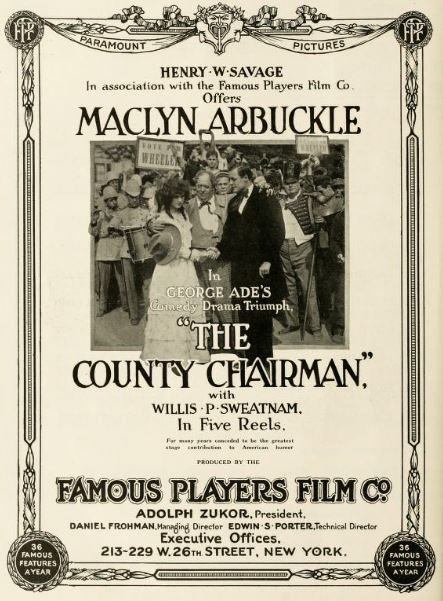
Jim Hackler is the political boss of a small town. When local lawyer Elias Rigby decides to run for Distrct Attorney, Hackler sees a chance to get revenge on Rigby--years ago both men were in the Army and best friends, but Rigby had intercepted letters to Hackler from his sweetheart, and wound up marrying the girl himself. Hackler persuades Rigby's daughter's fiance' to run against him, but things don't quite work out the way he wanted.
View Details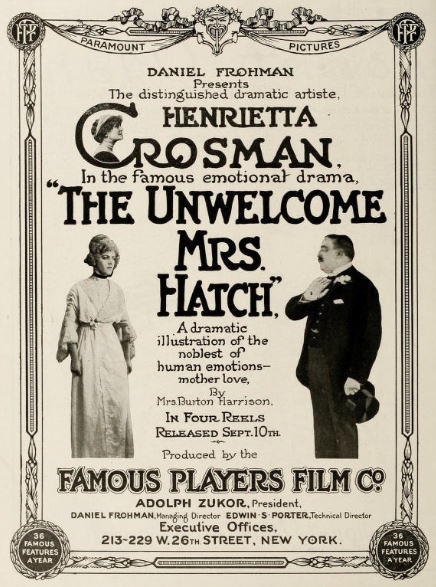
Dir: Allan Dwan
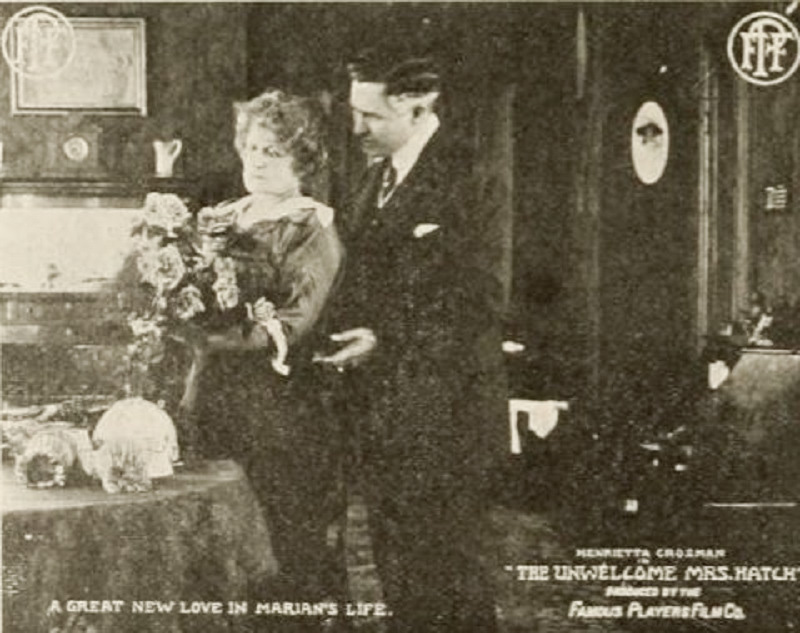
A wealthy girl's banished mother returns as the seamstress at her daughter's wedding.
View Details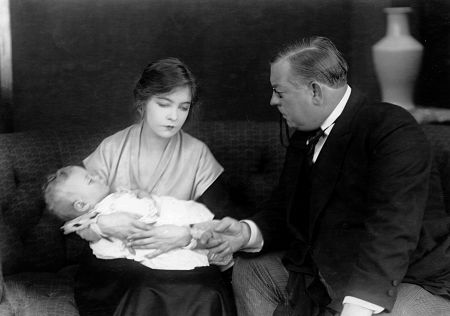
Dir: Allan Dwan
Dorothy Raleigh is a high-spirited Southern beauty who has been brought up by her father, Col. Raleigh, an unreconstructed Kentuckian, to have nothing to do with the townspeople of the little village of Norwalk, just outside of Louisville. She has no other companions than the old negro servants, her animal pets and her books. One day there comes into her life by chance a young millionaire gambler named Forbes Stewart. He makes love to her and asks the Colonel for her hand. Indignant at his presumption, the Colonel orders him from the house. But the young people elope. When Dorothy meets her husband's friends she is grievously disappointed. He determines, rather than cause her unhappiness. to change his mode of living, and give up his old friends. But a detective who knows something of his past, tries to blackmail him. His defiance leads to his arrest, and he is sentenced to a year in the penitentiary. Dorothy is loyal to him at first but when another woman enters her home and seemingly proves that she is Stewart's wife by an earlier marriage, she goes back to her father. The stern old man, however, has disowned her, and she is compelled to seek shelter in a cabin with her old negro mammy. When Stewart is released from the penitentiary he hastens to his home to find his wife. Instead he finds this other woman, an old flame who has taken this method to win him back again. He repudiates her, however, and hurries to Norwalk to see the Colonel and demand Dorothy. The Colonel refuses to tell her whereabouts, but from an old servant Stewart learns the truth. Dorothy in the meantime has been led to believe her baby illegitimate, and the villagers, glad to see the proud name of the Raleighs dragged in the dust, make her life miserable. She is about to kill herself when Stewart arrives. The outcome reunite the lovers and brings a change in the heart of the father that is supremely satisfying.
View Details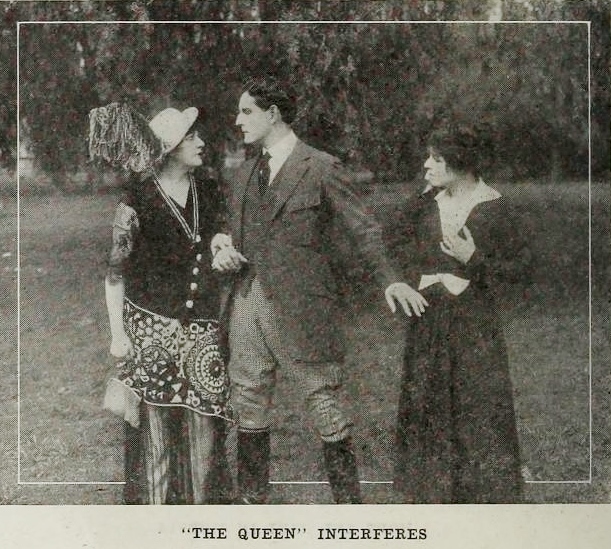
Dir: Allan Dwan
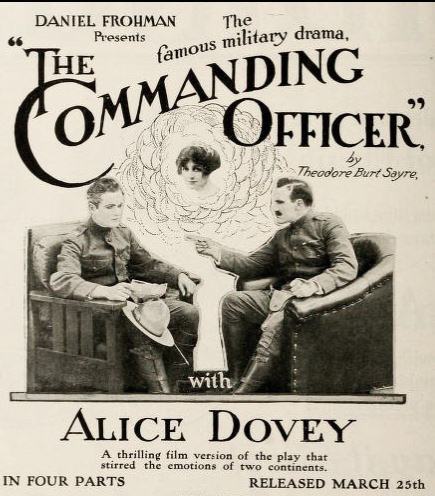
When Colonel Archer, the military post commanding officer, refuses to loan money to his second-in-command, Captain Waring, Waring gets the money from Brent Lindsay of the nearby mining town, in exchange for his note. Both Waring and Lindsay court Floyd Bingham, the daughter of a retired colonel, but Floyd learns that Lindsay is involved with Queen, a dance hall girl. Following the urging of her father, Floyd marries Archer, who has two children left to him by his dying sister, whom Floyd loves. When Lindsay continues his attentions to Floyd, Archer quarrels with her and leaves to go hunting. Floyd goes walking in the woods with Lindsay and his kiss is photographed by Waring, who attempts to blackmail Lindsay. When Lindsay is found dead and Archer, who suspects Floyd, is arrested, the men from the mining town almost lynch Archer, but Queen, who witnessed the murder, clears him.
View Details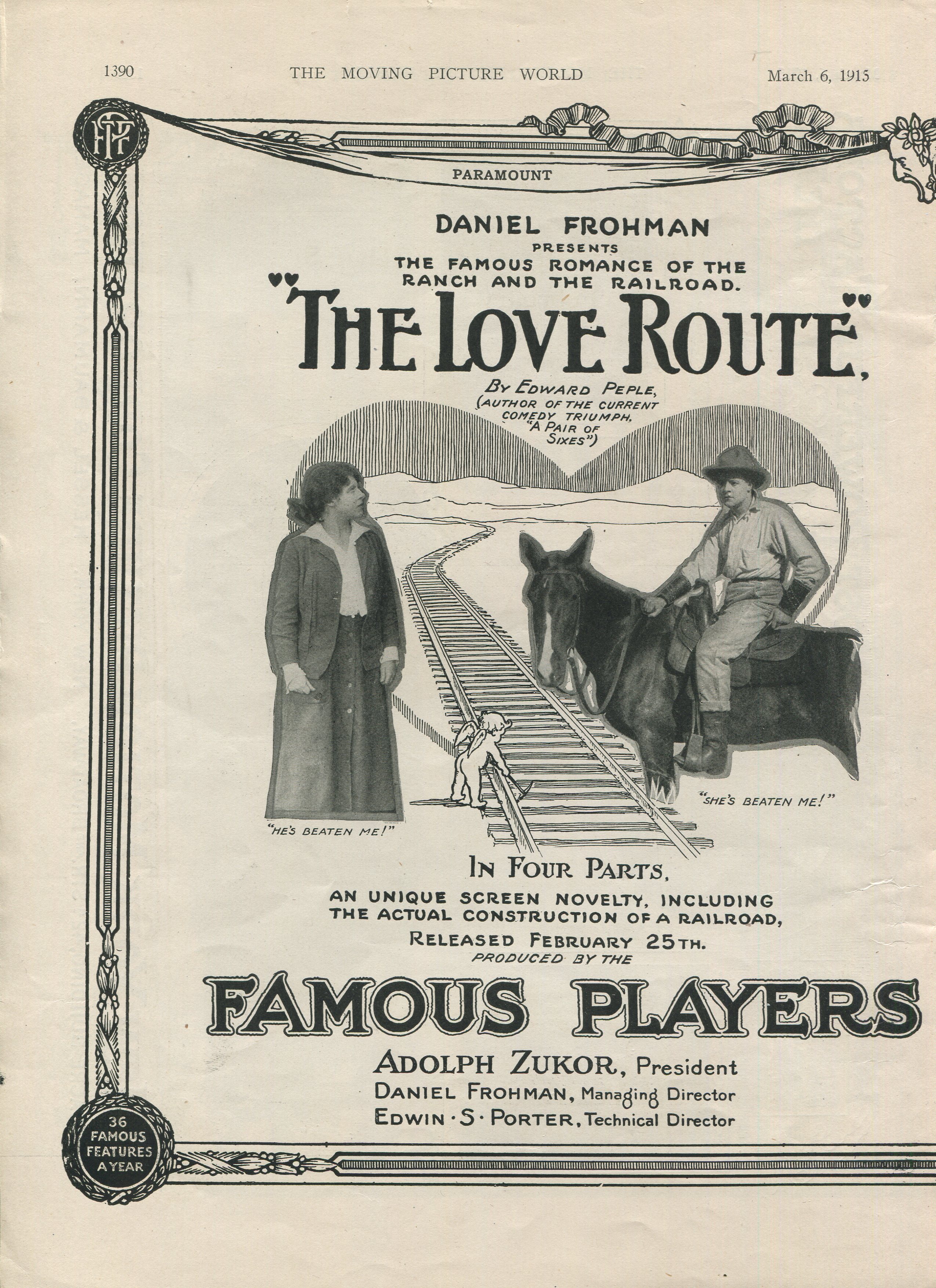
Dir: Allan Dwan
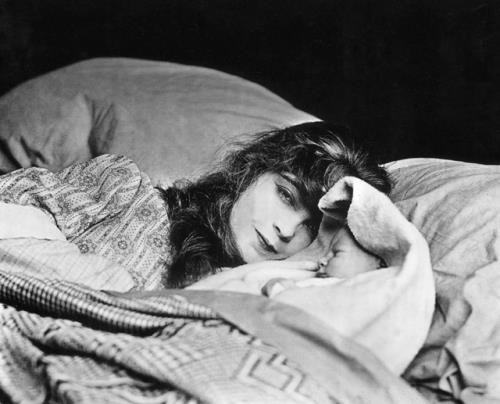
Neighboring ranchers John Ashby and Allene Houston are in love, but their fathers' violent feud over the route of the new X. Y. Z. Railroad eventually drives them apart. Colonel Houston and the elder Ashby are both killed in a fight, leaving John and Allene to continue the feud, John accepting a position with the railroad company and Allene swearing that it will never cross her property. Allene is aided in her battle by the foreman of the Houston ranch, Harry Marshall, an ambitious man who hopes to make Allene his wife. After an intense struggle, one of Allene's men shoots John, but even as she is winning the fight, Allene realizes that she still loves John. In the end, Allene herself lays the last tie just in time to save the company's franchise rights.
View Details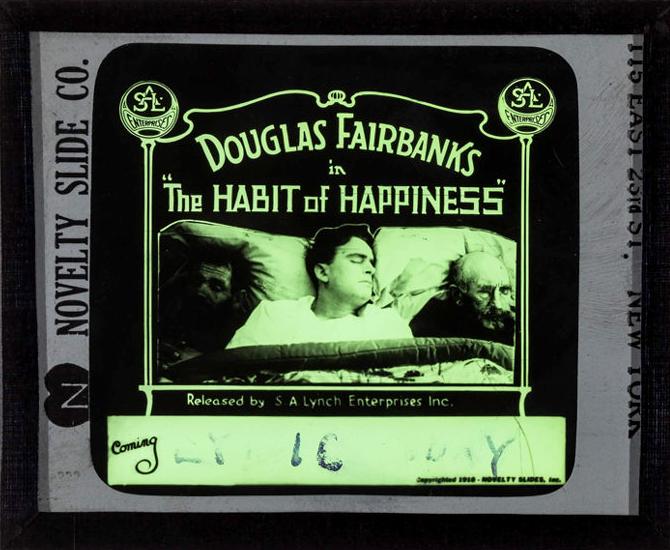
Dir: Allan Dwan
Sunny Wiggins is regarded as worthless by the other members of his family, who have risen to the social station where they are snubbed by the best people. The morning of the day the play begins his sister is preparing to entertain a party of butterflies, among whom is the mentally lacking beanpole she intends to marry. Sunny is in bed with as queer a lot of associates as could be collected. He has recruited his following from the bread line; two of them are in bed with him while the others are sleeping on the carpet, and one has even gone to rest in the bathtub. Not too willingly do all hands go to the shower, but it is a wash or no breakfast. Downstairs goes the motley array and into the dining room. Sunny thinks it fine that such a spread has been prepared for his guests and there is little left when sister enters with her guests. Of course, Sis at once tells father and Sunny is called to book. Dismissing his own guests, he finds that he has only one friend in the place, one of his sister's guests, and he doesn't know her name. She thinks Sunny is splendid and when his father has sent him out to try his sociological theories along the Bowery, she wishes him luck. There in a cheap lodging house Sunny teaches the derelicts to laugh, and with such success that an eminent specialist drafts him to cure a millionaire grouch of dyspepsia. In the rich home of the dyspeptic he finds that the girl is the millionaire's daughter. She enters heartily into his plans but an aged 'cellist, whose favorite music is Chopin's "Funeral March," exerts more influence in the household than he. But when father has discovered his daughter and the supposed physician in fond embrace there is a fight, which ends with father a prisoner in his room, to be cured by starvation. Meanwhile a broker, whose offer of marriage has been refused by the daughter, is plotting to ruin her father in Wall Street. How Sunny thwarts the attempt, cures the grouch, becomes his son-in-law and partner and thereby is reinstated in the good graces of his own family, is the story this comedy tells.
View Details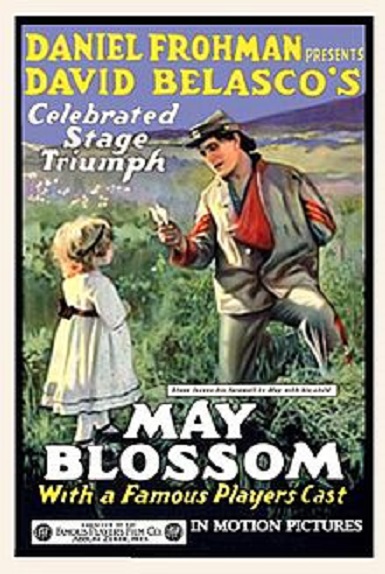
Dir: Allan Dwan
May Blossom loves Richard Ashcroft, a Southern officer, and accepts his proposal of marriage immediately after receiving one from her father's choice, a suitor named Steve Harland, who loves her madly. She sorrowfully tells him she prefers Richard, nearly breaking Steve's heart. That night, without a chance to bid May good-bye, Richard is arrested by officers from the Northern army, who have suspected from his frequent trips across the river that he is a spy. Richard is torn away by his captors, exacting a promise from Steve, who witnessed his arrest, to tell May the circumstances, that she must be faithful, and that he will return some day, if he lives. Steve yields to temptation and only tells May Richard has fled, never to return. May believes Richard false, tries to shut him out of her heart, and finally succumbs to Steve's importunities and marries him. Steve and May are married a year, and a little girl comes to them, who is adored by both. Steve is tortured constantly by the remembrance of his perfidy to Richard, who has not been heard of since his arrest, and is thought by all to be dead. Richard returns to claim his promised wife, having finally escaped, and finding her married to Steve, tells her the story of the arrest, and Steve's oath to him. May calls Steve, who mutely confronts the man he wronged, till May is about to be torn from him, when, like an angered lion, he protects his own. Richard is sent away by May, and Steve goes to war, returning finally to be forgiven.
View Details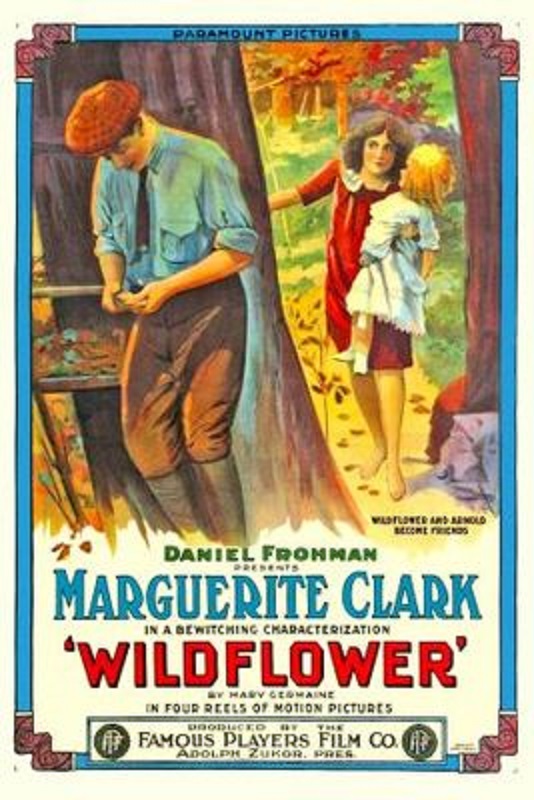
Dir: Allan Dwan
Known as "Wildflower," Letty Roberts meets Arnold Boyd, a wealthy man who is weary of life in the city. Arnold thinks that Letty is merely a charming child, however, his playboy brother Gerald is attracted to her and charms her into eloping with him. Arnold catches up with the couple just after their wedding, and after a fight with Gerald, takes Letty away to the Boyd family home in New York. He introduces her as his own wife because, he says, he wants to save her reputation. Even Letty's parents do not know to which brother she is married. Letty's stay in the mansion opens her eyes to the world outside of her rural environment and eventually she realizes that while Arnold appears to be hard and uncaring, it is really he, not Gerald, whose feelings for her are the deepest. When she realizes Gerald's true character, Letty decides that she will be happier with Arnold.
View Details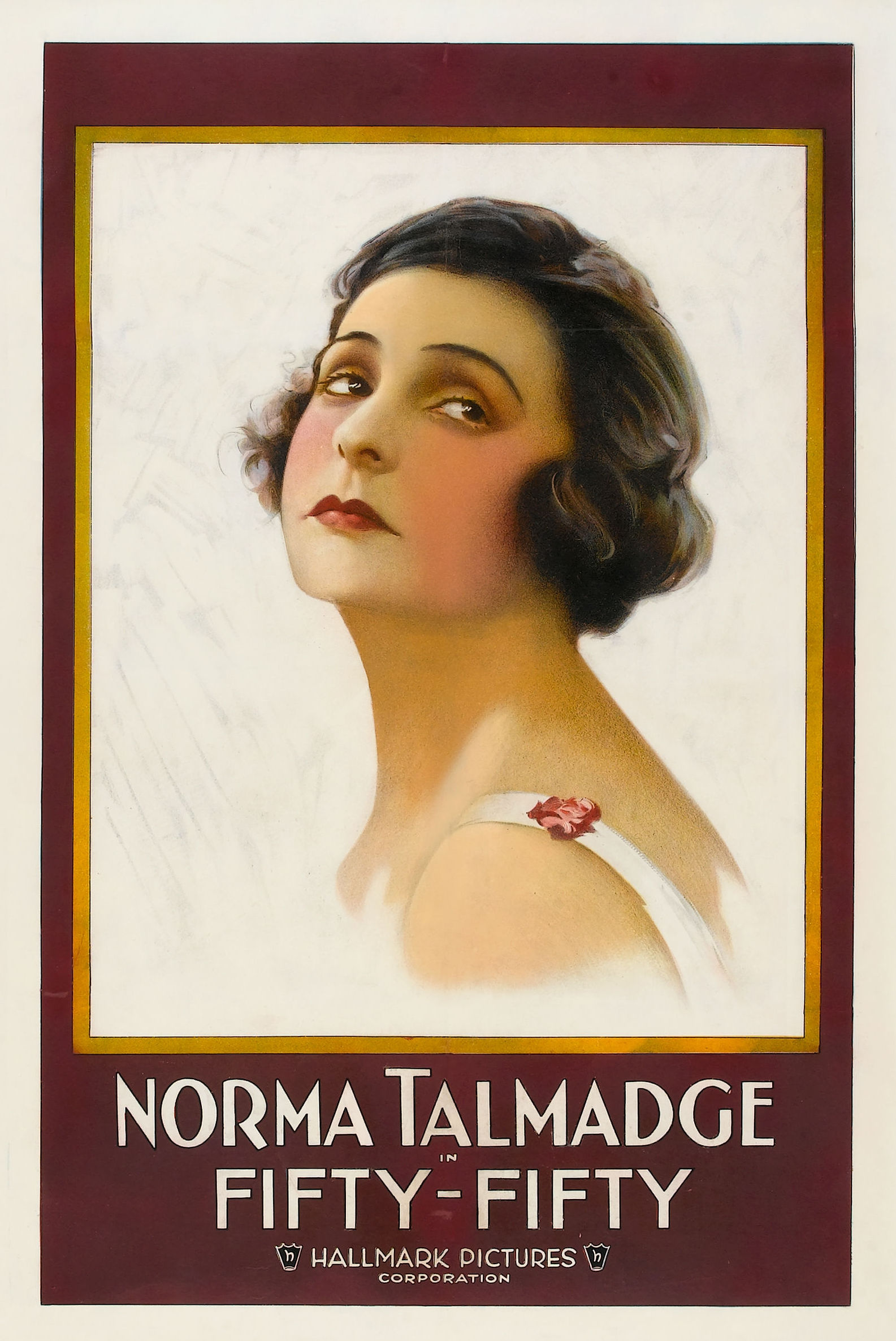
Dir: Allan Dwan
Naomi, a girl of the studios in New York's artist quarter, is possessed of a superabundance of vitality and a desire for continuous frolic and adventure. One night, at a gay party, Naomi's effervescent spirits deceive one of the men into thinking that she is far more unconventional than she herself has any idea of being. His companions tell him that she is not the sort of girl he thinks she is, but he insists that he can prove that she is; he even makes a wager to that effect. He tricks Naomi, who is really quite unsophisticated, accompanying him to a hotel of questionable repute, where the two, innocent of any wrongdoing, are captured in a police raid, and Naomi has an unpleasant experience in the night court. Friends come to her aid and she is released. Not long after this, Frederic Harmon, a broker, comes into her life. The two fall in love and are married; the birth of a baby completes Naomi's character and she cares only for her child, her husband, and her home. The husband, however, does not settle down to home life. He is still much inclined to the gaieties of the set in which he had become acquainted with Naomi, and when she refuses to take further part in the revels of the Bohemian crowd, he goes forth by himself and soon meets Helen Carew, a woman with a past and without a conscience, who fascinates him partly for her amusement and partly for mercenary reasons. Eventually Harmon's infatuation for the other woman becomes known to Naomi. She is heartbroken, particularly when Harmon asks her to divorce him so he can marry Helen. This she refuses to do. Helen, anxious to get the man entirely into her clutches, enters into a plot with a crooked detective whereby Naomi is to be caught in a compromising situation, thus giving her husband grounds for divorce from her. The detective picks up a convict just out of Sing Sing and by means of a decoy message Naomi is induced to go to a hotel room where the man from Sing Sing is waiting for her. Once the two are in the room together it is raided by newspaper reporters and a photographer, and a flashlight of Naomi in the arms of the convict is obtained. The husband brings suit for divorce, offering as evidence the stories of the witnesses at the raid and the flashlight photograph. He also asks custody of the child. Naomi startles the judge and spectators when she declares that she should be allowed to keep the child, because Harmon is not its father. The judge, however, suspects that Naomi is sacrificing her reputation in order to keep her baby, and calling her into his private office, he gets the truth from her. Meantime there has been an unexpected development in the affairs of Helen. The man from Sing Sing had been her lover before he went to prison, and she is unpleasantly surprised when the detective's use of him brings him again into her life. The ex-convict is in Helen's rooms, trying to renew their old association when Harmon comes to see her. Helen hastily hides the jailbird, but while she is talking to Harmon the convict comes out and tells Harmon of the woman's past and his connection with it. Horrified at the revelation of Helen's true character, Harmon goes out of her life at once and forever, but in the course of time succeeds in winning his way back into his home.
View DetailsAnalysis relative to French Dressing
| Film Title | Atmosphere | Complexity | Similarity |
|---|---|---|---|
| Betty of Greystone | Surreal | High | 93% Match |
| The County Chairman | Surreal | Layered | 90% Match |
| The Unwelcome Mrs. Hatch | Ethereal | Layered | 89% Match |
| An Innocent Magdalene | Tense | Abstract | 95% Match |
| The Commanding Officer | Ethereal | Linear | 86% Match |
This guide was algorithmically generated using the cinematic metadata of Allan Dwan's archive. Last updated: 8/16/2026.
Back to French Dressing Details →