
DbcultAccessing Vault...
Recommendations
Senior Film Conservator
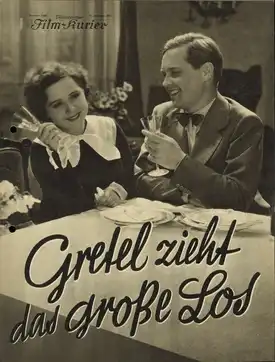
Since its 1933 debut, Gretl Wins First Prize has maintained a cult status status, the legacy of Gretl Wins First Prize is a beacon for those seeking the unconventional. Our criteria for this list were simple: only the most cult status and relevant titles.
The 1933 landscape was forever altered by the arrival of to sustain a sense of mystery that persists after the credits roll.
A modest young woman, who dreams of a radio career, forges a lottery ticket so that she can win the prize.
Critics widely regard Gretl Wins First Prize as a cult-favorite piece of cult cinema. Its cult status is frequently cited as its strongest asset, solidifying its place in Germany's film legacy.
Based on the unique cult status of Gretl Wins First Prize, our vault has identified these titles as the most compelling follow-up experiences for fans of cult cinema:
Dir: Carl Boese
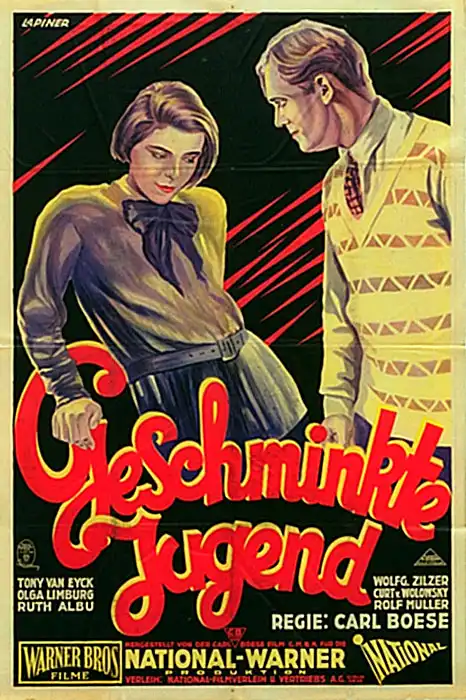
Margot is the seventeen-year-old daughter of the divorced, fun-loving Mrs. Hiller. She cares little about the upbringing of her child. Margot can do whatever she wants. She makes full use of her freedom.
View Details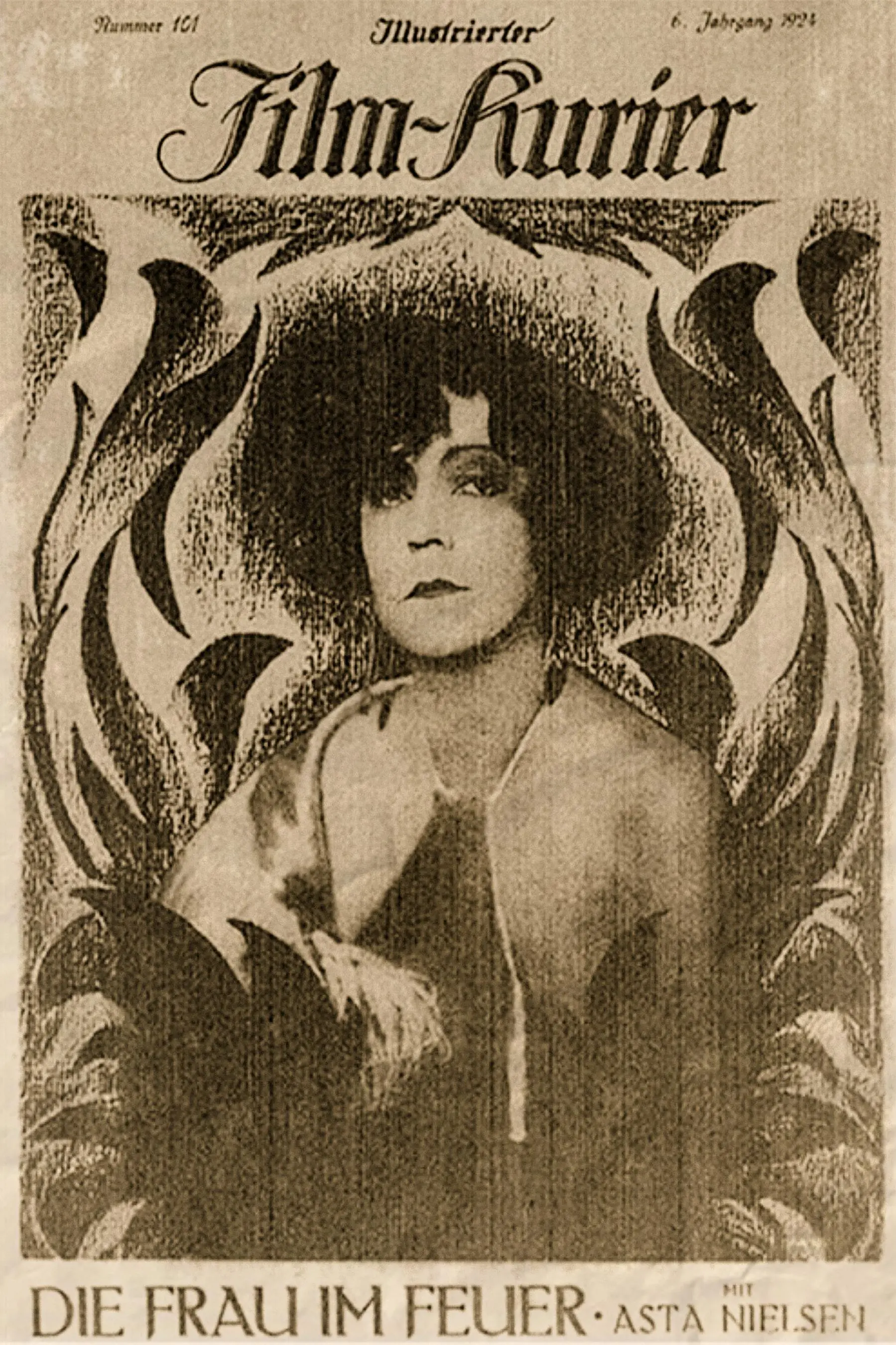
Dir: Carl Boese
Dancing, sports and erotic pursuits are the main ingredients in this drama about the fate of this scorned and abandoned woman, Josefine, who falls for the selfish Fennhofer.
View Details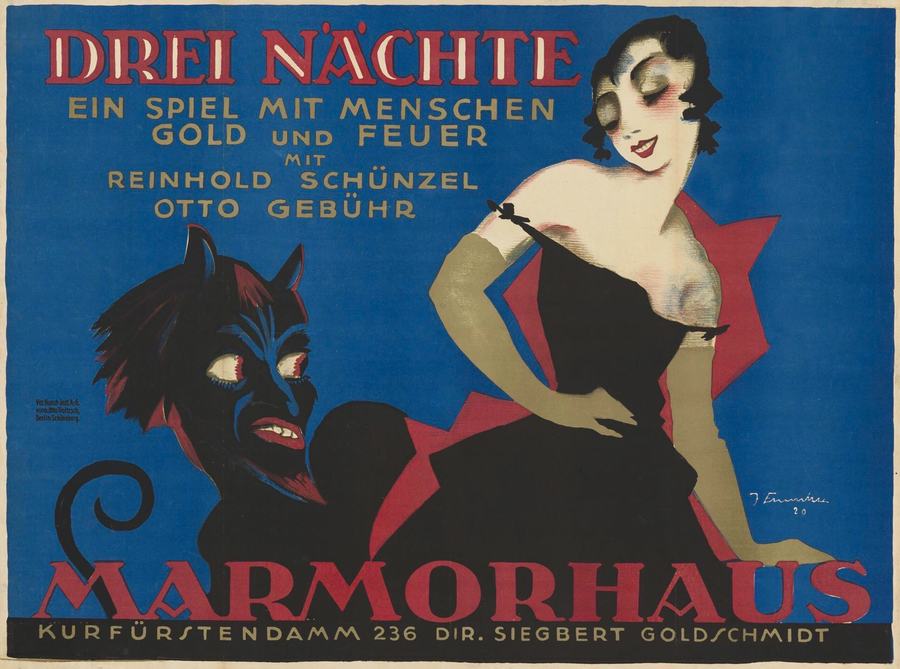
Dir: Carl Boese
A fascinating piece of cinema that shares thematic elements.
View Details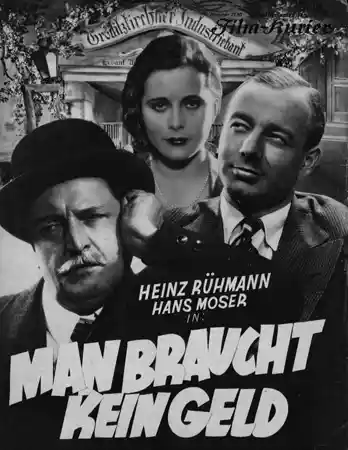
Dir: Carl Boese
Family Brandt has lost its fortune in oil speculation, and they have great debts at the local bank. This one is threatened with its own crash due to lack of money. The only hope is Brandt's uncle Thomas Hoffman, an American millionaire, who is coming for a visit. Bank Accountant Schmidt uses his own money to welcome him properly, presenting himself as Brandt's daughter's fiance, but it turns out, that Hoffmann never was a millionaire, in fact he still owns the city of Chicago about $100 for medical treatment. Yet with his existance alone he starts a big scheme to bring back prosperity. Surprisingly it works, yet there are some problems: 1st: Chicago wants the money back, asking at the foreign office in Berlin for help, and 2nd: Hoffmann does not like the sheme at all, and tries to go back to his quiet and peaceful Chicago...
View Details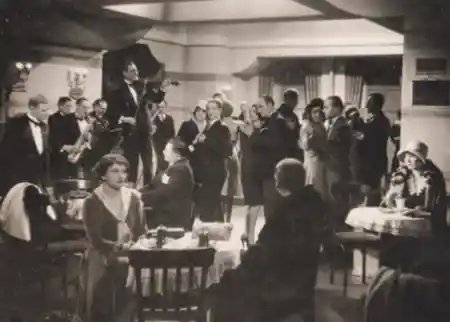
Dir: Carl Boese
Germany at the time of the end of the Weimar Republic. The saleswoman Anna Gerlach looks forward to the joys of motherhood. She has already found accommodation with the Breuer's. The daughter of the house, Lissy Breuer, is also hopeful. The biggest difference between the two expectant mothers is the expected alimony.
View Details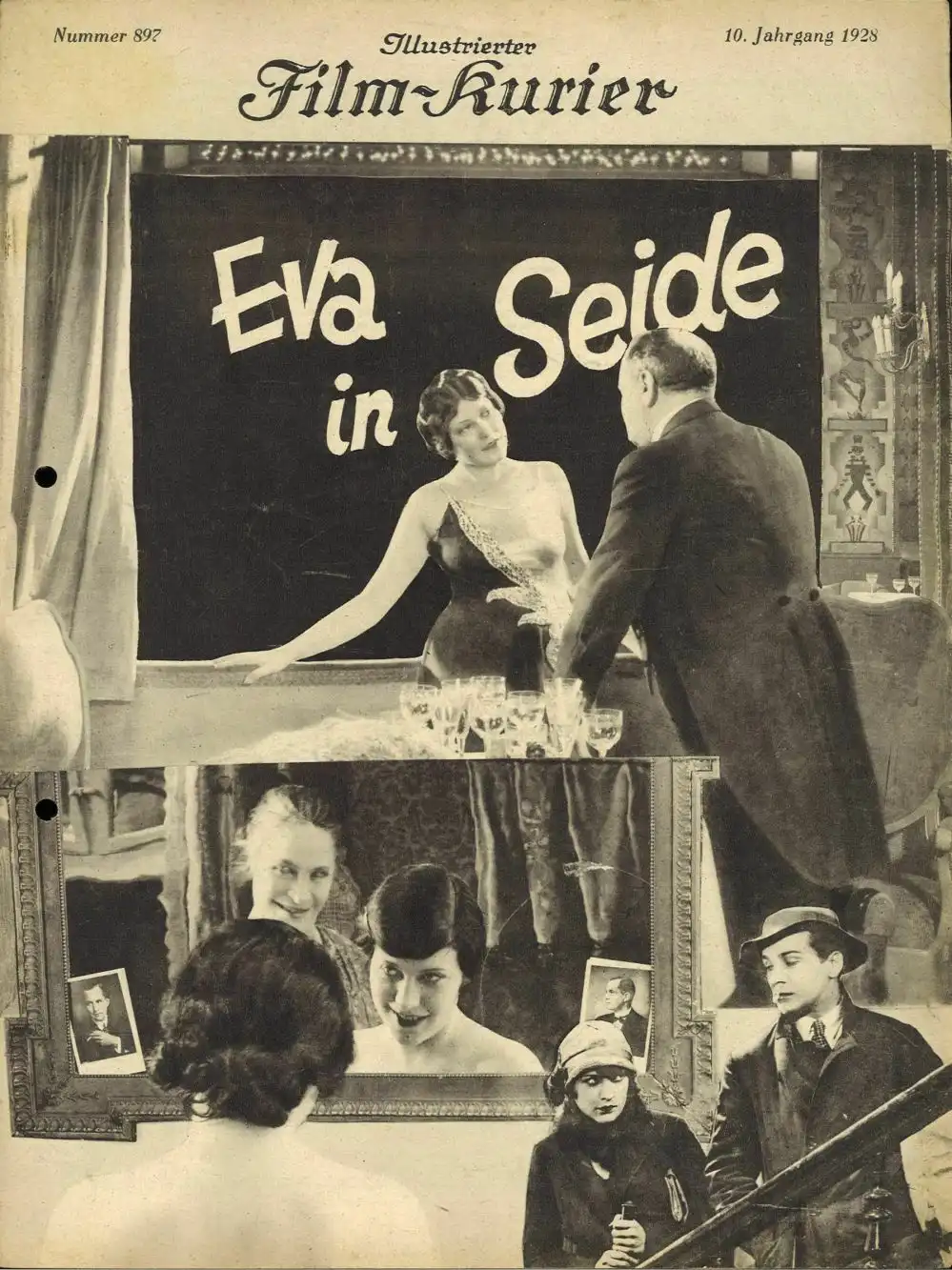
Dir: Carl Boese
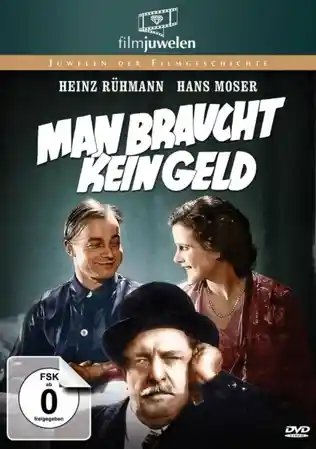
A fascinating piece of cinema that shares thematic elements.
View Details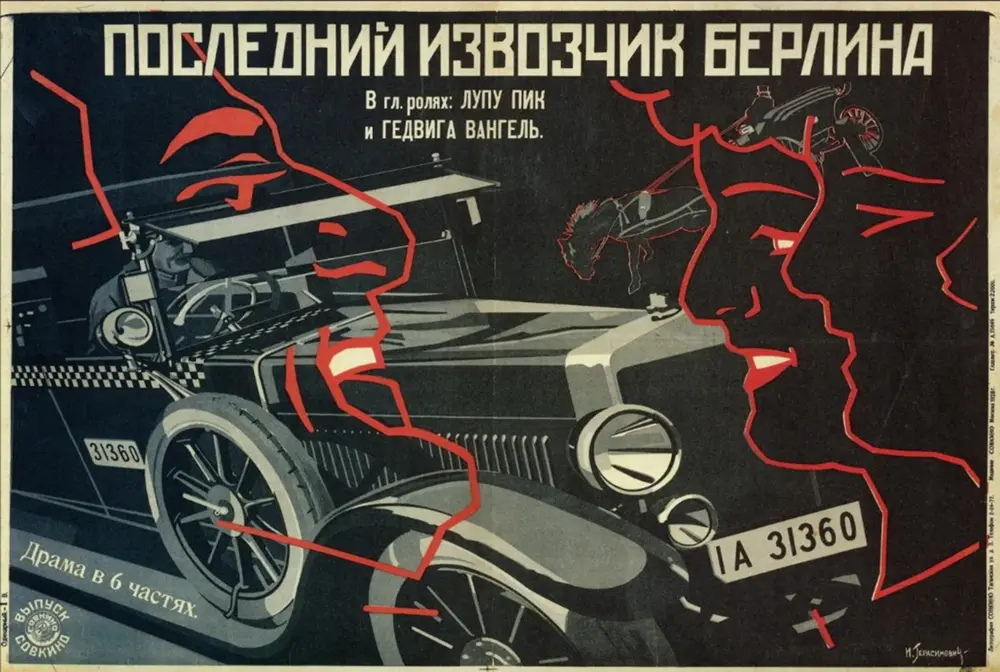
Dir: Carl Boese
A taxi driver in Berlin refuses to give up his horse and switch to motor transport.
View Details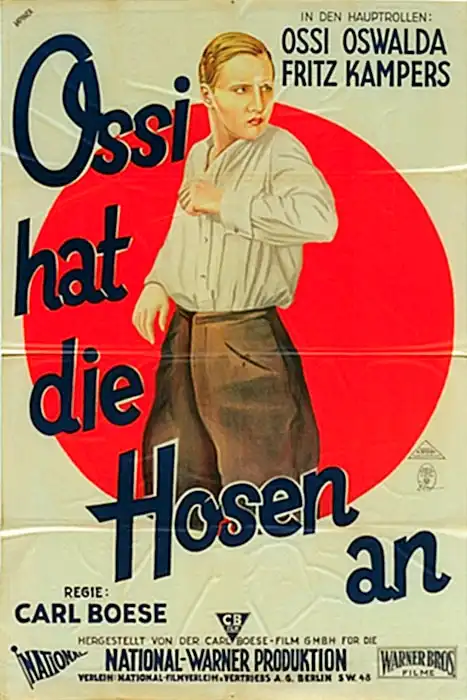
Dir: Carl Boese
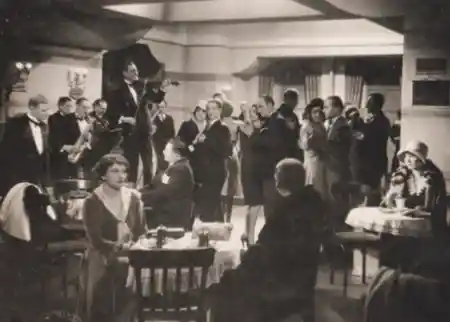
A girl posing as a knight's male valet is vamped by his fiancée.
View Details
Dir: Carl Boese
A fascinating piece of cinema that shares thematic elements.
View Details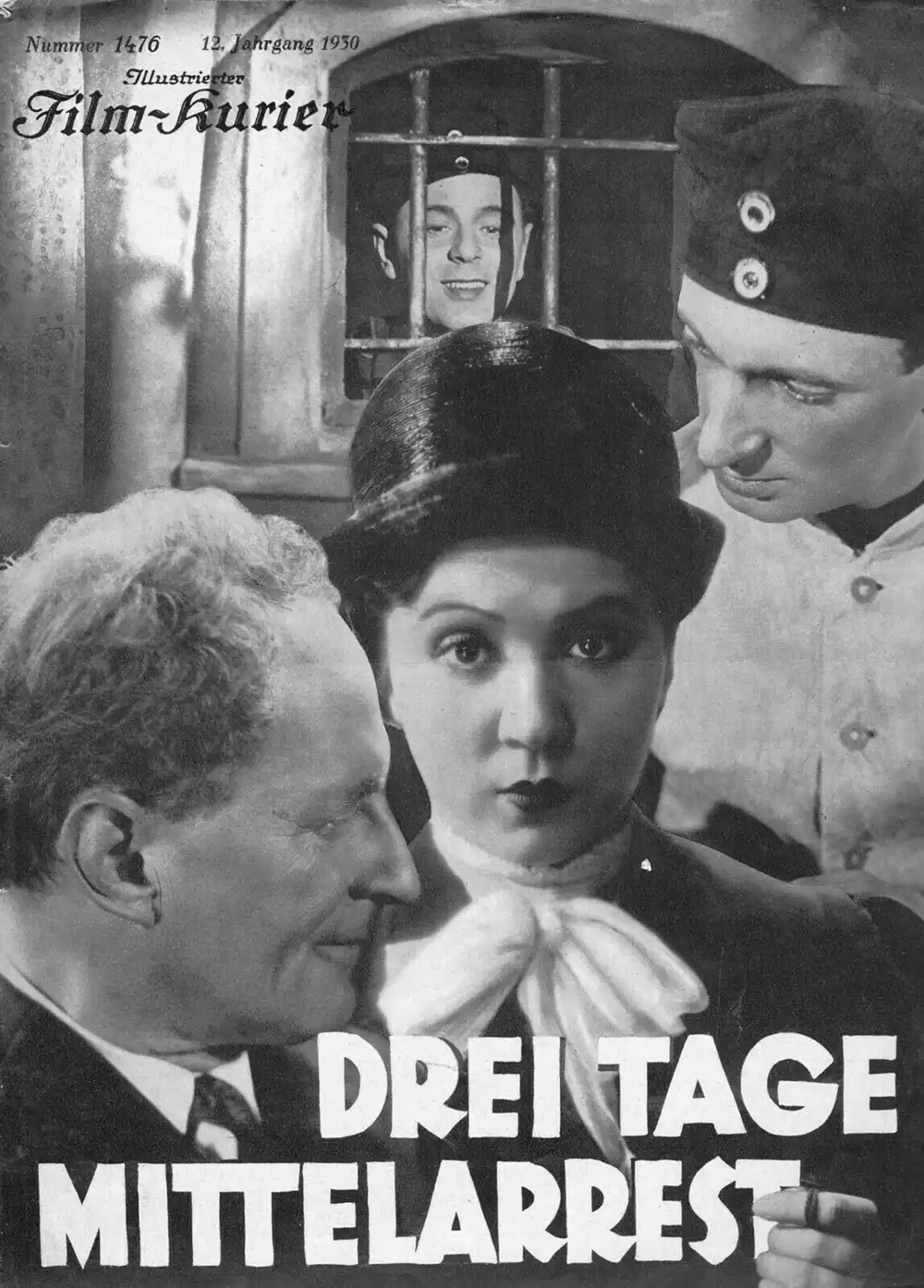
Dir: Carl Boese
When an attractive maid in a garrison town becomes pregnant, she reveals that one of three soldiers stationed there who had been chasing after her, is responsible.
View DetailsAnalysis relative to Gretl Wins First Prize
| Film Title | Atmosphere | Complexity | Similarity |
|---|---|---|---|
| Geschminkte Jugend | Surreal | Dense | 98% Match |
| Die Frau im Feuer | Surreal | Abstract | 96% Match |
| Drei Nächte | Tense | Abstract | 94% Match |
| Man braucht kein Geld | Ethereal | Layered | 85% Match |
| Alimente | Surreal | Layered | 87% Match |
This guide was algorithmically generated using the cinematic metadata of Carl Boese's archive. Last updated: 6/27/2026.
Back to Gretl Wins First Prize Details →