
DbcultAccessing Vault...
Recommendations
Senior Film Conservator
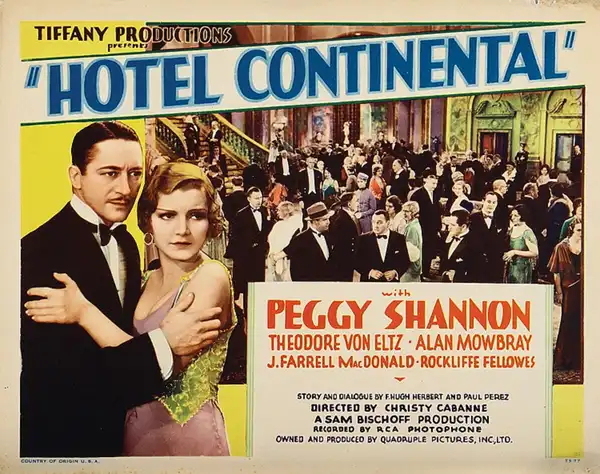
Since its 1932 debut, Hotel Continental has maintained a nuanced performance status, you are likely searching for more films that share its specific artistic vision. We have meticulously scanned our vault to find hidden gems that resonate with this work.
The 1932 landscape was forever altered by the arrival of to push the boundaries of conventional storytelling.
(1932, Tiffany) Peggy Shannon, Theodore Von Eltz, Alan Mowbray. A posh hotel is about to close its doors forever. A paroled convict comes back to the hotel to find stolen funds he hid there years earlier. He saves a woman from suicide, unaware that she has been hired by crooks to spirit the loot away from him. This early Tiffany talkie is pretty good. 16mm.
The influence of Christy Cabanne in Hotel Continental can be felt in the way modern Crime films handle nuanced performance. From the specific lighting choices to the pacing, this 1932 release set a high bar for atmospheric immersion.
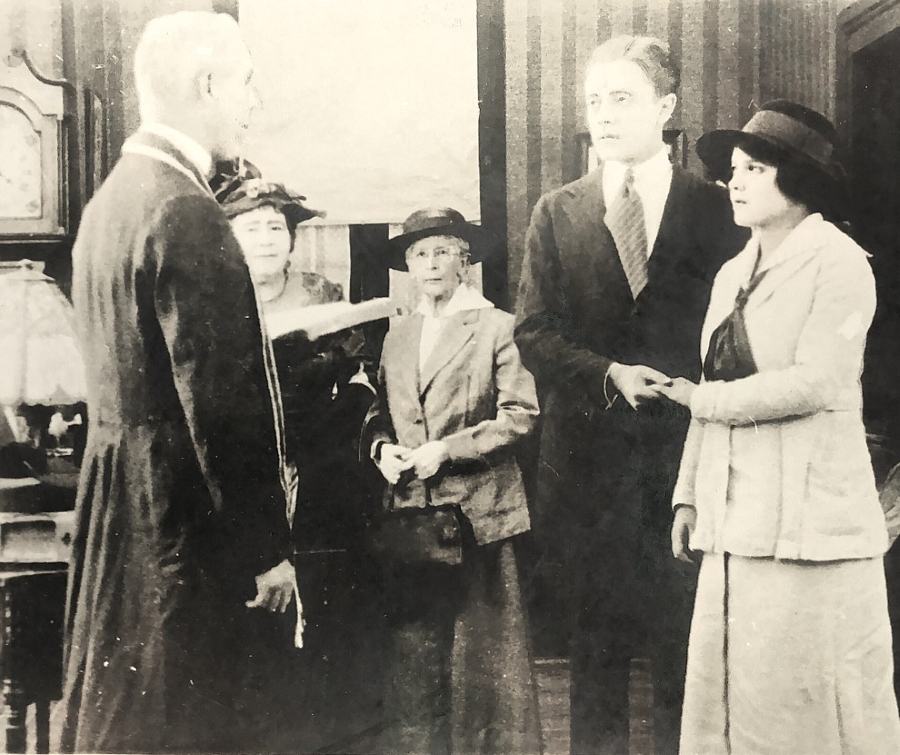
Based on the unique nuanced performance of Hotel Continental, our vault has identified these titles as the most compelling follow-up experiences for fans of Crime cinema:
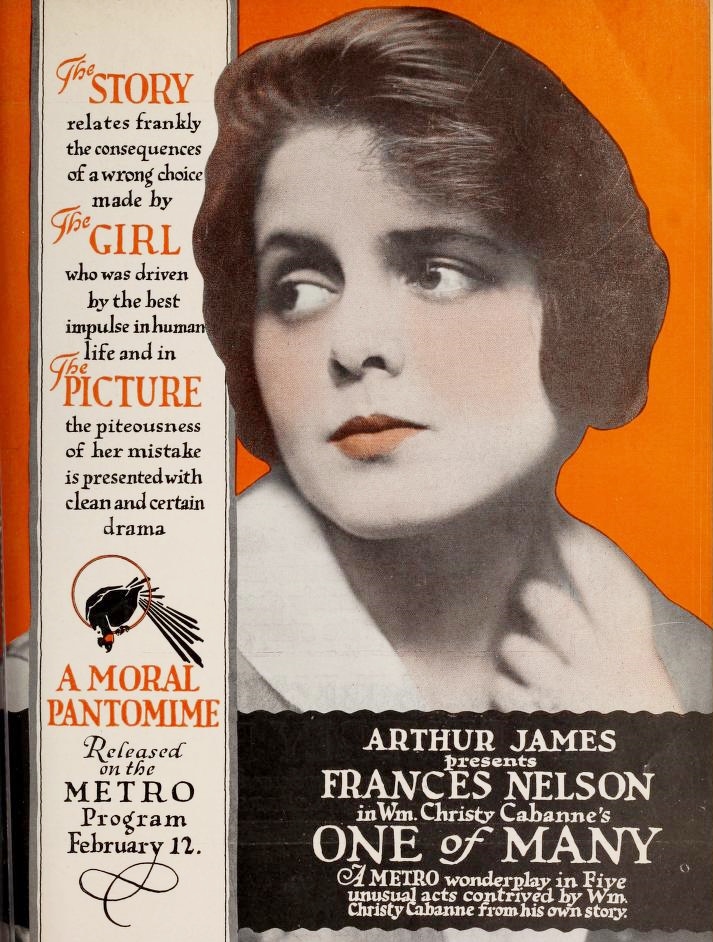
Dir: Christy Cabanne
The home of Mrs. Bryson and her two daughters is happy except for the poverty that prevents the girls from sending their sick mother away to the mountains. Both help to support the household, but it is Shirley who feels the responsibility of her mother's approaching death and her worry is evident to all about her. She is employed in a manicure shop frequented by wealthy men and meets Wilfred Templeton, who invites her to dine with him. He questions her about her dejected air and she tells him of her mother's illness. This is Templeton's opportunity, and he asks her to make a bargain with him. He will give her all the money she needs and in return she is to live with him in an apartment which he will establish for her. Shirley refuses, but when her mother grows worse she yields and leads her mother and her sister to believe that she has married Templeton and Mrs. Bryson is happy. When James Lowery, the butler in Shirley's new home, finds that she is not married to Templeton, he forces his way into her boudoir when she is dressing. With the greatest difficulty Shirley repulses him. She informs Templeton and Lowery is discharged. Everything runs smoothly until Shirley invites her sister to visit her. Emma wants to see this wonderfully generous husband. Shirley is unable to conceal her secret, and Emma wrings a confession from her. The news so preys upon Emma's mind that she is unable to keep it a secret from her mother. Stricken at her child's dishonor, Mrs. Bryson gives up her battle for life. Shirley leaves Templeton and goes to work as a cabaret entertainer. Lowery again forces his attentions upon her. He openly insults her and a young man at a nearby table comes to her rescue. The man is Harold Templeton, "Wilfred's son, who is the "black sheep" of the family, and is living away from home. The acquaintance finally ripens into real affection. The young people are married, but their happiness is clouded by the girl's fear that her husband will discover the truth about her past life. The expected happens when Wilfred Templeton forgives his son and comes to call on him and his bride. Shirley and her husband's father are brought face to face, and their manner accuses them before either makes a confession. Harold turns against his wife. Later, however, his better nature asserts itself, and he drives his father away. Realizing Shirley's mistake was made, not for her own sake, but for her mother's, he forgives her and takes her into his arms.
View Details
Dir: Christy Cabanne
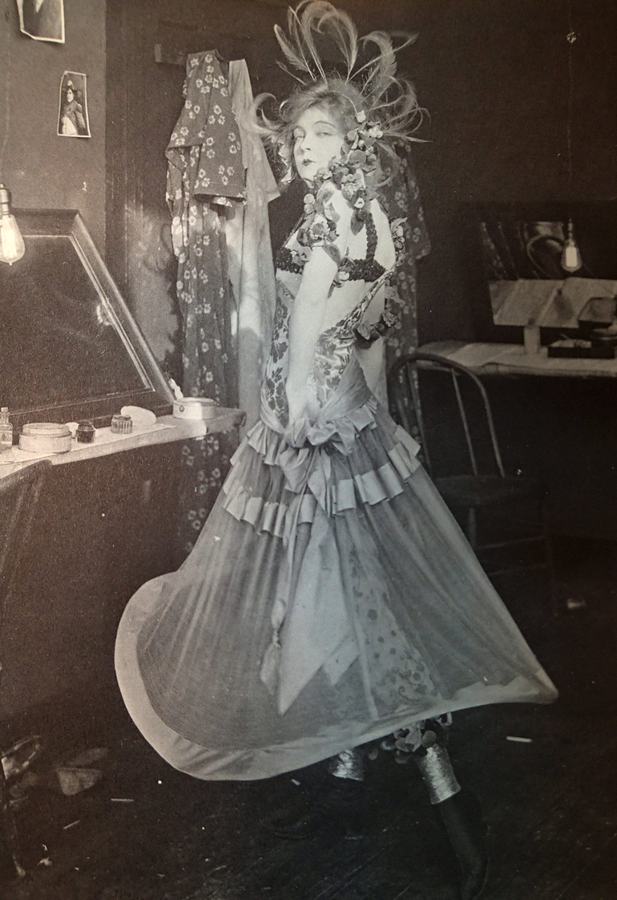
Phillips Christy, a strait-laced amateur sociologist from a wealthy family, subscribes to the theory that people are shaped by their environments. When he fall in love with Diane, a showgirl from the Follies, he sees a chance to prove that his theory is correct: he will marry her and mold her to be "cultured" and "sophisticated." However, fate intervenes to put a crimp in his plans.
View Details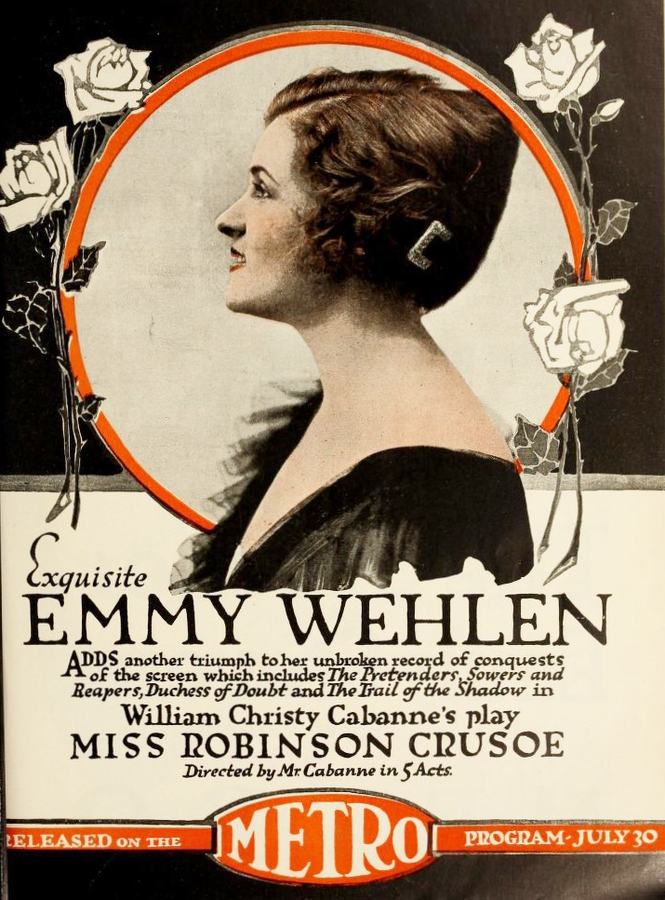
Dir: Christy Cabanne
Rich, spoiled social butterfly Pamela Sayre lives the good life with her two maiden aunts. Bertie Holden, the somewhat slacker son of a wealthy couple, is in love with Pamela, who seems to prefer muscular, daredevil-type men, which Bertie definitely isn't. Pamela flirts with the wealthy but much older Charles Van Gordon in order to make Bertie jealous, but her plan seems to backfire.
View Details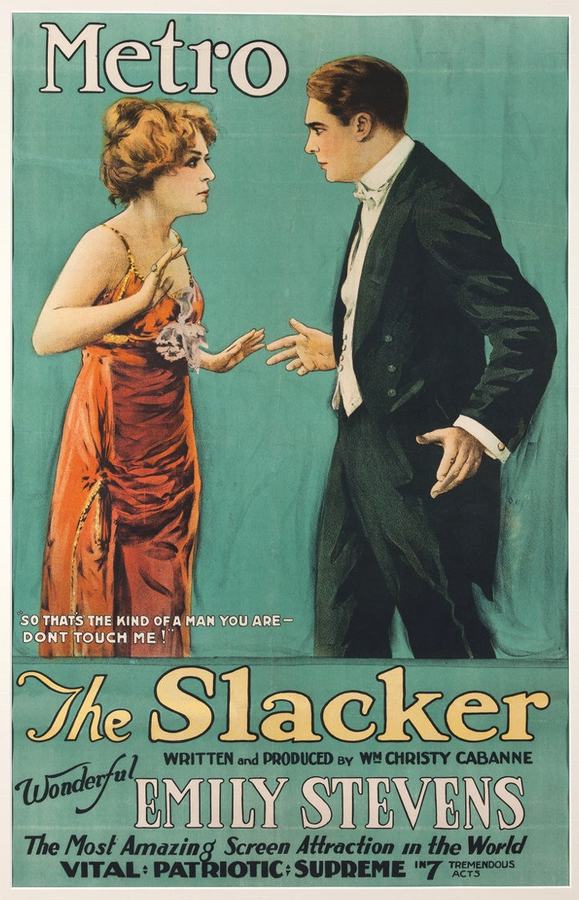
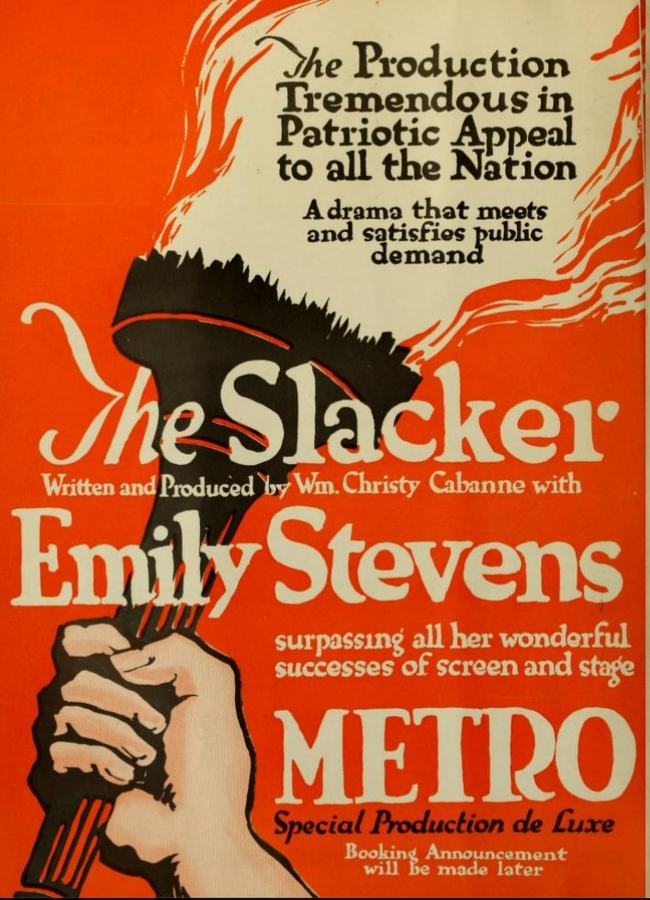
Dir: Christy Cabanne
Robert Wallace, the elder son of a rich and indulgent father, marries Margaret Christy, a spirited patriot, so that he can escape the call to war. Discovering the reason for Robert's haste to get married, Margaret is appalled and resolves to bring home to her husband a sense of his personal responsibility. In order to instill patriotism in Robert, Margaret contrasts him with John Harding, the man who gave her up to go to war. When Robert protests his wife's tactics, Margaret accuses him of being a contemptible coward. The next day a German insults the American flag, and Robert, his sense of justice aroused, makes him salute it. He then bids Margaret farewell and marches off to war. Margaret sees him off without divulging the secret that she is pregnant, thus sacrificing her own welfare for that of her country.
View Details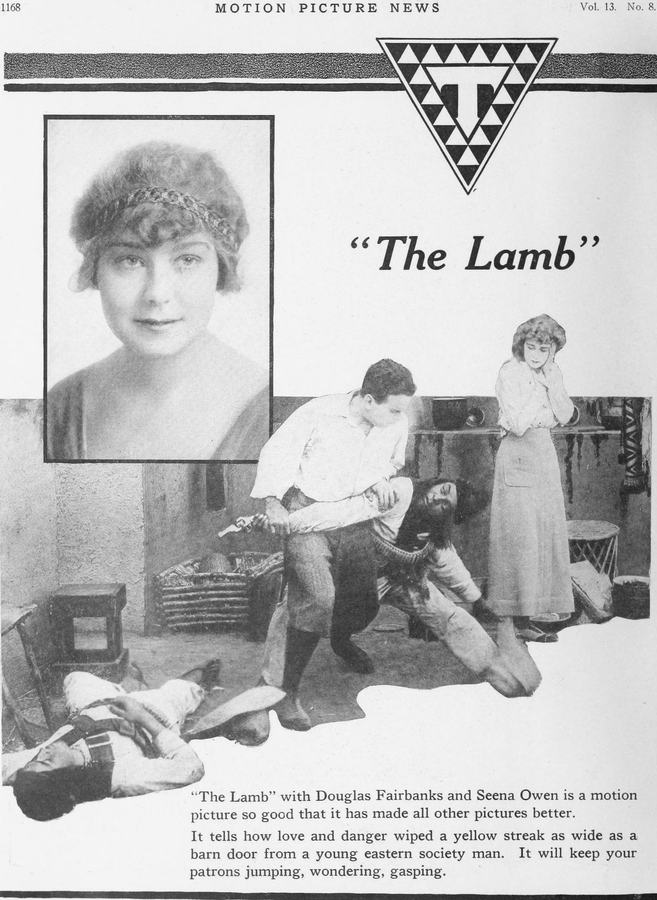
Dir: Christy Cabanne
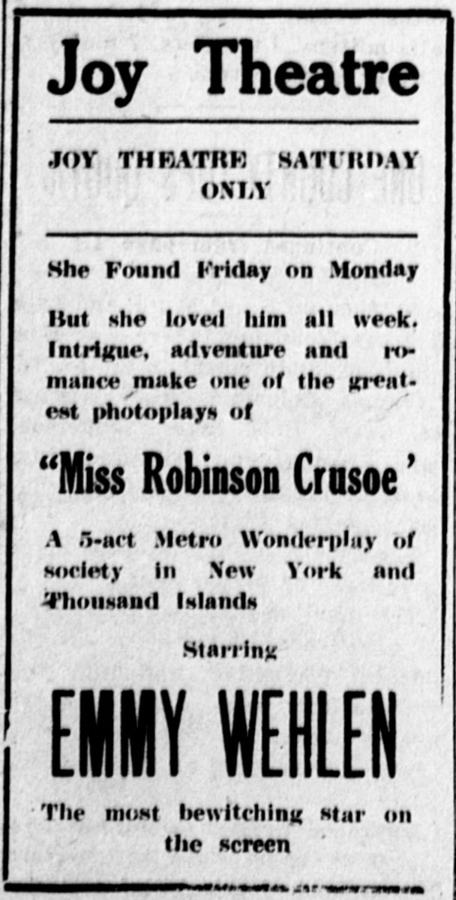
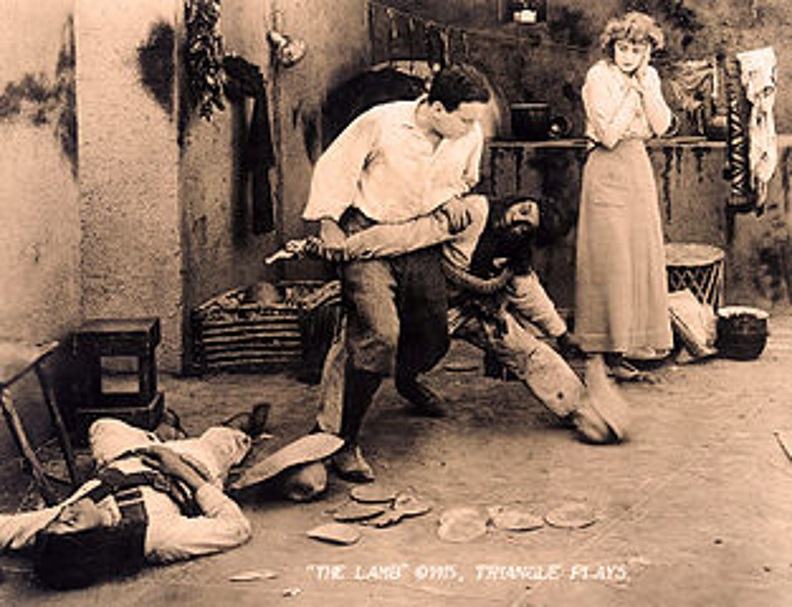
Gerald, the somewhat frail son of a wealthy New York family, is bested at the beach by Bill, a strapping young cowboy from Arizona. His fiancée Mary, ashamed of his "yellow streak", leaves him and goes by train to visit some friends in Arizona, with Bill in tow. Gerald follows them, and he and Mary wind up captured by Yaqui Indians and Gerald must prove to Mary that he is not the "weakling" she thinks he is by coming up with a plan for them to escape their captors.
View Details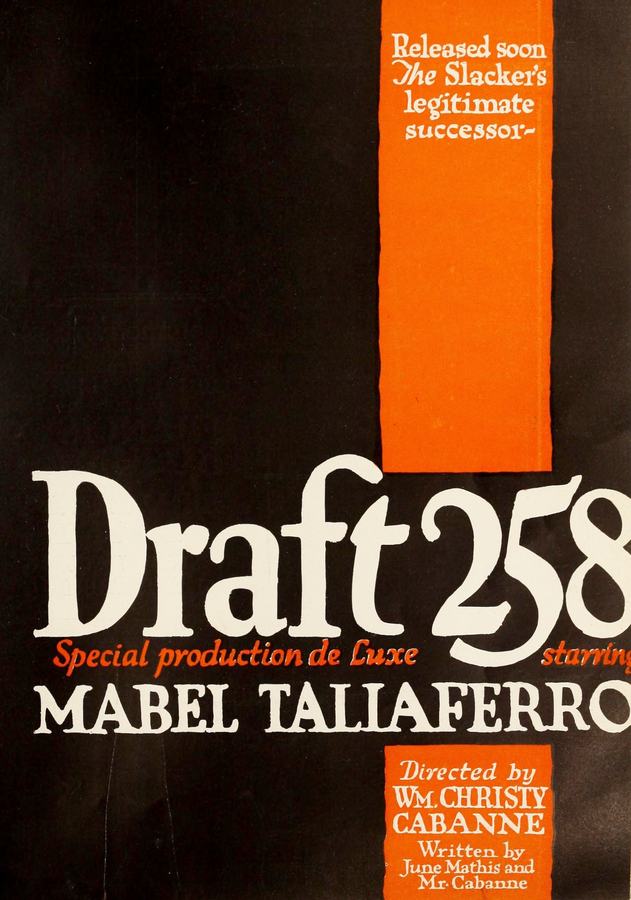
Dir: Christy Cabanne
Mary Alden and her brothers Matthew and George have extremely different political views. Matthew is a committed pacifist, and is constantly giving speeches against war. George is notified that his draft number, 258, has been called and to report for induction, but he refuses. Mary, on the other hand, is intensely patriotic and comes up with a plan to shame him into reporting for induction. Meanwhile, Matthew is being set up for a patsy by a gang of German secret agents led by Van Bierman who are planning to blow up an airplane factory.
View Details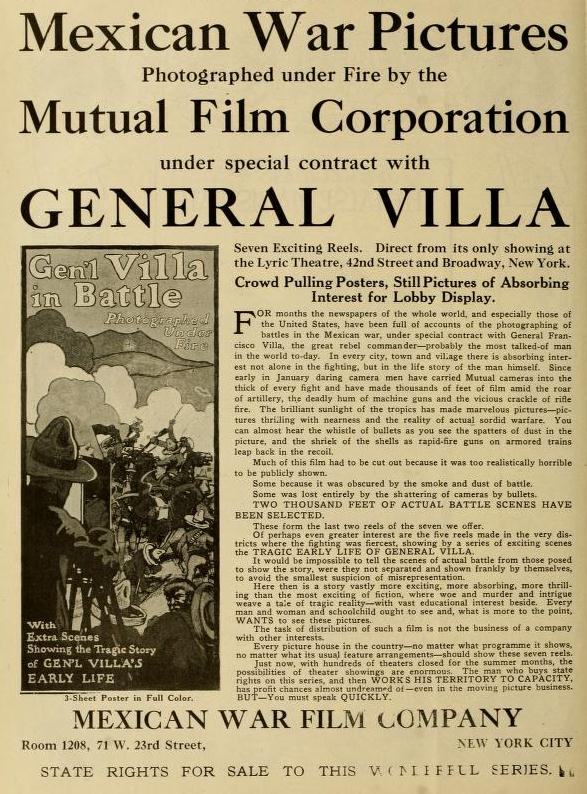
Dir: Christy Cabanne
The life and career of Pancho Villa from young man to revolutionary leader is chronicled.
View Details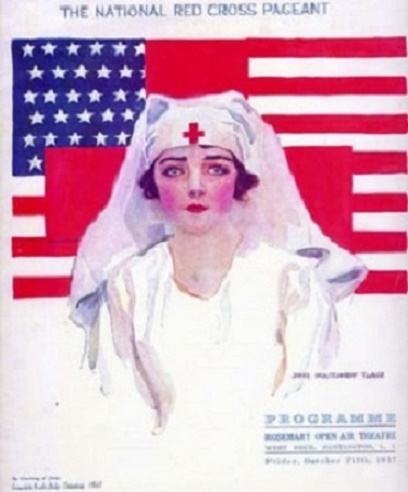
Dir: Christy Cabanne
The National Red Cross Pageant (1917) was an American war pageant that was performed in order to sell war bonds, support the National Red Cross, and promote a positive opinion about American involvement in World War I. This pageant was a production put on in support of funding for America's participation in World War I, also known as the Great War. It was also an all-star revue silent film, now considered a lost film.
View Details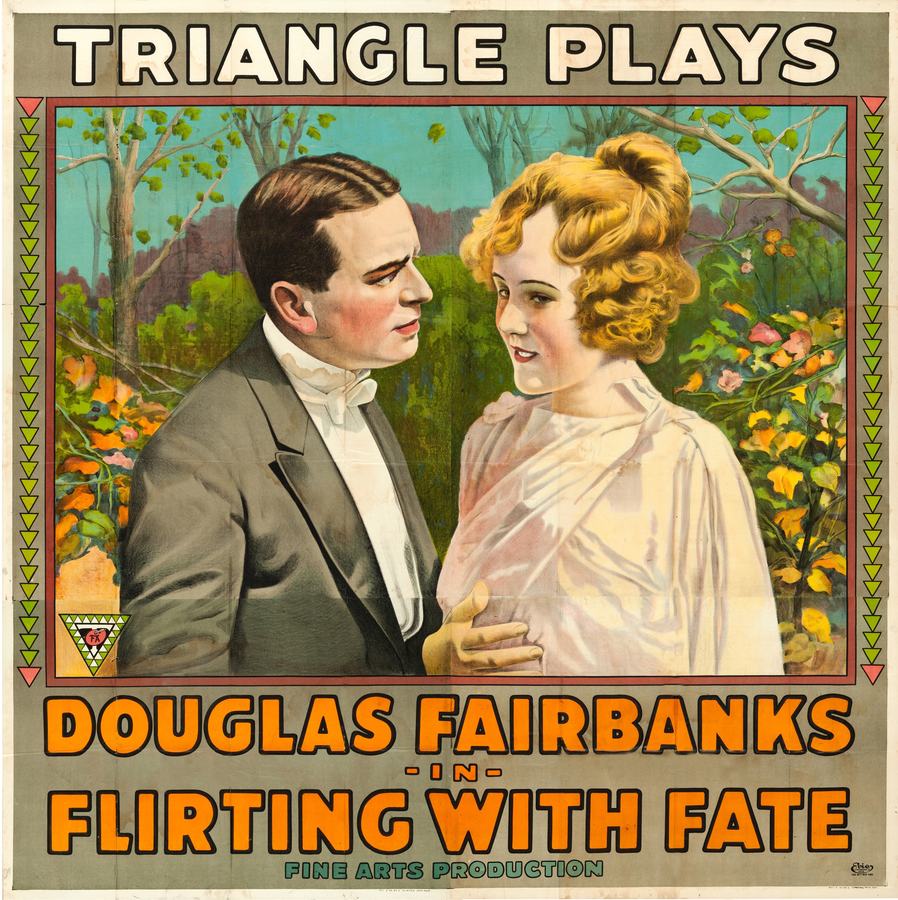
Dir: Christy Cabanne
In the midst of an emotional depression, a man hires a murderer to kill him. But the despair soon passes, and the man must now escape the killer he's hired to end his life.
View Details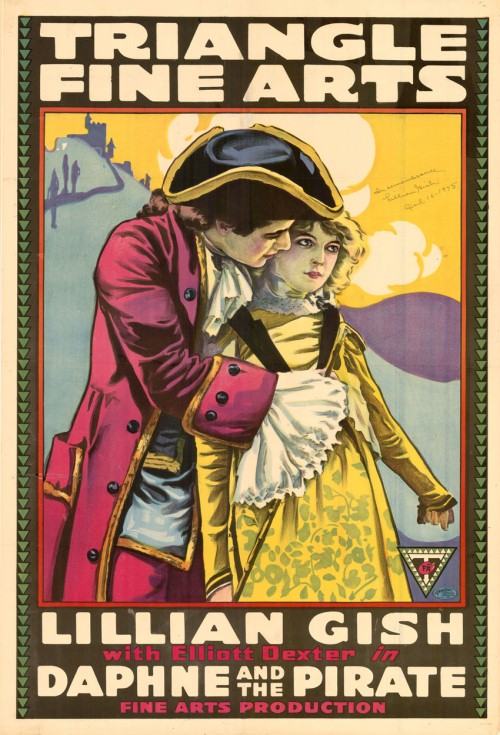
Dir: Christy Cabanne
Philip de Mornay, a courtier in the French royal court of the 18th century, falls in love with Daphne La Tour, the daughter of a nobleman. Knowing that her family would never approve of their marriage, he takes her and hides her in a brothel, but is soon captured by pirates. Soldiers looking for women to bring with them to a settlement across the ocean in Louisiana raid the brothel and take the girls, including Daphne. Later on the trip to the new world their ship is attacked by pirates--and she discovers that her lover Philip is on board the pirate ship.
View DetailsAnalysis relative to Hotel Continental
| Film Title | Atmosphere | Complexity | Similarity |
|---|---|---|---|
| One of Many | Gothic | High | 98% Match |
| Diane of the Follies | Tense | High | 94% Match |
| Miss Robinson Crusoe | Surreal | Abstract | 89% Match |
| The Slacker | Gritty | Layered | 89% Match |
| The Lamb | Gritty | Layered | 90% Match |
This guide was algorithmically generated using the cinematic metadata of Christy Cabanne's archive. Last updated: 8/16/2026.
Back to Hotel Continental Details →