
DbcultAccessing Vault...
Recommendations
Senior Film Conservator
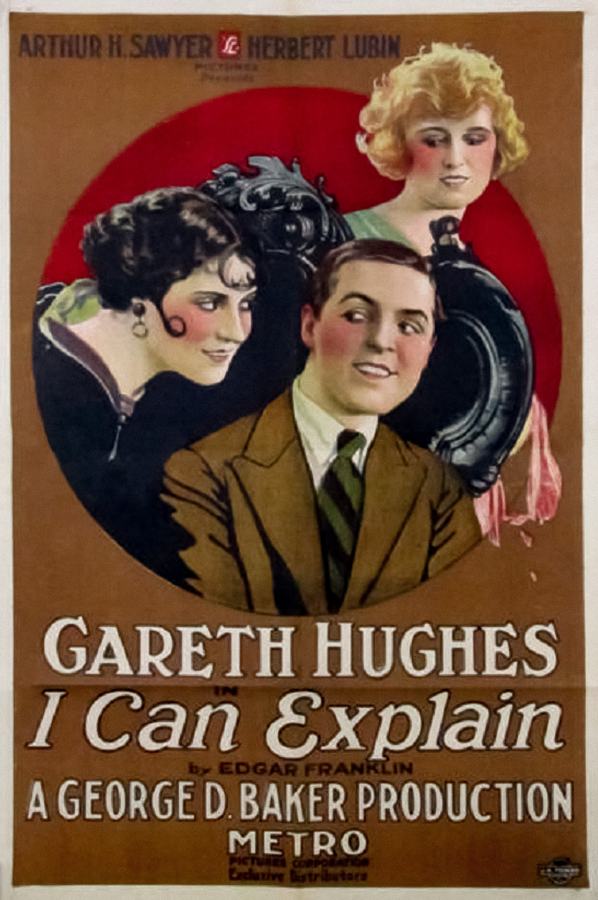
The 1922 release of I Can Explain redefined the parameters of Comedy storytelling, the narrative complexity found here is a rare find in the 1922 landscape. Prepare to discover your next favorite movie in our hand-picked collection.
Historically, I Can Explain represents to explore the darker corners of the human condition with nuanced performance.
Jimmy Berry, junior partner in a flourishing business firm, is engaged to Betty Carson. He is taken into confidence by Dorothy Dawson, his partner's wife, who secretly plans to open a business branch in South America. Their secret meetings generate gossip, and Dawson, who is insanely jealous, threatens divorce, while Betty's uncle forbids her to see Berry. Dawson compels Berry to go to South America with him, and the appearance of Dorothy there leads to further complications. When Berry attempts to depart, he is captured and returned, with Dorothy, to the home of Gardez, an importer, who arranges a duel between Berry and Dawson. Dawson is wounded, and again Berry takes French leave, via motor car, but is kidnapped by an outlaw known as El Pavor. After numerous other complications, Berry escapes from South America and returns home in time to prevent Betty's marriage to another man.
The influence of George D. Baker in I Can Explain can be felt in the way modern Comedy films handle nuanced performance. From the specific lighting choices to the pacing, this 1922 release set a high bar for atmospheric immersion.
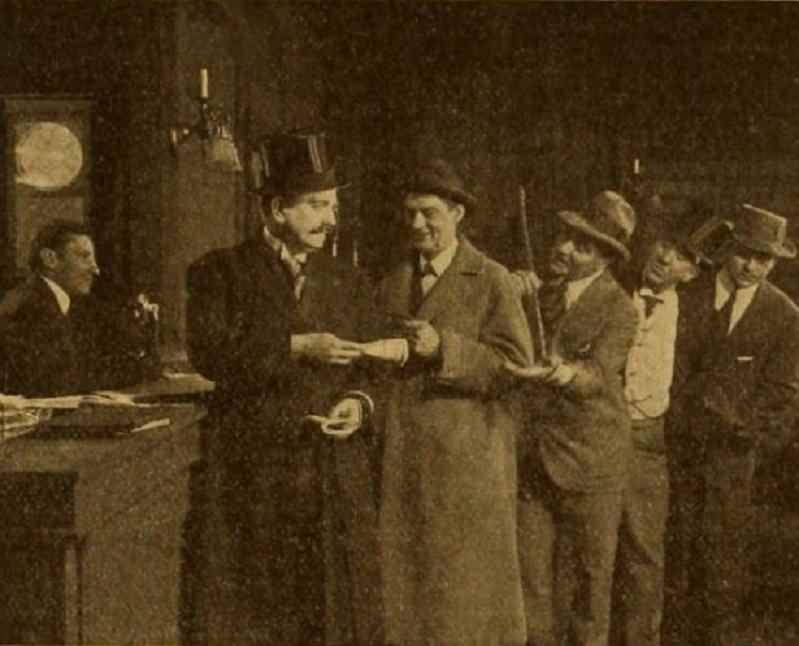
Based on the unique nuanced performance of I Can Explain, our vault has identified these titles as the most compelling follow-up experiences for fans of Comedy cinema:
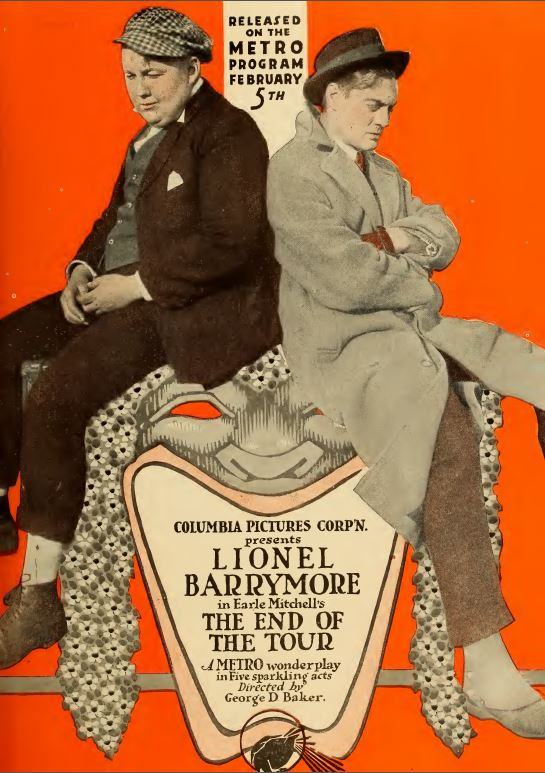
Dir: George D. Baker
Col. Jessup of Mayville does not waste any affection on his young wife, who finally runs away with a theatrical company, taking her son with her, but leaving her baby daughter. Later, she dies, and the boy, Byron Bennett, known as Buddy, is leading man for a theatrical company playing one-night stands, but this season has been disastrous and the company is about to disband when they receive word that the house is sold out for the performance at Mayville, so they hang on. However, the manager collects the receipts for the performance and takes the first train, leaving the company stranded. Buddy secures a position as Instructor for the Jessup Volunteer Hose Company which is to give an amateur theatrical performance. He persuades Grace Jessup's father to allow her to take the leading part in order to out-do Hose Company No. 1, which also plans a performance. Grace becomes interested in traveling salesman Percy Pennington. He tries to persuade her to elope, but she refuses until he makes a definite promise of marriage. He boasts to Buddy and his friend Skinny and intimates that the promise will not be carried out. Soon after, he starts out riding with Grace. Buddy is suspicious and follows on a bicycle, but is outdistanced. At last, however, he sees the horse tied by the roadside, and hears Grace scream. Rushing to her assistance he overcomes Percy, and carries a wilting Grace home.Col. Jessup, thinking Bud is the culprit, fires at him twice. One bullet lodges in the shoulder; the other is stopped by Buddy's watch in which he carries a picture of his mother. Grace regains consciousness and explains matters, and Jessup is amazed to find that the picture in the watch is that of his wife. The doctor advises that Buddy will recover, and there is a reconciliation among father, son, and daughter.
View Details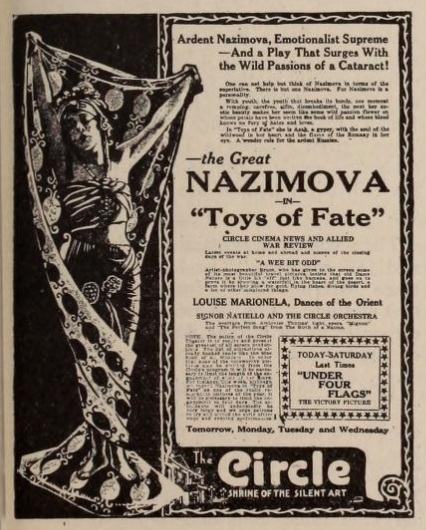
Dir: George D. Baker
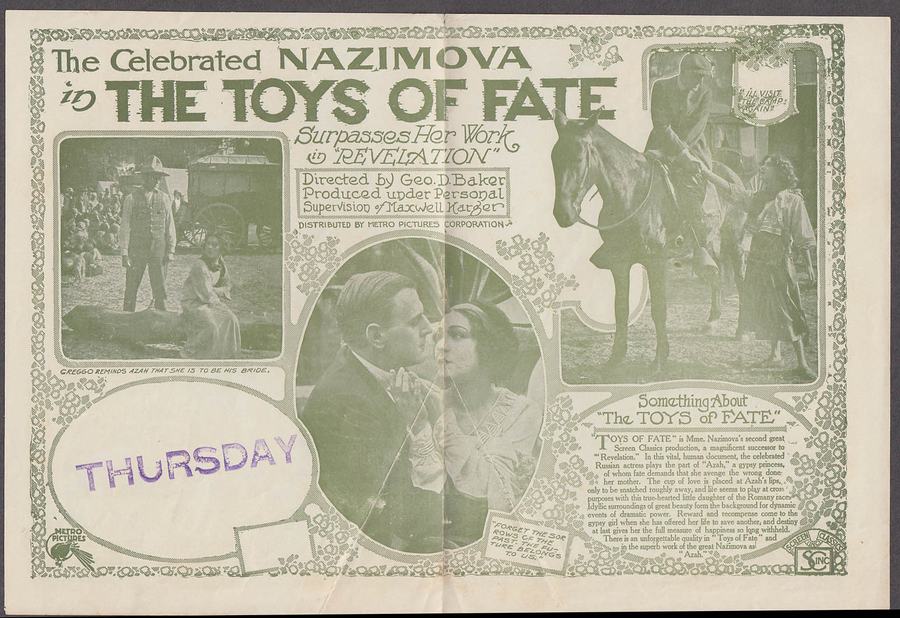
A gypsy girl whose mother committed suicide after being seduced and abandoned by a rich man finds herself twenty years later being wooed by the same man.
View Details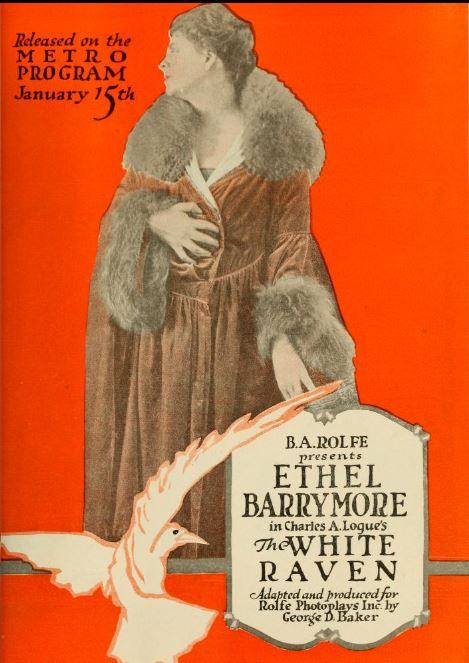
Dir: George D. Baker
William Baldwin, ruined in business by his partner John Blaisdell, implores Blaisdell's aid and receives in answer a five-dollar bill inscribed with "Spend this for a gun and use it on herself." Hopelessly, Baldwin and his daughter Nan go to the Yujon, where the father dies and Nan earns a living in a rough dance hall where as "Nightingale Nan" she is the miners' idol. When she discovers that the little claim on Bear Creek, the only thing her father has left her, is worthless, at first she collapses; then she becomes defiant and tells the miners who have been forcing their attentions upon her that they may have her, the lucky man to be the winner in a card-game, she to take the money won in the game and go away to seek fame and fortune. A bearded stranger wins the game with a pair of deuces and pays her $1,000 a card, and she leaves with him for her cabin. Once there, however, she repents her rash bargain, and implores him to release her, offering the money in return. He makes her sign an I.O.U. for herself, promising to pay the debt at any future time that he sees fit. "You'll win success," the stranger tells her, "but in the hour of your greatest triumph I shall claim you, and you must return." She leaves on this condition. Nan's voice wins success for her all over the world. Five years later, as Mlle. Nanon Boldini, she is the reigning operatic queen at La Scala, Milan, then comes to the Metropolitan Opera House, New York, to make her American debut in "Lucia di Lammermoor." Her success is instantaneous. Two of the most important patrons of the opera house, business rivals John Blaisdell and James Van Brunt, are united in their admiration of Mlle. Boldini, and obtain an introduction. When Nan discovers the identity of Blaisdell, the man who ruined her father, she quietly plans his downfall. She encourages his attention, even at the risk of displeasing a young stranger with whom she has fallen in love. She refuses an offer of marriage from the man who won her heart, telling him of her promise made under amazing conditions to a man in Alaska five years ago. That promise, she tells him, must be fulfilled, no matter how great the sacrifice she makes in doing so. Inviting Blaisdell to her apartment to dinner, she has a telephone connection so arranged that James Van Brunt, at his downtown office with the receiver at his ear, hears Blaisdell's answers to the carefully prepared questions Nan asks, betraying all his business secrets. As Blaisdell falls across the table in a drunken stupor, after having told everything, Nan's triumph is complete. It is at this moment that two fateful cards, the deuces with which the Alaskan won his game, are thrust under the door, and Nan falls fainting. The next day she prepares for her journey to the Northland, ready to pay the price of her five years' freedom. The man she loves insists on accompanying her. Going to her little cabin, she finds it sumptuously furnished. As she turns to her lover in surprise, he places on the table a crumpled "I.O.U." then tears it in two, giving her the pieces. As the realization slowly dawns on Nan that the man she has learned to love is the bearded stranger of so long ago, she fits the two pieces of the "I.O.U." back together, presents them to him, and creeps into the arms of her stranger-lover.
View Details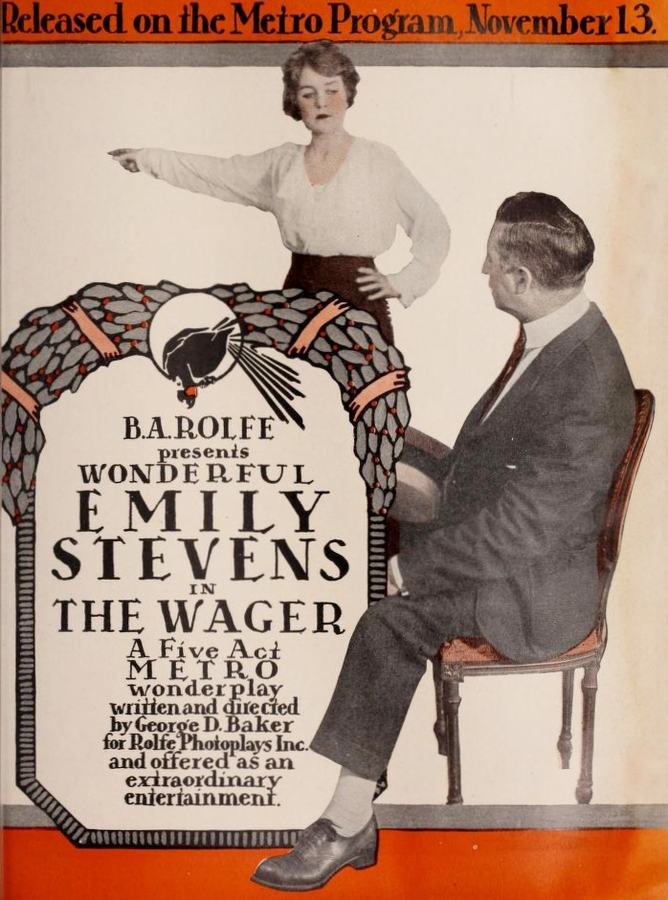
Dir: George D. Baker
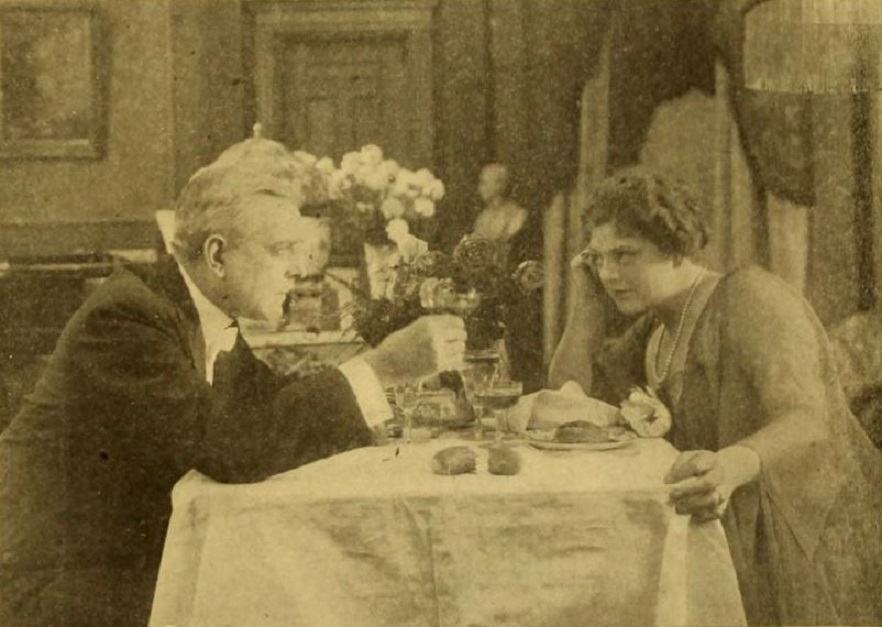
A fascinating piece of cinema that shares thematic elements.
View Details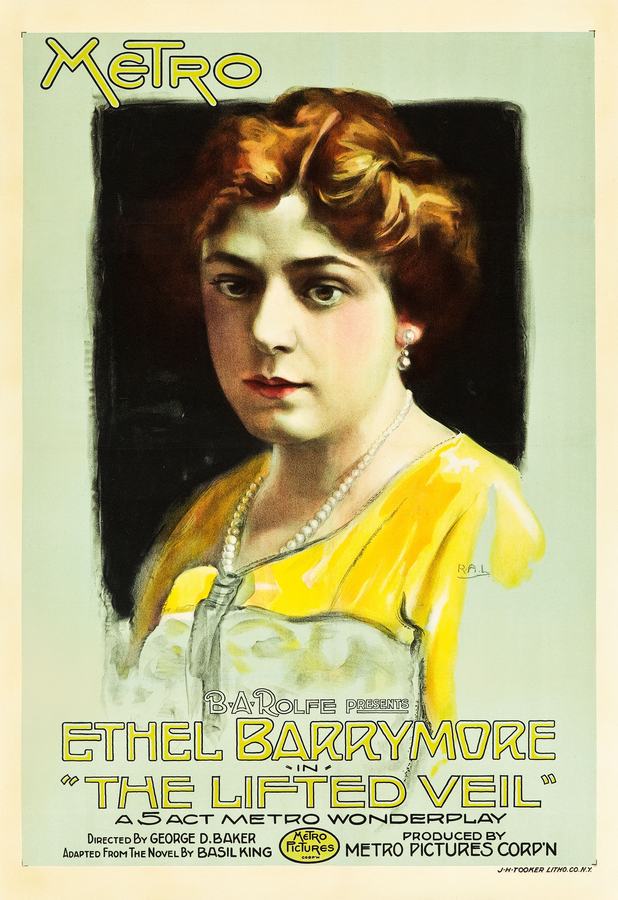
Dir: George D. Baker
Overcome with guilt after having an affair with her best friend's husband, Clorinda hopes to escape her past by moving to Europe, where she meets Malcolm, a decent man who falls in love with her. Unable to accept his love, she returns to America and confides her sin to Rev. Bainbridge. Malcolm has followed her, but when she discloses her past, he turns his back. Rev. Bainbridge proposes and before the marriage takes place, Malcolm returns, begging Clorinda's forgiveness. Preferring the worldly man over the minister, Clorinda marries Malcolm and they begin their new life together in France.
View Details
Dir: George D. Baker
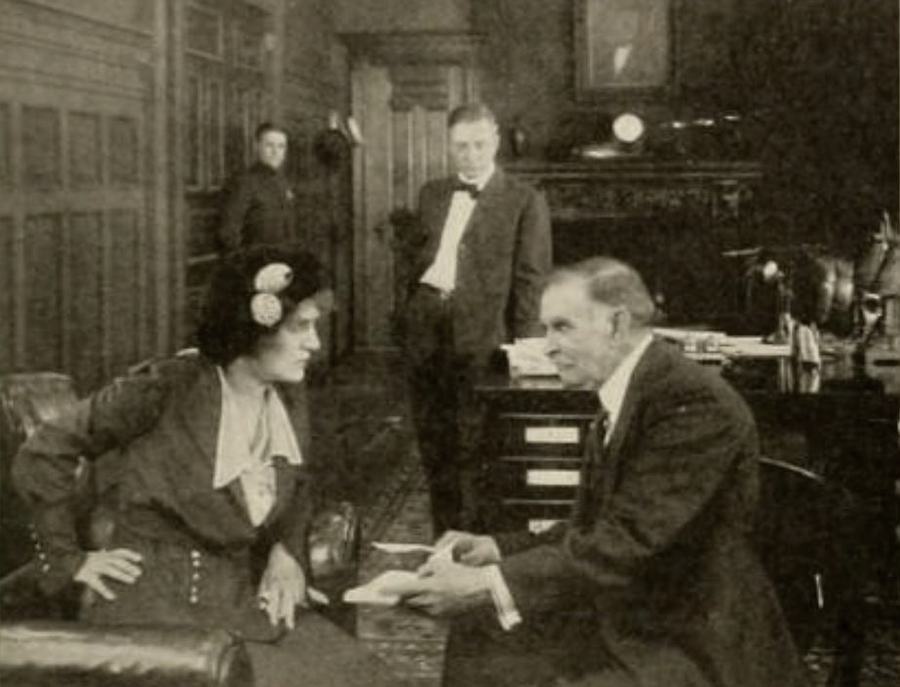
The disgrace and suicide of her father drives Eleanore Marston from her comfortable existence into a life as a department store clerk in New York. There she meets wealthy Powers Fiske, who offers her a life of luxury if she will consent to an operation on her brain which would deprive her of her memory. Eleanore agrees, and after the operation, Fiske is horrified to learn he has robbed her of her individuality and that she has become cruel, selfish and remorseless. Dr. Trow, a friend of Fiske, hypnotizes Eleanore to learn of her previous incarnations. Eleanore first remembers herself as a heartless Viking woman, then progresses to a Borgian princess, ending as a woman persecuted as a witch in Salem. Continuing to exercise his power over her, Trow draws Eleanore to the edge of a cliff. They are followed by Henry Johnson, one of Eleanore's compatriots from the department store, who traced the girl to Fiske's house. At Eleanore's plea for help, Johnson leaps upon Trow and the two plunge to their death over the cliff. Fiske arrives just in time to lead Eleanore back to the house. He appeals to a great scientist who restores her memory by means of a second operation, and Eleanore then becomes Fiske's bride.
View Details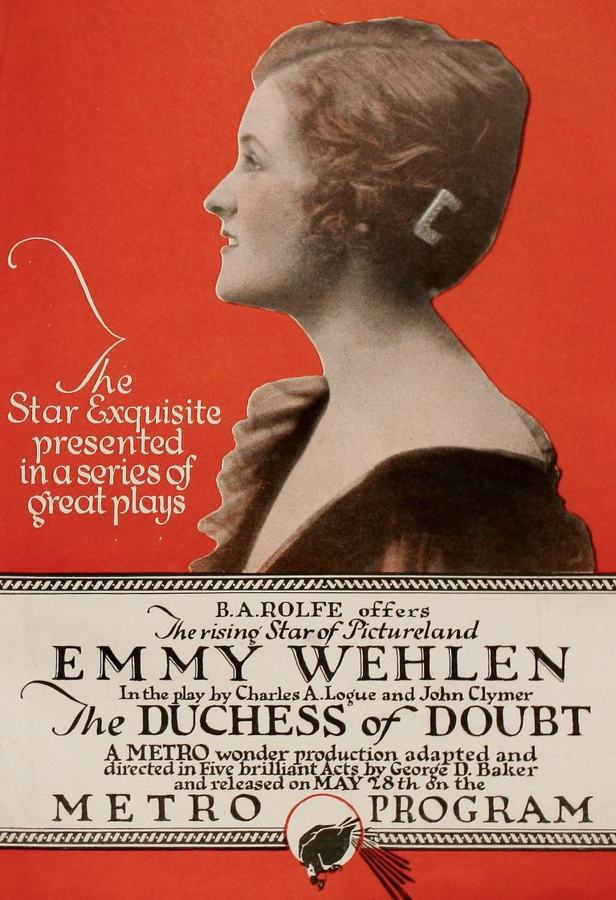
Dir: George D. Baker
Clover Ames's life consists only of the drudge work that she performs at her Aunt Sarah's boardinghouse. No longer able to withstand her aunt's abuse, Clover runs away and obtains a job as a maid to a wealthy woman. Willed $7,000 by Pierre Dubois, a boarder at her aunt's house, Clover, inspired by a novel that she has read, poses as a duchess at a fashionable winter resort. There she meets and falls in love with Walter Gray, who is also traveling incognito as a ribbon clerk. When Clover's money runs out, her trick is discovered and she vanishes. Obtaining employment in Gray's department store, Clover learns that her ribbon clerk is actually the owner's son, who rushes her to the wedding bureau.
View Details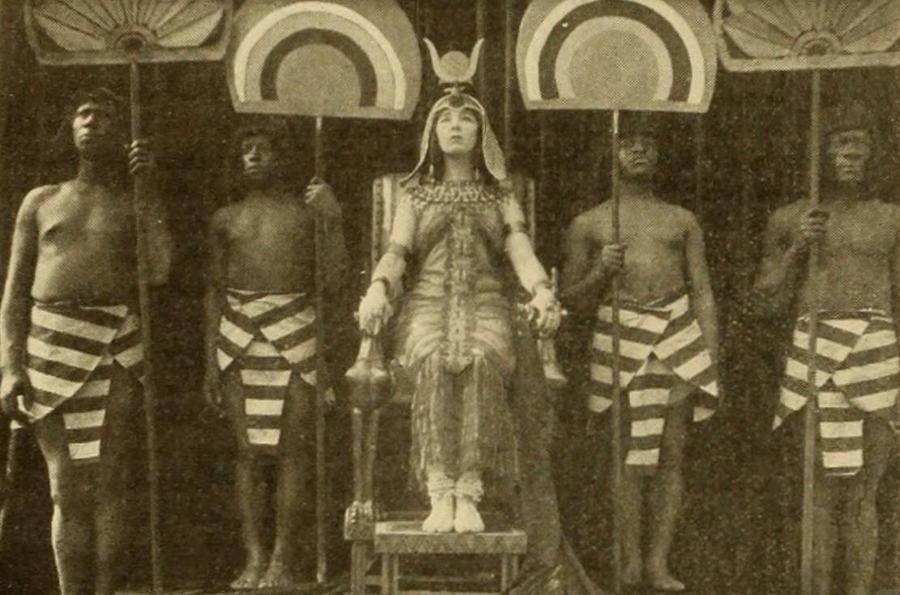
Dir: George D. Baker
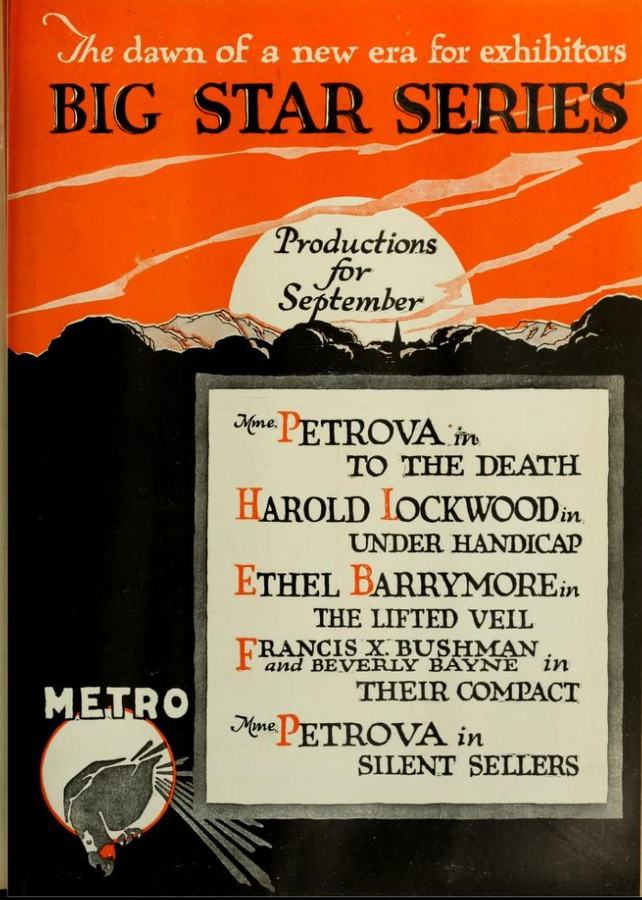
An imperious Egyptian princess awakens from a 3000-year trance and wreaks comic havoc in the modern world, but it all turns out to be the dream of a young man, inspired by a mummy left in his care overnight.
View Details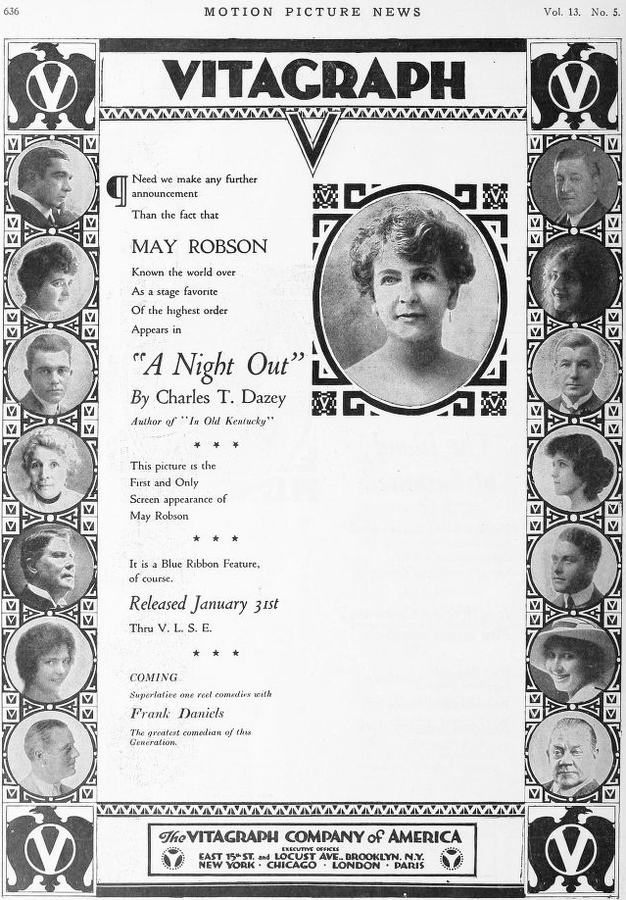
Dir: George D. Baker
A grandmother has an adventure for the first time in her life when she decides to have a night out.
View Details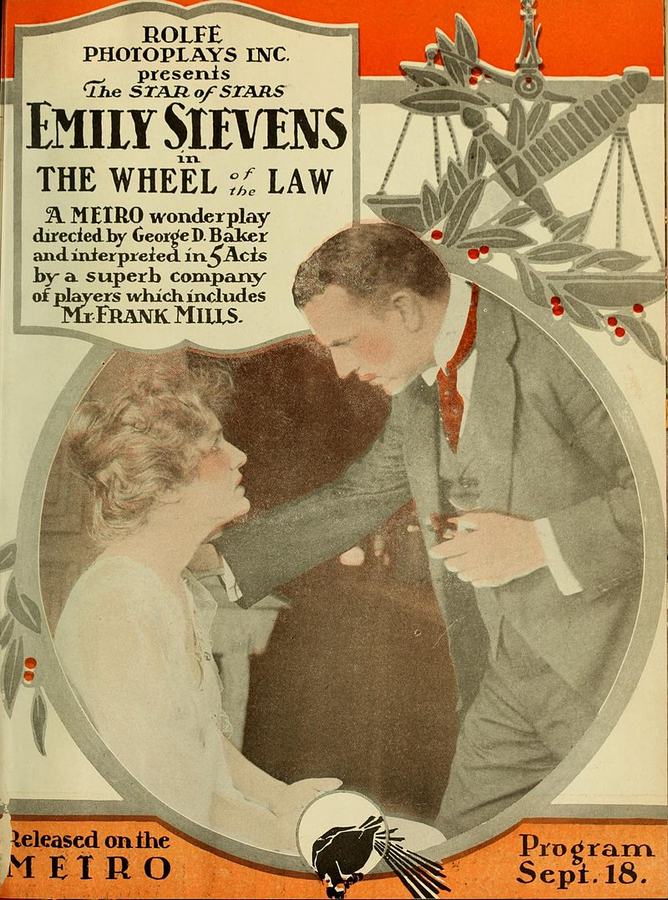
Dir: George D. Baker
Young attorney John Norton is in love with Broadway star Mona Mainard. Mona's young brother Tommy has served a term in Sing Sing. When he is released, he comes at once to his sister and tells her he is going away to begin life anew. She urges him to remain, but he refuses, and she gives him money for his railroad fare. He knows of her love for Norton, who has now been made assistant district attorney, in recognition of his ability, and does not want to stand in her way. Mona leaves the stage and marries Norton. Boss politician Ryan is in love with adventuress Pearl Le Claire. He has installed her in a handsome apartment in the Arcadia, the leading hotel, where he guards her jealously. Norton wins case after case. Mona realizes that less-clever lawyers are no match for him, and knows that based on circumstantial evidence, he secures many convictions of innocent persons. District attorney Daniels becomes ill and Norton succeeds to his position. He convicts on circumstantial evidence an old man who obviously could not have committed the crime and is not guilty. As sentence is pronounced, the old man dies on the witness stand. Mona, in the gallery, is amazed at the injustice of it, and writes to a newspaper a scathing denunciation of the case under an assumed name. The breach widens between husband and wife. Mona pleads with Norton to change his tactics, but he knows that his record has made him a favorite with the public, and that he is in line for the governorship of the state. Tommy has secured work as bell-boy in the Arcadia Hotel. In a jealous rage Ryan kills Pearl Le Claire, but the evidence points directly to Tommy. The boy gives the name of John Smith, not wishing to bring disgrace upon his sister, and is taken to the Tombs. Mona sees his picture in the newspaper. She rushes to him. He insists that he did not commit the murder, and convinces her of his innocence. She goes to her husband and begs him to give up this case, but he tells her that Ryan will make him governor of the state if he wins it. She confesses that Tommy is her brother, but even that does not influence him. Norton has a laboratory adjacent to his library. where he experiments with poisons and chemicals in preparing for his cases. Among his bottles is one containing a harmless sedative. Mona changes the labels on some of the bottles. That night, while her husband is working with his stenographer in the library, Mona feigns hysteria. Norton rushes to the laboratory, snatches up the bottle which he supposes contains the sedative, and gives her some of the contents. Mona now simulates an agony of pain. Servants and policemen rush in, and she accuses her husband of having poisoned her. He swears that he did not, but all the evidence is against him. Circumstantial evidence proves that he has attempted to kill her. He begs her to forgive his hard-heartedness; he promises to do anything in the world for her if she will only live. Obtaining his promise not to prosecute her brother, Mona sits up, smiles, and makes him admit that circumstantial evidence may be wrong; also, that she is the best little actress in the world. Tommy is released, and as Ryan confesses, the real culprit is brought to justice without the aid of circumstantial evidence.
View DetailsAnalysis relative to I Can Explain
| Film Title | Atmosphere | Complexity | Similarity |
|---|---|---|---|
| The End of the Tour | Tense | Dense | 88% Match |
| Toys of Fate | Ethereal | Dense | 90% Match |
| The White Raven | Ethereal | High | 88% Match |
| The Wager | Gothic | Layered | 94% Match |
| The Lifted Veil | Gothic | Linear | 95% Match |
This guide was algorithmically generated using the cinematic metadata of George D. Baker's archive. Last updated: 6/26/2026.
Back to I Can Explain Details →