
DbcultAccessing Vault...
Recommendations
Senior Film Conservator
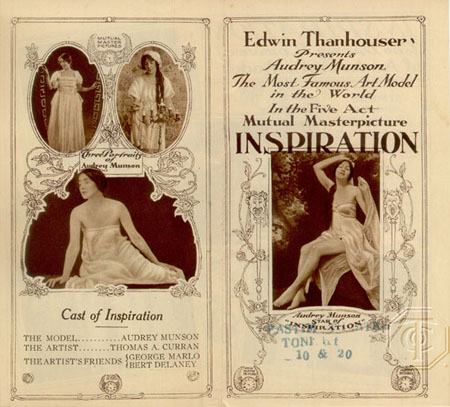
In the vast archive of cult cinema, Inspiration stands as a cinematic excellence beacon, the narrative complexity found here is a rare find in the 1915 landscape. From hidden underground hits to established classics, these are our top picks.
Few films from 1915 manage to capture to explore the darker corners of the human condition with cinematic excellence.
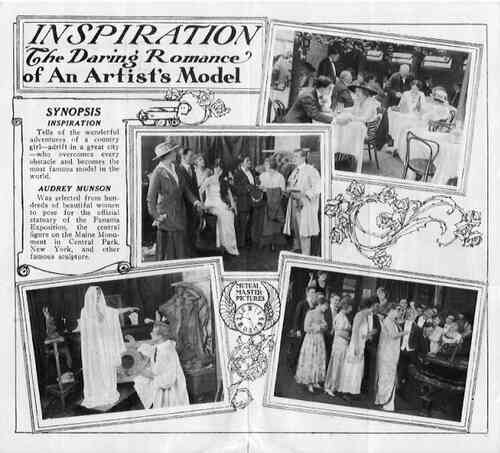
A young sculptor searches for the perfect model to inspire his work.
The influence of George Foster Platt in Inspiration can be felt in the way modern cult films handle cinematic excellence. From the specific lighting choices to the pacing, this 1915 release set a high bar for atmospheric immersion.
Based on the unique cinematic excellence of Inspiration, our vault has identified these titles as the most compelling follow-up experiences for fans of cult cinema:
Dir: George Foster Platt
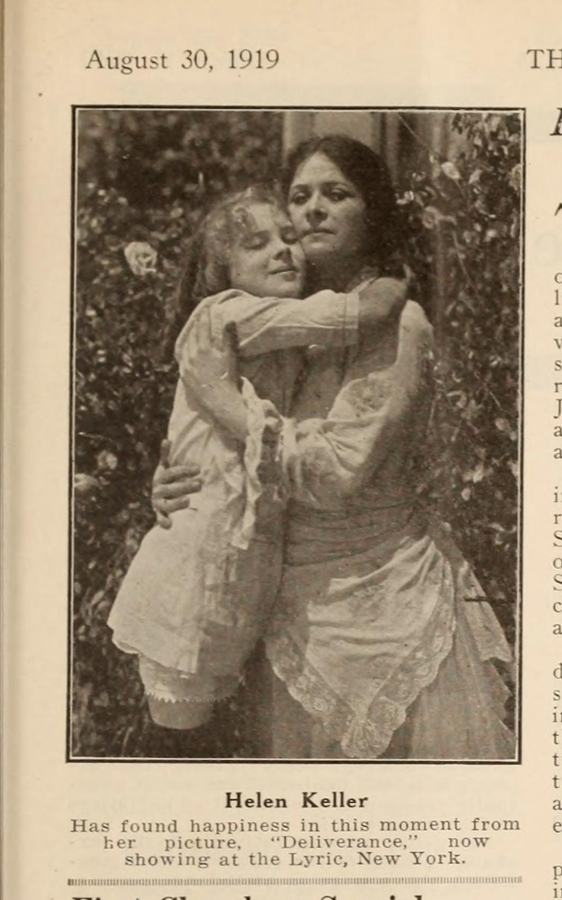
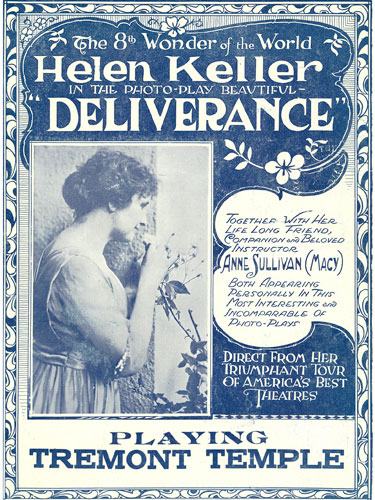
The story of Helen Keller and how she overcame her disabilities.
View Details
Dir: George Foster Platt
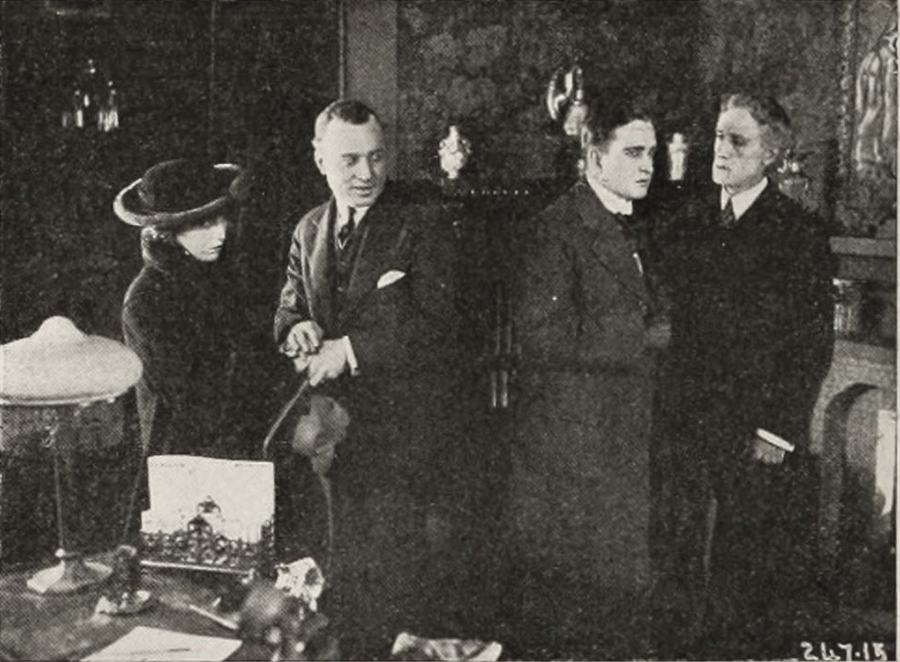
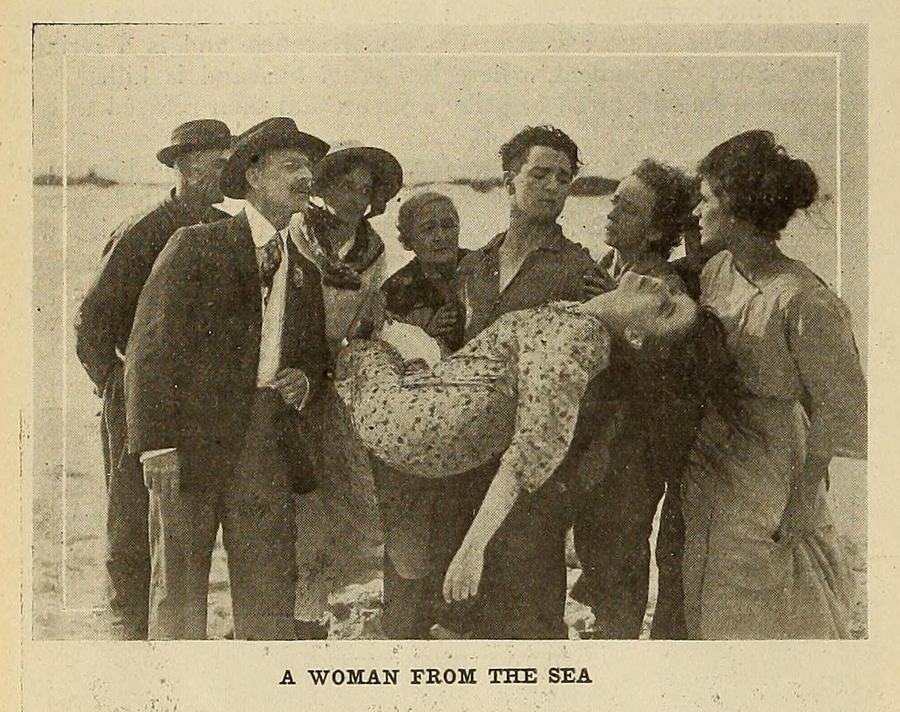
In the home of the stalwart young son and his mother, the girl rescued from the sea grows strong again after her fearful exposure. Her attractiveness, so different from that of the fisher maidens, has a telling effect on the young man. He asks her, at length, to become his bride, and she accepts. But a few days before the wedding the affianced bride disappears, sailing away with a strange man from the city, who has suddenly appeared. Thinking that his sweetheart had deserted him for another, the fisherman is heartbroken for a time, but gradually the keen edge of his sorrow wears away, and he succumbs to the attractions of another girl, one who had recently come to the village with her father, and who had lived together and alone at the end of the town. In reality, the runaway girl had been a thief. In trying to escape with a large amount of money which she had taken from the store in which she was employed, she had sailed on a boat which was wrecked. She was the only surviving passenger. The stranger, for whom she left her stalwart fisherman lover, was a detective, who had hit upon her trail. She bribed him with the money which she had saved, and he did not turn her over to the authorities. The detective, learning that the young fisherman would someday inherit a vast fortune, insisted that the girl return and persuade the youth to marry her. Between them they would secure possession of his money. The girl returns to the village, and tells her former lover that it was her brother with whom she had left, that they had hurried away to the deathbed of her dying father. While she talks, the fisherman's real sweetheart and her father surprise the detective in the doorway. At first he stammers in embarrassment. Then he looks searchingly into the face of the older man, and claps a handcuff on his wrists. The father, it seems, is a fugitive from justice. Seeing a chance to accomplish his ends, the detective promises the daughter that if she will give up all claim to the fisher youth and allow him to marry his earlier love, her father will be set free. She sorrowfully agrees, and the youth, much against his wishes, consents to the sacrifice. But the wadding is again interfered with. As the bride, ready to start down the stairs looks over the rail, she sees her former employer, the man from whom she had stolen a fortune, talking earnestly with the fisherman. Thinking that her secret has been divulged, she flees down a back stair, jumps into an automobile, and starts off, heading straight for the quicksands. The unhappy girl who had given up her own happiness for the sake of her father, tries to warn her of her danger, but, thinking it is a plot to stop her escape, she rushes ahead, and is swallowed in the treacherous sands. A letter from headquarters verifies the honesty of the unjustly accused father, and the girl and the fisherman wed and are happy ever after.
View Details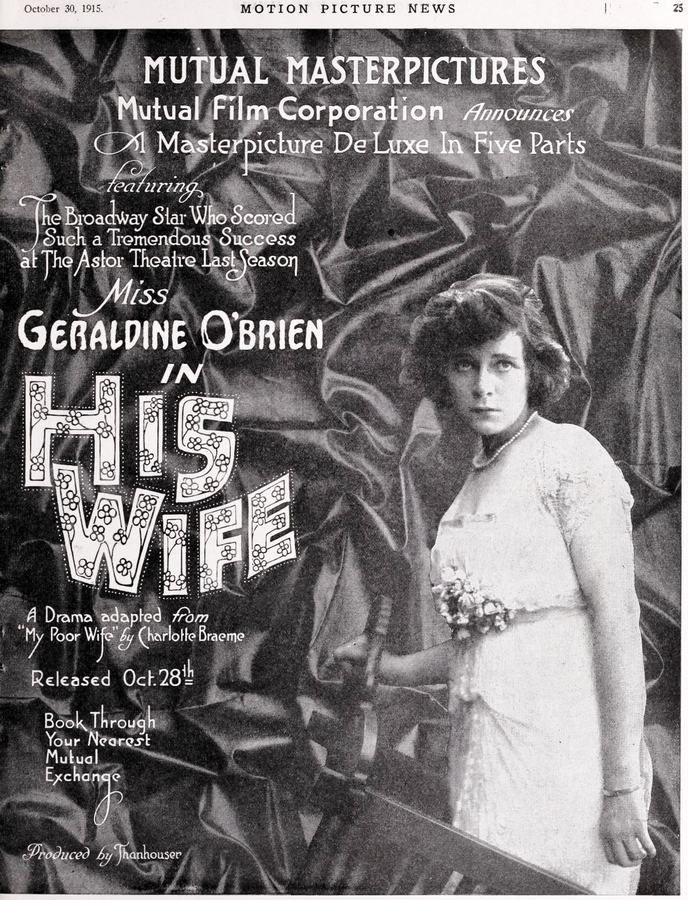
Dir: George Foster Platt
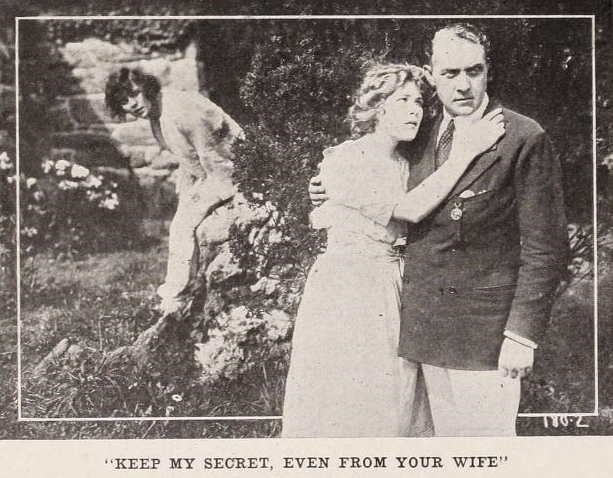
Henry Dennys, a wealthy Englishman, has two sons who are frequently brought into the company of Edith Danvers, whose father, a retired general, lives on the adjoining property. As the youths approach manhood each one unknown to the other is secretly in love with the girl. The elder son is sent to Sandhurst, from there enters the army as an officer and sees several years' service in India. Upon the death of his father he returns home to take charge of the estate and finds that his brother has fled to Australia. The younger man, it appears, has led a wild life and his evil deeds and extravagance force him to depart under an assumed name. Very soon after his return, the heir resumes his courtship of Edith, but she refuses him, telling him that although she has always liked him she cannot marry him. Heartbroken, he departs from his home. In a little fishing village, he meets a beautiful uneducated girl and is flattered by the respect she pays him. He finally determines to marry her and she consents. The wedding is held in the village church and as they drive away he is surprised when his bride bursts into tears. She sobbingly explains that no one has ever loved her, her grandmother, her only living relative, was glad to get rid of her, and that her husband simply married her out of pity. She then adds, "The only friend I had was little Jim, my dog, and I have left him behind." Hoping to comfort her the husband leans out of the window of the carriage to give orders to the driver to return, and is touched when he sees the little dog painfully trotting along beside the carriage hoping to keep up with them. The animal is restored to his mistress. After a happy honeymoon the couple return to their beautiful home, and slowly sorrow comes into the wife's life. It is all due to Edith, and the worst of it is that the husband does not notice it. Edith is so hopeful, so ready to assist the heir's poor wife, that his heart is filled with gratitude to her. The wife is convinced that her husband's love is slipping from her. Edith and the husband have some secret they are keeping from the wife and the wife frequently surprises them in mysterious conferences. She does not know that the husband is protecting Edith from the consequences of her own folly. Edith has been secretly married to the younger brother and knew she would be disinherited if her father ever learned the truth. Edith's husband unexpectedly returns from Australia and refuses to depart without seeing his wife. He first calls secretly upon his brother and when he slips out of the house to meet Edith, the heir's bride witnesses the meeting and believes it is her own husband, who is showering kisses upon the woman she regards as her rival. The wife at first determines to take her husband's life, but her courage fails her at the last moment, and she dashes from his hand a glass containing poisoned wine. Her husband does not realize the cause of her action and fears she is going insane. This belief is strengthened the following day when it is found she has disappeared. On the banks of a body of water near her home some personal possessions of hers are found, also her little dog Jim, and the belief is that she has committed suicide by leaping into the water. The husband mourns her as dead, and erects a headstone to her memory in the village graveyard. The woman still lives, however. She did not drown, but wandered from her home. She finally is given refuge in an asylum conducted by a religious order. While convalescing she was reading an old newspaper and came upon an account of the wedding of her fair rival and the son of Henry Dennys, the former owner of Colworth. She believed the item referred to her husband and fell in a faint before completing the article which identified the bridegroom as the younger son of whose existence she never knew. Convinced that life held no further joy for her the wife determined to join the religious order and become a lay sister, the fact that she had been married preventing her from taking the final vows. A number of years later the lay sister and an elderly sister are on their way to New Zealand. They change trains at the junction town in which the Colworth estate is located. There the wife again meets her rival, now apparently a happy, contented woman with her two children. Overcome by emotion the lay sister staggers out of the station and finally enters the village graveyard. There her attention is attracted to a man lying on a grave. Believing him to be injured she hurries to him. It is her husband and the grave over which he is weeping is surmounted by a headstone bearing the wife's name. The wife finds that her suspicions have all been groundless. The elder sister returns while they are conversing and rejoices. She tells the wife there is no reason why she should not return to her husband. She joins their hands and the sorrows of the wife are ended as her husband puts his arm about her.
View Details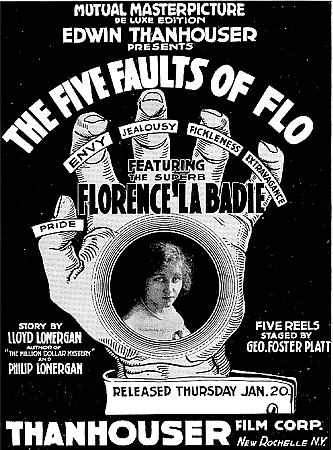
Dir: George Foster Platt
From girlhood through marriage, Flo outgrows five major faults: pride, envy, fickleness, extravagance, and jealousy. First, she gets rid of her excessive pride when the butcher's daughter almost dies after Flo rejects her from an exclusive school club. Then, Flo covets a friend's diamond, but when the jewel is stolen and Flo is falsely accused, her envy vanishes, even though she is cleared of the charge. After her engagement, a brief flirtation almost leads to a fatal car accident that cures Flo of fickleness. Then, when Flo's extravagance comes close to ruining her father, she comes to understand that she must be careful with money. Finally, when Flo realizes that she has mistaken her husband's kindness for an affair with another woman, she loses her jealous streak, and a now-faultless Flo can settle down to a happy married life.
View DetailsAnalysis relative to Inspiration
| Film Title | Atmosphere | Complexity | Similarity |
|---|---|---|---|
| Deliverance | Tense | High | 88% Match |
| The Net | Gothic | Linear | 97% Match |
| His Wife | Tense | Layered | 86% Match |
| The Five Faults of Flo | Tense | High | 96% Match |
This guide was algorithmically generated using the cinematic metadata of George Foster Platt's archive. Last updated: 6/20/2026.
Back to Inspiration Details →