
DbcultAccessing Vault...
Recommendations
Senior Film Conservator
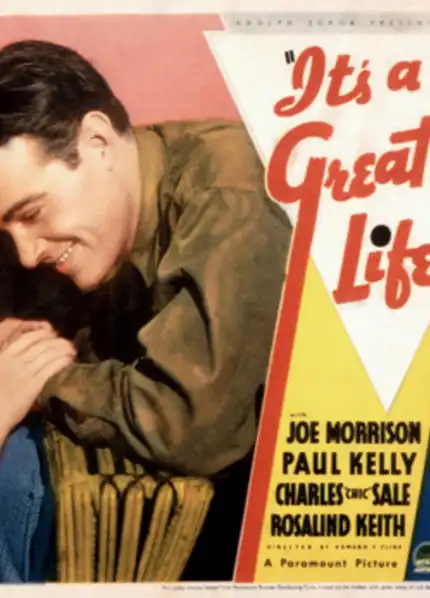
Ever since It's a Great Life hit screens in 1935, fans have sought that same thematic gravity, the search for similar titles reveals the deep impact of Edward F. Cline's direction. These recommendations provide a deep dive into the same stylistic territory occupied by It's a Great Life.
Whether it's the thematic gravity or the thematic depth, this film to capture the existential zeitgeist of 1935.
Desperate for work, Johnny Barclay leaves Ma and Grandpop to join the newly formed Civilian Conversation Corps. On the way he meets cynical young hobo Roscoe "Rockie" Johnson, and, although Rockie believes that hopping freight trains is a great life, Johnny convinces him to join the Corps. At first the hardship of the Corps induces Rockie to quit, but he returns with a recruit, Lazy Bones. Since Rockie has no family, Johnny induces him to send twenty-five dollars of his thirty-dollar paycheck to Johnny's neighbor, Mary Jennings, who has been raising her little brothers and sisters since her parents died. On a two-week vacation, Johnny brings Rockie home to meet the family, and Rockie is surprised to find Mary to be a beautiful and independent woman. Mary and Rockie fall in love, but when Johnny proposes marriage to Mary, she does not give a definite yes or no. Back at camp, Rockie throws himself into his work, but Johnny becomes jealous when he sees that Rockie is receiving letters from Mary and he is not, and accuses Rockie of stealing his girl. Mary comes for visitors' day, and Rockie avoids her to give Johnny time with her. Mary is mystified by Rockie's disappearance during the camp's informal stage show, during which she plays accompaniment to Johnny's song. When a forest fire erupts in the forest and entraps the trucks carrying the visitors home, Johnny grabs dynamite to explode the dam, so that their powder house will not be threatened by the fire, but Rockie knocks him out and does the job himself. Water from the broken dam extinguishes the fire, and Rockie recuperates in the hospital, and later, at Mary's house. After Rockie recovers, Johnny gladly acts as witness at Rockie and Mary's wedding, and then happily returns to the Corps.
The influence of Edward F. Cline in It's a Great Life can be felt in the way modern Romance films handle thematic gravity. From the specific lighting choices to the pacing, this 1935 release set a high bar for atmospheric immersion.
Based on the unique thematic gravity of It's a Great Life, our vault has identified these titles as the most compelling follow-up experiences for fans of Romance cinema:
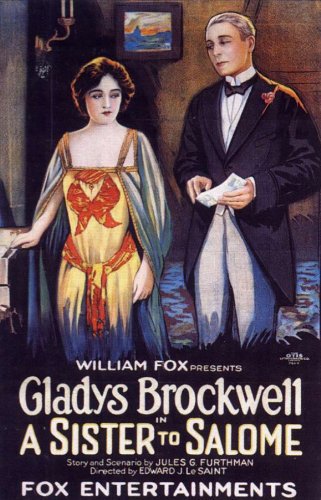
Dir: Edward LeSaint
When famous opera singer Elinore Duane undergoes an operation on her throat, she has a series of ether-induced visions. In one, she is transported to ancient Rome where she appears as a much-admired woman in love with Paul, a young heretic, and at odds with Lutor, the high priest. To save her love, she poisons Lutor with her ring. After several other visions which involve variations on this love triangle, Elinore awakens to discover that Lutor is actually her doctor, Sascha Jaccard, and that Paul is the son of a friend who has come to visit the recovering prima donna.
View Details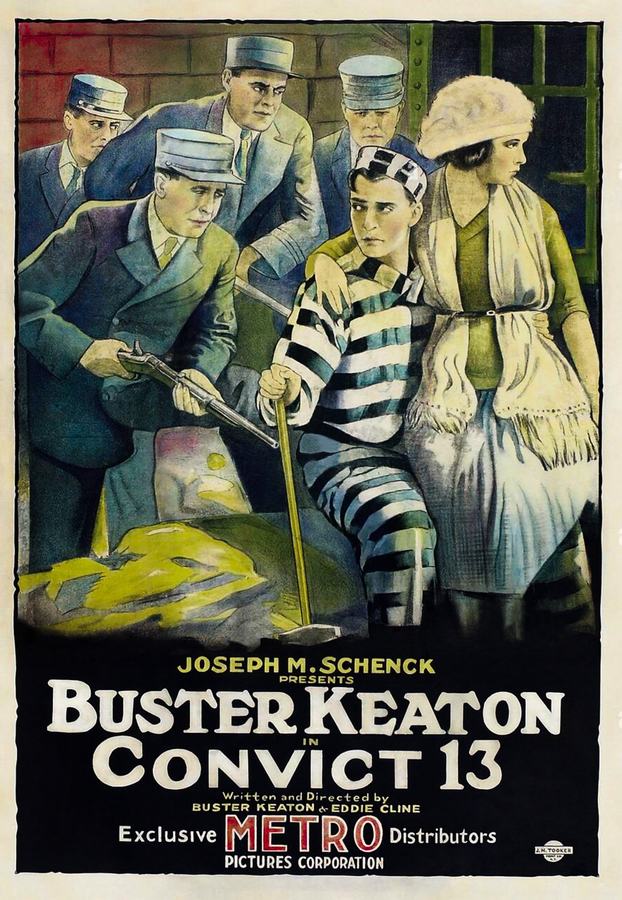
Dir: Edward F. Cline
A young golfer is mugged by an escaped convict and finds himself in a prison where he foils a jailbreak.
View Details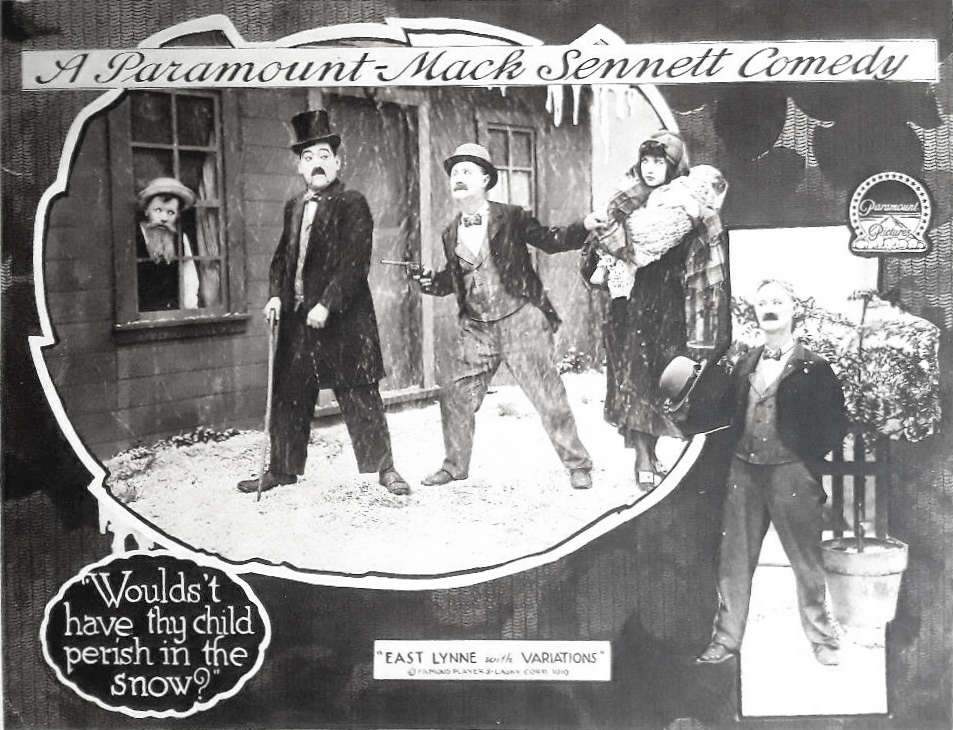
Dir: Edward F. Cline
It's all there - the deserted mother with her child in her arms, followed all around by a fiendish wicked snow storm, the heroine lashed to the rails by the scoundrelly villain, the young woman fastened to the buzz saw of a lumber mill and about to be reduced to mincemeat. And hist. The wicked villain with a mustache and cigarette - the noble hero and the persecuted heroine. There are two drunks sitting in one of the boxes of the theater, who get so excited that they insist upon helping out the action of the melodrama. In the middle of the play, the head scene shifter gets jealous of his wife, who is the leading woman of the show, and drags her from the stage. Nothing, if not resourceful, Ben rushes down into the audience and kidnaps a beautiful young woman to play the leading woman's role. Then comes a startling climax, when the snow storm is shut down by a queer accident. And an equally tragic catastrophe jazzes up the ocean when a storm and a submarine play at cross purposes.
View Details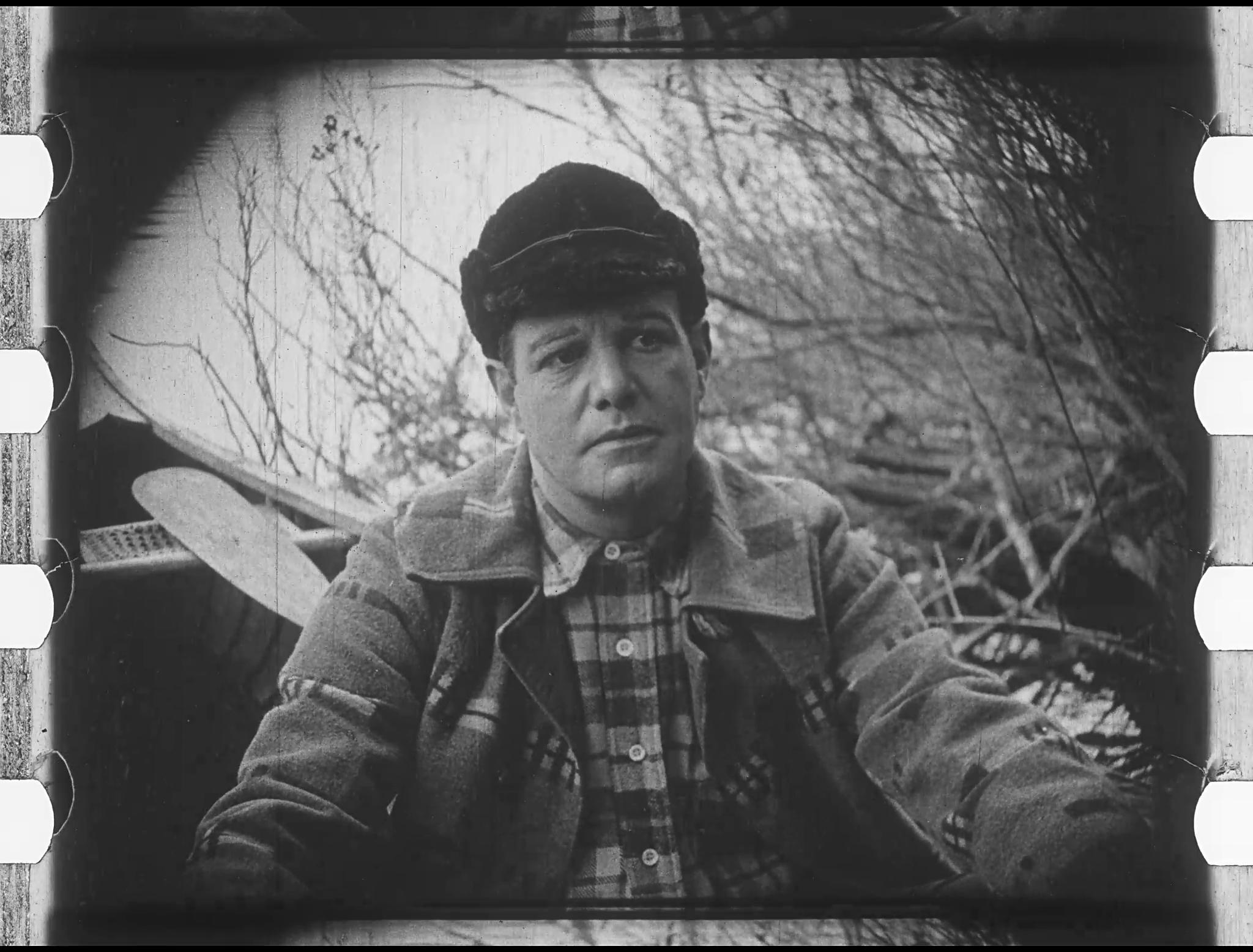
Dir: Edgar Jones
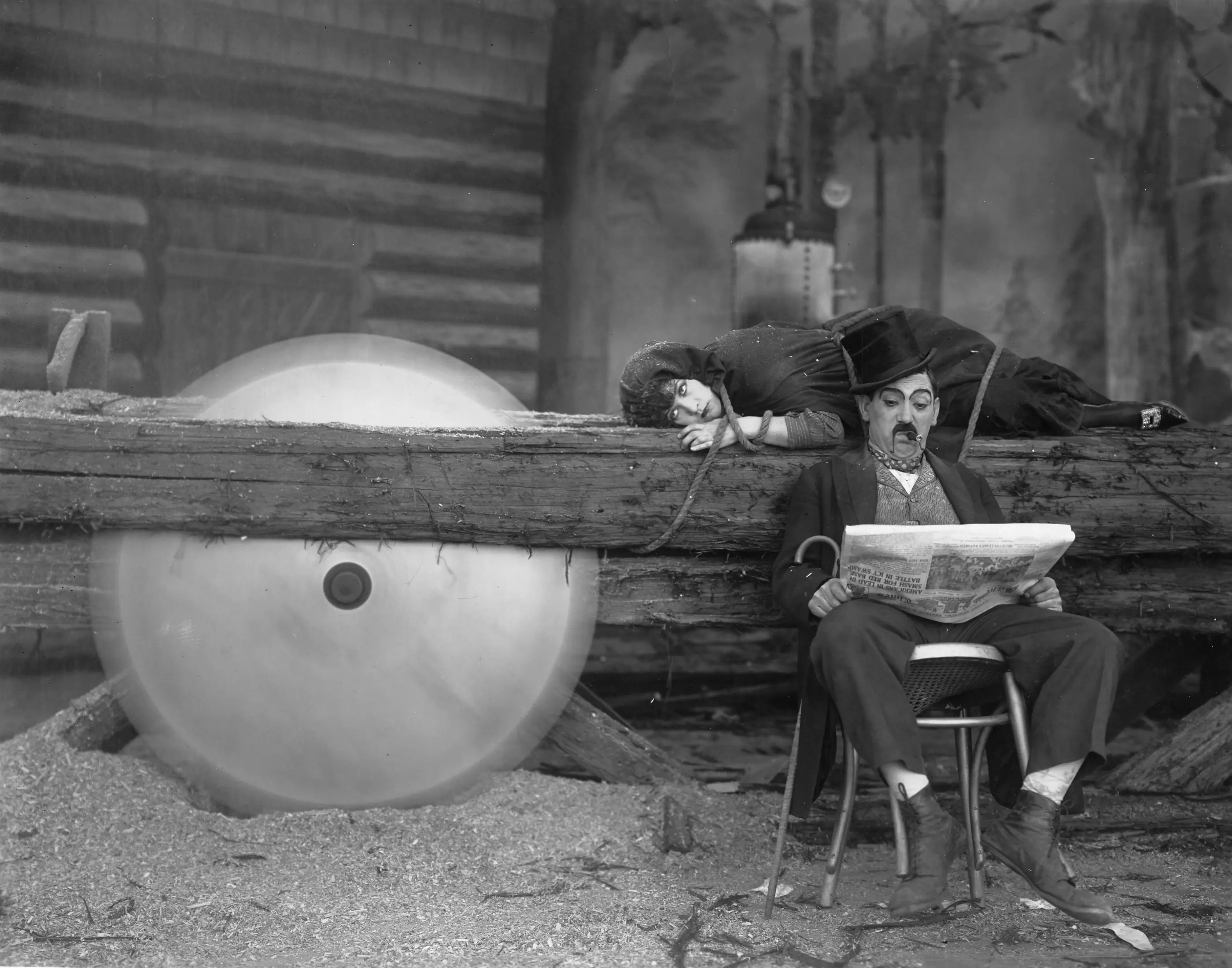
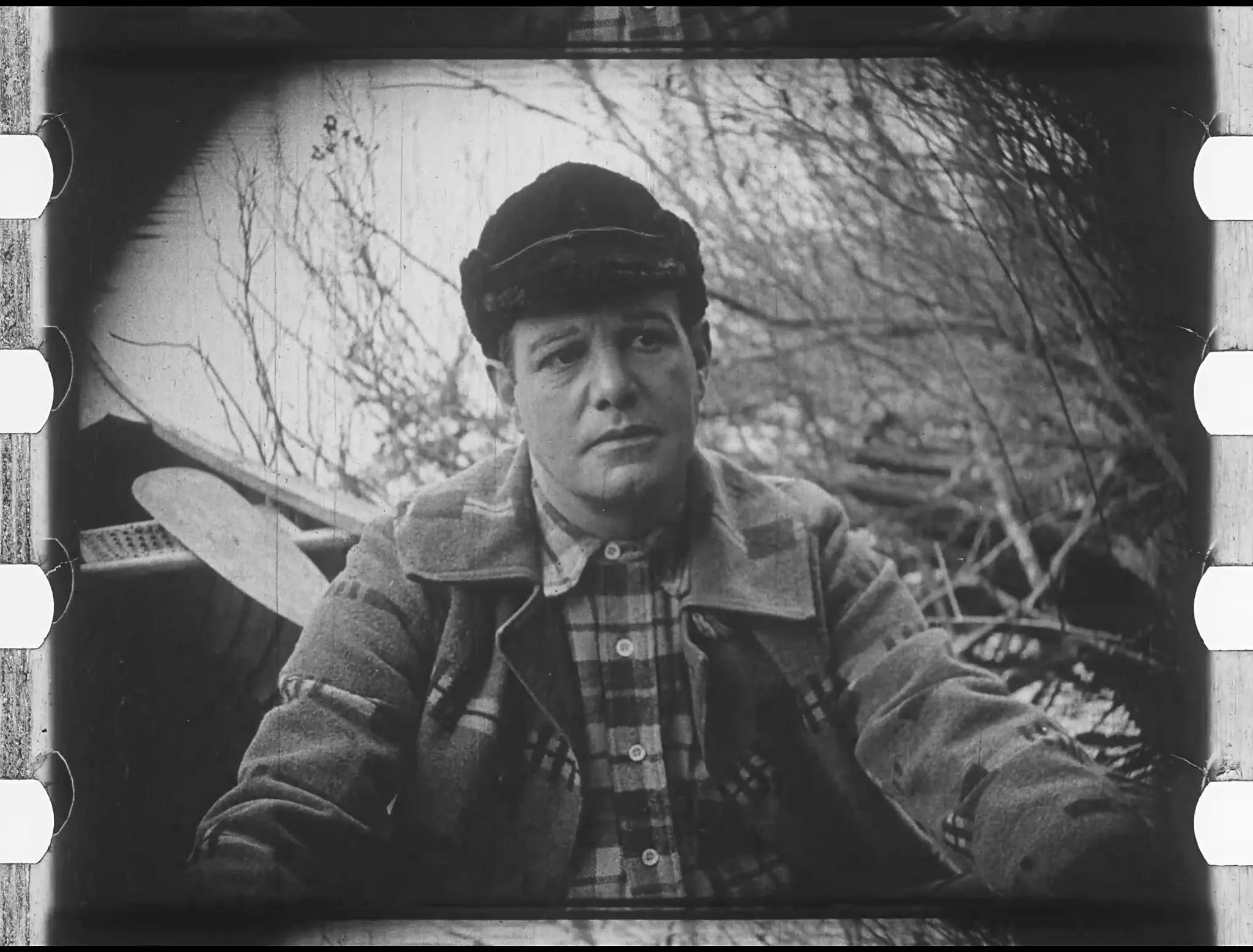
A mail-order bride arrives at a Maine lumber camp but doesn't like her prospective husband.
View Details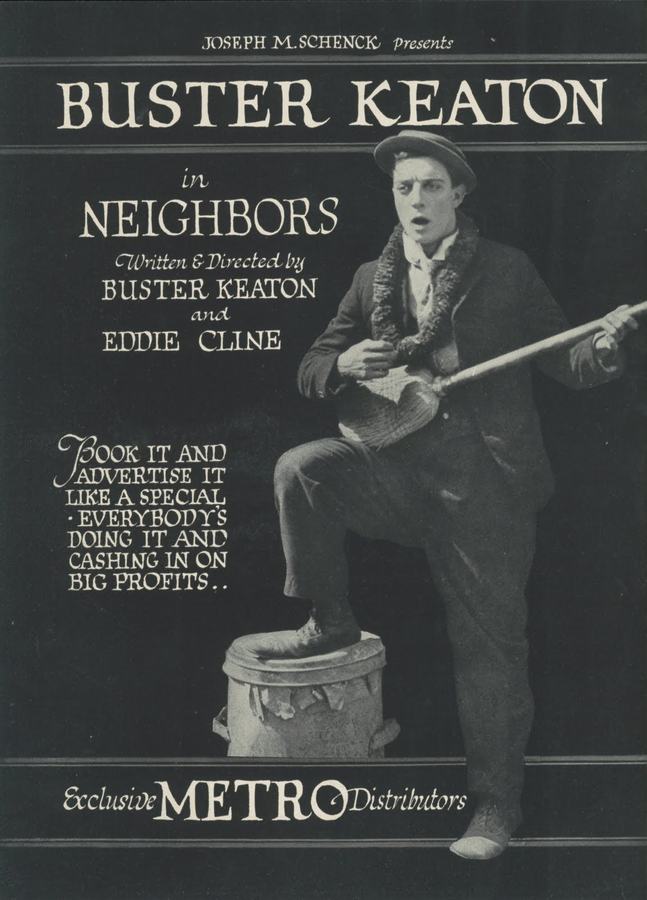
Dir: Edward F. Cline
A young couple who live next to each other in tenement apartments do everything they can to be together despite of their feuding families.
View Details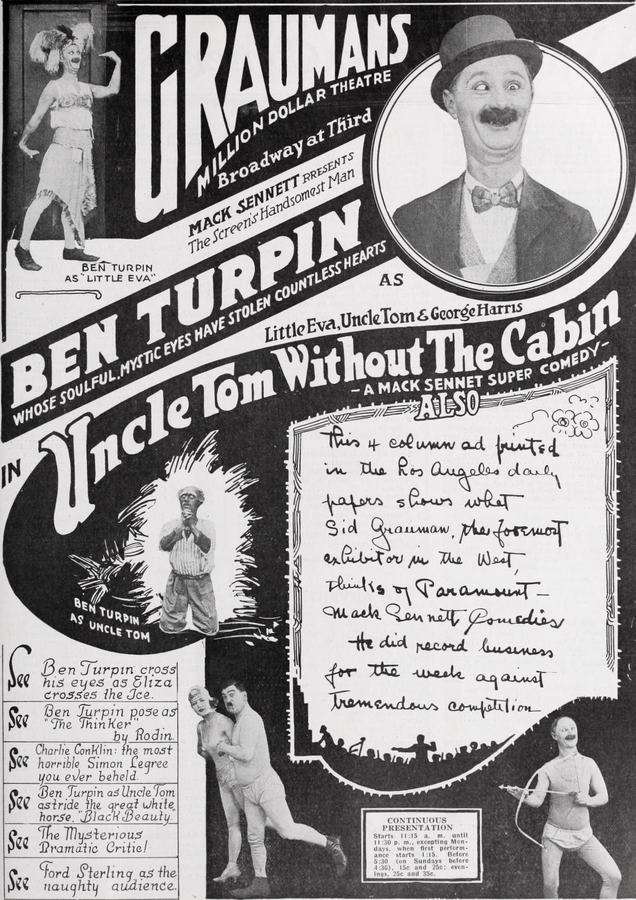
Dir: Edward F. Cline
A fascinating piece of cinema that shares thematic elements.
View Details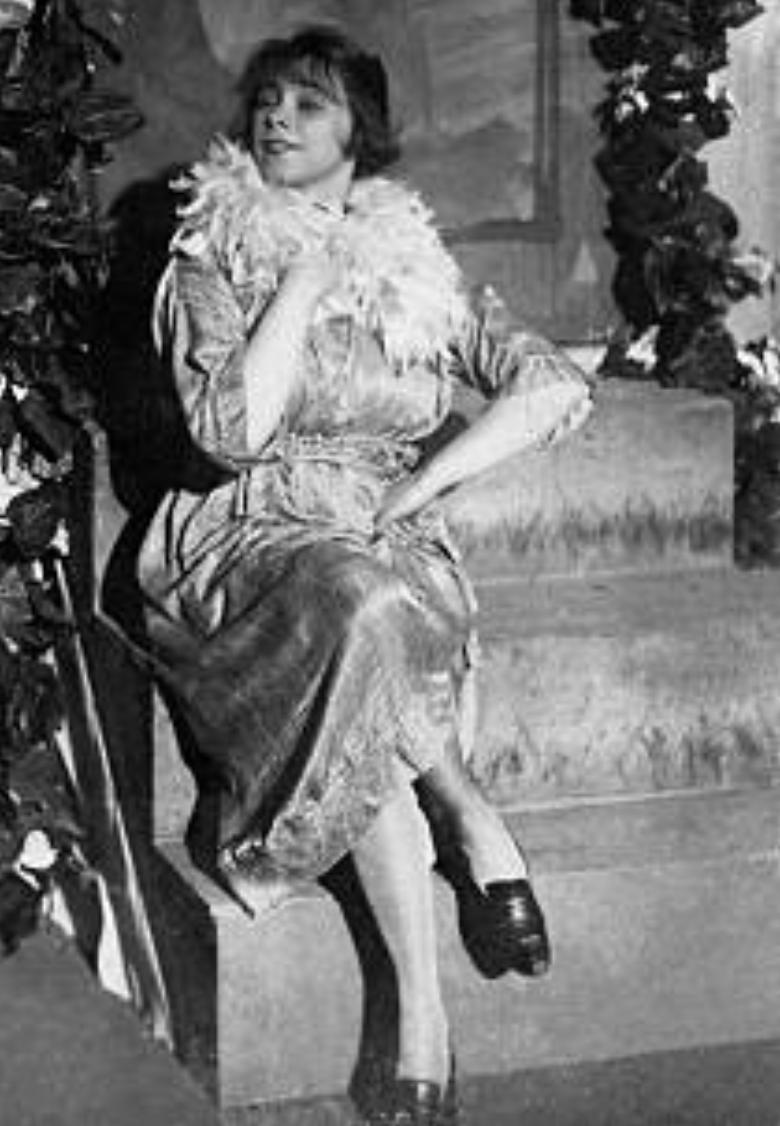
Dir: Bruno Ziener
A fascinating piece of cinema that shares thematic elements.
View Details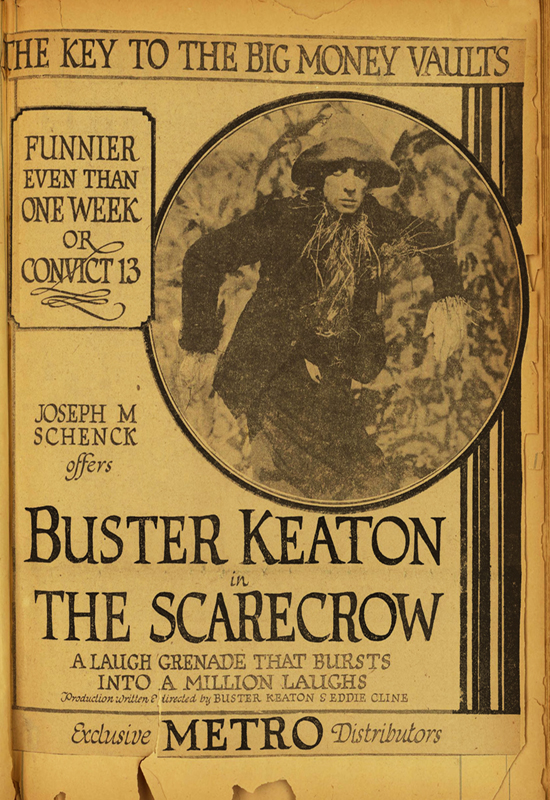
Dir: Edward F. Cline
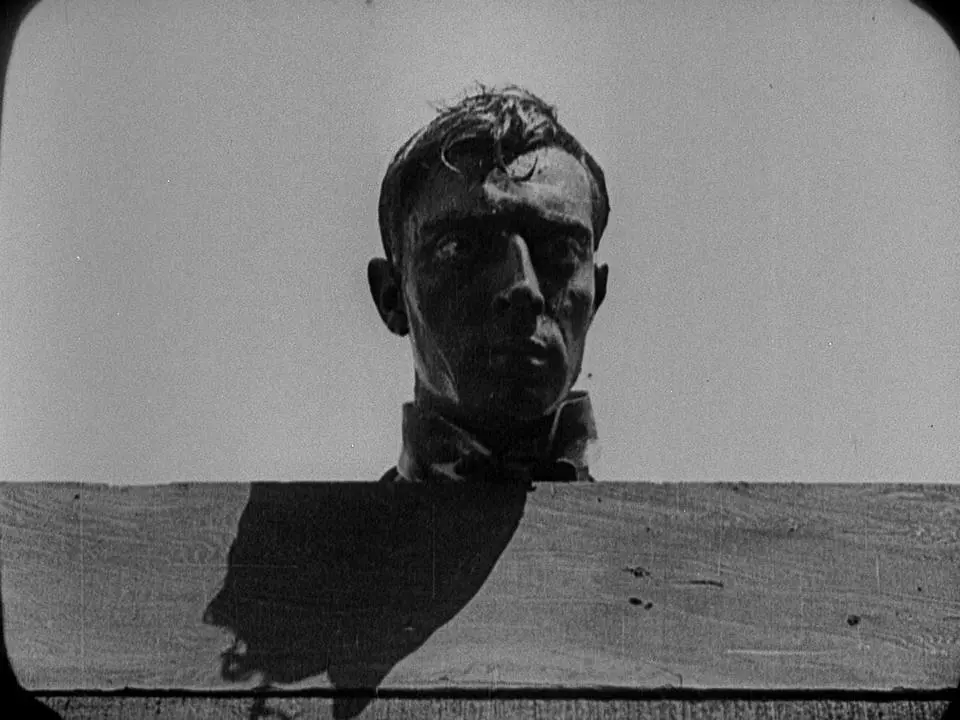
Two inventive farmhands compete for the hand of the same girl.
View Details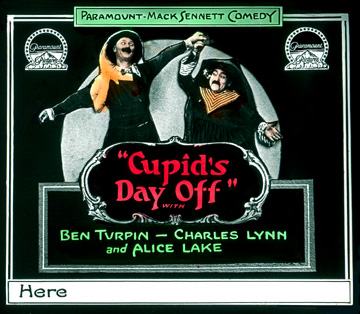
Dir: Edward F. Cline
Heretofore running a shoe store has been considered a quiet, respectable business, but Ben and his partner make the interior of their emporium of fashionable footwear look like the finish to a feature number at a smart cabaret. They also put new life and the joy of winning into a gambling joint, until they are discovered cheating. This so shocks the proprietor and his regular customers that they lose their faith in human nature and send for the police. And so the merry game is kept up.
View Details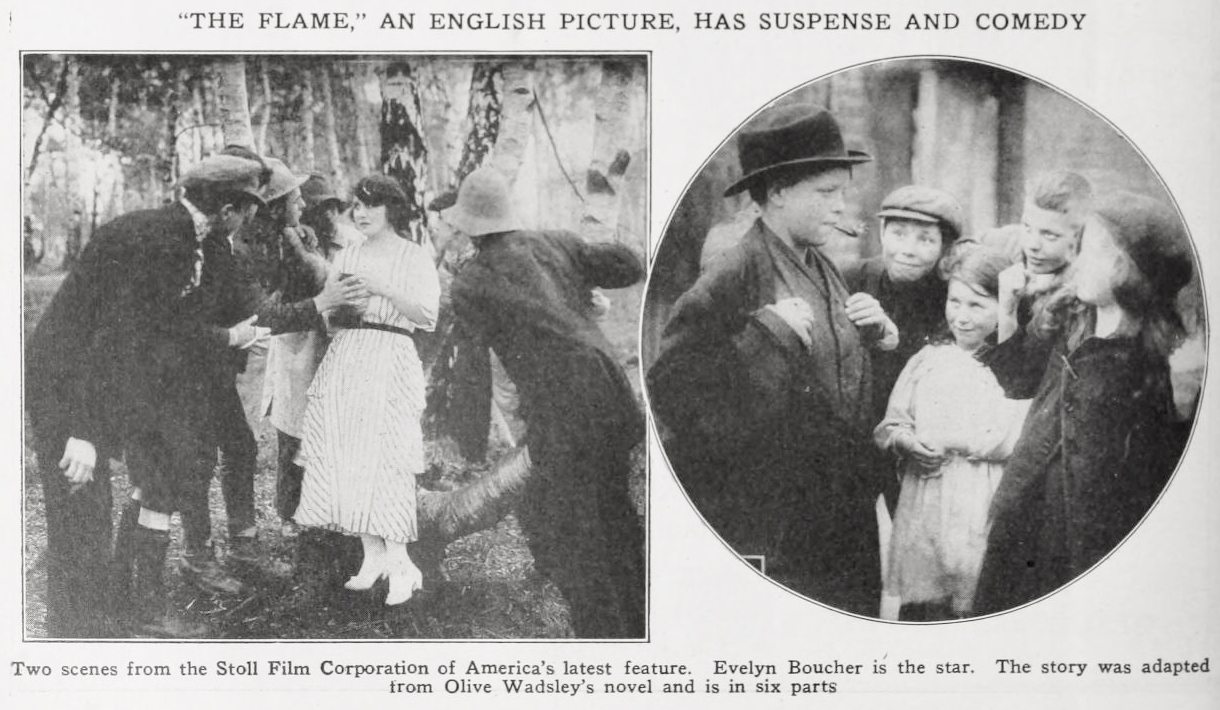
Dir: F. Martin Thornton
In Paris an orphan cartoonist loves a man with a mad wife, who dies in time to prevent her marriage to a jilted Comte.
View DetailsAnalysis relative to It's a Great Life
| Film Title | Atmosphere | Complexity | Similarity |
|---|---|---|---|
| A Sister to Salome | Gothic | High | 88% Match |
| Convict 13 | Tense | Linear | 91% Match |
| East Lynne with Variations | Tense | High | 92% Match |
| In the River | Gritty | High | 92% Match |
| Neighbors | Surreal | Layered | 97% Match |
This guide was algorithmically generated using the cinematic metadata of Edward F. Cline's archive. Last updated: 8/17/2026.
Back to It's a Great Life Details →