
DbcultAccessing Vault...
Recommendations
Senior Film Conservator
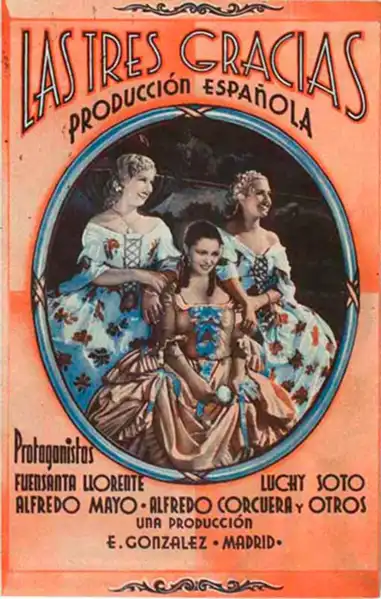
The cinematic DNA of Las tres gracias (1936) is truly one of a kind, the search for similar titles reveals the deep impact of José Leitão de Barros's direction. Our cinematic experts have identified several titles that reflect the spirit of 1936.
As a pivotal work in Spain cinema, Las tres gracias to capture the existential zeitgeist of 1936.
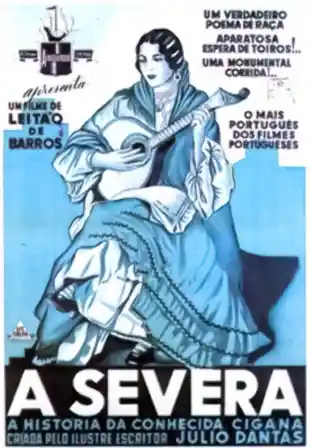
The influence of José Leitão de Barros in Las tres gracias can be felt in the way modern cult films handle artistic bravery. From the specific lighting choices to the pacing, this 1936 release set a high bar for atmospheric immersion.
Based on the unique artistic bravery of Las tres gracias, our vault has identified these titles as the most compelling follow-up experiences for fans of cult cinema:
Dir: José Leitão de Barros
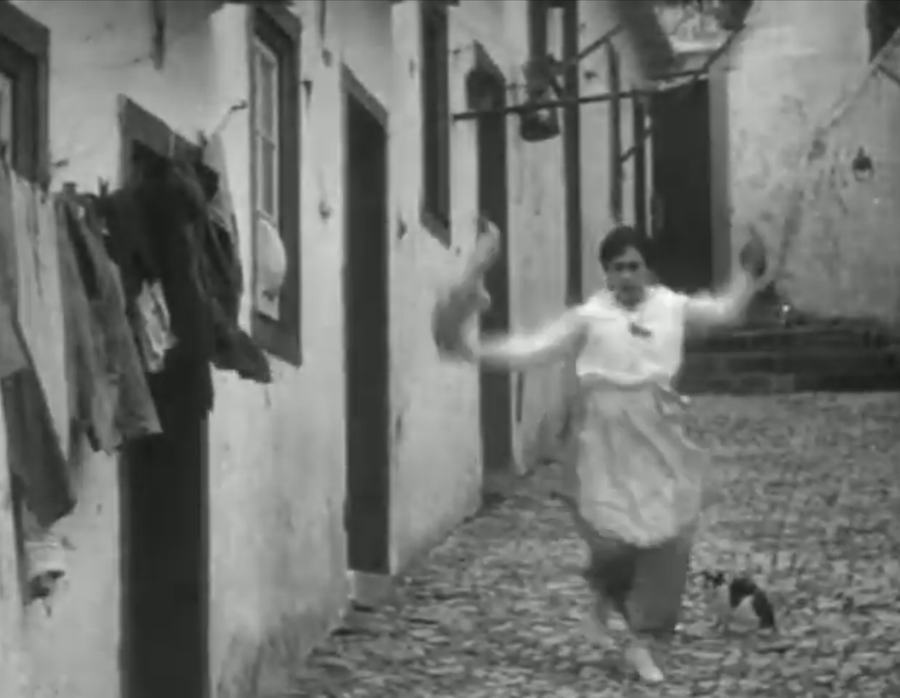
The (too brief) life, the (ardent) loves and the (too early) death of Maria Severa Onofirana (1820-1846), better known as "A Severa", a beautiful gypsy who, besides being a prostitute, sang in the taverns of the Mouraria area in Lisbon, and is said to have created the "Fado" style.
View Details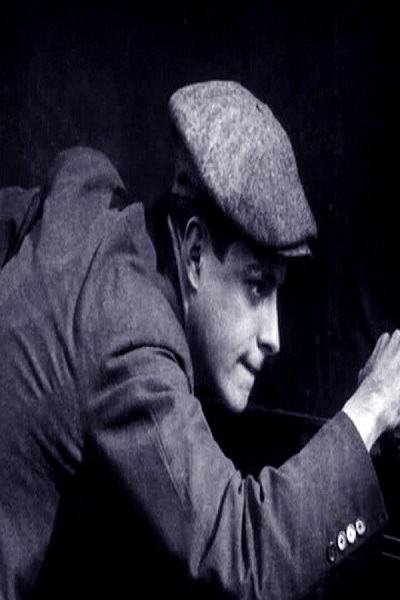
Dir: José Leitão de Barros
A gang of criminals is persecuted by two detectives who are discovering secret connections of the band with hidden organizations and German spying in World War I.
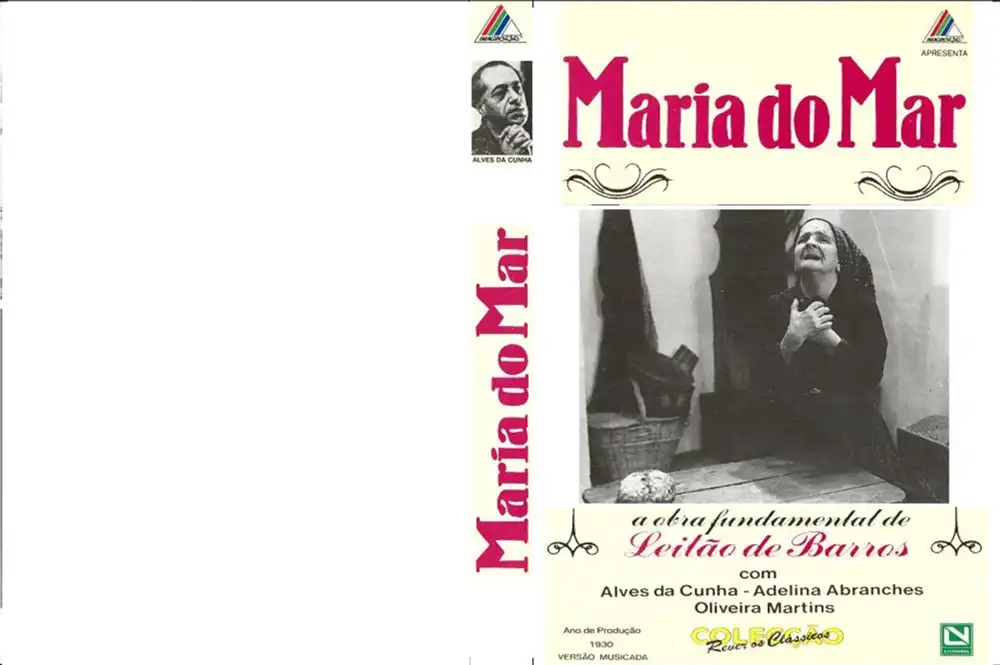
Dir: José Leitão de Barros
Falacha is the captain of a fishing boat of Nazaré who lost part of his men in a shipwreck. Among them was the husband of Aunt Aurélia, who holds Falacha responsible for this tragedy. A few years later, Maria, Falacha's daughter, falls in love with Manuel, Aurélia's son, which makes the two young people the new Romeo and Juliet. As for Falacha, he succumbs to social pressure and commits suicide...
View Details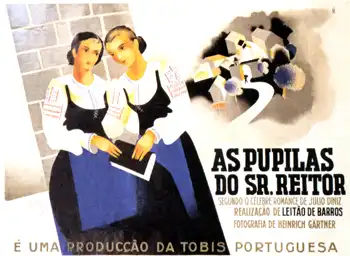
Dir: José Leitão de Barros
Adaptation of a novel by Júlio Dinis, depicting the romantic and rustic life in Portugal, circa 1863.
View Details
Dir: José Leitão de Barros
A fascinating piece of cinema that shares thematic elements.
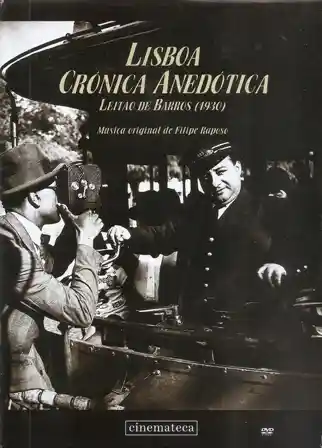
Dir: José Leitão de Barros
Caleidoscope of documentary-like scenes and re-enacted episodes of a day in the life of a large port town - Lisbon, from the old district around Saint George's Castle down to the docks and the 'Sagres' on the Tagus river, to the new commercial districts.
View DetailsAnalysis relative to Las tres gracias
| Film Title | Atmosphere | Complexity | Similarity |
|---|---|---|---|
| A Severa | Tense | Linear | 86% Match |
| O Homem dos Olhos Tortos | Gothic | Layered | 85% Match |
| Maria do Mar | Surreal | Dense | 93% Match |
| As Pupilas do Senhor Reitor | Gritty | Linear | 98% Match |
| Nazaré, Praia de Pescadores | Gritty | High | 97% Match |
This guide was algorithmically generated using the cinematic metadata of José Leitão de Barros's archive. Last updated: 6/23/2026.
Back to Las tres gracias Details →