
DbcultAccessing Vault...
Recommendations
Senior Film Conservator
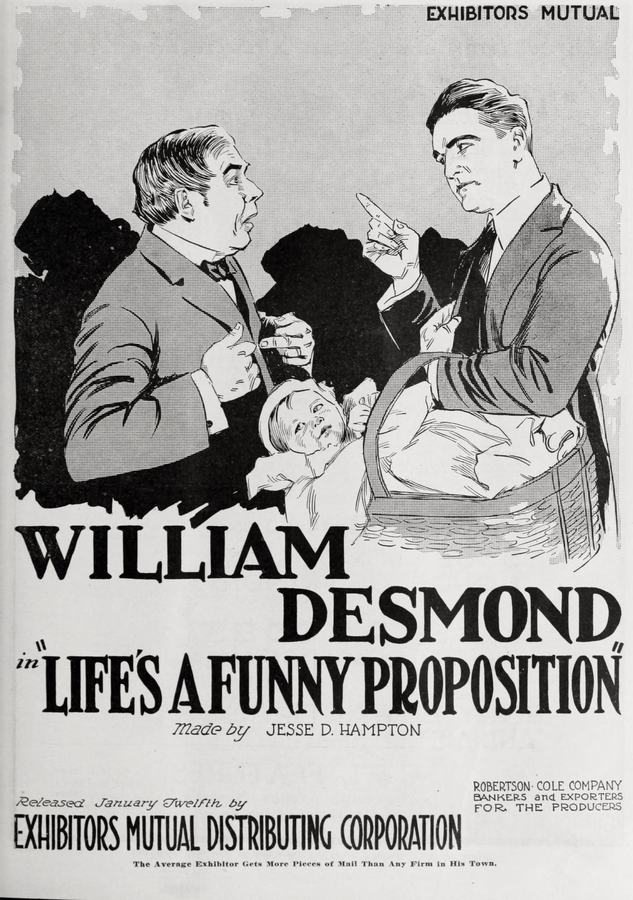
For cinephiles who admire the unique vision within Life's a Funny Proposition, the specific unique vision of this work is a gateway to a broader cult world. We've prioritized films that capture the 1919 aesthetic with similar precision.
At its core, Life's a Funny Proposition is a study in to create a dialogue between the viewer and the unique vision.
Young New York lawyer Jimmie Pendleton is shy around girls, but spends much time in escapades with his friend Herbert Austin, necessitating frequent wires to Jimmie's eccentric Uncle Tobias for money. After Jimmie becomes engaged to Herbert's sister Mary, Uncle Tobias arrives from Kansabraska with fat cousin Hepzibah and promises Jimmie $20,000 in Liberty bonds if he will marry her. Herbert, who is treasurer of the Belgian Babies War Relief organization, places a baby on Jimmie's doorstep as a practical joke. Herbert is subsequently involved in an auto accident and cannot leave the hospital for several days. Jimmie hides the baby in a cupboard and tries to conceal its cries from Mary and her mother. After Jimmie, believing that Herbert embezzled the relief group's funds, takes the Liberty bonds, and Hepzibah steals them from him and elopes with another man, Herbert escapes from the hospital, the bonds are recovered, Jimmie's reputation is reestablished, and his romance with Mary flourishes.
Life's a Funny Proposition was a significant production in United States, bringing a unique perspective to the global stage. It continues to be a top recommendation for anyone studying cult history.
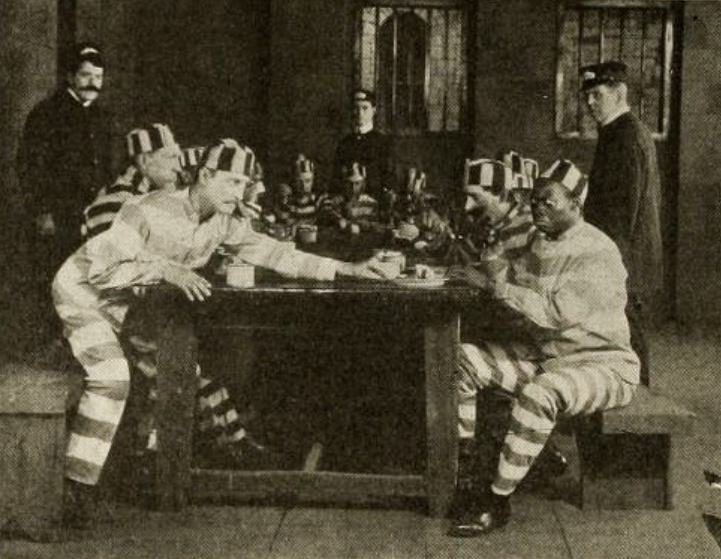
Based on the unique unique vision of Life's a Funny Proposition, our vault has identified these titles as the most compelling follow-up experiences for fans of cult cinema:
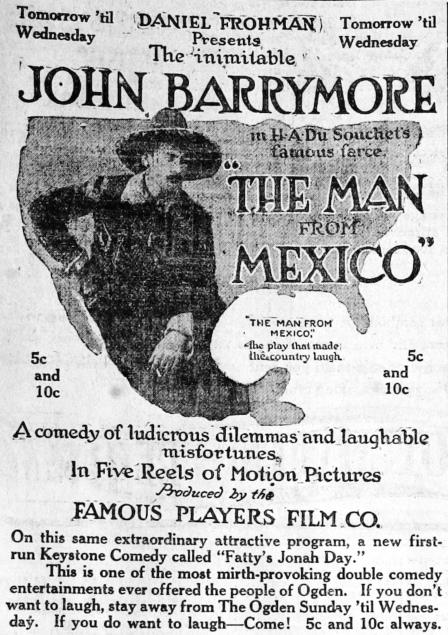
Dir: Thomas N. Heffron
A young man gets arrested after a drunken night. Sentenced to 30 days in jail, he tells his wife he has to go to Mexico for a month.
View Details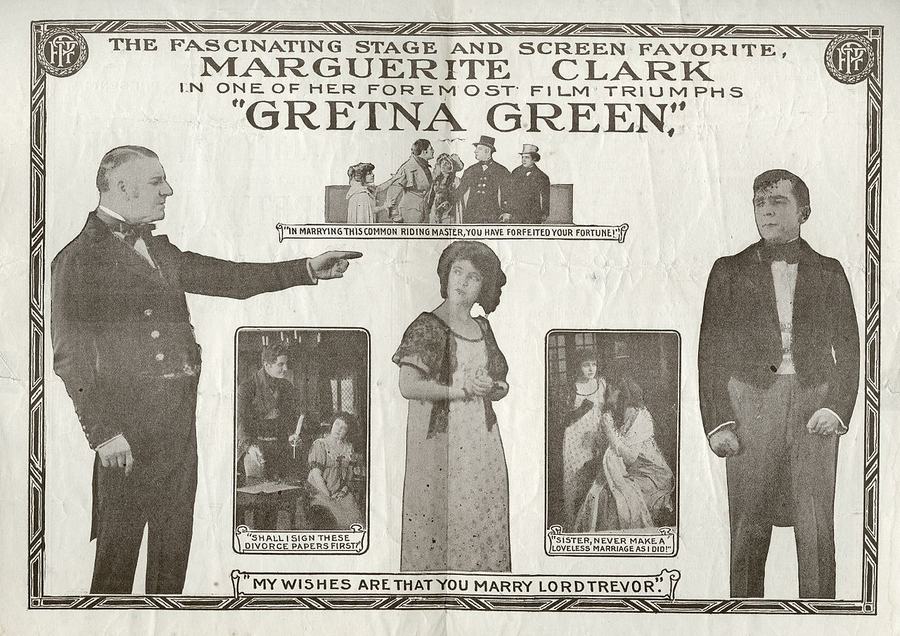
Dir: Thomas N. Heffron
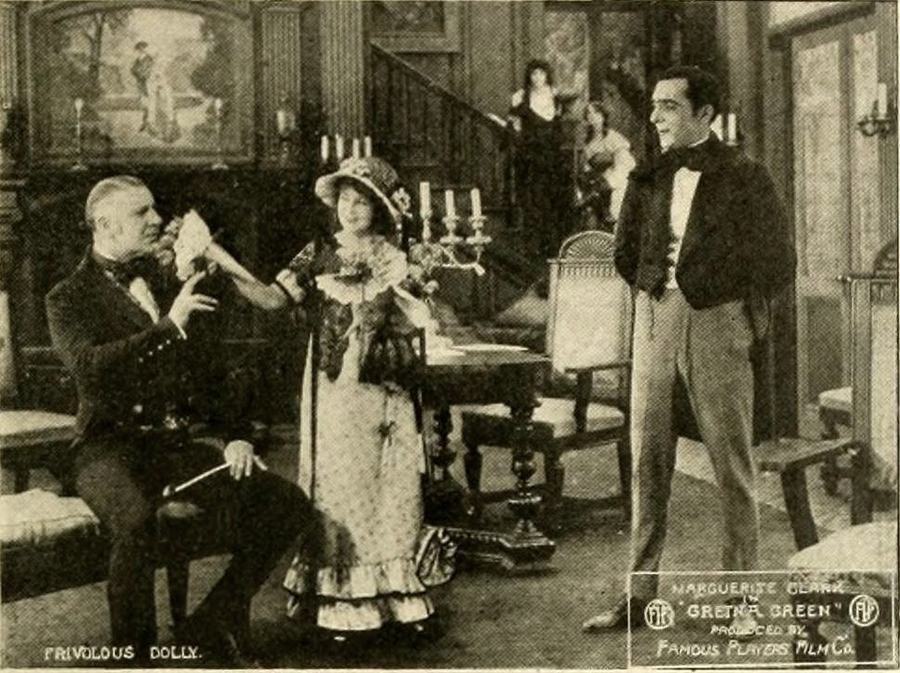
Apparently, it's a romantic movie about this city in Scotland where all weddings are Legal and people have traveled from all over the world to elope since the 1700's.
View Details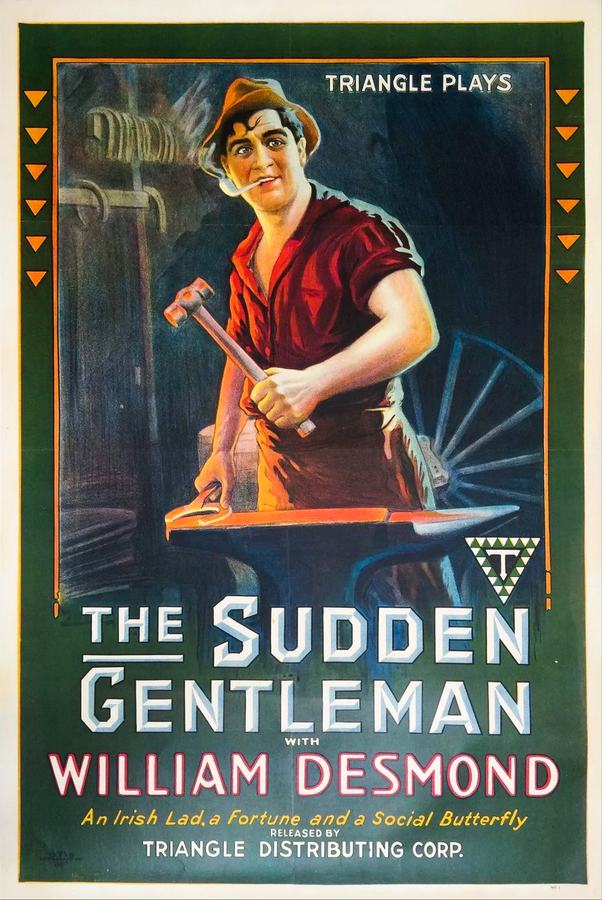
Dir: Thomas N. Heffron
Garry Garrity, an Irish blacksmith, receives word from America that he has fallen heir to his uncle's millions. Arriving in Chicago to take charge of his estate, Garry's awkward ways incur the enmity of his cousin and ward, Louise Evans, but after Louise sees through the rough surface to Garry's sterling qualities, the two fall in love. This disturbs Count Caminetti, who had designs on both Louise and the fortune. The count schemes with Mrs. Hawtry, who has visions of becoming a wealthy countess, to frame Garry in a compromising situation, thus forcing him to marry Mrs. Hawtry, who would then divorce him and sue for alimony. When Louise hears the scandalous rumors generated by the count, she insists that Garry marry Mrs. Hawtry until an innkeeper admits that it has been a frame-up. Garry rushes to confront the count and as he is choking a confession from him, Louise enters. After overhearing everything, Louise begs Garry's forgiveness.
View Details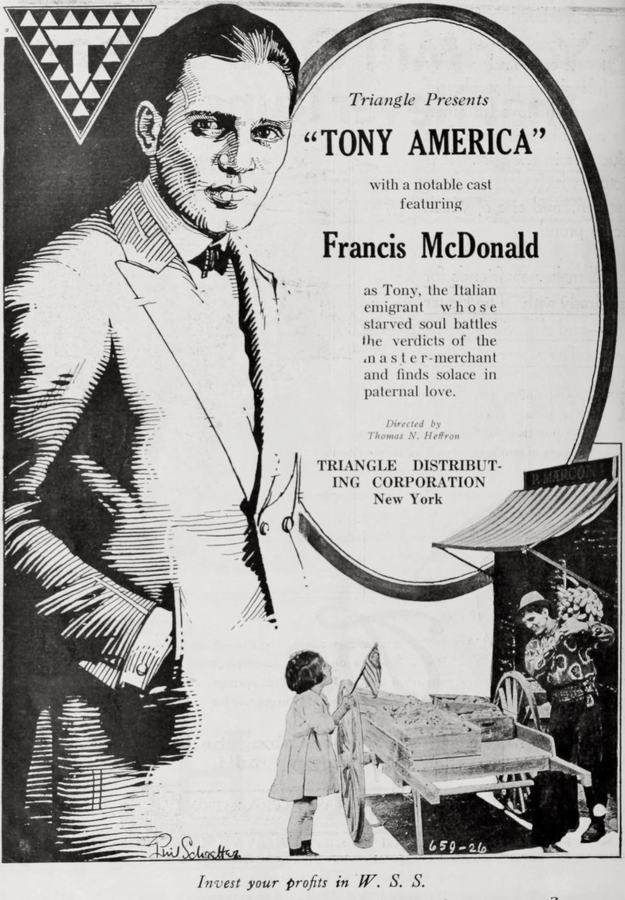
Dir: Thomas N. Heffron
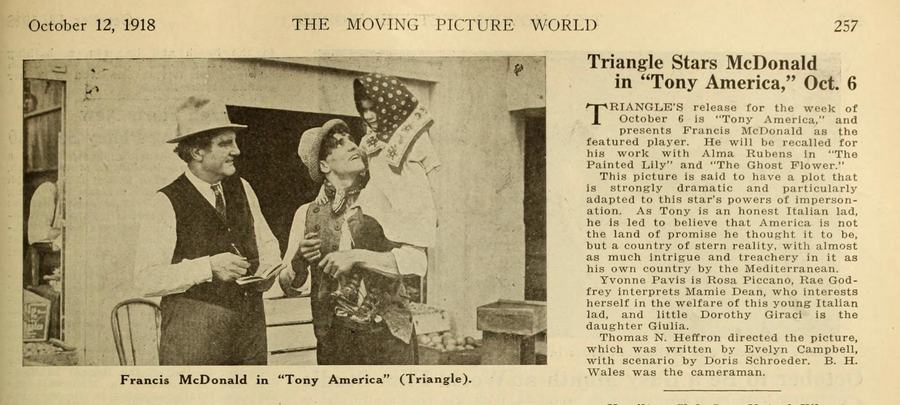
Tony comes to America virtually the slave of his padrone, who holds him in debt for his passage money. But Rosa Picciano marries him to escape parental discipline and Tony hopes for freedom at last, but Rosa makes it plain that she does not love him. When the bambina comes, he lavishes all his love on little Giulia and is heartbroken when Rosa divorces him on a trumped-up charge and gains possession of the child. But Tony wins her back from her heartless mother and has her to thank that his hands are not stained with blood.
View Details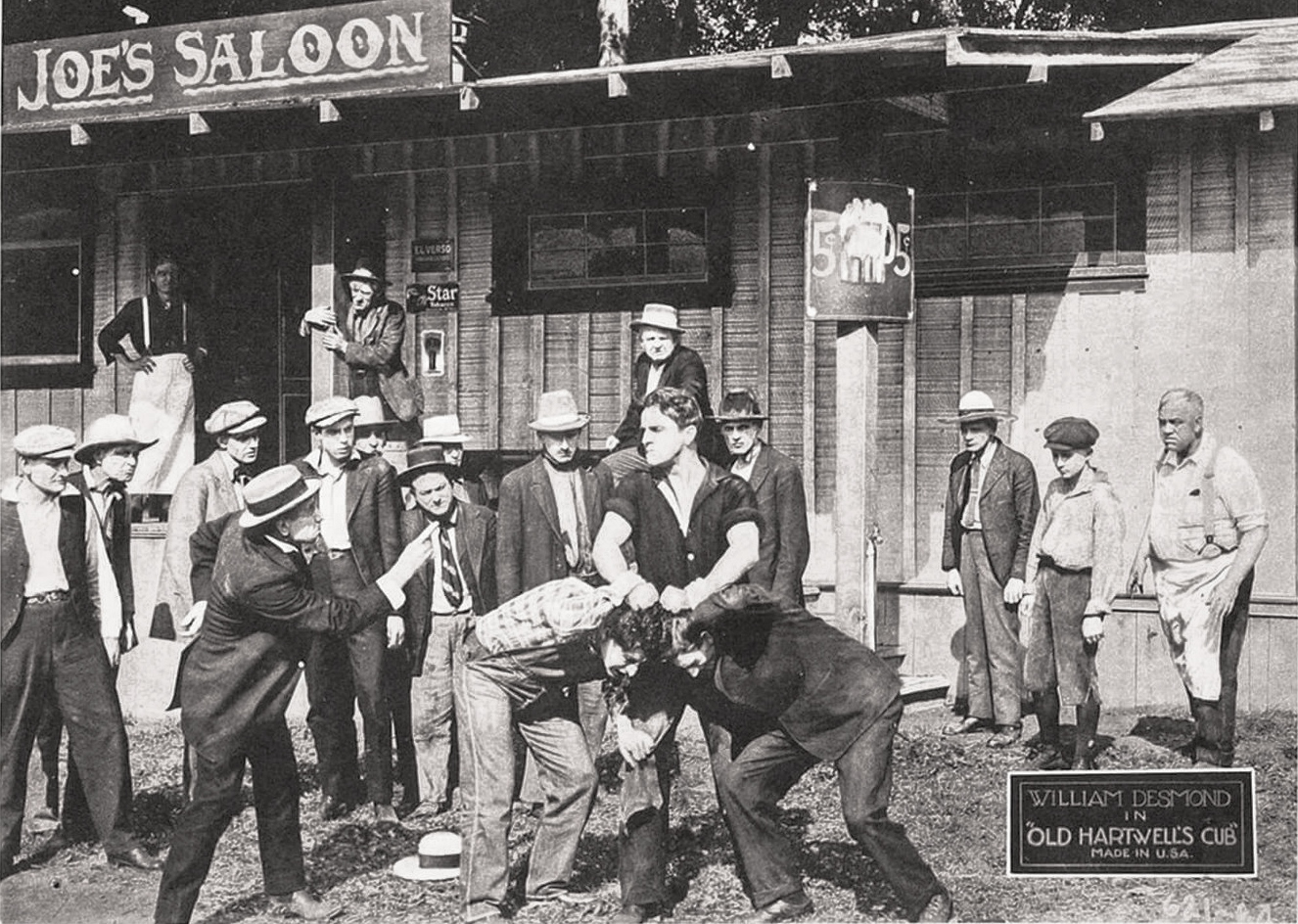
Dir: Thomas N. Heffron
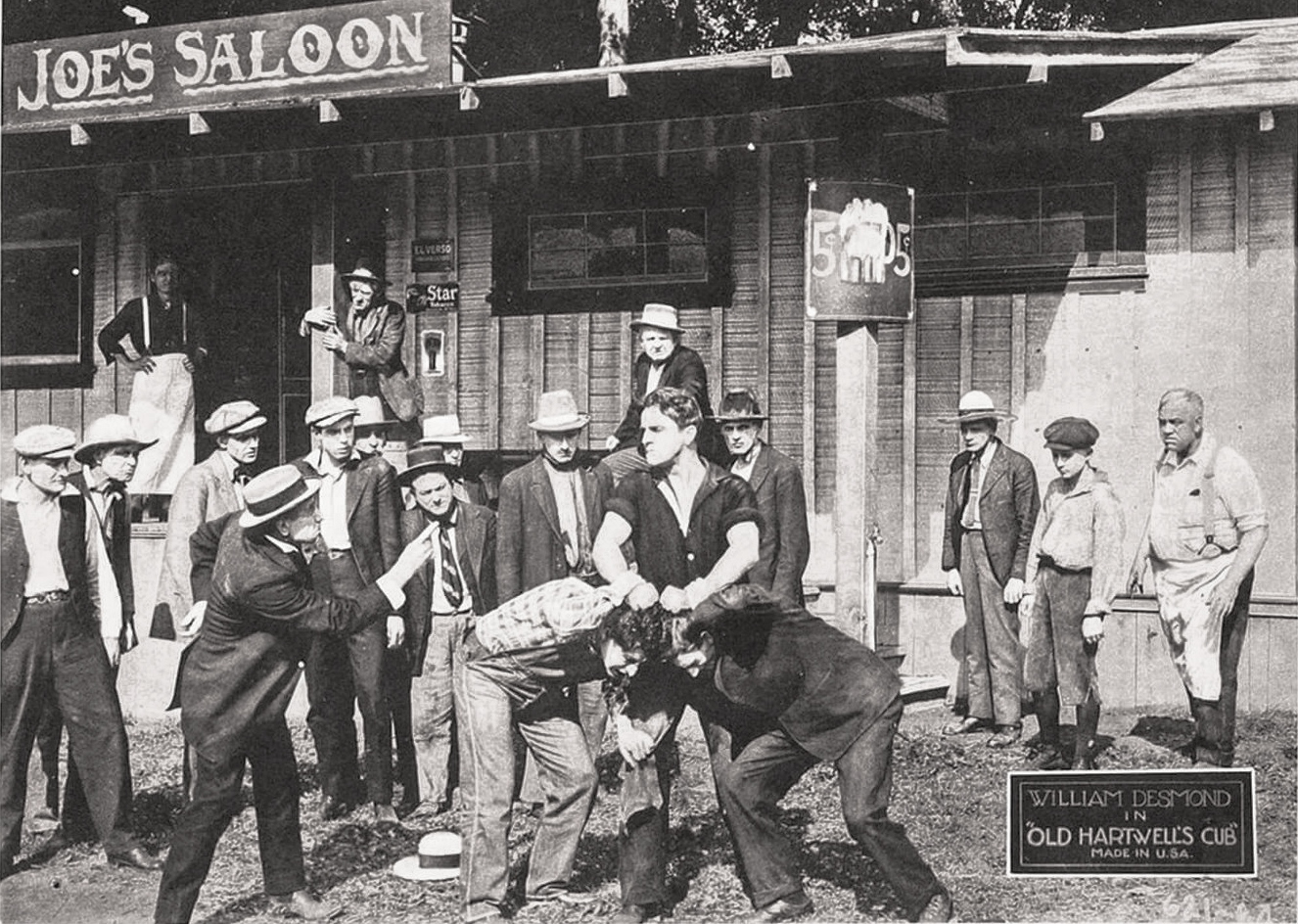
Although Tom Hartwell is the town drunk of Matherville, his son Bill, a blacksmith, loves him and batters down the jail door when the old man is arrested. In an effort to drive them both out of the village, the narrow-minded townspeople attack Bill, but the Rev. David Lane defends him and then invites him to dinner. Bill falls in love with the reverend's daughter, Mary Lane, but she becomes infatuated with Edward Jones and marries him. Edward robs Mary and flees to Chico, Arizona, and when Mary follows him, she learns that he has a wife there. Following his father's death, Bill travels to Chico, where he and Mary become entangled in several adventures. Finally Bill is accused of stealing a horse, and after Mary rescues him just as he is about to be hanged, the two return to Matherville as man and wife.
View Details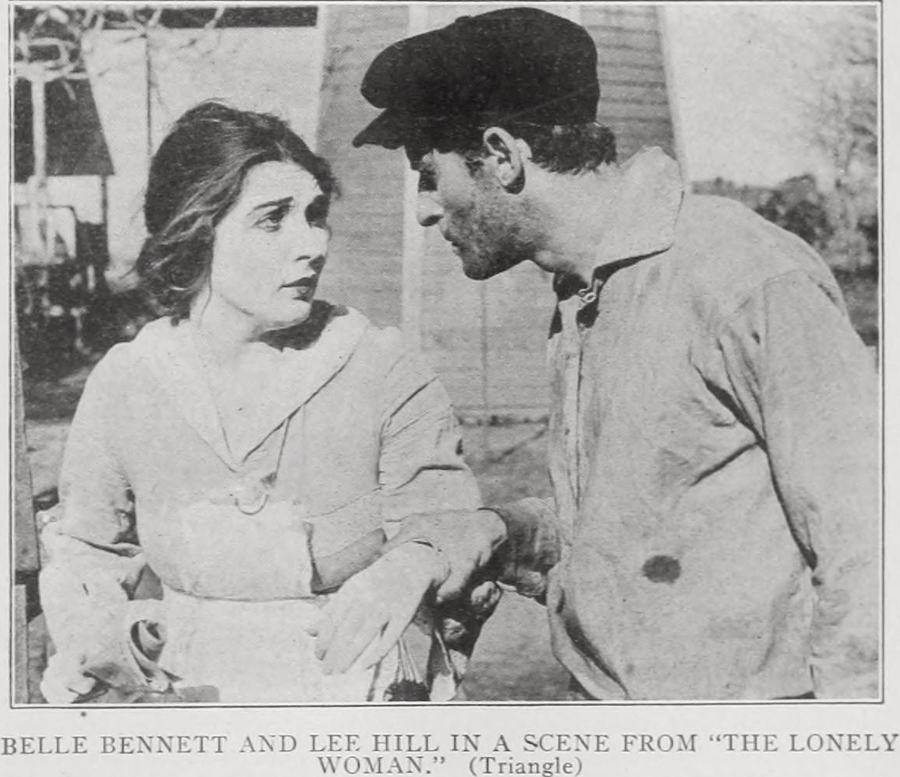
Dir: Thomas N. Heffron
The reticence of Martha Sellers and her employment of Jim Ransom, a drunkard, excites the curiosity of the villagers. She receives mail postmarked "Ossining," and this further stirs the people. The gossipers spread the report that her lover is in Sing Sing, but the heart of the matter is that her husband has been unjustly convicted on a charge of embezzlement. Fate takes a hand and Ranson asserts that he is responsible for the robbery, thereby reuniting Martha and her husband.
View Details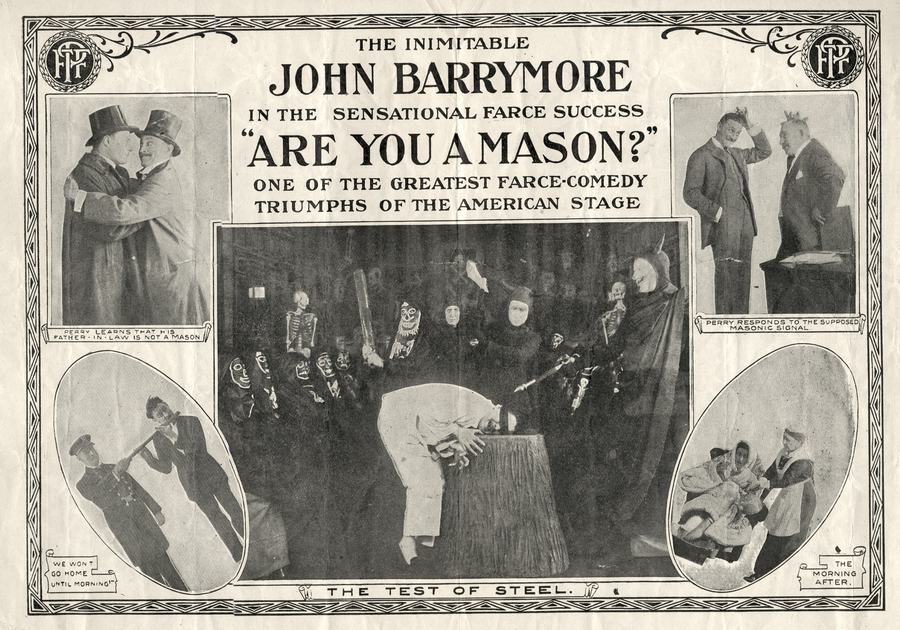
Dir: Thomas N. Heffron
Frank Perry's wife Helen is away visiting her mother, and he uses this "free time" for a night of drinking at a nightclub. Unfortunately, when he tries to return home, he enters the wrong house and is nearly arrested When Helen comes back he tells her that the "incident" was actually an initiation rite of the Masons, knowing that his wife has always wanted him to join the group. She excitedly tells her father about Frank's becoming a Mason, since her father is also a Mason. What neither she nor Frank know is that her father has actually been doing the same thing Frank is--pretending to be a Mason when he actually isn't. Complications ensue.
View Details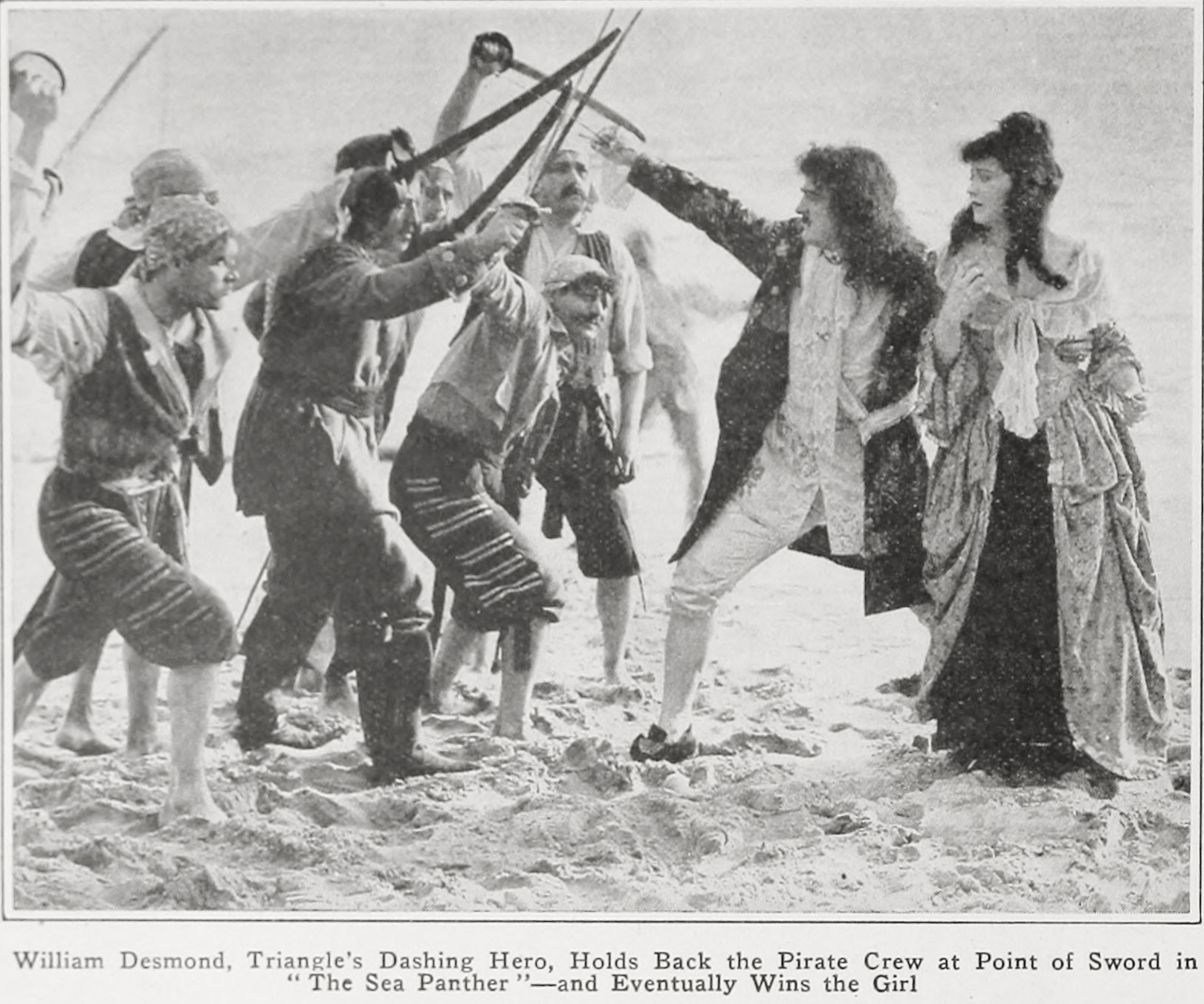
Dir: Thomas N. Heffron
Paul Le Marsan captains his seventeenth-century French pirate ship, the Cygnet, with an iron hand, but is all graciousness and charm with the ladies. When his crew captures the British ship Lady Devon, Paul encounters the beautiful Molly Tarpley, who is en route to join her uncle in the Carolinas. Escorting the British ship to the pirate town of Cayo del Muerto in the Bahama Islands, Paul protects Molly, drawing his sword on any buccaneer who dares to touch her. After accommodating Molly in his richly furnished home, Paul realizes that she will never return his love and agrees to sail the Lady Devon to the Carolinas. As the ship nears the coast, however, Paul's crew rebels, enabling the British to retake their ship and lock Paul in irons. To repay Paul for his kindness, Molly secretly releases him, kisses him once and watches as he rows away.
View Details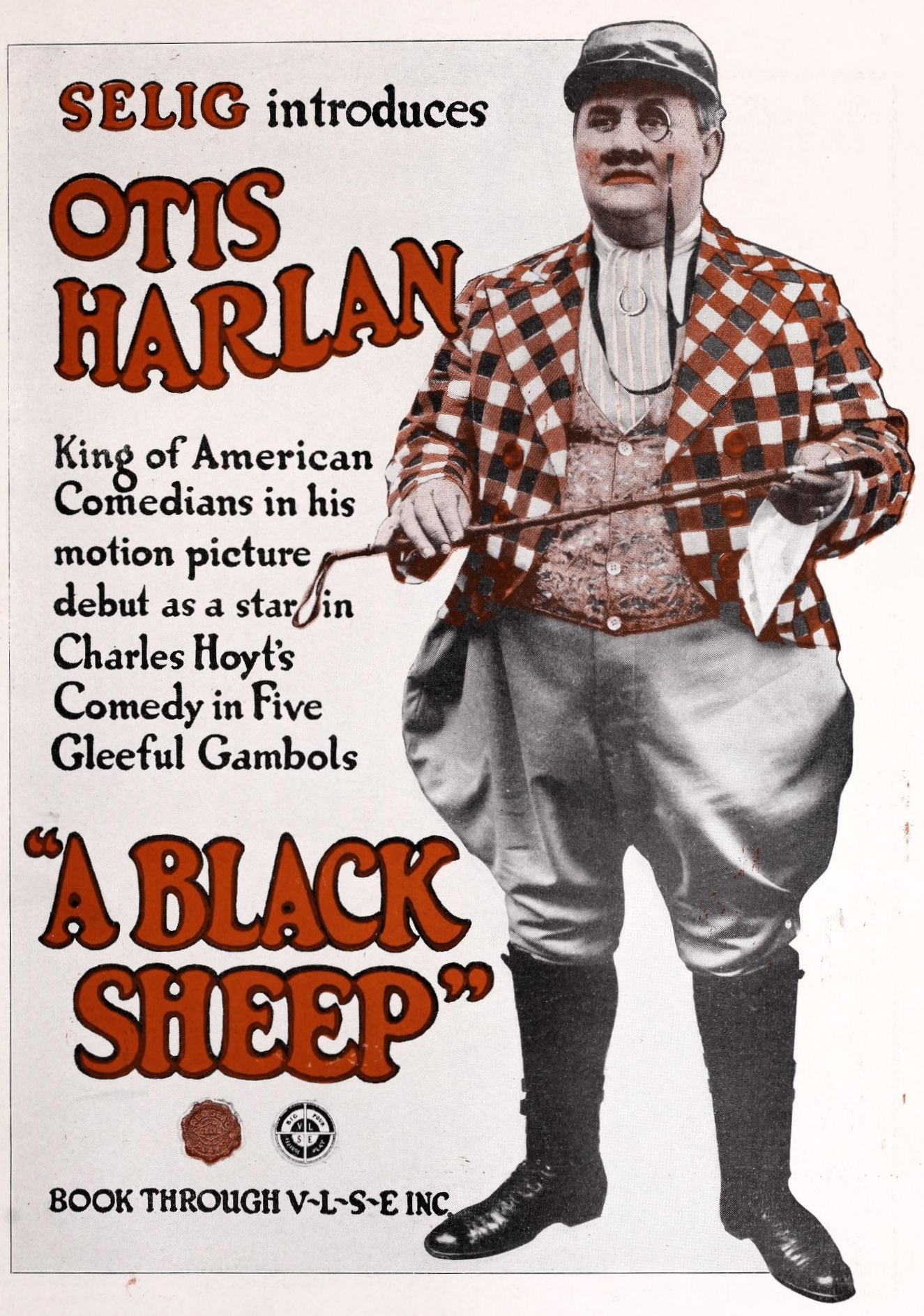
Dir: Thomas N. Heffron
To the town of Tombstone, in which Goodrich Mudd is known as the "Blacksheep," comes a burlesque company headed by Lida, a captivating woman. Mudd, the sheriff and Underdog, who works a mining claim in Tombstone and who is the boon companion of Mudd, compete to win the charmer, and in order to raise money with which to entertain Lida, Mudd, whose daily occupation is that of lolling in a hammock, plays a game of cards with the sheriff. During the game the manager of the theatrical company also takes a hand, but loses considerably. The money the manager takes from the company's cash box which is fastened to the treasurer of the company, who is handcuffed to the bedstead. Mudd takes Lida to dinner, and when he is far under the influence of wine, the burlesque queen hoists the $19 worth of fried chicken and other delicacies in a basket to the girls in the room above who have not eaten a thing for several days. But Tombstone's omnipresent bad man is always on the job, and when he sees the basket full of eats going up, he empties the contents into the cash box, which he had previously discovered and from which he had abstracted the balance of the company's receipts, lowers the box into its original place and "beats it." The theatrical manager cannot pay the hotel bill, so the proprietor attaches the wardrobe of the players, leaving them nothing but their stage costumes. Subsequently a lawyer arrives from Chicago, who tells Mudd that he has been left $2,000,000 by his aunt who recently died, and that he may obtain the fortune if he complies with the provisions in the will which are: (1) he must live in the Mudd mansion in Chicago; (2) must acquire culture; (3) must place a wreath on his grandfather's grave; (4) must get married to his cousin, Ada Steele, within 99 days; (5) if Ada refuses to marry him, he must marry someone else in 99 days; (6) to decline the terms the money will revert to his other cousin, Percy Vere. Great is the consternation of all present at the reading of the will when Mudd refuses to abide by the terms, and it is only when the crowd threatens to kill him that he finally agrees. He goes to the Mudd mansion in Chicago and takes all his friends with him. The lawyer informs Percy and Ada of the terms of the will, and as these two young people are engaged to be married, Ada contrives to get the fortune by "stringing" Mudd along until the last day when she will flatly refuse to marry him. It will then be too late for Mudd to get a wife, and the millions will go to Percy. Then he and Ada will get married. Percy and Ada go to the Mudd mansion, and Mudd tries to make love to Ada. She blows a whistle, which is the cue for Percy to come to her assistance, but he does not appear, for he has been captured by two female burglars who find upon him an incriminating letter from Ada Steele. The burglars offer to return the letter for $100,000. Some time later Ada and Percy are walking in Lincoln Park when they observe Mudd trying to put a wreath upon the spot in the lake where his grandfather met death by rocking a boat. He also recognizes the female burglars nearby, and tells them to kidnap Mudd until a certain time has passed when he (Percy) agrees to reward the burglars. They comply and Mudd mysteriously disappears. The time for Mudd's marriage is near at hand. Fearing that Percy may not live up to his word, the female burglars decide to watch him, and their suspicions are confirmed when they hear him say to Ada that the millions will soon be his and "The Spiders," whom the female burglars are called, can go hang. In revenge "The Spiders" give orders to release Mudd, who arrives at his mansion at 11:53. "The Spiders" are there, too, and they flaunt the letter found in Percy's pocket, revealing its import, and adding that Ada's absence proves that she has turned Mudd down. Mudd doesn't become alarmed, for he, at the last minute, marries Lida, who has always loved him.
View Details
Dir: Thomas N. Heffron
Magazine writer J. Hamilton Vance travels to the mountains of Kentucky to get local color for his stories, and falls in love with Roxie Bradley, the daughter of a moonshiner. Regarded at first with suspicion by the mountaineers, Vance finally wins their confidence and is appointed teacher in the little log school house. The former teacher, resentful at the intrusion, attempts to shoot Vance through the schoolhouse window, but Roxie intercepts the bullet. Vance nurses her back to health, engendering the jealousy of Lily Bud Raines, who starts a rumor that Vance is a federal agent spying on the moonshiners. As the mountaineers plot to extract vengeance on Vance, Roxie and he are married, and when his antagonists discover that Vance is now one of them, they accept him as part of the mountain community.
View DetailsAnalysis relative to Life's a Funny Proposition
| Film Title | Atmosphere | Complexity | Similarity |
|---|---|---|---|
| The Man from Mexico | Tense | Abstract | 97% Match |
| Gretna Green | Tense | Layered | 91% Match |
| The Sudden Gentleman | Gritty | Layered | 97% Match |
| Tony America | Gritty | Dense | 93% Match |
| Old Hartwell's Cub | Gritty | Abstract | 97% Match |
This guide was algorithmically generated using the cinematic metadata of Thomas N. Heffron's archive. Last updated: 6/26/2026.
Back to Life's a Funny Proposition Details →