
DbcultAccessing Vault...
Recommendations
Senior Film Conservator
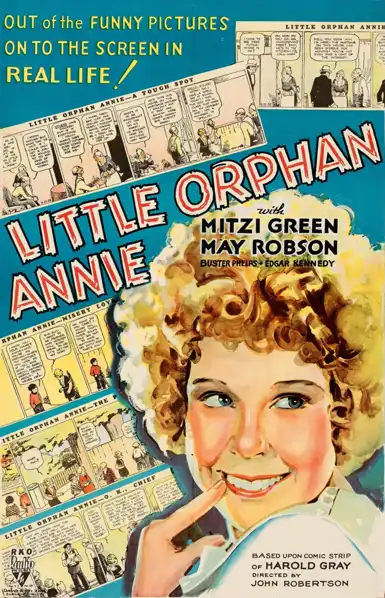
The United States-born brilliance of Little Orphan Annie offers a unique character-driven intensity, the profound questions raised in 1932 still require cinematic answers today. Our curated selection of recommendations echoes the very essence of Little Orphan Annie.
In the Pantheon of Family cinema, Little Orphan Annie to provide a definitive example of John S. Robertson's stylistic genius.
Daddy Warbucks has to go on a long trip, leaving Annie alone. While wandering the street, Sandy leads Annie to discover Mickey, who is crying. Mickey's grandmother recently died, and he is about to be taken away by Mrs. Berger to the orphanage. He chooses to go with Annie to the shack where she and Daddy Warbucks live. She feeds him leftover pig's feet, cream puff and assorted food, but by the next morning he has a stomach ache. Annie takes him to an orphanage where he will be taken care of, but is herself is taken into custody. While in the orphanage, Annie takes care of Mickey. One day, Mrs. Stewart (a rich dowager) appears, wanting to adopt. The children a paraded before her. Hearing of her contrary nature, Annie makes sure that Mickey catches her attention by saying bad things about him, and by the end of the interview, Mrs. Stewart adopts him. In the orphanage, Annie misses Mickey, and although she's written four letters, Mickey has not responded (because he can't write). Meanwhile, in Mrs. Stewart's home, Mickey is happy, but appears to be angry with Annie, for having said the bad things about him in the adoption process. Annie decides to visit Mickey, and appears by his window just after he's been put to bed since Mrs. Stewart is holding a dinner party. Annie tries to reconcile with Mickey who brings Annie into the house. They pass by the kitchen where Annie takes some cheese dip and Sandy makes off with the main course, a roast beef. The dinner party guests tell about their brushes with supernatural apparitions, although Mrs. Stewart doesn't believe a word of it. Meanwhile, Mickey and Annie find themselves in Mrs. Stewart's bedroom, where Sandy performs tricks for Mickey, and Annie does imitations of Harpo Marx, Chico Marx, Groucho Marx (from the film Horse Feathers (1932)) and Mrs. Stewart. The dinner party ends with the guests humorously wondering if the missing roast beef was also a supernatural occurrence. Upon hearing them leave, Mickey quickly gets back into bed, Sandy goes into Mrs. Stewart's closet, and Annie is stuck in her room. While Mrs. Stewart reads, she sees what she think is an apparition (really just Annie trying to escape stealthily). Mrs. Stewart makes her way to her room, but as she's preparing for bed she sees a ghostly figure (Sandy in a sheet) escape from the closet it door. After a bit of rambunctious chasing, Mrs. Stewart confronts Annie asking her what she's doing in the house. Annie is ejected, but Mickey now doesn't want Annie to go. As he tries to call to her from his second floor window, Mickey falls out of the window to everyone's horror. After some doubt, the doctor declares he will survives and will be able to remove a brace by Christmas. It's Christmas, Mickey is now back to health, and Mrs. Stewart has thrown a party for all the orphans from the orphanage, including Annie. Suspecting something odd, Annie walks up to Santa and discovers it's really Daddy Warbucks. The film ends happily for all.
Based on the unique character-driven intensity of Little Orphan Annie, our vault has identified these titles as the most compelling follow-up experiences for fans of Family cinema:
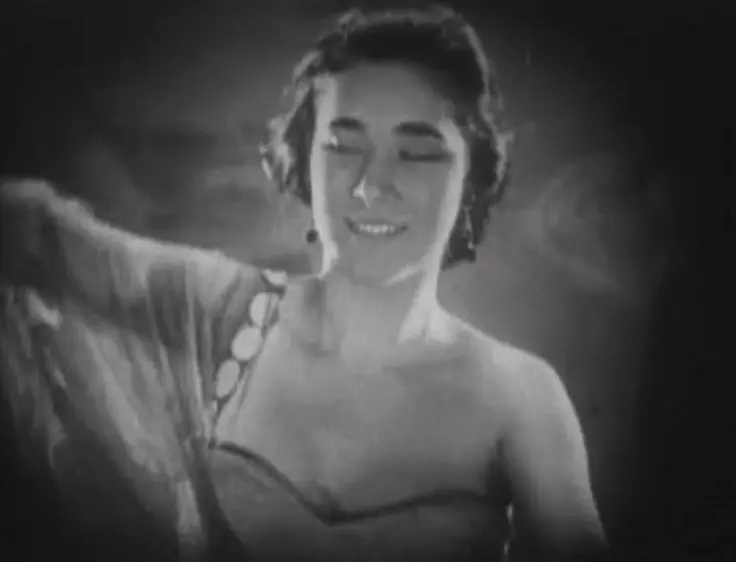
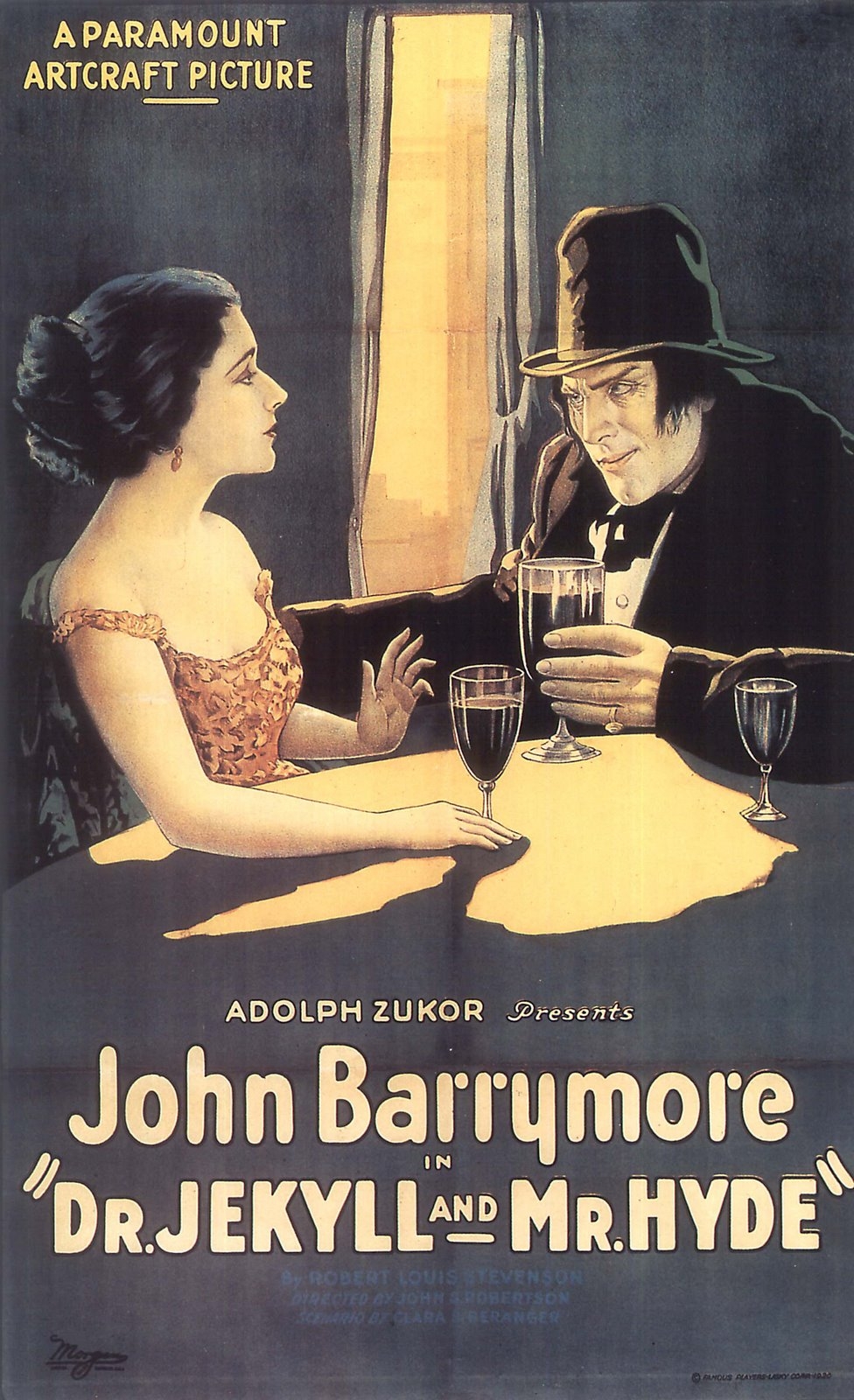
Dir: John S. Robertson
Dr. Henry Jekyll experiments with scientific means of revealing the hidden, dark side of man and releases a murderer from within himself.
View Details
Dir: John S. Robertson
During World War I, beautiful and patriotic Leslie Selden is courted by two ardent admirers: Jack Wynn, a young man not yet taken by the draft, and Dr. Wolff, a Danish scientist who is actually a German agent. When Jack learns that Wolff is masterminding a plot to bomb several munitions factories and destroy the water system in New York City, he goes to the spy's home and confronts him. Wolff locks him up, then forges a note to Leslie claiming that the young man has run away to escape the draft. Her suspicions aroused, Leslie alerts the authorities and plants a dictograph in Wolff's house, through which she learns of the scheduled bombings. Accompanied by the police, she arrives at Wolff's residence just in time to prevent Jack's murder and the destruction of the city.
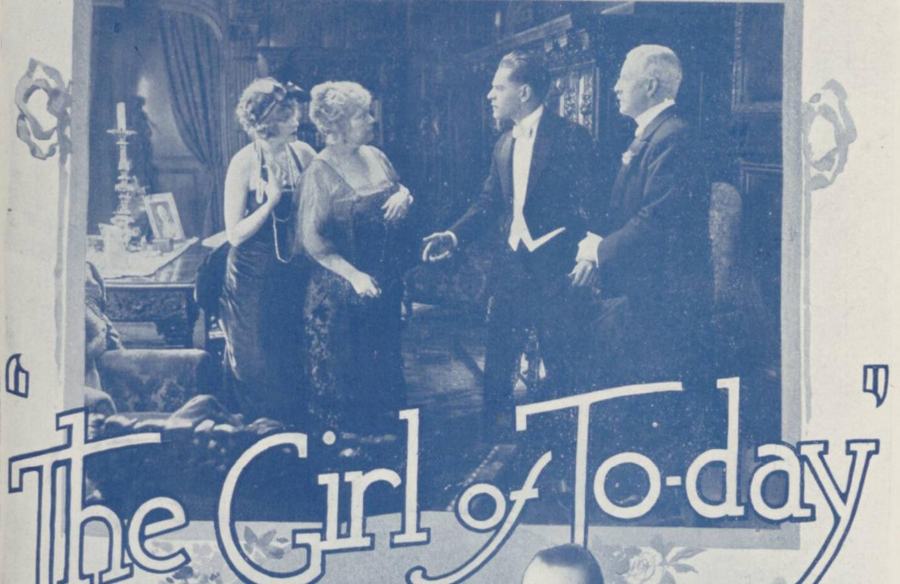
Dir: John S. Robertson
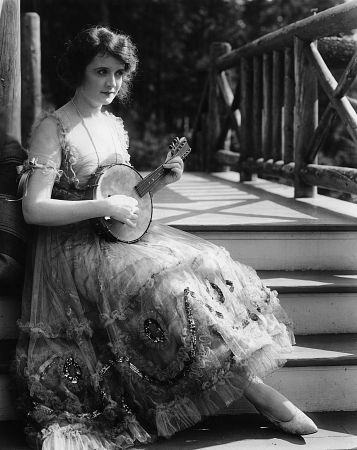
Phyllis Ashbrook hosts a party in the Adirondacks for her fiancé Roger Mason and their engaged friends, John Manning and Anita Webb. In a climbing expedition, Phyllis and John are separated from the others by a storm and seek refuge in a cabin. To save her reputation, Phyllis' parents insist that she marry John immediately, after which they may obtain a divorce and marry their respective partners. After the ceremony, John leaves for China to provide grounds for divorce, but upon discovering that he has mistakenly taken his new wife's suitcase, he returns to his apartment, where he finds Phyllis. Anita and Roger arrive and confess their devotion to each other, and when John and Phyllis realize that they, too, are in love, the divorce plans are abandoned.
View Details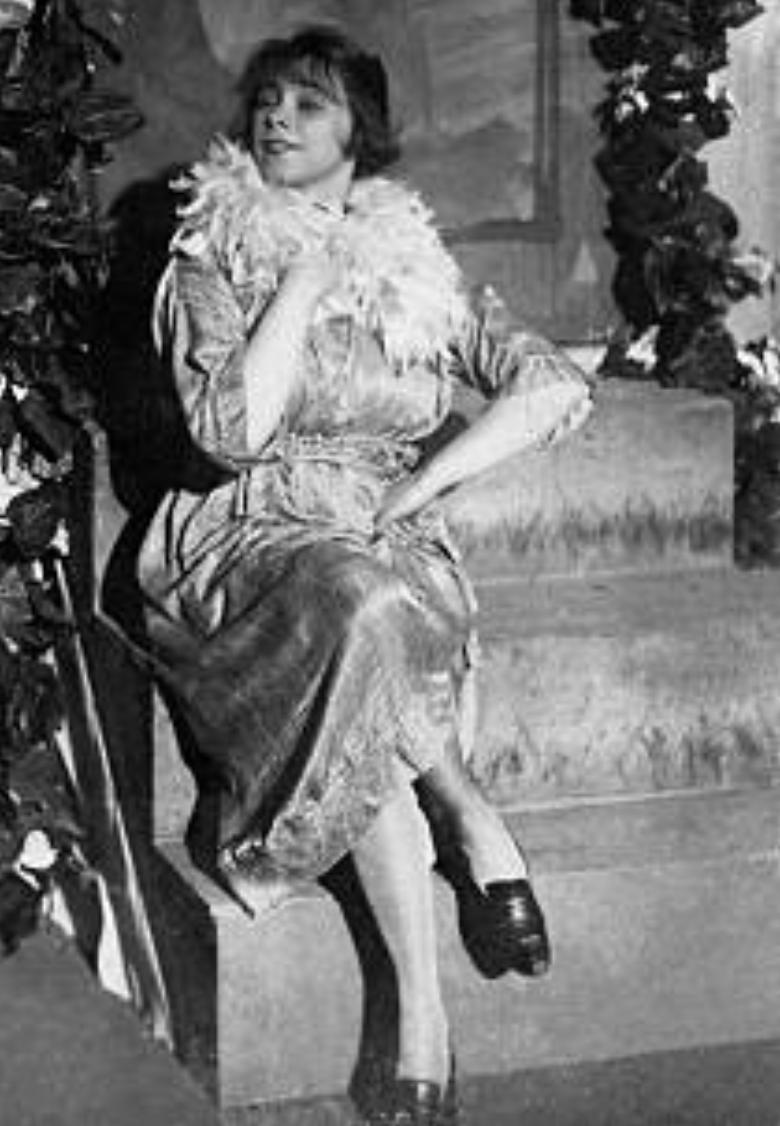
Dir: Bruno Ziener
A fascinating piece of cinema that shares thematic elements.
Dir: John S. Robertson
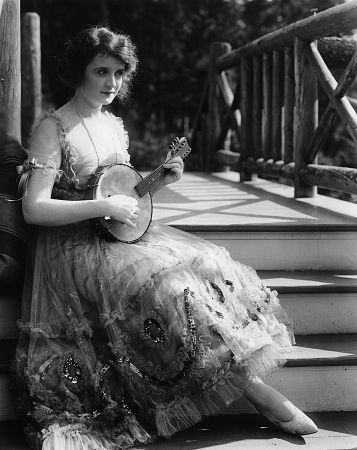
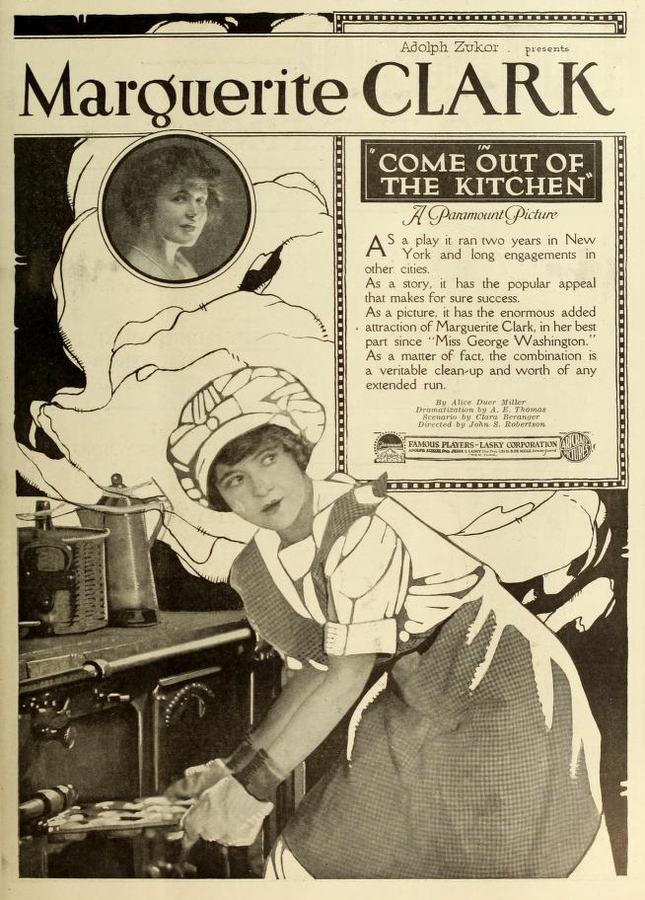
Olivia Dangerfield and her brother are hired as servants in the household of the meticulous Mrs. Falkner. When another pair of servants is detained by the law, Olivia decides to pose as a master cook, though she knows little about the culinary arts. Meanwhile, Burton Crane, the boyfriend of Mrs. Falkner's daughter, becomes attracted to the "wonderful cook" at the Falkner home.
View Details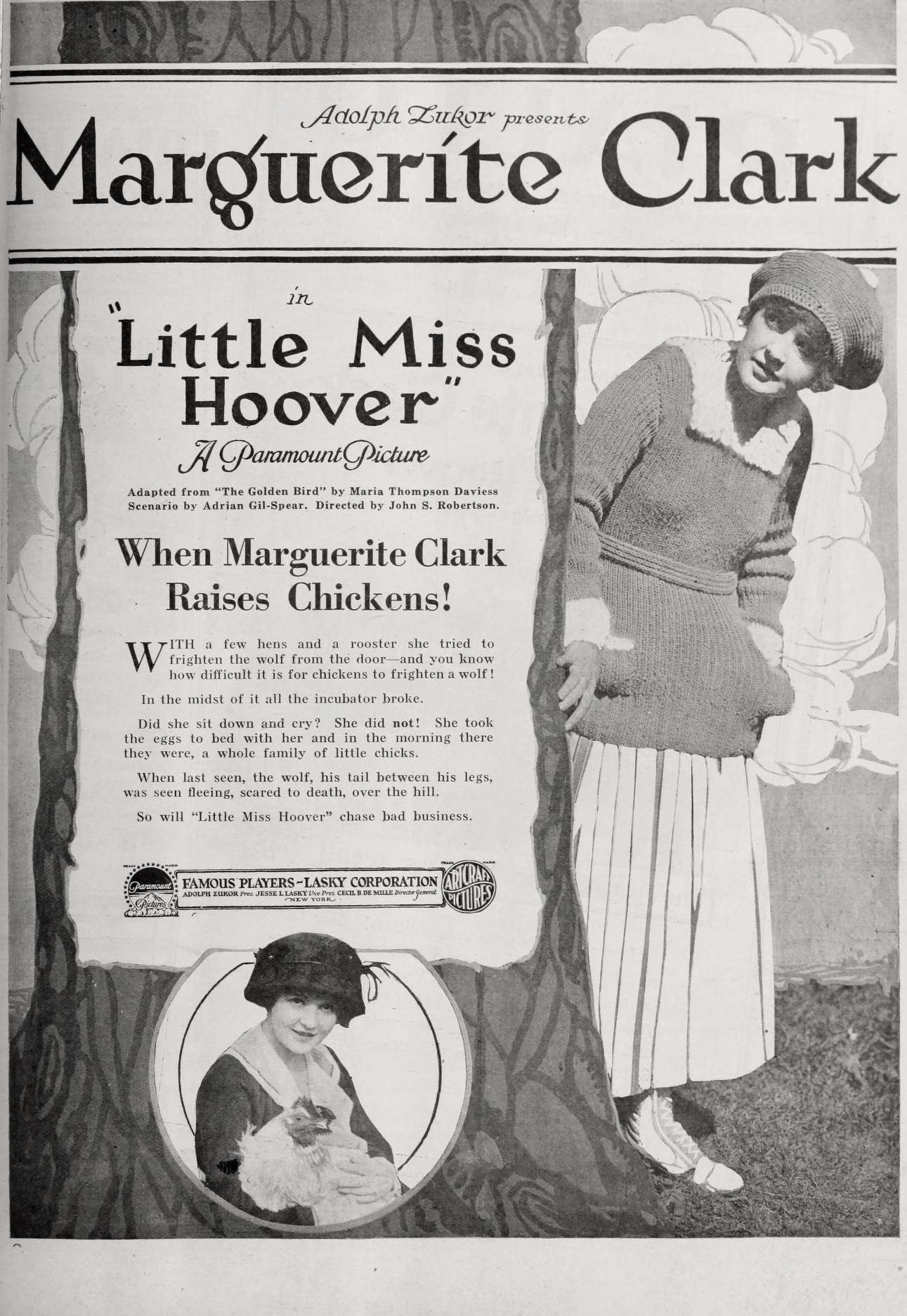
Dir: John S. Robertson
During World War I, Washington, D.C. society girl Nancy Craddock decides to enlist in the Food Administration on the theory that "eggs will win the war."
Dir: John S. Robertson
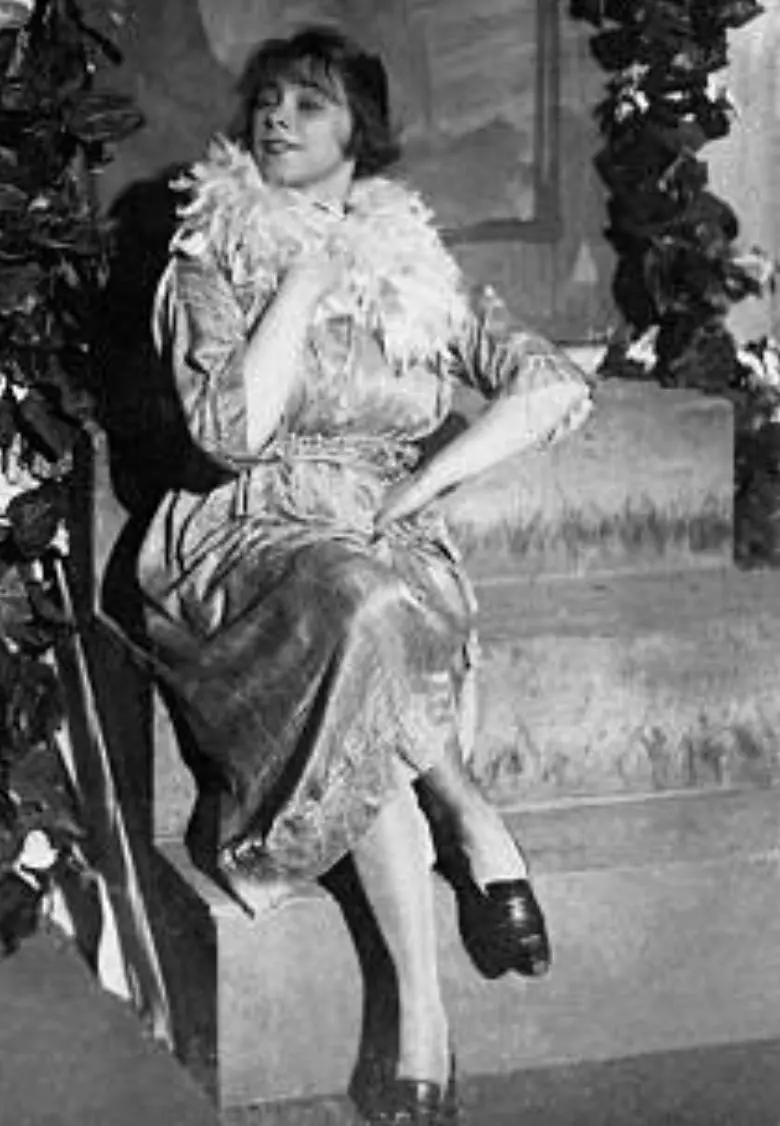
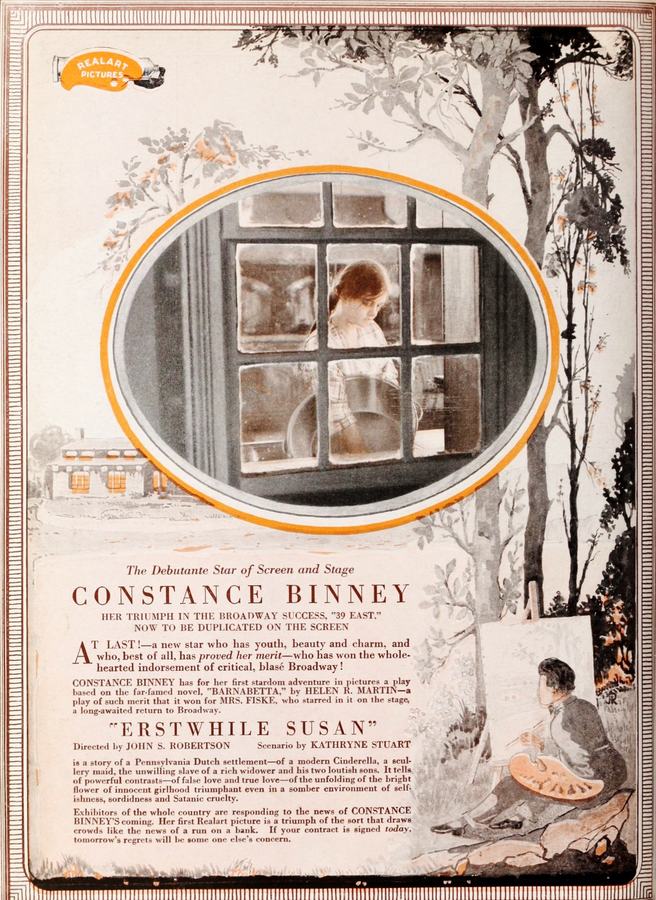
Barnabetta Dreary's grim life of slaving for her Amish father Barnaby and her two brothers, is surprisingly changed when Barnaby marries Juliet Miller. Known as Erstwhile Susan, she becomes fond of Barnabetta, and because she retains control of her fortune, induces the other Drearys to relieve Barnabetta of some of her drudgery. After Barnaby has a stroke brought on when Susan proposes sending Barnabetta to school, she goes to a prep school where the president, Doctor Barrett, and a trustee, State Senator Jordan, both fall for her newly acquired charm, to the dismay of Jordan's sister who loves Barrett. When the sister interferes with Barnabetta's plan to work in the school after graduation, Barnabetta helps Jordan win his campaign for governor, and after exposing him to her family's crude table manners, Barnabetta accepts Jordan's marriage proposal, while Susan succeeds in reforming Barnaby and his sons.
View Details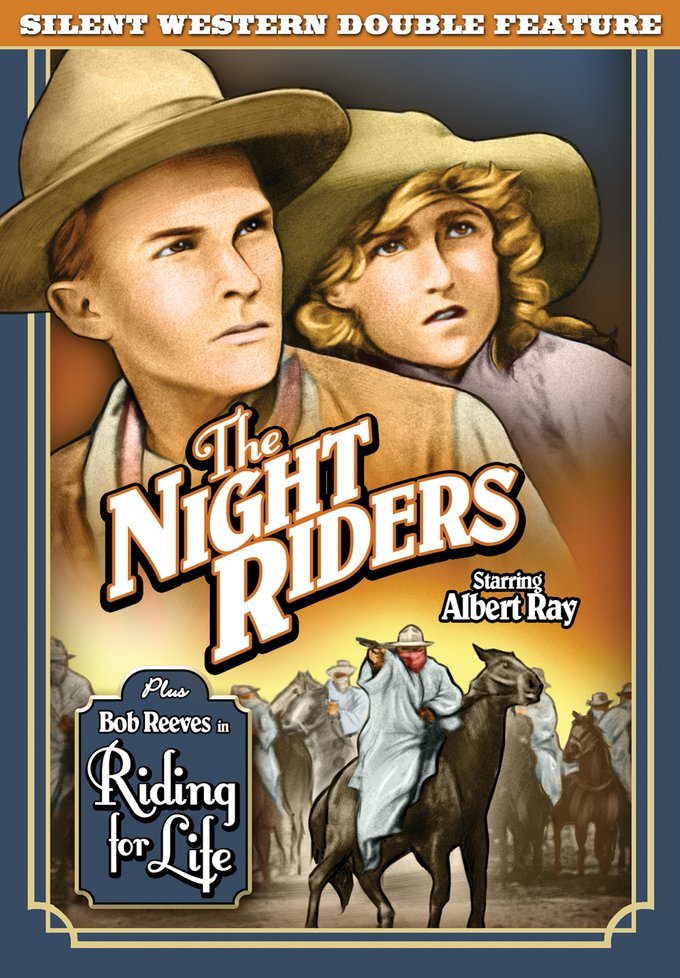
Dir: Alexander Butler
In Alberta, Canada, a Cornish emigrant unmasks a rustler posing as the girl's "blind" father.
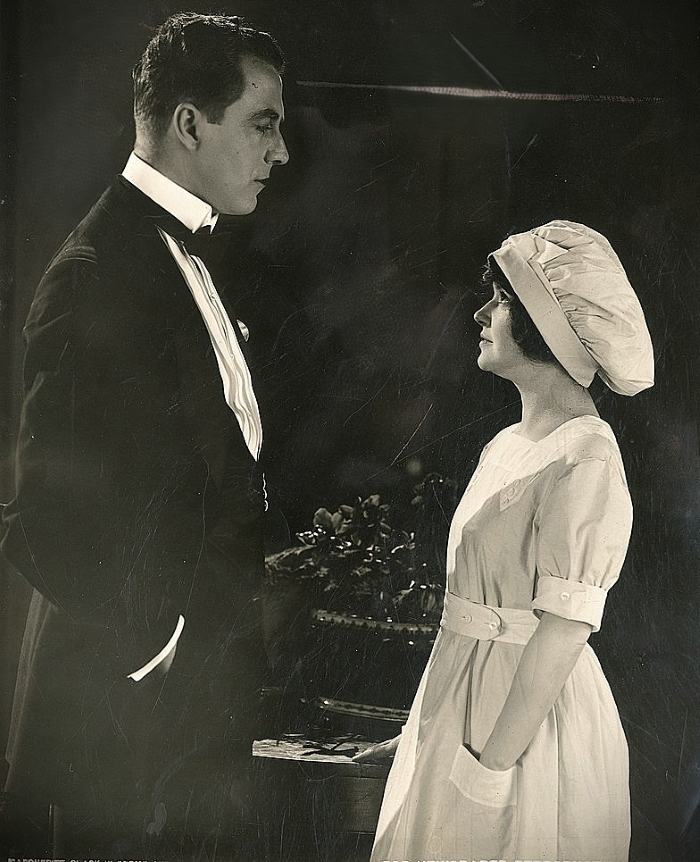
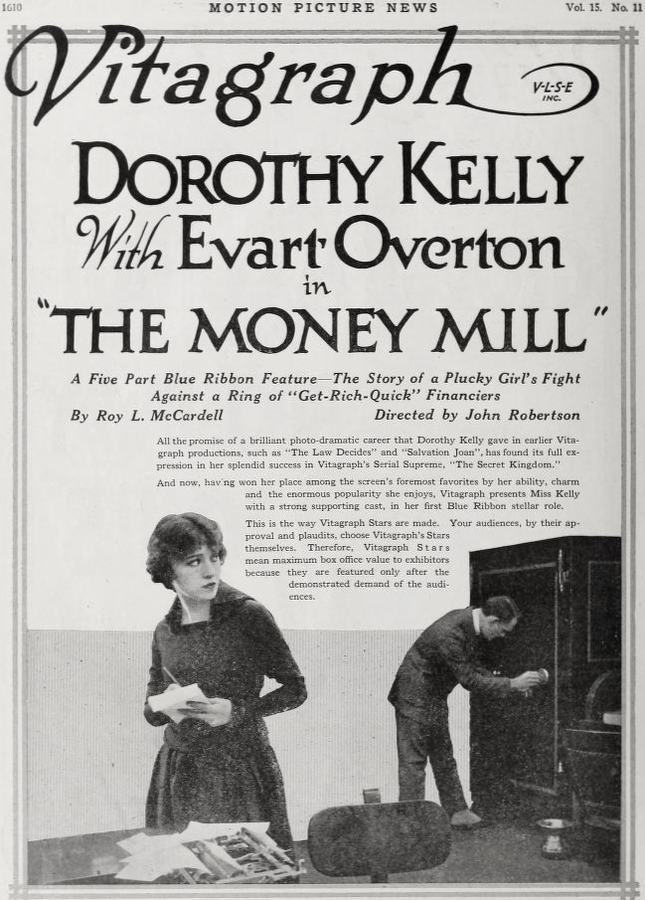
Dir: John S. Robertson
Having sold his share in a mine, Gregory Drake blows it up in pique when it turns out to be good, and disappears, leaving Helen Ogden sole owner, as her father was killed in the mine. Later, in New York, Helen is much sought because of her money. Dr. Granger, a worker among the poor, induces her to see his "family," as he calls the many in want. Helen becomes interested and is loved by the poor for her good deeds among them. She buys a pin from Jack Burton on the bread line. Later Dr. Granger secures him employment as a reporter. Jack loves Helen, and she begins to feel affection for him, but he realizes that her money stands between them. Richard Drake, Gregory's son, is operating a get-rich-quick investment scheme in New York when his father turns up. By changing the names on the old sales document Gregory has reserved, the swindlers are able to steal the mine from Helen. She feels that now she and Jack are on a plane, but Dr. Granger convinces her that they must both work to recover the mine. This Helen does by becoming a stenographer at the "Money Mill" and after many adventures she and Jack are united through Dr. Granger.
View Details
Dir: John S. Robertson
To prove his theory that environment rather than heredity determines a man's character, Dr. Burnell adopts young Richard, the son of an imprisoned crook Morgan. Upon graduating from college, Richard proposes to Virginia Denton, but several days before the wedding, Morgan appears and threatens to reveal himself as Richard's father unless the young man aids him in a number of robberies. Through Robert Hargraves, Dr. Burnell discovers Richard's part in the crimes and starts to believe that his theory is incorrect. When Morgan decides to rob the Denton home, Richard arranges with Dr. Burnell to trap them in the act, but it is Virginia who discovers the two rifling the safe, and she immediately breaks the engagement. After the police arrive, however, Morgan reveals that Richard is actually Dr. Burnell's son, kidnapped by Morgan at an early age. His name cleared, Richard marries Virginia.
View DetailsAnalysis relative to Little Orphan Annie
| Film Title | Atmosphere | Complexity | Similarity |
|---|---|---|---|
| Dr. Jekyll and Mr. Hyde | Gritty | Linear | 85% Match |
| The Girl of Today | Ethereal | Layered | 98% Match |
| The Make-Believe Wife | Ethereal | Abstract | 85% Match |
| Eva, wo bist du? | Gothic | Dense | 86% Match |
| Come Out of the Kitchen | Gothic | Abstract | 94% Match |
This guide was algorithmically generated using the cinematic metadata of John S. Robertson's archive. Last updated: 6/28/2026.
Back to Little Orphan Annie Details →