
DbcultAccessing Vault...
Recommendations
Senior Film Conservator
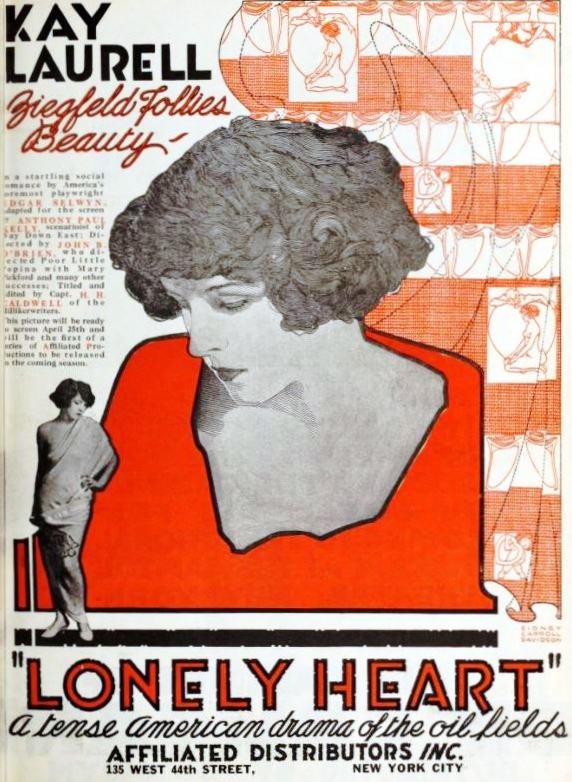
Ever since Lonely Heart hit screens in 1921, fans have sought that same thematic gravity, the search for similar titles reveals the deep impact of John B. O'Brien's direction. These recommendations provide a deep dive into the same stylistic territory occupied by Lonely Heart.
Whether it's the thematic gravity or the thematic depth, this film to capture the existential zeitgeist of 1921.
The influence of John B. O'Brien in Lonely Heart can be felt in the way modern Drama films handle thematic gravity. From the specific lighting choices to the pacing, this 1921 release set a high bar for atmospheric immersion.
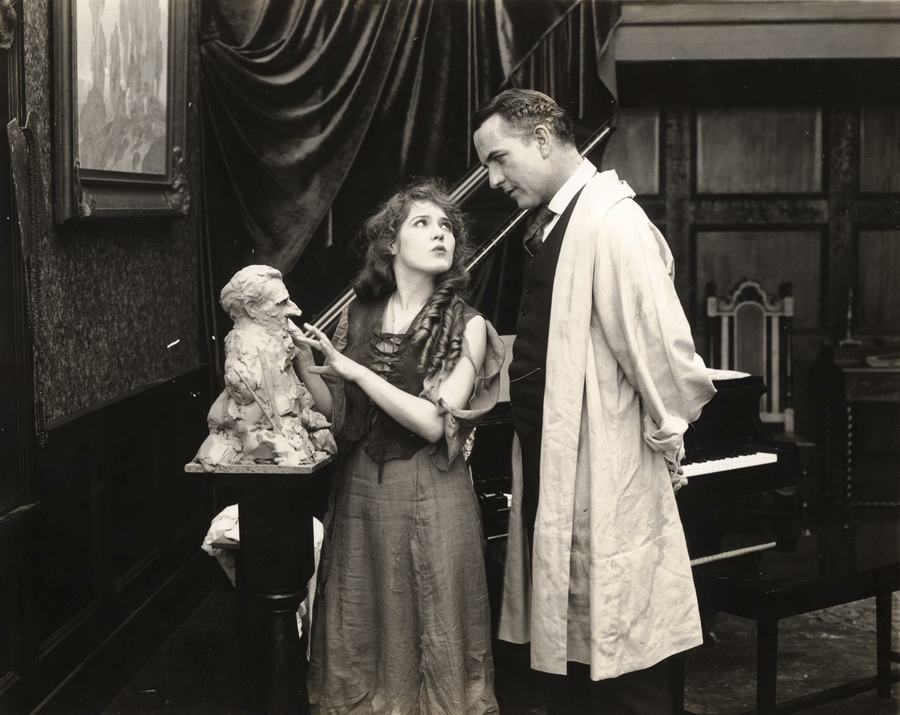
Based on the unique thematic gravity of Lonely Heart, our vault has identified these titles as the most compelling follow-up experiences for fans of Drama cinema:
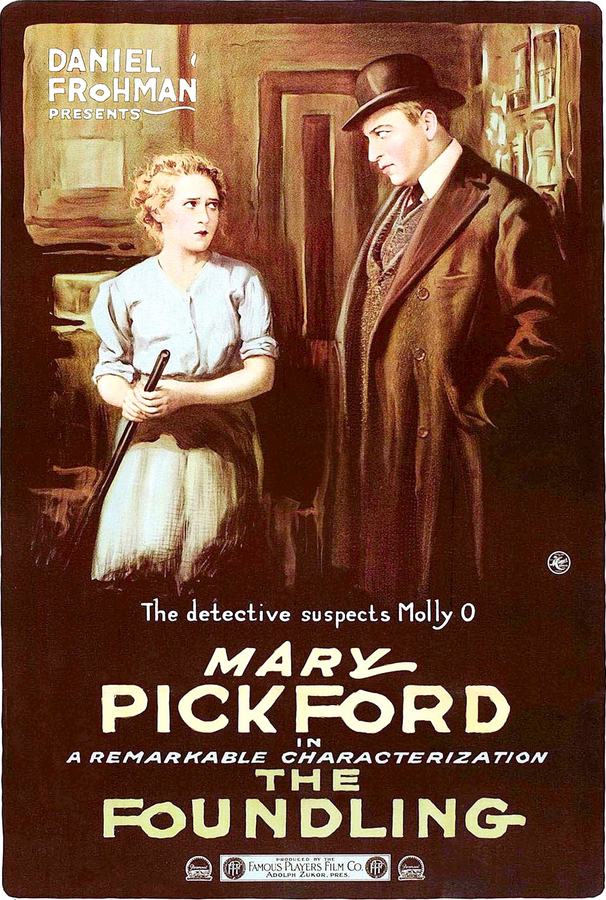
Dir: John B. O'Brien
A fascinating piece of cinema that shares thematic elements.
View Details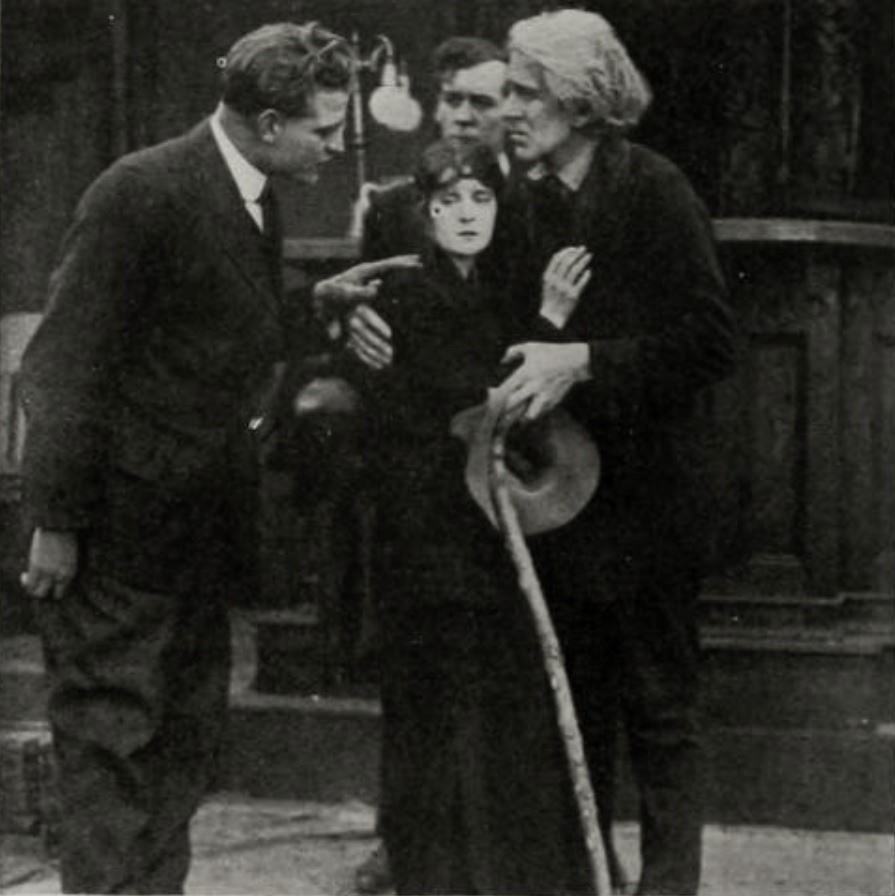
Dir: John B. O'Brien
Mae is a girl of the slums. Her antecedents are unknown. She works as a dancing girl around a rough dive where her sweetheart Bob is a waiter. Graves, a cheap sport, takes a fancy to Mae and asks the bartender who she is. The bartender tells him that nobody knows where she came from. When Graves becomes fresh with Mae, Bob warns him off. On their day off, Bob and Mae go walking in the park. They see young couples with their babies and long for a decent married existence. Judge Lewis, in his courtroom, is sternly sentencing a criminal who is pleading for mercy. A second judge enters the room and is invited to the bench as a matter of courtesy. He whispers to Judge Lewis in favor of the criminal, but Lewis is firm and sends the prisoner away condemned to the limit. Court adjourns and the two judges depart. They go down the courthouse steps and walk away to the park, where they see Bob and Mae. The second judge recognizes Bob and stops him. The judge asks him questions and Bob replies that he is behaving himself. Bob is eager to get away. Alone with Mae, Bob explains that the judge is the one that paroled him after his last fight. Back at work in the dive. Graves becomes offensive to Mae. He follows her to her room and is followed by Bob. A fight occurs in which Mae shoots Graves. Bob disappears, fearing the result of his parole if he should not obey the judge. Mae is to be tried before Judge Lewis. She is assigned a young attorney to defend her. The attorney sees her in her cell and gets her story. He can find no trace of Bob, who, however, keeps himself posted in hiding. The young attorney has secured from Mae, however, a locket given to her by her dead mother when she was a little child. The locket has a photo of her mother with the address of a photographer in a country town. The attorney visits the town, finds the old photographer, and is directed to Old Man Aitken as one who can tell about the woman of the photo. Aitken shows great emotion when he sees the photo, and on being told of Mae's coming trial before Lewis, shows great eagerness to go with the attorney. The trial is commenced, and the attorney admits the killing, but pleads self-defense and the girl's irresponsibility. He places her on the stand, and she tells her story. The judge is cold and relentless. She is asked on cross examination, "Where is this man Bob?" She doesn't know. Bob, however, has crept into the back of the courtroom. He presents himself and is examined. He corroborates Mae, but the judge, recognizing him as the boy of the park, discredits his testimony by asking him, "Are you not a paroled prisoner?" Bob admits it, and the effect on the jury is obvious. Mae is found guilty, with a recommendation for mercy. On being brought up for sentence, the attorney calls Aitken to prove the girl's irresponsibility. The prosecuting attorney jumps to his feet and objects. The judge is about to rule out Aitken's testimony, when Mae's attorney interposes, "It will not be necessary to mention the name of the father of this defendant, but I will ask the witness to identify this photograph as the girl's mother." The portrait of the locket is passed to the judge. He conceals his emotion with difficulty. Mae's attorney proceeds, "I will prove by this witness that the defendant's birth and early life are responsible." Aitken then tells his story, fading back to Mary Alden and Lewis, their love, the locket, Lewis' desertion to follow his career, sending her a letter telling her of his decision, the baby's birth, and the disappearance of mother and child. After the story the judge faints, court is adjourned, and the judge is carried out. The next day another judge is on the bench: he who had paroled Bob. He suspends sentence on Mae and she and Bob go away free. Judge Lewis is convalescent at his home in the country. Aitken brings Mae and Bob to him and he expresses his interest in them and determination to devote his life to his daughter.
View Details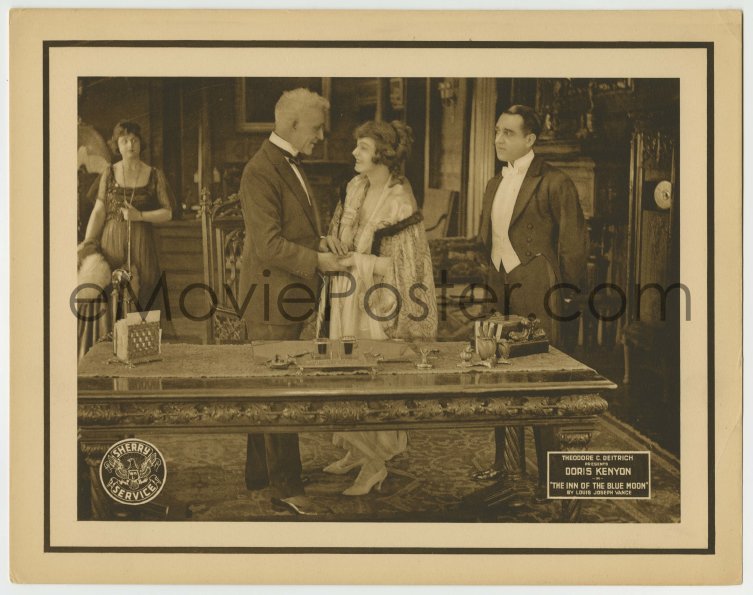
Dir: John B. O'Brien
When the marriage of Justus and Dorothy Druce fails, their daughter Dorothy goes with her mother to the Catskills, while her twin sister Justine settles in New York with Justus. Years later, Justine becomes engaged to Charlton Sloane, who offers to help Justus out of his financial difficulties by pawning the Druce family jewels. Justus' niece Adelaide, bitterly disappointed in her love for Charlton, convinces her uncle that the young man stole the jewels, prompting Justine to seek the services of Warde MacMahon, a young lawyer vacationing in the Catskills. When Warde's car overturns, Dorothy tends to his injuries in her childhood hideaway, "The Inn of the Blue Moon," and the two fall in love. Dorothy and Justine finally meet, and following several adventures involving their identities, Charlton's name is cleared, the daughters are married to their prospective suitors, and the long separated parents are reunited.
View Details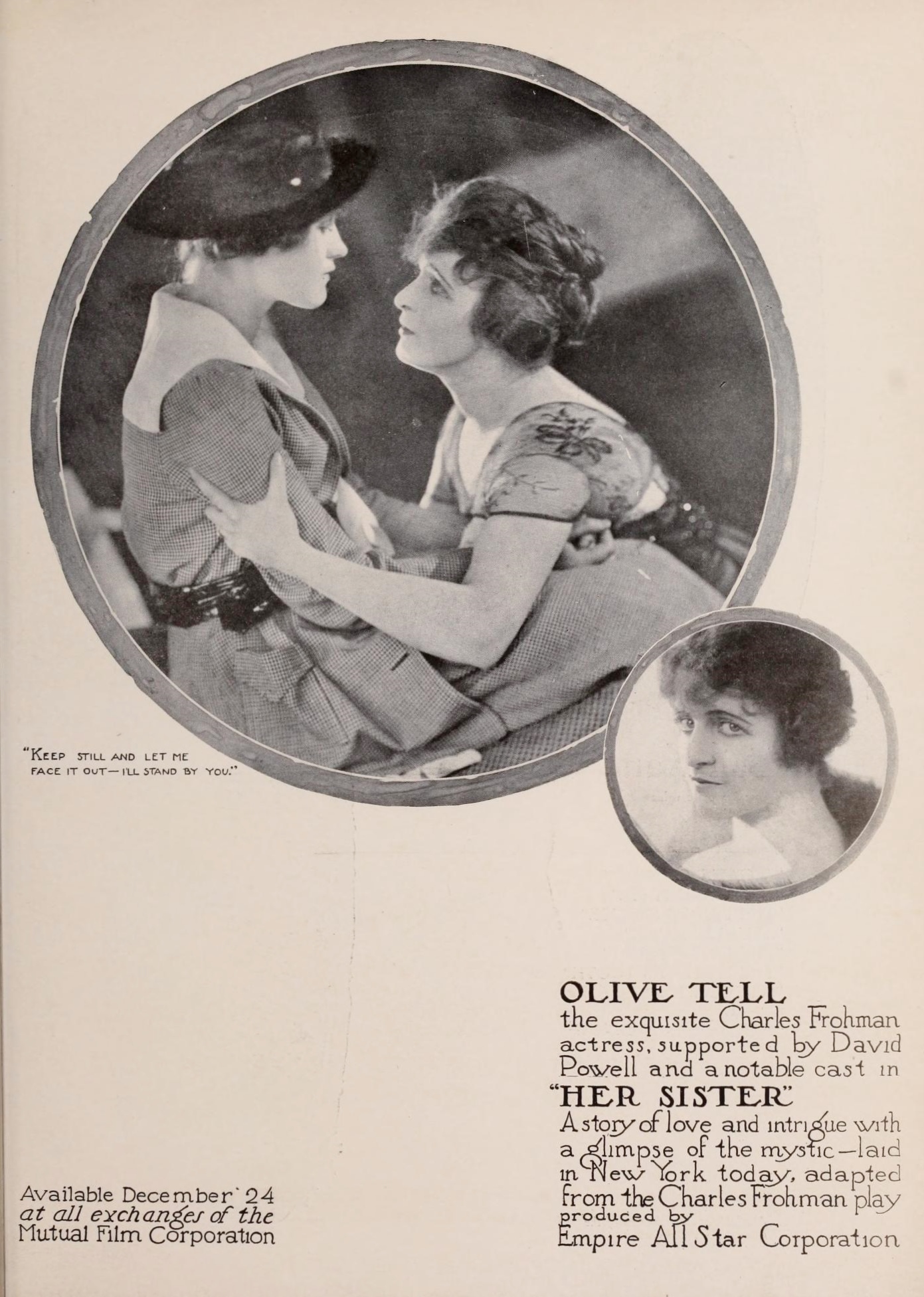
Dir: John B. O'Brien
Eleanor Alderson and her young sister Jane lose their positions as models when Eleanor prevents Jane from accepting buyers' invitations. Eleanor accepts help from a retired seeress and becomes known as "Isis the Eastern Mystic," establishing herself and her sister fashionably. One of Jane's joyrides results in her being compromised with Hamilton, a married man whose wife seeks evidence for divorce. Eleanor arrives at the roadhouse in time to save Jane, but Mrs. Hamilton files her suit, naming Jane. Eleanor has met and loves Ernest Bickley the harum-scarum scion of a wealthy family. To avoid scandal, Jane accepts the hospitality of friends in a nearby city. Adventuress Mrs. Herriard sets her cap for Ernest and, learning of his love for Eleanor, attempts to break up the match while a guest at a party at the Bickley home, where Eleanor is also visiting. In her exile, Jane falls in love with George Saunders, a chum of Ernest's, but she is panic-stricken when he attends the party, fearing that he will learn the truth. A news story of the divorce trial, accompanied by a photograph of Eleanor, causes her to be regarded as the co-respondent, and to protect Jane, she finally acknowledges that she is the woman in the case Ernest refuses to believe Eleanor's self-accusation. He learns that she has a sister, and by a clever scheme, leads her to believe that Jane is at the door, Eleanor falling into the trap and disclosing the secret. Her loyalty to her sister wins the entire Bickley family and Jane's name is cleared of the stain when it is learned she was innocently led into the affair.
View Details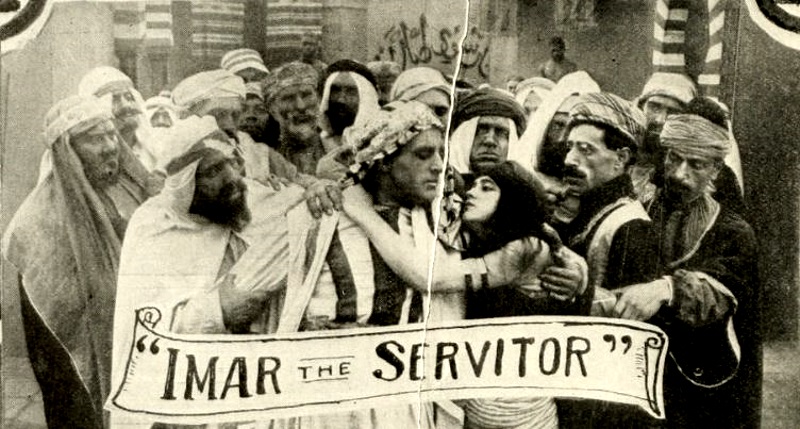
Dir: John B. O'Brien
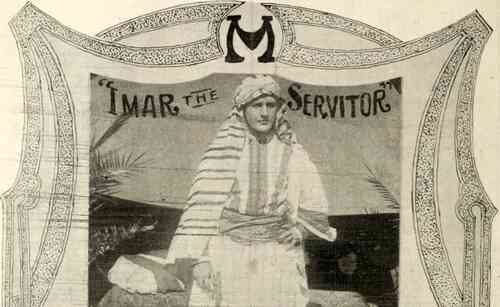
Imar the Servitor rescues an American tourist who has lost his way in the desert and the two men become friends. Before he leaves, the American gives his friend a picture of his fiancée. When the tourist returns home, he discovers that his girlfriend has married a horseman, both of whom have journeyed to the Arabian desert. Imar's master attacks the trader's wife. Her husband then accuses her of infidelity and starts to beat her. Imar recognizes her from the picture given to him by his American friend and rescues her. They both traverse the desert and meet her former fiancé, who has been sent for. Her husband and Imar's master are slain, leaving the three friends free of any retribution.
View Details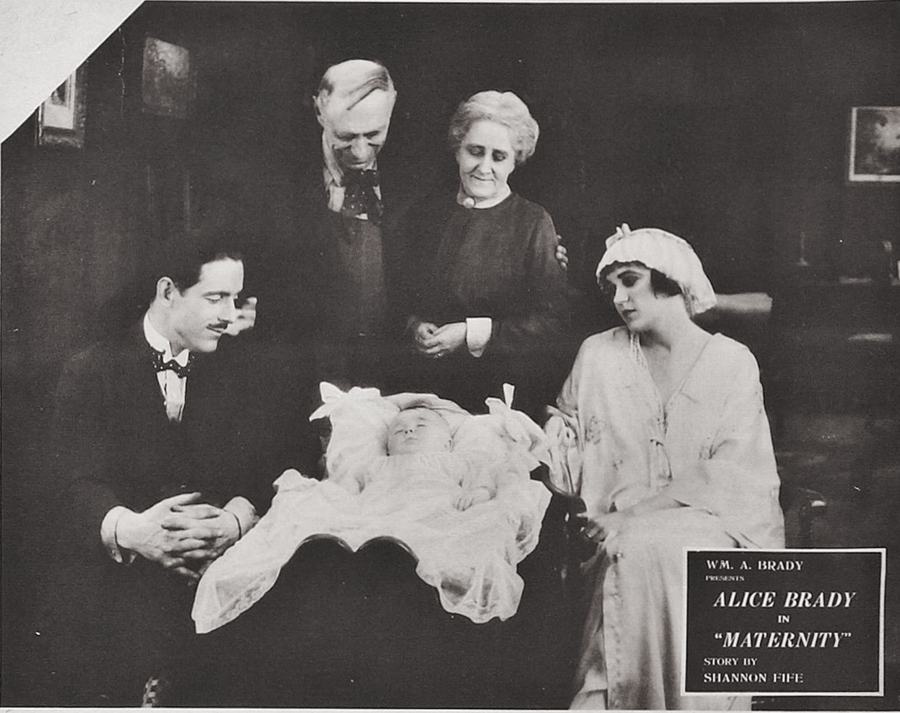
Dir: John B. O'Brien
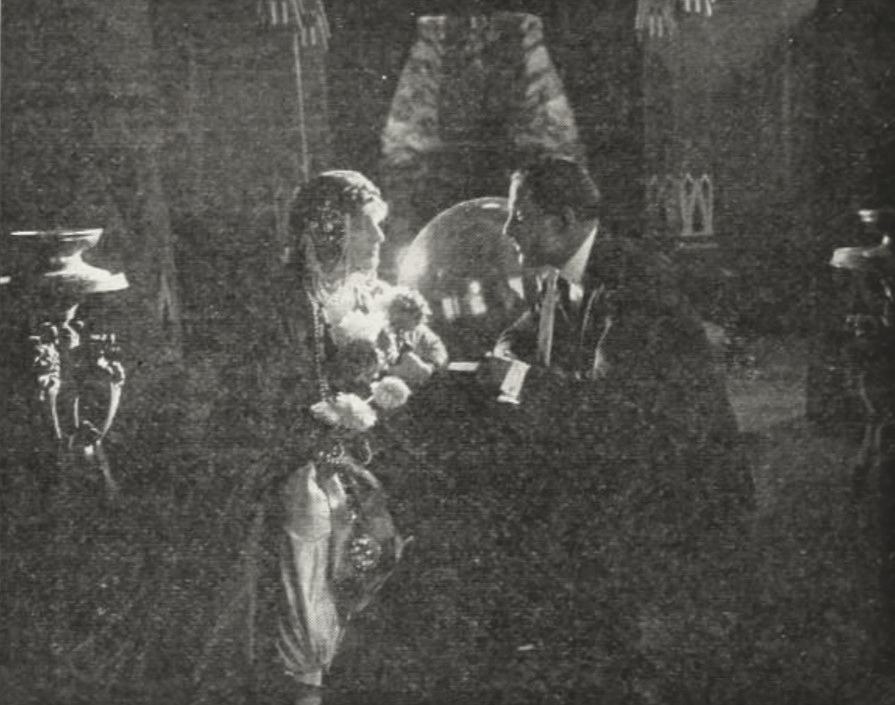
A woman overcomes her fear of childbirth and embraces motherhood.
View Details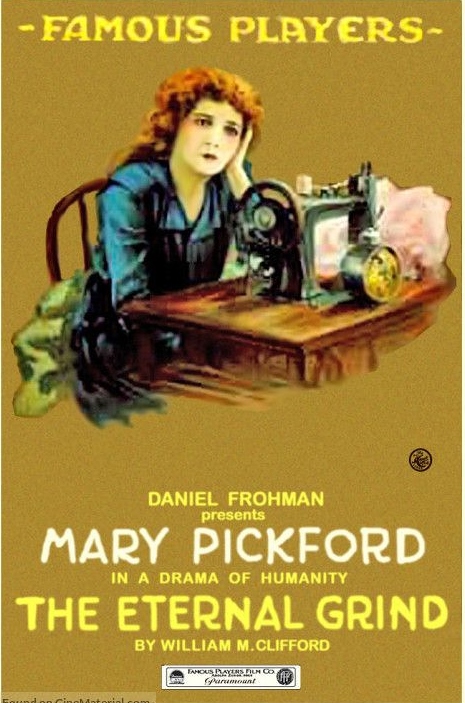
Dir: John B. O'Brien
Owen and Ernest Wharton, sons of sweatshop owner James Wharton, become interested in two of their father's employees. Owen, a settlement worker, falls in love with Mary, while Ernest, a full time womanizer, makes her sister Amy his mistress. Another sister, Jane, grows increasingly consumptive, but when Mary asks James for some money for Jane's treatment, he refuses. Hearing of the trouble, Ernest offers money to Mary, but only if she too agrees to be his mistress. Enraged, Mary forces him at gunpoint, to marry Amy. Then Owen, knocked unconscious in an accident, calls out for Mary. James begs her to see Owen, but before agreeing to go, Mary makes him promise to improve sweatshop conditions. Finally, Owen recovers and he and Mary plan their marriage. Meanwhile, marriage has turned Ernest into a devoted husband, and James keeps his word about shop conditions.
View Details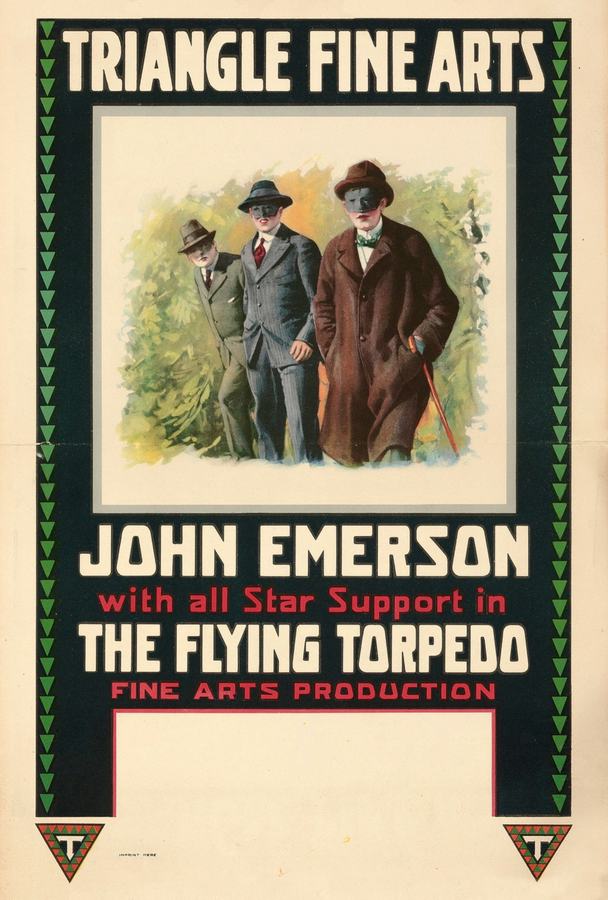
Dir: John B. O'Brien
In the future (1921), an alliance of several foreign countries plot to attack the US. American officials, coming to the realization that the country is basically defenseless, offer $1,000,000 to anyone who can come up with a weapon to defeat the invaders. Winthrop Clavering, a writer and inventor, hears of the reward and tells his friend Bartholomew Thompson, a scientist and inventor who has been working on developing flying torpedo. However, enemy agents have also heard about Thompson's project, and set out to kill him and steal his plans.
View Details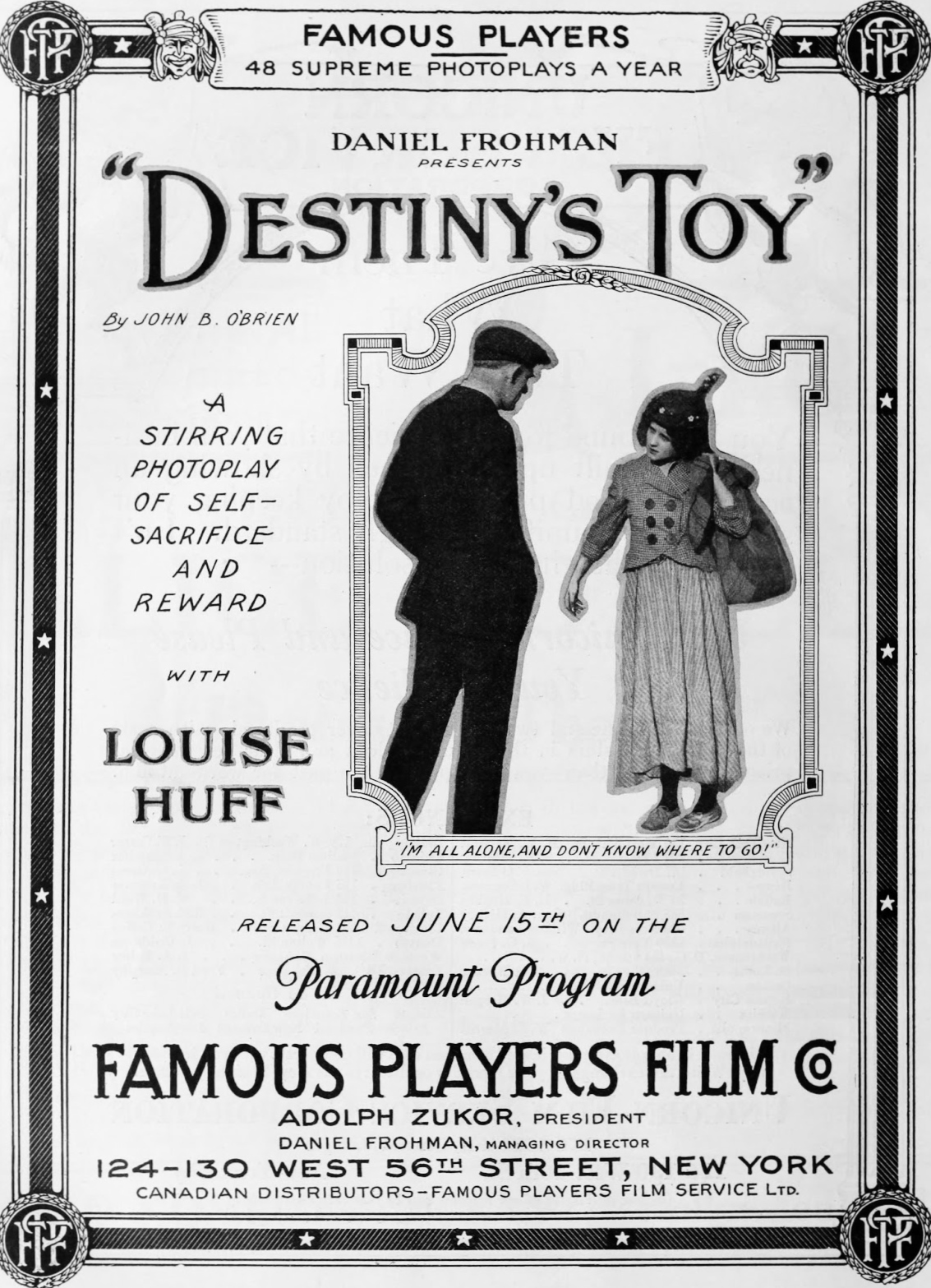
Dir: John B. O'Brien
Young Nan was rescued from a shipwreck by a man who became her foster father. Years later, when he dies, she moves to a nearby city and unknowingly gets involved with a criminal gang. When the gang attempts and fails to rob wealthy Thomas Carter's home, Nan finally discovers what they are and tells the police all she knows, resulting in the imprisonment of Bad Riley, the gang's leader. The Carters gratefully take Nan into their home as a daughter, honoring the memory of their own daughter who had drowned years before, and the young son, Rev. Robert Carter, begins a romance with her. But the jailed Riley escapes and comes after Nan.
View Details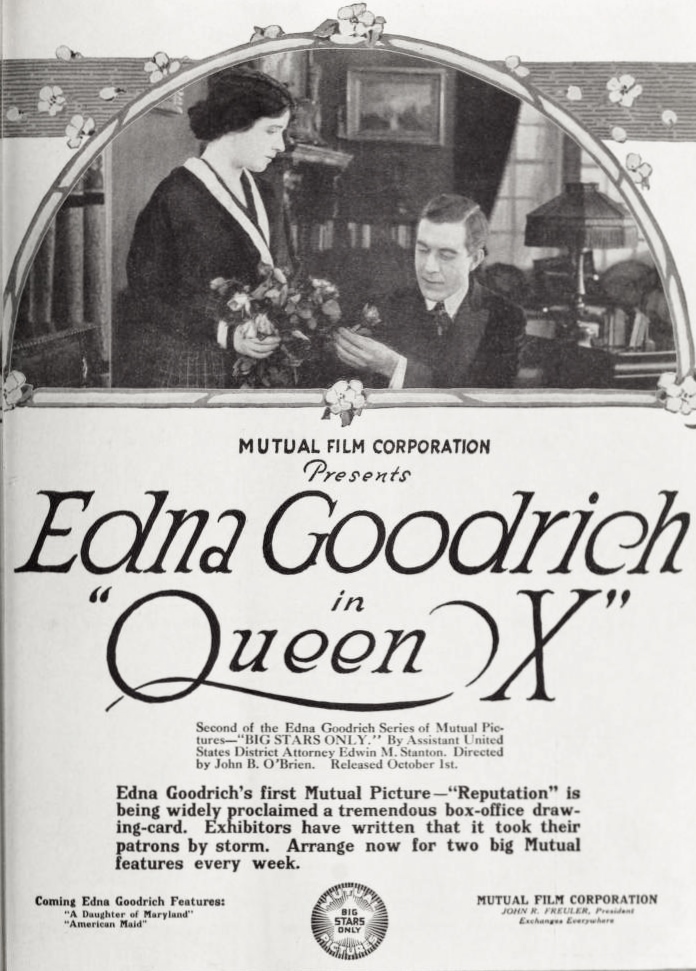
Dir: John B. O'Brien
In New York's notorious Pell Street district, U.S. District Attorney Arnold Somers' men capture Queen X, known to drug smugglers as "The Queen of Chinatown," a woman with a cross-shaped birthmark on her wrist. Summers recognizes her as Janice Waltham, formerly a prominent society woman. After becoming an addict and dealer, Janice was imprisoned in underground dens filled with opium fumes to prevent her from recovering and betraying her suppliers. She refuses to name her associates despite third degree questioning. As Janice is about to be sentenced to a long prison term, Miriam Evans, whose brother George is the assistant district attorney, recognizes Janice as the former schoolmate who rescued her in a convent fire. Somers allows Miriam to take Janice home and advises George to court her to get the names of the gang leaders. With George's help, Janice develops enough will power to kick her drug habit, while George, according to their pact, stops smoking cigarettes and drinking coffee. After George secures the names, Janice, threatened by a Chinese cohort, learns about George's deal, but George, now in love, confesses this and they marry.
View DetailsAnalysis relative to Lonely Heart
| Film Title | Atmosphere | Complexity | Similarity |
|---|---|---|---|
| The Foundling | Gothic | Abstract | 98% Match |
| The Outcast | Gritty | Layered | 87% Match |
| The Inn of the Blue Moon | Gothic | Layered | 90% Match |
| Her Sister | Gritty | Dense | 86% Match |
| Imar the Servitor | Gritty | High | 98% Match |
This guide was algorithmically generated using the cinematic metadata of John B. O'Brien's archive. Last updated: 8/17/2026.
Back to Lonely Heart Details →