
DbcultAccessing Vault...
Recommendations
Senior Film Conservator
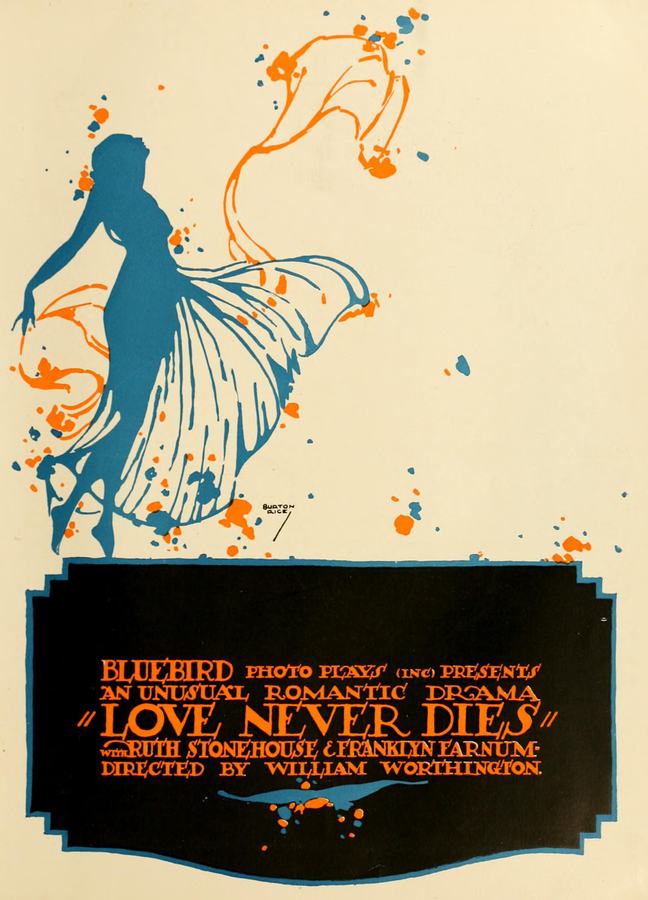
The artistic legacy of William Worthington was forever changed by Love Never Dies, the thematic layers of this 1916 classic invite a wider exploration of the genre. This list serves as a bridge to other cult experiences that are just as potent.
The vintage appeal of Love Never Dies to reinvent the tropes of cult cinema for a global audience.
In childhood Cecile and Felix were playmates. Felix was gifted as a violinist and Cecile was fond of dancing. When Cecile's mother died her rich uncle, a domineering Frenchman, adopted her. Felix wandered the country over as a vagrant musician, until after ten years he secures employment as violinist in the orchestra at the opera house in the city where Cecile dwells. Wandering one evening Felix leans over a garden wall to behold a young girl dancing on the green. Having his violin under his arm Felix begins playing a measure, attracts the girl's attention and in the end they recognize each other as childhood sweethearts. The crabbed old uncle comes in search of the girl, and upon discovering the unconventional conduct of the young folks, strikes the girl with his cane and orders Felix from his grounds. Cecile rebels and leaves the grounds with Felix to begin living with him without the formality of marriage. There are weeks of happiness for Felix and Cecile, until the uncle demands of the police that they arrest Felix for unlawful practices and restore the girl to her guardian. At the opera house Cecile has met the director of the orchestra, who compliments her upon her dancing and flatters her vanity by declaring she should go to Paris as a premier dancer in the opera. When Felix is thrown into jail the uncle takes Cecile home with him. The girl takes advantage of an opportunity, and goes to Lecoq, the orchestra director, and begs him to take her to Paris. Lecoq has that day had an offer to become director at the Paris Grand Opera, and the girl conceives the idea of helping Felix from his predicament by effacing herself from the situation. To Paris she goes with Lecoq and the officials liberate Felix. With heavy heart the musician buries his grief in composing an opera. When the score is completed he sends his manager to Paris with the work. Lecoq is interviewed and discredits the value of the composition, but says he will present it to the management. Months pass and Felix hears nothing from his opera. He goes to Paris for the purpose of investigating. That day Felix arrives at the Paris Opera House. Lecoq is hailed as the author of a new opera. The premier of the ballot is advertised as Mlle. Genze. Felix goes that evening to the opera, discovers that Lecoq has stolen his composition, and also sees in Mlle. Genze the Cecile who deserted him and thereafter left him uninformed. Forcing his way to Mlle. Genze's dressing room, he finds her prostrated from an injury to her ankle that will keep her forever from dancing. Denouncing the girl Felix forces Lecoq to publicity admit his plagiarism. He then retires to seclusion crowned with the laurels of genius. Cecile languishes with a broken heart. Her physician learns her story, prevails upon her uncle to take her once more into his home, and when the girl still shows no sign of recovery, the uncle goes to Felix and tells him that Cecile lingers at death's door because of a broken heart. Felix forgets everything but his love for Cecile, goes to her and there is a blissful reunion.
Based on the unique stylistic flair of Love Never Dies, our vault has identified these titles as the most compelling follow-up experiences for fans of cult cinema:
Dir: William Worthington
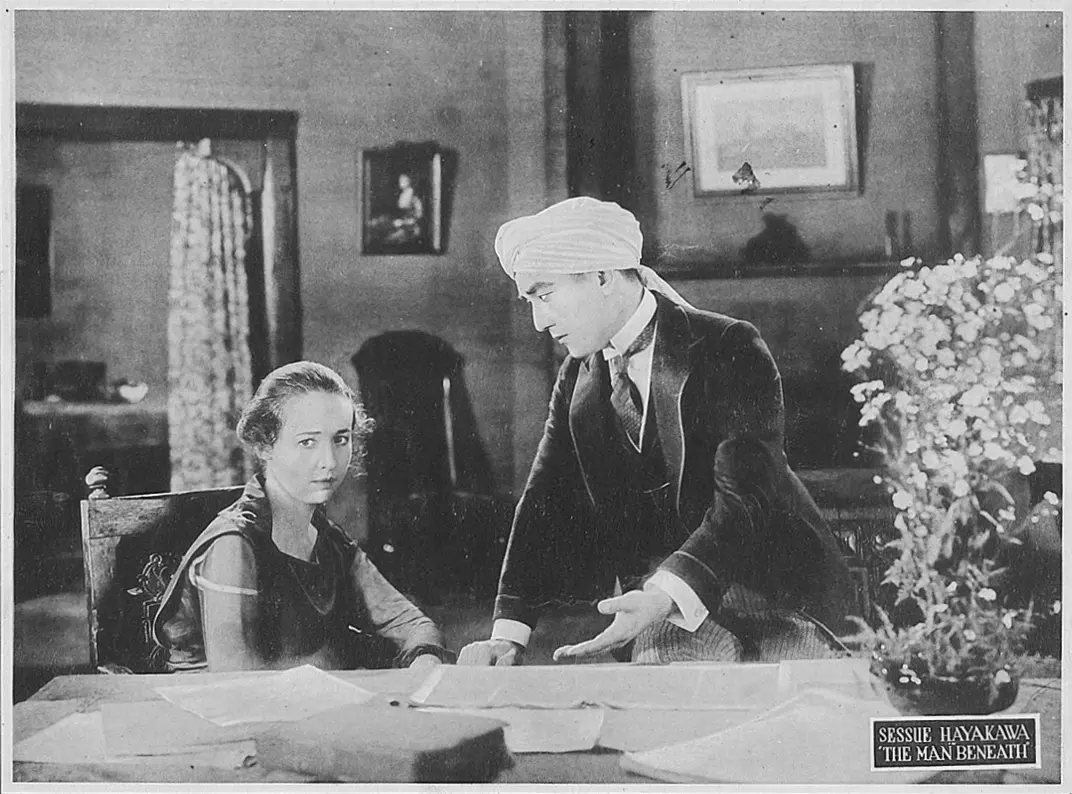
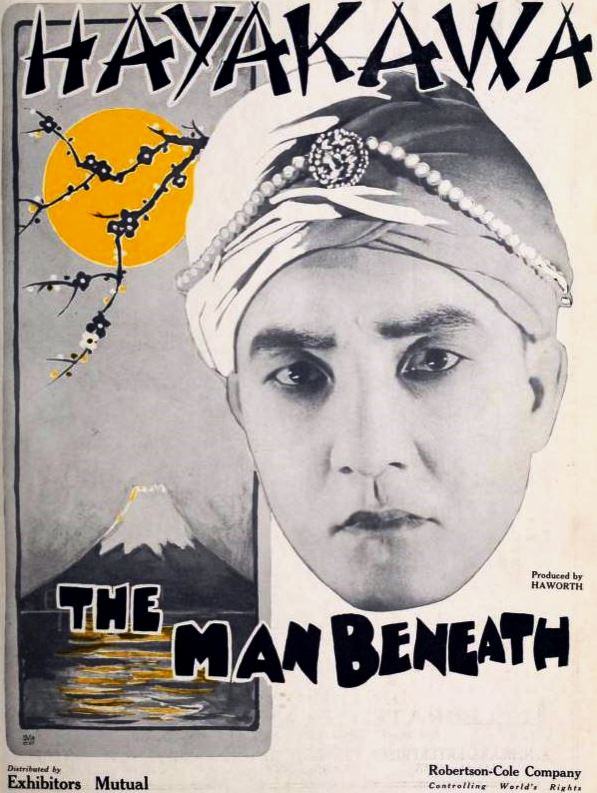
The renown Hindu scientist, Dr. Chindi Ashutor, who has conquered plague in India, visits Scotland and falls in love with Kate Erskine, whose sister Mary is engaged to Ashutor's college friend, James Bassett. Although Kate loves Ashutor, she says marriage would make them social outcasts. Several months later, Bassett comes to Ashutor in India for help in eluding members of the Black Hand. Bassett became involved with them out of curiosity, and now they demand that he commit a murder. On a boat bound for Italy, Ashutor gives Bassett an injection to make him appear dead. In view of the Black Hand agents, François and Countess Petite Florence, a dummy is then buried at sea. In Scotland, after the agents overhear Ashutor tell the Erskines that Bassett is all right, Ashutor bribes François, who is then murdered by the countess. For his silence, Ashutor demands that Bassett be left alone. He then bids another farewell to Kate saying he will always love her.
View Details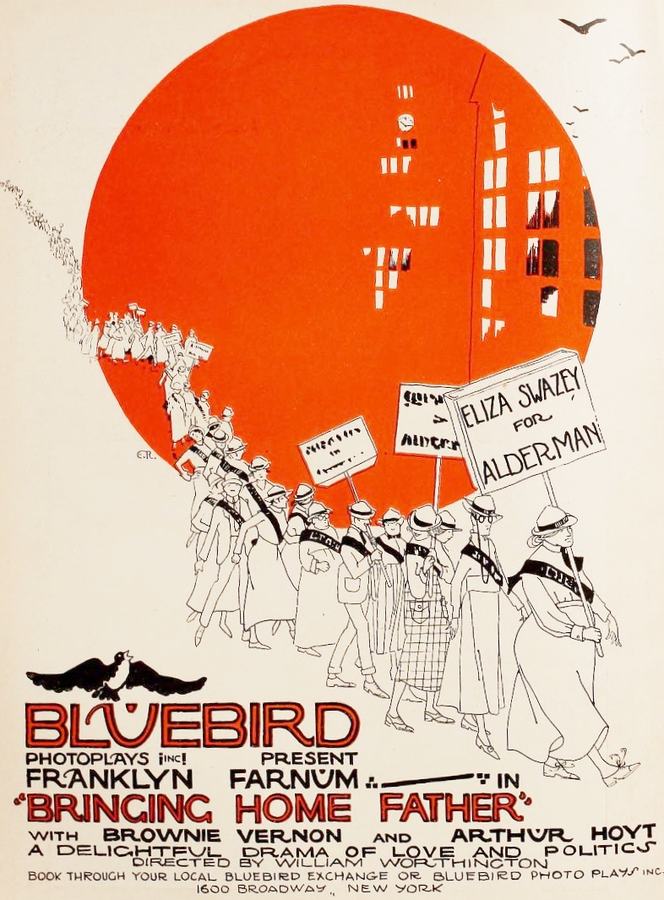
Dir: William Worthington
Peter Drake meets and falls in love with Jackie Swazey, the daughter of a feisty suffragette and incipient politician. In order to impress her, he agrees to help Mrs Swazey in her campaign to become elected. His first task is a difficult one - Mrs Swazey's ticket is Prohibition, and her husband, Jackie's Pa, is little more than a drunk. Instead of reforming him, Peter gets on with Pa Swazey like a house on fire, and they end up drunk and in jail! Fortunately the are helped out by a man named Mike Clancey. Unfortunately, he is Mrs Swazey's main opponent in the election - and the price he demands for his help is her elimination from the race. Peter comes up with the perfect solution: he spikes her drink at a Prohibition rally and gets her drunk! Before she sobers up and the sparks fly, Jackie and Peter elope.
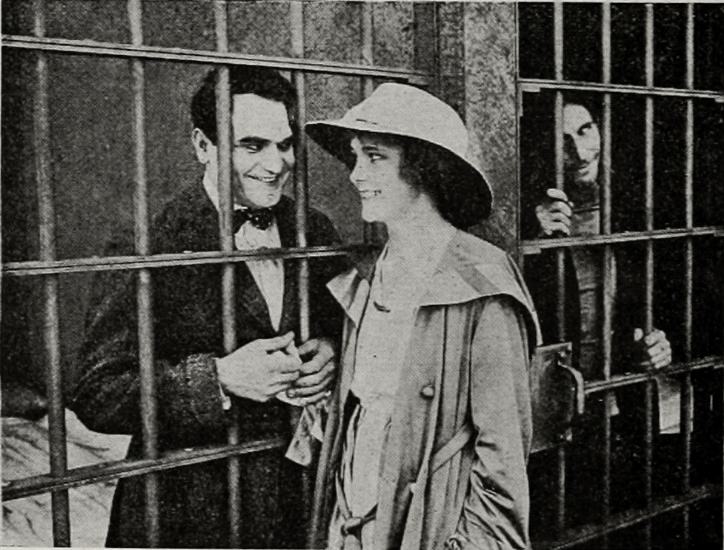
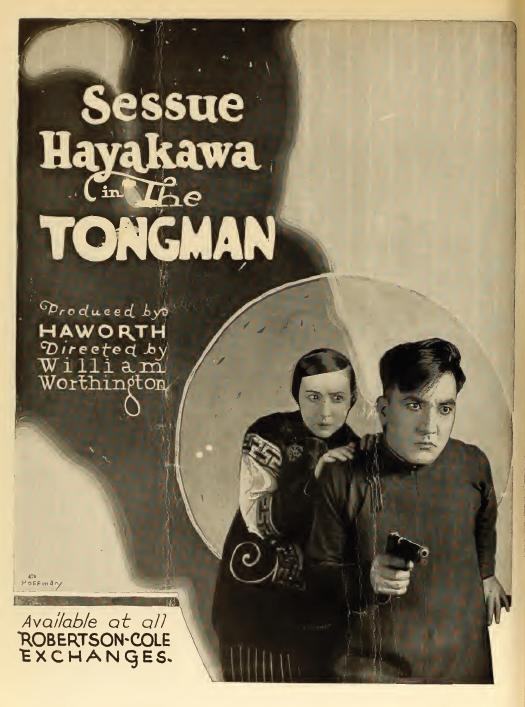
Dir: William Worthington
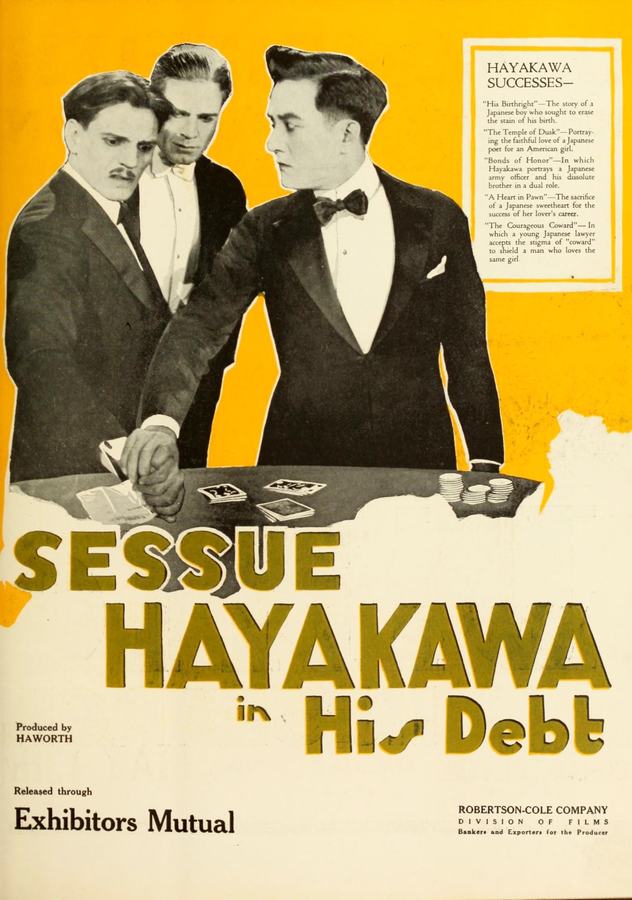
Goro Mariyama uses the profits from his ethically run gambling house to help the poor. Gambler Blair Whitcomb accuses Goro of cheating, then shoots him after losing a $10,000 bet. Goro survives a punctured lung only through the efforts of nurse Gloria Manning, Blair's fiancée. When Goro confesses his love for Gloria, he is shocked to hear of her engagement. Following his recovery, Goro discovers that Blair has given him a bad check, and demands that the gambler pay his debt in person. Although Blair complies, Goro has him arrested for attempted murder. Gloria pleads for her fiancé's release, revealing that she can never love Goro because he is of a different race. The disappointed Goro enables Blair's escape as payment to Gloria for saving his life.
View Details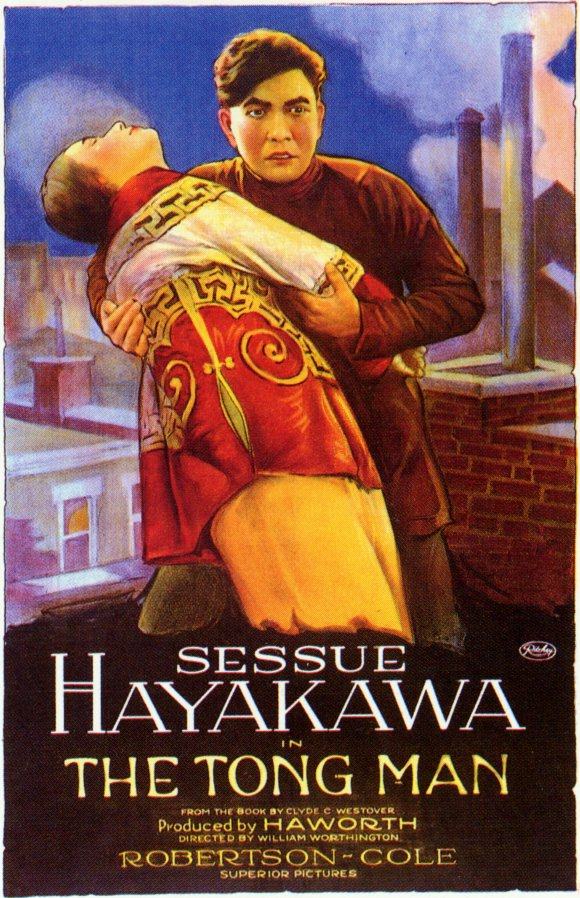
Dir: William Worthington
An opium smuggler is marked for murder in this story of the Chinese Mafia.
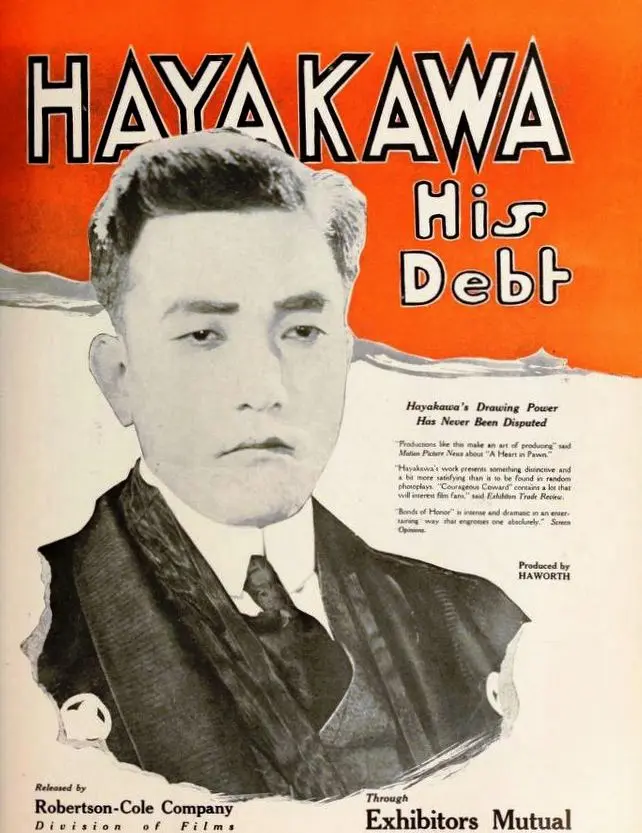
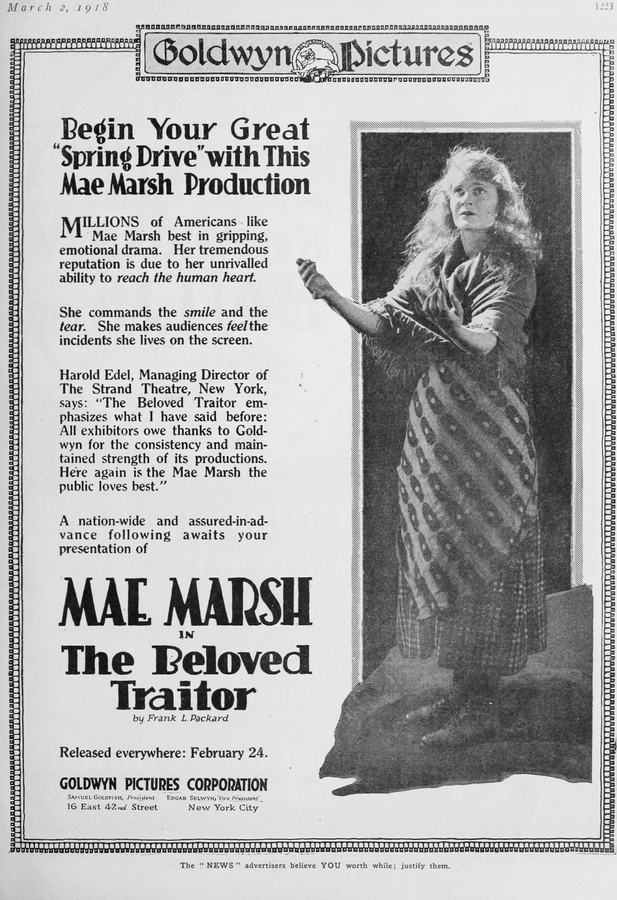
Dir: William Worthington
Wanting her sweetheart, Judd Minot, a Maine fisherman, to develop his sculpting talents, Mary Garland encourages him to accompany art connoisseur Henry Bliss to New York City. Once there, Judd forgets Mary and becomes smitten with Bliss's attractive daughter Myrna. Although he wins fame as an artist, the party society life he leads with Myrna causes his work to suffer. When Mary learns of Judd's stagnation and fast style of living, she rushes to New York to rescue him. When he sees her, Judd realizes that Mary is the prime inspiration for all his statues and renews his love for her.
View Details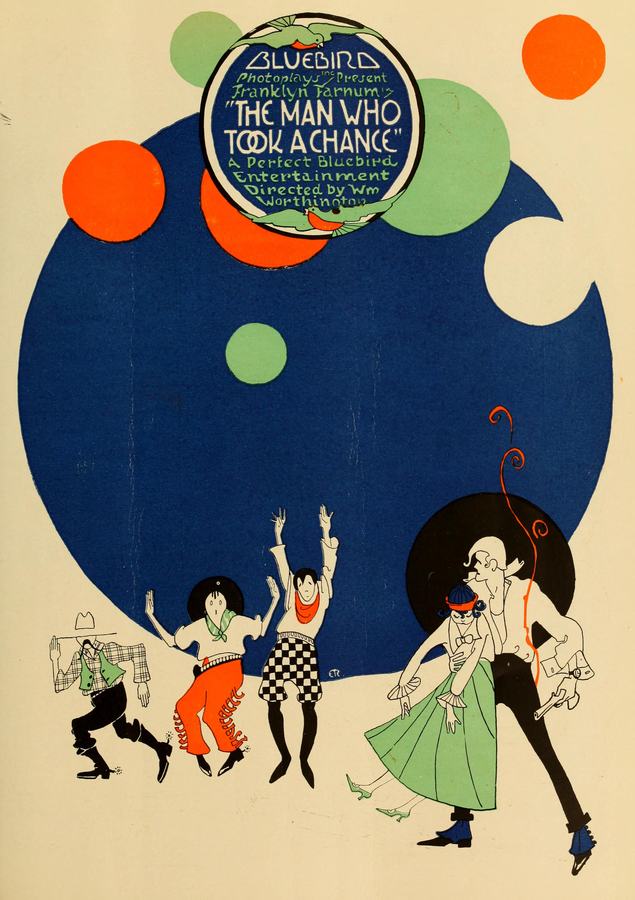
Dir: William Worthington
Monty Gray returns to the US after spending 10 years building railroads in China. As he enters a hotel he runs into an old friend from college whom he hasn't seen in years, and they begin catching up on old times. Monty notices a picture of a young woman that his friend is carrying and, bowled over by her beauty, he instantly falls for her. However, his friend tells him that he doesn't have a chance in a million of meeting the girl, who happens to be his cousin, because her mother rules the girl's life with an iron fist and is determined that she will marry royalty and not some untitled commoner. Monty is determined to have the girl, and devises a plan to win her.
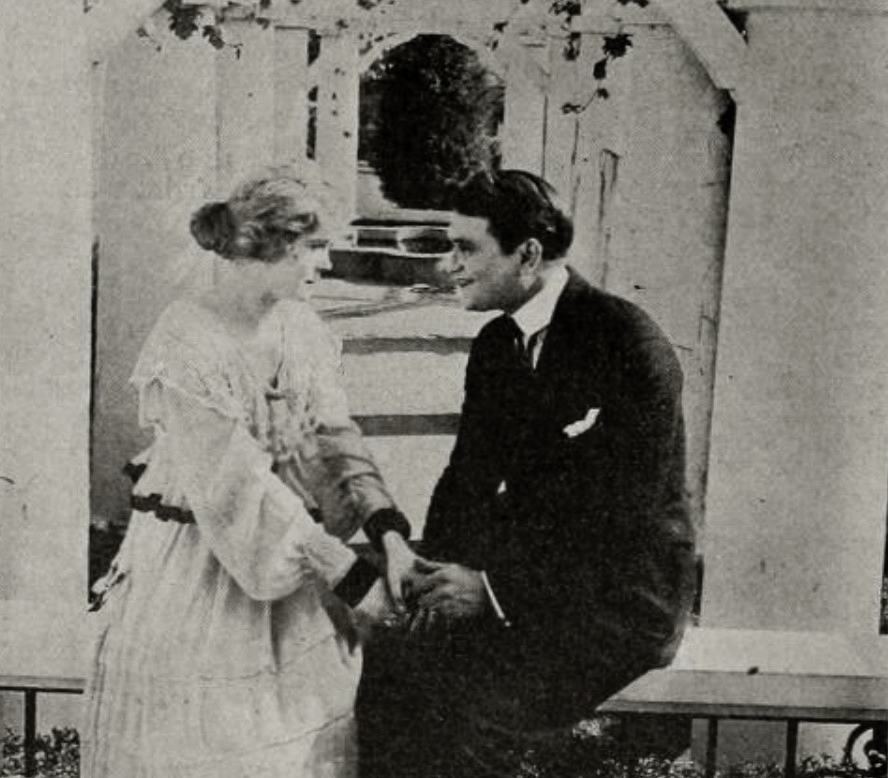
Dir: William Worthington
A fascinating piece of cinema that shares thematic elements.
View Details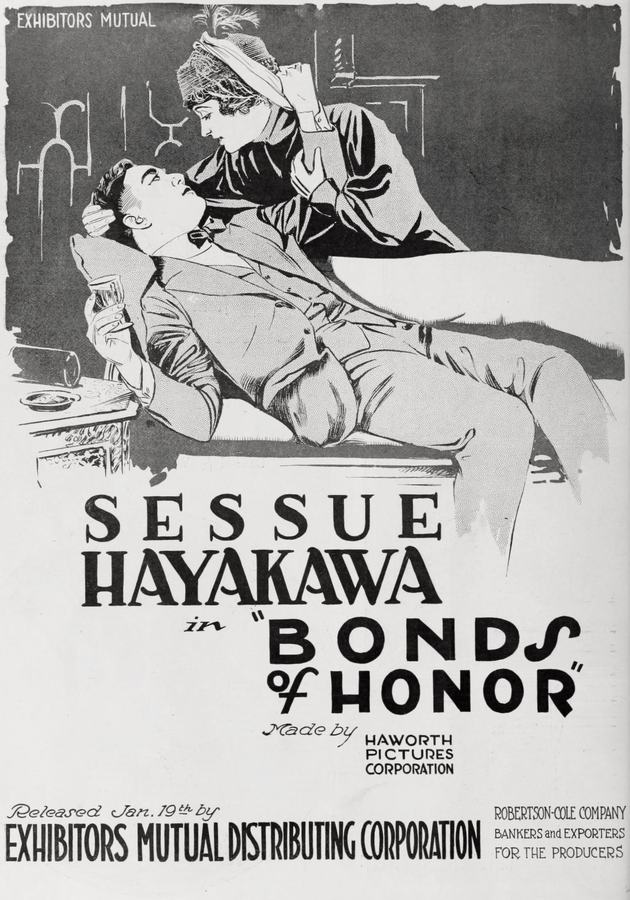
Dir: William Worthington
When Sasamoto commits treason during the Great War to pay off gambling debts, his twin brother Yamashito assumes his identity and tracks him down.
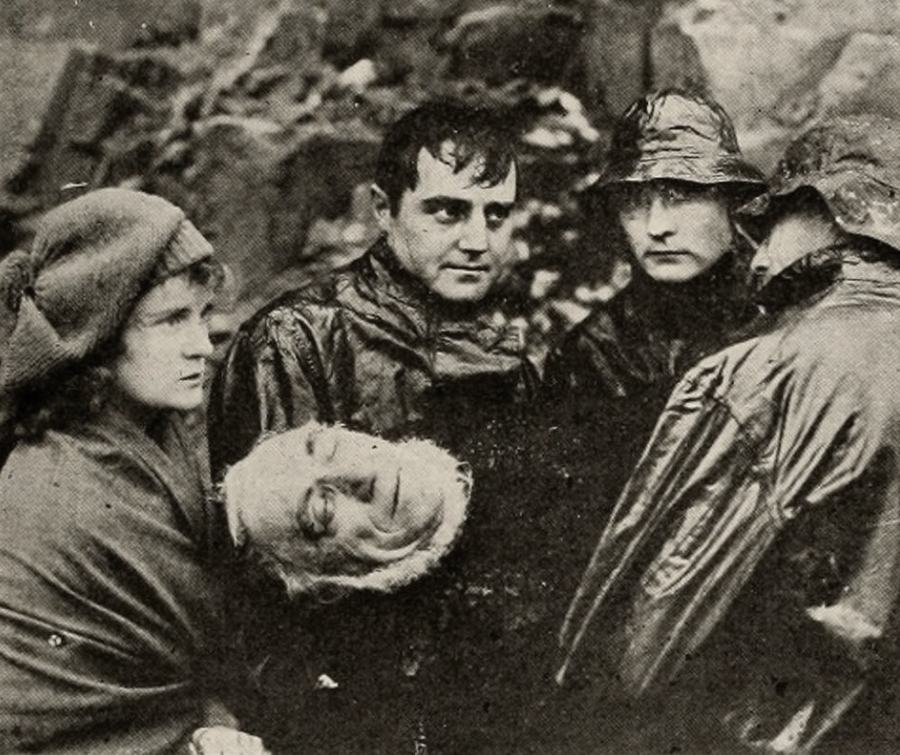
Dir: William Worthington
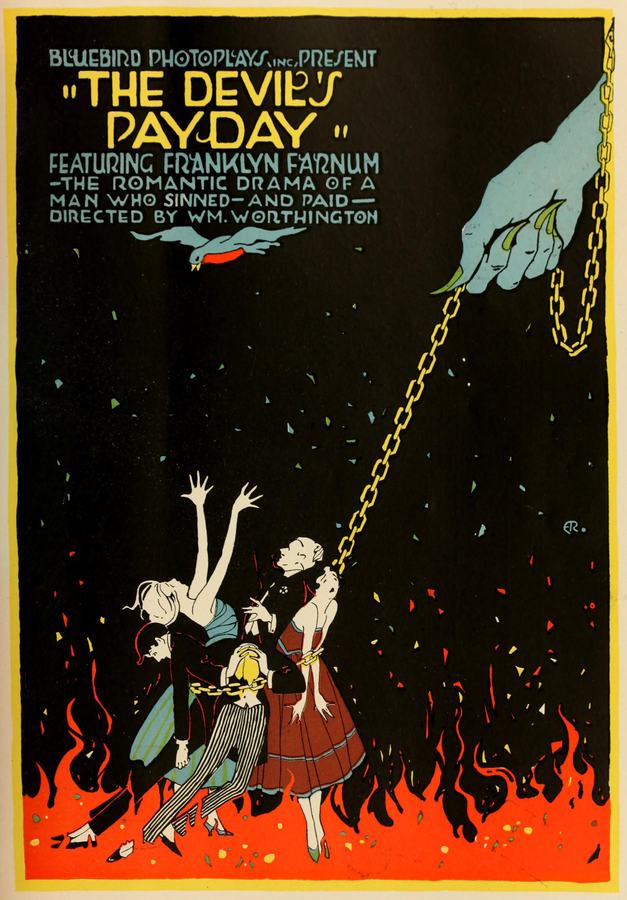
When Gregory Van Houten went to the country to recuperate, he intended to remain only a few weeks and then return to plunge into the swirl of city gaieties. But when Van Houten returned he brought with him a country-girl wife and set upon himself the seal of new duties and obligations. Jean Haskins was the daughter of Farmer Haskins, who owned the place where Van Houten boarded. She was a simple child of nature, trustful and devoted to the new ideals of happiness that Van Houten brought into her young life. Farmer Haskins warned the young folks that they were storing trouble for themselves in marrying; he told them that their lives had been so different that they would eventually find that they could not continue happily. Nevertheless, they married and returned to town happy. At the first social function they attended, Gregory realized that his wife wasn't prepared for the butterfly life. One of Gregory's club friends, James Hanley, saw in the young bride a conquest. His attentions to Jean soon centered Gregory's suspicions upon them; meanwhile, Gregory turned to a woman in his own set for companionship. Upon an incident that looked worse than it really was, Gregory based cause for a divorce and won his case. Then he married the other woman, a society butterfly. The shock completely changed Jean's good, wholesome nature; she turned into a viper bent upon revenging herself upon the man who had violated his obligation and made a mockery of her love. Hanley gained his point, but in possessing himself of Jean gained more of companionship than her love as recompense. Years later Gregory and Jeanmet again and her beauty fired his heart with desire. Jean connived to reap her vengeance. When Hanley was called away Jean refused to accompany him, setting up as an excuse that a few months' separation would lead them to a better understanding of their position. Gregory takes advantage of a free field and Jean coyly leads him on. Gregory neglected the wife he married when he divorced Jean and turned all his attentions to Jean. Suddenly Hanley appeared upon the scene, and Jean made a way to a greater revenge than she had planned. The men engaged in a personal encounter and when Hanley seemed to be getting the better of the fight, Jean fired a revolver at the struggling forms and killed Hanley. The sudden outcome of the combat benumbed Gregory's senses. Jean placed the revolver in his hand just as the police entered and they found Gregory bending over the prostrate form of his rival. In the trial that ensued Jean swore that Gregory fired the shot, and her vengeance is almost completed by the verdict of the jury that Gregory was guilty of deliberate murder. But when the court guard goes to bring the prisoner to hear his doom, they find him dead upon the cot of his cell and Jean is left to contemplate the sad ending of her youthful romance.
View Details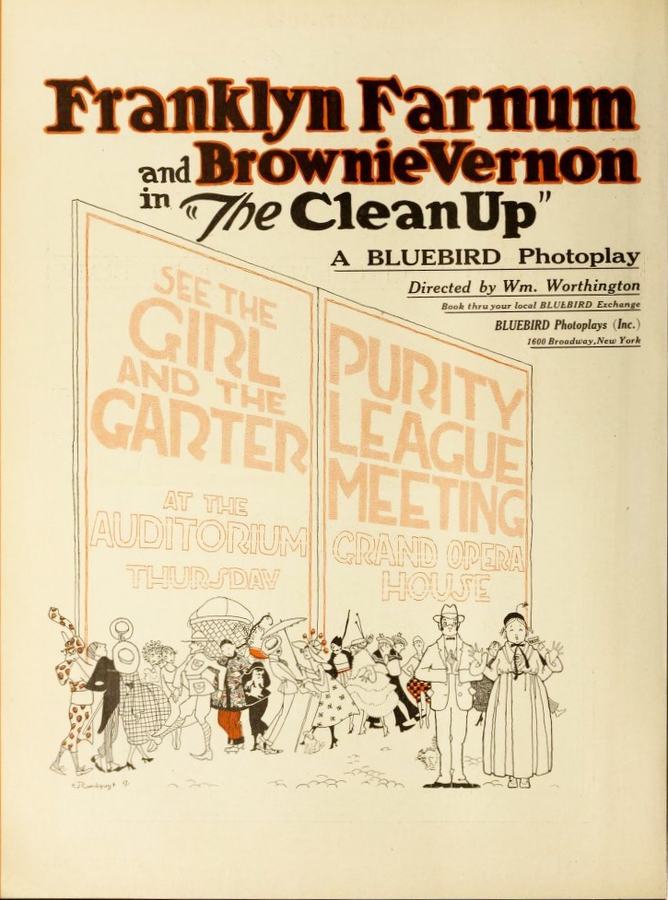
Dir: William Worthington
Stuart Adams, the advance-agent for a traveling burlesque troupe, arrives in Weston, Illinois, his hometown, to publicize the coming show, "The Girl and the Garter". The Purity League, led by banker James Richards, the father of Stuart's sweetheart Hazel, attempts to stop it from opening. After kissing Hazel in public - thus outraging the League members - Stuart builds curiosity about the show by having the newspaper print Richards' admission that he viewed it in New York "to see how shocking it was". He also attaches a banner which advertises the show to Hazel's roadster during a Purity League parade. After Stuart challenges Richards to a debate, Stuart helps detective Vera Vincent, whom he met on the train, capture two crooks trying to rob Richards' bank. During the debate, Stuart, knowing that the show has been canceled, offers to end the bickering by withdrawing the show. Richards then insists that Stuart, who plans to meet Hazel at the train station to elope, come to dinner. Fortunately for Stuart, Hazel had been locked in her room by her aunt, and is still at the house.
View DetailsAnalysis relative to Love Never Dies
| Film Title | Atmosphere | Complexity | Similarity |
|---|---|---|---|
| The Man Beneath | Ethereal | Layered | 88% Match |
| Bringing Home Father | Tense | Dense | 93% Match |
| His Debt | Gritty | High | 92% Match |
| The Tong Man | Tense | Abstract | 95% Match |
| The Beloved Traitor | Surreal | High | 93% Match |
This guide was algorithmically generated using the cinematic metadata of William Worthington's archive. Last updated: 6/21/2026.
Back to Love Never Dies Details →