
DbcultAccessing Vault...
Recommendations
Senior Film Conservator
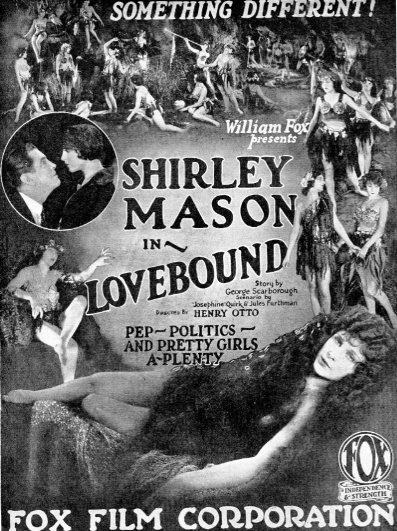
The Crime sensibilities displayed in Lovebound are unparalleled, its status as a United States icon makes it a perfect starting point for discovery. These hand-selected movies are designed to satiate your craving for Crime quality.
The cultural footprint of Lovebound in United States to serve as a cornerstone for Crime enthusiasts worldwide.
Bess Belwyn, daughter of a criminal who reforms in prison, becomes engaged to District Attorney John Mobley. To save her father from being denounced by his erstwhile accomplice, Bess, unaware of the consequences, becomes involved in a jewelry theft. She then tries in vain to confess and break the engagement. After she marries Mobley, the crook attempts to blackmail Bess, but she confesses everything to Mobley and in the subsequent fracas the crook is killed.
Critics widely regard Lovebound as a cult-favorite piece of Crime cinema. Its thematic gravity is frequently cited as its strongest asset, solidifying its place in United States's film legacy.
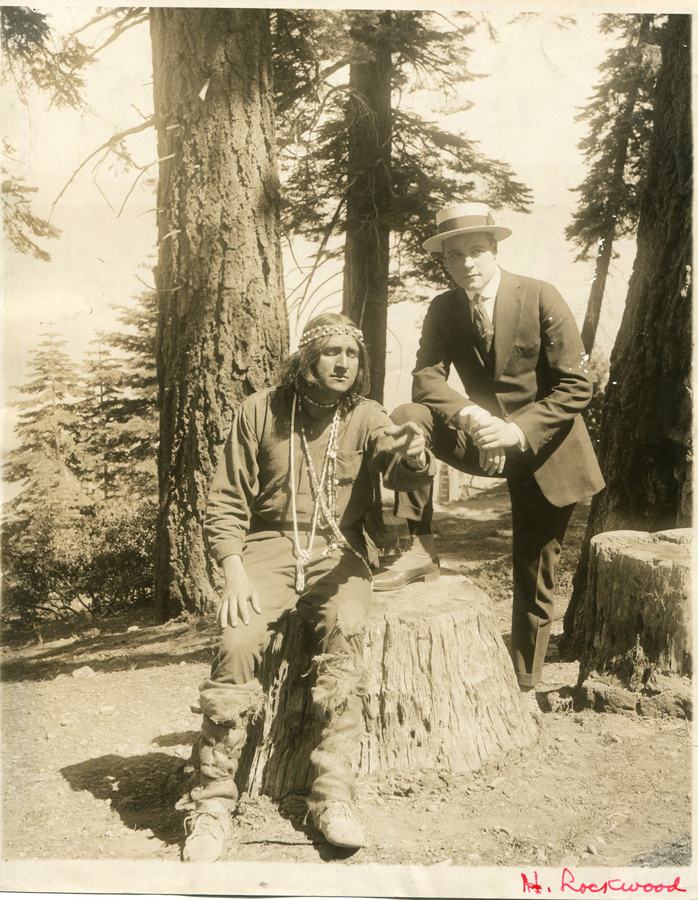
Based on the unique thematic gravity of Lovebound, our vault has identified these titles as the most compelling follow-up experiences for fans of Crime cinema:
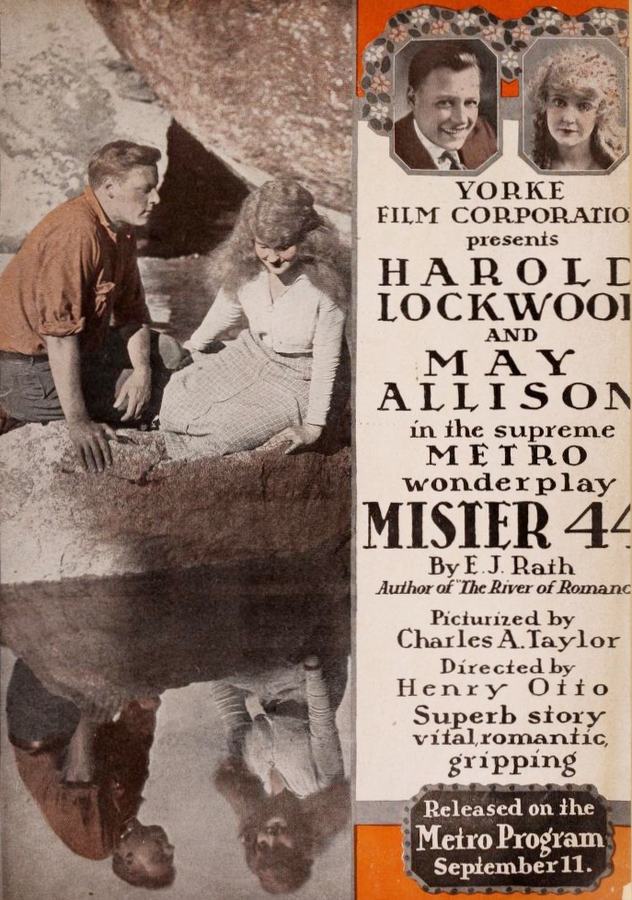
Dir: Henry Otto
In the sordid shirt factory in which she works, Sadie Hicks dreams of the great outdoors. Surrounded by men of puny minds and flabby bodies, her fancy goes out to great manhood that is strong of mind and muscle. Translated in the language of the shirt factory life she knows best, she finds that she admires a man with a 44 chest. She sees a shipment of 44s all ready to be sent to Arizona, and she writes a little note and tucks it into one of the shirts. On account of a rush order, the box is sent to Canada and the shirt with Sadie's note reaches John Stoddard, a wealthy civil engineer, who prefers the life of the woods to the polite society enjoyed by his family and friends. Good-naturedly, he answers Sadie's note, telling her to let him know if he can help her at any time. Sadie receives the letter on the same day she is discharged from the factory for repulsing the advances of Ferguson, the foreman. She at once telegraphs Stoddard that she is on the way, and takes the next train for his Canadian Camp. He receives the message too late to wire her not to come. Stoddard goes to the station to meet her, intending to put her on a southbound train immediately, but he misses her, as she has left the train at a station nearer his camp than the post-office station. Stoddard finds her, and they start in a canoe for an island hotel where he expects to place her until he can send her away again. But a storm comes up, the canoe is swamped and Stoddard and Sadie are obliged to swim to the nearest stretch of shore. It is a small deserted island, and the two have to spend a day and a night there. The noblest qualities of both are shown, and they fall in love with each other. They construct a raft on which they embark, but it has been flimsily put together on account of lack of materials, and Sadie and Stoddard are capsized again. This time they are rescued by Stoddard's Indian guide, Eagle Eye, who takes them to the camp. They find Larry Livingston at the camp. He is the brother of Estelle Livingston, the society girl whom Mrs. Stoddard wishes her son to marry. He tells them that Mrs. Stoddard and Estelle, who are stopping at the hotel, will be at the camp presently. Sadie feels diffident about meeting these fashionable women, and hides in the woods. Here Larry Livingston finds her. He tells her that if she really loves John Stoddard, it is her duty to give him up to a woman of his own station in life, that it would be only degradation for him to marry beneath him. Sadie persuades Eagle Eye to show her the way to the railroad station. Leaving a note of farewell for Stoddard, she goes to the city and finds work in a restaurant, studying hard in her leisure hours to make herself worthy of the man she loves, and capable of meeting his mother. Stoddard is tireless in his search for her, and at last discovers her. He convinces her that Larry was mistaken, and the two clasp hands in mutual understanding.
View Details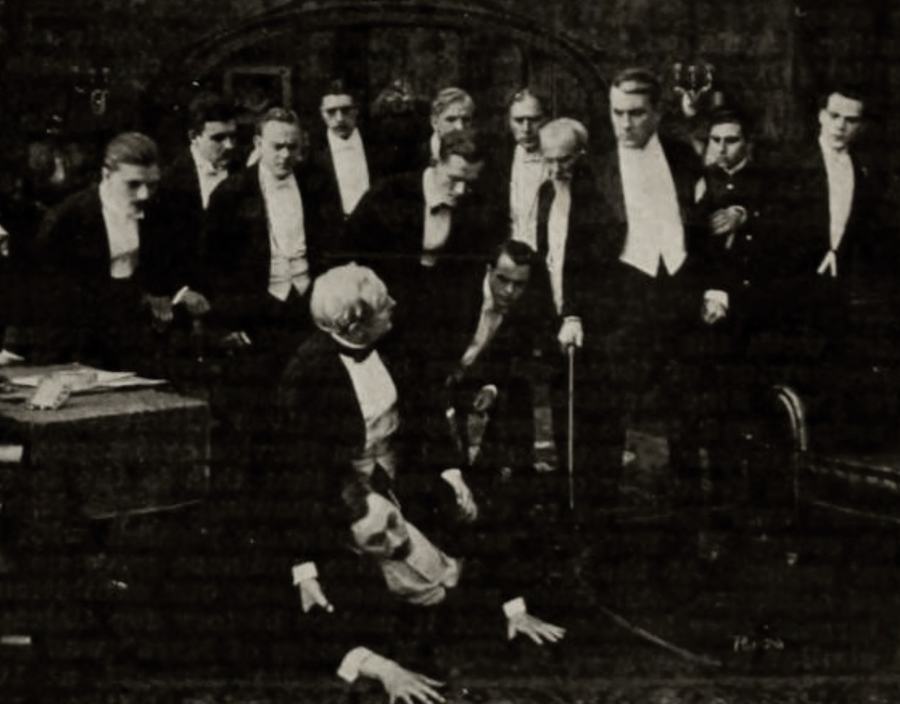
Dir: Henry Otto
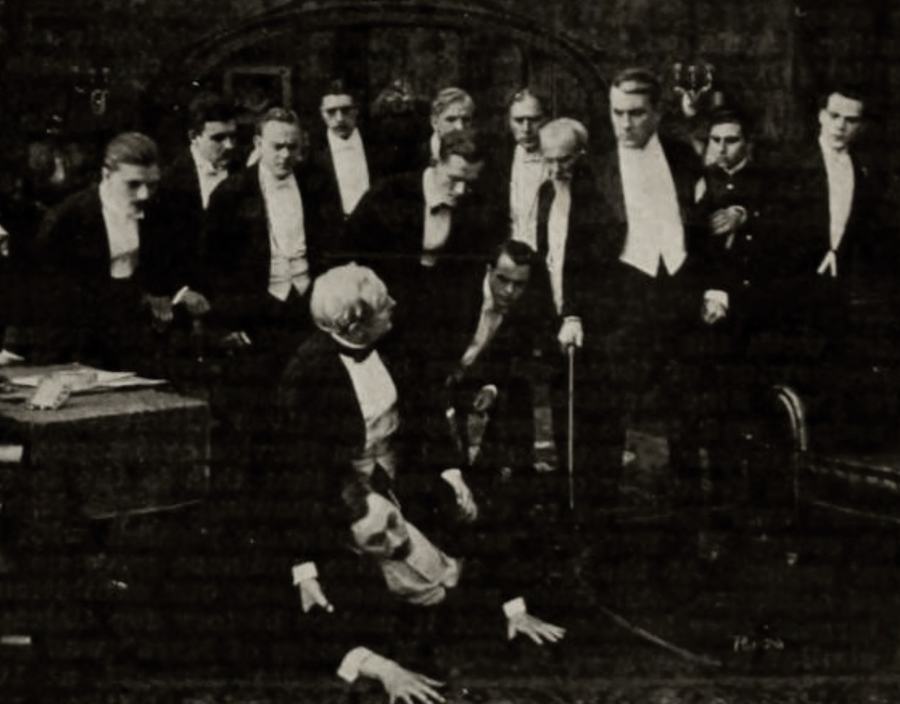
After a two years' stay in western mining camps James Herron returns to his Virginia home. Antonio Gaudio, a foreigner, has won the affections of Betty, Herron's sister. While Jim is playing cards Betty writes a letter addressed to her brother, in which she promises to write in a few days to explain her sudden departure. Arriving in the city, Jim tracks the eloping couple to a fashionable boarding house, where Gaudio has engaged two separate rooms, one for Betty and another for himself across the hall. Jim enters and listens at the door and overhears Gaudio trying to convince Betty that she need have no fear of scandal, as he intends to marry her the next day, while Betty insists on leaving the house, as they have not been pronounced man and wife. As Gaudio tries to prevent her Jim breaks into the room. Gaudio rushes toward the window and fires just as Betty runs into her brother's arms. The bullet hits Betty and she falls on the floor. Gaudio makes his escape, and Jim is placed under arrest. Jim is brought up for trial and on the testimony of the maid, who works in the Herron home, that she heard the brother threaten to kill his sister if she did anything wrong in eloping, the prisoner is promptly convicted and sentenced to life imprisonment. Three years later the Governor makes an inspection of the prison where Jim is serving his life sentence. The prisoners take advantage of the occasion and try to make their escape. Several of them make an attack on the Governor and Jim, seeing this, comes to the Governor's rescue and saves his life. As a reward for his bravery Jim is made a trusty. Ruth, the Governor's daughter, hears of his heroic action and, as a token of her regard for his bravery, she sends him a carrier pigeon to lighten the gloom of his imprisonment. While Jim is brooding in prison over a face he cannot forget, the man who murdered his sister decides to return to America, having spent the intervening three years abroad. He mingles with the smart set under the false title of Count Lorenz. The Count, as Gaudio is now known, is a notorious card sharp, and at one of the fashionable clubs he meets Larry, the Governor's "sporty" son, and cheats him out of all his ready cash at the card table. After that he gets him into his power by accepting promissory notes. Larry learns that the Count is a cheat and decides to consult the prison warden, who is a friend of his. On returning to the warden's office Jim finds Larry in conversation with the warden. Presently the warden turns to Jim and says, "At our last prison show you pulled some clever card stunts for the prisoners' entertainment." Jim replied: "It has been years since I sat in a real game, but I am sure I can catch any sharper at his own trick." Jim learns that Larry is the brother of Ruth, who sent him the pigeon. Jim immediately manifests interest in him and turning to the warden suggests a plan of coming to Larry's rescue. Accordingly, under the pretext that he requires Jim to finish an important report he tells the guard that the prisoner is not to be returned to his cell, as he will remain in his apartment for the night. The warden dresses Jim up like a gentleman of leisure, and Larry takes Jim to his house. As he is introducing him to his sister, he hesitates in regard to his name, when Jim breaks in and says, "Just call me Barrs, the man from nowhere." Jim, Ruth and Larry drive in an automobile to the club, where a ball is in progress. During the ten minutes' ride Ruth decides that Mr. Barrs is quite the man after her ideal. While looking over the assemblage Jim sees the Count dancing in the crowd and immediately recognizes him as the man who shot his sister. At the card table that night Jim catches the Count manipulating the cards and exposes him. The Count grabs a sword from the wall and makes a lunge at Jim. Jim knocks the sword of his hand and, taking two swords of equal length from the wall, throws one to the Count with a warning to defend himself, denouncing him as the murderer of his sister. Although the Count is an expert fencer, Jim proves his master and the Count falls to the ground mortally wounded. He calls for a piece of note paper and signs a dying confession, in which he admits having killed Betty accidentally while trying to kill her brother, thus establishing Jim's innocence. The Governor receives the confession and pardons Jim. Ruth learns of Jim's real name, and as the picture dissolves out there is a sympathetic understanding between Jim and Ruth that promises a bright future.
View Details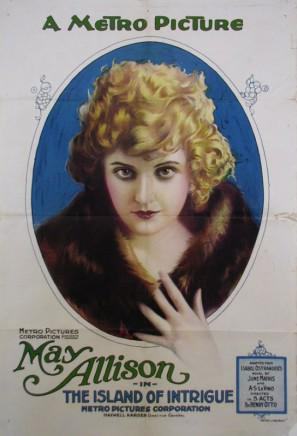
Dir: Henry Otto
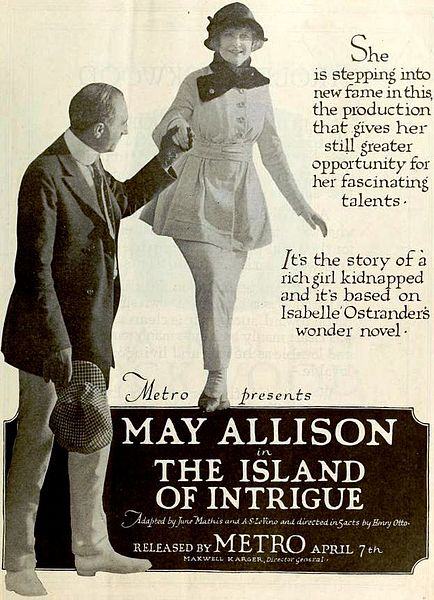
When oil magnate Thomas Waring receives a letter from his old friend, Mrs. Juliet Smith, suggesting that his beloved daughter Maida spend her vacation at Mrs. Smith's island home, Waring encourages Maida to accept as he has to go East on business. After Mrs. Smith supposedly gets Maida, Waring receives a call from the real Mrs. Smith, who says that Maida has left with an impostor. On the island, Maida lives luxuriously, unaware that her hosts are sending her father ransom notes. She meets Gilbert Spear, camping out, and they fall in love. After receiving no response from Waring, the kidnappers reveal their scheme to Maida and demand that she write to her father. They lock her in when she refuses, but she escapes and leaves the island with Gilbert. Although they are overtaken by the criminals, Waring and the police pull up and the gang is taken into custody, leaving Gilbert and Maida free to pursue their romance.
View Details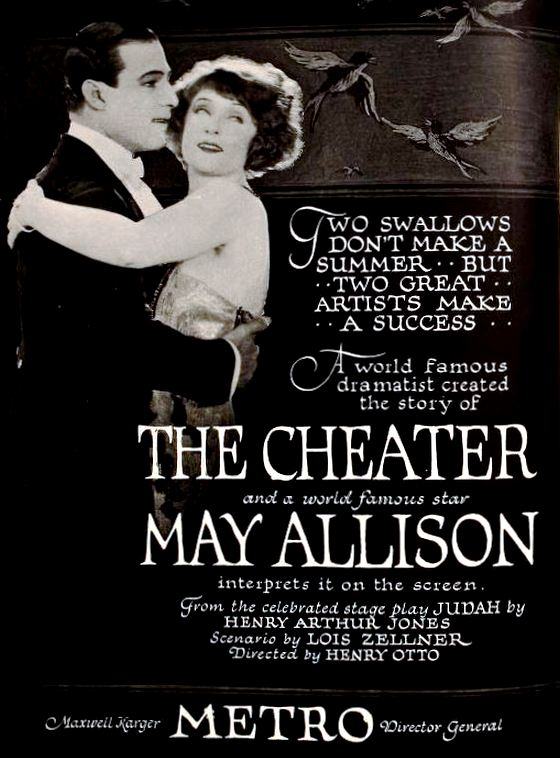
Dir: Henry Otto
Lilly Meany, a member of a London underworld gang, poses as a faith healer to fleece wealthy hypochondriacs. On the recommendation of socialite Mrs. Prall, Lord Asgarby beseeches Lilly to cure his young crippled sister Eve. When Lilly mends a broken doll, she inspires Eve's confidence, and soon Eve is cured. Then Lord Asgarby falls in love with Lilly, and she confesses her scheme. He forgives her and they marry.
View Details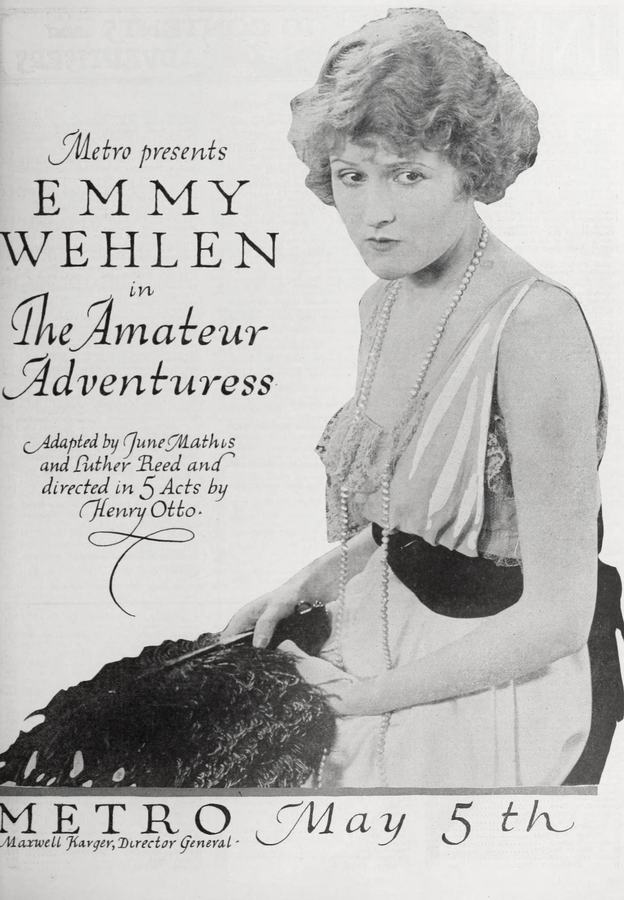
Dir: Henry Otto
William Claxtonbury, the elderly, lecherous head of the Working Girls' Welfare Association, flirts with his pretty clients and gives plainer applicants an inspirational pamphlet. Claxtonbury's stenographer, Norma Wood, is engaged to George Goodie, a sanctimonious, miserly clerk, who looks forward to her continued employment after their marriage. Determined to have a fling at life, Norma walks out on Goodie and charges a number of gowns to Claxtonbury. In her finery she visits a restaurant, where she meets Oliver Morley. Oliver's sister, Mrs. Sentel, a wealthy widow whose two passions in life are her son Gregory and "the movies," hires Norma for $5,000 to lure Gregory from his portly sweetheart, a delicatessen owner's daughter. Using tips found in How to Win a Man in 48 Hours , written by a "picture vamp," Norma succeeds and Gregory proposes to her. Norma, however, realizes that she has fallen in love with Oliver and confesses all to him. Her love is reciprocated and Norma and Oliver plan to marry.
View Details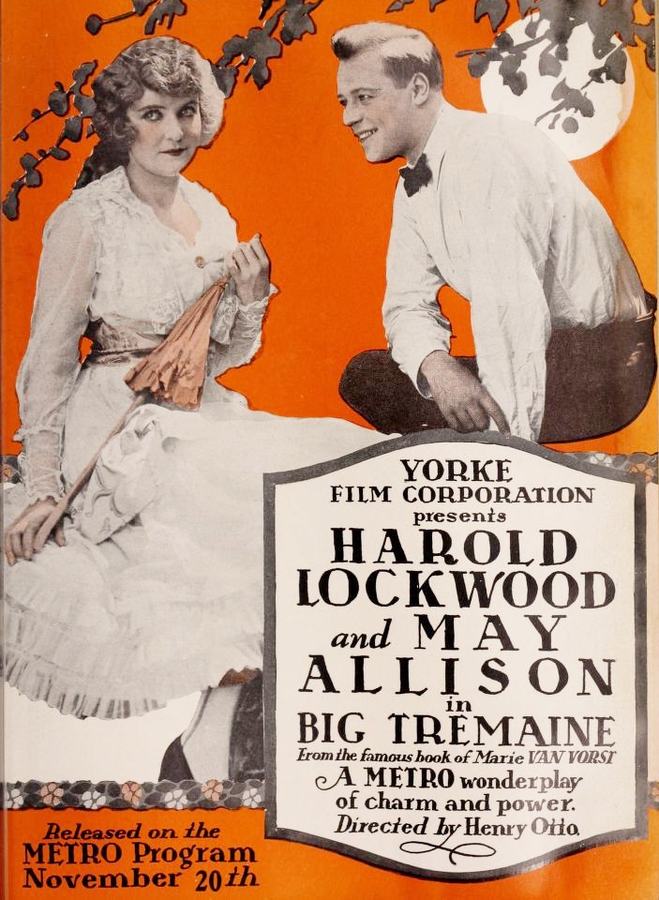
Dir: Henry Otto
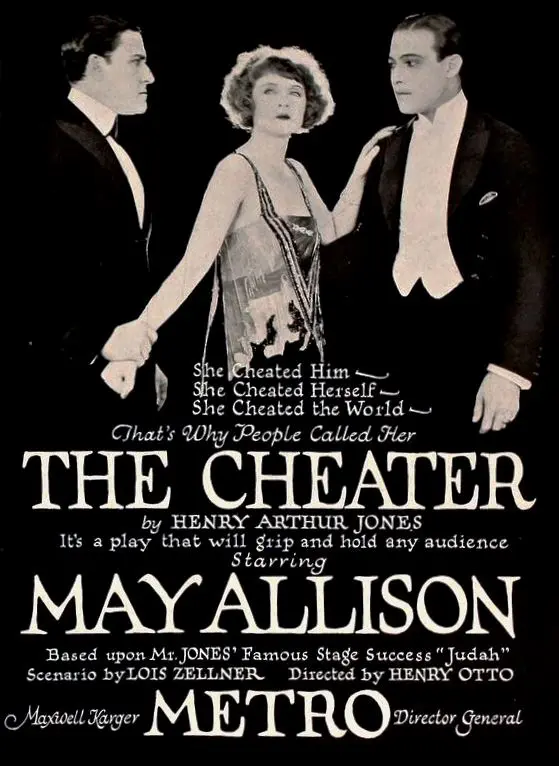
John spies his girlfriend embracing his brother. Stunned, John deposits the family's money and leaves the country. Years later he returns to find his brother dead, the plantation in ruins, and that he is suspected of stealing the money.
View Details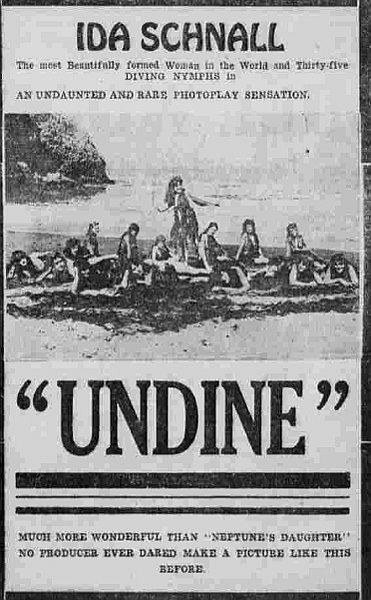
Dir: Henry Otto
The story begins in the realm of Queen Unda, mistress of the under-seas, surrounded by her nymphs, sylphs and mermaids, who disport themselves on the sands and in the waters of the deep. Berthelda, daughter of a fisherman and his devoted wife, has been stolen by the mermaids one day when the child is playing on the sands. Queen Unda rules that little Berthelda shall be left to roam in the Enchanted Forest, because her parents have taken fishes from the ocean, greatly to the annoyance of Unda and Neptune. Undine's mother has committed sin with a mortal and to atone for this her little baby, Undine, is taken to the shore near the fisherman's cottage, to be discovered by the fisherman and his wife. It is Undine's mission on earth to marry a mortal, and thus atone for the sins committed by her mother in loving a handsome young huntsman, whose untimely death likewise robs Undine's mother of her own life. Undine is welcomed by the fisherman and his wife, who consider she has been sent by the gods to take the place of their little Berthelda. Fifteen years pass. Berthelda has been adopted by the Duke and Duchess and among those who pay her court at the Castle is Huldbrand, the bravest of knights. To test his love, Berthelda sends Huldbrand into the Enchanted Forest and bids him return with proof that he had explored its wonders. Coming to the fisherman's cottage, Huldbrand meets Undine, immediately falls in love with her and they are married by a shipwrecked priest, whom Undine has rescued from the sea. Going with his bride to the Castle, there is great rejoicing. At the celebration in honor of Huldbrand's marriage there appears a messenger from Queen Unda who tells Undine her earthly mission is fulfilled and she returns to the waters under the sea. Huldbrand is reconciled to Lady Berthelda and the story ends.
View Details
Dir: Henry Otto
Happy O'Brien, called "The Microbe," or "Mike" for short, a female street urchin who sells newspapers dressed as a boy to avoid harassment, is saved from arrest for fighting other newsboys in Chinatown by wealthy author DeWitt Spense. DeWitt, there to purchase drugs, is so moved by Mike's pugnacity, that he takes her to his mansion for literary inspiration. When DeWitt learns that Mike is a girl, he resolves to educate her. As Mike blossoms, DeWitt's attentions turn to love, to the dismay of Judith Winthrope, who wants to marry him, and his friend Robert Breton, who, with Judith, convinces Mike that DeWitt's writing is suffering because of her. After Mike leaves and gets a job making artificial flowers, she writes DeWitt daily letters, signing them "Bianca," which inspire him to write a best selling novel of replies. Although DeWitt nearly marries Judith when she claims authorship of the letters, he weds Mike when he learns that she penned them.
View Details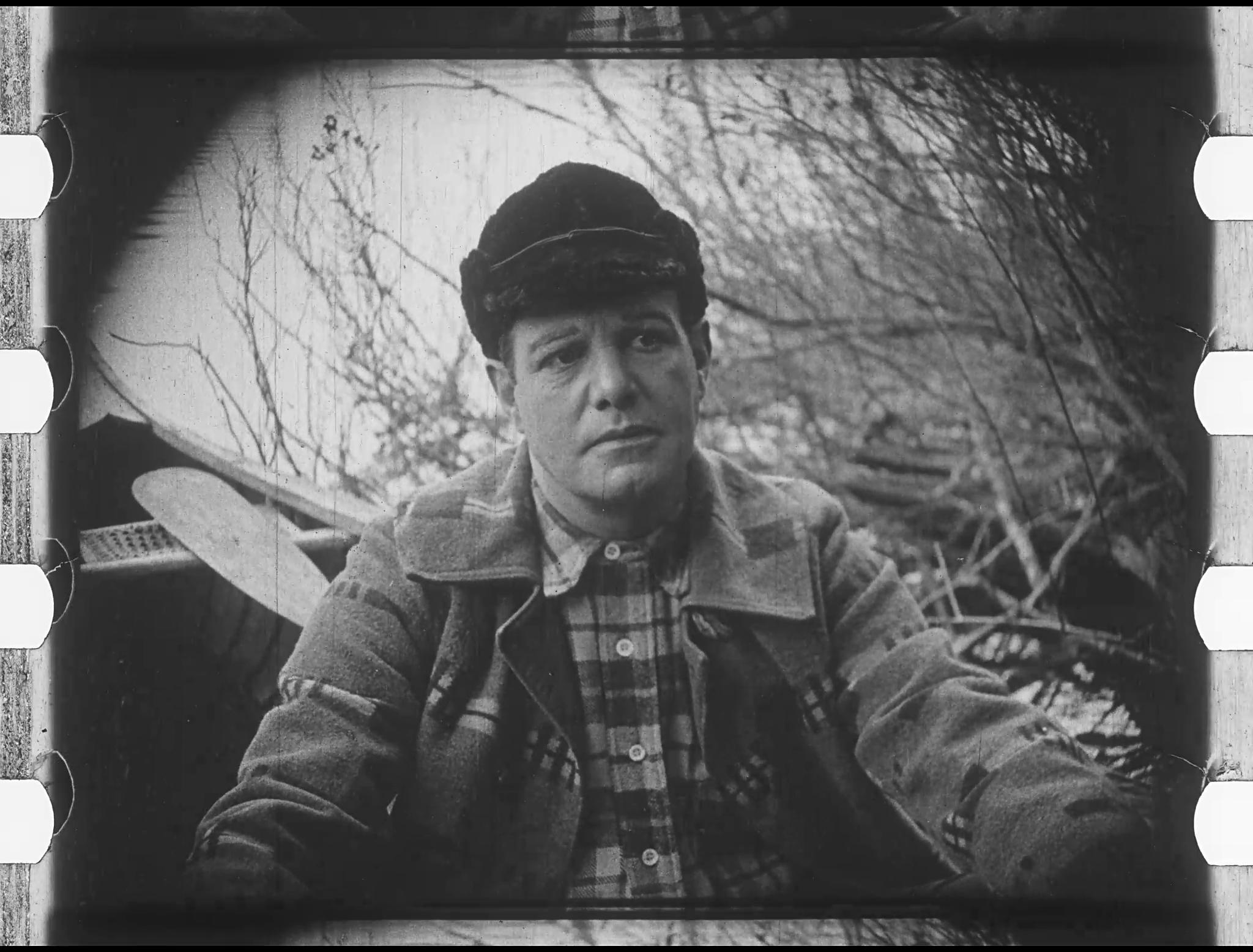
Dir: Edgar Jones
A mail-order bride arrives at a Maine lumber camp but doesn't like her prospective husband.
View Details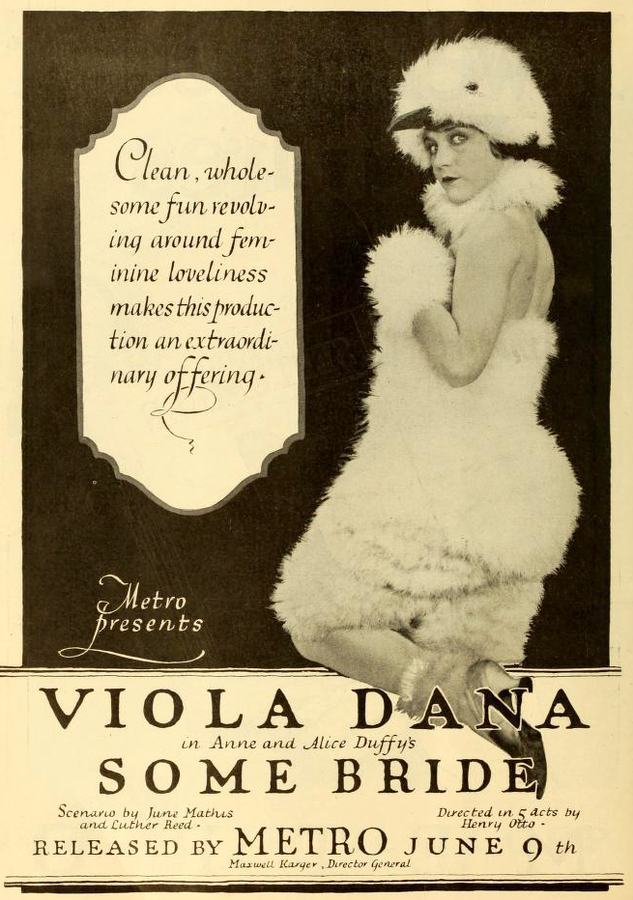
Dir: Henry Otto
Young bride Patricia Morley's flirtatious ways at a summer resort keep her husband Henry in a state of continual anxiety. At an old-fashioned barn dance, Patricia enacts the role of a chicken breaking out of an egg, and Henry's wrath explodes. After accusing her of being in love with another man, Henry returns to New York and files for divorce. Heartbroken, Patricia sends her friend Victoria French to tell Henry that she is dying. Meanwhile, Patricia goes to a hospital and alarms the staff with her hysterical conduct. Later the nurse discovers that Patricia is bluffing. Henry arrives at the hospital just in time to see Patricia pretending to be nurse to his divorce lawyer, Geoffrey Patten, whose leg is broken. Henry's anger explodes again, but he makes up with Patricia and they go home together. Henry hires the hospital nurse as a detective, causing more complications, but Henry finally is cured of his jealousy.
View DetailsAnalysis relative to Lovebound
| Film Title | Atmosphere | Complexity | Similarity |
|---|---|---|---|
| Mister 44 | Ethereal | Linear | 87% Match |
| The Man from Nowhere | Surreal | Layered | 86% Match |
| The Island of Intrigue | Gritty | High | 91% Match |
| The Cheater | Ethereal | Dense | 86% Match |
| The Amateur Adventuress | Surreal | Abstract | 94% Match |
This guide was algorithmically generated using the cinematic metadata of Henry Otto's archive. Last updated: 8/16/2026.
Back to Lovebound Details →