
DbcultAccessing Vault...
Recommendations
Senior Film Conservator
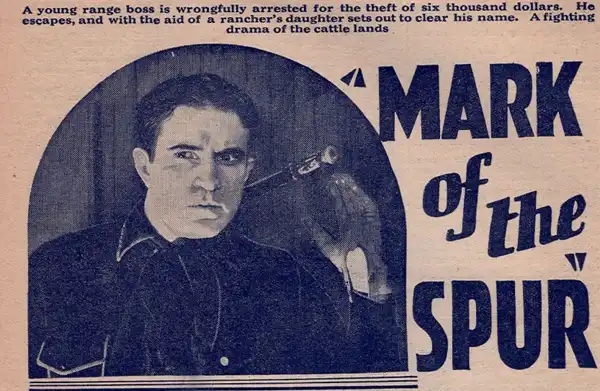
The cinematic DNA of Mark of the Spur (1932) is truly one of a kind, the search for similar titles reveals the deep impact of J.P. McGowan's direction. Our cinematic experts have identified several titles that reflect the spirit of 1932.
As a pivotal work in United States cinema, Mark of the Spur to capture the existential zeitgeist of 1932.
A young ranch foreman, Bud Drake aka The Kid, is wrongfully arrested for the theft of six-thousand dollars from ranch-owner "Hardshell" Beckett. He escapes and with the aid of Beckett's adopted daughter, Alice, sets out to clear his name.
The influence of J.P. McGowan in Mark of the Spur can be felt in the way modern Western films handle emotional resonance. From the specific lighting choices to the pacing, this 1932 release set a high bar for atmospheric immersion.
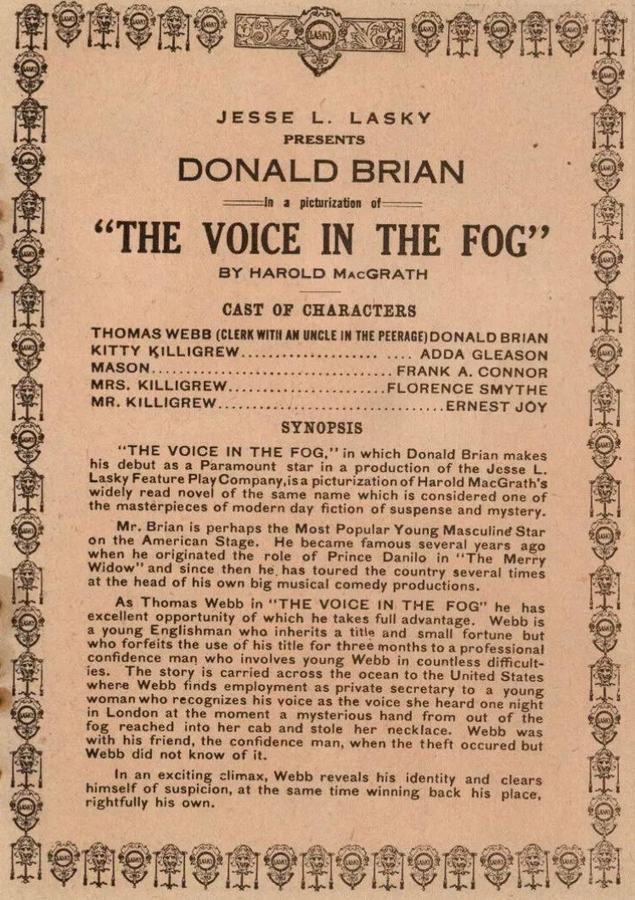
Based on the unique emotional resonance of Mark of the Spur, our vault has identified these titles as the most compelling follow-up experiences for fans of Western cinema:
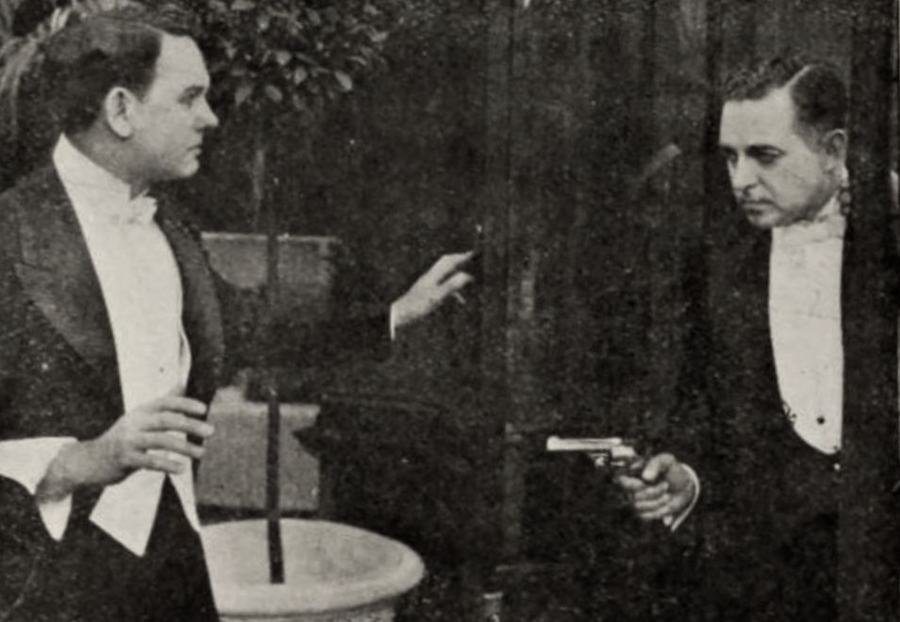
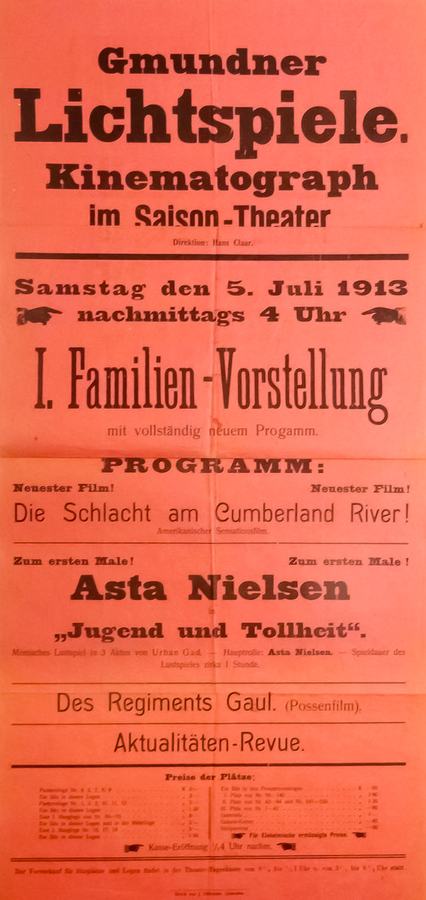
Dir: J.P. McGowan
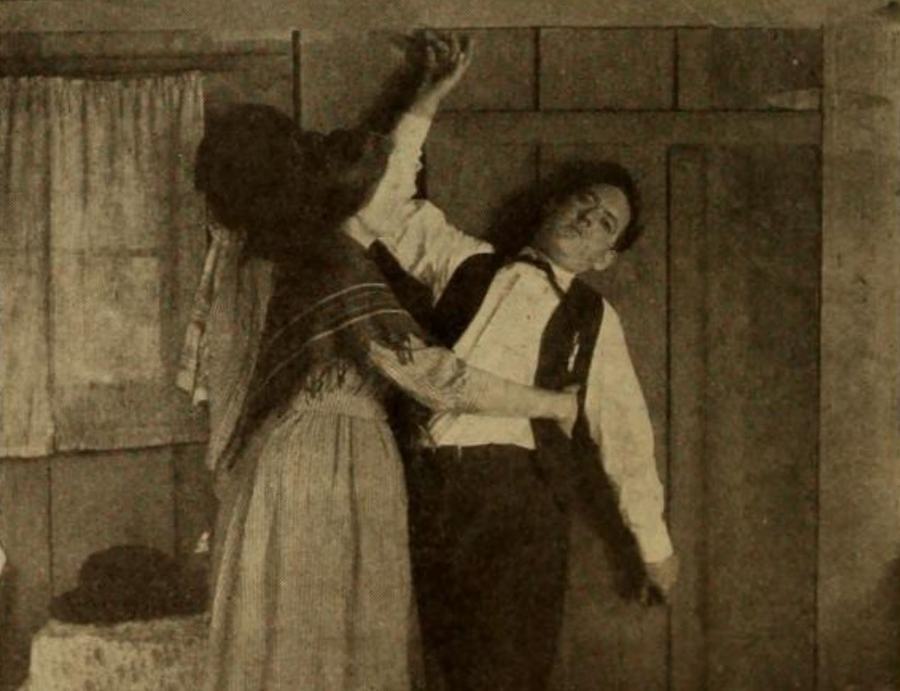
Two rival mountain clans that have been feuding for years begin a new battle over the moonshine whiskey trade. A young man and a girl from each of the different clans try to end the feud, and wind up falling for each other.
View Details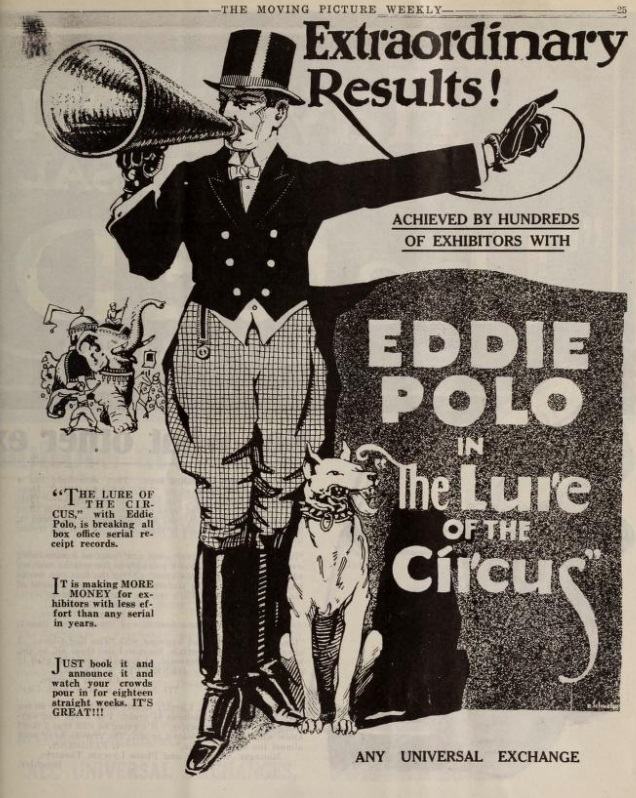
Dir: J.P. McGowan
A fascinating piece of cinema that shares thematic elements.
View Details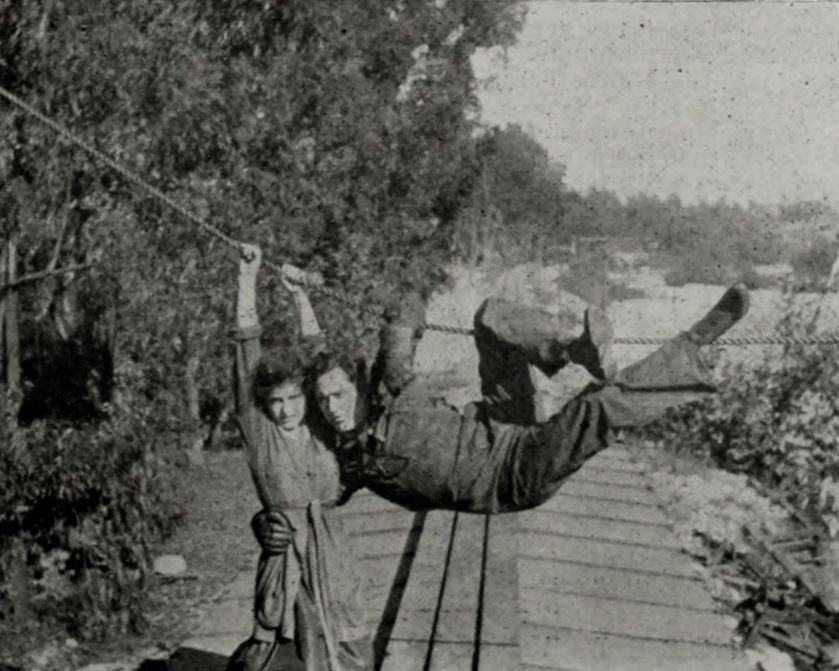
Dir: J.P. McGowan
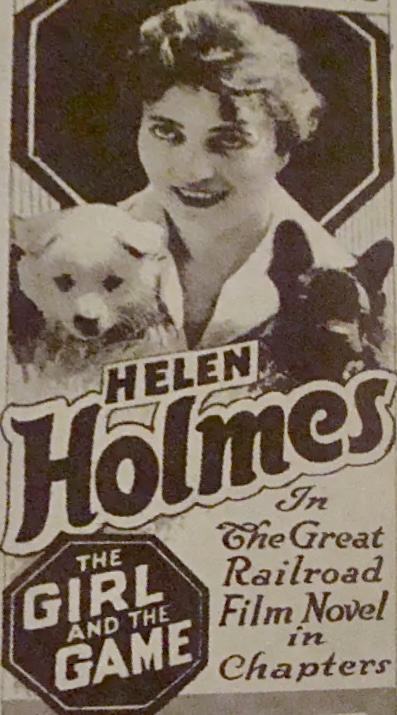
Episode 1: "Helen's Race with Death" Helen Holmes, age three, accompanies her father, General Holmes, president of the C.W.R.R., to the beach depot each morning as he departs for his office. The nurse takes her to the park, and while her erstwhile guardian chats with the family chauffeur Helen forms a chance acquaintance with a stray dog. The pup, unused to affection, runs away and Helen goes in pursuit. Nearby is a miniature railroad and Storm, an orphan newsboy, seeking to learn the mysteries of the small engine, has struck up an acquaintance with the engineer. Storm is ambitious; he has dreams of operating a real locomotive when he grows up. The miniature train pulls out with its load of passengers. The pup, with Helen in close pursuit, runs in front of the train. Throwing aside his newspapers, Storm dashes forward, and seizing Helen, throws her out of harm's way. Helen likes her rescuer and he tells her of his great ambition to run a big locomotive just like his father before an accident ended his life. Meantime the nurse and chauffeur gather Helen up and she waves a farewell to her new-found friend. The years roll by. Helen, raised in luxury, has developed into a beautiful young girl, in whom is centered all her father's affections. She receives a message from her father, telling her to meet him on No. 19, and that he is bringing home his nephew and a friend of the latter's. After years of disappointments and hard work, Storm has become a fireman on the road presided over by General Holmes. On this day he pulls out on No. 245 over the Black Rock Pass. Half way over the grade the air pump on his engine breaks. The long train is brought to a stop. Connecting up an emergency telephone, the conductor, talking to the dispatches receives orders to "bring on train by hand brakes." With the crew on decks, No. 245 is again in motion. Passing the summit, the crew realizes it can no longer control the long drag of cars, for the freight's speed has put it on the schedule of No. 19, the passenger aboard of which is General Holmes. The crew decides to cut off the caboose and escape, but Storm doggedly insists on sticking to the engine. Writing a message on a white signal flag and wrapping it around a wrench, the conductor hurls it through the window of the first telegraph office they pass. The operator wires news of the runaway to the next station, but it is too late; No. 19 has left. This put the passenger in the path of the runaway. Helen learns of the danger from the operator, where she is waiting. She rushes out and mounts her pony and rides for the bridge, but reaches it just as it is raised to permit the passage of a battleship. Digging her spurs into her mount, she makes a wild attempt to reach it, but fails. Into the river go horse and rider. As she rises to the surface Helen strikes out for the opposite shore. The two trains are drawing closer together. Arrived on shore, Helen mounts her pony and resumes her race with death. Down the track she gallops to a switch, the lock of which she breaks with a stone. Seizing the lever, she throws the switch as the head end of the freight thunders into the passing track. The hind end just clears the switch as the passenger tears by. At the far end of the passing track three box cars are standing. As Storm, still at his post, see the impending collision he jumps to safety. Helen rushes forward and picks up the gallant fireman. She has repaid her debt to her newsboy hero.
View Details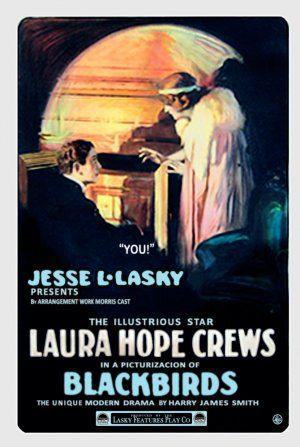
Dir: J.P. McGowan
Hawke, Jr., son of a famous New York detective, is challenged by his father to capture "The Blackbirds," a gang of smugglers, finds himself stranded in Algiers. Aware of Hawke's presence, Bechel, the Blackbirds' leader, instructs his accomplice, Leonie Sobatsky, to become friendly with the Crockers, a nouveau riche couple, and later in America, exchange a fake Oriental rug for a $10,000 genuine one which they recently purchased from one of Bechel's contacts. On the steamer returning to the United States, Leonie meets Nevil Trask, an English jewel thief posing as a nobleman. After Hawke secures a position in the Crocker home in New York as a guard for their jewels, Leonie, who now loves Trask without knowing that he is a thief, decides not to switch the rugs, but Hawke, eager to capture Bechel, tricks Leonie into taking the antique. When she sees Trask stealing the Crockers' jewels, they both confess their crimes and plan to reform. Hawke overhears, and follows them to Bechel's headquarters, where he captures the leader. After Trask and Leonie promise to marry, Hawke sets them free.
View Details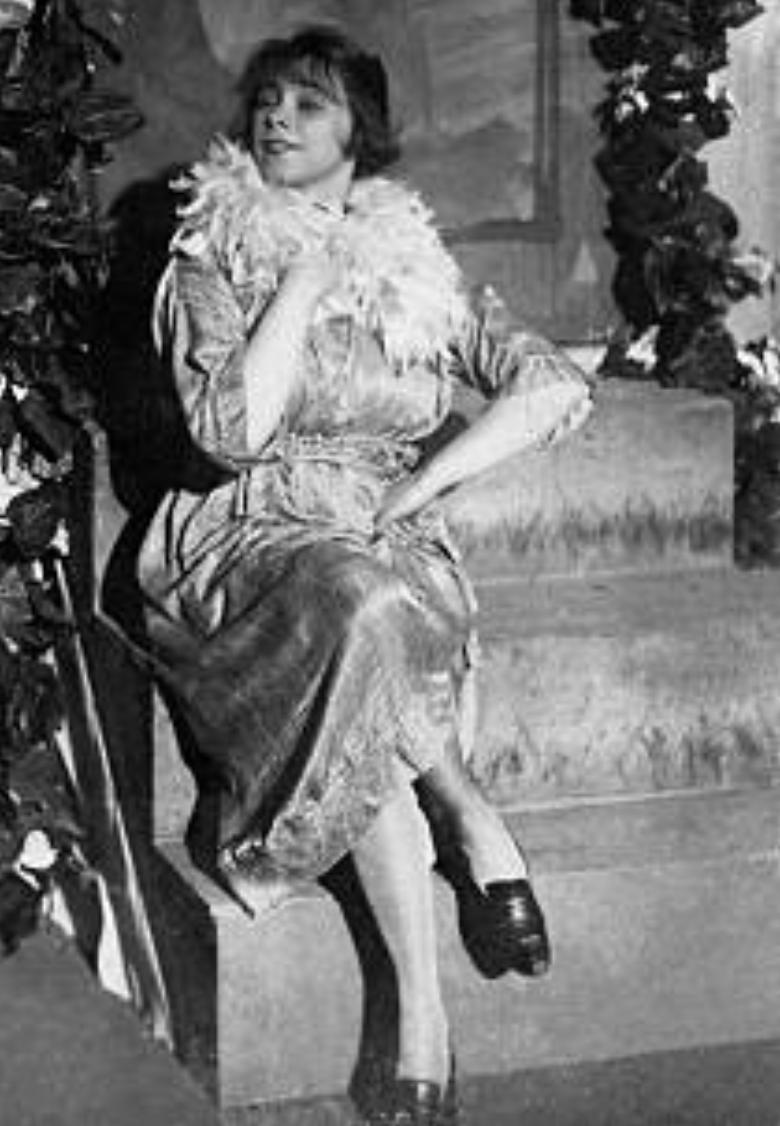
Dir: Bruno Ziener
A fascinating piece of cinema that shares thematic elements.
View Details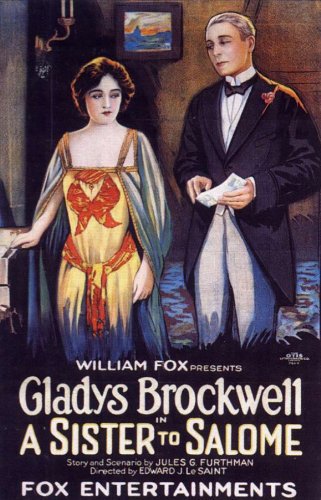
Dir: Edward LeSaint
When famous opera singer Elinore Duane undergoes an operation on her throat, she has a series of ether-induced visions. In one, she is transported to ancient Rome where she appears as a much-admired woman in love with Paul, a young heretic, and at odds with Lutor, the high priest. To save her love, she poisons Lutor with her ring. After several other visions which involve variations on this love triangle, Elinore awakens to discover that Lutor is actually her doctor, Sascha Jaccard, and that Paul is the son of a friend who has come to visit the recovering prima donna.
View Details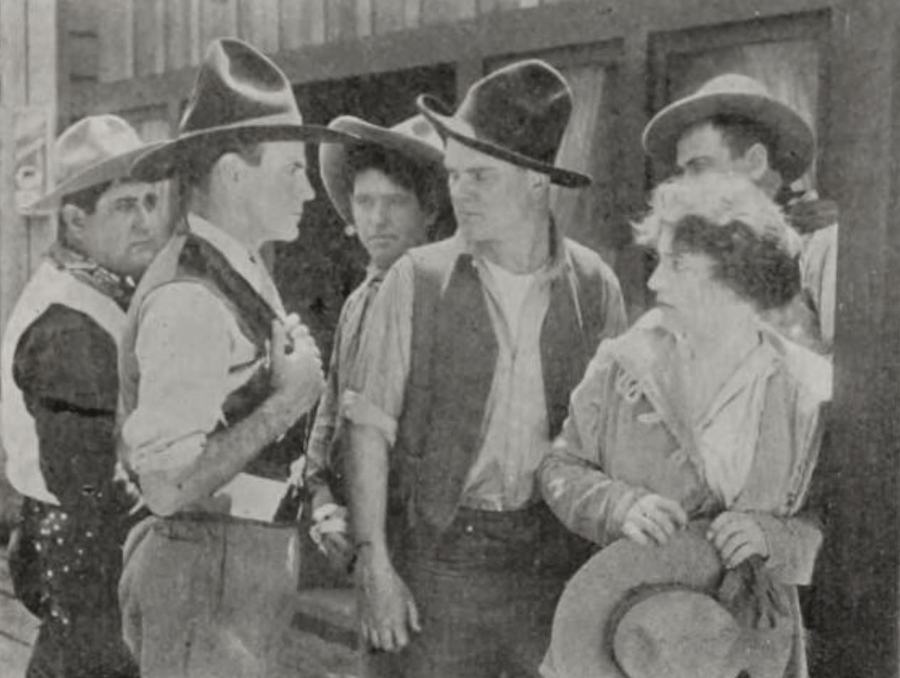
Dir: J.P. McGowan
Whispering Smith is a virile, fearless type of the true American whose theory of life is to give every man a chance to show what is in him. There is nothing of the bully or braggart about him. He is just a man who knows instinctively what is right and never falters in his steps to see that justice is given where it is deserved and crime punished on the same basis. Whispering Smith loved Marion, a carefree, beautiful Western girl. His love was that of the strong, clean-living man, who knows no physical danger, but is reticent and bashful in his love affairs. Lacking as a suitor the characteristics that made him esteemed and feared among his fellow-men, he was beaten out for her hand by Sinclair, a dashing devil-may-care sort of fellow among the women, but an unscrupulous and vindictive man at heart. Marion's life with Sinclair was not all joy and happiness. Slowly he was killing her love for him, but in the manner of his kind he believed that harshness was the way to rule women. When the story opens, Sinclair, who is foreman of a wrecking crew on a mountain section of a transcontinental railroad, is living in one of the company's cabins in the small division terminal, "Medicine Bend," a typical Western railroad and mining town. This town was located at the foot of a steep declivity, noted for the frequency of the wrecks occurring there, particularly among freight trains. The officials of the road were worried at the great number of the wrecks, but were more concerned with the robberies that took place after each collision. No trace of the thieves could be found. The railroad detectives had about given up in despair when Whispering Smith was sent to "Medicine Bend" to put an end to the robberies. Sinclair was never suspected. Smith, however, discovers soon after his arrival that Sinclair is the brains of the gang engaged in looting the freight cars. Smith, to save Marion the disgrace of having her husband branded as a thief, does not expose him, but causes the division superintendent, McCloud, to discharge him. Life for Marion soon becomes unbearable and she leaves him. This arouses to frenzy the desperate man, who plans to get revenge on the railroad by burning the "Smoky Creek" trestle. Assisted by several of the band who had been engaged in looting the cars, Sinclair sets fire to the trestle, causing a disastrous wreck. Smith, determined to capture the men responsible, discovers that Sinclair is at the bottom of the plot. Again his love for Marion induces him not to expose her husband until he talks with her. He effects a reconciliation between Sinclair and Marion and upon the former's promise to lead a better life and to leave "Medicine Bend," Whispering Smith lets him go with his wife, and the girl he still loves.
View Details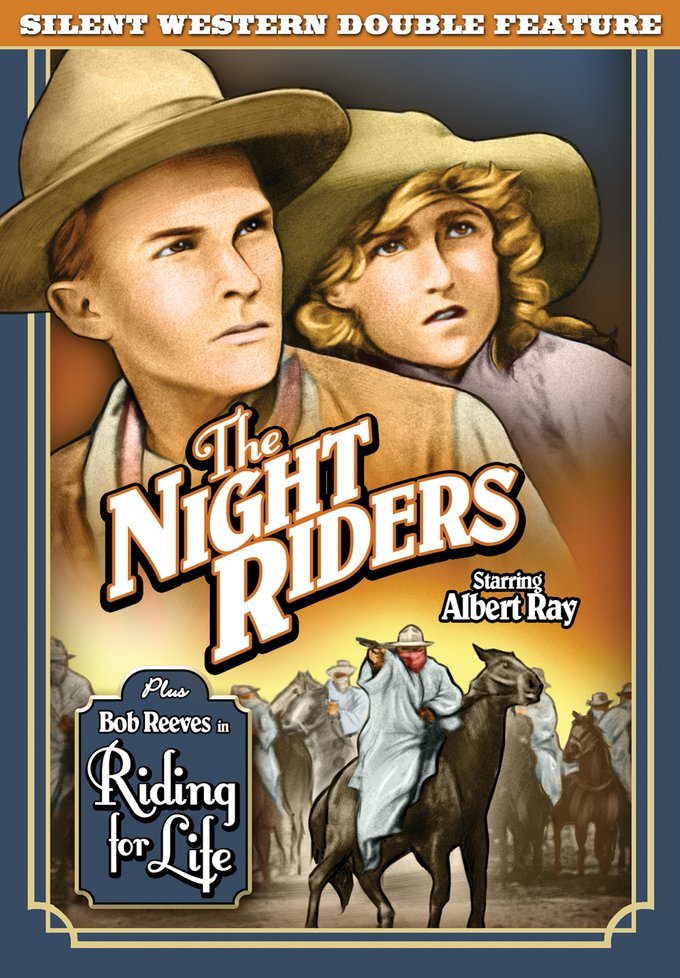
Dir: Alexander Butler
In Alberta, Canada, a Cornish emigrant unmasks a rustler posing as the girl's "blind" father.
View DetailsAnalysis relative to Mark of the Spur
| Film Title | Atmosphere | Complexity | Similarity |
|---|---|---|---|
| The Voice in the Fog | Ethereal | Layered | 97% Match |
| Judith of the Cumberlands | Gothic | Linear | 93% Match |
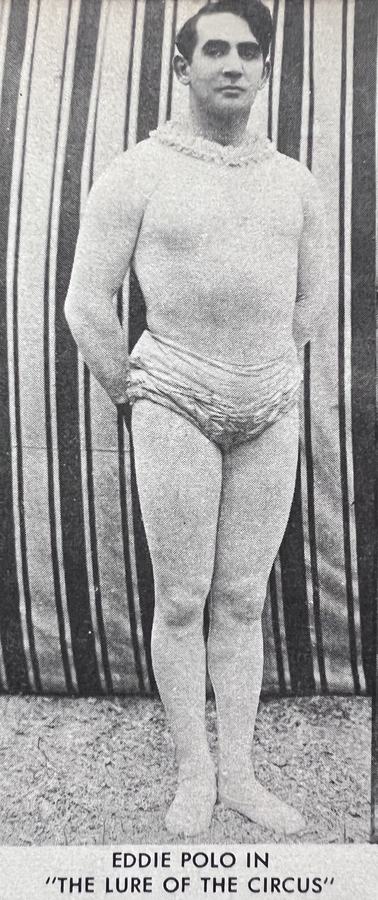
| The Lure of the Circus | Ethereal | Linear | 94% Match |
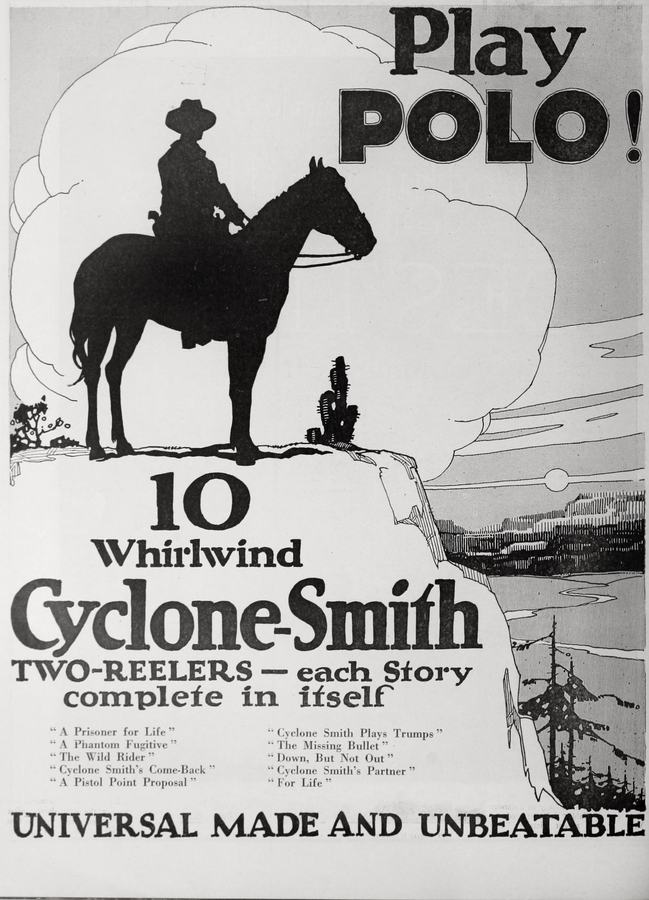
| For Life | Ethereal | Abstract | 88% Match |
| The Girl and the Game | Gothic | High | 85% Match |
This guide was algorithmically generated using the cinematic metadata of J.P. McGowan's archive. Last updated: 6/27/2026.
Back to Mark of the Spur Details →