
DbcultAccessing Vault...
Recommendations
Senior Film Conservator
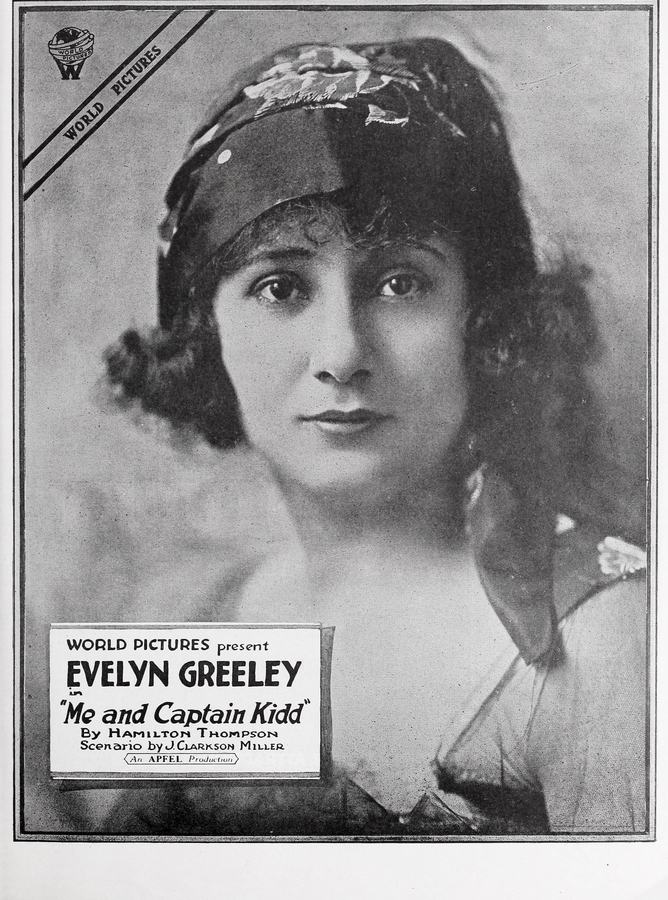
The evocative power of Me and Captain Kidd (1919) continues to haunt audiences with its unique vision, the artistic provocations of Me and Captain Kidd demand a follow-up of equal intensity. Explore the following titles to broaden your appreciation for cult excellence.
The visceral impact of Me and Captain Kidd (1919) stems from to transcend the limitations of its 1919 budget and technology.
Peggy Stanton, who lives in a cottage with her invalid father, intrigues her wealthy friend Tom Hamilton with legends about Captain Kidd. With Mammy Lou, an oracle, they hunt for buried treasure on a nearby island, but Mammy, frightened by a supposed ghost, leaves them stranded there for a night. After Peggy's father insists that they marry, Tom's father tries to get the marriage annulled, but he dies. When Tom's uncle claims the estate by insisting that Tom was illegitimate, Tom renounces his name and leaves. Peggy's father dies, and years later, when her foster-father arranges a fashionable marriage for her, she reveals her marriage. He hires a lawyer to find her husband and secures an annulment, not knowing that Tom is the lawyer. After Tom visits Peggy, who falls in love with him again, they return to the island and find the papers stolen by Tom's uncle that prove Tom is the legitimate heir. They then happily resume their marriage.
The influence of Oscar Apfel in Me and Captain Kidd can be felt in the way modern cult films handle unique vision. From the specific lighting choices to the pacing, this 1919 release set a high bar for atmospheric immersion.
Based on the unique unique vision of Me and Captain Kidd, our vault has identified these titles as the most compelling follow-up experiences for fans of cult cinema:
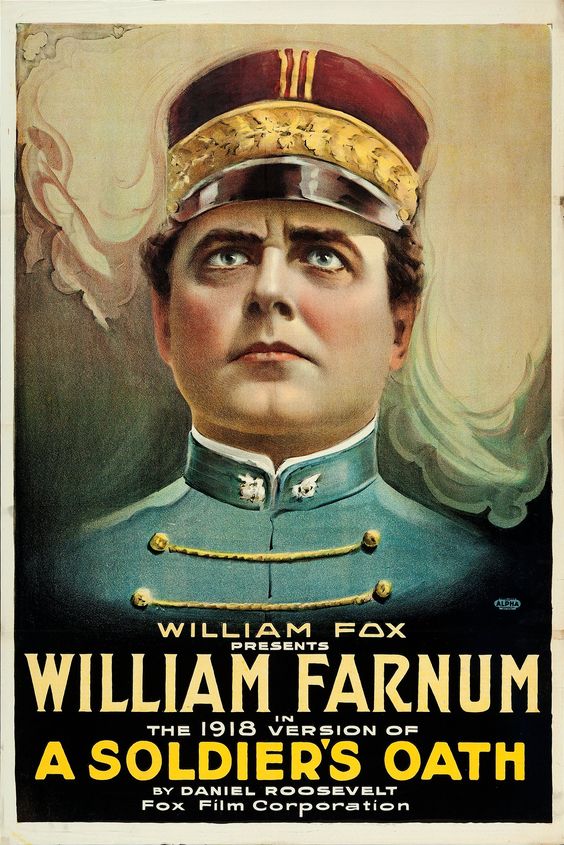
Dir: Oscar Apfel
While engaged in battle, Pierre Duval, a French soldier, stumbles onto the mortally wounded Count de Morave. Before dying, the count begs Pierre to deliver some family jewels and papers to the Vicomte Raoul de Reyntiens. At home, Pierre places the jewels in a box that also contains a necklace given to Margot, his wife, by the Duke D'Auberg. While stealing the box, Lazare, a war correspondent who witnessed Pierre's scene with the count, attacks and kills Margot. Found guilty of the crime, Pierre is sentenced to life imprisonment but is pardoned after performing a dangerous jailhouse rescue. Mavis, his daughter, who has been adopted by the duke, falls in love with the poor vicomte but is courted by Lazare, now posing as the Count de Morave. To win her love, Lazare gives her some of the stolen jewels, including the duke's necklace, but when Pierre sees the necklace later, he exposes Lazare and wins retribution.
View Details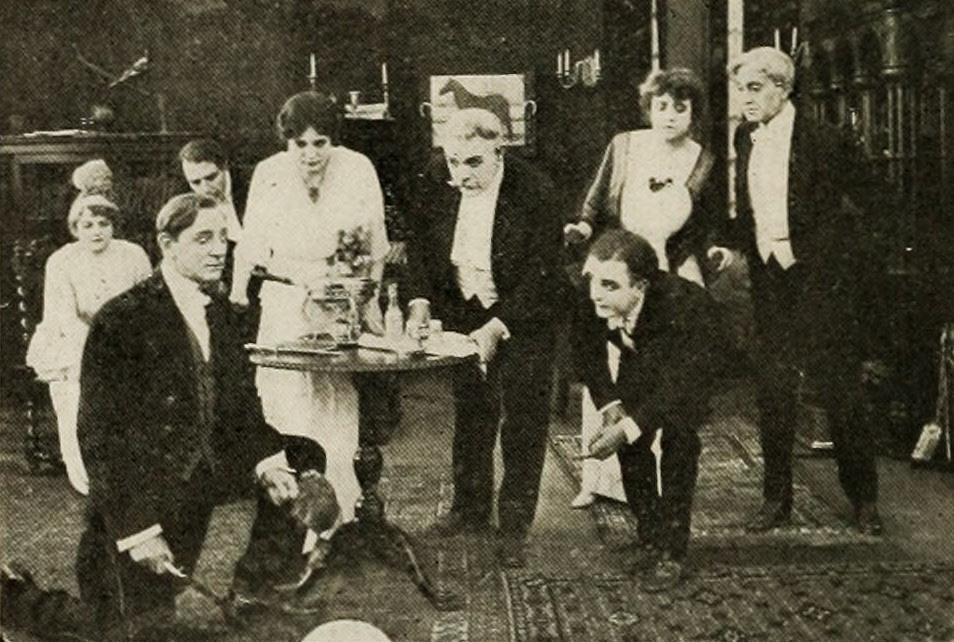
Dir: Oscar Apfel
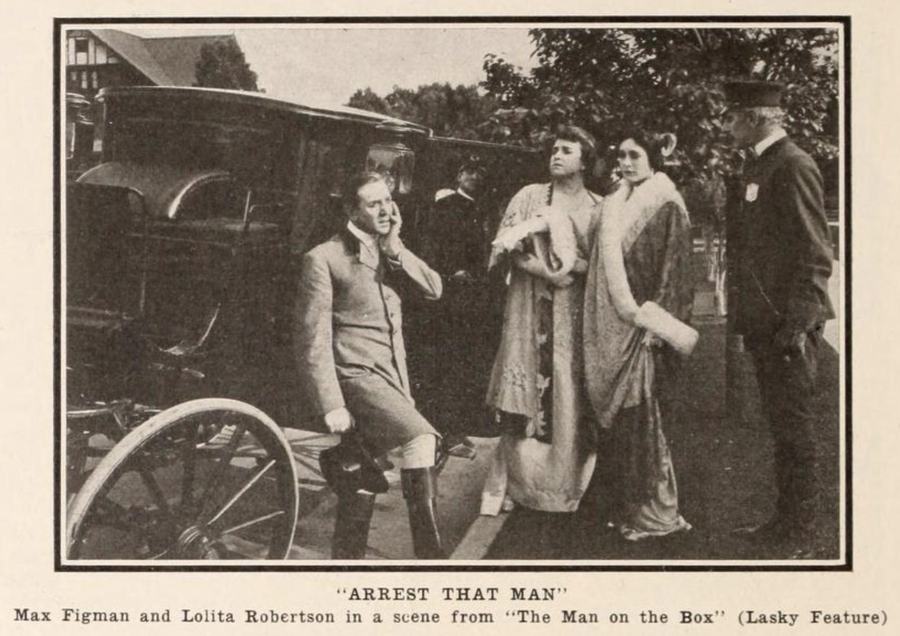
Lieutenant Bob Warburton is wounded during an encounter with the Indians and taken to the home of Col. Annesley for medical treatment. Recovering, Bob finds that his service in the army has expired and he says he is penniless. However he is rich in romance and becomes fascinated by the Colonel's daughter, Betty. Betty, not knowing who Bob is, offers him a position as coachman, which he accepts. Many and varied are Bob's experiences as "The Man on the Box" of the Annesley coach. Becoming implicated in a plot to defraud the United States Government of important plans, he thwarts the attempts of a Russian Count and saves important plans. Betty, while visiting Bob's sister, who is a dear friend, learns from Bob's photograph who he is, but allows him to continue as coachman. Bob is entirely ignorant of Betty's knowledge of his identity. Betty's father loses his money, then Bob discloses his identity and admits he is the possessor of a large fortune in his own right. However, Betty's and Bob's romance is one of pure love and, after a series of intrigues, plots and counter-plots, all of which "The Man on the Box" foils, the couple are married and live happily ever after.
View Details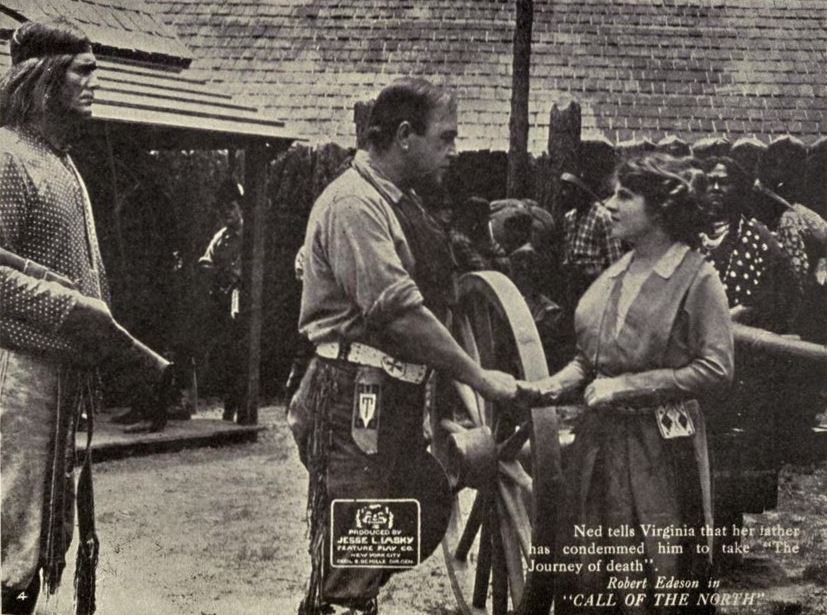
Dir: Oscar Apfel
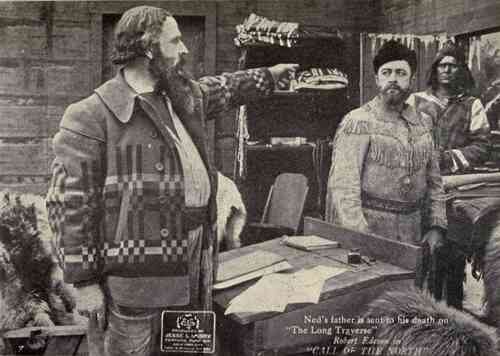
Trader Ned Stewart's father Graehme was unjustly accused of adultery and killed. Ned sets out to avenge his father but is captured and send on "la longue traverse," the long journey to death. Virginia saves Ned, and the villain confesses Graehme's innocence on his deathbed.
View Details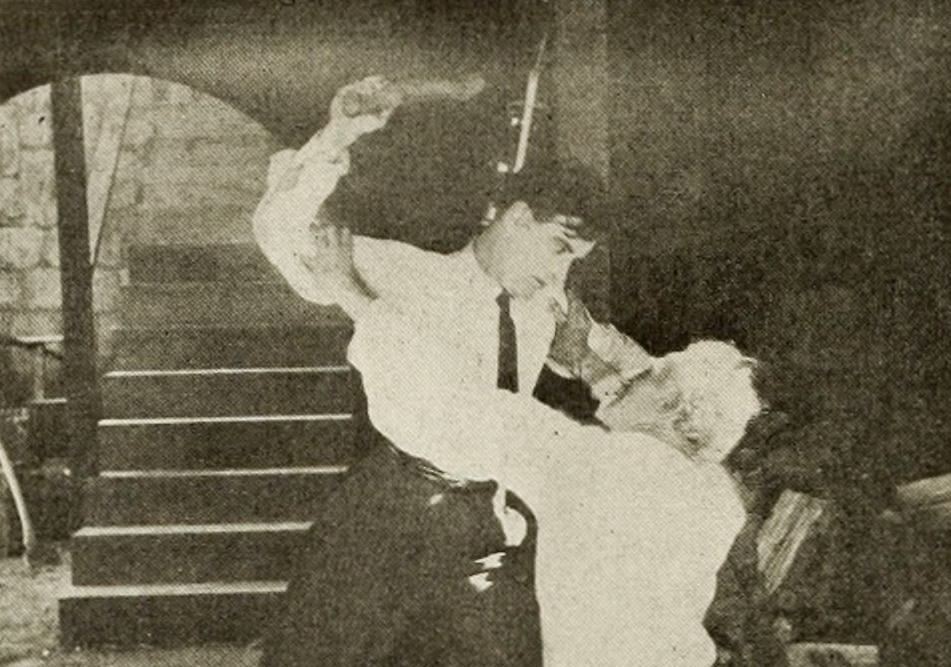
Dir: Oscar Apfel
David Jenison, accused of a crime which he did not commit, escapes his guards and joins a traveling circus. Mrs. Braddock, wife of the circus owner, takes an instant liking to David and prevails upon her husband to give him a job as clown. Mrs. Braddock's daughter Christine, falls in love with David. All the performers become friends of the new clown except Ernie Cronk, a hunch-back who, himself admires Christine, takes a violent dislike to David and tries to kill him. David later saves Ernie from a bad beating at the hands of a gang of rowdies and Ernie thanking David, promises to help him clear his name of the crime charge. Ernie's friendly feeling, however, is short-lived, for in a jealous rage, he writes a note to the detectives informing them that David disguised as a clown, will take part in the afternoon performance, but Dick Cronk, Ernie's brother, learning of the latter's treachery toward David, takes David's place as a clown, while David escapes. Dick Cronk, who has learned to love Dave like a brother, goes to Jenison Hall. David's former home, and there confronts David's Uncle Frank, who he feels quite certain is the man who committed the crime David is charged with. Dick returns to the circus and tells David of his experiences at Jenison Hall. A few days later they learn that David's uncle and a notorious colored attorney have quarreled, dueled and killed each other, and in his dying confession, the uncle had completely exonerated David. David, before leaving the circus, confesses his love for Christine and asks Mrs. Braddock's permission to marry her, but Mrs. Braddock, fearing them too young, promises David that in five years, he may marry Christine if he still loves her, so David leaves, pledged to return. Col. Grand, infatuated with Mrs. Braddock and who has been following the circus about, finally through his clever scheming and the lending of money to Braddock, secures control of the circus and places Mrs. Braddock and Christine in his power. Col. Grand becomes abusive when his treatment is no longer tolerant to Mrs. Braddock and Christine. They leave the circus and return to their home in New York. Later, in New York, Braddock and Col. Grand meet and in a street fight, Braddock is arrested, accused of attempting to kill Col. Grand, and is railroaded to the penitentiary for five years. Five years have now passed and David comes to New York to claim Christine. Arriving at Christine's home, he learns that she will arrive later, from a trip to the country, and goes to the railroad station to greet her, but seeing her in the company of another young man, postpones his errand. He later meets Mrs. Braddock at a telegraph office and she gives him a wire she was just about to send him in which she tells him it is time for him to redeem his promise and he agrees to call that evening. Braddock released from prison, has sworn to kill Col. Grand on sight, and takes up a position outside the Braddock residence, and is about to enter, when Dick Cronk interferes and together, they go to a low resort where they can talk in safety. Col. Grand and Braddock meet face to face and Mrs. Braddock pleads with her husband to spare Col. Grand. Braddock does so and walks out of the house, telling them he is going to the river to end it all. During an altercation between Col. Grand, Dick and Ernie, Ernie shoots Col. Grand and when the police arrive blames it on his brother Dick, who at the trial is sentenced to death. Ernie later confesses his guilt and Dick is saved from the death chair. Braddock, instead of suiciding reforms and returns a better man. while Dave and Christine, learning of the re-union of father and mother, once again don their circus attire and together in the sawdust ring, live over in memories the days of their early love.
View Details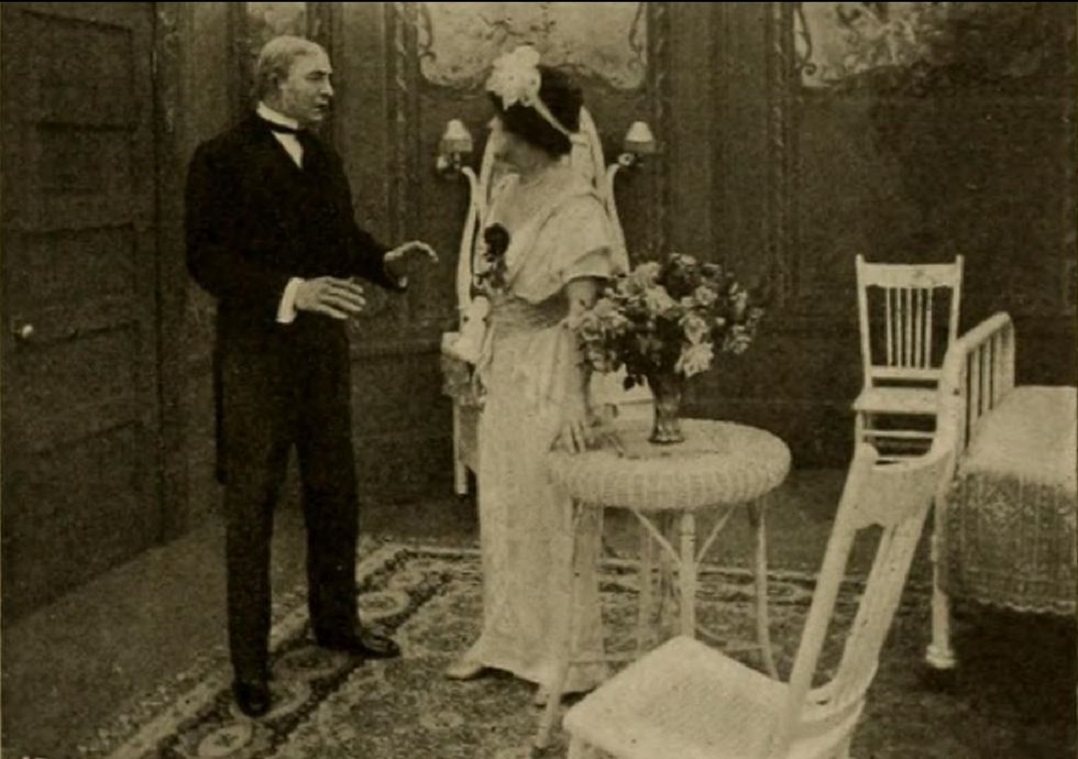
Dir: Oscar Apfel
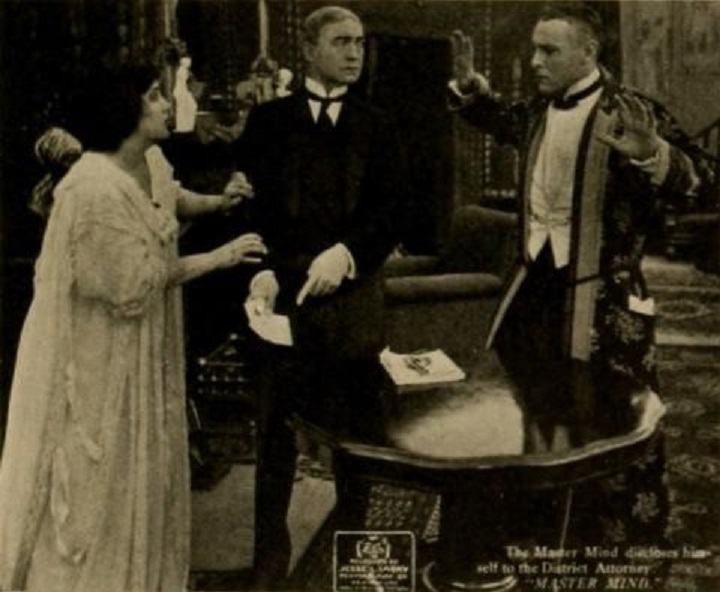
The defense attorney who was unable to obtain the acquittal of an innocent young man concocts a complicated and diabolical scheme to get revenge on the prosecutor.
View Details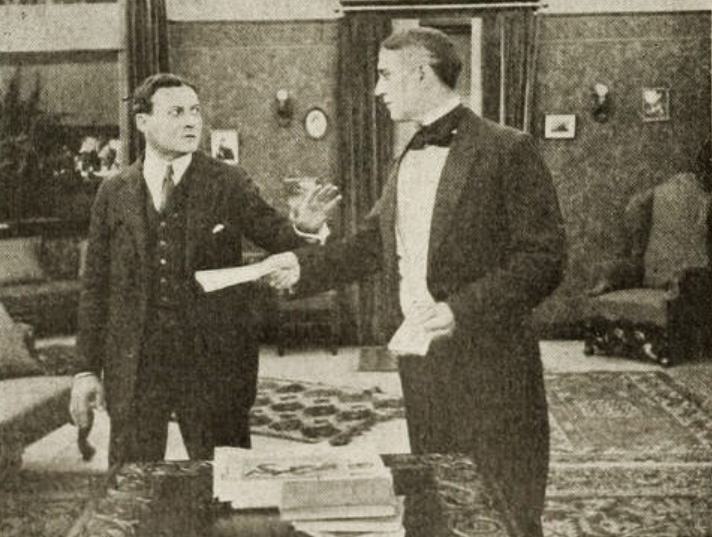
Dir: Oscar Apfel
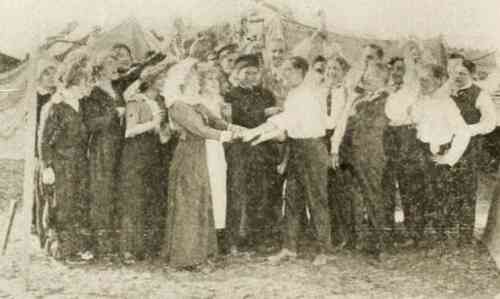
Steve Baird travels West, and with miner Mike Reardon, buys an abandoned mine called The Skyrocket. Hoping to raise money to cover his notes, Steve goes to New York where he meets forger Jackson Ives. Ives gives Steve $50,000 in counterfeit money for stock in the mine just before the notes are due. When Grace Tyler and other wealthy friends see the money they also buy stock, believing that Steve is a success. Meanwhile, neighboring mine owner James Morgan discovers that The Skyrocket contains gold, and he sets off an explosion, hoping to kill Mike before he discovers it. Instead of killing Mike, the explosion uncovers the gold and everyone becomes wealthy, including Ives who now has the money to make his forgeries good. At the end, Steve and Grace are married with Ives as best man.
View Details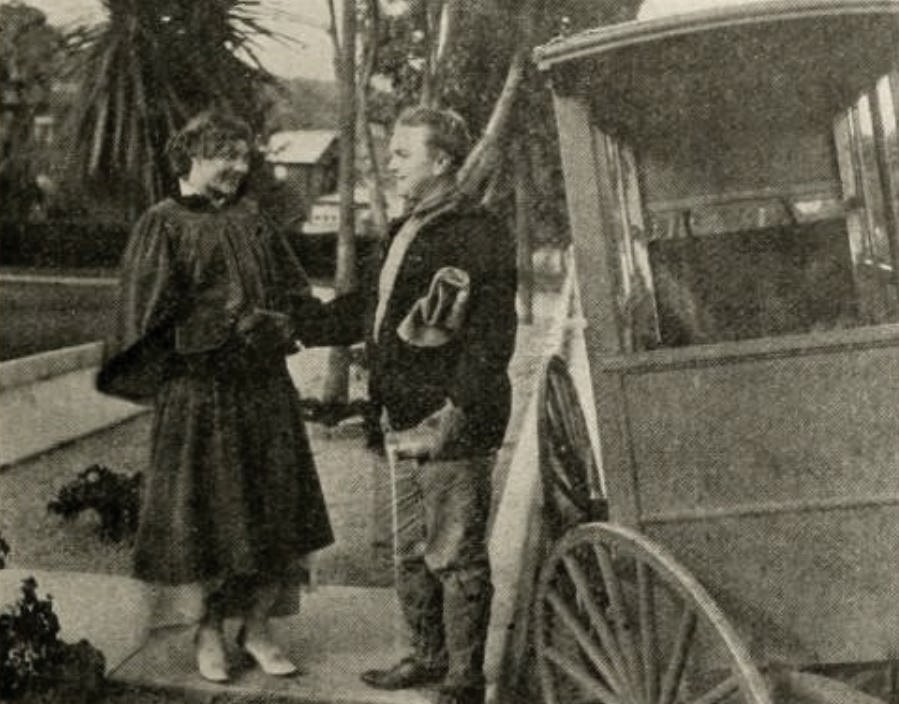
Dir: Oscar Apfel
Henry Disney, a milkman residing in a small city, is discovered by Phipps, a lawyer, to be the heir to the title and fortune of the Duke of Walshire. Phipps and his sister Laura, being pressed for money and anxious to maintain their social position, conspire to arrange a marriage between the sister and the milkman before he knows that he is the Duke. Phipps has Disney assaulted and arranges to be near in order to rescue him and take him to the Phipps house. In the meantime, however, Disney has met Ethel Hamilton, one of the young social leaders of the town, and has fallen in love with her, although he doesn't dare to speak of his love on account of the great difference in their social positions. His love for Ethel, however, prevents him from falling victim to Laura's wiles, and he finally escapes from Phipps' house, where they are trying to keep him on the pretense that he is very ill. He then discovers that he is the Duke. The efforts of the milkman to be a Duke and to win the girl he loves lead to many humorous complications, and, finally at a ball which the milkman gives in honor of Ethel, his conduct so displeases her that she refuses his love and tells him very plainly that the social snobs who have been fawning upon him on account of his title have been making a fool of him. The milkman then begins to see a great light, and, after resenting an insult to Ethel by one of the snobs, takes occasion to tell them what he thinks of them. The dance breaks up in confusion and the milkman, sore at heart, sees that he is being used by the snobs, while they are making fun of him behind his back. He renounces his wealth and title and goes back to his milk route, where Ethel finds him. He agrees to do this on condition that Ethel will act as his instructor and teach him how to be a Duke. This she finally consents to do and he drives her home in the milk wagon, after an understanding between them which promises a happy ending to his love story.
View Details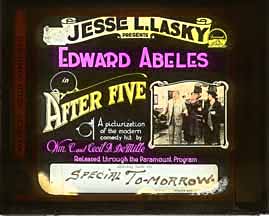
Dir: Oscar Apfel
Ted Ewing, a young New Yorker, is the guardian of Nora Hildreth, with whom he is in love. He invests her fortune of $50,000 and an equal amount of his own money (constituting almost his entire property) in a stock exchange speculation. When this speculation apparently fails he seeks to reimburse the girl by taking out a life insurance policy in her favor and then killing himself. But, as the policy has a clause invalidating it in case of suicide, he has to arrange an "accidental death" for himself, and, to this end, enters into an arrangement with the chief of the S.S.S., a blackmailing society which has already threatened his life. The humorous complications really begin when it develops that the money has not been lost but doubled, so that Ted, instead of wishing to die, has every reason imaginable for wishing to live. It is, however, almost impossible to break his sworn pact with the S.S.S. and his own Japanese valet, to whom he gave the money to pay for his death, refuses to divert the money from the one use to which it has been pledged. The manner in which Ted manages to escape from his own plots against his own life, and the details of his romance with Nora form the concluding episodes of this highly amusing photodrama.
View Details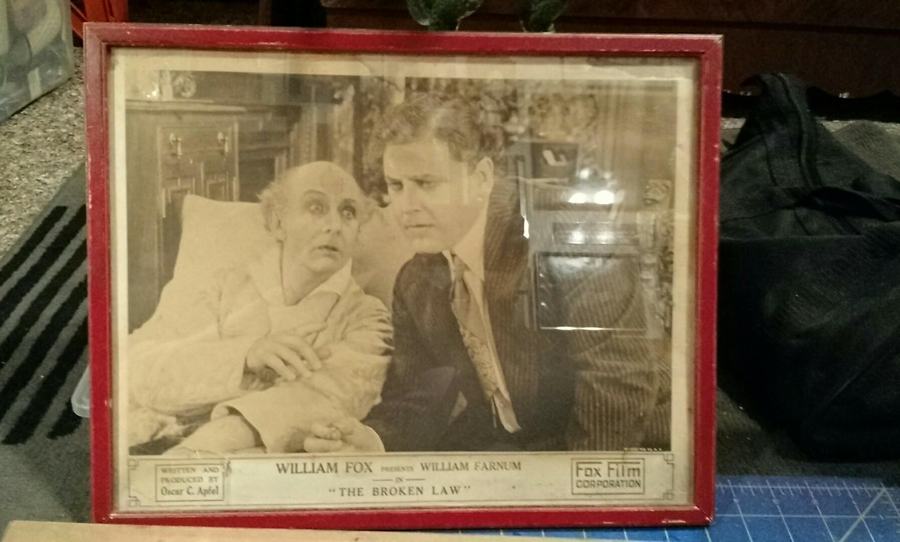
Dir: Oscar Apfel
Daniel Esmond, an English writer, discovers he has a half-sister who is a gypsy. He joins a gypsy clan to find her, and eventually becomes chief of the clan.
View Details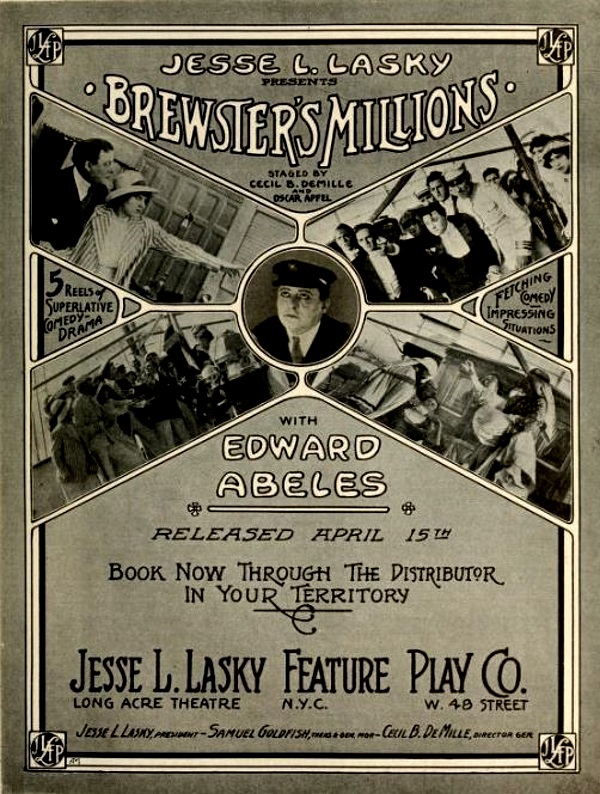
Dir: Oscar Apfel
Robert Brewster, scion of a well-to-do family, elopes with Louise Sedgewick. Peter Brewster disinherits Robert and refuses to be reconciled to the marriage, and later drives the young couple from their home. A little son, "Monty," blesses the union. When Monty is a full-grown man, Peter Brewster dies and bequeaths a million dollars to him. The newly-acquired wealth staggers young Monty Brewster, and he is about to launch into the new life as one of the predatory rich when he receives a communication from an attorney in the West, advising him that his uncle, George Brewster, has left him $7 million, contingent upon his getting rid of the million dollars left him by Peter Brewster. "Peter Brewster mistreated your mother and father and I do not want you to touch a dollar of his money. If you spend the million left to you by him and can, at the end of a year, show by receipts that you have judiciously spent, not squandered this million dollars, my attorneys will turn over to you my worldly possessions, aggregating seven millions. You must own nothing of value at the end of the year," said George Brewster, and Monty, learning for the first time that Peter Brewster had mistreated his parents, begins to spend the million. He invests the money in a sure losing proposition in Wall Street in an effort to dispose of some of his unwelcome money, and the proposition turns out a winner. He backs a flabby fat pugilist, hoping to lose, and wins. There is a clause in the will of George Brewster which says that Monty must not tell anyone of his desire to spend the million and his friends think he has suddenly lost his mind. Everything Monty touches with the hope of losing some of his money, turns out just the reverse, and he wins. He has a most terrible time disposing of the undesired millions. Finally, in a desperate attempt at magnificent spending, Monty hires a palatial yacht, invites several dozen friends to accompany him and goes on a long cruise. The friends mutiny in mid-ocean, thinking him suddenly insane the way he is squandering his wealth, and threaten to lock Monty up, but Monty, to frustrate them, runs up a signal of distress. It costs him two hundred thousand dollars to be salvaged by a passing steamer, and the end of the year rolls around with Monty flat broke. He has squandered the entire million dollars, possesses a room full of receipts to show for every dollar spent, and his sweetheart, Peggy, believing him to be a pauper, consents to marry him. His friends, believing him broke, endeavor to press money and jewelry upon him, all of which he must not have in his possession or he loses the seven million. He dodges his friends, is met by the attorney and presented with seven million dollars, and everything turns out happily.
View DetailsAnalysis relative to Me and Captain Kidd
| Film Title | Atmosphere | Complexity | Similarity |
|---|---|---|---|
| A Soldier's Oath | Ethereal | Dense | 92% Match |
| The Man on the Box | Ethereal | Layered | 96% Match |
| The Call of the North | Gothic | Linear | 88% Match |
| The Circus Man | Gothic | Abstract | 92% Match |
| The Master Mind | Gothic | Linear | 87% Match |
This guide was algorithmically generated using the cinematic metadata of Oscar Apfel's archive. Last updated: 6/22/2026.
Back to Me and Captain Kidd Details →