
DbcultAccessing Vault...
Recommendations
Senior Film Conservator
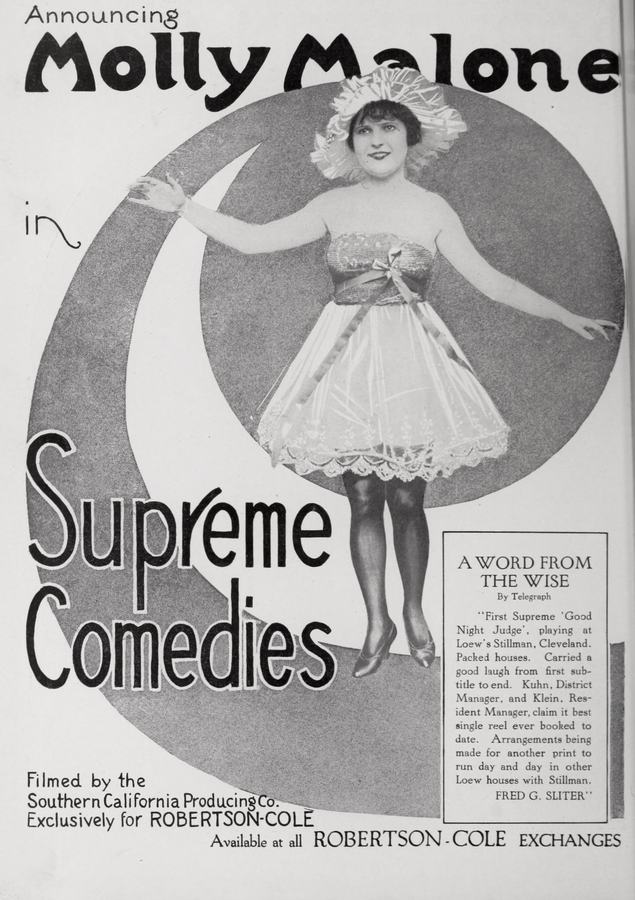
In the vast archive of Comedy cinema, Molly's Millions stands as a stylistic flair beacon, it's essential to look at the contemporaries that shared this stylistic flair. Our cinematic experts have identified several titles that reflect the spirit of 1920.
Few films from 1920 manage to capture to leave an indelible mark on the history of United States film.
Critics widely regard Molly's Millions as a cult-favorite piece of Comedy cinema. Its stylistic flair is frequently cited as its strongest asset, solidifying its place in United States's film legacy.
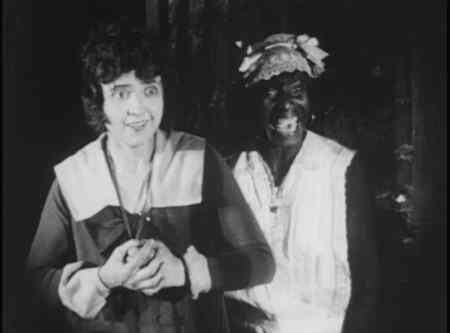
Based on the unique stylistic flair of Molly's Millions, our vault has identified these titles as the most compelling follow-up experiences for fans of Comedy cinema:
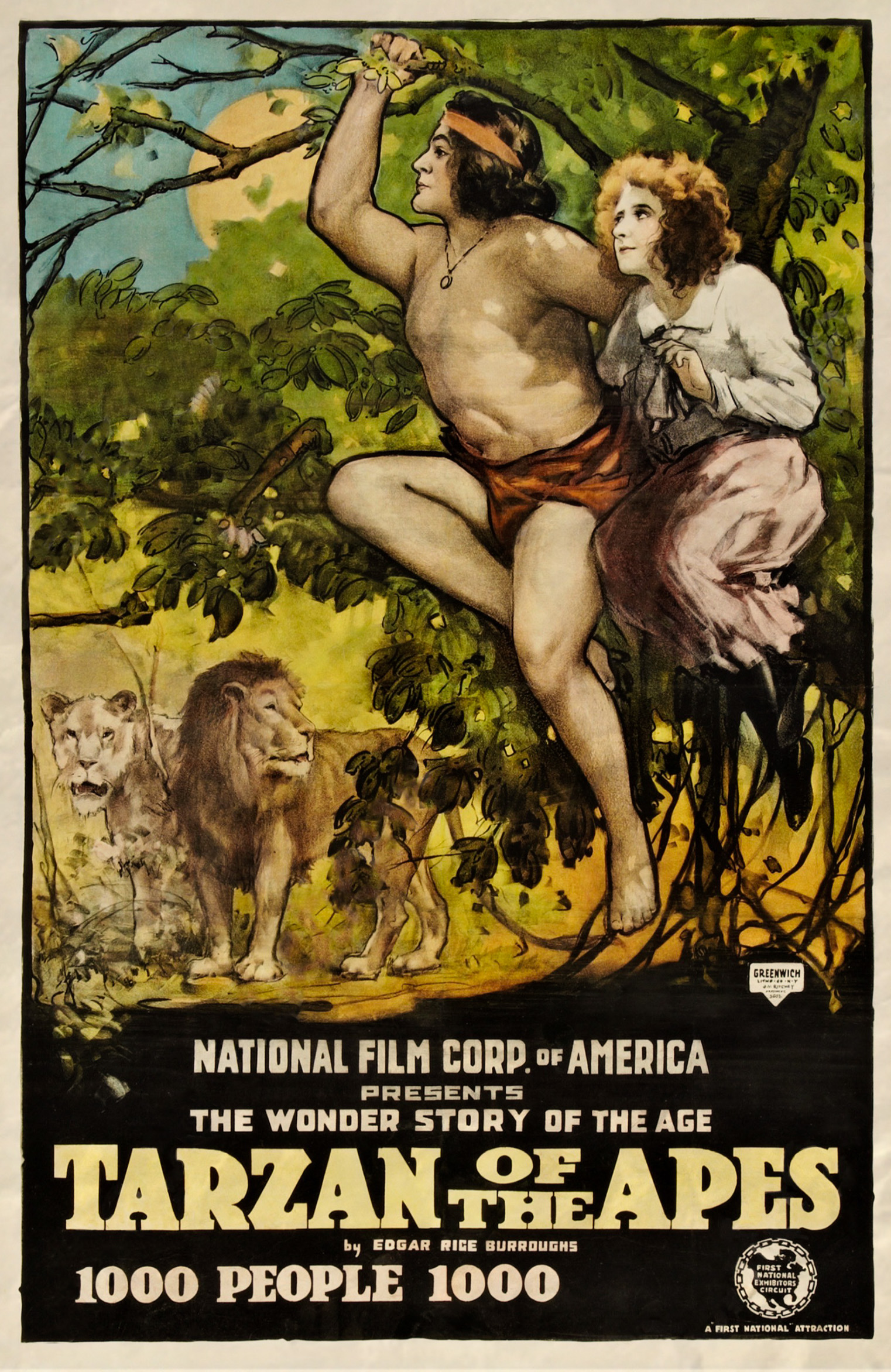
Dir: Scott Sidney
Reared by a childless ape, the orphaned heir of the Greystokes becomes one of the apes. Then Dr Porter organises a rescue expedition, and his beautiful daughter Jane catches his attention. Has Tarzan of the Apes found the perfect mate?
View Details
Dir: Henry Edwards
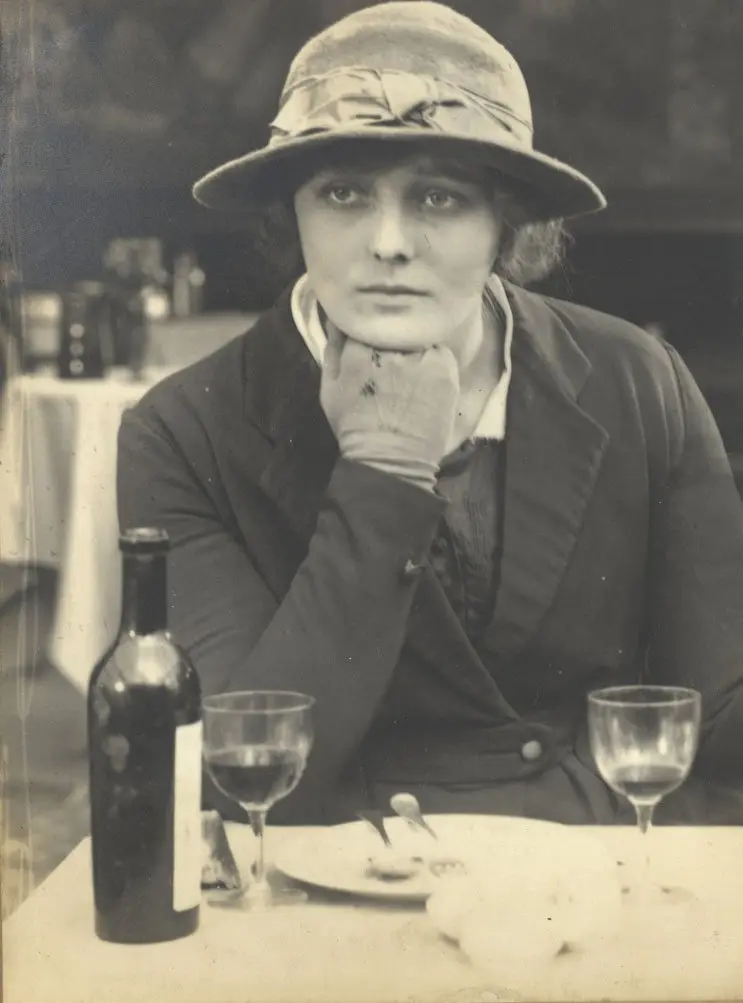
A millionaire bets £25,000 that he can earn his own living for six months.
View Details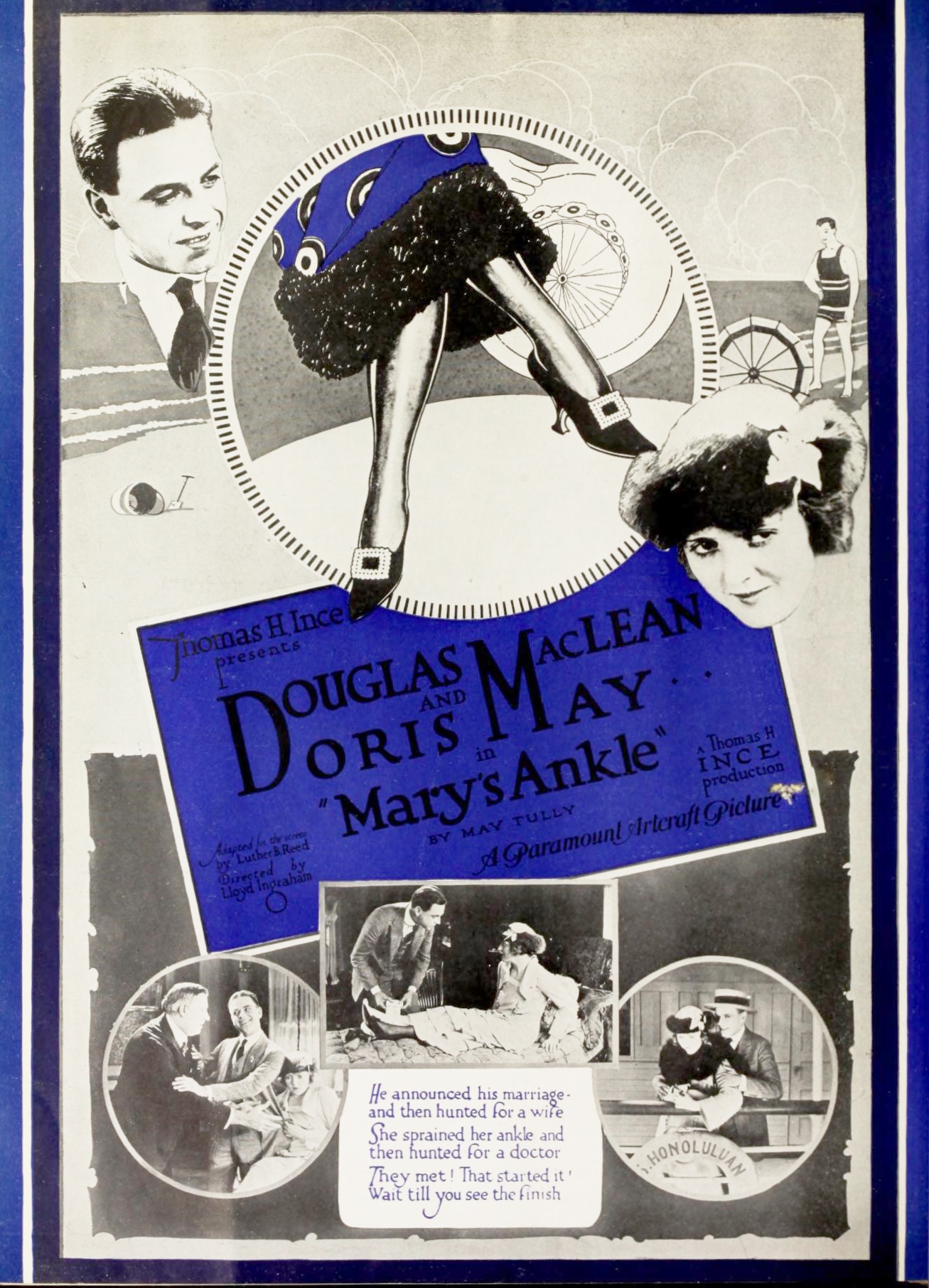
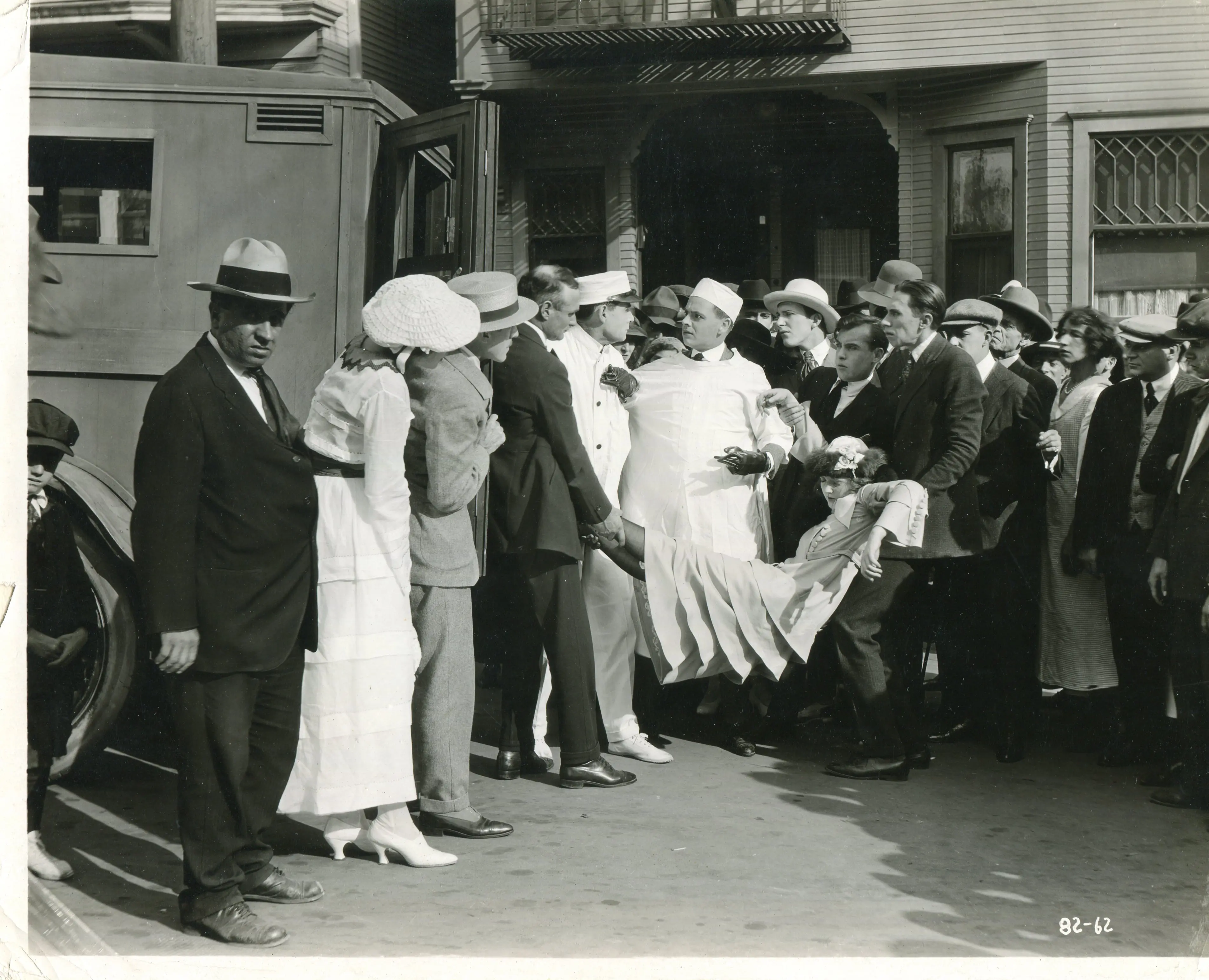
Dir: Lloyd Ingraham
While walking along the street one day, Arthur P. Hampton, an impoverished young doctor, and his chums, Stub Masters and Johnny Stokes, are persuaded to part with their last remaining funds by tag day solicitor Mary Jane Smith, with whom the doctor promptly falls in love. Doc's friends then hit upon a get-rich-quick scheme. Knowing that his Uncle George has promised a large sum of money upon his nephew's marriage, they persuade Doc to send out fake wedding invitations naming Mary Jane as the blushing bride. Uncle George, elated at the good news, writes to Mary Jane's aunt, Angelica Burns, an old sweetheart, to invite Mary Jane and Angelica to be his guests on an ocean voyage. Meanwhile, Mary Jane pays a visit to the doctor's office and, upon seeing the wedding invitations, becomes so flustered that she trips and sprains her ankle. Doc comes to her rescue and then begs her to pose as his wife. She agrees, but at ship-side, Stub and Johnnie confess all to Uncle George, who flies into a rage until Doc announces that he and Mary Jane have chosen a wedding at sea.
View Details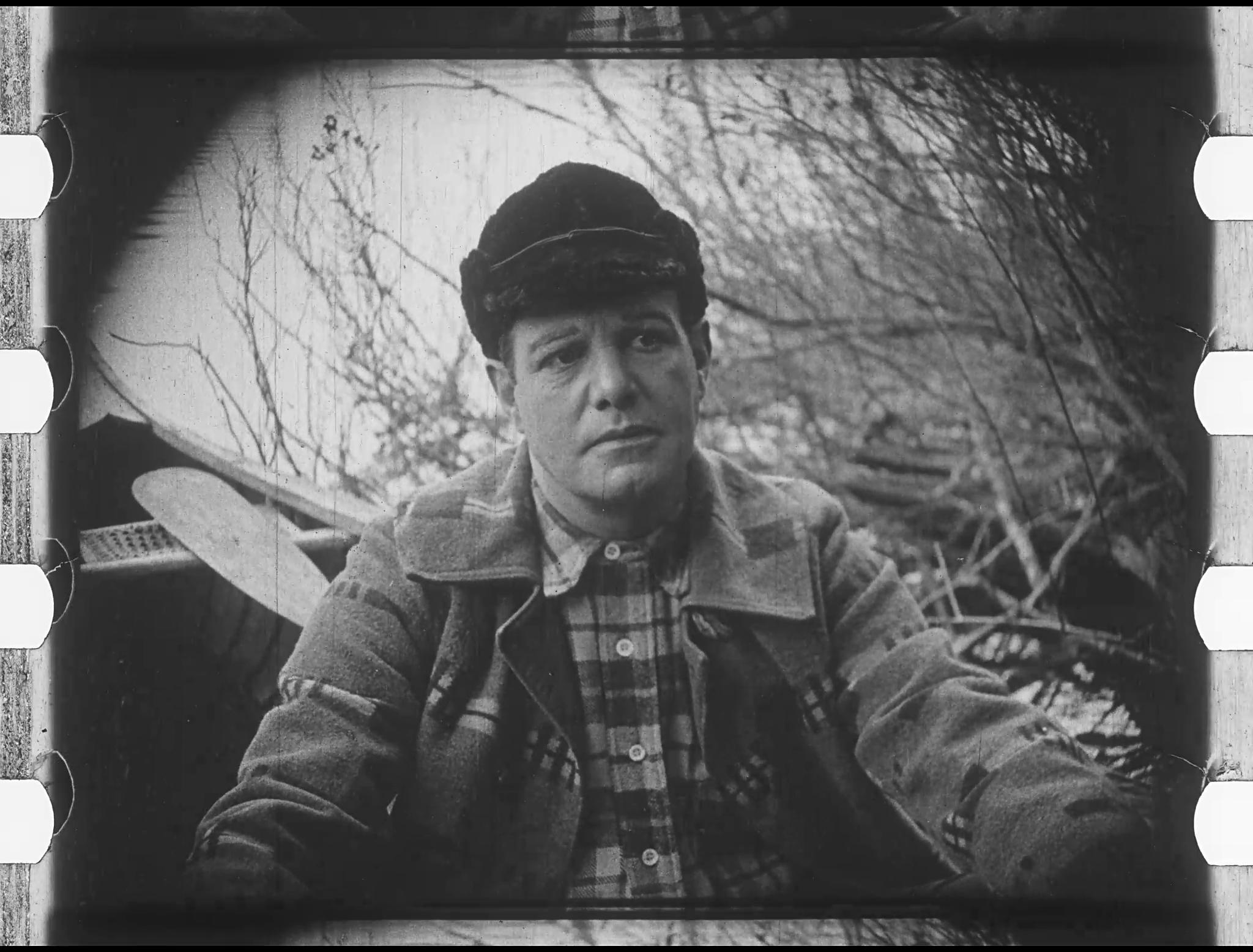
Dir: Edgar Jones
A mail-order bride arrives at a Maine lumber camp but doesn't like her prospective husband.
View Details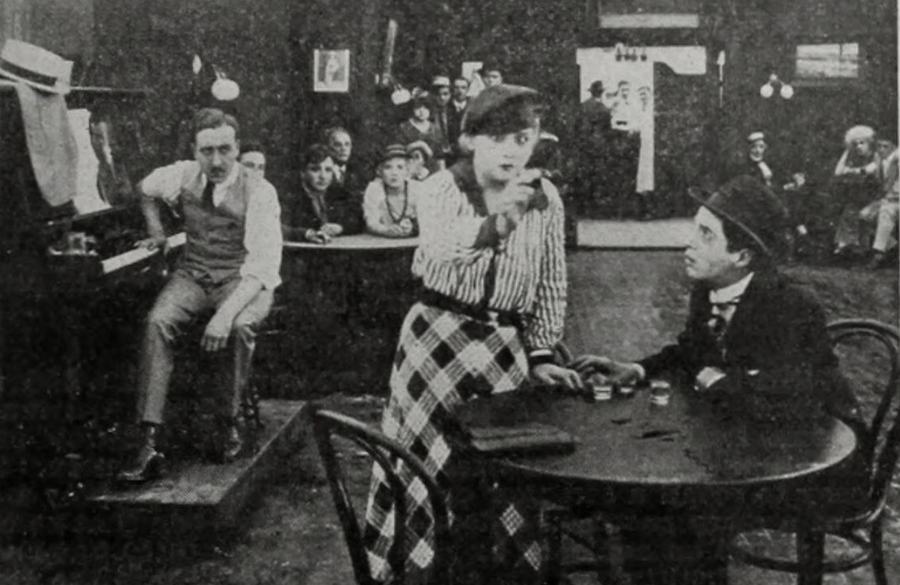
Dir: Scott Sidney
Barnard completes a study in oils which he calls "The Resurrection." It represents a beautiful, dark woman, her awakened soul shining from her eyes. At a private exhibit in the studio the painting causes a great deal of admiring comment, and Barnard's mother, a society leader and an art connoisseur, admits to her son that he virtually "imprisoned a woman's soul" in the canvas. The soul of the picture, a few days later, stirs to the depths of her being a sordid girl of the underworld whom Barnard has found in the night courts and persuaded to become his model for "The Fallen Woman." Irene Brock, once she has met the rapt, spiritual gaze of Barnard's ideal, involuntarily revolts against the hideousness of her environment. The trade she has been accustomed to ply in saloon dance-halls and low resorts becomes a torture to her. Day by day Irene watches the new painting grow. But she is changing. Barnard, feeling that something is unsatisfactory, and that he will be unable to paint from his model "The Fallen Woman" of his imagination, reluctantly brings the sittings to a close. The moment of parting precipitates an emotional crisis. Love, for the first time, has dawned in the girl's soul, and Barnard, moved by a profound sympathy, takes her in his arms. The young artist's mother finds them in this position; she diplomatically conceals her horror while smilingly asserting that "that could never be." Irene goes away, struggling to be resigned. But the young artist, fired by a self-sacrificing love, refuses to let this end the episode. At last, the mother seeks Irene in her squalid lodging. "Such a marriage," she pleads with the girl, "would make my son a social outcast. Even your love could not always make him forget." The soul of "The Resurrection" working upon her heart, and controlled also by her deep love for Barnard, Irene promises to cure him of his passion. That same night she deliberately gives herself up to a detective an old enemy of hers. The following morning she sends for Barnard to come to the night court and pay her fine. He goes. She is brought before the judge. To the charge, she replies, "I am guilty." Silently, Barnard puts the money on the desk. Outside, in the corridor, they meet. By sheer force of will, she resists the almost overwhelming impulse to fling herself in his arms and tell him the entire story of her deception. The next instant, with a murmured good-bye, he turns and rushes out of doors. That evening Irene slips into the deserted studio, and stands long before the painting of "The Resurrection." From these wonderful eyes she imbibes strength for her lonely struggle with the world.
View Details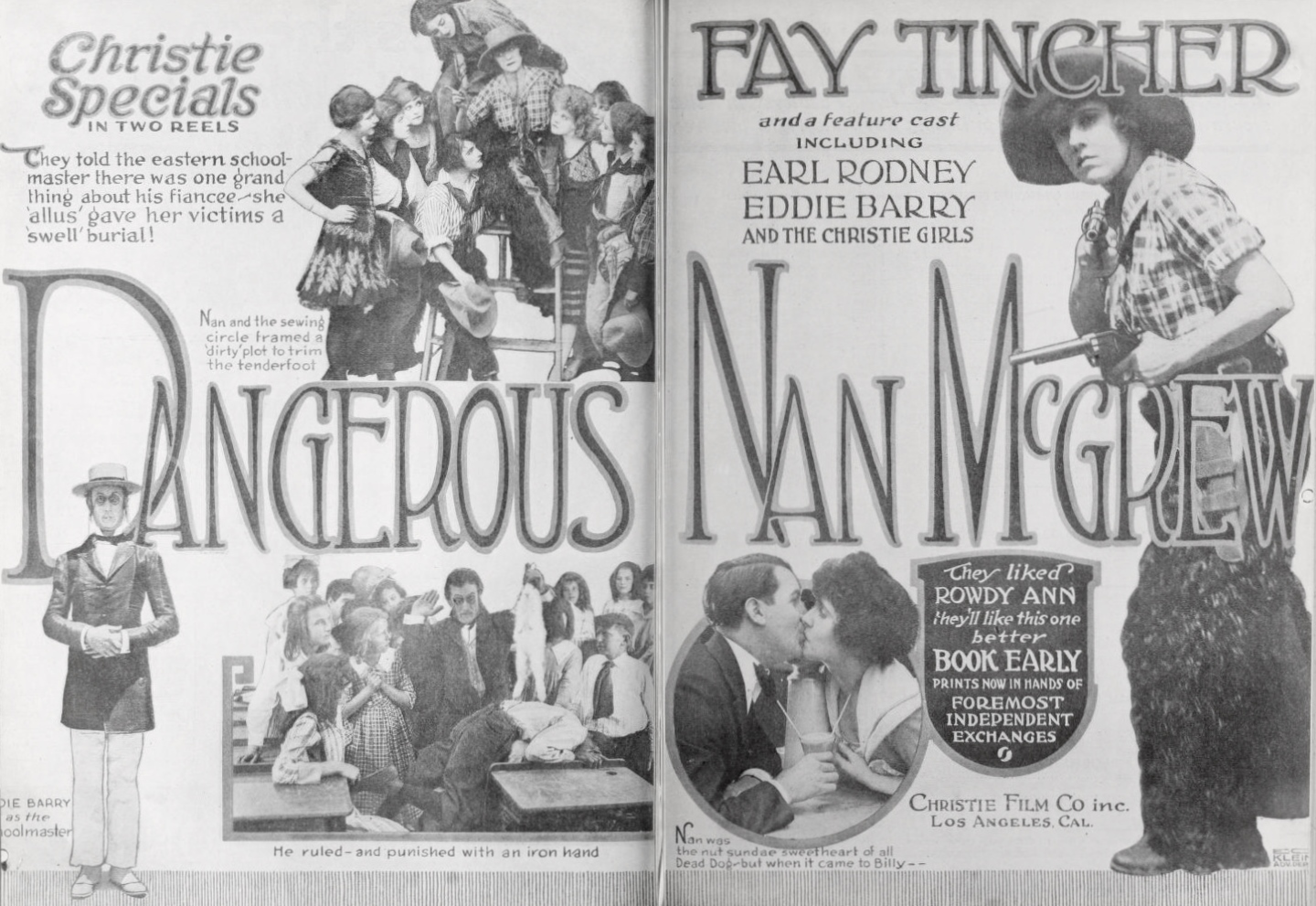
Dir: Scott Sidney
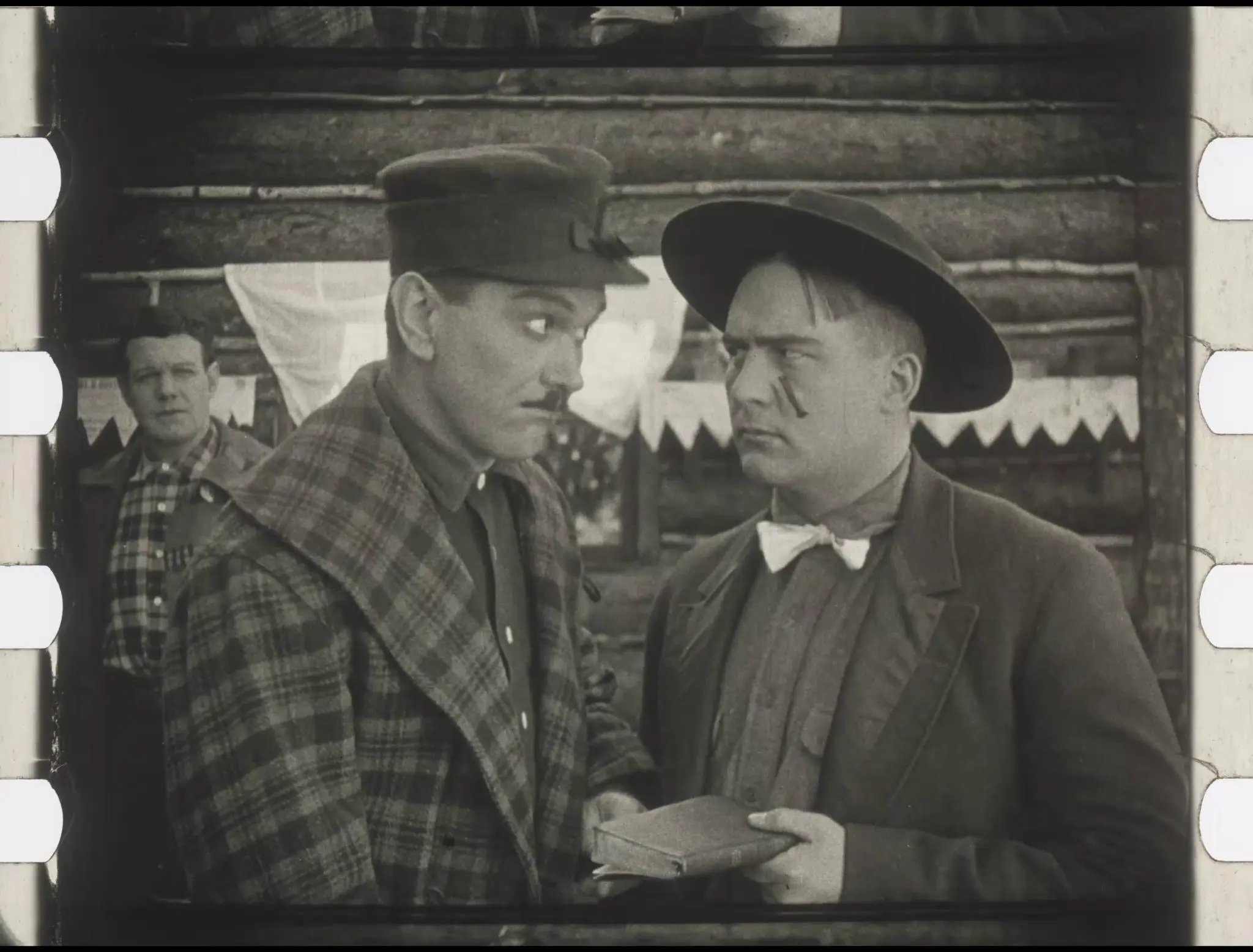
Nan is the soda fountain queen in Dead Dog. She is in love with Billy, but she got a letter from a New York lawyer saying that she and her cousin, Hezekiah, a New England school teacher, would have to marry in order to share a bequest of some thousands of dollars. Hezekiah was on his way west and because Nan would lose the money if she turned him down, she conceived the idea of rejuvenating the wildness of Dead Dog to frighten poor Hezey out of marrying her. With the scene all set and Hezekiah duly shocked, Nan made her entry, riding her horse up the steps and into the bar. In spite of his terror, Hezekiah was willing to go on with the ceremony, and just as Nan and he were about to say "I do," Billy made his entry and began to shoot up the place. This was too much for Hezekiah, and he started running, caught the observation platform of a train starting for the east.
View Details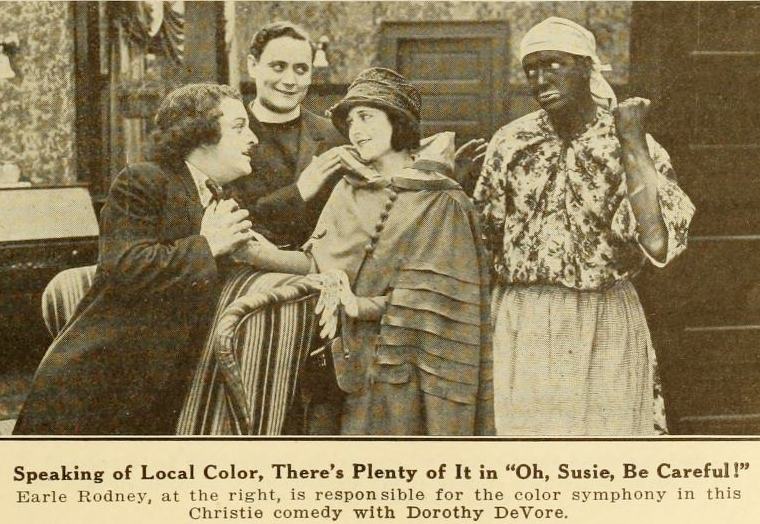
Dir: Scott Sidney
Dorothy is a girl who romantically fell in love with a long haired professor with whom she eloped. "The other fellow" is played by Earle, whose black face make-up at a critical situation almost loses him the girl of his choice.
View Details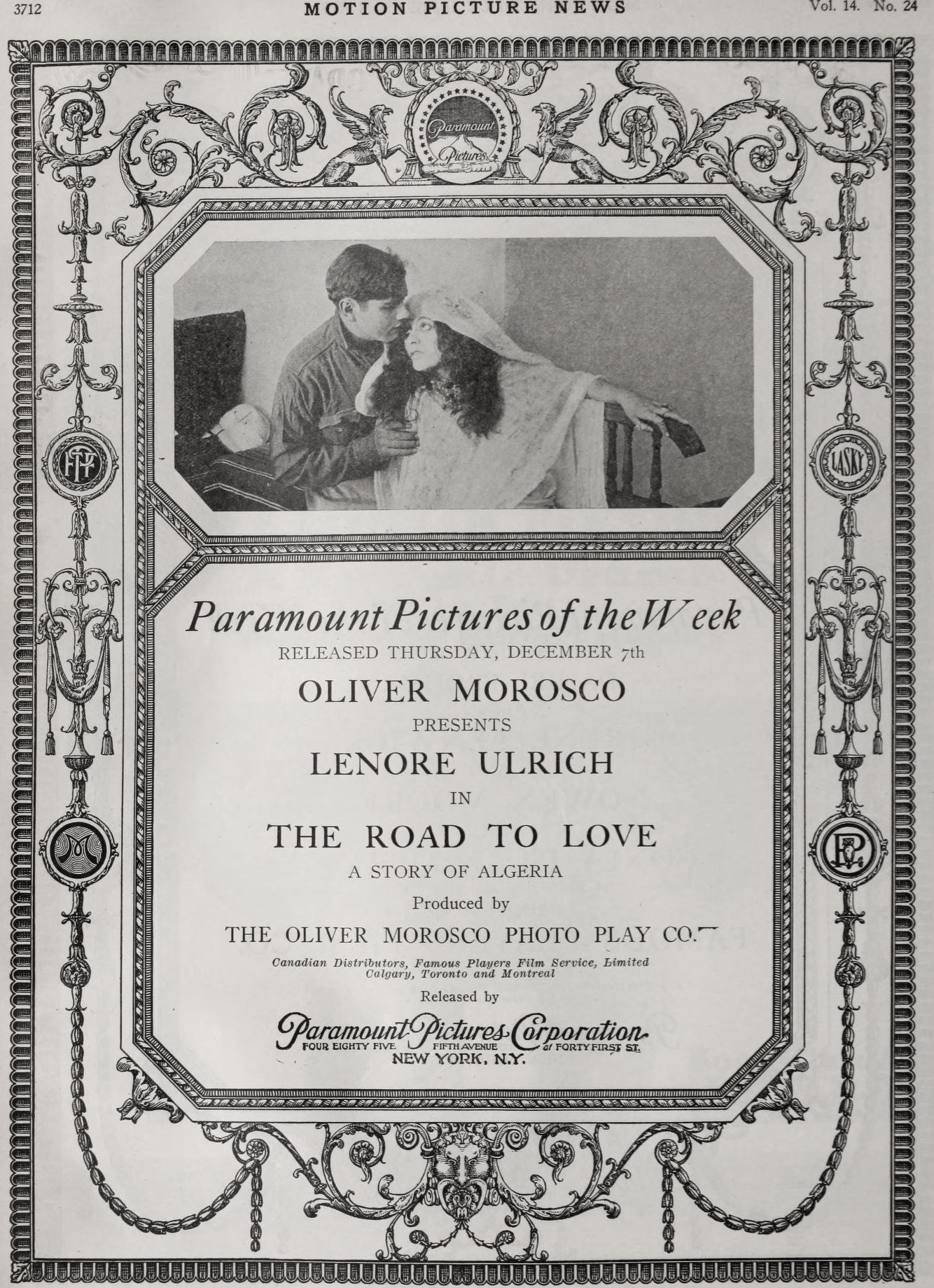
Dir: Scott Sidney
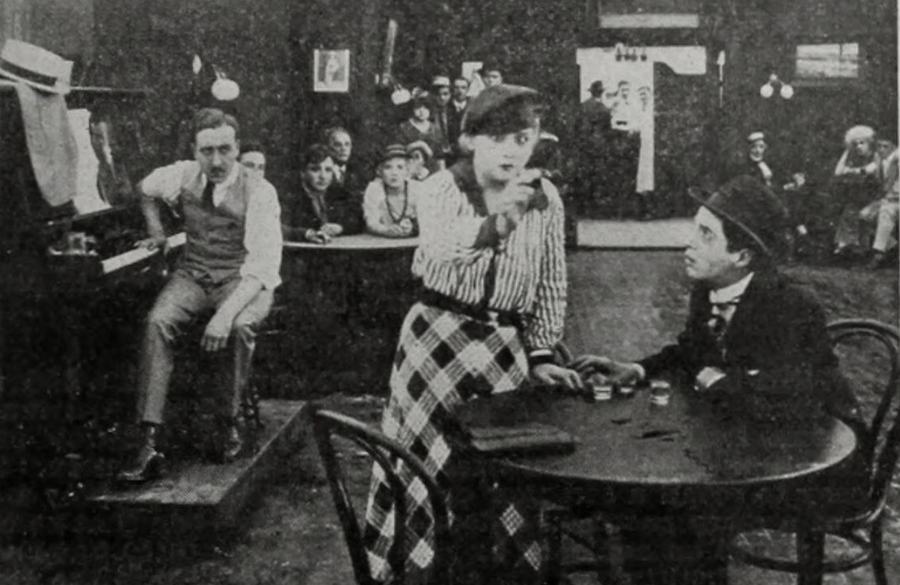
The action takes place in Algeria where Hafsa, the daughter of wealthy old Sidi Malik, has aroused the avidity of Leila Sadiya, the "mother" of the dancing girls. She gives orders to have the girl kidnapped and brought to her. Meanwhile Gordon Roberts, a young American who is traveling in the Orient, saves the life of Karan, a Bedouin chief, and earns the undying gratitude of the Arab. Gordon meets Hafsa while she is shopping in defiance of her father's commands and wins her regard by sheltering her from the old man. He is infatuated with her and disguises himself as a peddler in order to meet her again. He is discovered by Nakhla, a spy of her father's, who promptly has Gordon beaten by his retainers. Gordon and the girl elope, but are captured and the American is turned over to one Abdallah with instructions to sell him as a slave. Hafsa bribes Abdallah to let her go in the caravan in which Gordon is kept drugged. Karan learns of the predicament of Gordon and worms his way into the friendship of Abdallah until he can drug the guards. But when Gordon is about to escape, he recognizes Hafsa and demands that she go in his place. Karan finally yields to the girl and takes Gordon away. Hafsa is delivered to Leila and is not seen again by Gordon until she dances at a great fete. She is offered for sale and Gordon makes a desperate effort to outbid an old sheik, but fails. On the wedding day, Hafsa substitutes her maid for herself and escapes with Gordon, but the deception is quickly discovered and a pursuit is begun. As the fugitives reach the garden gate, Malik arrives and cuts off their escape. The pursuing Leila comes up and stares in wonder at Malik, who proves to be her husband. She is the mother of the girl whom she has been attempting to hand over to the sheik. Just at this moment the old man himself and his retinue are heard approaching and Leila implores Malik to permit his daughter to go her way with Gordon, Snatching the girl's scarf, Leila throws it upon the edge of the garden well, as the lovers make their escape. When the sheik arrives upon the scene, he is shown the scarf and told that Hafsa has chosen her own fate, rather than marry him. Under the chaperonage of the faithful Karan the lovers depart across the desert on the road to love.
View Details
Dir: Richard Smith
Two female candidates for Chief of Police live across the hall from each other, and their political rivalry follows them home, leading to plenty of hi-jinks.
View Details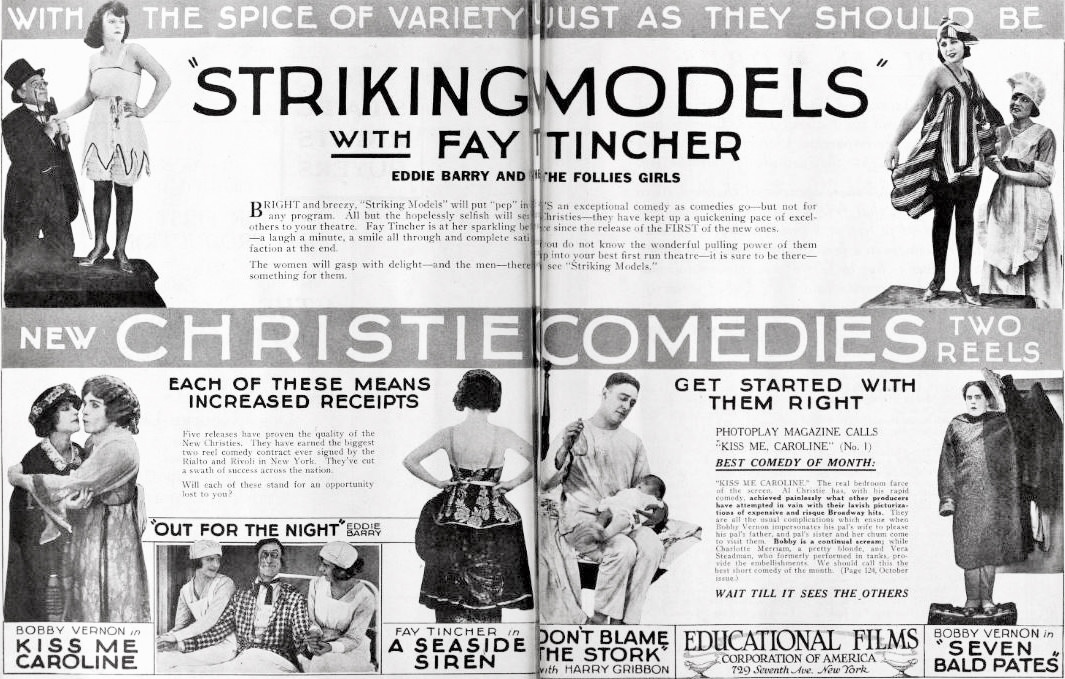
Dir: Reggie Morris
A fascinating piece of cinema that shares thematic elements.
View DetailsAnalysis relative to Molly's Millions
| Film Title | Atmosphere | Complexity | Similarity |
|---|---|---|---|
| Tarzan of the Apes | Surreal | Layered | 96% Match |
| The Amazing Quest of Mr. Ernest Bliss | Gritty | Linear | 86% Match |
| Mary's Ankle | Surreal | High | 86% Match |
| In the River | Gritty | High | 92% Match |
| The Painted Soul | Gothic | Layered | 89% Match |
This guide was algorithmically generated using the cinematic metadata of Scott Sidney's archive. Last updated: 6/26/2026.
Back to Molly's Millions Details →