
DbcultAccessing Vault...
Recommendations
Senior Film Conservator
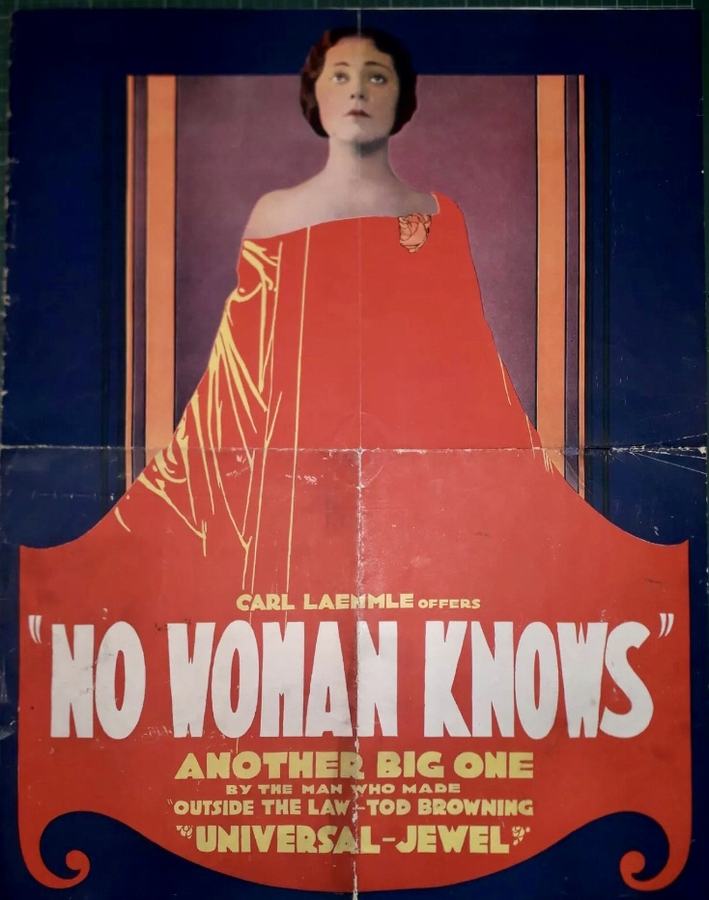
Looking back at the 1921 milestone that is No Woman Knows, the cinematic shorthand used by Tod Browning is both ancient and revolutionary. Dive into this collection and find the spiritual successors to Tod Browning's vision.
As Tod Browning's most celebrated work, it defines to articulate the unspoken anxieties of United States's 1921 era.
In Winnebago, Wisconsin, the Jewish Brandeis family--Molly, Ferdinand, and their two children Fanny and Theodore--run a modest dry-goods store. Theodore is studying violin and auditions for a famous violinist, The Great Schabelitz, who is giving a local concert. Schabelitz is impressed by the boy's talent and recommends that he plan to study in Dresden, Germany. After Ferdinand dies, the family makes many sacrifices to enable Theodore to study in Dresden, where he eventually marries a worthless chorus girl and causes his mother's death from a broken heart. Although she continues to contribute to Theodore's support, Fanny decides to live her own life and moves to Chicago. There she becomes a highly-efficient businesswoman in a department store, spurred on by her colleague and admirer Michael Fenger, who is trapped in a loveless marriage. A former school friend, Clarence Hyle, also attempts to woo her. Later, Theodore, deserted by his wife, returns from Europe with his baby daughter and comes to live with Fanny. When he eventually becomes a successful performer, he leaves Fanny a message saying that he is returning to his wife. After so much self-sacrifice, Fanny decides to live only for herself and is about to sail to Honolulu with Fenger when Clarence makes her realize that her true happiness lies with him.
No Woman Knows was a significant production in United States, showcasing the immense talent of Maxine Tabnac, Raymond Lee, Richard Cummings. It continues to be a top recommendation for anyone studying Drama history.
Based on the unique nuanced performance of No Woman Knows, our vault has identified these titles as the most compelling follow-up experiences for fans of Drama cinema:
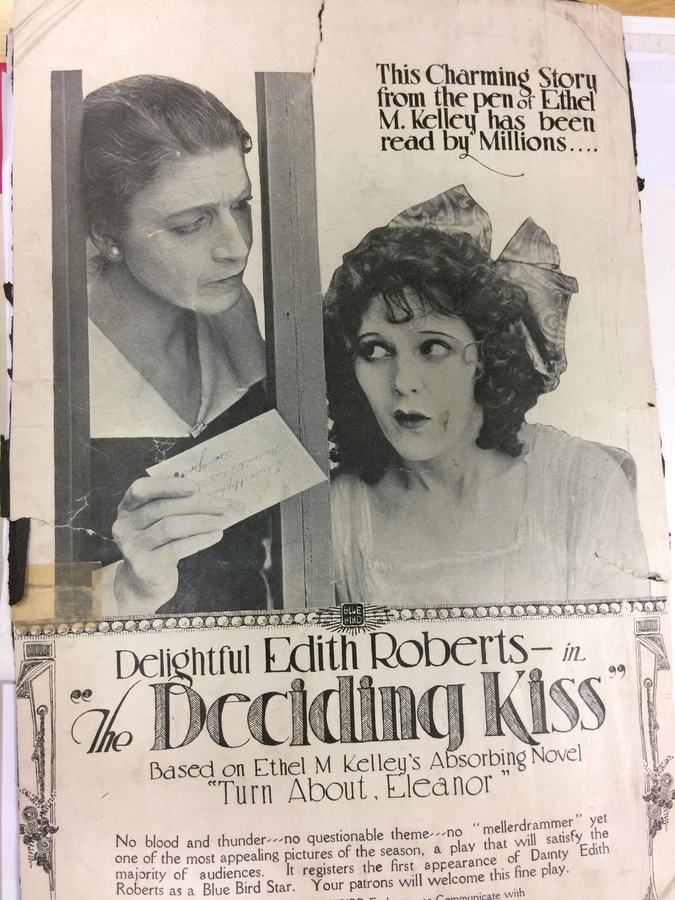
Dir: Tod Browning
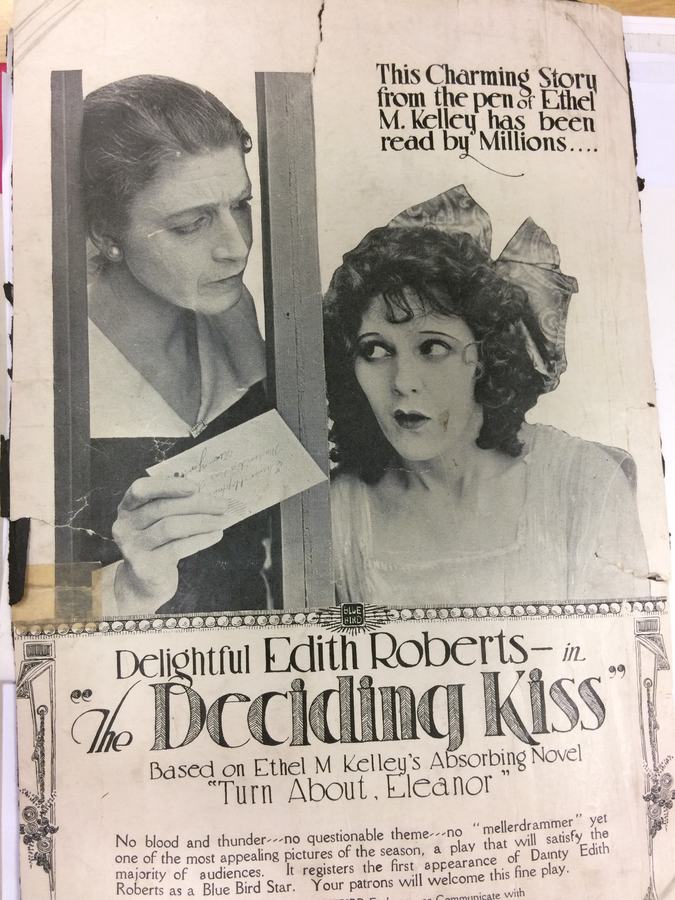
Eleanor Hamlin, a forlorn little orphan living with her grandparents in Cape Cod, is adopted by a wealthy New Yorker, Beulah Page, and her friends. Beulah does not love Eleanor, but her friends -- particularly Peter Bolling, a man she has chosen for herself -- are captivated by the girl. To get Eleanor out of the way, Beulah sends her to an upstate finishing school, but the plan backfires when Eleanor returns a refined and radiant young woman. Realizing that Peter is in love with Eleanor, Beulah tells her that she is engaged to him, and Eleanor sadly returns to her old Cape Cod home. Peter follows her but she eludes him, and although Beulah's deception ultimately is revealed, Eleanor informs her benefactors that she wishes simply to remain their child.
View Details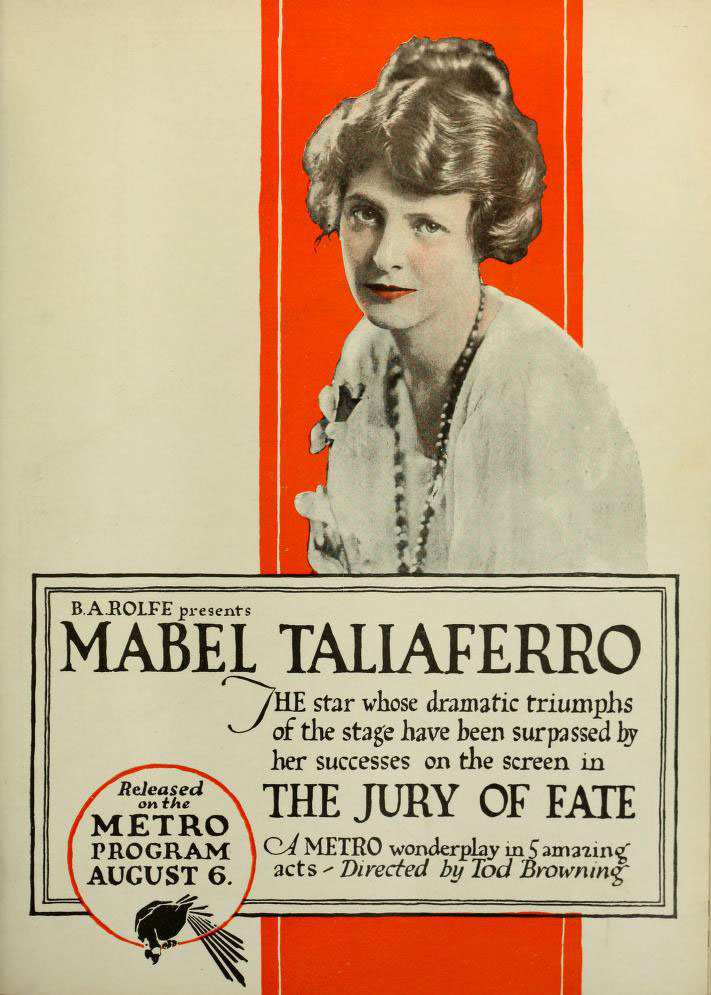
Dir: Tod Browning
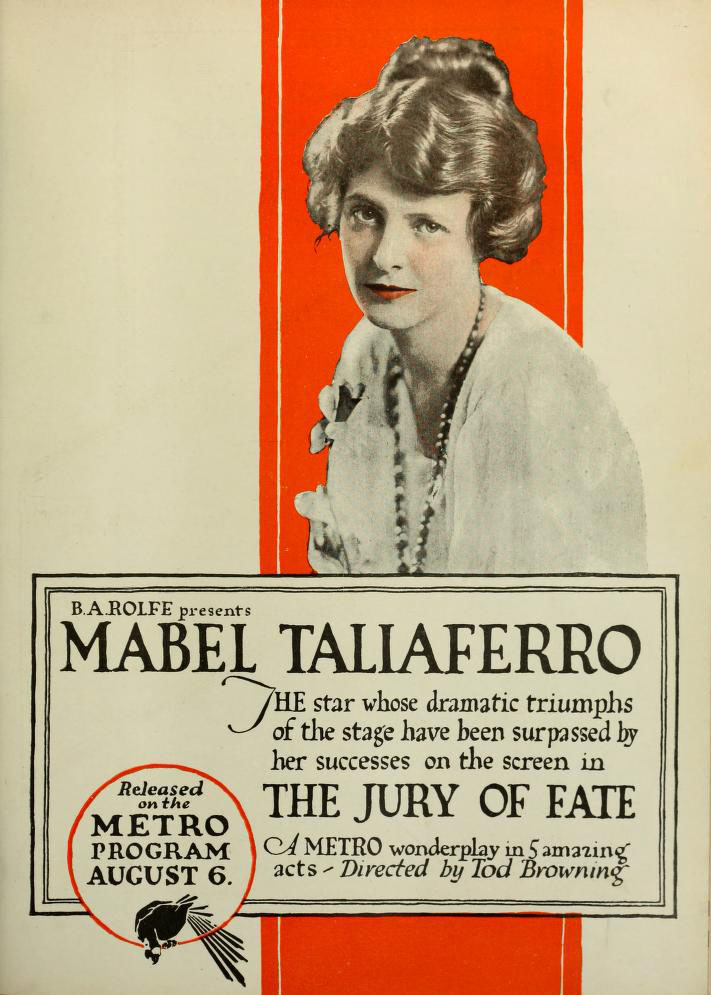
Henri Labordie's wife dies after giving birth to twin children, Jacques and Jeanne. Before he takes the children to the Canadian woods to live he makes an agreement with his friend Duval Hebert that when Jeanne is old enough she shall marry Hebert's son Louis. In their new home Labordie lavishes all his affection on Jacques, a weak and sickly youth. Francois, a half-breed, worships Jeanne as she grows up to winsome womanhood. Donald Duncan, a government surveyor, meets Jeanne. He becomes infatuated with her, and she with him. Jacques tells his father, now totally blind, and Labordie forbids Jeanne to see Duncan. Love finds a way, however, and Jeanne promises to wed Duncan when he has completed his work for the government. Jacques, who has injured his hand, persuades Jeanne to take him canoeing in the St. Lawrence. Francois sees the canoe upset. He saves Jeanne, but her brother is drowned. Jeanne has been warned that any great shock would kill her father, and so the girl cuts off her hair and tells her father that Jeanne is dead and that she is Jacques. When Duncan returns for his bride he is told of the death of Jeanne. On his deathbed Labordie asks Jeanne, whom he believes is Jacques, to go to Montreal to Duval Hebert, and resuming her own dress and name she does so. Hebert tells Jeanne that it was her father's wish that she marry his son Louis, a dissipated youth. She is horror-stricken, but to keep her father's vow consents that the marriage be celebrated after Louis' returns from the North where he has gone to settle a question concerning his father's land. In the north woods Louis meets Duncan, who is working for the Hebert firm, and when the young man quarrels with a guide, Duncan saves his life. Young Hebert insists that the surveyor return to Montreal and receive the thanks of his father and fiancée. Duncan accepts the invitation and he and Jeanne meet again. At first he believes that Jeanne tricked him, but when he has learned the truth, Duncan takes the unhappy girl in his arms and tells her again of his love. Louis, half intoxicated, sees them and insults Jeanne. Francois resents the affront to his idol, and throws Louis out of the room. Louis tries to get at the half-breed, but falls over the banisters and is killed. Not knowing this, Duncan goes away, fearing to cause Jeanne trouble. Months later, once again in the north woods, Francois is surprised to see Duncan riding toward him. The young surveyor asks whether Louis and Jeanne are happy in their marriage. By remaining silent, Francois might keep Jeanne and Duncan from meeting, and perhaps in time win her for himself. But his love for her is so sincere that he prefers her happiness to his own, and Jeanne and Duncan are reunited in the northern woods where they first met.
View Details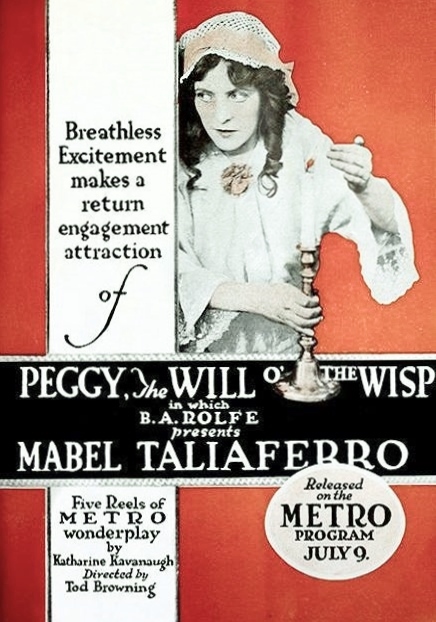
Dir: Tod Browning
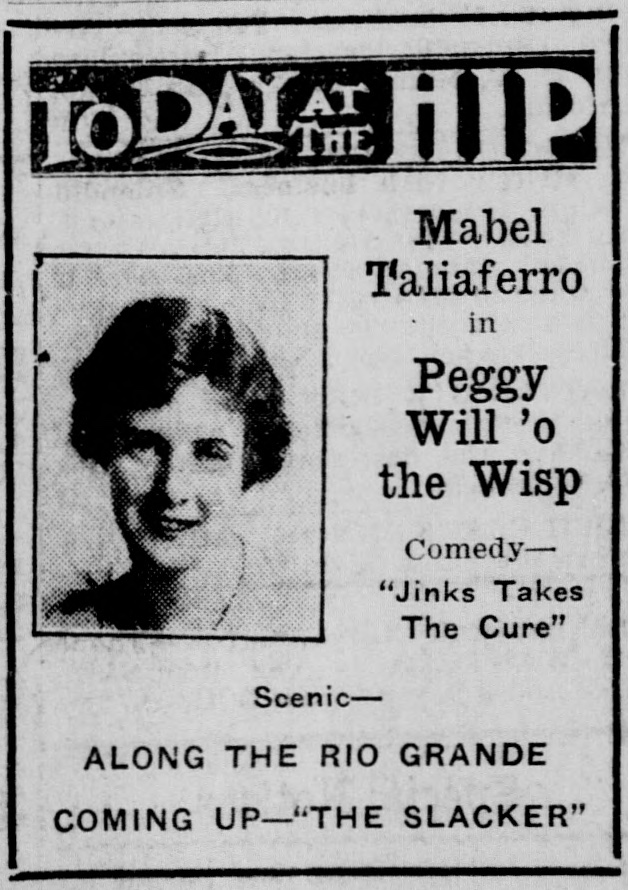
Peggy Desmond, the daughter of an Irish magistrate, loves Captain Neil Dacey, but is pursued by Terence O'Malley, the nephew of Squire O'Malley, a wealthy landowner. Although the squire offers to pay off the Desmonds' debts if Peggy were to marry Terence, Peggy refuses. After Neil invokes the name of Rory O'More, the "Will o' the Wisp," a legendary Irish Robin Hood, Peggy dresses up as a highwayman and robs Squire O'Malley, then gives the purse to one of the squire's poor tenants. As the local law officer, Neil is assigned to capture the bandit, but is robbed himself by his clever incognito sweetheart. When the squire turns up dead, Neil, whose gun is found next to the corpse, is arrested and jailed. To free her love, Peggy disguises herself once more as a highwayman and forces Terence to confess to the murder at gunpoint. Once released, Neil deduces that Peggy is the bandit and makes good on her promise to marry the man who succeeded in unmasking the "Will o' of the Wisp."
View Details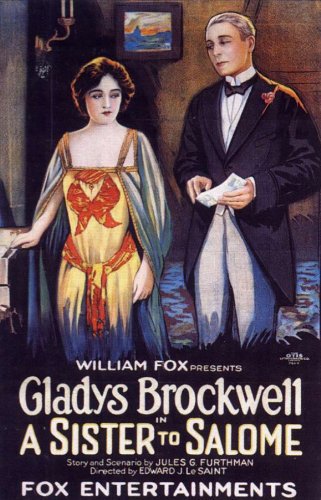
Dir: Edward LeSaint
When famous opera singer Elinore Duane undergoes an operation on her throat, she has a series of ether-induced visions. In one, she is transported to ancient Rome where she appears as a much-admired woman in love with Paul, a young heretic, and at odds with Lutor, the high priest. To save her love, she poisons Lutor with her ring. After several other visions which involve variations on this love triangle, Elinore awakens to discover that Lutor is actually her doctor, Sascha Jaccard, and that Paul is the son of a friend who has come to visit the recovering prima donna.
View Details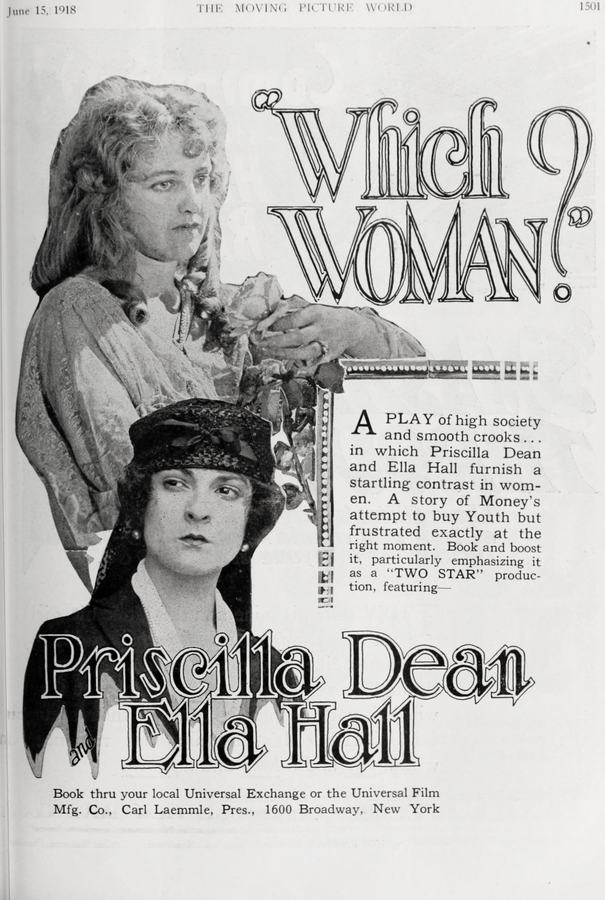
Dir: Tod Browning
Doris Standish's father insists upon her marriage to aging millionaire Cyrus W. Hopkins, but just before the wedding, the young woman runs from the house and leaps into a parked car, ordering the chauffeur to drive her quickly away. The driver is Jimmy Nevin, who, because Hopkins financially ruined his father, has agreed to help a gang of crooks in their plot to steal the bride's jewels and wedding presents. Realizing that Doris is not Mary Butler, his accomplice, Jimmy offers to accompany her home, but when she refuses to return, he takes her to the thieves' hideout. Mary and her henchmen try to rob Doris, but she escapes and notifies the police. Doris, her father and Hopkins return to the hideout just before the police arrive to arrest all of the thieves but Jimmy, who has grown extremely fond of the runaway bride.
View Details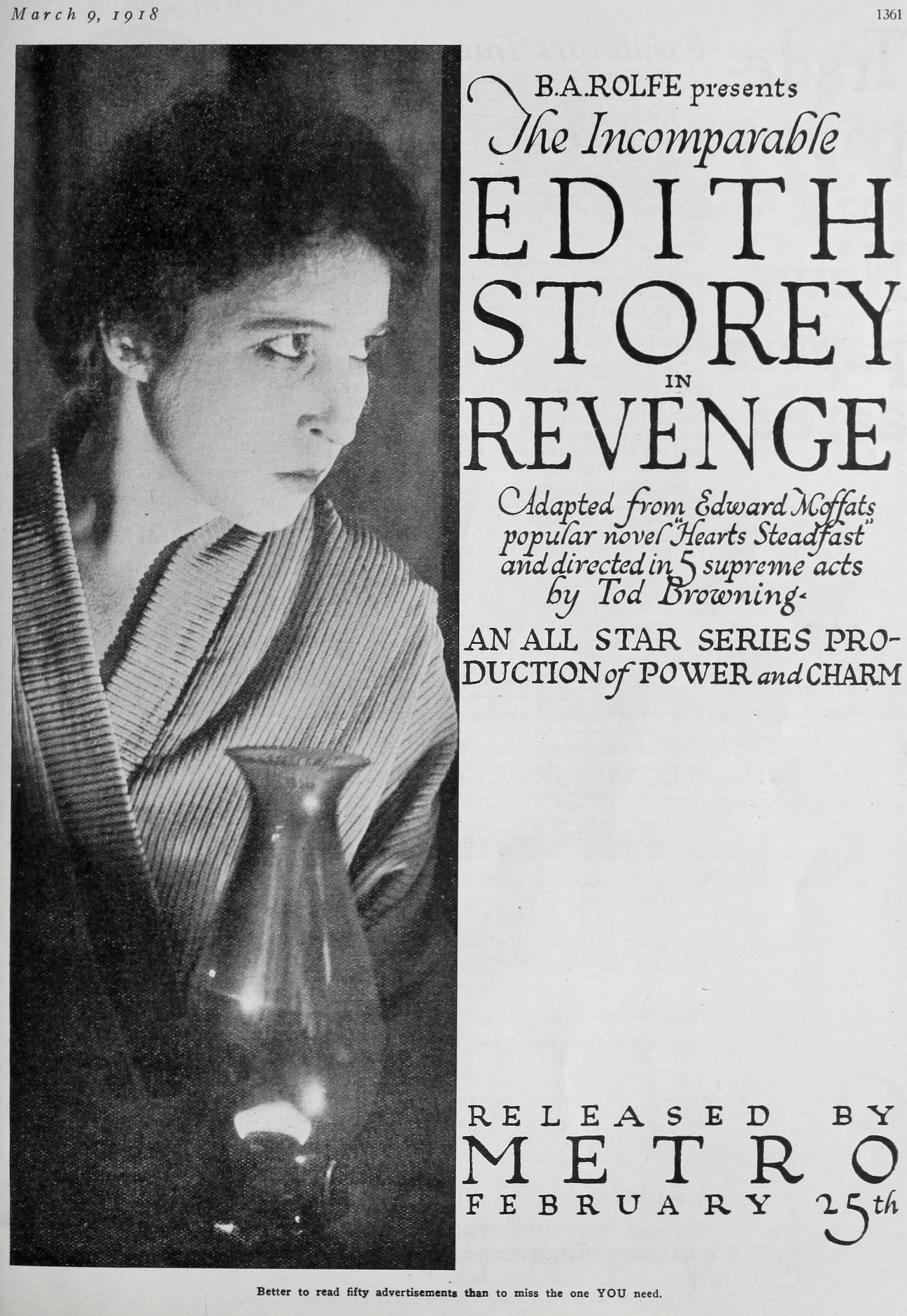
Dir: Tod Browning
Easterner Alva Leigh arrives in the mining town of Magnet just after her fiancé, Donald Jaffray, has been murdered. Because Alva has sworn vengeance, "Sudden" Duncan, the real murderer, accuses Donald's partner, Dick Randall, of the crime. Knowing that Dick is planning a journey across the desert, Duncan fills his canteen with poison, but Alva, who also is determined to kill Dick, drills a hole in the canteen so that the water will drain out. After Dick's departure, Alva learns from "Tiger Lil'," who is jealous of Duncan's attention to the Eastern newcomer, that it was Duncan who killed Donald. Frantic, Alva immediately mounts a horse and rides into the desert to save the man she now recognizes as her true love. Tiger Lil' shoots Duncan in a dance hall quarrel, and Alva marries Dick.
View Details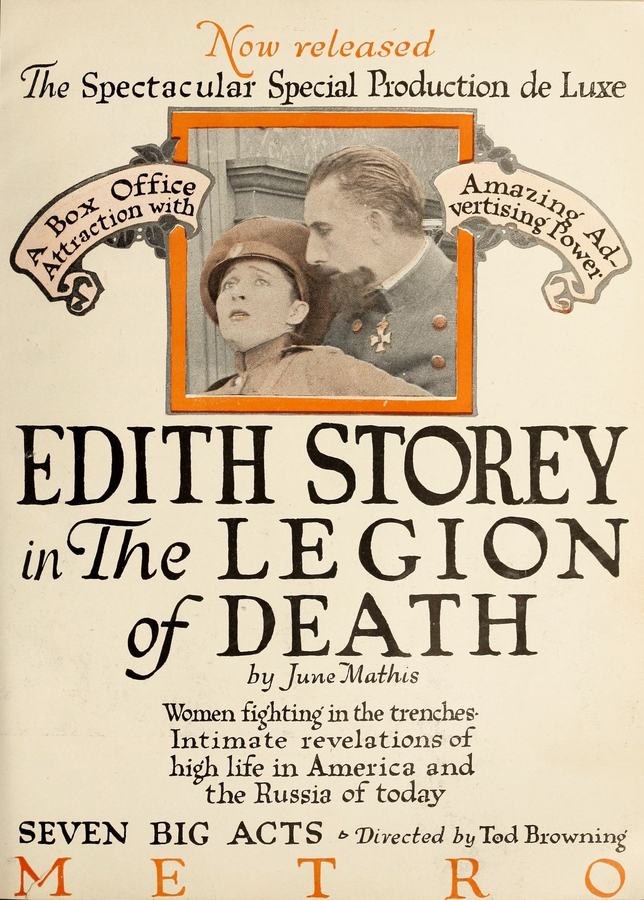
Dir: Tod Browning
Princess Marya and her brother, the Grand Duke Paul of Russia, are studying in the U.S. when word reaches them that Rasputin is to be killed. Paul is seized by Russian secret service men, but through Marya's appeal to Captain Rodney Willard, he is released. In Russia, Marya participates actively in the Revolution, while Willard, with whom she has fallen in love, joins the Allied Commission. Deeply troubled by the influence of German agents in Russia, Marya organizes the Legion of Death, a fighting unit of peasant women, and leads them into battle against the Germans. The legion suffers defeat and Marya is captured, but in the end, she wins her freedom.
View Details
Dir: Tod Browning
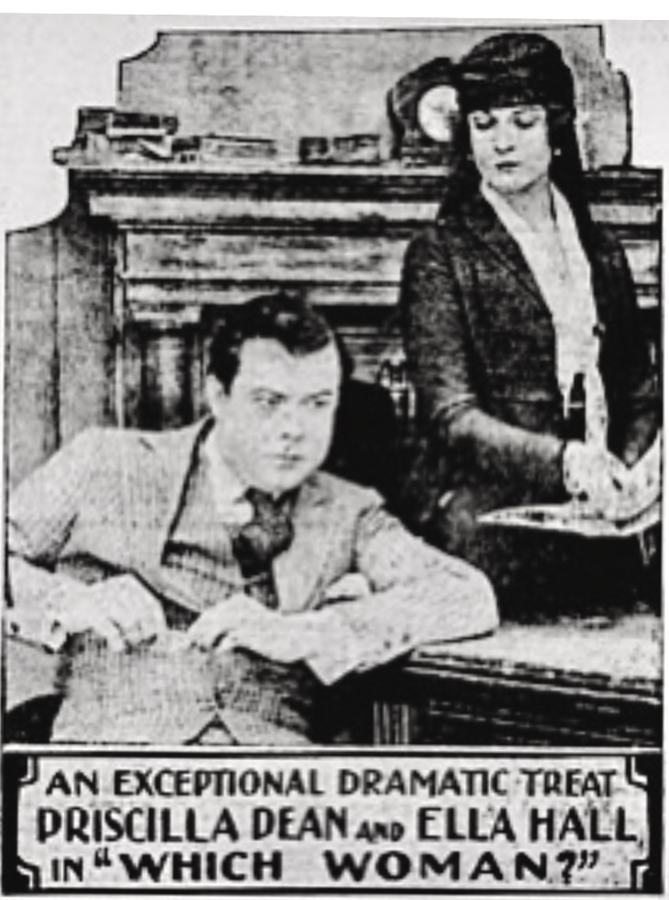
Stella Schump is a shop girl and very devoted to her mother, who desires her to marry. Stella befriends her shoe store co-worker Cora Kinealy, who invites Stella to a party to meet the hero of a munitions plant fire. The young man does not attend, and Stella is pressured into over-drinking. She wanders into the street, is picked up by a detective, taken to night court, and sentenced to ten days in jail. Stella writes to her mother, and the shock of the news causes her mother's death. Upon release, Stella is relieved of her job and without a home. While wandering the streets, she is picked up by a man and taken to a Salvation Army home. The man is John Gilley, the munitions plant hero. The two find happiness together.
View Details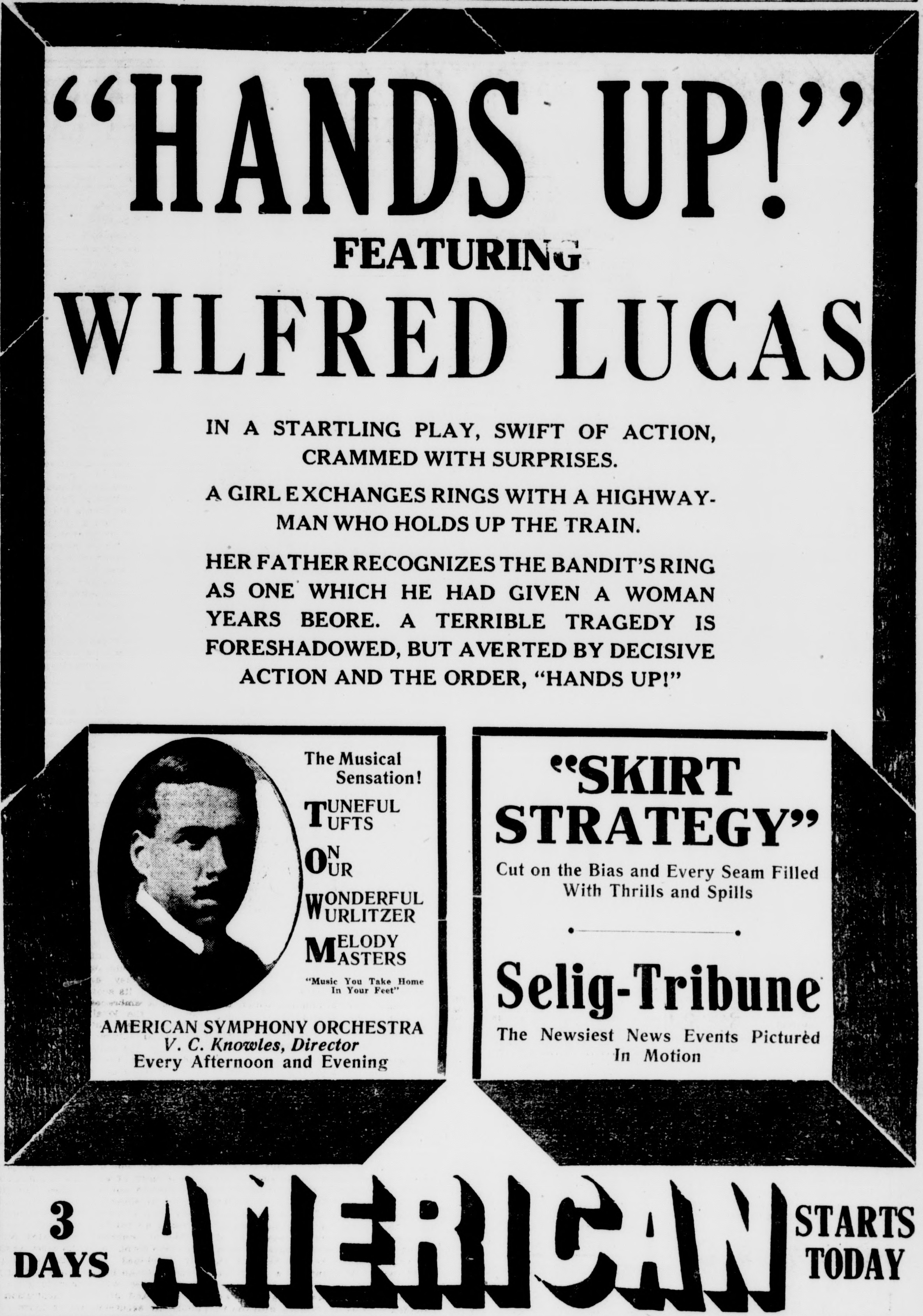
Dir: Tod Browning
Railroad president John Houston, along with his daughter Marjorie and his fiancee, Elinor Craig, are aboard the express train when it is held up by a gang of outlaws. Outlaw Dan Tracy is attracted to Marjorie, who, filled with dreams of romance, returns his interest. They exchange rings and later meet secretly in the city. When Houston learns that his daughter's new suitor is an outlaw, he hires a detective to investigate. The investigation indicates that Tracy is Houston's son by a former marriage, and Houston, mortified, allows the outlaw to escape. Tracy then persuades Marjorie to elope with him and takes her to his shack in the hills where she is rudely awakened to the realities of outlaw life. Houston arrives to save his daughter, and after Tracy is killed by Rosanne, the woman he betrayed, it is revealed that Tracy was not his son but an offspring of his former wife and an outlaw.
View Details
Dir: Bruno Ziener
A fascinating piece of cinema that shares thematic elements.
View DetailsAnalysis relative to No Woman Knows
| Film Title | Atmosphere | Complexity | Similarity |
|---|---|---|---|
| The Deciding Kiss | Tense | Layered | 92% Match |
| The Jury of Fate | Surreal | Linear | 91% Match |
| Peggy, the Will O' the Wisp | Surreal | Dense | 97% Match |
| A Sister to Salome | Gothic | High | 88% Match |
| Which Woman? | Tense | Abstract | 98% Match |
This guide was algorithmically generated using the cinematic metadata of Tod Browning's archive. Last updated: 6/25/2026.
Back to No Woman Knows Details →