
DbcultAccessing Vault...
Recommendations
Senior Film Conservator
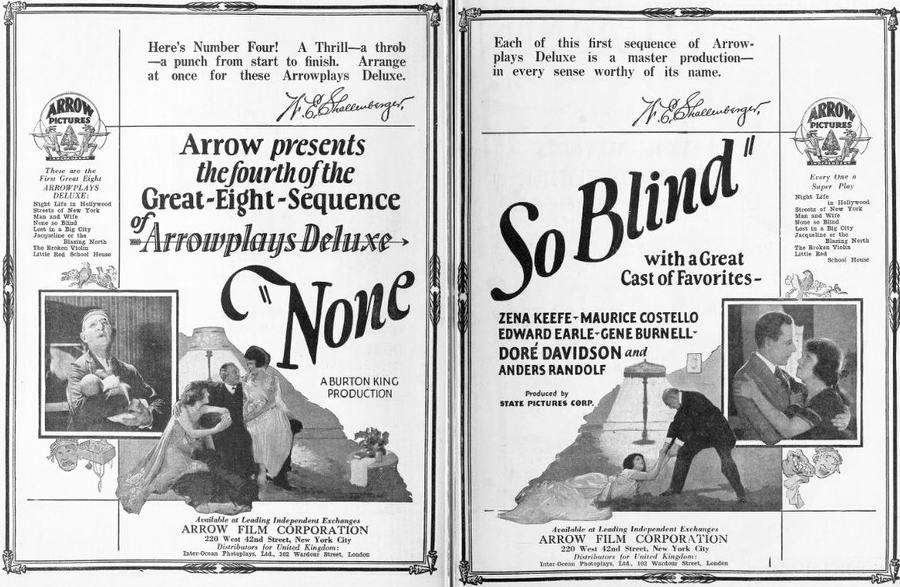
If the emotional resonance of Burton L. King's work in None So Blind left an impression, the juxtaposition of emotional resonance and narrative makes it a Drama outlier. Experience the United States influence in these recommendations that echo None So Blind.
By merging emotional resonance with Drama tropes, it to elevate Drama to the level of high art.
In New York City, Rachel Abrams, daughter of struggling ghetto pawnbroker Aaron Abrams, elopes with Russell Mortimer, a wealthy young member of society. Russell's father quickly offers $10,000 to terminate the match, and Aaron accepts over Rachel's objections, hoping to use the money for revenge. After Rachel dies while giving birth to a daughter, Ruth, the elder Abrams becomes a callous money lender on Wall Street. Years later, a romance develops between Ruth and Sheldon Sherman, protégé of Russell Mortimer, and between Russell's daughter, Hazel, and Saul Cohen, a friend of the Abrams family. Using a pseudonym, Aaron threatens Russell and insists that Ruth marry Saul. Complications ensue, involving love and finance. Aaron sends Ruth away for giving her love to a gentile, but the old man ultimately relents, and all are reconciled.
Based on the unique emotional resonance of None So Blind, our vault has identified these titles as the most compelling follow-up experiences for fans of Drama cinema:
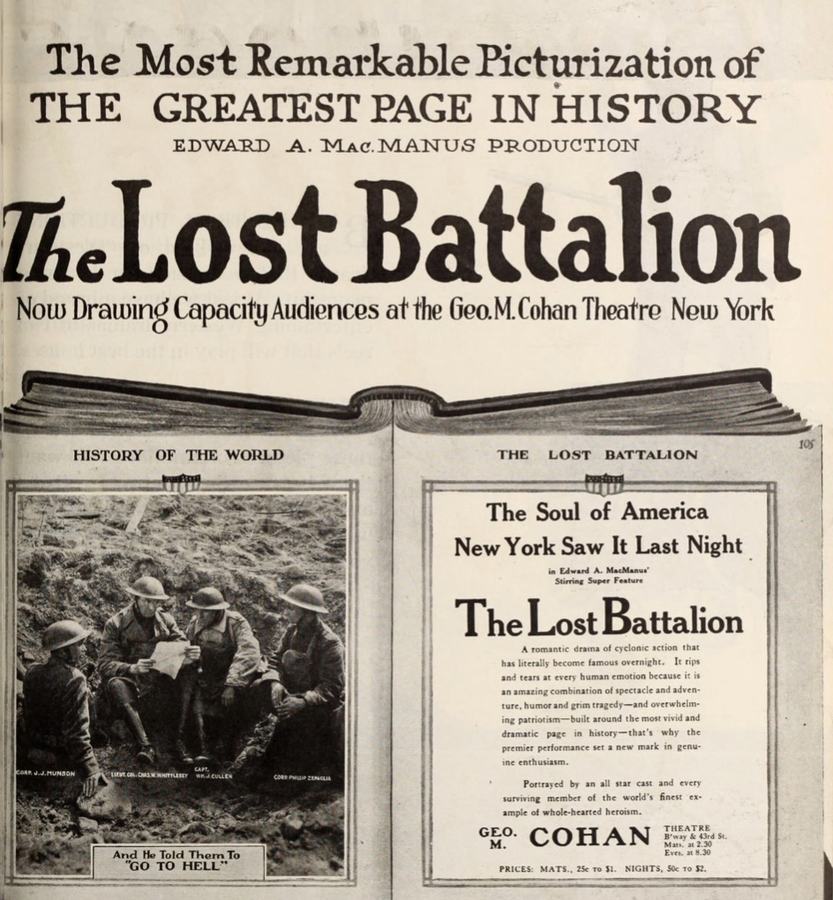
Dir: Burton L. King
A battalion of the U. S. Army's 77th Division penetrates deep into the Argonne Forest of France during the First World War. The battalion becomes surrounded and holds out for six long days, awaiting reinforcement and rescue.
View Details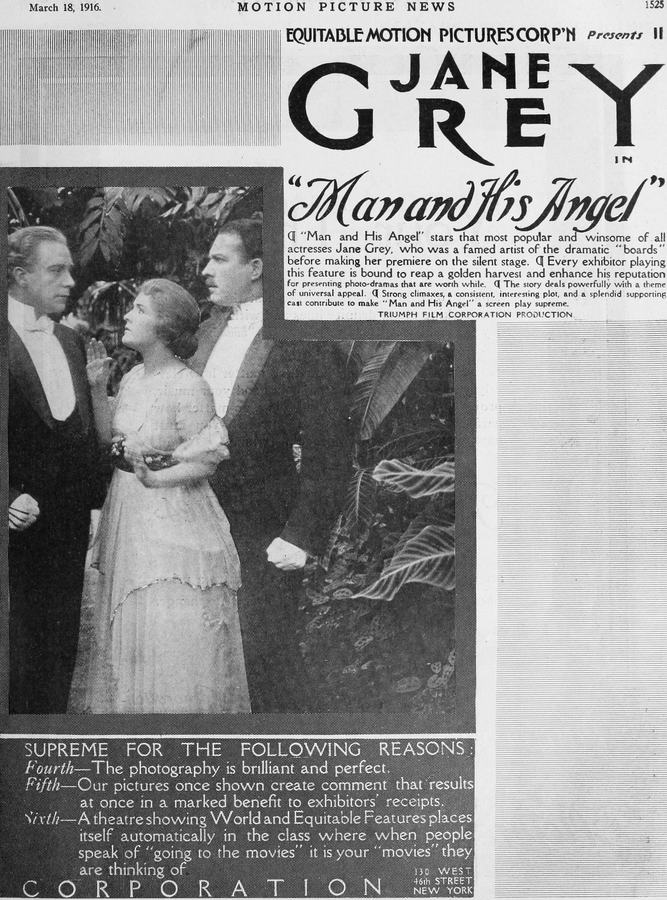
Dir: Burton L. King
Sonia Demitri, daughter of an exiled Russian nobleman, comes to this country almost penniless, teaches a while, and then, being a lover of books, starts a little second-hand bookstore. Sonia grows to womanhood unaware of her noble birth, she has a great singing voice. In an old Bible which her father treasures are the documents which will establish her claim to large estates, but her father tells her she will learn it all after his death. David Tryne, living in the same neighborhood, deformed and with a twisted mind, is a remarkable penman and a lover of the beautiful. He forges a letter of recommendation given to one man. The second man uses it and as a result the first man is accused of forgery. The neighbors try to mob Tryne, who takes refuge in the bookstore. Sonia pities his deformities, aids him, and wins his adoration. To the bookstore comes Sutton, a society man, with Kitty Fish, and an impresario. Later, with Schuyler, they all go to hear Sonia sing. She succeeds and it is planned that she shall go abroad and study. Tryne is with her father while she is away and when Demitri dies Tryne learns from the papers in the old Bible of Sonia's high birth. Sonia makes a great success, Schuyler falls in love with her, and Tryne, crazed with jealousy, forges a note which he places in the old Bible, saying that Sonia is the daughter of a disreputable woman. This he signs with Demitri's name, and gives the book to Sutton to give to Sonia, asking him to say that he found it in an old bookshop. Schuyler's mother asks Sonia about her ancestry, and learning nothing, decides to institute inquiries in Russia. Sutton sprains his ankle on his way to Sonia, and sends for her to come and get the book. Tryne learns of this and sends a note to Schuyler, telling him of her going to Sutton. Schuyler meets her there. She shows Sutton's note, and while Schuyler declares his trust in her, she feels that she cannot marry him with the stain on her birth, and sends him away. Sonia gives up everything, and with Tryne as her servitor, awaits only death. Kitty feels for her, and sends for Schuyler to come and see her. The day he is to come, Soma finds the genuine documents regarding her birth which had fallen from Tryne's coat pocket. Tryne sees the papers in her hands, and tries to get them back, but she holds him with her eyes, and as Schuyler enters the room, Tryne sees that he has lost and quietly slips away. With the barrier to their love removed, Sonia and Schuyler find their happiness.
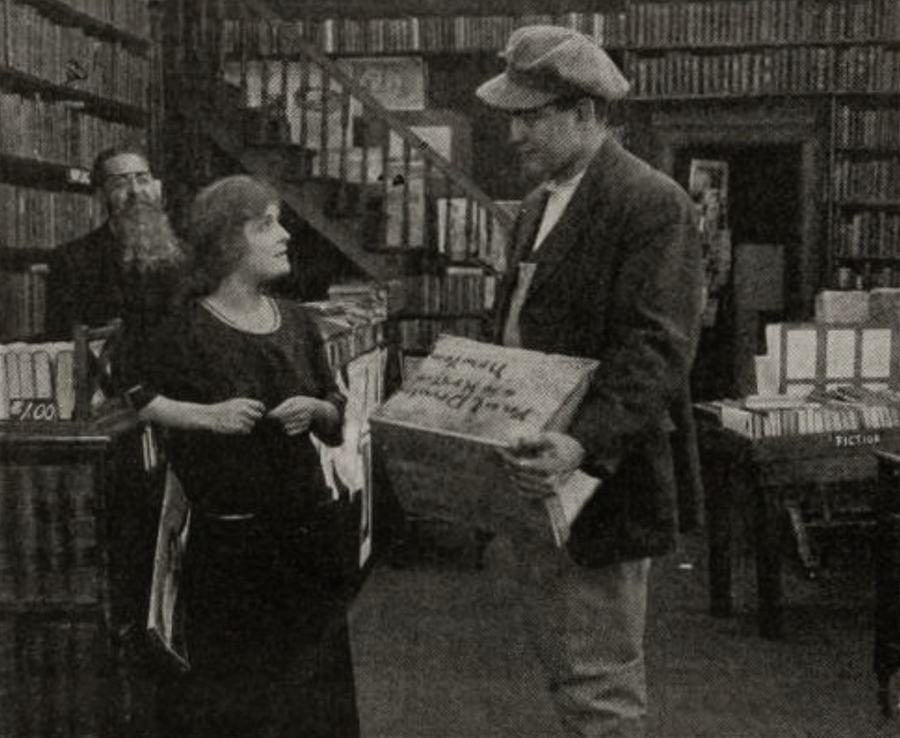
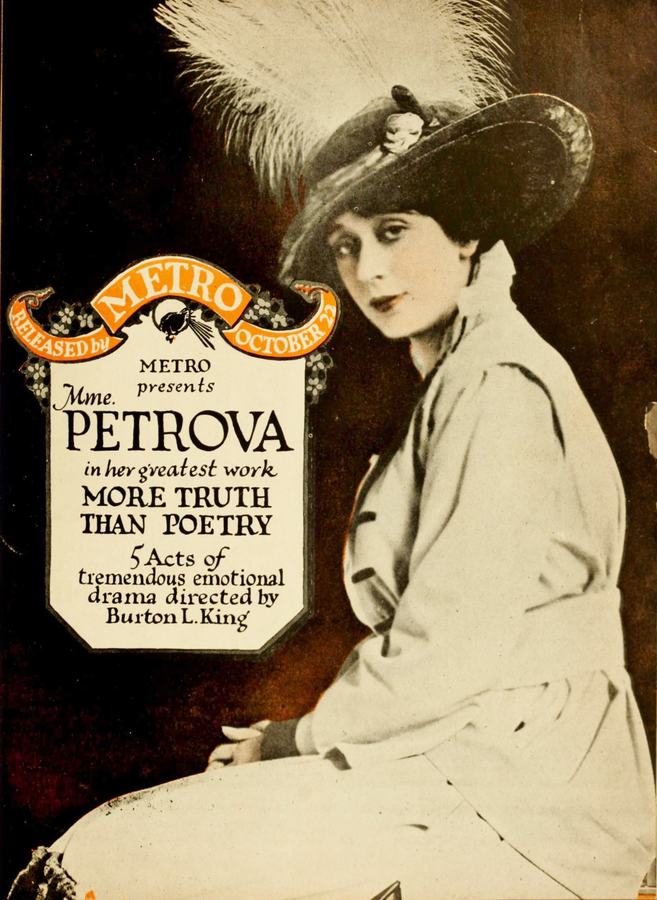
Dir: Burton L. King
When Vera, the daughter of steel king Daniel Maitland, marries Blair, a young lawyer, her father cuts her off with only a small allowance. A few months later, Blair becomes famous by securing the acquittal of one of his friends who had killed his wife's lover, basing his plea on "the unwritten law." He then succumbs to the fascination of another woman. Vera discovers them in a compromising situation and shoots Blair. At her trial, her lawyer is pleading for mercy when Vera explains that she does not want mercy, but justice. She asks if there is one law for a woman and another for a man and explains that she shot her husband because he betrayed her trust. At that moment, it is revealed that the whole episode is being composed by novelist Elaine Esmond, who interrupts her story to go to the opera with her sweetheart.
View Details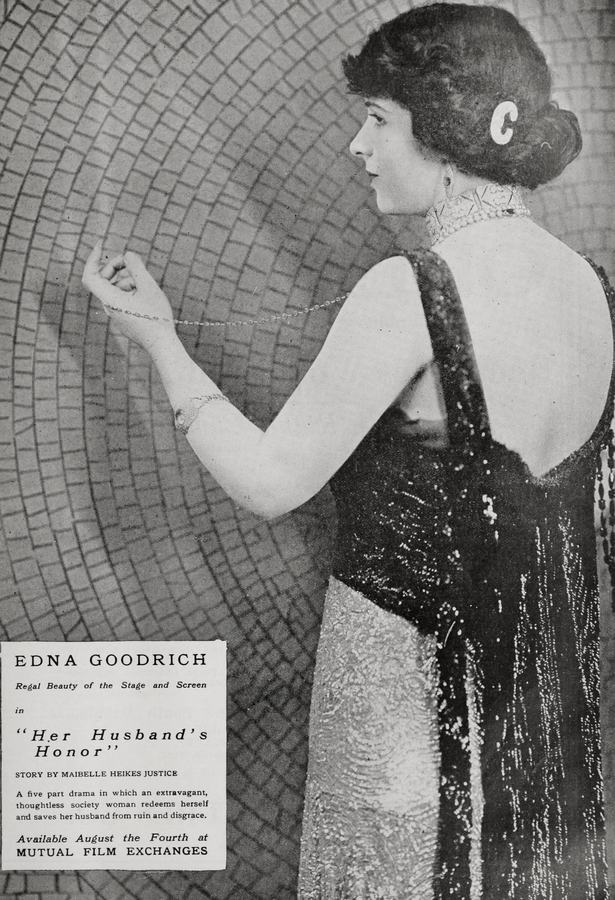
Dir: Burton L. King
Nancy Page is a frivolous socialite until her husband Richard becomes entangled in his employer David Davenport's shady business dealings. Davenport, a building contractor, had secured Richard's signature on several papers that promised payment of over a million dollars, even though the firm was insolvent. At a party held in honor of wealthy Japanese agent Tato Usaki, Richard tries to convince Davenport's wife Lila, who is in love with him, to obtain the vouchers, and Nancy attempts to charm Usaki into signing a building contract that will save the firm. Usaki and Nancy arrange to meet at the vacant house next door, where he signs the contract but then locks the door and attacks her. Nancy escapes through a window and returns to the party with the contract, while Davenport, having discovered that his wife has destroyed the incriminating vouchers, shoots himself.
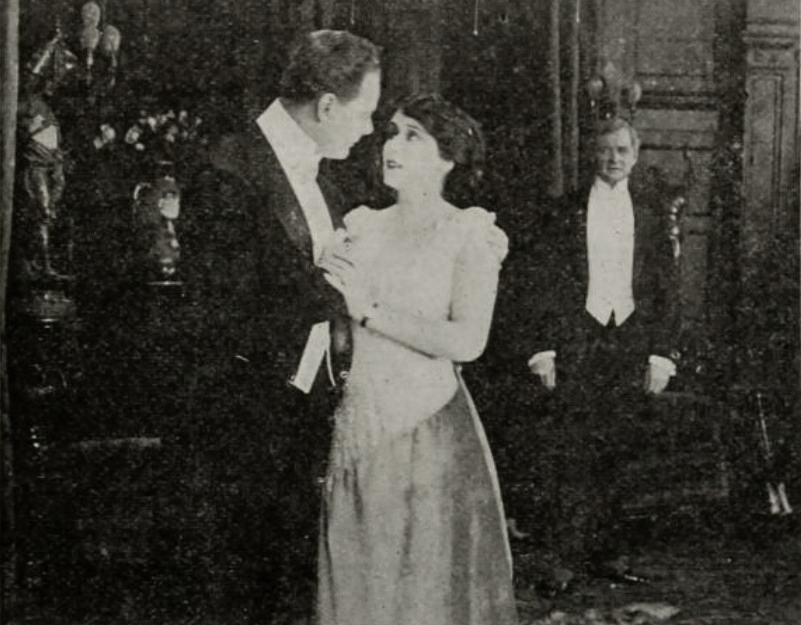
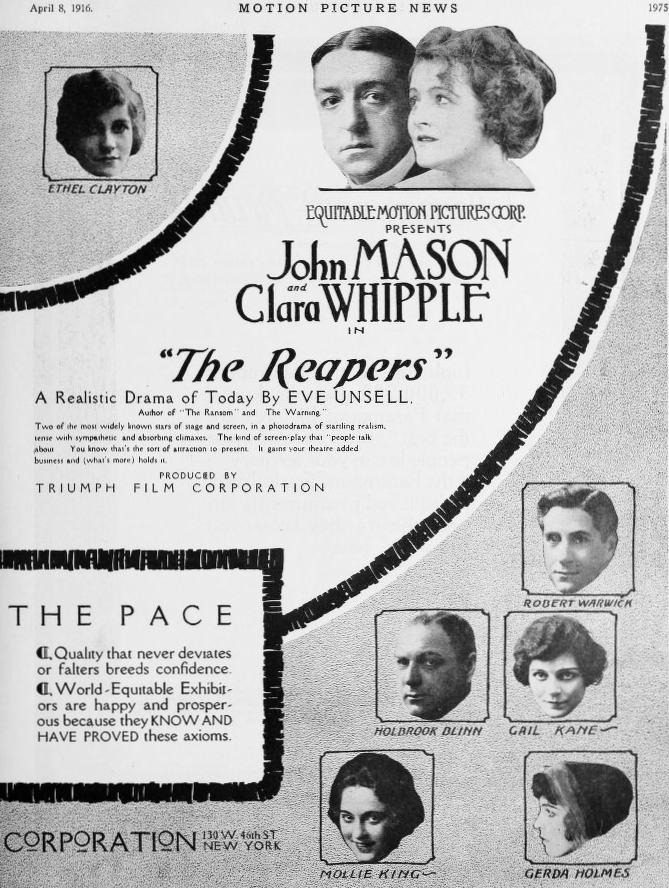
Dir: Burton L. King
Albert Jordan, publishing house manager, lavishes his salary on his adored wife, Rita, and little daughter Edna. She is a churchgoing woman, while his home and his family is his religion. While returning home one day, Jordan sees his little daughter in the path of an auto. He runs to snatch her from instant death. He saves her but is seriously injured himself. As a result, he becomes a half paralytic. His wife becomes the bread-winner of the family. She frets against this and is tempted by a former lover, Jim Shaw, a race-track follower, and leaves with him. Jordan becomes an embittered blasphemer. He is compelled to sell newspapers and pencils at an elevated station. Here a splendid woman with a deathless faith finds the hopeless Jordan and teaches him her creed of life. Jordan begins to pray. At last, in response to his prayers and more hopeful state, Jordan is healed and learns that God's way is not always the ways of men. The years pass. Jordan with health, new strength, new friends, becomes successful in business. His daughter, Edna, now a beautiful young woman, marries Frank Rollins, of aristocratic family, and assistant district attorney. Jordan makes his home with the young couple. On the other hand, Rita, who first lived in luxury, has gradually gone down the ladder of life and now reaps the harvest of her sin and selfishness. Shaw is drinking heavily and beats her. They return from Paris and start a flashy tango hall. A few months later, after his daughter's marriage, Jordan is asked by Rollins to accompany him on a vice crusade. While in a dance place, there is a quarrel between a man and a woman. Jordan goes to intervene and comes face to face with his wife. After a night of anguish Jordan goes to Rita, telling her of himself and of Edna. He teaches her to see the "light," as he calls it, as he has seen it. Rita is touched by Jordan's willingness to forgive and forget and the latent good in Rita's nature rises to meet the good in Jordan. How Rita repays his wish to reclaim her is unfolded in the climax.
View Details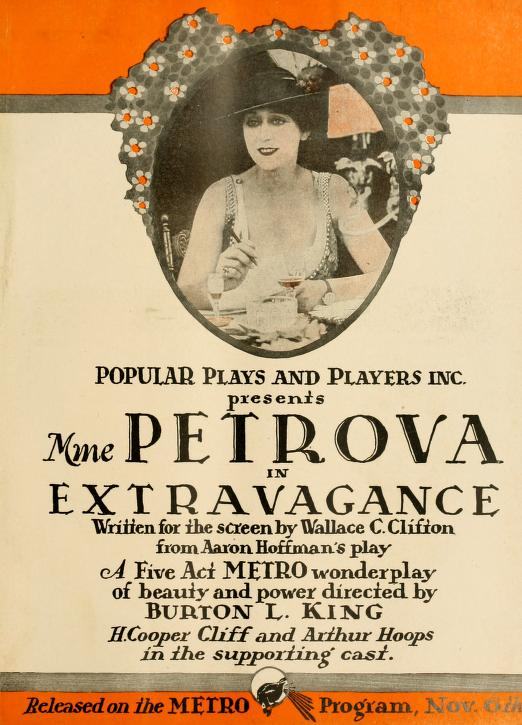
Dir: Burton L. King
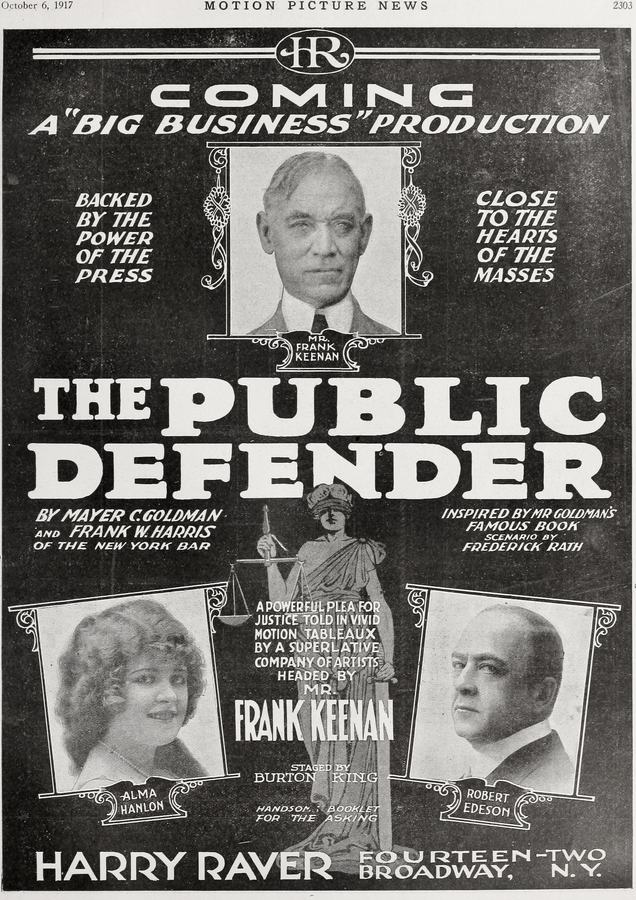
Extravagance has always marked the lives of Norma Russell and her father, Courtland Russell. As a consequence, debt overtakes them, and Russell is forced to borrow a large sum of money from Howard Dundore, the banker. Even this hint of coming trouble does not cause them to economize, and soon Russell has to ask Dundore for an extension of his note. This the banker refuses to do unless the note is accompanied by the signature of a depositor of the bank. Russell forges the name of Robert Mackay, one of the bank's wealthiest depositors. Dundore knows the name is forged, but instructs his confidential man, Horace Scott, to pay the note and subtract it from his private account. He then accuses Russell, and to save her father from the consequences of his forgery Norma is obliged to consent to marry Dundore. She cables her lover, Franklin Hall, a businessman, who has gone to South America to look after a rubber investment, that she cannot marry him. Hall returns at once, pays back the amount of the note, thereby beggaring himself, and marries Norma. Dundore pretends to be friendly to the young couple, tells Hall he knows his investment has gone badly, and offers him a position in the bank, which Hall accepts. Dundore then seizes the opportunity to have Hall's accounts falsified in order to make it appear that he has stolen large sums of money. He continues to call at the Hall's home, and on one occasion makes love to Norma. Hall comes in unexpectedly, the men come to blows, and Dundore accuses Hall of having taken money from the bank. He is arrested, brought to trial and sentenced to five years' imprisonment. The only man who could have testified in his behalf, Horace Scott, has been given money by Dundore, with orders to leave the city. Norma feels that her husband's trouble is a judgment upon herself for her extravagance, since he has always gratified her every wish. Left without means by his imprisonment she turns her talents to scenario writing, at which she is immensely successful. Her father, who has been ousted from his clubs for non-payment of dues, and who lives in a little apartment with his daughter, secures work as a motion picture actor. One evening when they are returning from the studio in the motor car of the director, they see an old man run down by another car. Norma takes the injured man home. When he regains consciousness days later his mind is a blank. During his ravings Norma gleans enough to suspect that he has knowledge of her husband's supposed crime, and tries in every way to bring back his memory. All efforts fail. She takes him to the prison to see her husband, and Hall recognizes him as Scott, but he does not recognize the husband. Norma decides upon an idea, and with the aid of her director carries it out. She writes a scenario embodying the facts in the case of her husband's false accusation, and has it acted for the screen. Then she invites Dundore to see her latest picture at a special showing, and has Scott present. The picture is called "The Banker." As its action progresses there is a shout from the auditorium. Scott jumps to his feet wildly exclaiming: "That's the way he did it; Hall was not to blame. Dundore made me do it." In the ensuing excitement Dundore escapes. He hurries to the railroad station, engages a special and leaves the city, but fate follows him, and he is killed when his engine crashes into a line of "dead" freight cars. Hall is released on the testimony of Scott, whose memory has been brought back by Norma's plan, and Norma and her husband begin life happily once more, both she and her lather having learned a bitter lesson on the folly of extravagance.
Dir: Burton L. King
When bank president Leslie Morrison dips into the till, he seeks to place the blame on bank clerk David Moulton by altering the figures in Moulton's books. He lays his plan carefully, but upon leaving the building late one night, Morrison falls into an elevator shaft and is killed. Moulton, the one man known to have been there, is charged with murder and tried by district attorney Robert Murdock. Unable to afford a competent defense, Moulton is convicted and sentenced to die in an electric chair. However, Mary Reed, a stenographer who loves Moulton, appeals as a last resort to the newly elected public defender, Arthur Nelson. Nelson investigates the case and discovers evidence on the very eve of the execution, evidence that will warrant a stay. Rescued from death in the nick of time, Moulton is granted a new trial under the supervision of the public defender and is found innocent.
View Details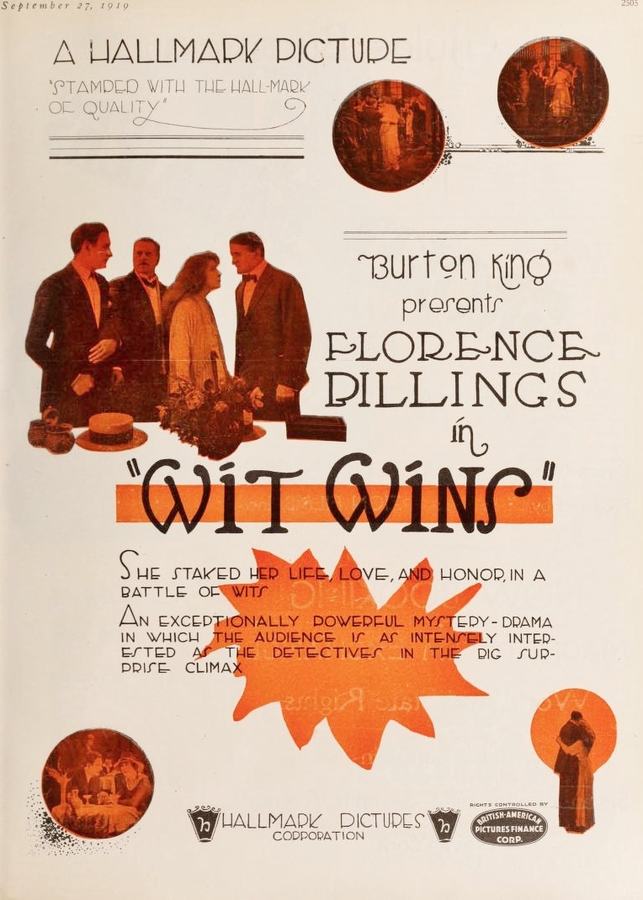
Dir: Burton L. King
When the dominating financier takes the girl as his private secretary he secures not only an efficient girl but a beautiful one. It is then that his son decides to take an interest in business. His father suspects that his son has suddenly become imbued with business affairs because of the striking young woman secretary he has engaged and tells him that if he intends to go into business he can do so but he does not want him about the office. The son is unsuccessful in many deals and when some bonds are missing the guilty parties manage to successfully charge him with stealing them. In the meantime he had been visiting the charming young secretary of his father and often met his father's cashier coming out of the apartment. He had become furiously jealous and the climax came when he discovered his sweetheart in the arms of the cashier. It is when he is accused of stealing the bonds that he begins to realize that his father's cashier and the pretty secretary are in a plot to ruin his father. And right here is where the story becomes intensely interesting and the suspense is finally lifted. Of course the business rivals become staunch friends again as of yore. But the lovers have come over a rough road in their romance and a pleasant future is also assured for them.
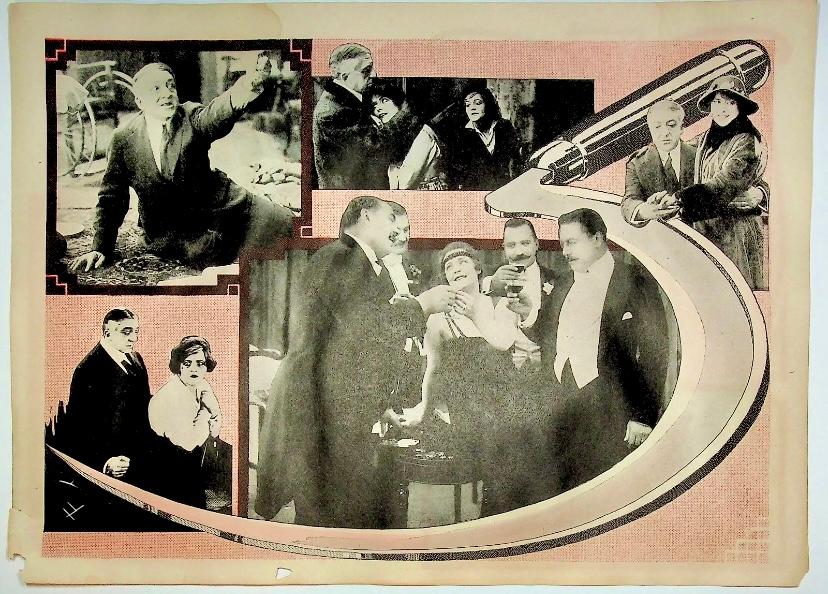
Dir: Burton L. King
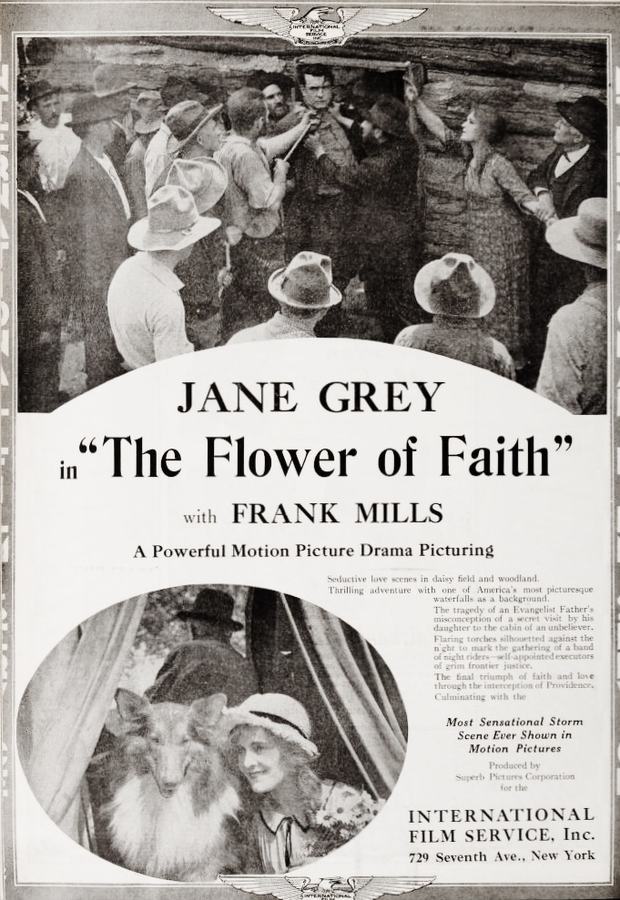
Ephram Judson is an itinerant evangelist. He is always accompanied by his daughter Ruth and his 17-year-old son Tom. They enter a community of devout Christians and hold a series of meetings. On the outskirts of the community lives Hugh Lee, an outcast. His only sister had been burned to death on her wedding day when he renounced the world and his God. Accidentally he meets Ruth Judson, the evangelist's daughter. For the first time since the tragedy, the world looks bright to him. Ruth induces him to attend the Sunday service, but in the midst of it, he pictures his sister's death, and bursts forth into a violent denunciation of religion. The worshippers are shocked and pursue him to the woods. The collection that day was large and the money is given to young Tom Judson to take to the treasurer. Tom has formed the acquaintance with the village sport, who meets him and inveigles him into a game of cards. Tom stakes the church funds and loses. The gambler turns the money over to the village grocer in payment of a bill and the distressed boy, who has witnessed the transaction, sees the grocer hide it. Tom steals the money, but is pursued and slightly wounded by the grocer. He makes his way to the only place of refuge he can think of, the cabin of Hugh Lee, the unbeliever. Tom believes he is dying and pleads for his sister. Lee fetches her at night to the cabin. Meantime the grocer has aroused the community, including the evangelist, to hunt down the thief. The boy is traced to Lee's cabin, which is attacked. Ruth, aroused, as she was from her slumber, is found in the cabin in her night clothes, but she still shields her guilty brother and Lee. The fury of the mob breaks loose, Lee is dragged from his cabin and a noose placed about his neck. Ruth refuses to tell why she was in the cabin, despite the pleadings of Lee to save her honor, and give her brother up to the law. She declares that God will save them all. A storm is raging. Lighting its way with fire-brands, the mob marches Lee to the scene of the revivals after having fired the cabin. The leader of the mob throws the end of the noose over a tree and gives the horse Lee is riding a crack with the whip. Just at that moment a terrific bolt of lightning strikes the limb, severing it from the tree and throwing Lee to the ground. It strikes, too, the mob leader, killing him instantly. Tom, driven from the burning cabin, has followed the mob and arrives on the scene just as the hand of God saves an innocent man. He confesses his guilt, clearing Lee and his sister's honor and changing a frenzied mob into a rejoiceful gathering, the picture closes with Lee acknowledging the power of faith that has saved him and clasping Ruth in his arms.
View Details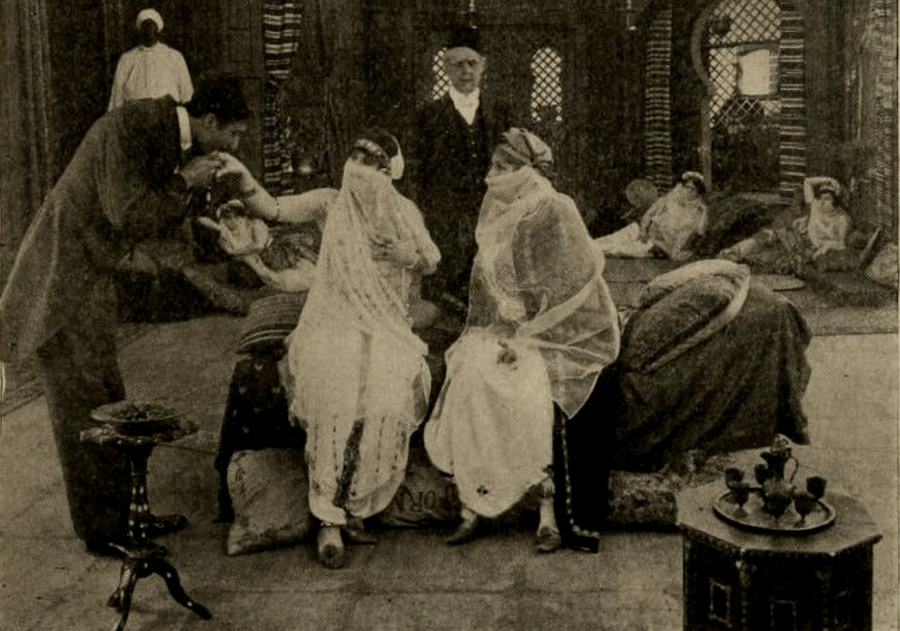
Dir: Burton L. King
A series of six episodes involving the adventures of an American actress in Old Egypt: #1: The Purple Iris; #2: The Cage of the Golden Bars; #3: In the Shadow of the Pyramids; #4: For the Honor of a Woman; #5: In the Name of the King; #6: The Crown of Death.
View DetailsAnalysis relative to None So Blind
| Film Title | Atmosphere | Complexity | Similarity |
|---|---|---|---|
| The Lost Battalion | Ethereal | Abstract | 93% Match |
| Man and His Angel | Gothic | High | 91% Match |
| More Truth Than Poetry | Tense | Layered | 95% Match |
| Her Husband's Honor | Surreal | High | 89% Match |
| The Reapers | Gritty | High | 98% Match |
This guide was algorithmically generated using the cinematic metadata of Burton L. King's archive. Last updated: 6/24/2026.
Back to None So Blind Details →