
DbcultAccessing Vault...
Recommendations
Senior Film Conservator
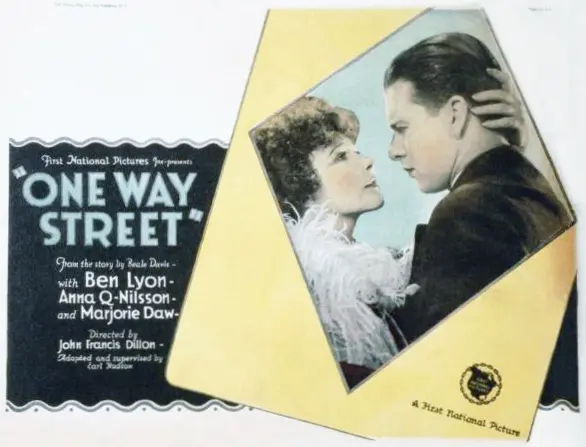
In the vast archive of Drama cinema, One Way Street stands as a thematic gravity beacon, the narrative complexity found here is a rare find in the 1925 landscape. From hidden underground hits to established classics, these are our top picks.
Few films from 1925 manage to capture to explore the darker corners of the human condition with thematic gravity.
Bobby Austin becomes infatuated with Lady Sylvia Hutton, a leading member of British society, and asks that she divorce her husband and marry him instead. Lady Sylvia refuses, and Bobby terminates their relationship. To escape the humiliation of being put aside, the irate noblewoman then makes it appear that Bobby has cheated at cards and orders him from her house. Elizabeth Stuart, a beautiful young woman in love with Bobby, finds proof of Lady Hutton's duplicity and confronts her with it. Lady Sylvia becomes enraged and then suddenly loses her beauty, becoming in seconds a withered old hag. She subsequently reveals that she was once an operatic favorite, had been cast aside when her voice gave out, and had lately been restored to the appearance of youth by a surgeon so that she might return to society and again bask in its acclaim. Bobby tells Elizabeth of his love, while Lady Sylvia finds solace in the arms of her husband.
The influence of John Francis Dillon in One Way Street can be felt in the way modern Drama films handle thematic gravity. From the specific lighting choices to the pacing, this 1925 release set a high bar for atmospheric immersion.
Based on the unique thematic gravity of One Way Street, our vault has identified these titles as the most compelling follow-up experiences for fans of Drama cinema:
Dir: John Francis Dillon
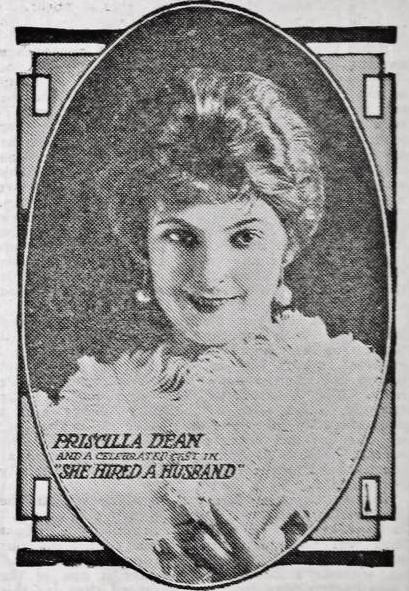
Daphne Trowbridge, an impulsive and obstinate but nonetheless kindhearted young woman, lives with her aunt and uncle on their country estate. Daphne falls in love with Tom Dunstan, but when she learns that Mrs. Trowbridge favors the young man, she deserts him, whereupon he departs for the woods brokenhearted. Because her aunt dislikes Gerald, Daphne accepts his proposal, but on the day of the wedding, she discovers that Mrs. Trowbridge has liked him from the beginning. Furious at her aunt's scheming, Daphne hires the first man she meets, who happens to be a heavily bearded lumberman, to marry her and then leave. Later, however, her hired husband abducts her to his cabin in the woods, where he eventually succeeds in taming her. After he rescues her from two lecherous lumberjacks, Daphne discovers that her husband is Tom, whom she had loved all along.
View Details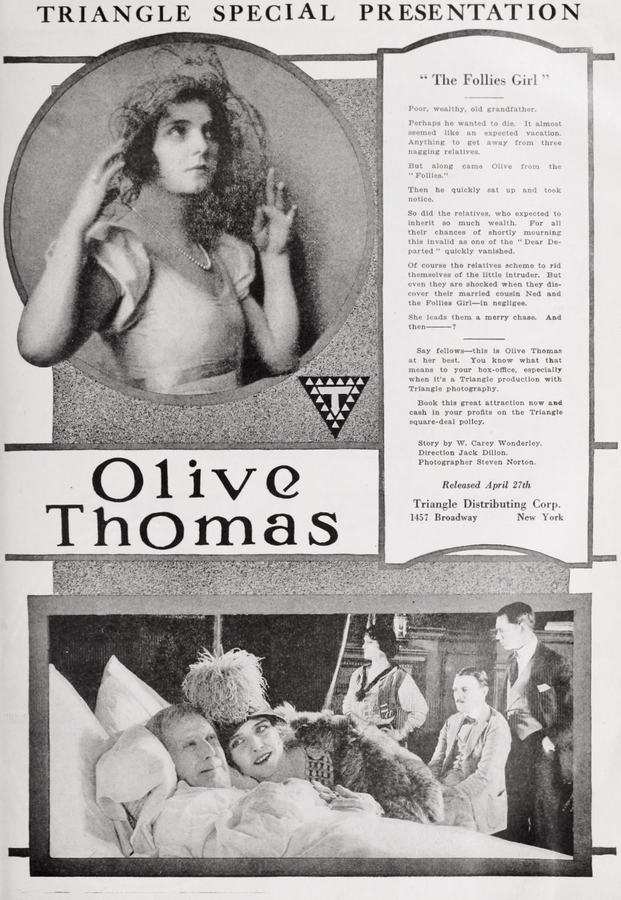
Dir: John Francis Dillon
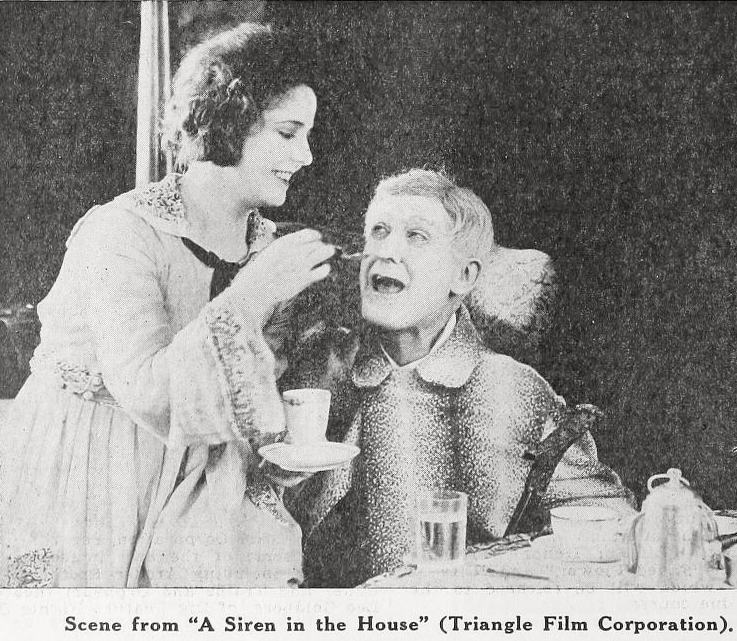
The relatives of dying Edward Woodruff, Nina Leffingwell, her brother Frederic, and her cousin Basil, whom she wants to marry, scheme to inherit Woodruff's wealth. Since Woodruff continually calls for an imagined granddaughter, the child of his daughter who died before they could patch up a quarrel which estranged them, Nina gets Doll, a Follies girl, to impersonate the granddaughter, try to endear herself to Woodruff, and thus inherit the money. Doll would then be paid off and the relatives would get the inheritance. When Doll's administrations cause Woodruff to recover, Nina sends for Woodruff's grandson Ned, whom he disowned for marrying beneath him, hoping that Ned will send Doll away. When Ned seems to fall in love with Doll, Nina tells Woodruff that Ned and Doll are secretly meeting in the estate lodge. Woodruff investigates and finds that Doll and Ned are married and have a baby boy. Delighted, Woodruff forgives Ned.
View Details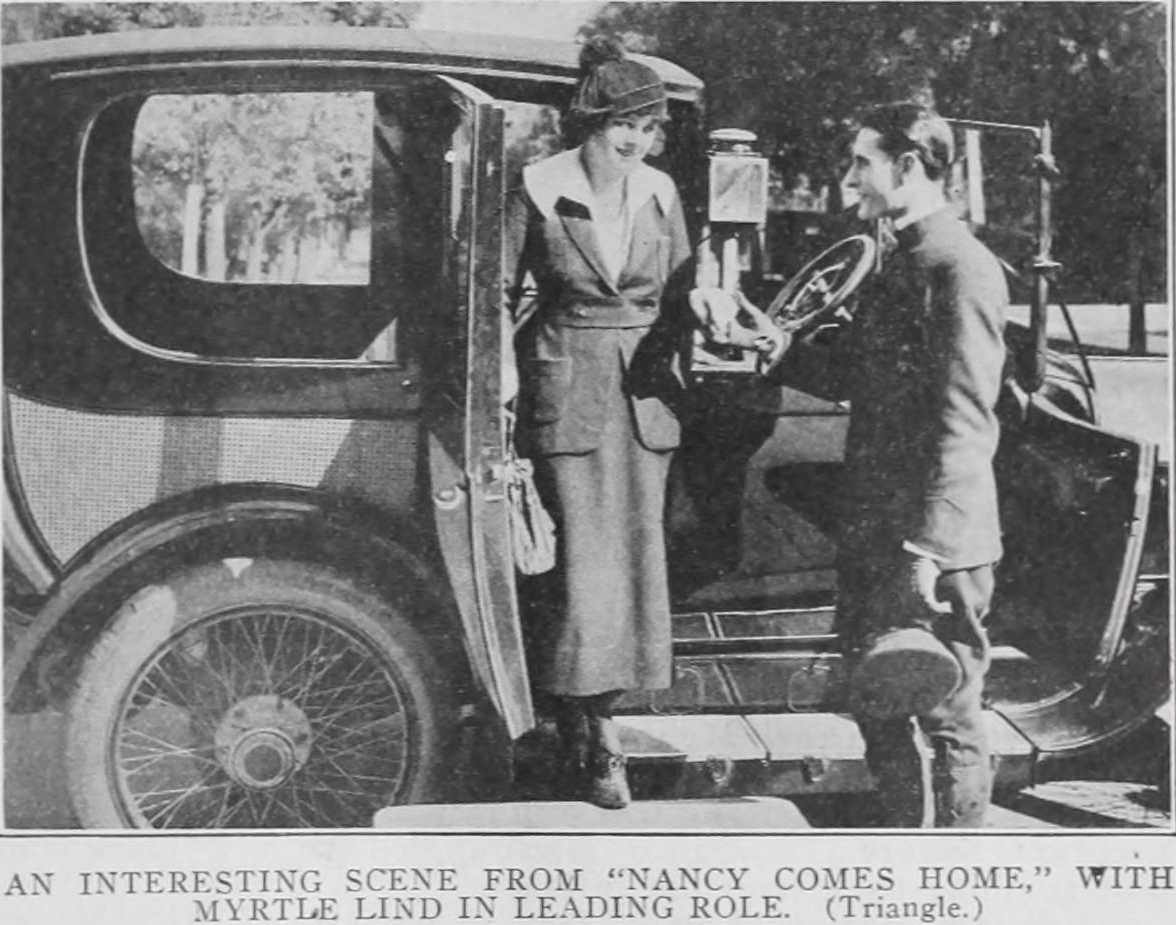
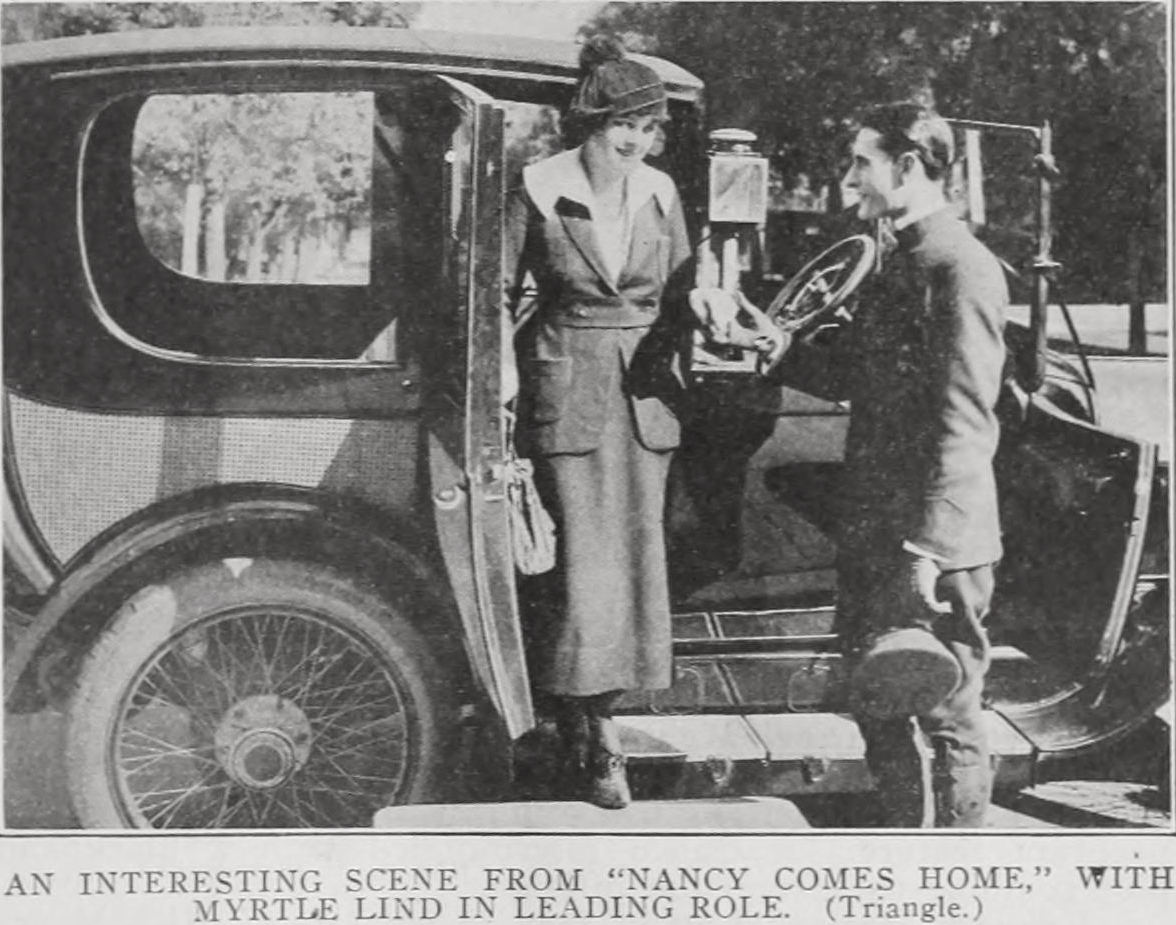
Dir: John Francis Dillon
Nancy Worthing, who comes home from boarding school to find that her parents have no time for her, pawns some of her mother's jewels to buy the clothes necessary for entering society. She persuades her father's chauffeur, Phil Ballou, to take her to a notorious cabaret, where a shooting occurs. In the confusion, Phil is arrested as the assailant, and when Nancy's parents learn of the missing jewels, they bring further charges against him. At the trial, Phil reveals that he is the son of wealthy parents who simply wished to earn his own living, and Nancy clears his name by confessing all. Phil and Nancy, united by their ordeals, begin a romance.
View Details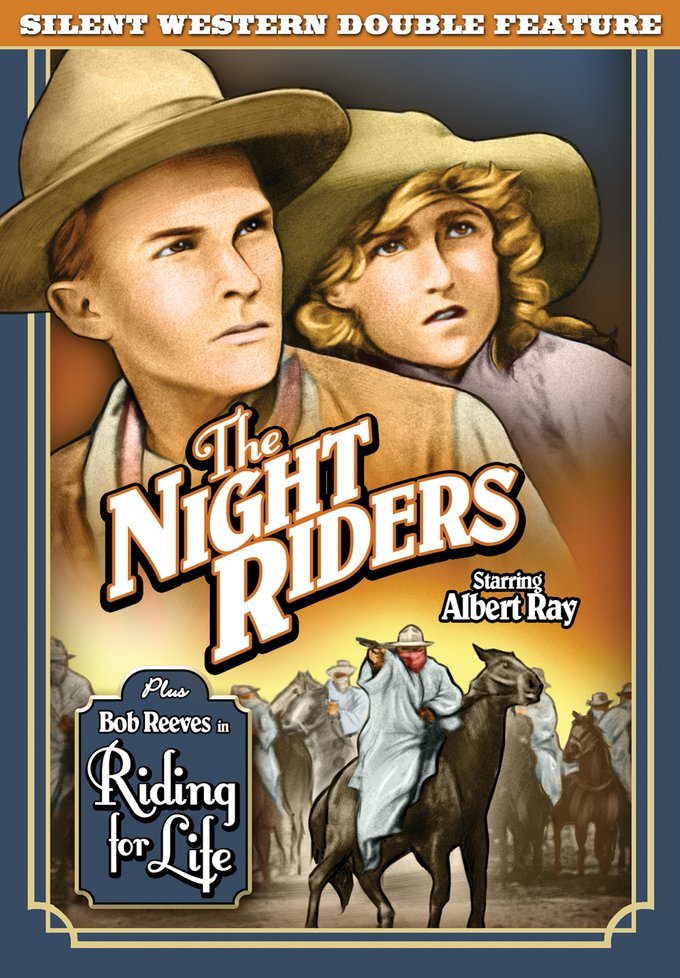
Dir: Alexander Butler
In Alberta, Canada, a Cornish emigrant unmasks a rustler posing as the girl's "blind" father.
View Details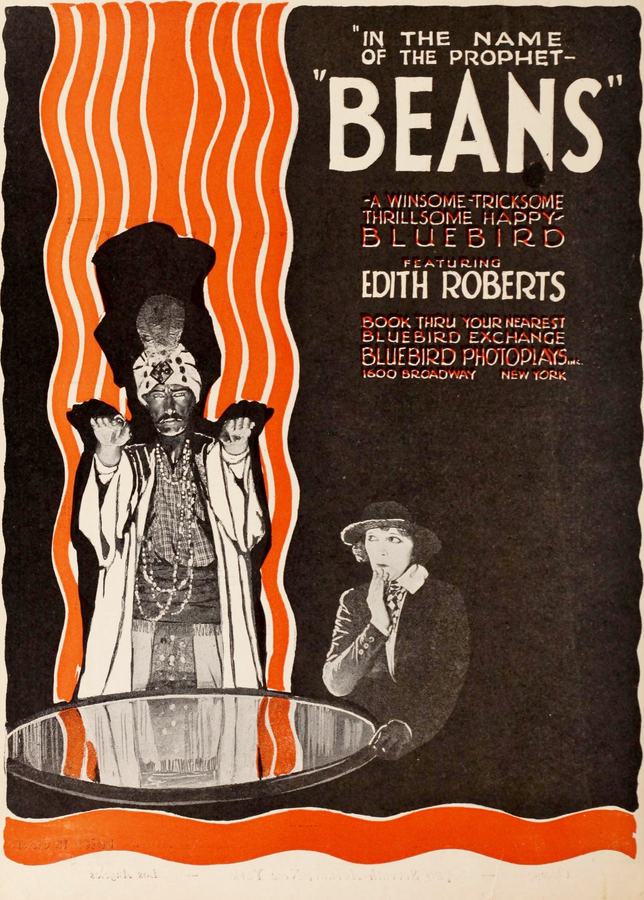
Dir: John Francis Dillon
Brewster, the bean king, has an option of renewal on a certain bean canning plant owned by Ellis. Ellis does not desire to renew and hires Wingate, a shyster lawyer, to help him. Brewster has to send Betty to renew the contract. Later he sends his lawyer to help her and Ellis' man persuades her that he is a plotter. There follows plot and counter-plot, but all-innocently Betty carries the day.
View Details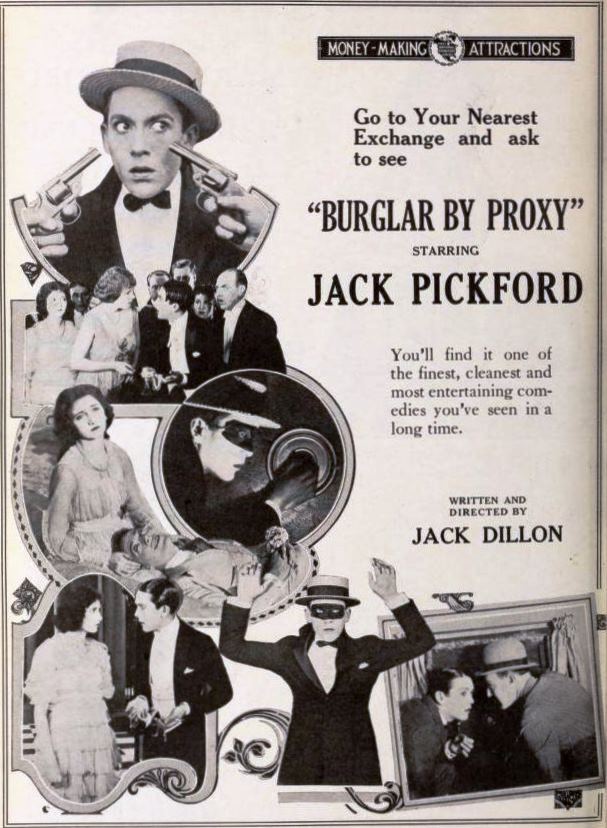
Dir: John Francis Dillon
A terrible toothache causes Jack Robin to stop his automobile in front of the home of Dorothy Mason. Noticing a flat tire, Jack attaches his automatic pump and forgets about it as he listens enthralled to Dorothy's singing. When the sound of the burst tire brings Dorothy running out, Jack feigns injury so he can be nursed by her. After he leaves the house, and Dorothy's father discovers some important invention plans missing, Harlan Graves, Dorothy's suitor, suggests that Jack stole them. Jack, suspecting Graves, breaks into Graves' home to clear himself and meets a real burglar, "Spider" Kelly, who adopts Jack as his guide. They blow up a safe at a house party where Jack suspects the plans to be hidden. The papers are found, Graves is arrested and Spider, disappointed that Jack made such a mess in blowing the safe, goes off, leaving Dorothy and Jack happily alone.
View Details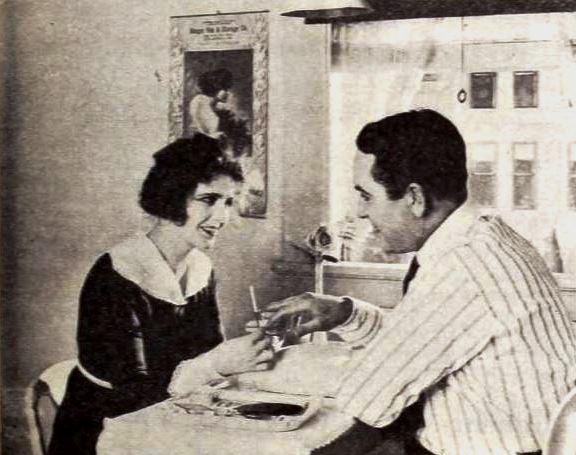
Dir: John Francis Dillon
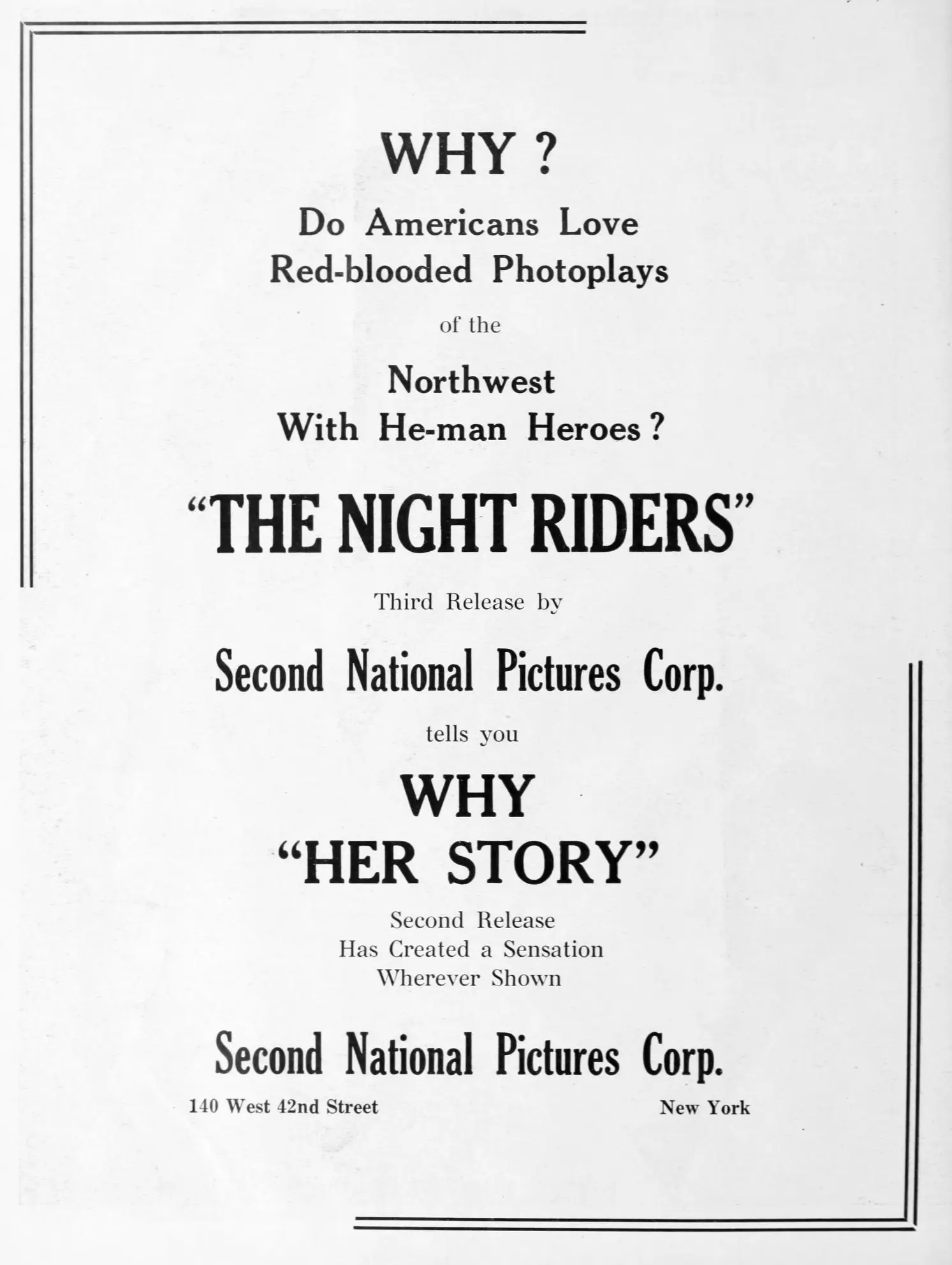
Working as a manicurist at the Ritz, Helen Thurston, is in love with her wealthy patron, Jack Standring, but the young man's mother wants him to marry a rich debutante. Helen is informed that she has inherited her grandfather's millions, and she proceeds as quickly as possible to acquire expensive clothing and jewelry on credit. Jack, however, is not impressed. Soon Helen learns that she has inherited only $1,000, the remainder of the fortune having gone to her cousin Spindrift. The creditors hound her for their money, and at a grand ball at the Standring home, a detective threatens to arrest her. Touched by her poverty, Jack decides to elope with her. Finally Spindrift violates the conditions of the will, and Helen inherits the entire fortune.
View Details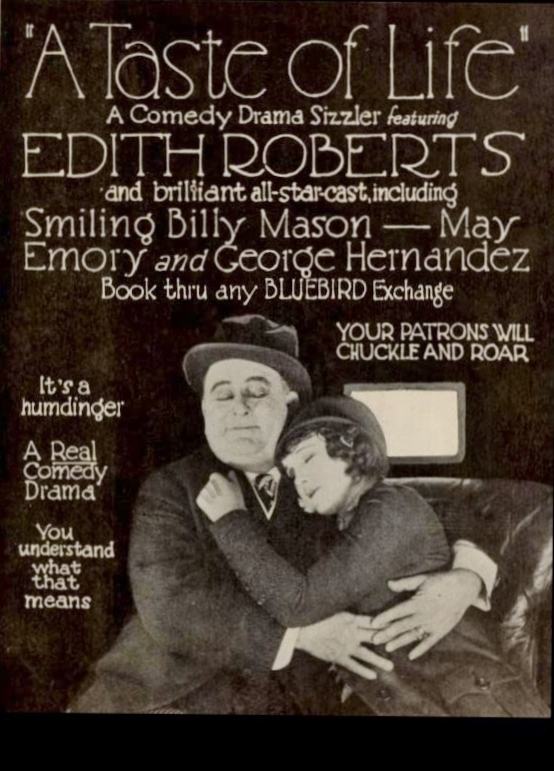
Dir: John Francis Dillon
When her husband, struggling lawyer Horace Dillingham, is unable to provide adequate money for her insatiable desire for expensive cherries, Kitty Dillingham goes to work as a stenographer for him. One day while Horace is out of the office, Kitty mistakes Jonas Collamore, a defendant in a divorce suit for whom Horace is acting, for an important client. Kitty agrees to lunch, and, swallowing many maraschino cherries along with their cocktails, becomes drunk. Jonas takes her to a nearby inn where they are followed by Mrs. Collamore's detectives, who then summon Mrs. Collamore and her lawyer Horace. Kitty realizes Jonas is trying to create a compromising situation, and she leaves through the window. When the detectives break in, the only trace of Kitty is her hairpin. Kitty and Jonas then conspire to entrap their spouses. Both couples manage to straighten out their domestic problems at the last minute.
View Details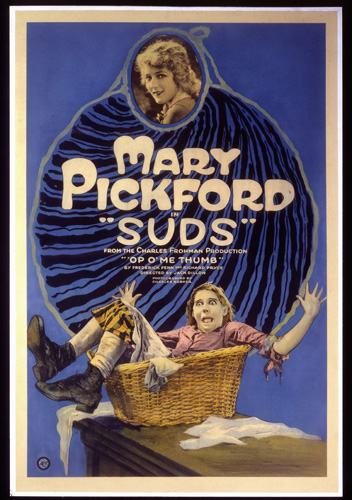
Dir: John Francis Dillon
A London laundress attempts to rise above her station in order to capture the love of a wealthy young man, thus missing out on the truer love of one of her own class.
View Details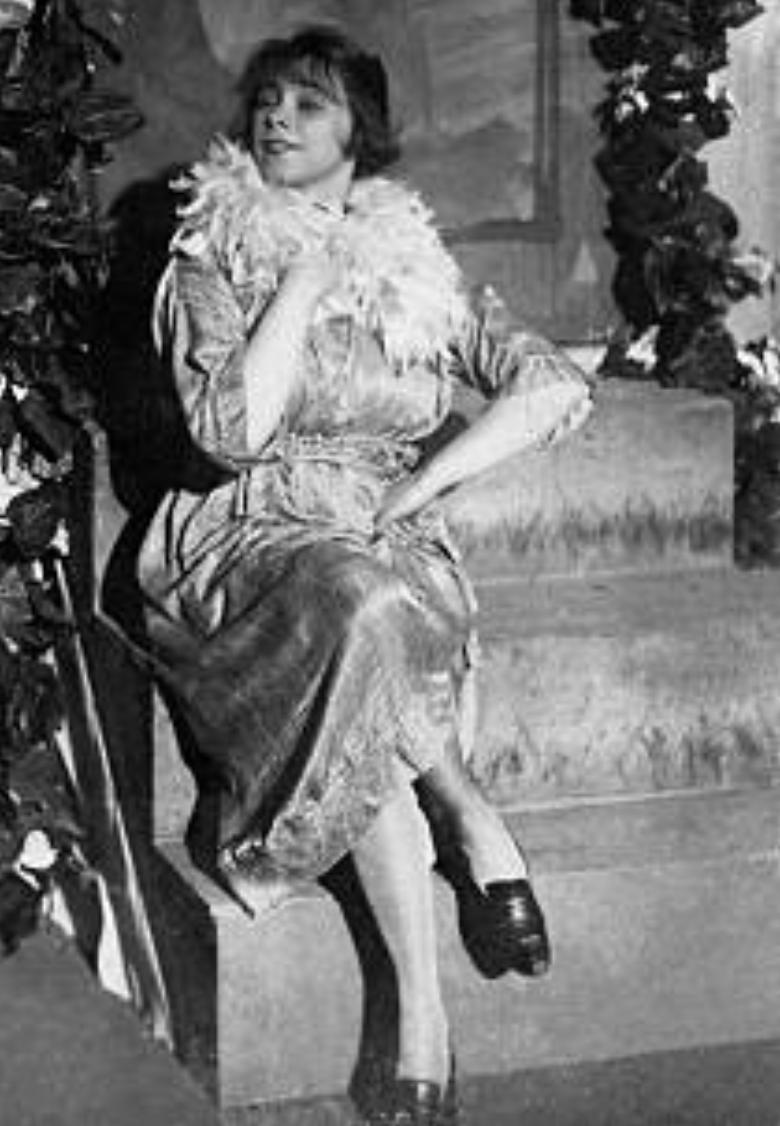
Dir: Bruno Ziener
A fascinating piece of cinema that shares thematic elements.
View DetailsAnalysis relative to One Way Street
| Film Title | Atmosphere | Complexity | Similarity |
|---|---|---|---|
| She Hired a Husband | Surreal | Layered | 85% Match |
| The Follies Girl | Tense | Linear | 85% Match |
| Nancy Comes Home | Ethereal | Dense | 89% Match |
| The Night Riders | Ethereal | High | 96% Match |
| Beans | Tense | Abstract | 97% Match |
This guide was algorithmically generated using the cinematic metadata of John Francis Dillon's archive. Last updated: 6/25/2026.
Back to One Way Street Details →