
DbcultAccessing Vault...
Recommendations
Senior Film Conservator
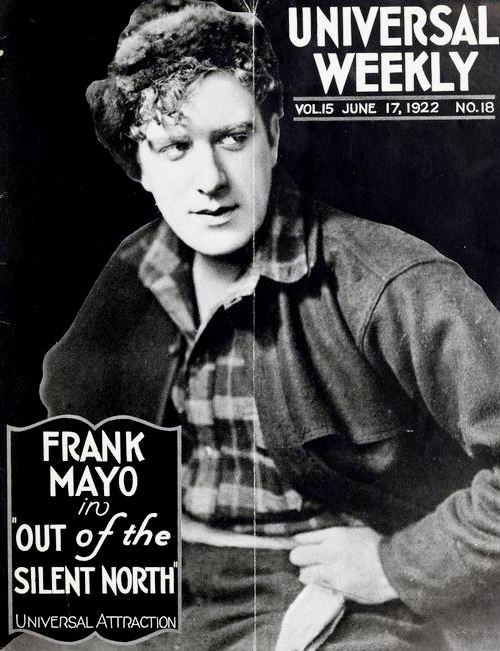
Navigating the complex narrative architecture of Out of the Silent North is a nuanced performance experience, the legacy of Out of the Silent North is a beacon for those seeking the unconventional. Unlock a new level of cinematic understanding with these Drama alternatives.
The artistic audacity of Out of the Silent North ensures it to sustain a sense of mystery that persists after the credits roll.
At a remote Canadian trading post, Pierre Baptiste, a simple French Canadian, loves Marcette, the storekeeper's daughter. In midwinter, Stannard, a stranger from England, arrives in search of a gold claim and infatuates Marcette. Urged on by Nefferton, a supposed friend who plots to steal his claim, Stannard sets out on the eve of a storm; and Marcette, fearing for his safety, sends Pierre after him. He finds Stannard unconscious in the snow and saves him; Stannard then induces Pierre to work his claim with him, and during the summer they strike a rich gold vein. While Stannard is recuperating from an injury, Nefferton seeks to jump the claim, but Pierre discovers that Nefferton has incorrectly filed the location notice. In a race to the recorder's office, Pierre wins and also learns that he is still loved by Marcette.
Critics widely regard Out of the Silent North as a cult-favorite piece of Drama cinema. Its nuanced performance is frequently cited as its strongest asset, solidifying its place in United States's film legacy.
Based on the unique nuanced performance of Out of the Silent North, our vault has identified these titles as the most compelling follow-up experiences for fans of Drama cinema:
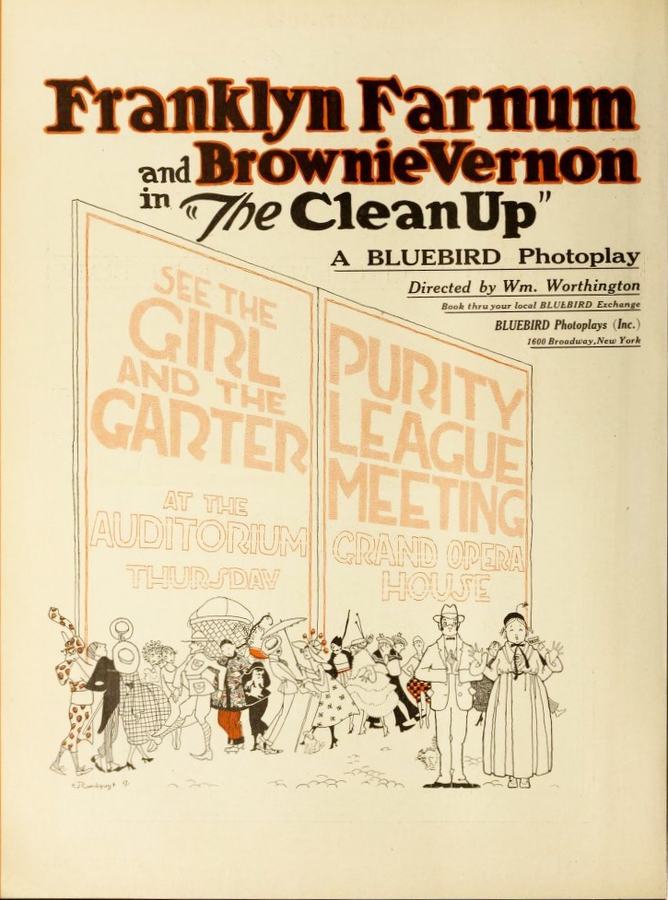
Dir: William Worthington
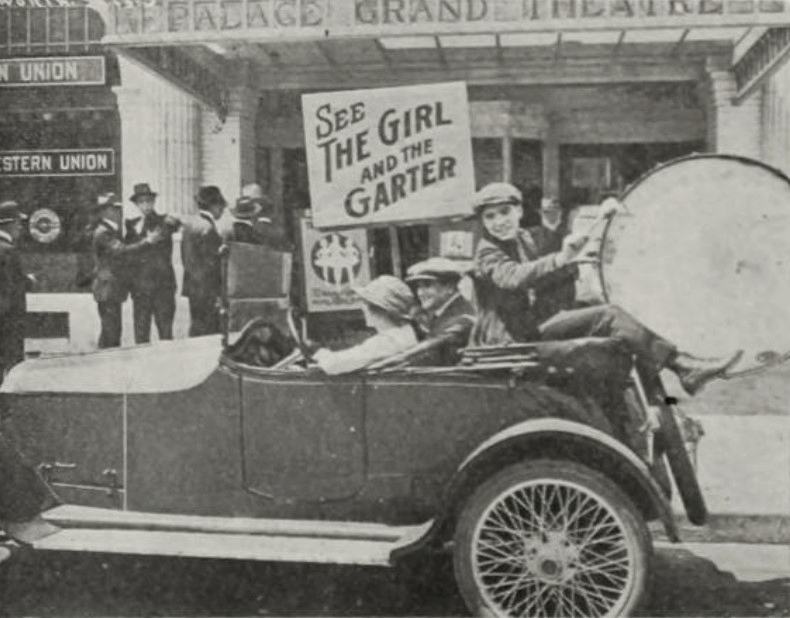
Stuart Adams, the advance-agent for a traveling burlesque troupe, arrives in Weston, Illinois, his hometown, to publicize the coming show, "The Girl and the Garter". The Purity League, led by banker James Richards, the father of Stuart's sweetheart Hazel, attempts to stop it from opening. After kissing Hazel in public - thus outraging the League members - Stuart builds curiosity about the show by having the newspaper print Richards' admission that he viewed it in New York "to see how shocking it was". He also attaches a banner which advertises the show to Hazel's roadster during a Purity League parade. After Stuart challenges Richards to a debate, Stuart helps detective Vera Vincent, whom he met on the train, capture two crooks trying to rob Richards' bank. During the debate, Stuart, knowing that the show has been canceled, offers to end the bickering by withdrawing the show. Richards then insists that Stuart, who plans to meet Hazel at the train station to elope, come to dinner. Fortunately for Stuart, Hazel had been locked in her room by her aunt, and is still at the house.
View Details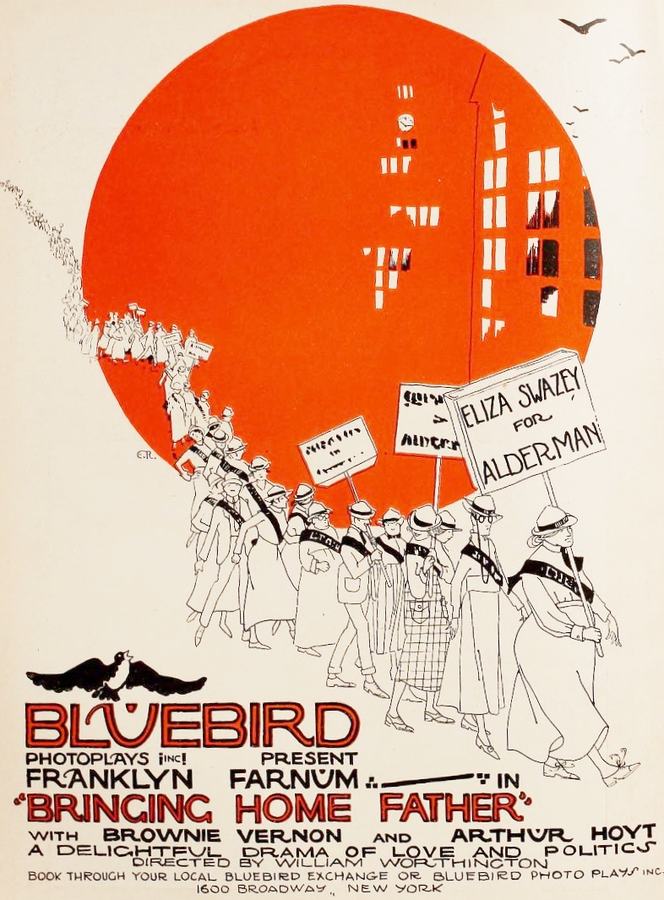
Dir: William Worthington
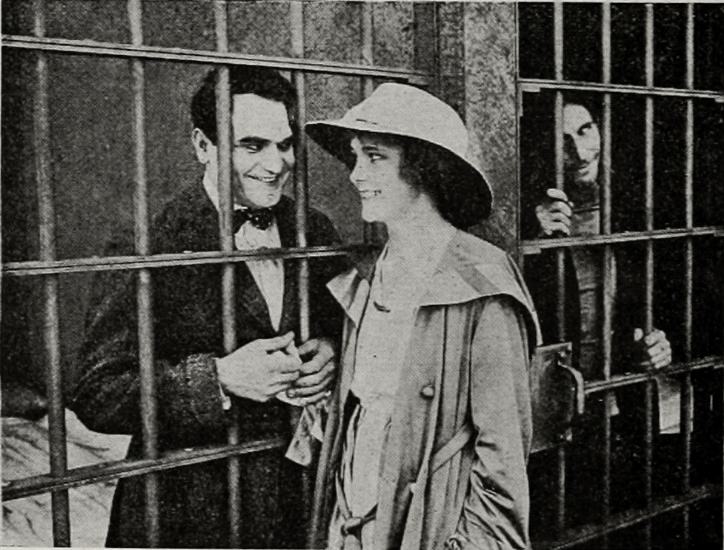
Peter Drake meets and falls in love with Jackie Swazey, the daughter of a feisty suffragette and incipient politician. In order to impress her, he agrees to help Mrs Swazey in her campaign to become elected. His first task is a difficult one - Mrs Swazey's ticket is Prohibition, and her husband, Jackie's Pa, is little more than a drunk. Instead of reforming him, Peter gets on with Pa Swazey like a house on fire, and they end up drunk and in jail! Fortunately the are helped out by a man named Mike Clancey. Unfortunately, he is Mrs Swazey's main opponent in the election - and the price he demands for his help is her elimination from the race. Peter comes up with the perfect solution: he spikes her drink at a Prohibition rally and gets her drunk! Before she sobers up and the sparks fly, Jackie and Peter elope.
View Details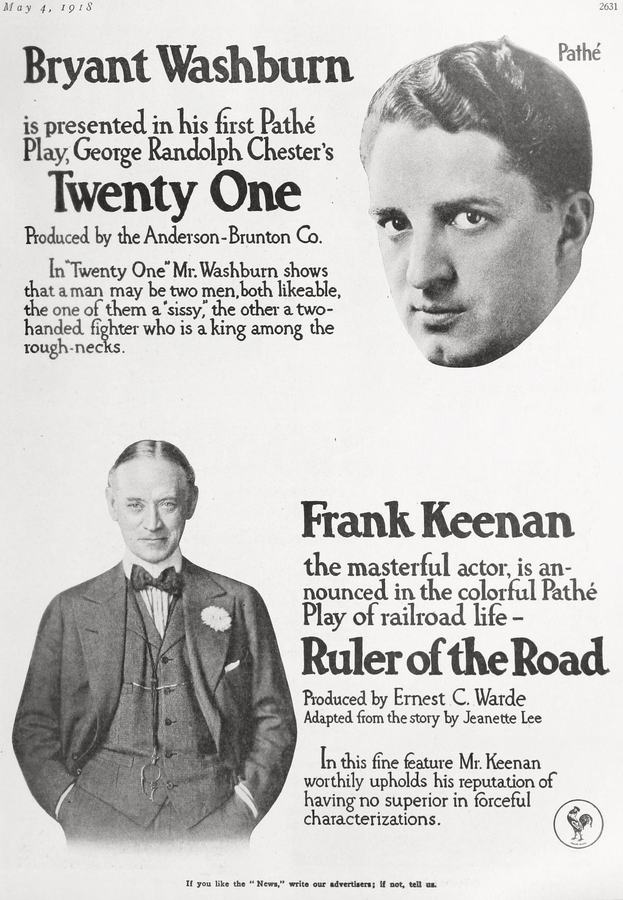
Dir: William Worthington
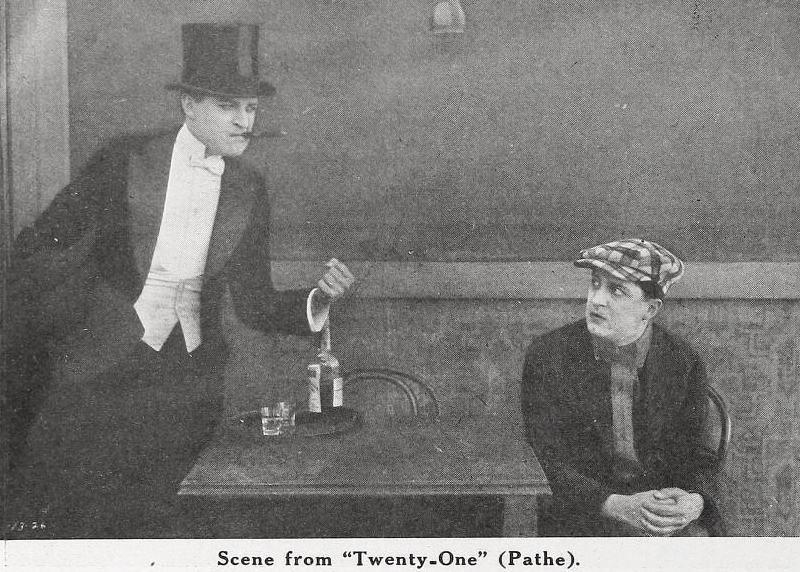
A young man trades places with a lookalike boxer and learns to fight for what he wants.
View Details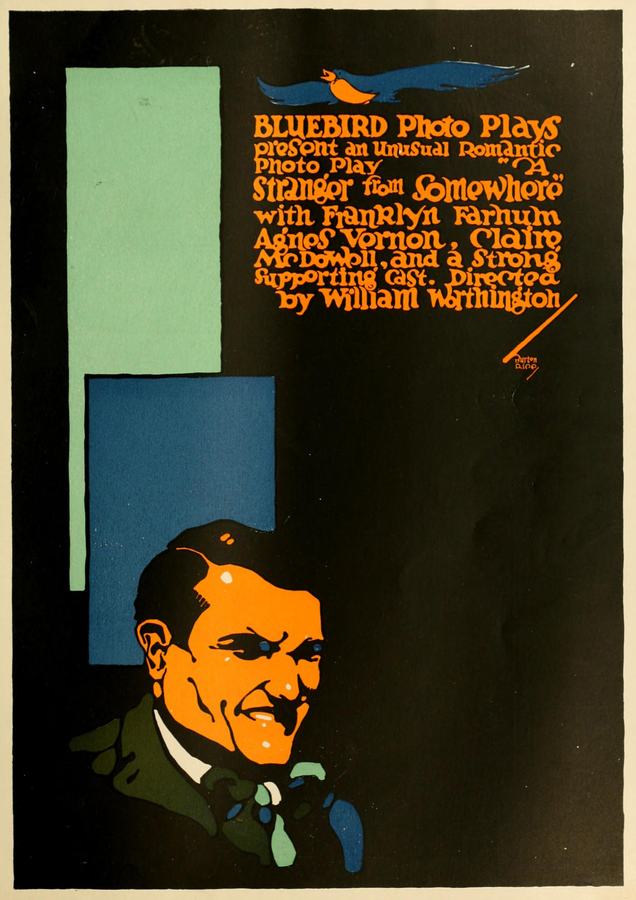
Dir: William Worthington
Howard Dana and his partner in adventures, Olga Veloski, discover that Sam Brockton, millionaire from the west, has arrived in town and they arrange to fleece him. They plan an old confidence game and locate the scene in one of the residences of wealth, knowing that the occupants of "Millionaire's Row" are spending the summer at various resorts. Agnes Darling and her father come to town for a day or two from their summer home in the mountains. Mr. Darling's automobile breaks down and as Brockton passes, he offers his services to help make repairs. In this way he discovers that Agnes is a charming girl and falls in love. The incident has been observed by Olga and her accomplice and when the repaired automobile drives away, Olga attracts Brockton's attention. She tells him that if he will come to her home the next day she will introduce him to Agnes, who is supposed to call at Olga's residence. Olga and her accomplice manage to avoid the caretaker in the house they have selected for their work. At the appointed time Brockton arrives and through an old confidence game he is robbed. The scene of the robbery happens to be the town residence of the Darlings. Just as the trick is being turned, Mr. Darling and Agnes arrive at their home. Upon entering the house, the Darlings are amazed to find that the house has been entered. They come upon Brockton, who is so frank and interesting in his explanation that he ingratiates himself with Agnes and her father, and they invite him to their country home. The two sharpers escape and join another member of the confidence gang, a crook known as "Dippy" Lewis. When Olga observes a striking resemblance between "Dippy" and Brockton, she decides to use the crook to an advantage. Olga overheard the invitation Brockton had received from the Darlings and dresses "Dippy" to resemble him. She sends him to the mountains and he is received by the Darlings. "Dippy's" criminal instincts lead him to commit several robberies among the hotel guests, and when Brockton arrives he finds himself under suspicion. He is puzzled at Miss Darling's conduct toward him. Olga has directed members of her gang to chloroform Brockton and dispose of him in a cellar, that he may not by any mischance reach the mountains before "Dippy" Lewis arrives there. The striking resemblance between the two mislead the toughs and they chloroform "Dippy" and confine him in a cellar. Agnes is perplexed at the strange transition in Brockton's manner, for he really is of a gentlemanly type in strong contrast to "Dippy," whom the girl had previously mistaken for him. The Darling family decide to return to the city and invite Brockton to call upon them there. Olga hears of this and plans to have "Dippy" again impersonate Brockton. When Olga attempts to locate "Dippy," she discovers that he is a prisoner. Before she can have him released, Brockton makes his visit to the Darlings, a fact of which Olga is not aware. Thus it is that she goes on with her plans, sends "Dippy" to call at the Darling home and there the two men meet and settle matters.
View Details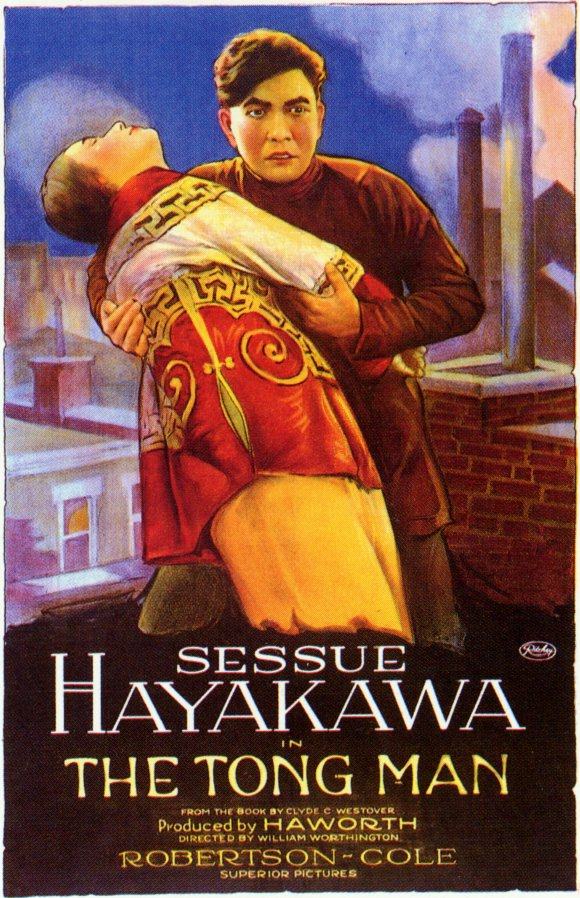
Dir: William Worthington
An opium smuggler is marked for murder in this story of the Chinese Mafia.
View Details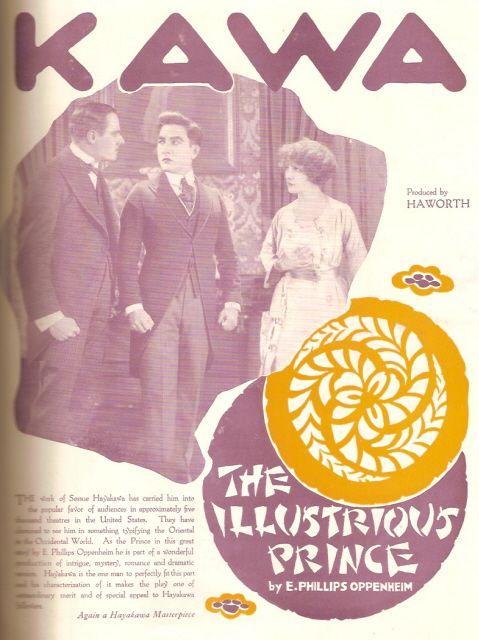
Dir: William Worthington
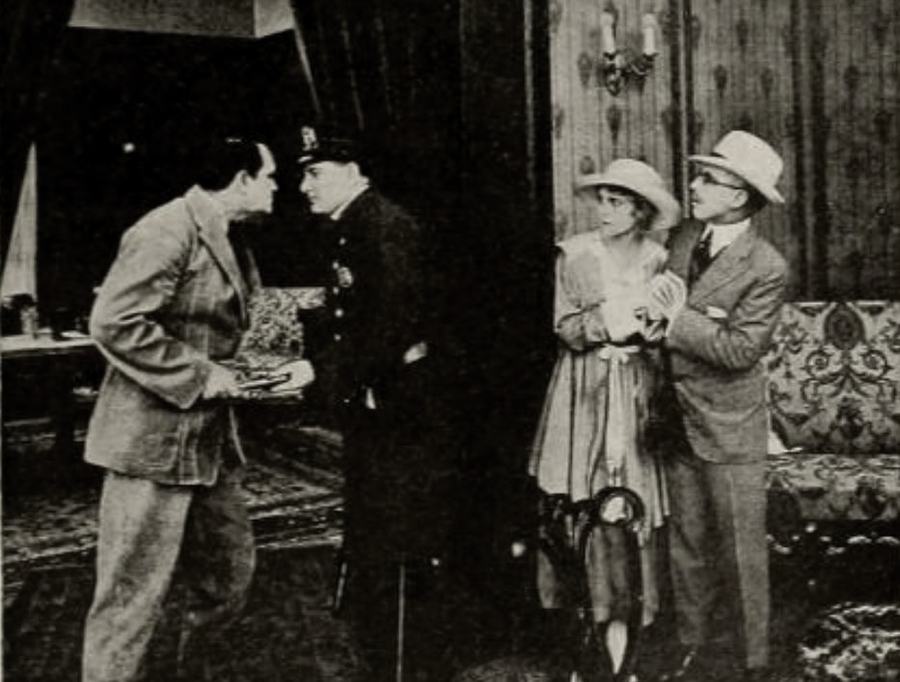
The Japanese Prince Maiyo is in London to avenge the death of his father who years earlier committed hara-kiri because he had been financially ruined by an English swindler. The Prince warns his friend, the Duke of Devenham, that the Count de la Mar is attempting to seduce the Duke's bored American wife, and then is told by his servant Soto that the Count is the man who killed his father. During a foggy night, the Count, planning to elope with the Duchess, is killed in a taxi with the sword that the Prince's father used to kill himself. Although the American sister of the Duke, Penelope Morse, who loves the Prince, pleads with him to leave before being arrested, he will not perform such a cowardly act. After Soto confesses murdering the Count because he wronged his daughter years ago, the Prince is freed, but because of the racial barrier, he bids a sad farewell to Penelope and leaves.
View Details
Dir: William Worthington
Wanting her sweetheart, Judd Minot, a Maine fisherman, to develop his sculpting talents, Mary Garland encourages him to accompany art connoisseur Henry Bliss to New York City. Once there, Judd forgets Mary and becomes smitten with Bliss's attractive daughter Myrna. Although he wins fame as an artist, the party society life he leads with Myrna causes his work to suffer. When Mary learns of Judd's stagnation and fast style of living, she rushes to New York to rescue him. When he sees her, Judd realizes that Mary is the prime inspiration for all his statues and renews his love for her.
View Details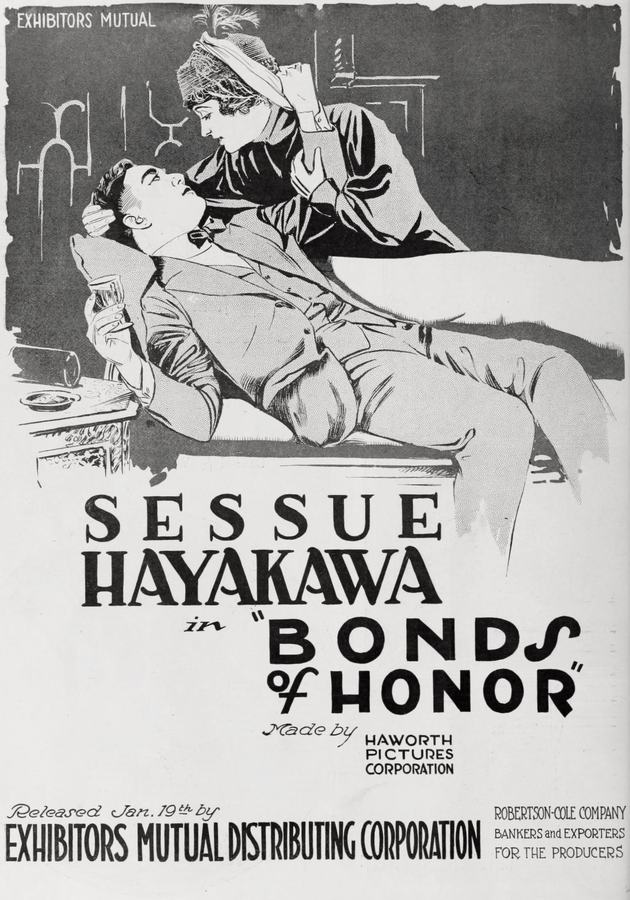
Dir: William Worthington
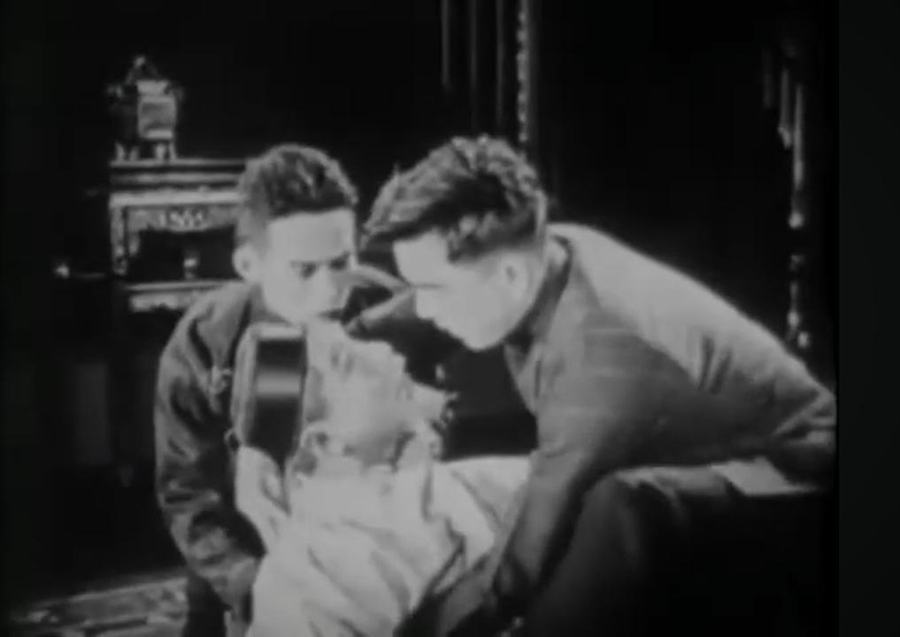
When Sasamoto commits treason during the Great War to pay off gambling debts, his twin brother Yamashito assumes his identity and tracks him down.
View Details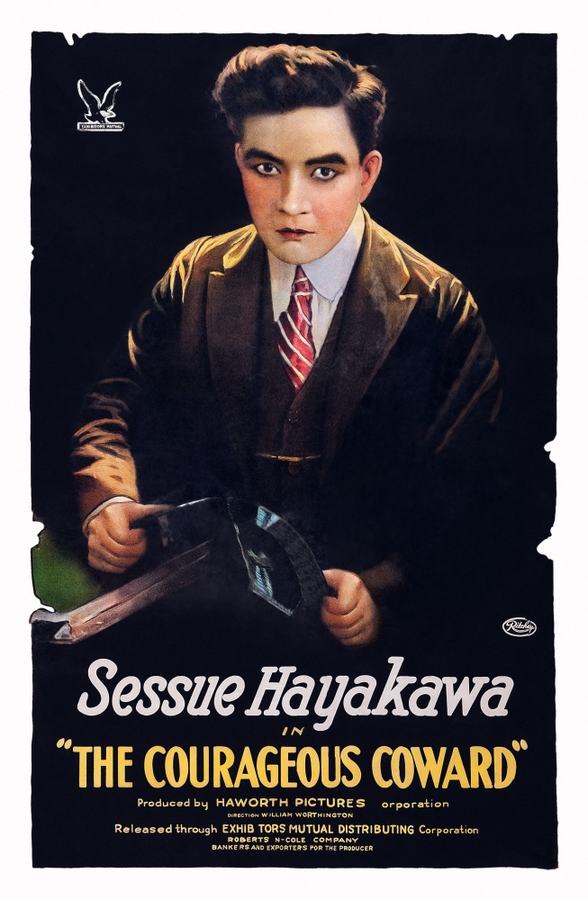
Dir: William Worthington
Japanese-American law student Suki Iota falls in love with his guardian's niece Rei Oaki, who has just arrived from Japan to cultivate her singing voice. After Suki goes East to law school, Rei, thinking Suki wants an American girl, gets Tom Kirby, the son of the Chinatown boss, to teach her American ways of dress and behavior. On his return, Suki is displeased with Rei's change and believes her to be Tom's girl when he sees them celebrating the Chinese New Year. Suki is appointed assistant district attorney and, with the whole city watching because of anonymous death threats sent to him, he steadfastly prosecutes a murder case until Tom confesses to him. To protect Rei, Suki removes himself from the case. Labeled a coward and a traitor to justice, Suki remains silent until Tom publicly confesses. Now regarded as a hero, Suki defends Tom. Rei confesses she never loved Tom, and her romance with Suki begins anew.
View Details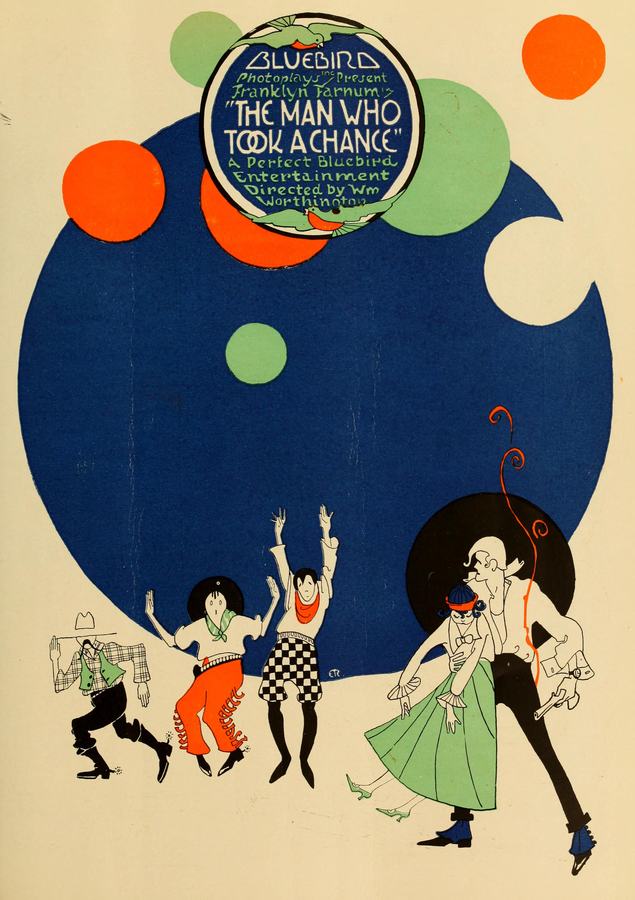
Dir: William Worthington
Monty Gray returns to the US after spending 10 years building railroads in China. As he enters a hotel he runs into an old friend from college whom he hasn't seen in years, and they begin catching up on old times. Monty notices a picture of a young woman that his friend is carrying and, bowled over by her beauty, he instantly falls for her. However, his friend tells him that he doesn't have a chance in a million of meeting the girl, who happens to be his cousin, because her mother rules the girl's life with an iron fist and is determined that she will marry royalty and not some untitled commoner. Monty is determined to have the girl, and devises a plan to win her.
View DetailsAnalysis relative to Out of the Silent North
| Film Title | Atmosphere | Complexity | Similarity |
|---|---|---|---|
| The Clean-Up | Ethereal | Linear | 97% Match |
| Bringing Home Father | Tense | Dense | 93% Match |
| Twenty-One | Ethereal | Layered | 94% Match |
| A Stranger from Somewhere | Gothic | High | 87% Match |
| The Tong Man | Tense | Abstract | 95% Match |
This guide was algorithmically generated using the cinematic metadata of William Worthington's archive. Last updated: 8/17/2026.
Back to Out of the Silent North Details →