
DbcultAccessing Vault...
Recommendations
Senior Film Conservator
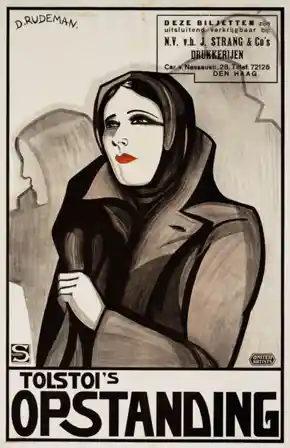
In the vast archive of Drama cinema, Resurrection stands as a character-driven intensity beacon, it's essential to look at the contemporaries that shared this character-driven intensity. Our cinematic experts have identified several titles that reflect the spirit of 1931.
Few films from 1931 manage to capture to leave an indelible mark on the history of United States film.
Country girl Katusha is seduced and abandoned by Prince Nekludov who, years later, finds himself on a jury trying the same Katusha for a crime to which he now realizes that his actions drove her. He follows her to imprisonment in Siberia, intent on redeeming her and himself as well.
Critics widely regard Resurrection as a cult-favorite piece of Drama cinema. Its character-driven intensity is frequently cited as its strongest asset, solidifying its place in United States's film legacy.
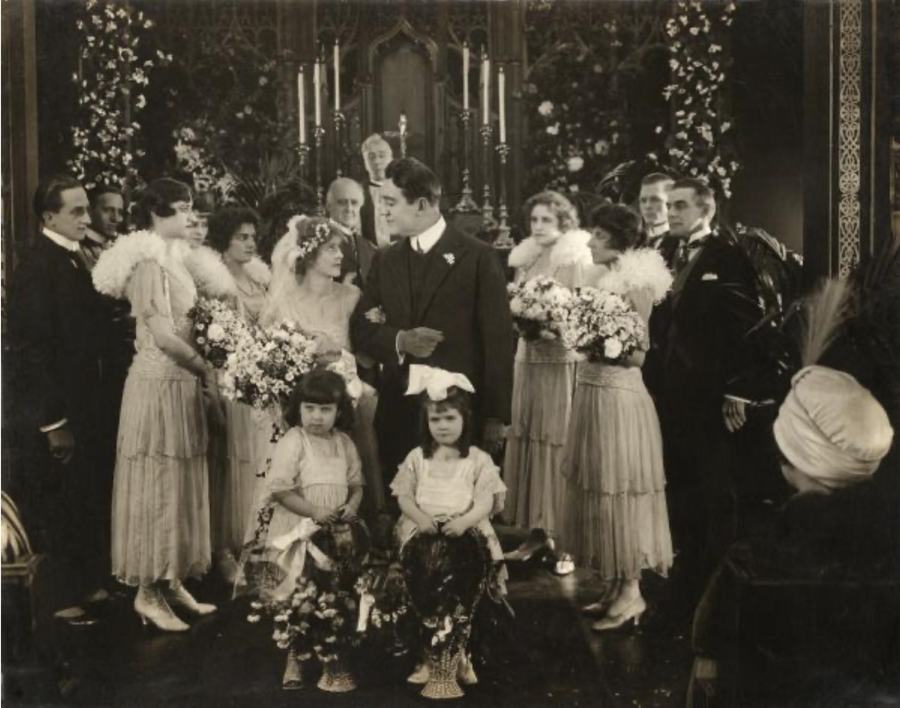
Based on the unique character-driven intensity of Resurrection, our vault has identified these titles as the most compelling follow-up experiences for fans of Drama cinema:
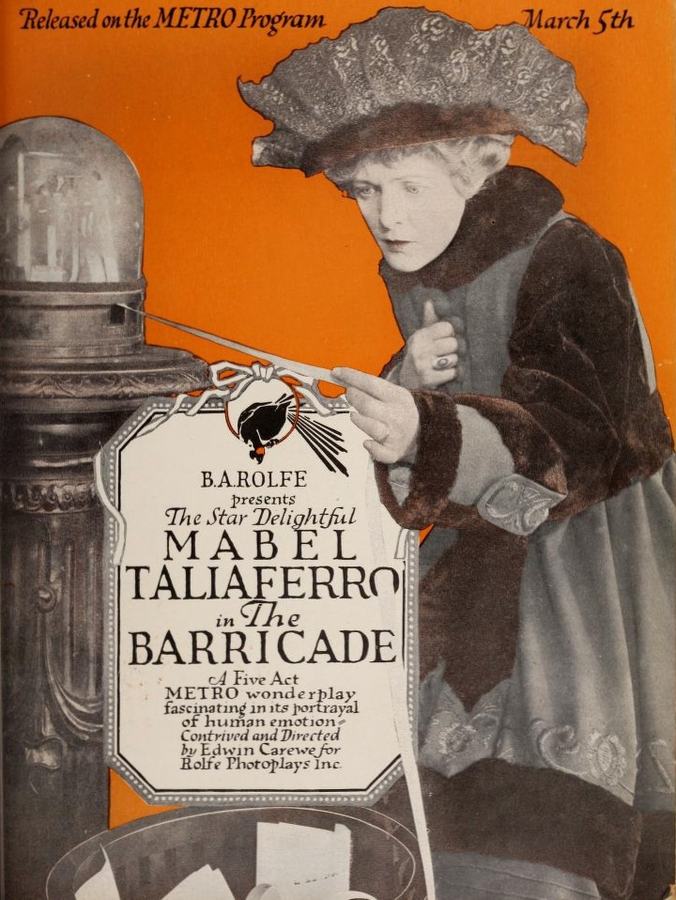
Dir: Edwin Carewe
Unnerved by the superiority of John Cook, the new president of the Securities Company, Wall Street business leader Amos Merrill begins to speculate with the trust funds in his control, ultimately losing all the funds. Amos, faced with discovery and disgrace, lies to his daughter Hope that Cook has ruined him; soon after, Hope meets Cook and conceives a plot for revenge. In the meantime, Cook has protected the frail Merrill from prosecution and paid back his debt after sending him away on a vacation to recover his health. Hope, knowing nothing of this, marries Cook and makes his life unbearable, finally conspiring with his business rival Gerald Hastings to ruin her husband and gain control of his funds. When Amos returns from his vacation, he is stunned at what Hope has done and reveals that his lie has resulted in a terrible mistake. Hope begs forgiveness from Cook and they go West together to begin a new life.
View Details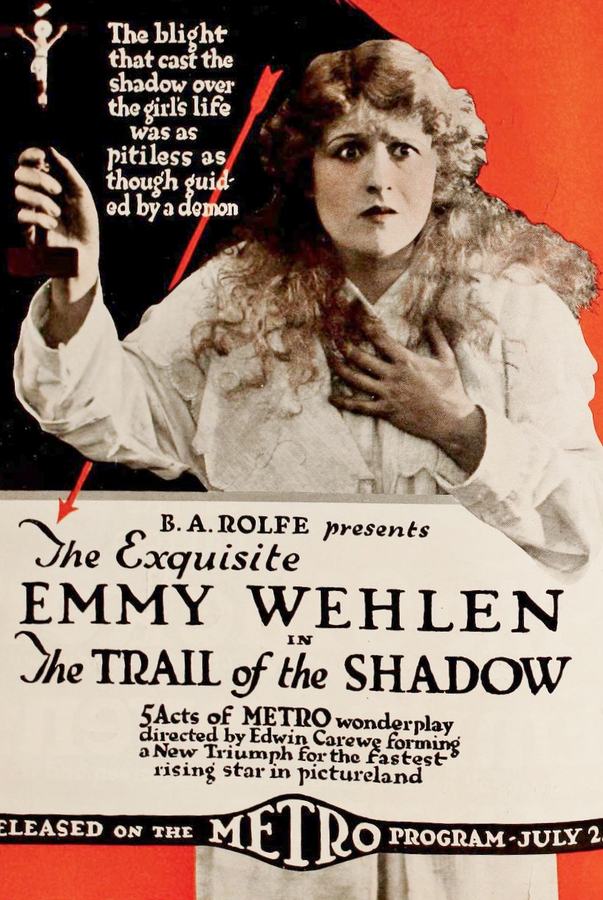
Dir: Edwin Carewe
Sylvia Mason, a mysterious girl, lives in a cabin by herself and sells her bead work to the visitors at a large hotel nearby. At the hotel, Sylvia meets Easterner Henry Hilliard, who falls in love with her, but she refuses to marry him and will not explain her reasons. Thus Henry returns East without learning that Sylvia's father had been murdered by his private secretary Jack Leslie in revenge for her refusal to marry him. One night after Henry's departure, Leslie, now known as the outlaw "The Shadow", breaks into Sylvia's cabin. There is a struggle that leaves Sylvia unconscious, and when she awakens she finds a note claiming that because Leslie has violated her, she must marry him. Meanwhile Henry's mother, horrified that her son wants to marry this strange girl, informs Sylvia that their marriage would destroy him. Sylvia agrees to give up Henry, but he learns her story from Padre Constantine and goes to search for her. Sylvia has gone to Leslie and Henry follows. In the ensuing fight, Henry forces Leslie to admit with his dying breath that he has lied to Sylvia.
View Details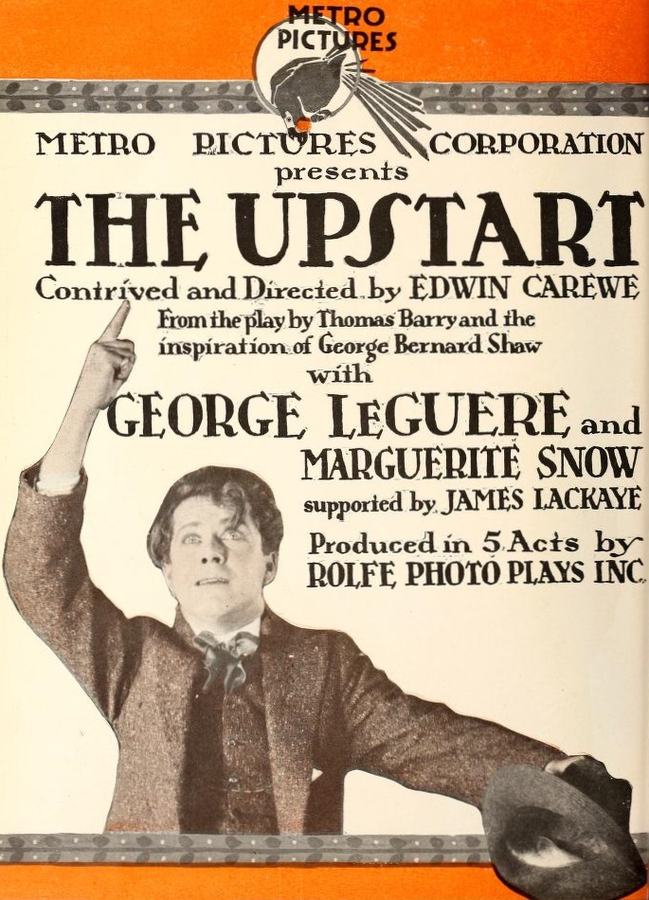
Dir: Edwin Carewe
One day Coventry Petmore leaves his wife and child to go out in the world and fight the social evils of divorce and loveless marriage. Circumstances lead him to the home of Judge Mitchell, where the judge's son, a minister, and his wife Beatrice reside. The minister does not believe in expressing affection to his wife, and Beatrice becomes enamored of her chauffeur Larry Price. Petmore encourages Beatrice to tell the minister that she is running away with Price, then surreptitiously coaches the minister to give a response that Petmore believes will win Beatrice back. The plan backfires, however, and only a rainstorm and car trouble prevent Beatrice and Price from running off. Getting wind of Petmore's role in the affair, the judge has him ejected from the household, and Petmore returns home to discover that his wife has run away with her chauffeur. Petmore's conviction in his theories remains unshaken, however.
View Details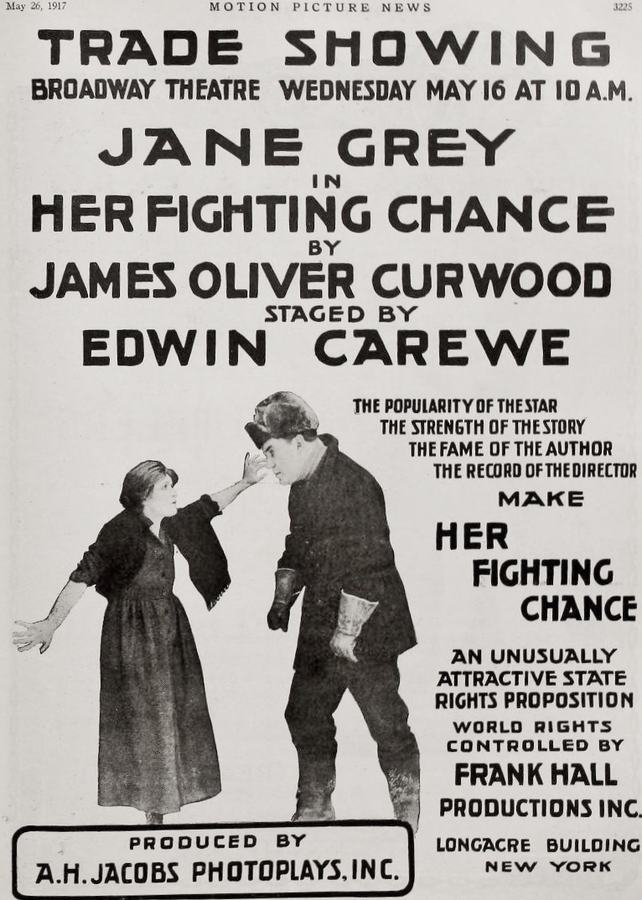
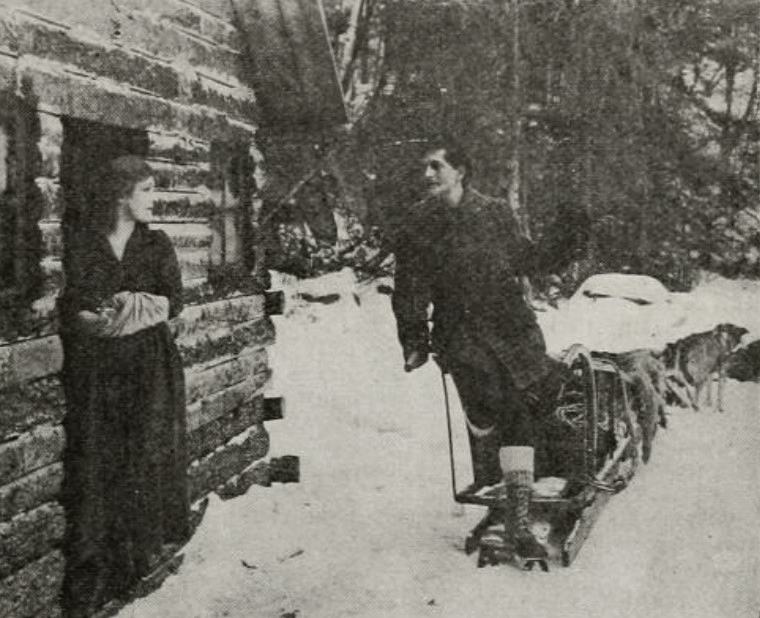
Dir: Edwin Carewe
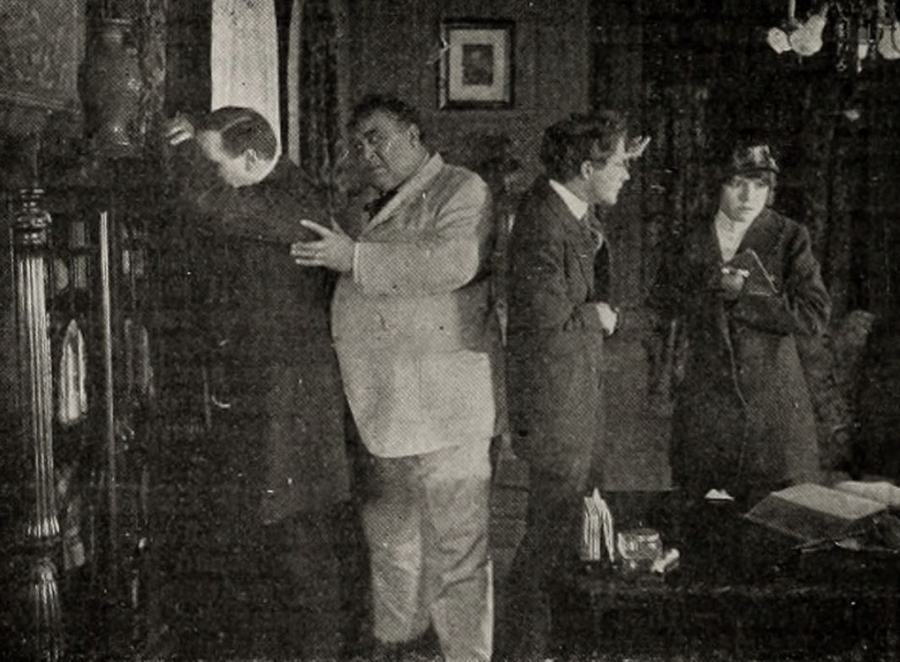
Corporal Blake is sent to apprehend the murderer of François Breault. All evidence points to Jan Thoreau as the guilty man. Blake arrives at Thoreau's cabin while he is away and is greeted by his wife Marie. Posing as a friend of her husband, Blake learns that Thoreau and Breault had quarreled shortly before the murder. This, together with Breault's dying accusation that Thoreau was his murderer, seems undeniable evidence. Blake, fascinated by Marie, agrees to let Thoreau escape, providing that she become his mistress. After much anguish, she consents. When Thoreau arrives, Blake arrests him, but during the night Marie helps him escape. Blake goes in pursuit. Meanwhile, officers at the post have received the dying confession of Pastamoo that he committed the murder. They hurry to Thoreau's cabin where the chase has led pursuer and pursued around in a circle and back to the cabin. Blake mistakes another officer for Thoreau and fires at him. The officer returns the shot, killing Blake. Thoreau and Marie then learn that they are free from suspicion.
View Details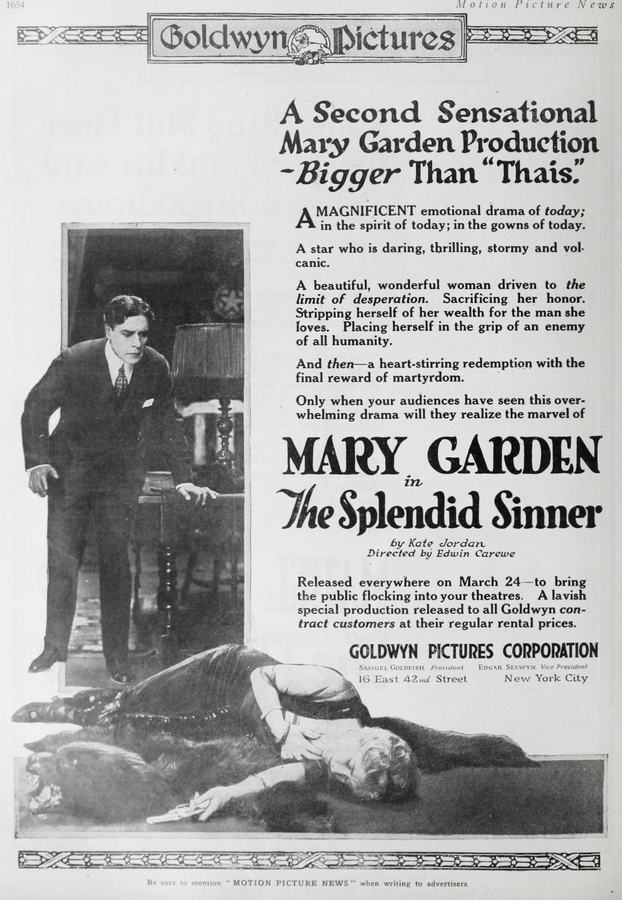
Dir: Edwin Carewe
A woman marries a German immigrant in New York, but loses him when her soiled past is revealed. He returns to Germany after the beginning of the First World War, where he becomes a high-ranking officer in the German army. His wife joins the Red Cross and, in a combat hospital, discovers her wounded husband. Her love for both her husband and her country lead her to a great sacrifice.
View Details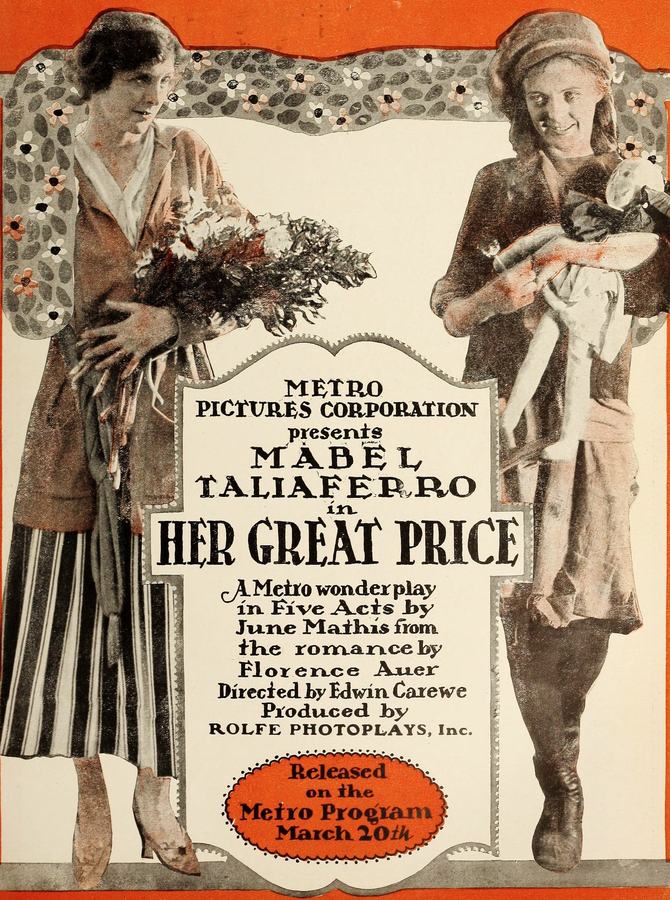
Dir: Edwin Carewe
Before the guests arrive for a party in her apartment, Agnes Lambert, a writer of unsalable fiction, starts revising one of her stories because she realizes that it lacks drama and emotion. Later, she begins a romance with Tom Leighton, but although Tom loves her, he is already engaged to Ruth Beresford, who was recently blinded in an explosion. Aware of the impossibility of their affair, Agnes decides to commit suicide, but when Ruth, whose vision has been restored by an operation, discovers that Tom no longer loves her, she frees him to marry his new sweetheart. Tom goes to Agnes, but arrives too late, and finds her dead. Then, guests knock at Agnes' door, ready for a party, and, having just finished revising a story in which she stars as a woman who commits suicide because she wrongly believes that a love affair has failed, Agnes rises from her typewriter to greet them.
View Details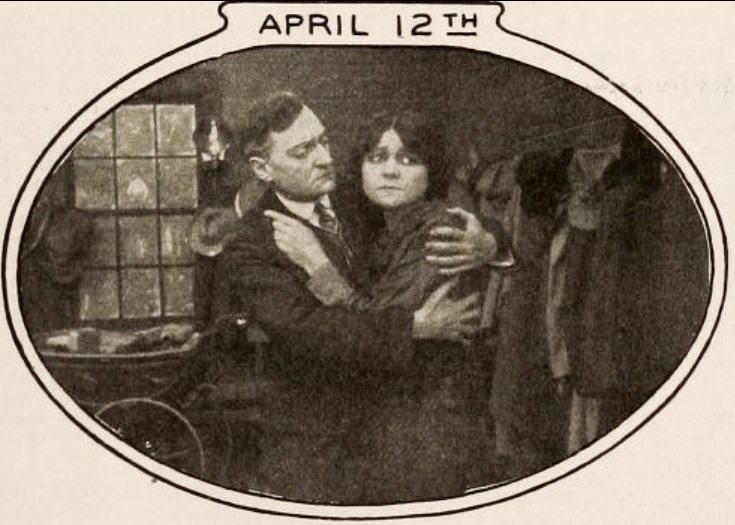
Dir: Edwin Carewe
Margaret Primrose is not permitted to see Ted North, who loves her, by her father, whom Ted's father ruined. To spite Ted, Primrose forces Margaret to marry Weston, a dissolute young millionaire, and Ted, heartbroken, goes West. Weston neglects Margaret and continues drinking. Seven years later, the Westons move West on the advice of his doctor to improve his health. Ted, meanwhile, has adopted the small daughter of a cattle rustler who was lynched by Ted's cowboys. When he spots a runaway horse and lassoes its rider, Margaret, they embrace, but realizing the impropriety, they bid each other goodbye. Weston resumes drinking and takes an interest in Molly, the proprietress of a dance hall. When Molly's sweetheart, "Quick Foot Jim" learns that Molly and Weston are planning to elope, he kills Weston. After Ted is convicted of the murder, based on circumstantial evidence, Jim abducts Molly. When Margaret learns the truth, a posse is organized to find Jim. No information has been located concerning the film's ending.
View Details
Dir: Edwin Carewe
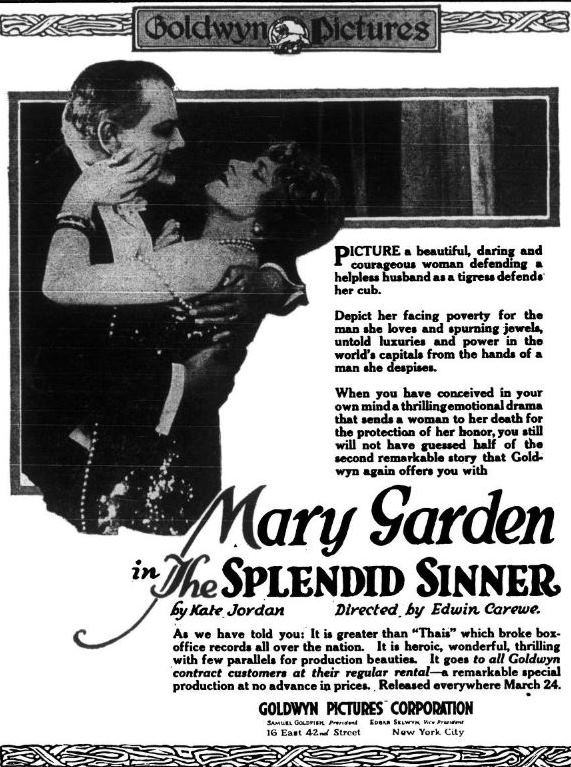
As Danny Rowland, a tramp, and his partner Dominie, an ex-minister, trudge wearily past the Winnicrest mansion in Tennessee, an old servant called Uncle Alex rushes up to Danny and welcomes him home as his long-lost employer, Richard Castleman. Amused, Danny assumes the role, and he and Dominie are clothed, fed, and generally treated like royalty. The beautiful Jean Logan, who had believed with the rest of the neighborhood that Richard was lost at sea, greets her returning sweetheart with a passionate embrace, and Danny soon falls in love with her. Dr. Harry Chilton, Richard's cousin and rival in love, maintains that Danny is an impostor, but Danny defeats him in a fight and banishes him from the estate. When Danny announces his intention to marry Jean, Dominie is shocked and tells her everything. Forced to confess to the sheriff, "Danny" reveals that he is indeed Richard, earlier robbed of his clothing and money by a crook named Danny Rowland, who died on a voyage to Australia. Relieved, all of the parties--with the exception of the jealous doctor--are reunited.
View Details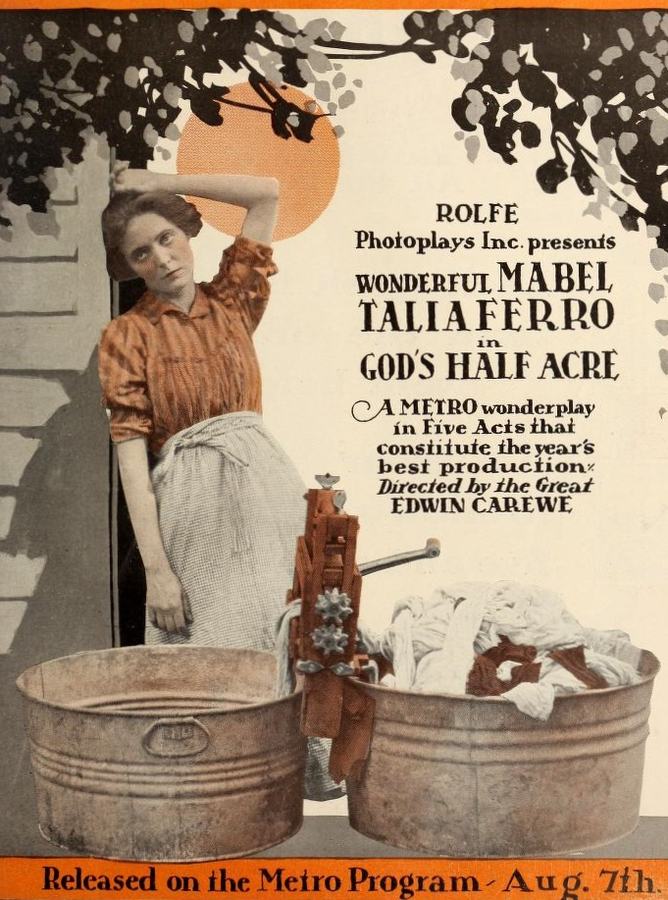
Dir: Edwin Carewe
Leaving his wife Rose for a few weeks and eager to do research for his new novel about the elderly, Henry Norman goes to live in a home for the aged, where Blossom, the home's young maid, falls in love with him. When she lets him know how she feels, however, Henry tells her that he has a wife. When his research is over, he returns to her--and discovers that she has eloped with his friend Perry Westley, and that they were both killed by a lightning bolt that struck Perry's car. While Henry recovers from this double shock, Blossom quits her job and finds work at God's Half Acre, an orphanage. While on a picnic with the children, she once again meets Henry, who realizes that he loves Blossom. They marry.
View Details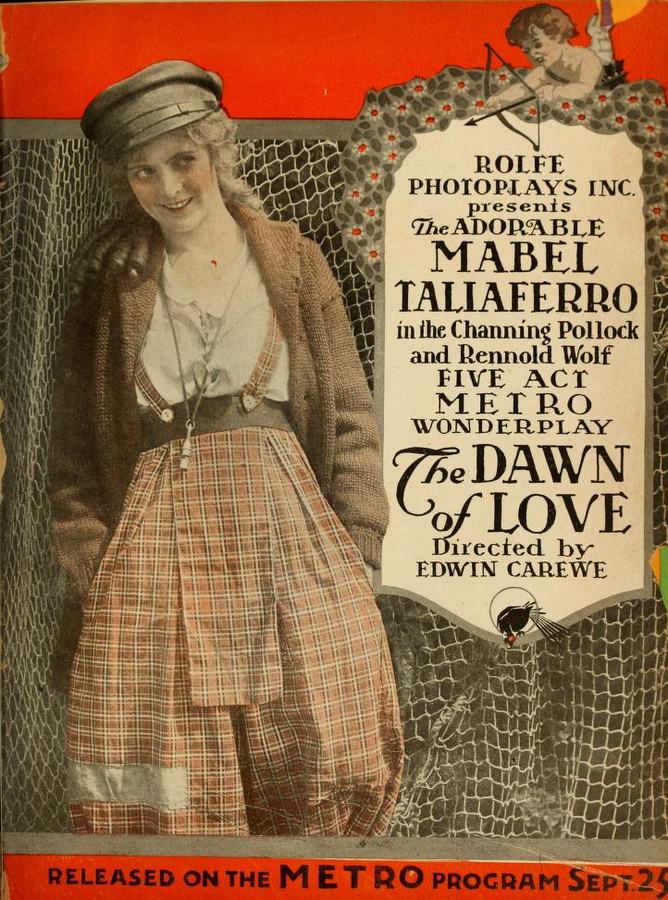
Dir: Edwin Carewe
Unknown to his daughter Jacqueline, Miles Allen, in the guise of a fisherman, smuggles silk and fur into the country. Customs officer John Lang comes to investigate, and he and Jacqueline quickly fall in love. Ward Jennings, the owner of Miles' boat, also loves her, but Miles refuses to let him marry her, so Ward gets revenge by revealing Miles' smuggling operation to Coast Guard officers, who kill Miles in a struggle at his home. Jacqueline mistakenly blames John for her father's death and goes to Ward for help. She then learns the truth about Ward; they fight on a cliff-top and he falls to his death. John comes to comfort Jacqueline, and they begin making plans for their life together.
View DetailsAnalysis relative to Resurrection
| Film Title | Atmosphere | Complexity | Similarity |
|---|---|---|---|
| The Barricade | Surreal | Layered | 93% Match |
| The Trail of the Shadow | Tense | Abstract | 91% Match |
| The Upstart | Ethereal | Layered | 93% Match |
| Her Fighting Chance | Ethereal | Linear | 91% Match |
| The Splendid Sinner | Ethereal | Dense | 87% Match |
This guide was algorithmically generated using the cinematic metadata of Edwin Carewe's archive. Last updated: 8/16/2026.
Back to Resurrection Details →