
DbcultAccessing Vault...
Recommendations
Senior Film Conservator
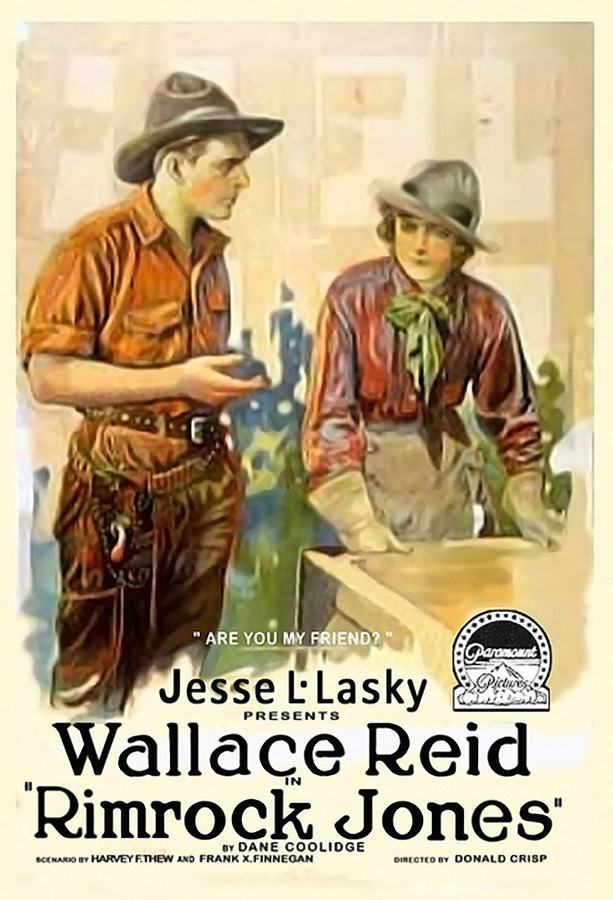
If you found yourself captivated by the cinematic excellence of Rimrock Jones (1918), the profound questions raised in 1918 still require cinematic answers today. Experience the United States influence in these recommendations that echo Rimrock Jones.
Rimrock Jones remains a monumental achievement to provide a definitive example of Donald Crisp's stylistic genius.
In the mining town of Gunsight, an unscrupulous lawyer named Andrew McBain applies the obscure "Apex Law" to trick Rimrock Jones out of his newly discovered copper mine. Undaunted, the reckless young prospector locates an even richer mine. Having no money to develop the Tecolote, Rimrock borrows $2,000 from stenographer Mary Fortune, who, when the mine proves its worth, decides to retain a vote on the board rather than take back her loan. Plagued by deafness, Mary travels to New York to consult a specialist, followed by Rimrock, who now loves her. Stoddard, a Wall Street financier who has designs on Rimrock's mine, hires a vamp named Hazel Hardesty to detain Rimrock in the East, but Mary returns to Gunsight in time to prevent Stoddard from taking control of the Tecolote. Rimrock reappears to save Mary from Stoddard's gang, after which he locks the loyal Mary in an embrace.
Based on the unique cinematic excellence of Rimrock Jones, our vault has identified these titles as the most compelling follow-up experiences for fans of cult cinema:
Dir: Donald Crisp
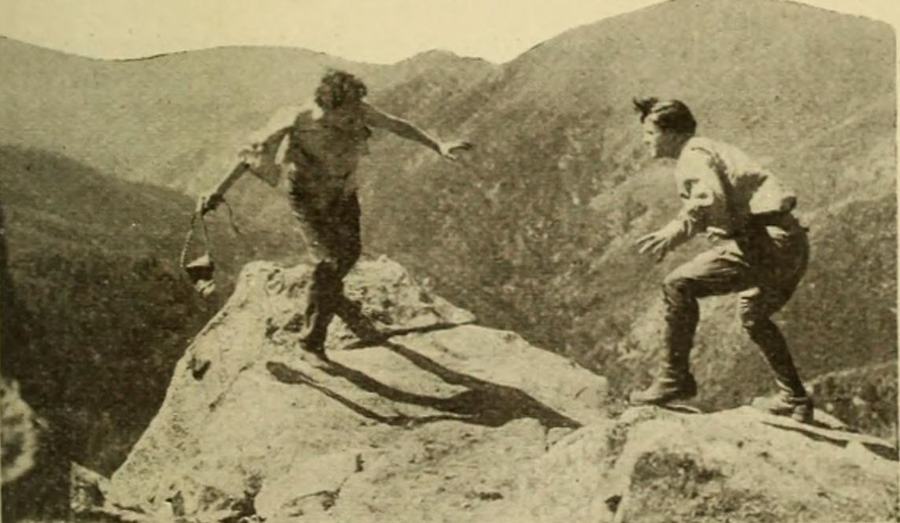
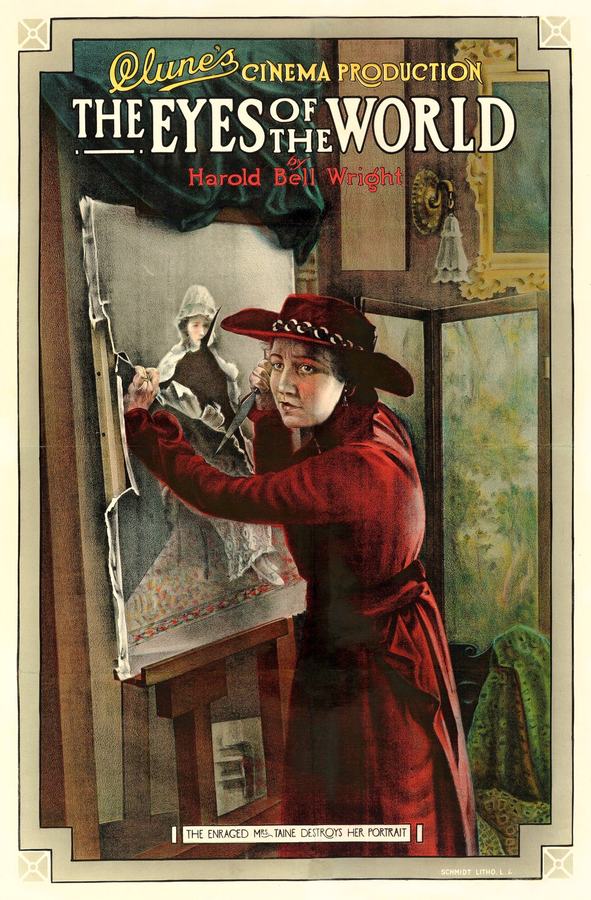
Prologue: Conrad LaGrange proposes marriage to Mary Gibson. She refuses him and marries Aaron King and they welcome son Aaron King, Jr. John Willard, who does not approve of the intimacy between his sister Myra, and James Rutledge, provokes a quarrel with Rutledge. Thinking he has killed him, Willard goes West. A baby is born to Myra, who does not know that Rutledge has a wife. Mrs. Rutledge learns of it. Crazed with jealousy, she seeks Myra, throws acid in her face, marring her for life; then commits suicide. With Myra's permission, Rutledge takes the baby to raise with his son, James Rutlidge, Jr., and shares his wealth equally between them. Myra refuses his offers of money, and writes to John Willard, her brother, asking for help. In California, he holds up a mail stage to get money for her fare West. Willard is arrested. Myra, ignorant of this, goes to Graymont, California. Not finding her brother, she wanders into the mountains and to the home of Mr. and Mrs. Andres, who take her in. She is like a mother to Sybil, Andres' only child. Years pass. Aaron King, in financial difficulties and disgrace, dies. LaGrange, who has prospered, pays some of Mrs. King's debts and again asks her to marry him. She refuses, saying her life belongs to her boy. Mrs. King, sacrifices all to keep Aaron, her son, now a young man, in a Paris art school. Graduating with high honors, he receives word that his mother is ill, and rushes home in time to see her die. The Story: Twenty-five years have elapsed. Aaron King, Jr. leaves for the West. On the same train are Gertrude Taine; her husband Edward Taine, a wreck many years her senior; and Mrs. Taine's stepdaughter Louise Taine. They are met by James Rutledge, Jr. Myra, who now lives in Fairlands, recognizes Mrs. Taine and Rutledge. King becomes acquainted with LaGrange. Friendship springs up between the pair. King is commissioned to paint Mrs. Taine's portrait. He and LaGrange take a cottage next, to Sybil and Myra. Rutledge annoys Sybil with his attentions. King and LaGrange meet Sybil. Mrs. Taine becomes infatuated with King. John Willard (now known as John Marston) escapes from prison. He meets Rutledge, who befriends him and bides him in a mountain cabin. Mrs. Taine is pleased with the portrait. As King contrasts Sybil with Mrs. Taine, he sees the latter as a designing soul in a beautiful body. Refusing to let her have the portrait, he asks her to pose again. Thinking she has infatuated King, she consents. He also paints Sybil's portrait. Mrs. Taine gives a reception in honor of King and LaGrange. She tries to influence King by causing Sybil to play her violin as one of the paid performers. Mr. Taine collapses in the midst of a speech and is carried off, dying. Mrs. Taine, visiting King's studio, finds him absent. Sybil comes in. Mrs. Taine, bringing in the fact that Sybil was up in the mountains with Myra while LaGrange and King were on a camping trip in the mountains, convinces Sybil that the world thinks she is the artist's mistress. Sybil stops long enough to write a note for Myra, and then rides away. Myra tells King of Sybil's disappearance. He follows her, and enlists the aid of Brian Oakley, the forest ranger. Rutlidge learns of Sybil's departure. By threatening Marston with exposure, he forces him to kidnap Sybil. Marston takes her to a cabin. Oakley, King and a posse of men search the mountains for her. King goes to Granite Peak, but Rutledge gets there first. Rutledge makes the proposition that they throw down their guns and fight it out. As Rutledge is about to throw King over the cliff. Marston appears with Sybil, who begs him to save King. He shoots Rutledge, who topples over the cliff. Then Marston disappears. King and Sybil go back to town. Sybil has discovered that she loves King and that he loves her. Mrs. Taine goes to the studio. She sees herself on the canvas as King sees her, and flies into a rage. She threatens to blast King's career and to ruin Sybil's reputation. LaGrange, overhearing, brings Myra in and has her tell her story. As Mrs. Taine listens, she bares her shoulder, showing a scar which identifies her as Myra's daughter. LaGrange threatens if she ever speaks ill of Sybil or King to publish the story broadcast Mrs. Taine retreats. Later, Sybil, learning from LaGrange that King has completed his masterpiece, goes to the studio. King takes her in his arms.
View Details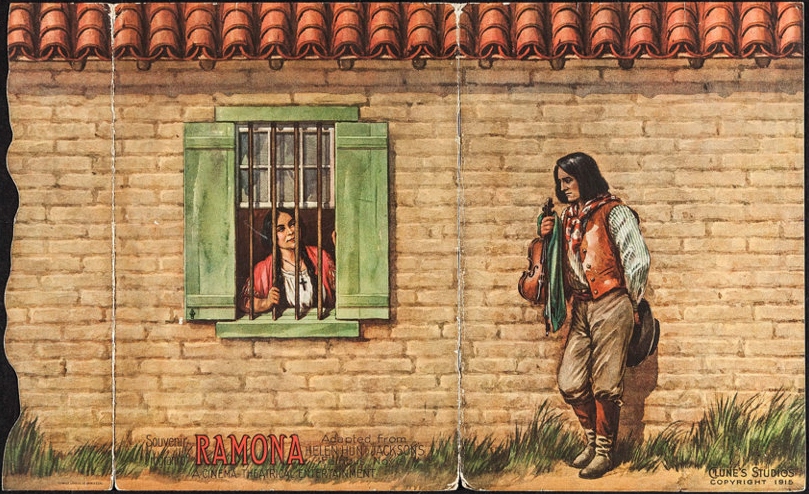
Dir: Donald Crisp
On the estate of Senora Moreno in Southern California, the senora's adopted daughter Ramona lives. She falls in love with Alessandro, an Indian of noble heritage. When her adoptive mother forbids their marriage, Ramona Alessandro elope, only to find bigotry, misfortune, and finally tragedy wherever they turn.
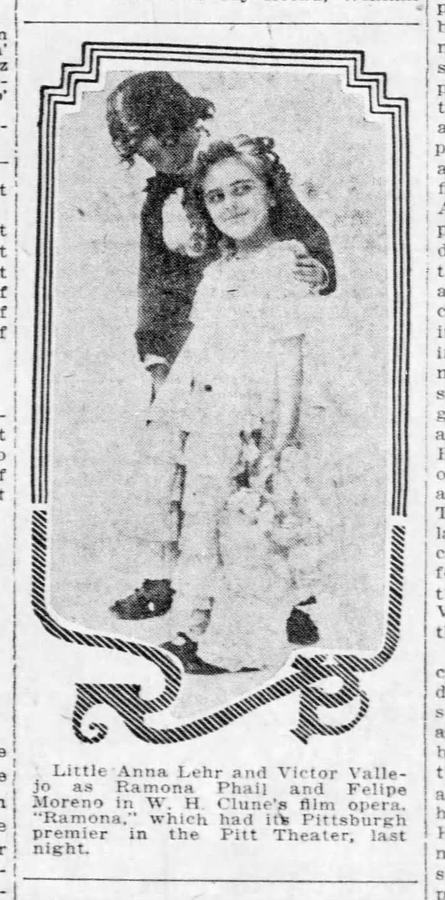
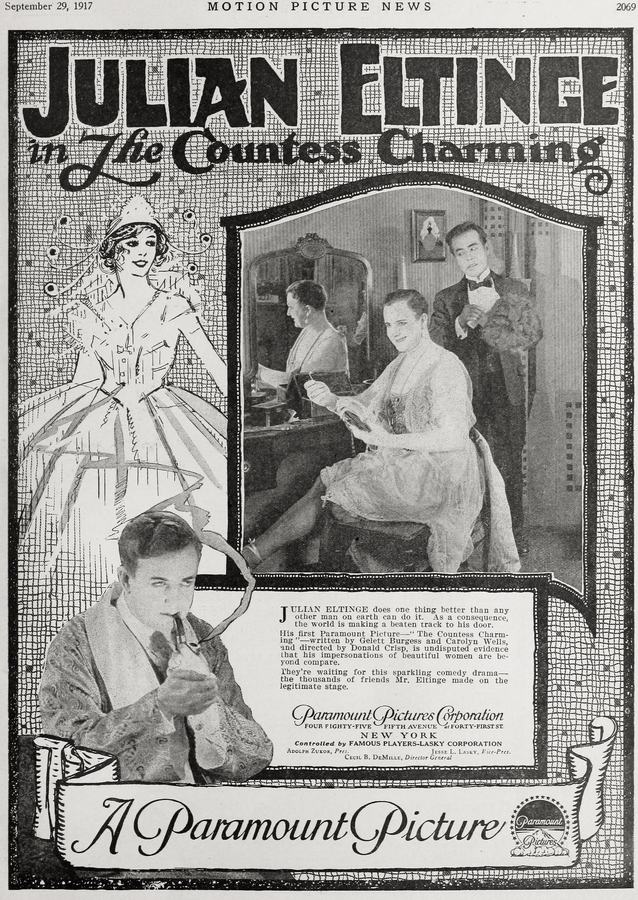
Dir: Donald Crisp
Wealthy young bachelor Stanley Jordan attends a Red Cross Benefit at the country club, where he meets and falls in love with Betty Lovering and unwittingly offends social leader Mrs. Vandergraft. Discovering that the Vandergrafts have initiated a campaign to ostracize him from the club, Jordan, incensed, decides to get even: he disguises himself as a Russian Countess and returns to the club, where he is wined and dined. As a member of society, he is welcomed into the homes of the rich, where he proceeds to steal their valuables and donate them to the Red Cross Fund. The series of thefts alarms the neighborhood, and a detective is hired. Just as the detective is closing in on the Countess, it is announced that the Russian has been a victim of assault and is lying on her deathbed. Betty, concerned, calls on the Countess, only to discover that she is none other than Stanley Jordan, the man she loves.
View Details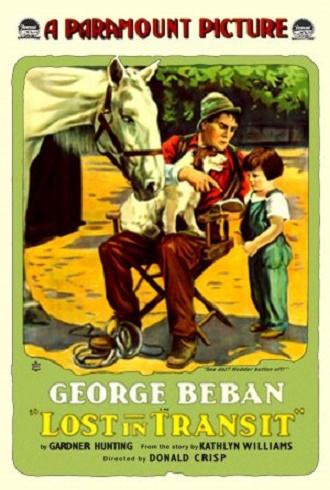
Dir: Donald Crisp
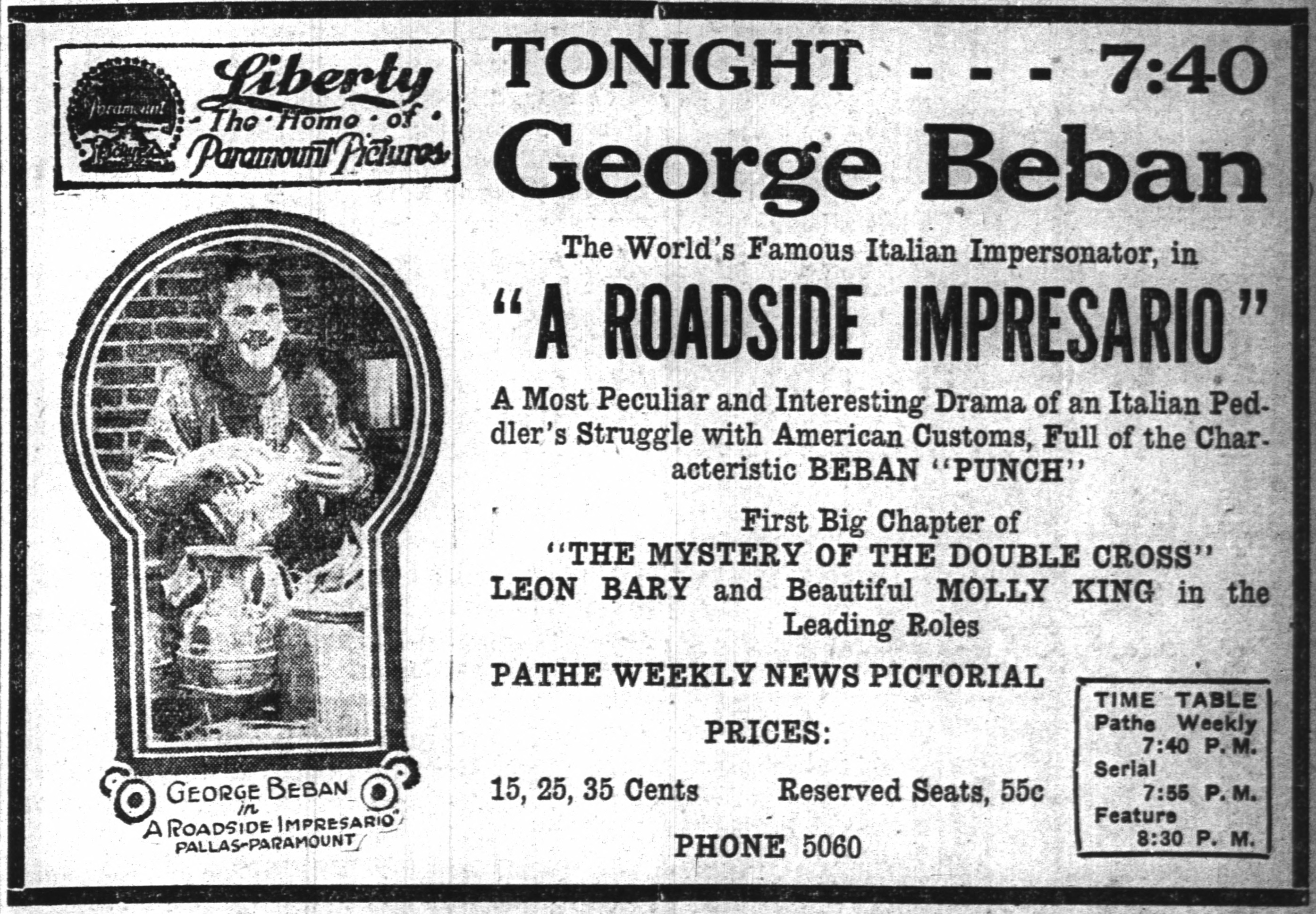
Mr. Kendall, a wealthy man who had sent his infant son to a home after the death of his mother at birth, decides that it is time for his son to come home. On his carriage ride to the father he has never seen, however, the boy mysteriously disappears. At the same time, a woman deposits a little boy on the cart of Italian junk man Niccolo Darini, and then disappears. Niccolo becomes strongly attached to the waif, and although his neighbors advise him to take the child to the police, he refuses. Kendall posts a reward notice in the paper for the return of his son, and when Niccolo's rival for the hand of the beautiful Nita Lapi reads the notice, he tells the police of Niccolo's ward. Niccolo is forced to give up his little charge, which breaks his heart. However, the Kendall's rightful heir is found when a beggar, run over by a car, confesses on his death bed that the child with him is really the Kendall boy. Niccolo's beloved ward is then returned to him, along with a check from Kendall for $5,000 dollars. Niccolo's happiness is made complete when Nita agrees to marry him.
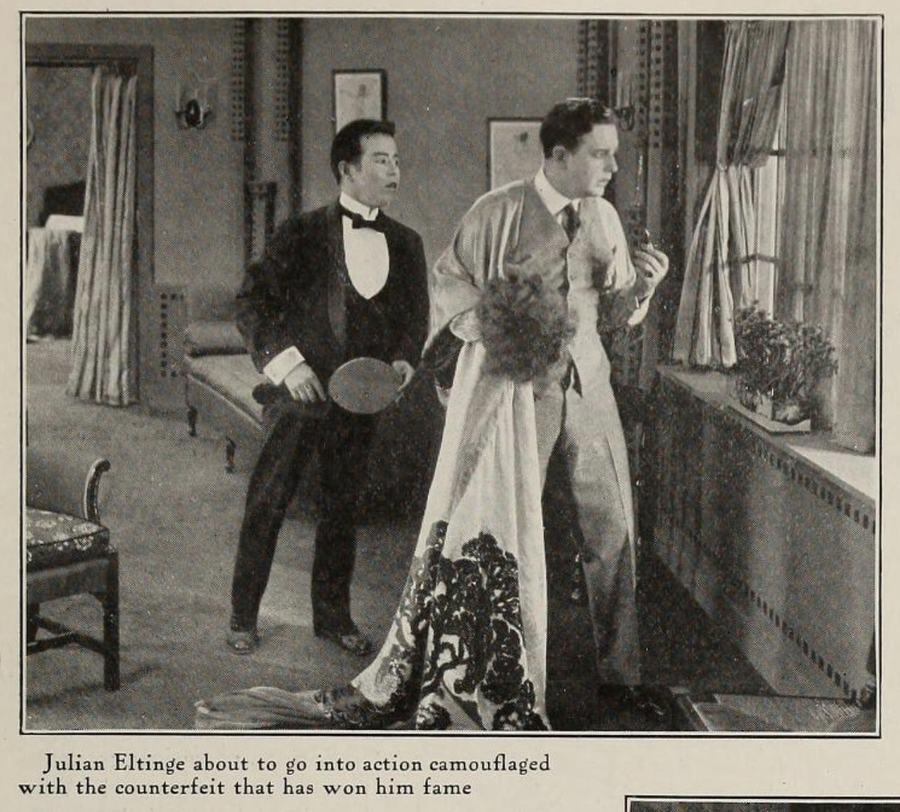
Dir: Donald Crisp
Giuseppe Franchini lives with his little daughter Francesca and pet bear Bruno on the Italian coast. One day, Giuseppe sees a shipwrecked man offshore and swims to his rescue, but in doing so, he is carried out to sea. Upon his return, he finds that his wife has died of shock at the news of his drowning, and the stranger has taken away the little girl. Years later, Giuseppe travels to America with Bruno where they are arrested for invading an apiary on the Vandergrift estate. Giuseppe is befriended by Vandergrift's daughter Adelaide, but Bruno is sent to jail for his crimes. To pay Bruno's fine, Giuseppe takes a job in a roadhouse owned by John Slade. Here, he learns of Slade's plans to smear Adelaide's fiancé, Craig Winton, the reform candidate for mayor. Giuseppe presents proof of Slade's corruption to Adelaide, who turns it over to her father. When Giuseppe meets Vandergrift, he recognizes him as the man he rescued, but, realizing that Adelaide is happy in her life, he leaves town without letting her know that he is her real father.
View Details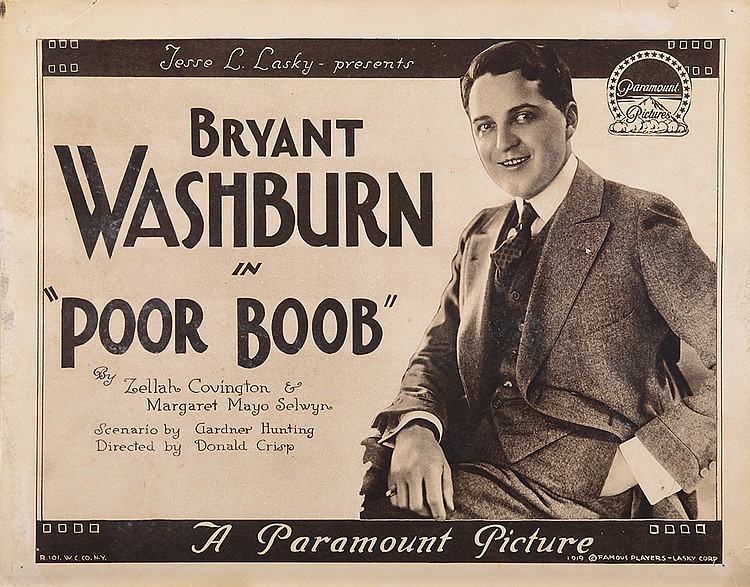
Dir: Donald Crisp
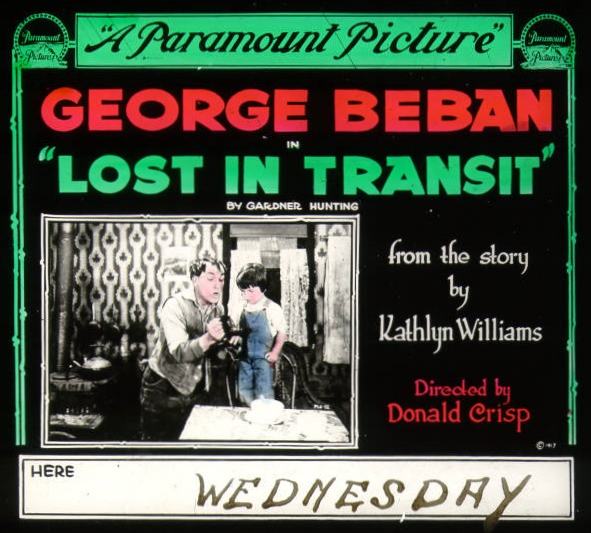
Self-effacing Simpson Hightower leaves his small village after he loses his father's canning factory to Stephen Douglas, who also wins Simpson's plump girlfriend Tiny. Simpson then goes to work in a New York provisions office along with stenographer Hope and office boy Jimmy. Hope and Jimmy scheme to introduce Simpson as a silent partner when the Danish consul proposes a large contract. After a series of errors, Simpson is discharged and persuaded by his friends to return to his home town posing as a successful businessman accompanied by his secretary "Pep" and valet Jimmy. With their help, Simpson manages to get the Danish contract and buy his factory back. He also outgrows his love for Tiny, who has gained even more weight, and recognizes his love for "Pep."
Dir: Donald Crisp
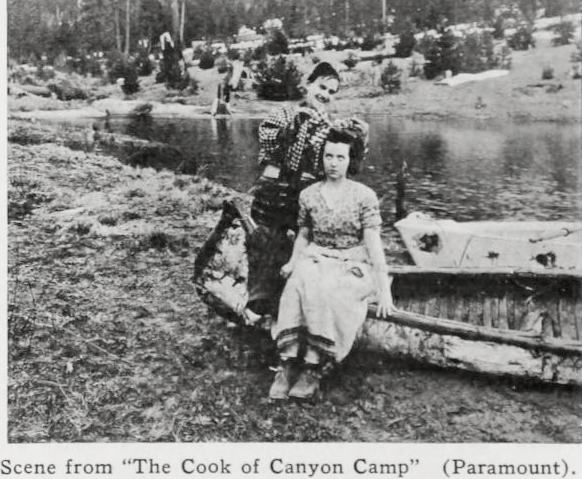
The most popular man in the lumber camp near Quebec is Jean, the cook, whose flapjacks are celebrated for their delectability. Jean's compassionate nature is aroused when a dejected stranger known as Silent Jack comes to the camp. Discovering Jack crying one day, Jean learns that his wife has left him. To reunite the couple, Jean pretends that he too is married and induces Jack to write an affectionate letter from him which he then presents to Mrs. Jack. The ruse reconciles the couple, but distresses Jean's sweetheart Marie when she learns that Jean already has a wife. Jean finally explains everything satisfactorily to Marie, and after the two are married, they leave for the city to open a flapjack palace financed by the grateful Jack.
View Details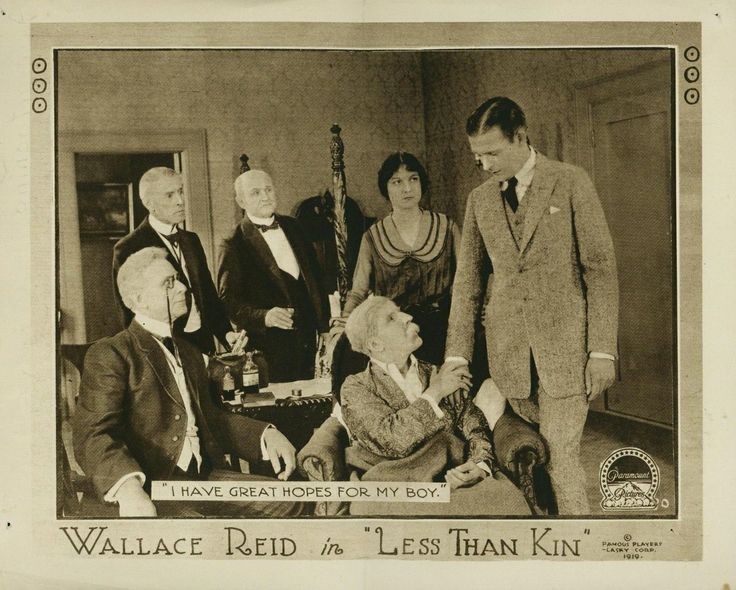
Dir: Donald Crisp
Lewis Vickers accidentally kills a man and goes to Central America. Here he meets Robert Lee, who bears a remarkable resemblance to him. Lee is a worthless young chap whose father is anxious to have him return to the United States. On his death bed Lee turns his papers over to Vickers and begs him to assume his name. Arriving in New York, Vickers goes to the Lee home as Robert Lee, and discovers that the dead man has willed him a badly blotted past that includes a wife and two children and a large collection of debts. He also finds a beautiful adopted daughter in the Lee household and promptly falls in love with her. The only way he can stand any chance of winning the girl is by telling the truth about himself. The arrival of his undesirable family and several of its friends and connections helps to bring out the truth, and the picture ends with a runaway marriage between Vickers and the adopted daughter.
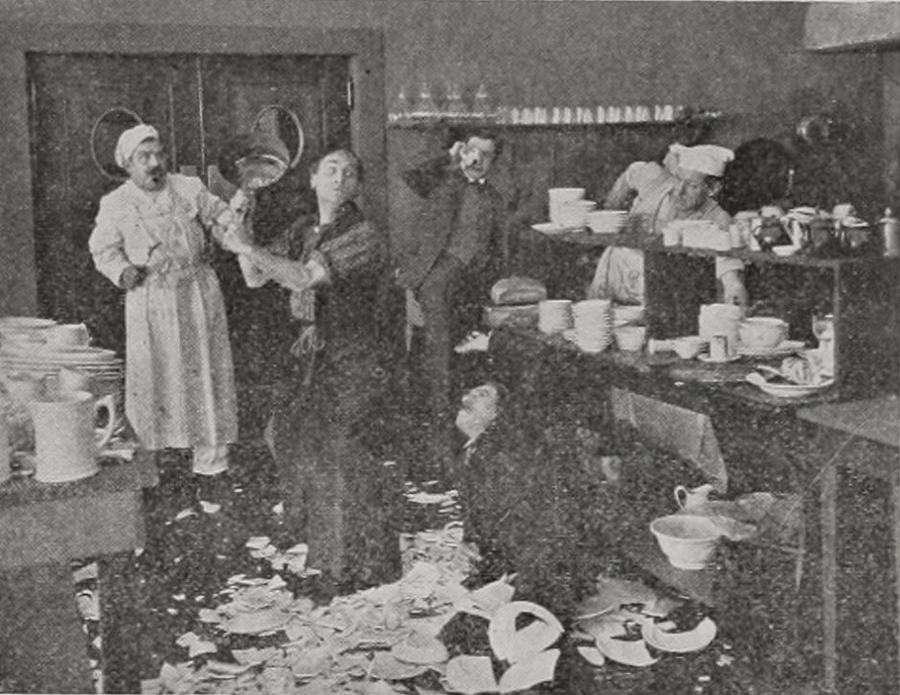
Dir: Donald Crisp
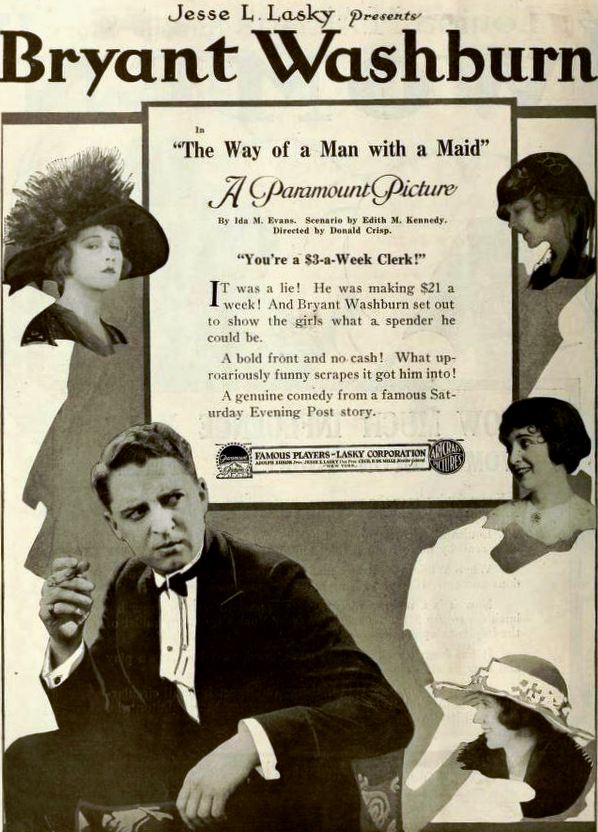
When shipping clerk Arthur McArney falls in love with pretty stenographer Elsa Owenson, he finds himself in stiff competition with a fat but wealthy broker named Sankey. Elsa's expensive tastes lead Arthur to spend a week's salary on an evening's entertainment, part with his watch to pay their taxicab fare, and borrow money from his friends to buy her extravagant gifts. Finally, Arthur is forced to take on odd jobs and night duty, which so impresses his employer, Hallet, that he gives the clerk a small raise. After Arthur spends $200 on the proper attire to wear to a lavish Halloween party, Hallet calls him to the office that evening, and Elsa attends the affair with Sankey. To reward his employee's dedication, Hallet promotes Arthur to the post of branch manager. Elsa accepts Arthur's marriage proposal with the promise that she will henceforth economize.
View Details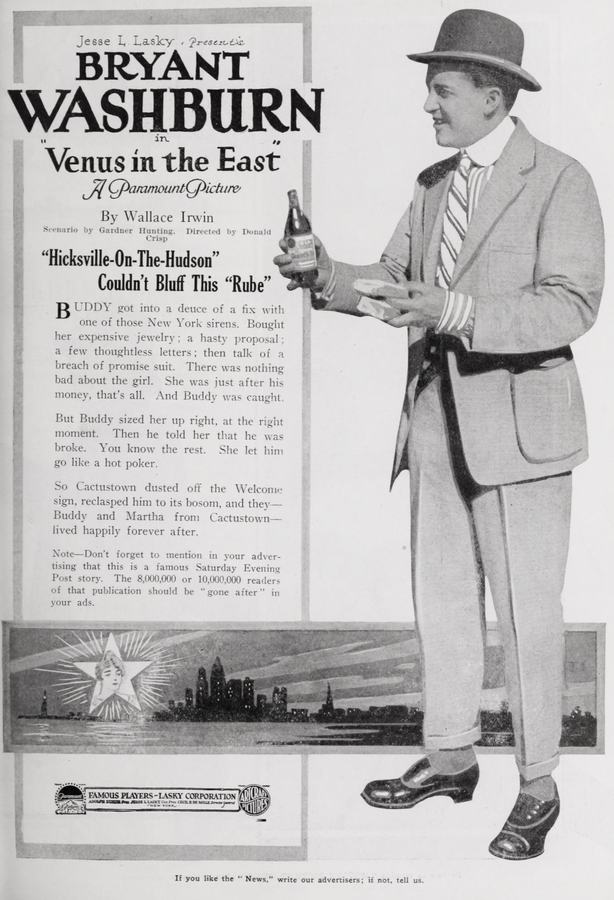
Dir: Donald Crisp
Buddy McNair is so enchanted by the newspaper photos of New York society beauty Mrs. Pat Dyvenot that he decides to leave Colorado with his newly inherited fortune, travel to New York, and win her heart. On the train, some gamblers, apparently aided by a pretty girl named Martha, cheat Buddy out of a large sum, and in New York, his lack of eastern polish makes him appear foolish.
View DetailsAnalysis relative to Rimrock Jones
| Film Title | Atmosphere | Complexity | Similarity |
|---|---|---|---|
| The Eyes of the World | Tense | Layered | 87% Match |
| Ramona | Ethereal | Layered | 86% Match |
| The Countess Charming | Tense | Linear | 92% Match |
| Lost in Transit | Surreal | High | 90% Match |
| A Roadside Impresario | Tense | Linear | 97% Match |
This guide was algorithmically generated using the cinematic metadata of Donald Crisp's archive. Last updated: 6/25/2026.
Back to Rimrock Jones Details →