
DbcultAccessing Vault...
Recommendations
Senior Film Conservator
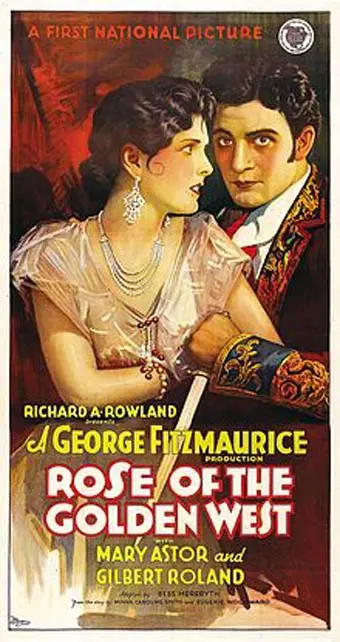
For those who were mesmerized by Rose of the Golden West, a true Drama masterpiece from 1927, the quest for comparable cinema becomes a journey through the fringes of film history. Our curated selection of recommendations echoes the very essence of Rose of the Golden West.
The legacy of Rose of the Golden West is built upon its ability to create a hauntingly beautiful cinematic landscape.
Rose of the Golden West was a significant production in United States, showcasing the immense talent of Flora Finch, Romaine Fielding, Thurston Fairfax. It continues to be a top recommendation for anyone studying Drama history.
Based on the unique emotional resonance of Rose of the Golden West, our vault has identified these titles as the most compelling follow-up experiences for fans of Drama cinema:
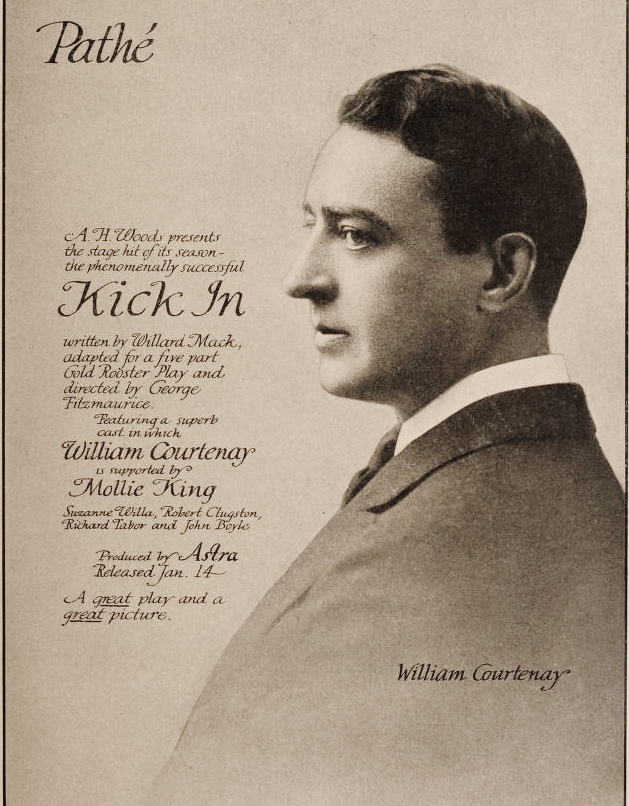
Dir: George Fitzmaurice
"Chick" Hewes, a street urchin of the East Side, and his pal, Benny, following their early teachings, become crook gangsters. The police pursue them during a bold robbery; Benny is caught and Chick takes refuge in Molly Carey's flat above the crooks' quarters. Finally trapped, "Chick" is "sent up" and Molly's promise to wait for him is the one ray of sunshine in his gloomy existence. Given freedom and a chance, Chick happily married to Molly, leads the straight and narrow path. Back to his old tricks, Benny, wounded in a necklace robbery, eludes the police with his loot and makes his way to his former pal's flat. Although realizing the danger to his home, Chick, for the sake of his boyhood pal, conceals Benny in the attic, but without a doctor's care the wound proves fatal. With the help of his old pals, the body is disposed of, but the police suspect and watch Chick's flat constantly. Later, to his surprise, Chick discovers that Molly's brother, a drug victim, had, unobserved, taken the stolen necklace from the wounded Benny. They decide to tell the authorities, but before they have an opportunity, Molly's brother is arrested. Trying to square things, Chick is double crossed by a detective, who tries to arrest him for the robbery, but is prevented by Molly's quick action. While on their way to make a clean breast of everything a police official, disguised as a chauffeur, ensnares and takes them to police headquarters. Faced with the seriousness of the penalty, Chick asks for leniency for Molly, about to become a mother. The chief, having the necklace and realizing what conviction means, is softened by the news that he himself is the father of a baby boy and for the sake of the young couple's happiness, he releases them.
View Details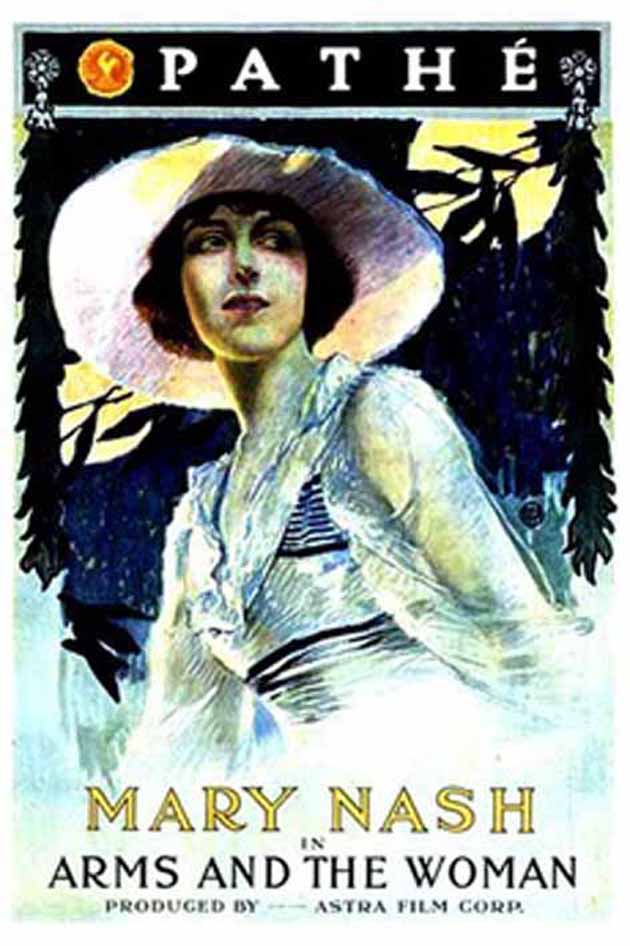
Dir: George Fitzmaurice
Rozika is a Hungarian girl who can sing quite nice. She goes to the place known as the United States with her brother whose name happens to be Young Carl. Rozika marries a chap named Trevor and a predicament ensued after the Great War comes knocking at the door.
View Details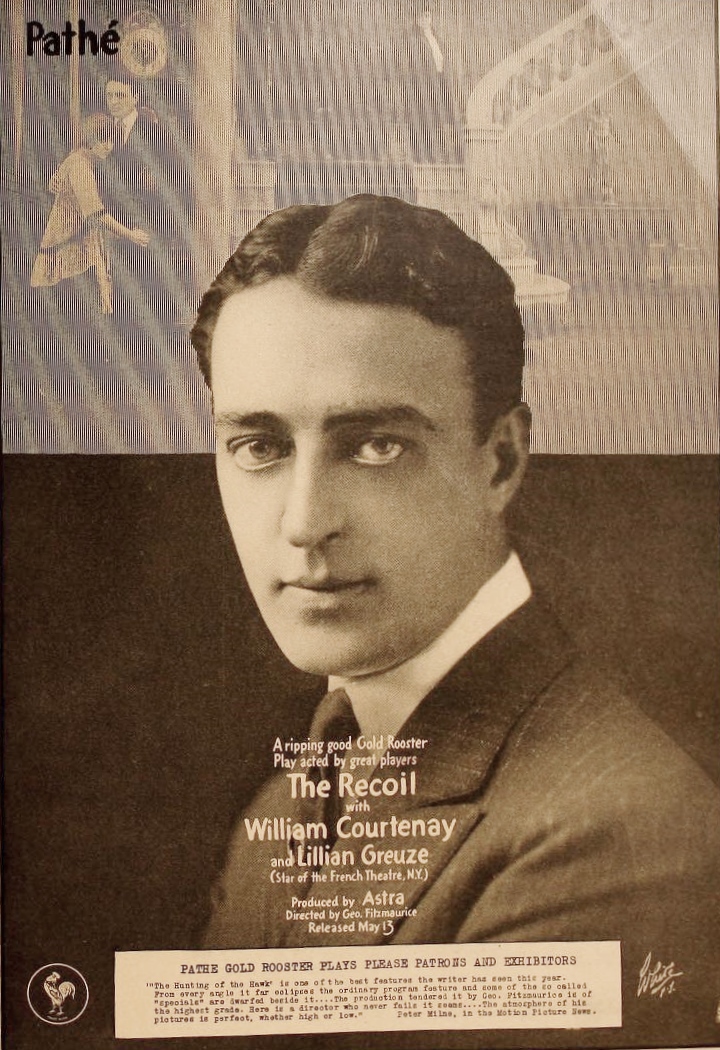
Dir: George Fitzmaurice
When Richard Cameron, a secret service agent tracking down international spies, is kidnapped by the enemy, Mirian Somerset, to whom Richard has been surreptitiously married, believes that he is dead. Mirian then acquiesces to her mother's wishes and marries the rich and dissipated Charles Van Horn in order to recoup her family's fortune. When Richard suddenly returns, Van Horn finds Mirian with him and, enraged, attacks him. In the struggle that follows, Mirian strikes Van Horn, accidentally killing him. Richard, who must return to his mission overseas, is forced to leave Mirian alone. When her brother Page is arrested for Van Horn's murder on circumstantial evidence, Mirian is torn between fear of revealing her own crime and horror at her brother's conviction. Just before the boy is sent to the electric chair, however, Richard appears with the governor's pardon and Page is freed, restoring peace to Mirian's turbulent life.
View Details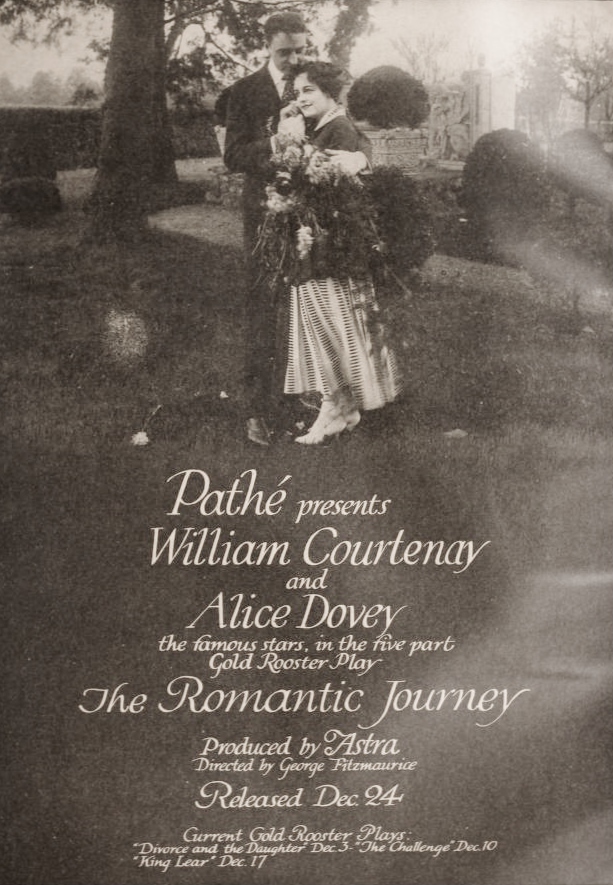
Dir: George Fitzmaurice
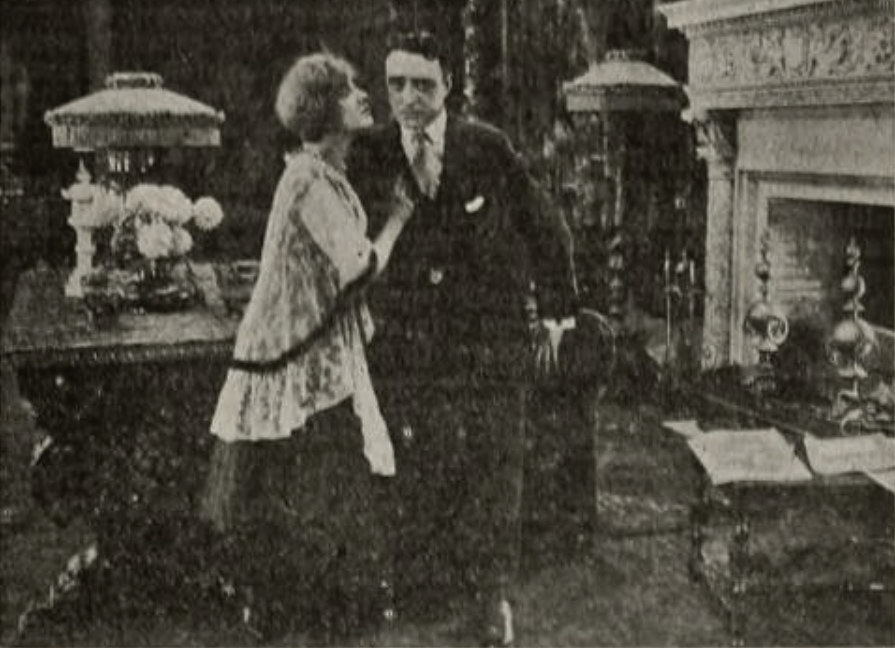
Peter, a social lion, suffering from ennui, visits a mysterious antique shop conducted by Ratoor, an east Indian, who has. through hypnotism, enslaved Cynthia, a beautiful young girl. Peter notices something wrong in the shop keeper's conduct and decides to investigate. Broadhurst, a millionaire, is in love with Cynthia through whom Ratoor plots to get his millions. Peter makes a nocturnal visit to the shop and discovering Cynthia imprisoned, tries unsuccessfully to liberate her. Ratoor, dominating Cynthia, compels her to accept Broadhurst's proposal and a weeding day is set. After the ceremony, she warns him against Ratoor and begs him to leave for his own safety. Broadhurst refuses, and keeping Ratoor, who has discovered their abode, under surveillance, arrives too late to save Broadhurst. And he, himself, narrowly escapes from being thrown into the river by Ratoor's henchman. Cynthia, falling by a ruse, to outwit her former master, is again in his clutches. Peter, still dubious, visits the shop of Ratoor, who, suspecting that he is watched, decides to make an end of Cynthia, who has transferred her husband's property to him. Concealed, Peter sees Ratoor and his gang disappear with Cynthia in the direction of the cemetery. The scoundrels, frightened by uncanny noises, forsake the half-swooning Cynthia who is rescued by Peter following in the darkness.
View Details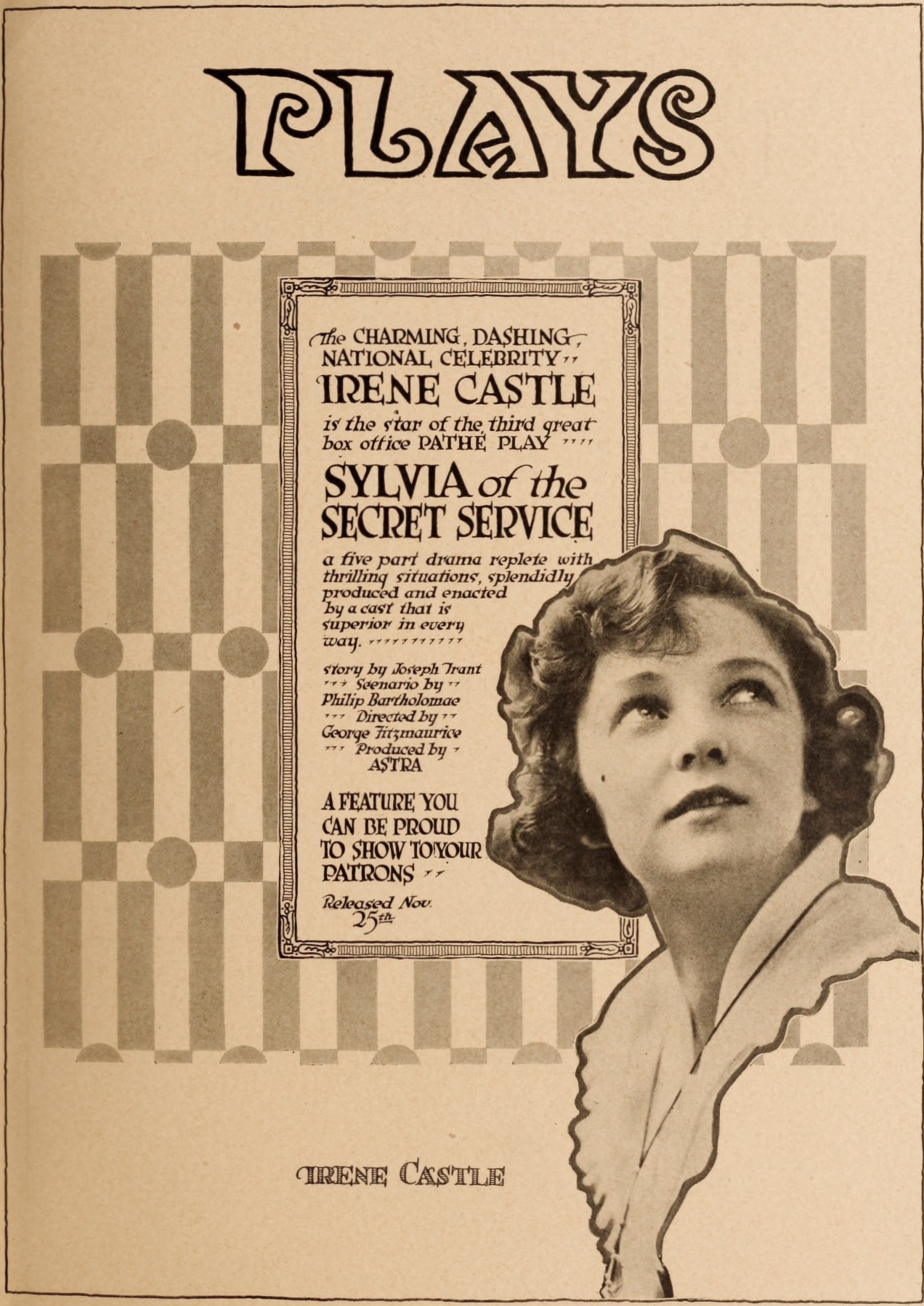
Dir: George Fitzmaurice
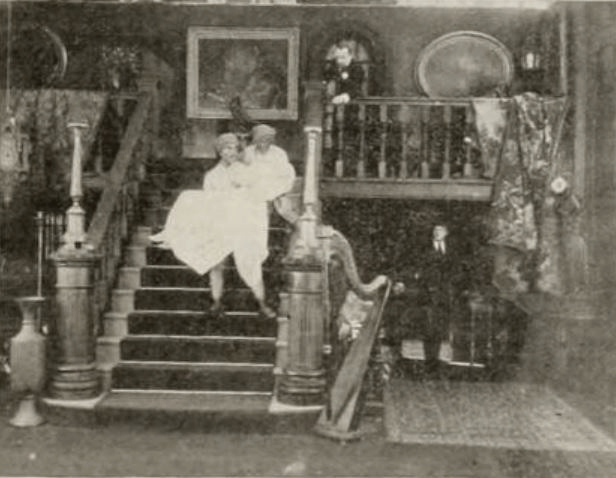
During World War I, a group of German saboteurs plot to blow up an ammunition dump in New York City. A secret agent sets out to stop them.
View Details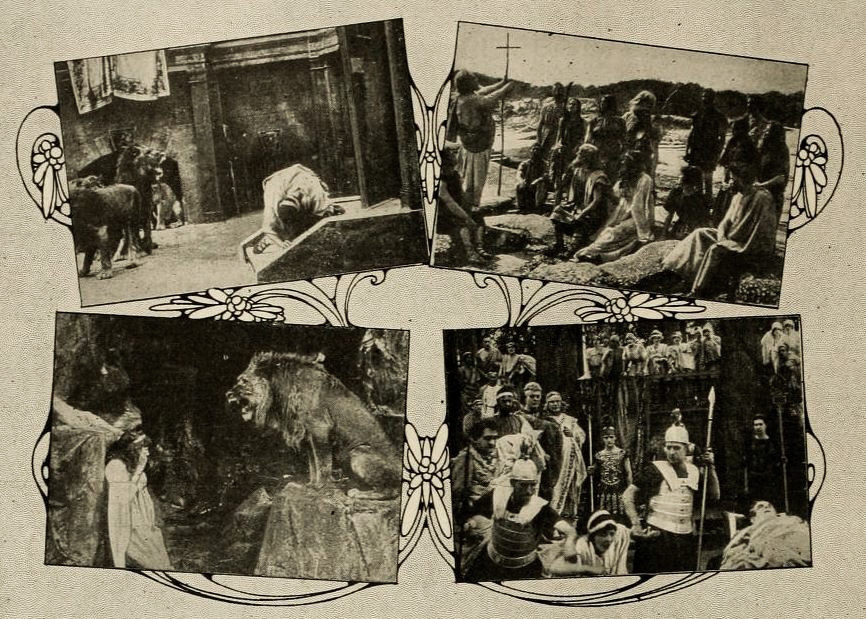
Dir: George Fitzmaurice
In one of the Roman colonies in North Africa lives with her father a beautiful young Christian girl, Nydia. A high priest of Jupiter, one of the principal Roman gods, sees her and desires to have her for one of the vestal virgins. He sends his attendants to seize her but is prevented by the passing of Caius, the son of the Roman governor. Caius is very much impressed by the beauty of Nydia and after leaving her safely at her home rides on to the court. The high priest, angry at being so easily thwarted, takes some of his attendants and goes to the home of Nydia to seize her. They are not successful although in the struggle Nydia's father is killed and their home is burned. Nydia escapes to the desert and hides in a cave. A shepherd passes and one of his sheep is carried off and eaten by a lion. The cave where Nydia hides is the lair of the lion and she is terrified as he comes in and stands by a rock near her and roars at her. The shepherd goes to the city to get help to kill the wild beast and lands at the palace of Caius just as a large company are celebrating the arrival of the young woman whom Caius is to marry. He leaves the feast and goes to help the shepherd. They find the cave, capture the lion and at the same time discover Nydia. Caius takes Nydia to his father's house and declares his intention of keeping her under his care. His father objects, she being a Christian. In spite of protests Caius places Nydia in a home, where he goes to visit her. On one of his visits he is followed by the high priest and his father. The high priest enters the room and accuses Nydia of seducing Caius. In a struggle that follows Caius kills the high priest. His father has Caius carried off by two attendants. He accuses Nydia of the crime. In spite of her protests she is condemned to be thrown to the lions. Caius' betrothed tells him of the event and he rushes to the lions' den to help Nydia. His betrothed, who has been instrumental in stirring up trouble, opens the door of the den to watch with satisfaction the end of her rival. Caius sees the door open and seizing Nydia, makes his escape. They manage to escape to the desert, where Caius adopts Christianity.
View Details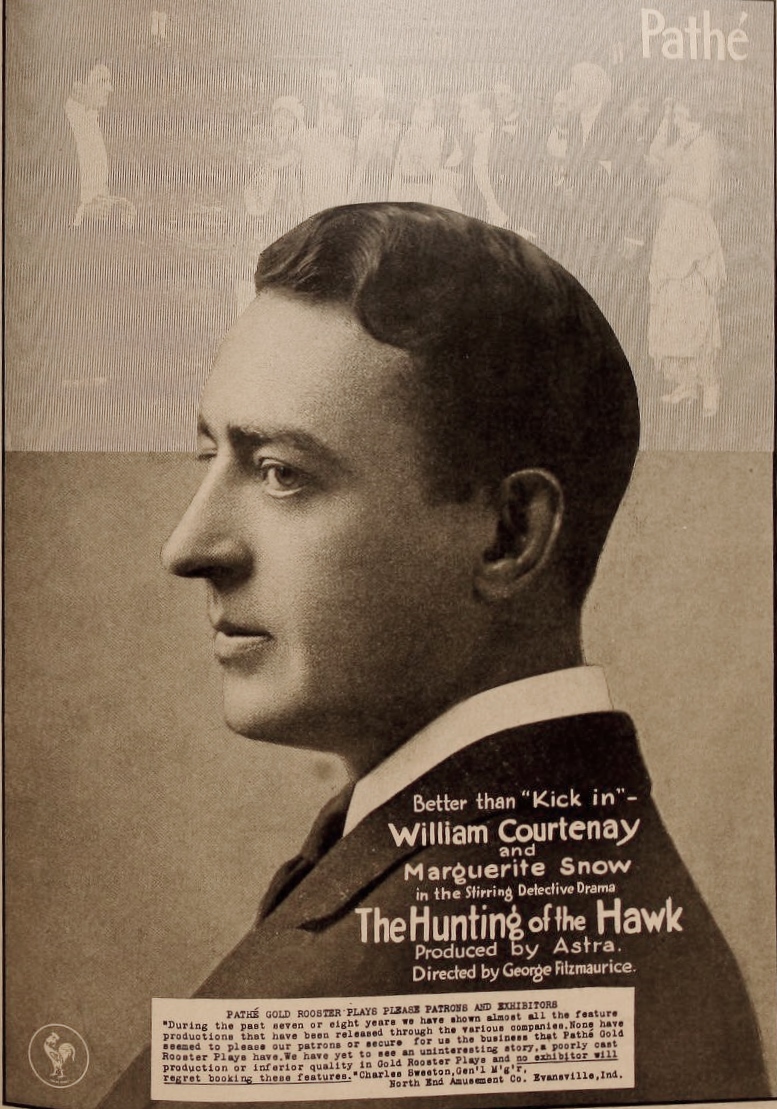
Dir: George Fitzmaurice
Steaming across the Atlantic, loaded with passengers of every description, came one of those mammoth ocean liners headed for New York. On board was supposed to be the Hawk, a notorious international thief. Diana Curran, secretary for a wealthy society woman, received a proposal of marriage from Desselway, an unknown on board. She loved him, but the memory of the past interfered. Diana's father labored unsuccessfully to sell his engravings. His work was not in demand, until one day to him came a stranger who, posing as a member of the Treasury Department, gave him a commission to make duplicate plates of government notes. While her father was working on the plates, Wrenshaw, the supposed treasury man, made love to Diana, and they were married, but on the morning of the marriage the secret service raided the rooms of Pinna's father, and in the ensuing fight her father was killed and she believed that she had killed a man herself. Arriving at the country estate, she found that Wrenshaw, whom she had left the day after her marriage, was employed as secretary to her mistress' husband. Also Desselway was invited for the house party. Then things began to happen around a necklace. Wrenshaw's gang were among the servants. Desselway secured the necklace by force. An escaped counterfeiter, one whom Wrenshaw double crossed years back, in the neighborhood. In the chase Wrenshaw was killed by a shot through the window, Desselway's real character was revealed, and Diana saw the man whom she thought she had killed.
View Details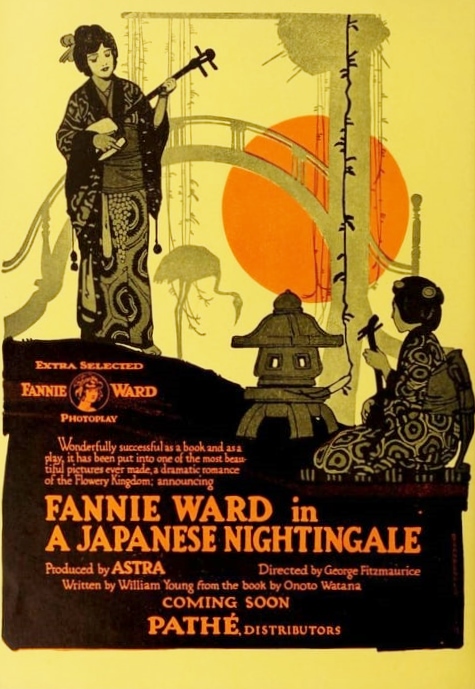
Dir: George Fitzmaurice
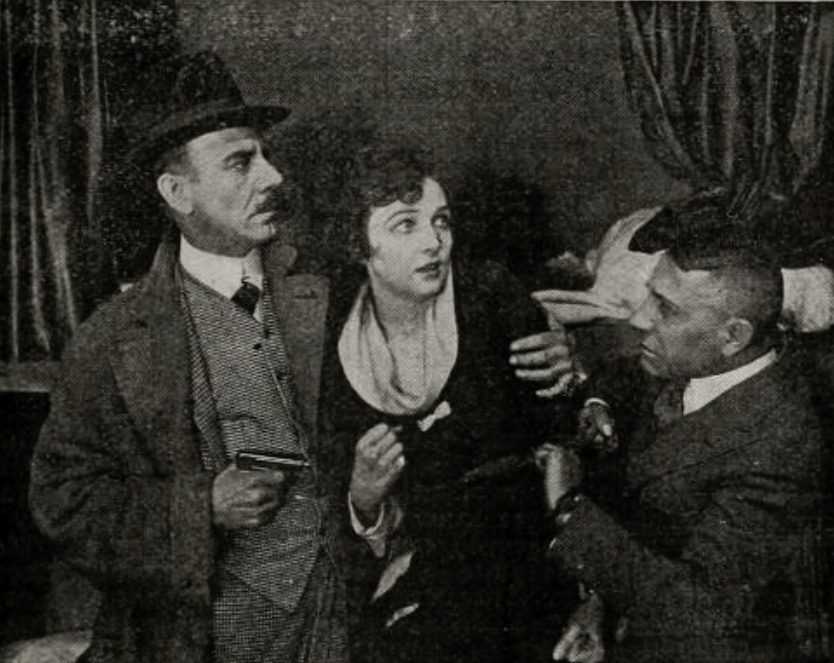
A young Japanese woman named Yuki runs away and becomes a geisha girl in order to escape marriage to the lecherous Baron Nekko. Her brother's American friend, John Bigelow, falls in love with Yuki and marries her, but Ido, the marriage broker, who will lose a large commission if the wedding of Yuki and the baron is canceled, breaks into the American consulate, murders the consul, and steals the marriage certificate. When Yuki's brother arrives home from America, he is informed that she and John are living together unlawfully. To save her husband from her brother's vengeance, Yuki resolves to marry Baron Nekko, but Ido, having been mistreated by the baron, finally admits his guilt and returns the marriage certificate.
View Details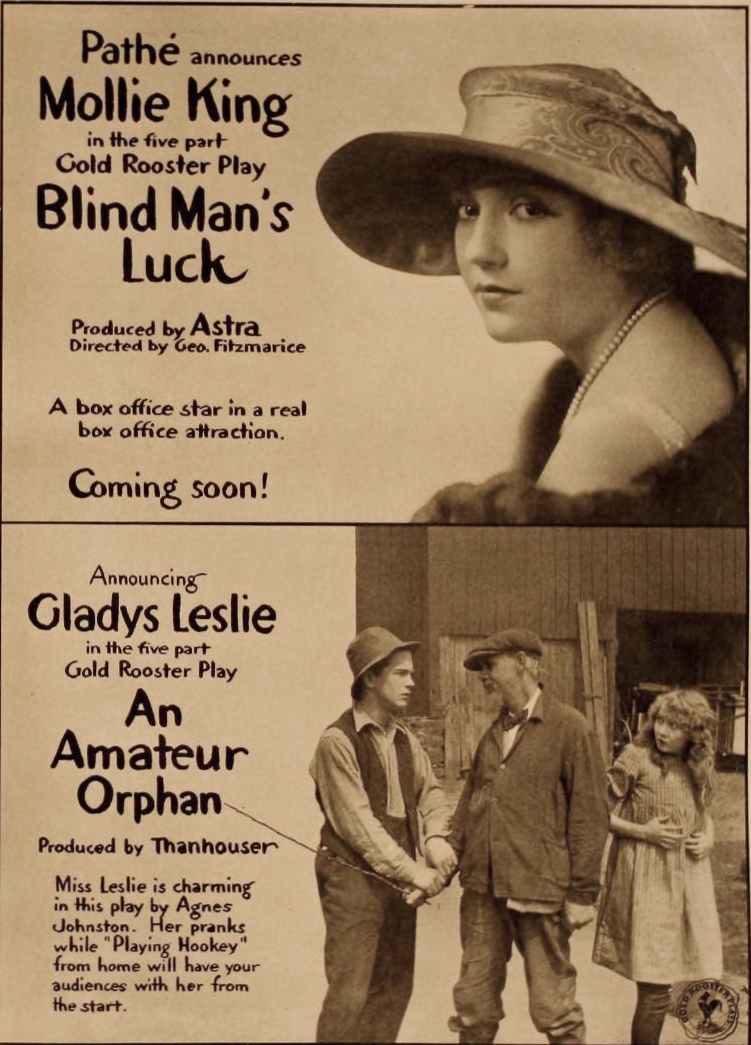
Dir: George Fitzmaurice
Suspected of smuggling, Eileen Caverly boards the Connecticut Limited, followed by a detective who is trailing her. Also on the train is Bob Guerton, banished from his father's household for stealing to pay his wine bills. Bob is accompanied by Helen Raymond, whom he married while in a drunken stupor. Helen, becoming disgusted at his actions, confides in Eileen and when the train is wrecked and Helen killed, Eileen poses as Bob's wife to avoid the detective. Bob, injured, is brought to the hospital accompanied by Eileen. His mother visits him and, learning that they were married by a Justice of the Peace, forces them to be married by a minister. With Eileen's support, Bob becomes successful and they are blessed with a son. A reconciliation with Bob's father is effected and all goes well until Cromwel Crow, Eileen's former guardian and a smuggler, is released from jail. Crow visits Eileen and demands $5000 for his silence. Bob hears his wife struggling, enters her room and in the ensuing fight, Crow is killed. Eileen's secret dies with her adversary, freeing her to continue her life.
View Details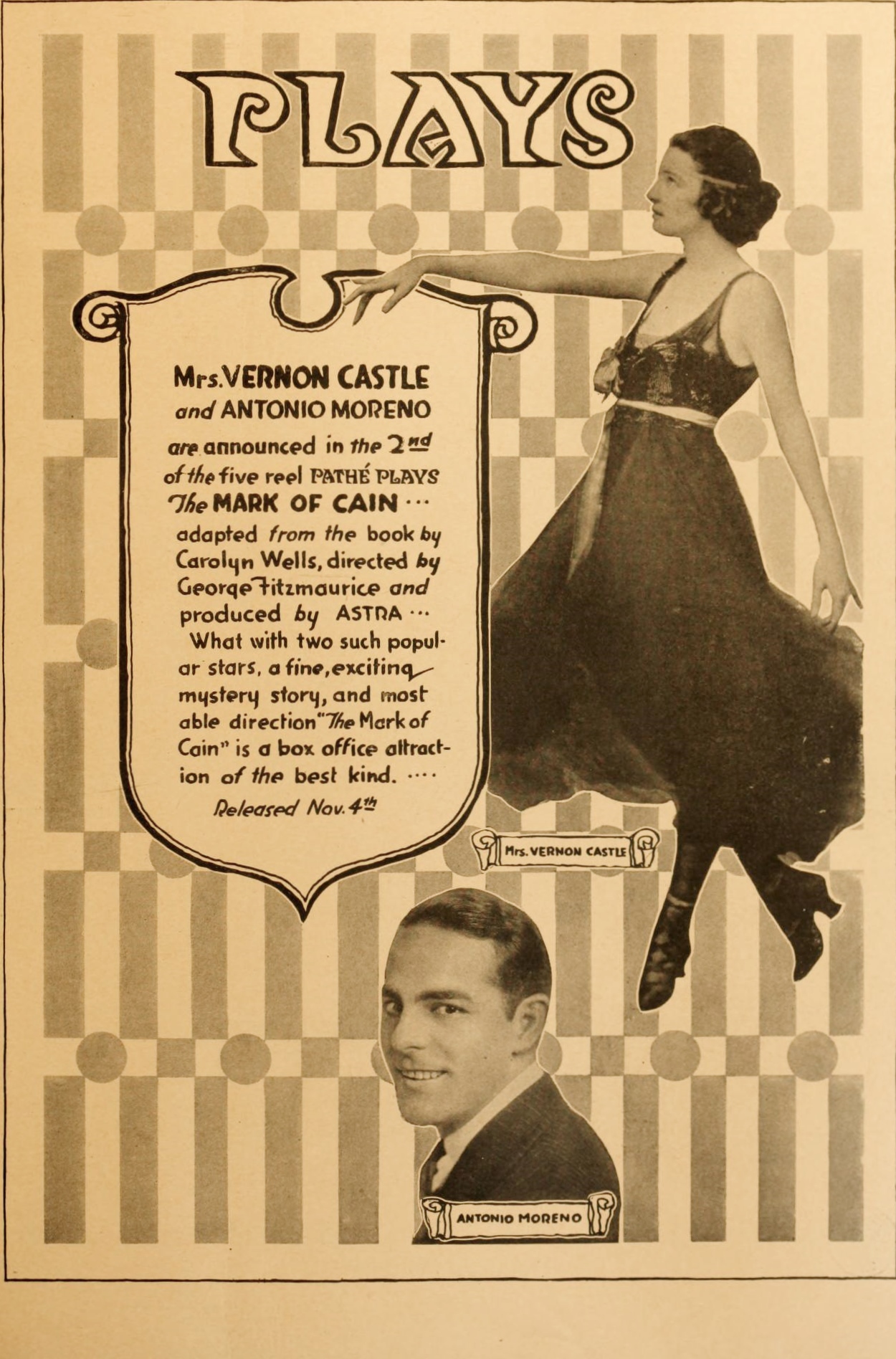
Dir: George Fitzmaurice
After old Trowbridge is mysteriously murdered, his nephew, Kane Langdon, is accused of the crime. Trowbridge's adopted daughter Alice makes every effort to prove Kane's innocence, but to no avail. When Kane escapes from the clutches of the law, Alice works with him to investigate the crime. They soon discover that Judge Hoyt, a great friend of Trowbridge and an ardent admirer of Alice, killed Trowbridge after forging the old man's will to read that Alice would only inherit his fortune if she married the judge. The judge, confronted with the accusation, becomes so unnerved that he confesses to the crime, and all ends happily with Alice in Kane's arms.
View DetailsAnalysis relative to Rose of the Golden West
| Film Title | Atmosphere | Complexity | Similarity |
|---|---|---|---|
| Kick In | Gothic | High | 86% Match |
| Arms and the Woman | Surreal | Dense | 88% Match |
| The Recoil | Ethereal | Abstract | 92% Match |
| The Romantic Journey | Surreal | High | 90% Match |
| Sylvia of the Secret Service | Gothic | High | 93% Match |
This guide was algorithmically generated using the cinematic metadata of George Fitzmaurice's archive. Last updated: 6/26/2026.
Back to Rose of the Golden West Details →