
DbcultAccessing Vault...
Recommendations
Senior Film Conservator
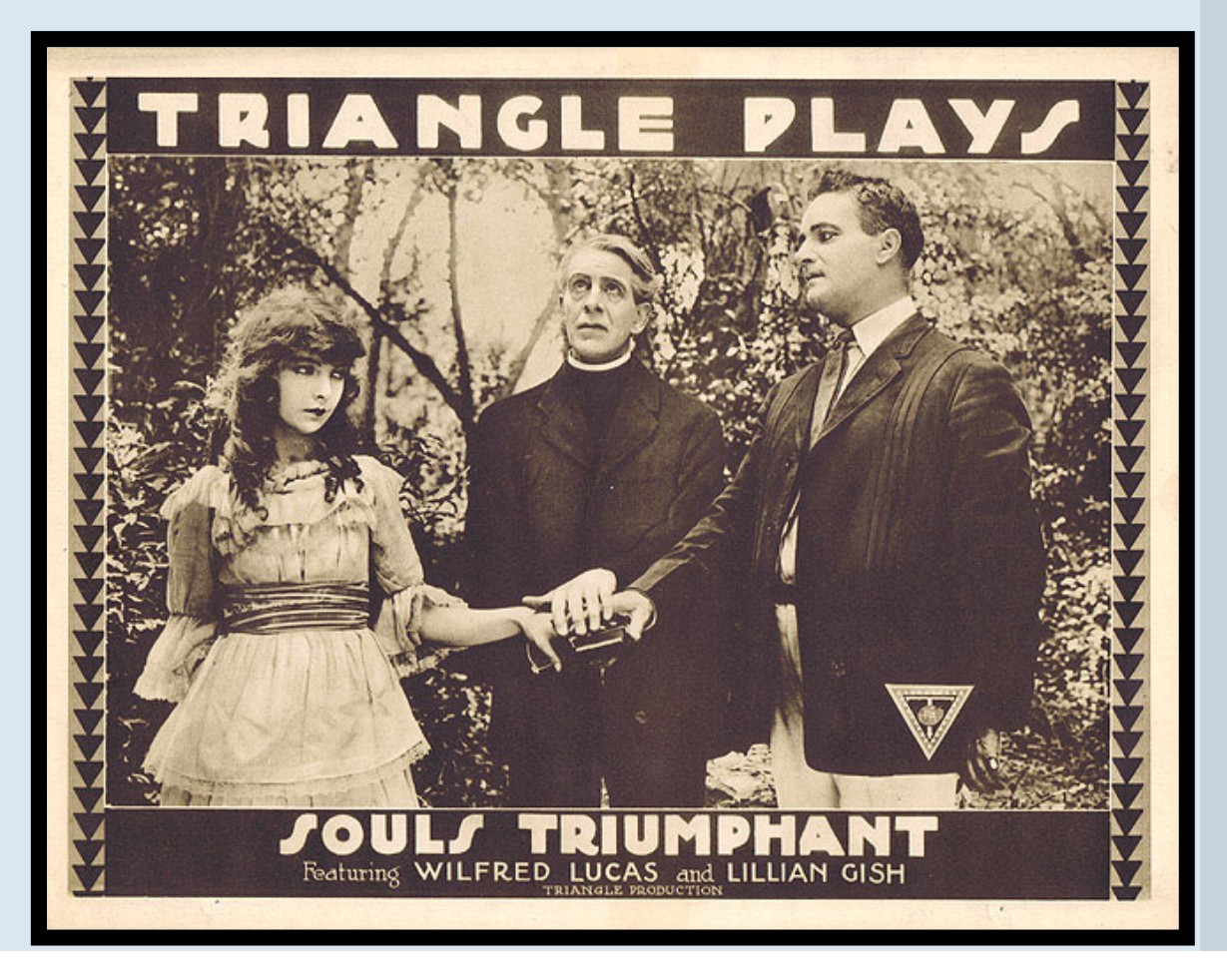
For those who were mesmerized by Souls Triumphant, a true cult masterpiece from 1917, the quest for comparable cinema becomes a journey through the fringes of film history. Our curated selection of recommendations echoes the very essence of Souls Triumphant.
The legacy of Souls Triumphant is built upon its ability to create a hauntingly beautiful cinematic landscape.
Robert Powers devotes himself to a life of dissipation until he meets Lillian Vale, the daughter of the curate of St. Anthony's church. Lillian marries Powers, determined to reform him. Years later, the happiness of their home threatened by the appearance of Hattie Lee, one of Powers' former lovers. While Lillian is at her father's deathbed, Powers is lured away by Hattie Lee one night. That evening, the house catches fire and when he returns, the place is in ashes. Frenzied with the belief that his son has perished in the flames, Powers goes to beg the forgiveness of his wife and discovers that she has saved the child's life. Her all-forgiving nature and the love of their son causes Powers to rise from his past life with a triumphant soul.
Based on the unique cult status of Souls Triumphant, our vault has identified these titles as the most compelling follow-up experiences for fans of cult cinema:
Dir: John B. O'Brien
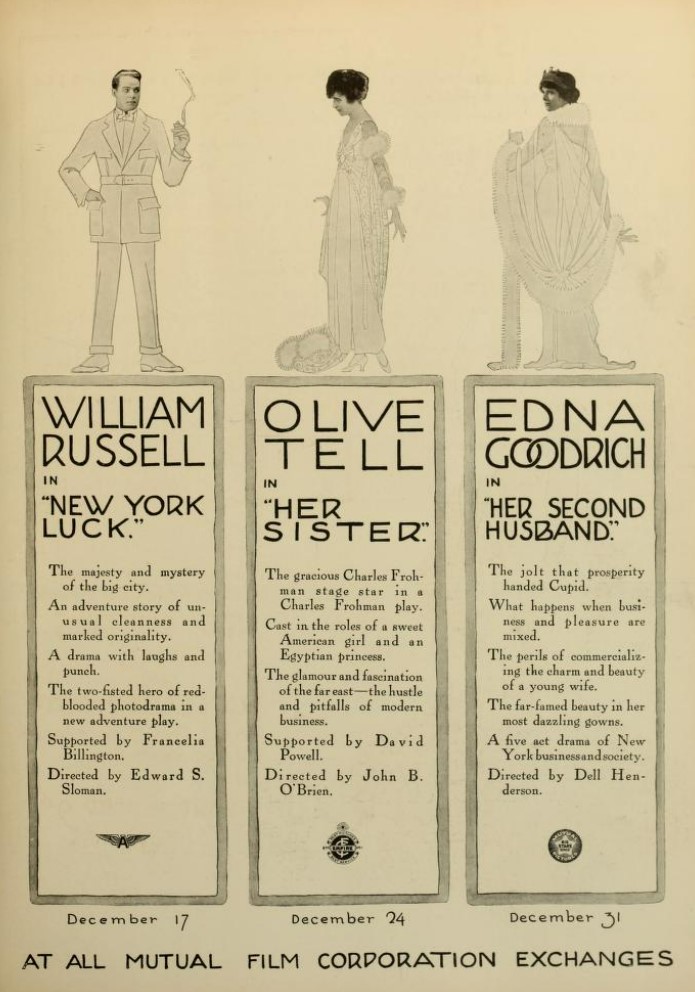
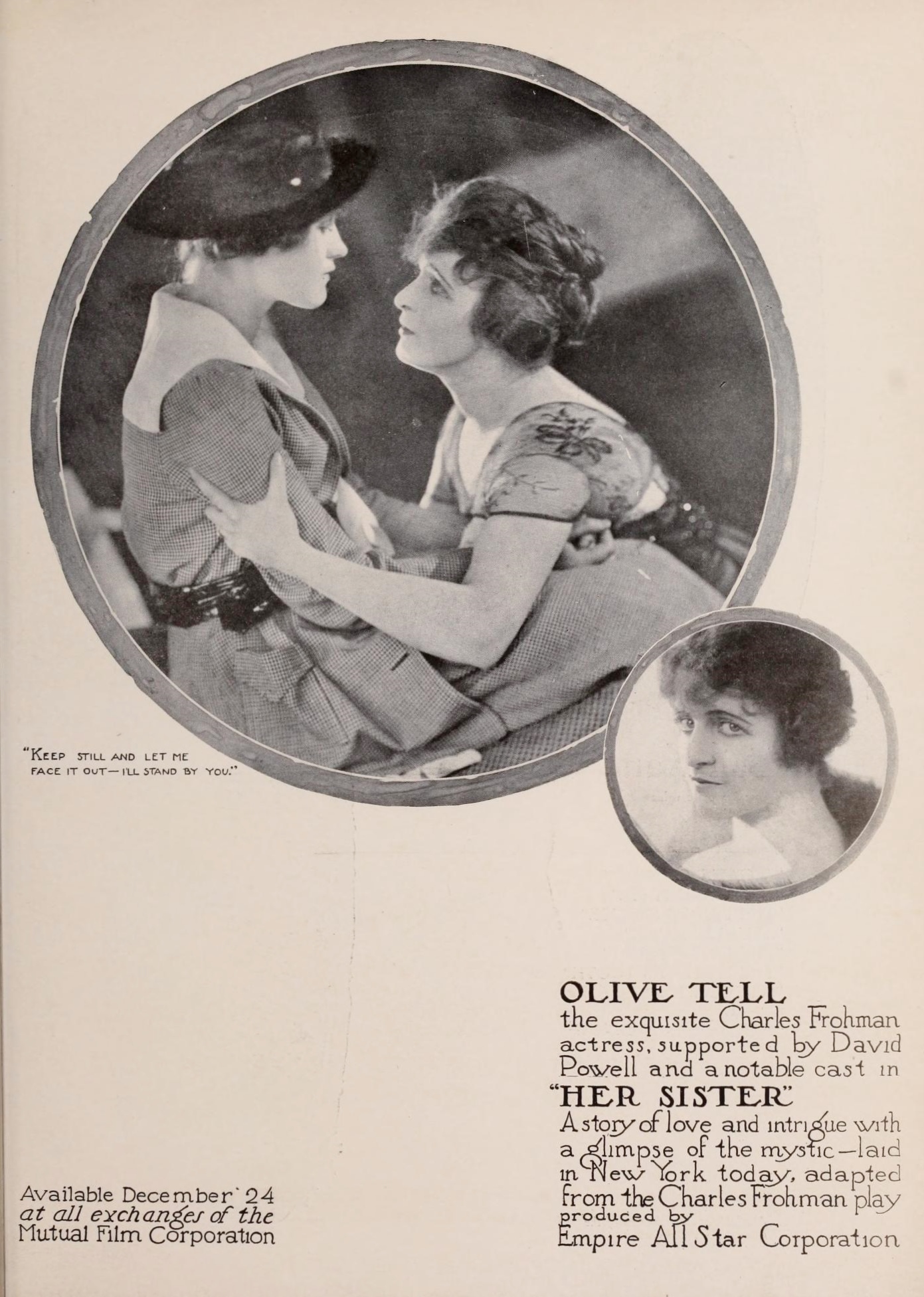
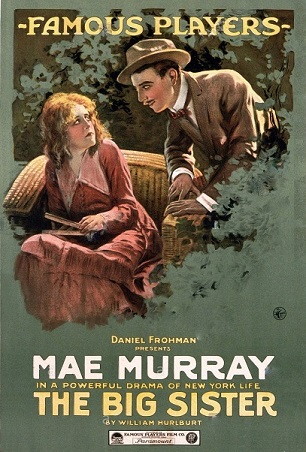
Eleanor Alderson and her young sister Jane lose their positions as models when Eleanor prevents Jane from accepting buyers' invitations. Eleanor accepts help from a retired seeress and becomes known as "Isis the Eastern Mystic," establishing herself and her sister fashionably. One of Jane's joyrides results in her being compromised with Hamilton, a married man whose wife seeks evidence for divorce. Eleanor arrives at the roadhouse in time to save Jane, but Mrs. Hamilton files her suit, naming Jane. Eleanor has met and loves Ernest Bickley the harum-scarum scion of a wealthy family. To avoid scandal, Jane accepts the hospitality of friends in a nearby city. Adventuress Mrs. Herriard sets her cap for Ernest and, learning of his love for Eleanor, attempts to break up the match while a guest at a party at the Bickley home, where Eleanor is also visiting. In her exile, Jane falls in love with George Saunders, a chum of Ernest's, but she is panic-stricken when he attends the party, fearing that he will learn the truth. A news story of the divorce trial, accompanied by a photograph of Eleanor, causes her to be regarded as the co-respondent, and to protect Jane, she finally acknowledges that she is the woman in the case Ernest refuses to believe Eleanor's self-accusation. He learns that she has a sister, and by a clever scheme, leads her to believe that Jane is at the door, Eleanor falling into the trap and disclosing the secret. Her loyalty to her sister wins the entire Bickley family and Jane's name is cleared of the stain when it is learned she was innocently led into the affair.
View Details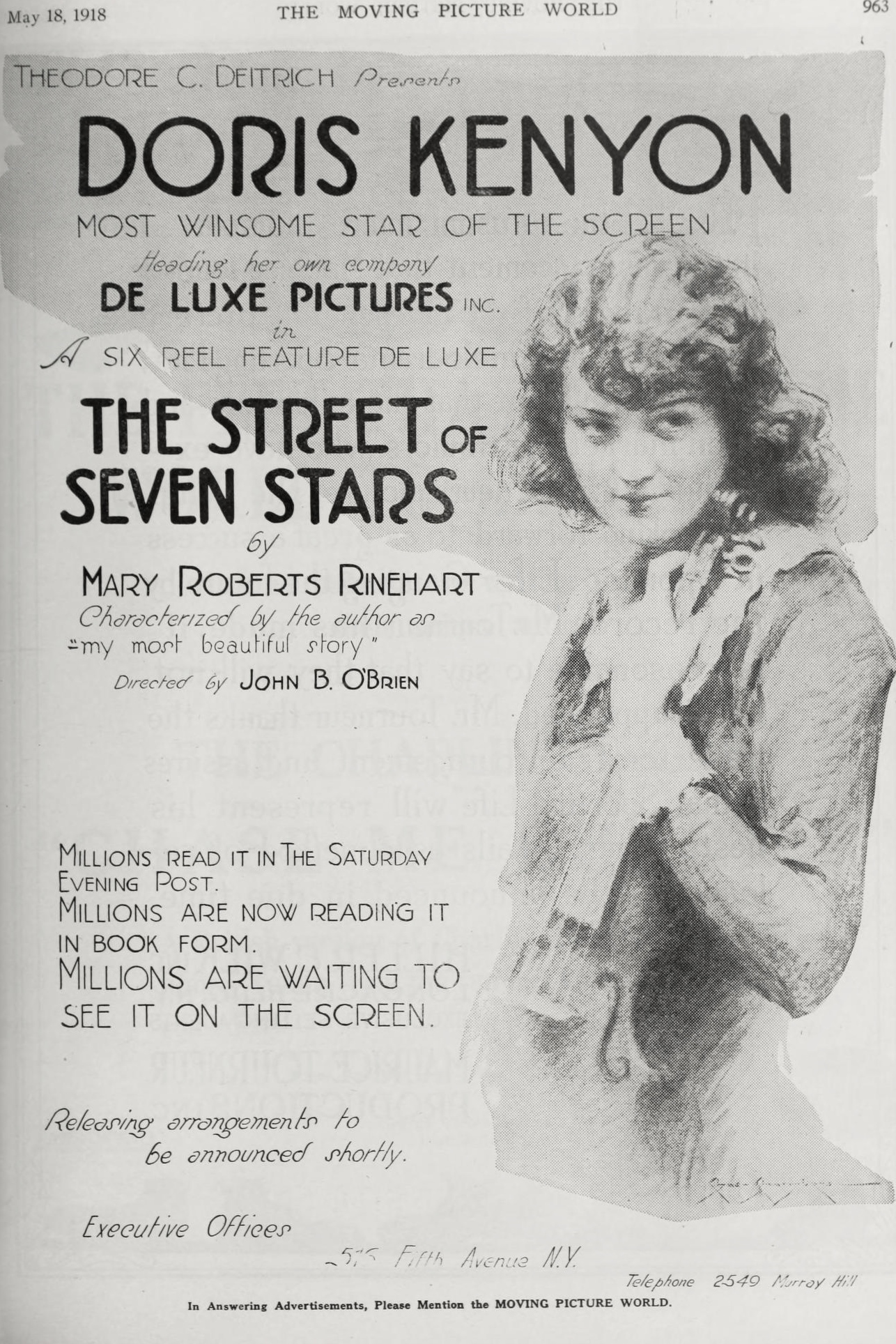
Dir: John B. O'Brien
Harmony Wells, a gifted violinist, moves to Paris to complete her musical education. Her money soon disappears, and she is forced to live in an inexpensive pension house, where she meets Dr. Peter Byrne, a promising American surgeon who has come to Paris to study. The doctor falls in love with Harmony and proposes, but although she returns his love, she refuses him, determined to pursue her career. One of Peter's patients, a crippled child named Jimmy, who is dangerously ill, asks Harmony to brighten his hours by playing for him. Realizing that the boy is about to die, Harmony seeks out his mother, a dancer who deserted him for the vaudeville stage, but the woman arrives at her son's bedside too late. Shortly before Harmony's debut, she visits Jimmy's grave, where she meets the grief-stricken mother, who advises her to "play for your own children as you played for my little boy." Rushing back to Peter, Harmony accepts his proposal of marriage.
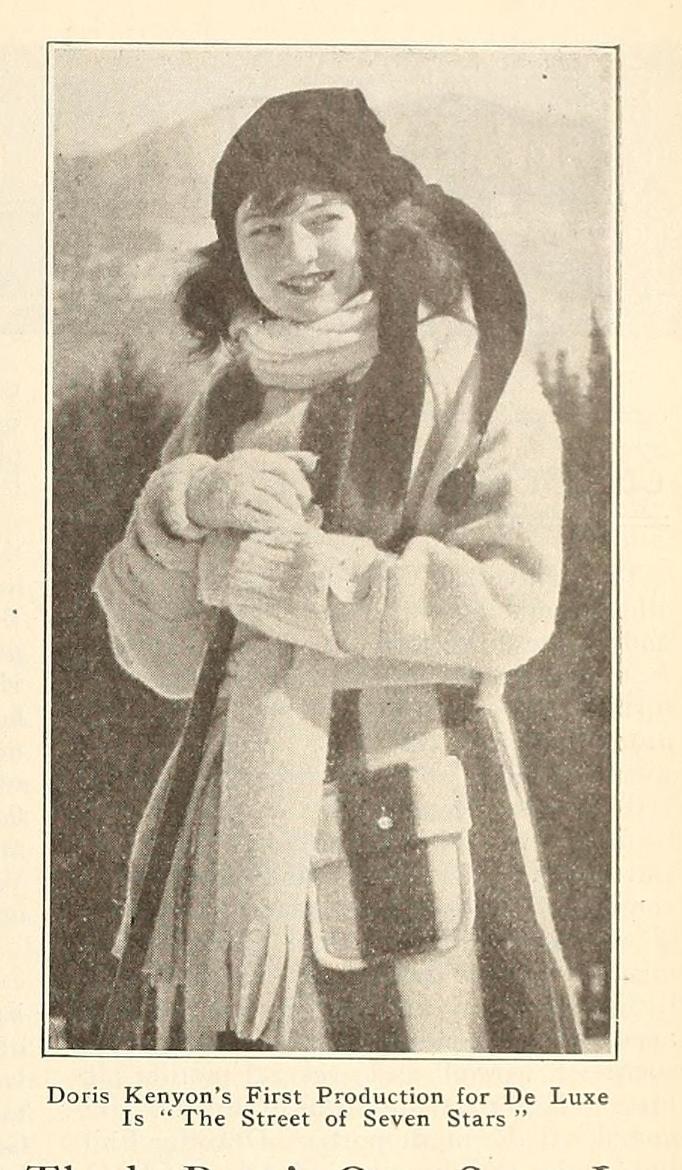

Dir: John B. O'Brien
Robert Armstrong, falsely accused of a murder committed thirty years ago in a western gambling hall, faces the alternative of imprisonment or paying blackmail. A letter from Tom Mason, formerly a miner, prepares him for a visit, at which time he must make his choice. Armstrong confides in his son, Dick, assuring him that the murder was committed by Mason, who used trickery to make it seem that he (Armstrong) was the culprit. Dick broods over the injustice to his father, and Armstrong cannot conceal his nervousness. The visitor comes and makes his demands. Armstrong grapples with him as the lights are turned off. Suddenly there is a shot, and when the lights are turned on again Mason is lying dead on the floor. Fearing the servants will enter, Dick drags the body through a window to the grounds outside, takes Mason's pistol out of his pocket, fires a shot into the body and places the weapon in the dead man's hand. Dick returns to the house and a policeman hurries to the scene. Dick thinks he has covered up his tracks, but Burke, chief of detectives finds the other bullet in the body and has no difficulty in connecting the murder with the Armstrong family. He does not succeed in getting a confession from either father or son, and decides to resort to strategy. Phyllis Lord is a model in Martel's establishment for women's apparel. The discrepancy between the gowns she wears to display to customers and her own modest raiment eats into the girl's consciousness. Then, too, she is befriending Bessie Allen, a young wife who has been deserted by her husband, and finds herself unable to help Bessie as she would like. A wealthy woman who is buying gowns boasts of having won five hundred dollars at Crandell's, a fashionable gambling resort, on a five dollar wager. Phyllis obtains a card of admission to Crandell's, without permission borrows one of Martel's gowns, and visits the gambling house. She loses the money she has brought and fifty dollars more which Crandell loans her. Burke, who has been watching the girl, has Phyllis dismissed from Martel's, making it appear that she has stolen money, and she is placed in such a position that she is obliged to accept Burke's offer to help him with a case. She consents to get a confession from Dick Armstrong. She is installed in a handsome apartment and given beautiful clothes. Bessie Allen, who is ill, is taken to a hospital. Burke puts a dictaphone into Phyllis's apartment. The pre-arranged courtship progresses favorably. Dick finds the trick Phyllis has played and denounces her. Phyllis is heartbroken, and anxious to atone for what she has done. She goes to Dick's father, and Armstrong, greatly agitated, writes a confession saying that he alone shot Mason. At police headquarters Dick is put through the third degree, and finally he gasps, "I did it." Phyllis, in the next room, hears him, and rushes in with Armstrong's confession. Burke's lieutenant makes out a warrant for his arrest. Phyllis goes home, exhausted, when a messenger brings a letter from Bessie, written just before her death. The letter encloses her marriage certificate, and photograph of the husband who deserted her. Phyllis rushes to the minister who performed the ceremony, and takes him to Burke's office. It is Burke who is Bessie's husband, and as he has illegally married another woman, Phyllis threatens him with arrest on a charge of bigamy. She offers to exchange her documents for Armstrong's confession, and Burke accepts. Then Phyllis falls sobbing into a chair, holding out her hands in supplication to Dick.
View Details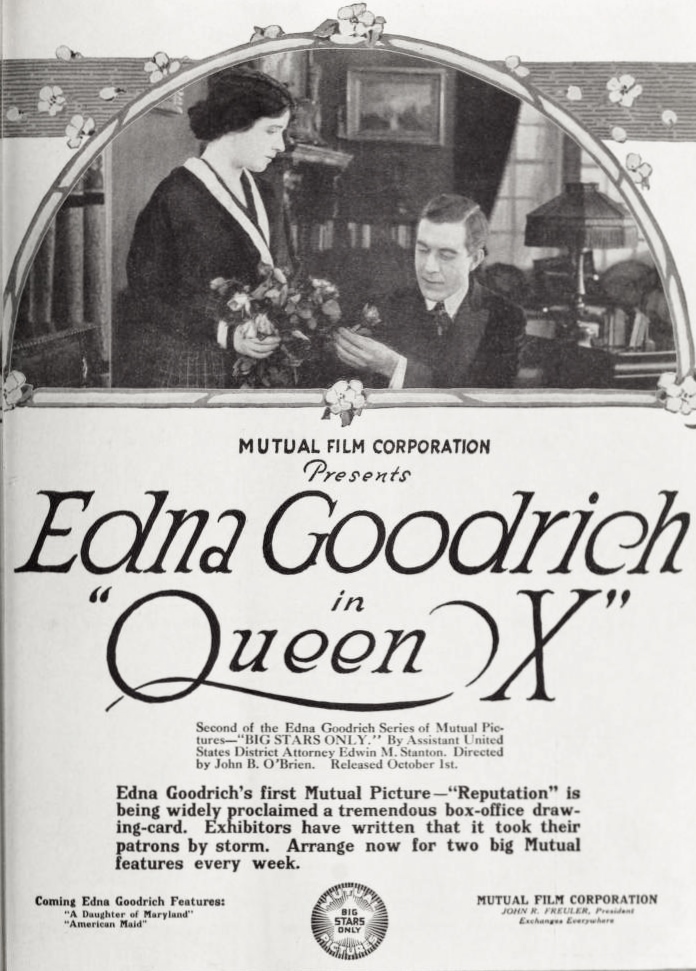
Dir: John B. O'Brien
In New York's notorious Pell Street district, U.S. District Attorney Arnold Somers' men capture Queen X, known to drug smugglers as "The Queen of Chinatown," a woman with a cross-shaped birthmark on her wrist. Summers recognizes her as Janice Waltham, formerly a prominent society woman. After becoming an addict and dealer, Janice was imprisoned in underground dens filled with opium fumes to prevent her from recovering and betraying her suppliers. She refuses to name her associates despite third degree questioning. As Janice is about to be sentenced to a long prison term, Miriam Evans, whose brother George is the assistant district attorney, recognizes Janice as the former schoolmate who rescued her in a convent fire. Somers allows Miriam to take Janice home and advises George to court her to get the names of the gang leaders. With George's help, Janice develops enough will power to kick her drug habit, while George, according to their pact, stops smoking cigarettes and drinking coffee. After George secures the names, Janice, threatened by a Chinese cohort, learns about George's deal, but George, now in love, confesses this and they marry.
Dir: John B. O'Brien
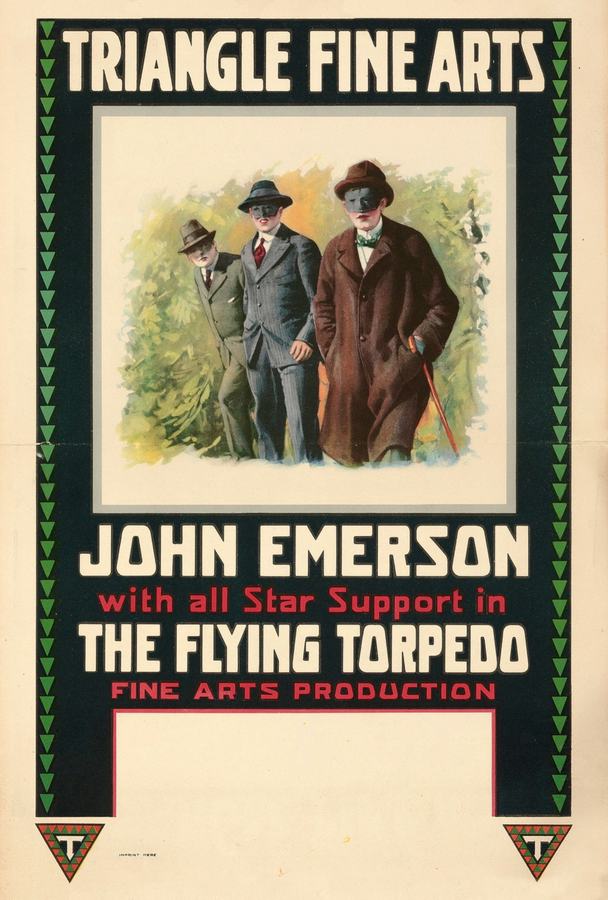
In the future (1921), an alliance of several foreign countries plot to attack the US. American officials, coming to the realization that the country is basically defenseless, offer $1,000,000 to anyone who can come up with a weapon to defeat the invaders. Winthrop Clavering, a writer and inventor, hears of the reward and tells his friend Bartholomew Thompson, a scientist and inventor who has been working on developing flying torpedo. However, enemy agents have also heard about Thompson's project, and set out to kill him and steal his plans.
View Details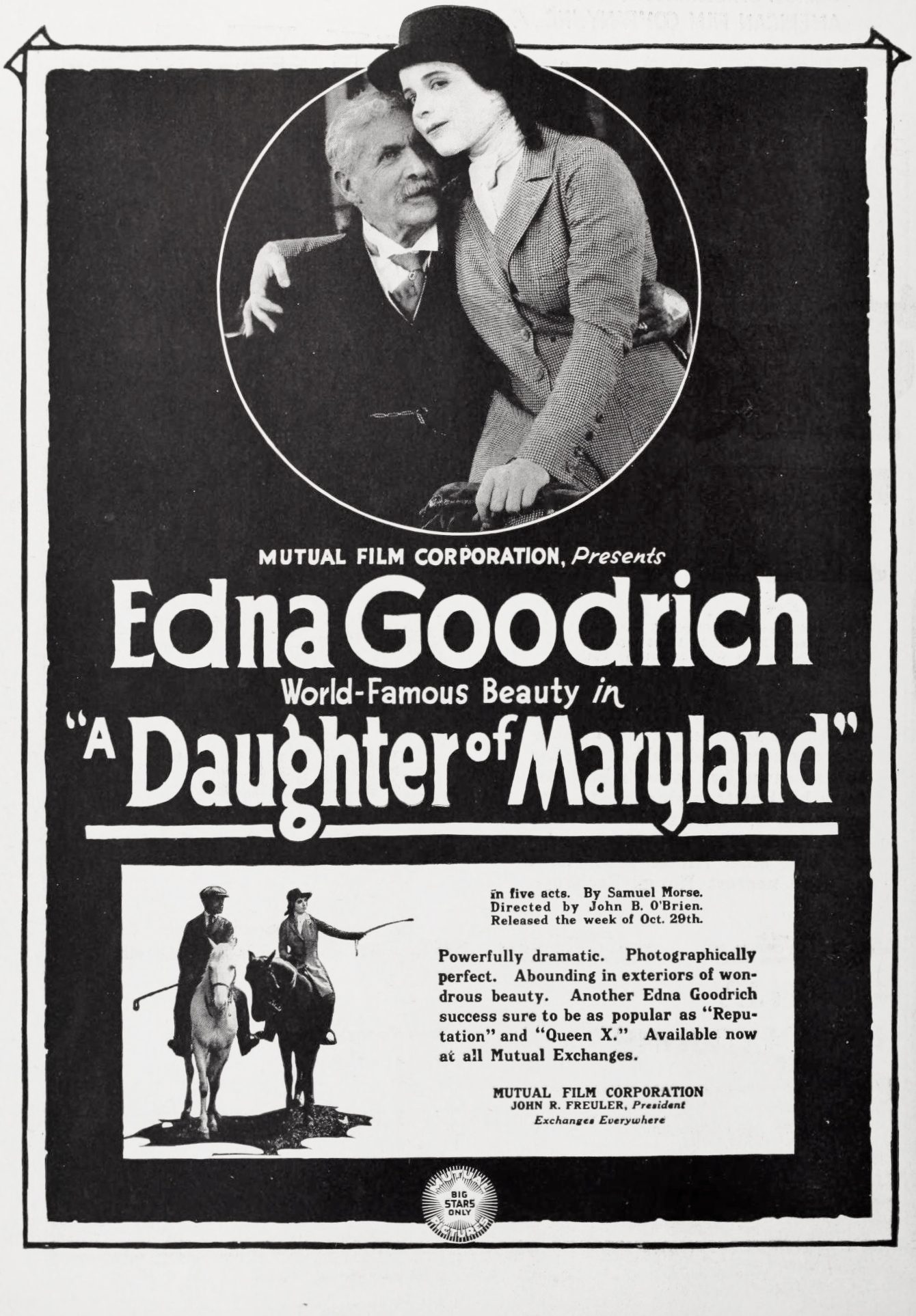
Dir: John B. O'Brien
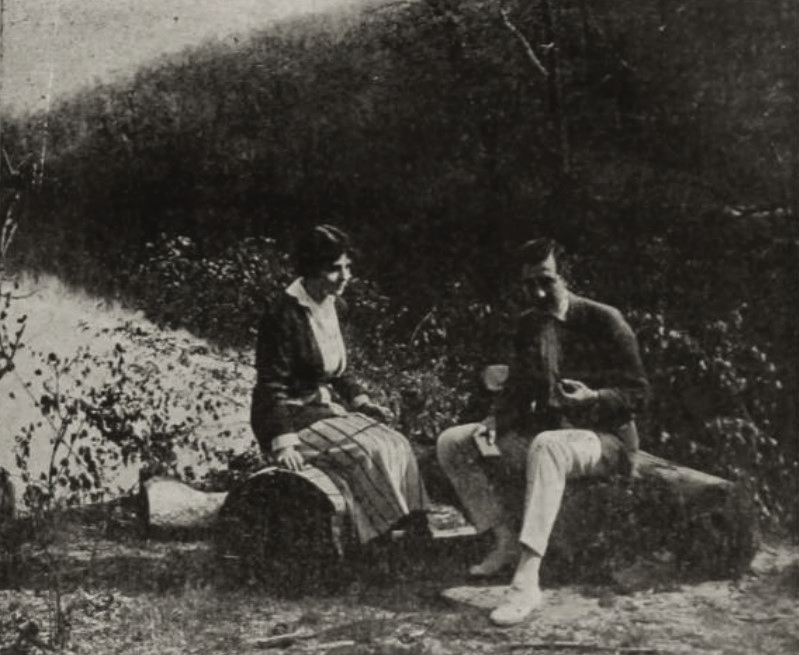
Beth Treadway, a high-spirited young Southern woman, lives with her father, Major Treadway, and her Aunt Sarah on the Treadway estate, Headland Hall, in Maryland. Beth is being courted by Rippley, a Southerner with questionable morals, when John Standish comes from New York to landscape the grounds of Headland Hall. Standish arouses Beth's antagonism until he rescues Haskell, a hermit living on Treadway land, from a fire. Beth dresses Standish's wounds and eventually comes to admire him. Meanwhile, she learns that Rippley has compromised Dorothy Pennell, the overseer's daughter, and tricks him into marrying Dorothy. Their marriage is short-lived, however, when Rippley is caught by the Major while robbing his safe and kills the old man. At first, Haskell is charged with the murder, but when a piece of Rippley's pajamas is discovered in the Major's hand, he is accused of the crime. Rippley resists arrest and in the ensuing melee is killed by Standish.
Dir: John B. O'Brien
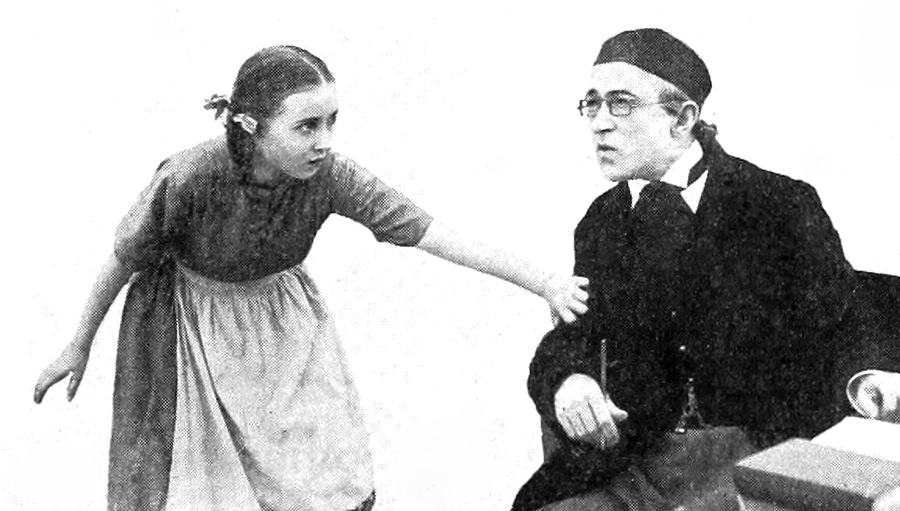
A daughter of the slums has a little brother and makes a brave attempt to earn enough for both herself and Jimmy after her father is sent to jail on a fake charge trumped-up by "Nifty" Mendez, who is very anxious to get her in his toils. Betty escapes from the city and Nifty. On the road Jimmy is struck by Rodney Channing's motor. The injury is not serious but Jimmy must remain in Channing's home for some time. During the visit, love grows up between Channing and Betty, who is now of course very happy. But a newspaper announcement and the author send Nifty again into her life and simultaneously with his entrance comes the exit of happiness. Betty fears to tell her fiance that her father is in jail, so she gives Nifty the pearl necklace lately presented to her and leaves the wonderful home. "As the days pass" however, Channing's cousin finds it necessary to visit a modiste's shop in search of a wedding gown and Channing accompanies the bride-to-be. There he finds Betty, for she is the model who displays the gown.
View Details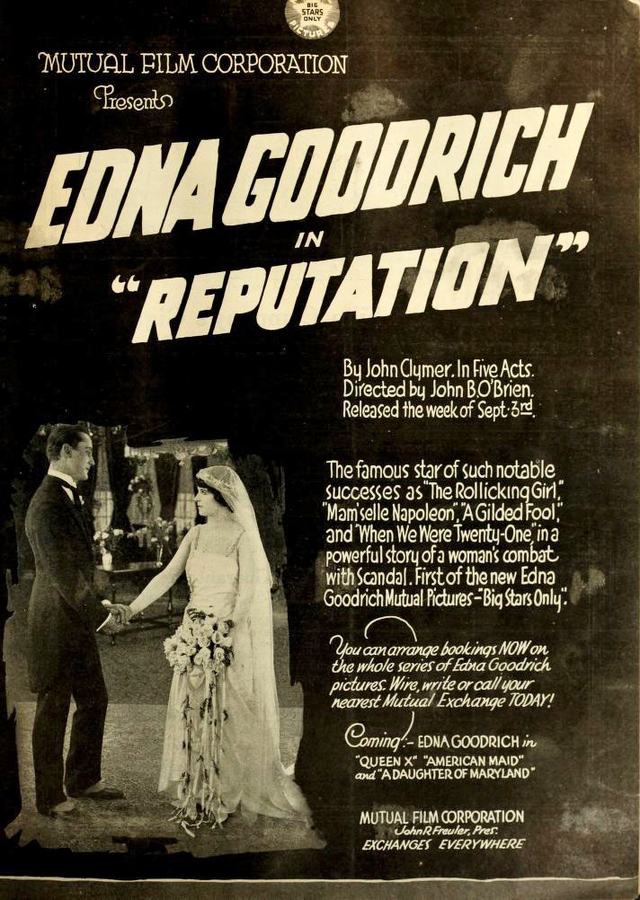
Dir: John B. O'Brien
Raised in a small town by a maiden aunt, Constance Bennett leaves her home and sweetheart John Clavering, the local grande dame's son, to go to New York, where she models at a suit and cloak house. Her employer, Edmund Berste, attempts to force his attentions on her, which provokes Berste's wife to become wildly jealous. Constance returns home and establishes her own store, but Berste follows. After Mrs. Berste arrives and denounces Constance before a crowd of customers, Constance is turned out of church and ostracized by her community. Back in New York, Constance lures Berste to her apartment where she has arranged for Mrs. Berste to overhear his avowal of love. In retaliation, Berste hires a woman detective to lure Constance to his hotel room. Clavering, who has been in Mexico, returns and after searching for Constance, bursts into Berste's room as he and Constance struggle. A pistol shot kills Berste and Constance is arrested, but after a jury acquits her, she marries Clavering and returns home.
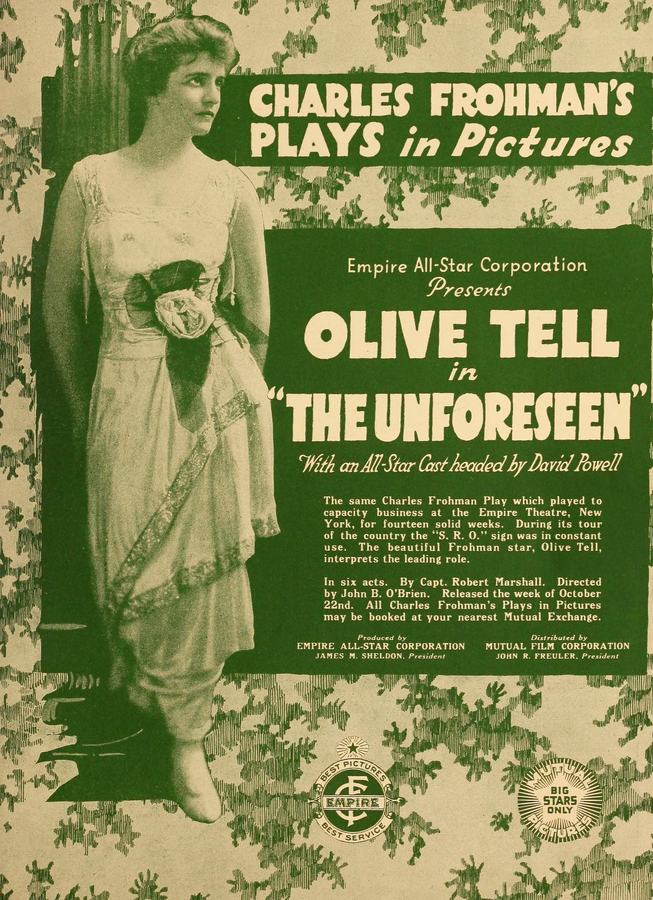
Dir: John B. O'Brien
On the eve of her elopement with Henry Traquair, Margaret Fielding is accidentally discovered in Traquair's apartments by his friends, Captain Richard Haynes and Walter Maxwell. Because the conditions, though innocent, appear compromising, Traquair introduces Margaret as his wife. An hour before the time set for the wedding, Traquair receives a telegram announcing the failure of his bank and his financial ruin. He declines to proceed with the marriage and Margaret returns home; despondent over his financial losses, Traquair ends his life. During the next three years, Maxwell loses his sight, meets Margaret, and marries her, unaware that she was Traquair's "wife." They are very happy until Haynes visits and remembers Margaret from Traquair's apartment. She denies being involved in the incident, but when Maxwell's sight is restored he also recognizes Margaret. He packs his things and is about to leave when Haynes rushes in with a letter written by Traquair just before he died, which has followed Haynes half around the world and now establishes Margaret's innocence.
View Details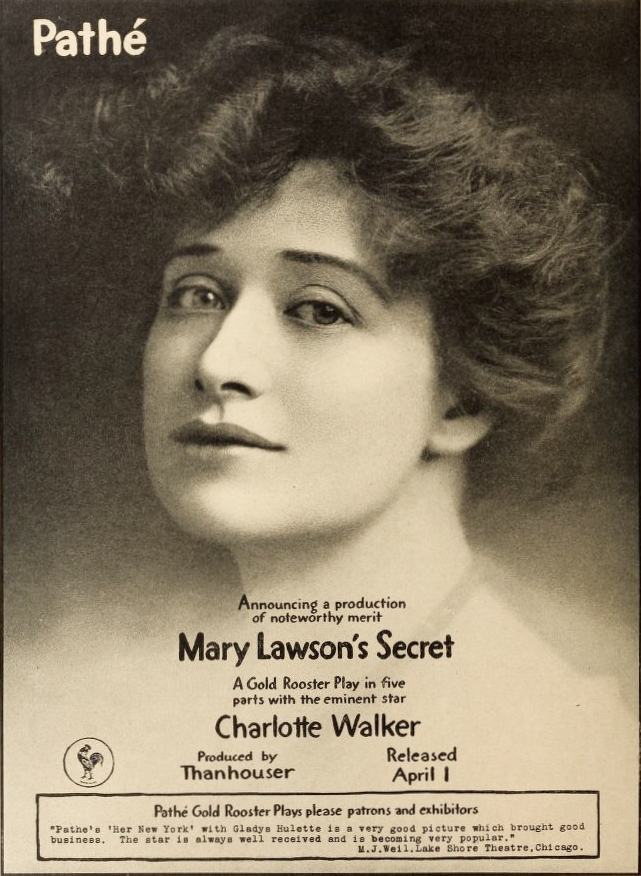
Dir: John B. O'Brien
Mary Lawson was on trial for the killing of Dr. Brundage. He had come to the little village and with his up-to-date methods had made great inroads into the practice of Dr. Kirk. Mary's mother, a confirmed invalid, was one of those who had turned to the new doctor. Mary in repulsing the advances of Dr. Brundage, had said, "You have destroyed my faith in mankind. I feel as though I could kill you." Mary's mother took a turn for the worse, so she went to summon Dr. Brundage, but on arrival at his office found him dead in a chair. Other arrivals found Mary alone with a knife in her hand and this coupled with her previous statement, which had been overheard, was the means of her conviction. Through the help of a cripple she managed to escape. Securing work in a faraway city she soon became the wife of a fellow workman, John Harlow, who turned out to be a wealthy clubman, working only on a wager. Her happiness was complete till the day when she ran across Dr. Kirk, now penniless and ragged. He forced her to take him in as her "uncle." One day, led to the vicinity by her picture, detectives came to the house. Mary, on seeing them, told her whole story to her husband. He, instead of turning her over, assisted her to escape in a sailboat. A storm arose and the boat was driven on the rocks. In the morning Mary came to, to find herself on the rocks but her husband was nowhere in sight. Overhearing voices speak of the other body, she made her way to the house for one last look at her husband. While there the detective approached only to tell her of the confession of Dr. Kirk.
View DetailsAnalysis relative to Souls Triumphant
| Film Title | Atmosphere | Complexity | Similarity |
|---|---|---|---|
| Her Sister | Gritty | Dense | 86% Match |
| The Street of Seven Stars | Ethereal | Layered | 91% Match |
| Vanity | Gritty | Dense | 95% Match |
| Queen X | Tense | Layered | 87% Match |
| The Flying Torpedo | Surreal | Layered | 93% Match |
This guide was algorithmically generated using the cinematic metadata of John B. O'Brien's archive. Last updated: 6/24/2026.
Back to Souls Triumphant Details →