
DbcultAccessing Vault...
Recommendations
Senior Film Conservator
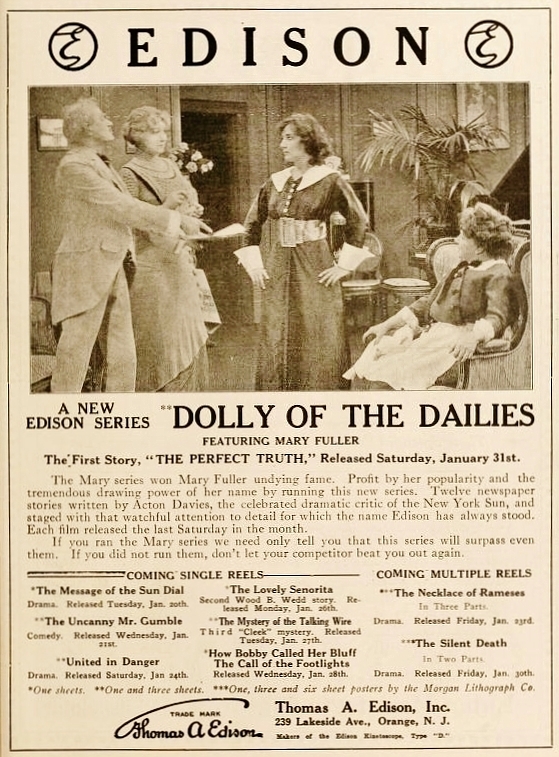
Navigating the complex narrative architecture of The Active Life of Dolly of the Dailies is a cinematic excellence experience, the legacy of The Active Life of Dolly of the Dailies is a beacon for those seeking the unconventional. Unlock a new level of cinematic understanding with these cult alternatives.
The artistic audacity of The Active Life of Dolly of the Dailies ensures it to sustain a sense of mystery that persists after the credits roll.
Episode 1: "The Perfect Truth" The day after Dolly Desmond had startled the community with the excellence of her graduation oration, Bobby North, a reporter on the local paper, suggested that it would be a good idea for her to write stories and things for his paper. Dolly was delighted with the idea, and started at once to put it into effect. She decided to write a story, which, although ostensibly fictional, should actually give a truthful picture of life about her as she saw it. After a week of hard work, which involved much burning of midnight oil and much weariness for the fair young authoress, the masterpiece was finished. The editor was delighted with it. It was published under the title, "The Perfect Truth: A Story of Real Life" and, at Dolly's request, the name of the author was omitted. On the afternoon of the publication of the story, the Ladies' Home Sewing Guild was engaged in its customary routine of languid needlework and somnolent gossip. One of the members began to read "The Perfect Truth," but stopped with a gasp of surprise, and called the attention of the other members to the article. In graphic, pitiless bits of description, the essential characteristics of each of the members of the Ladies' Guild were set forth so plainly, that there was no possibility of mistaking their several identities. Dolly had used the pen of a satirist with telling effect. The meeting of the Ladies' Guild ended in a furor of confusion. Mrs. Broome, the hostess of the afternoon, who had been particularly scored by the anonymous author, rushed to the newspaper office and demanded the name of her defamer. The editor refused to give her the desired information, but a note from Dolly on Bobby's desk made all things clear to Mrs. Broome. With the spreading of the news, the storm center shifted to Dolly's home. While indignant citizens waited on Mr. Desmond, and threatened to withdraw their accounts from his bank, the infuriated wives filled Mrs. Desmond's ears with their complaints. Dolly's father commanded her to stop the story and make a public apology, but Dolly, for the first time in her life, refused to comply with her parents' wishes. With the fifty dollars her story had brought in, she left for the city to earn her own living. We shall discover later what happened to her there. Episode 2: "The Ghost of Mother Eve" The first thing Dolly did after her arrival in New York was to try to find herself a job. The fifty dollars she had been paid for her story was practically all she had, and Dolly was wise enough to know that such an amount would not carry her very far in the city. At the very time that Dolly went to apply for a position on "The Comet," Mrs. Yorke, a wealthy society woman, was also on the list of applicants. But whereas Dolly merely wanted a position in order that she might feed and clothe herself, Mrs. Yorke desired a sinecure of a post wherein she might indulge her love for notoriety and scandal. As not infrequently happens, the rich and undeserving succeeded, while the poor and deserving failed. Dolly was politely turned away, while the paper agreed to publish a column from Mrs. Yorke's pen under the name of "Mother Eve." Mrs. Yorke noticed Dolly as she was leaving the newspaper office. Discovering the girl's literary ability, she invited her to lunch, and offered Dolly a position as her private secretary. Dolly, naturally enough, jumped at the offer, and entered upon her duties immediately. The main portion of her duties consisted in writing the "Mother Eve" column. Mrs. Yorke had not the remotest idea how to set about her self-appointed task. All she cared for was the money. For some days Dolly was moderately contented and happy. But one afternoon, while she was collecting news of an approaching ball in the showrooms of a fashionable modiste, she happened to encounter Mrs. Yorke. That estimable lady looked over and past and through Dolly, without the slightest trace of recognition in her face. When Dolly entered her room that evening to accomplish her nightly literary task, she fell, sprained her wrist, and promptly fainted. When Mrs. Yorke returned from a dance in the wee small hours of the next morning, she found a copy boy waiting patiently for the "Mother Eve" material. Dolly, roused from her swoon, was unable to work the typewriter on account of her wrist. So the copy boy wrote it to her dictation, while Mrs. Yorke stood by and fumed. After the boy bad left, Mrs. Yorke was highly unpleasant. Dolly, in a few crisp words, told her employer exactly what she thought of her, and informed her that hereafter she could write her own column. Then Dolly went away. Episode 3: "An Affair of Dress" It will he remembered that Dolly was engaged by Mrs. Yorke, a fashionable member of the smart set, to write a society column for the "Comet." Dolly furnished the brains and did the work. Mrs. Yorke received the money. After she had received a few unpleasant proofs of her employer's unreasonable selfishness, Dolly shook the dust of the Yorke mansion from her feet, and departed. In the course of her gathering of society notes, Dolly had met Minnie, a mannequin in a fashionable tailoring establishment. As luck would have it, there was a vacancy when Dolly arrived to ask Minnie about her work, and twenty-four hours after her quarrel with Mrs. Yorke, the girl was engaged at Browngrass' as a mannequin, with the princely salary of twenty-five dollars a week. Let it not be supposed that she was entirely infatuated with her position. She had come to the city to write, and write she would eventually. This was merely a makeshift, a temporary bar to keep the wolf from the door. There were other reasons too, why her situation did not satisfy her. The proprietor was kind, a little too kind, Dolly thought. One afternoon, he tried to kiss her, and she, quite naturally, slapped his face. In the midst of all her little difficulties, Dolly was not allowing herself to drift out of touch with the magazine and newspaper world. A poem sent by her to the "Jester," brought a gratifying return in the shape of a letter from the editor inquiring into her capabilities for a small editorial position. Later, the editor called, and since he was a nice sort of person, Dolly took dinner with him. In the excitement of the moment, she sailed off to the restaurant in the gown she was wearing. As it happened, the proprietor of Browngrass' came to the restaurant, saw the gown, called a policeman, and ordered him to arrest Dolly. Aid came from an unexpected quarter. Rockwell Crosby, editor of the "Comet," was sitting at the next table. He discovered that Dolly had written Mrs. Yorke's column, showed his card to the policeman, and ordered him to remove the angry proprietor. Dolly, he said, had no connection with Browngrass'. She was his star reporter. After the man had been removed and Dolly thanked Crosby for his kind lie, he told her it was the truth. She was engaged. Episode 4: "Putting One Over" When Miss Mindel, president of the Reform League, received a pathetic letter from certain tenants of the Union Realty Company, complaining of unsanitary living conditions and unjust rents, she wrote a sharp letter to the president of the Realty Company, threatening action in the courts unless improvements were made. James Boliver, the president, had put his company into its position of prominence, largely through his entirely unscrupulous method of dealing with any type of opposition to his plans. Briefly summing up the probable results of any action on the part of the Reform League, he decided that it must be prevented at any cost, so he decided to bribe Miss Mindel. Miss Mindel did not understand the carefully couched letter she received from Boliver, asking her to come and see him. She felt that she was getting into deep water, and decided to appeal to the newspapers, before taking any action. At the office of "The Comet," where she went first, Miss Mindel met Dolly Desmond, and with characteristic impulsiveness, told her the whole story. Dolly immediately hit on a plan, which she confided to Miss Mindel. That good lady, after some thought, consented to it. She was personally unknown to Boliver, and there seemed no reason why the plan should not succeed. In accordance with it, Dolly presented herself at the Union Realty Company's office as Miss Mindel. Mr. Boliver was very nice to her, indeed, and, finding her even more compliant than he had hoped, gave her a check for five thousand dollars, and allowed her to write him a receipt on the typewriter. Dolly made a carbon copy of the receipt, thanked Mr. Boliver, and turned to go. At the door she met Mr. Browngrass, her late employer, who happened to be one of the directors of the company. Since Browngrass recognized her immediately, there was nothing left for Dolly but flight via the fire escape. The enraged directors pursued her, but without result. She got her story in in time to go to press, and we leave Dolly glancing affectionately at the staring headlines of her "scoop." Episode 5: "The Chinese Fan" All newspaperdom was excited over the strange disappearance of Muriel Armstrong and each daily was doing its best to discover the missing heiress first, and thus secure for themselves one of the most sensational bits of news of the day, but no trace of her could be found, despite all efforts. The editor of the Comet ground his cigar and swore impotently and even Dolly, the star reporter, was at a loss for clues. Dolly was pondering over the matter on her way to her evening's assignment: the Chinese theater in Mott Street, where she was detailed to report the play. During the second act a little Chinese pin in the shape of a fan, which Dolly was wearing, unconscious of its significance to the Tongs, started a riot in the theater. As Dolly was escaping down the side street a huge hand protruded itself from a small door, pulled her inside, down a narrow corridor and thrust her into an ill-lighted den. How could she get out? She pounded on the door and called for assistance but all that greeted her was a chuckle and a slushing of soft footsteps down the corridor. She peered around in the gloom and suddenly a frightened bundle of humanity detached itself from the corner and a young girl fell at Dolly's feet, imploring assistance. Dolly raised her gently, looked into her face and discovered that she was Muriel Armstrong, the missing heiress. All fear of the Chinese vanished. Here was the scoop of the year. Fate helped her too, for the half-crazed opium fiend who was Muriel's guard, upset the lamp and set the place on fire. This enabled Dolly and her prize to escape and the next morning the heiress was turned over to her delighted parents. Episode 6: "On the Heights" Dolly's friend, Rockwell Crosby, editor of the "Comet." disagrees with the management and resigned. Dolly was disappointed at the news, but that was as nothing compared to her rage at the attitude of his successor, who was a self-confessed "hustler" and intended to make everybody on the paper "sit up and take notice." The first assignment he gave Dolly was to wander about the streets after dark until she found a story. Dolly was furious. She had made a distinct place for herself on the staff, and was accustomed to being treated with consideration. There was nothing to do but obey, so Dolly started out. To her amazement she ran across Ella Snyder, an old school friend, who was weeping bitterly. She had eloped with a young man named Oliver Allen. Oliver had brought her to a hotel, and had departed in search of a license. Having not come back for two hours Ella concluded that she had been deceived and decided to drown herself. Dolly took the girl home, told her not to be silly, and went to get Allen. She found him at the hotel bewildered at the disappearance of his bride-to-be. Dolly, convinced that his intentions were honorable, took him back with her. They found Ella had disappeared again. She left a note, saying she had resolved to die. In order to repay Dolly, Ella said she was going to jump from the highest building in town, so Dolly could make a scoop of the news. Dolly and Allen rushed to the Woolworth Building, and stopped Ella just in time. Then they repaired to the City Hall, where Ella and Allen were married. Dolly returned to the office and told the editor she had a story, but didn't intend to write it. He was wildly indignant at first, until she had calmly explained she knew perfectly what she was doing. Episode 7: "The End of the Umbrella" The Aqueduct Construction Company has been having a good deal of trouble with certain anarchistic elements, who, anxious to seize any cause of discontent to further the bloody revolution they hoped for, opposed the building of the great pipe which would carry fresh sparkling water to the crowded people of the great city. Finally, after the company had been worried half to death by anonymous threats, a tremendous explosion killed a couple of dozen workmen and completely wrecked the main section of the great work. Dolly Desmond, in the city office of the newspaper, heard of the catastrophe and begged the editor to allow her to investigate it. The editor, who had formed a high opinion of Dolly's character, readily consented, and Dolly set out for the scene of the disaster. As she wandered about the wrecked aqueduct, she came upon a curious umbrella handle in among several pieces of a shattered bomb. Dolly kept her find and said nothing about it to anybody. With some little difficulty, she succeeded in obtaining a position as cashier in the dining room of the little hotel near the works. She had the umbrella handle placed on a new umbrella, put it in the stand where she could keep her eye on it, and settled herself to watch. It wasn't as easy a matter to devote her entire attention to the stand as she had thought at first, for Grant, a young engineer at the works, fell madly in love with her. and insisted on talking to her at every opportunity. At last, when she was on the point of giving up in disgust, a shifty-eyed individual picked up the umbrella, started to go out with it, and then apparently remembering, looked at it, put it down and looked frightened. Dolly recognized him as "Nutty Jim," one of the lodgers in the hotel. That evening Dolly went up to his room to investigate. She had just unearthed several bombs when Nutty Jim entered and sprang at her. She fired at him, but missed. A bomb was knocked off the table and exploded. Nutty Jim was killed and Dolly severely injured. We leave her at the hospital with the anxious Grant at her side, delightedly reading her "scoop" in the Comet. Episode 8: "A Tight Squeeze" When the news came to the Comet office that Mr. Martinengro, the well-known Italian-American merchant and philanthropist, had been murdered, Dolly Desmond was very anxious to have the assignment. To her disgust, the managing editor gave the story to Hillary Graham, the young man Dolly had met in "Mother Eve's" house. Dolly, forced to be satisfied with a Salvation Army wedding. Hillary set off on his assignment in high spirits. He had not made much of a success of reporting yet, but he was confident that his work in this case would convince the Comet management that he was one man in a thousand. Arrived in a dingy little barroom near the scene of the crime, he announced his intention of apprehending the criminals to the interested bartender. As a result, a few minutes later, Hillary was knocked on the head and thrown into the cellar. Dolly, after finishing her report on the wedding, donned a Salvation Army uniform, and accompanied the band about town in search of more material. In the course of her wanderings, she entered the barroom, and saw a necktie on the floor which she had noticed that morning on Hillary. Creeping unobserved into the cellar, she discovered the unconscious Hillary lying on a pile of coal. As she stood in puzzled anxiety, wondering how she could possibly save the young man and herself, she was startled by a sudden rush of coal into the cellar, through the coal hole from the street. Daddy, the copy boy on the Comet, happened to be on the street above, watching the coal men at their task. Hearing a muffled cry, he stopped the men. A moment later Dolly crawled through the hole. She and Daddy rushed for the police. After Hillary had been rescued, the police entered the saloon, and arrested its occupants. A lucky chance resulted in the discovery of the Martinengro murderers. While Dolly was writing her story in the police station, the grateful Hillary proposed. Dolly was non-committal. She was afraid she wasn't quite ready to give up her adventurous life even for so successful a reporter as he was. Episode 9: "A Terror of the Night" Mrs. Winslow, a young widow, owned a piece of property known as "Beach House," for which the Union Realty Company were the agents. The money for the rental of the property meant a good deal to Mrs. Winslow, and when her tenants began to grow few and far between, she naturally called on her agents to inquire into the causes. President Bolivar, of the Realty Company, gravely informed her that "Beach House" was haunted. To substantiate his remarks, he showed Mrs. Winslow some newspaper clippings about the reported ghost at the house. Many complaints had been received from tenants and the property was becoming more and more impossible to rent. In short, Mr. Bolivar advised Mrs. Winslow to accept the Realty Company's very generous offer of $10,000 for the property worth $50,000. Mrs. Winslow thought that her property was worth more and went to consult her friend, Dolly Desmond, the star reporter on "The Comet." Dolly, instantly excited at the prospect of investigating a haunted house, suggested that Mrs. Winslow leave the property to her for the space of a week. Mrs. Winslow made out the necessary papers and then went to Bolivar and told him what she had done. Bolivar, an old enemy of Dolly, immediately planned a trap for her. He arrived at Beach House a little while after Dolly had made herself at home in one of the gray dreary rooms. After his first expression of pretended surprise, he began to make love to her, but the derisiveness of her answer showed plainly that his original plan was useless. So he bowed and took his leave. Dolly slept that night on a sofa in the front hall in the midst of a number of garden implements which had been stowed there for safekeeping. In the middle of the night, she was awakened by a slight noise. Looking up, a terrible sight met her eyes. A shrouded figure, clad in garments of ghastly white, was coming down the stairs toward her. Instead of shrieking and fainting, Dolly turned the hose on the advancing figure. It halted, wavered, and then ran out of the house and into the arms of Malone, who had just arrived to investigate the anonymous letter. The ghost was, of course, Bolivar, who had chosen this means of attempting to get Mrs. Winslow's property at a low price. Episode 10: "Dolly Plays Detective" When Mrs. Cambridge invited Dolly Desmond, and Malone, the managing editor of the Comet, to a dinner party, Malone naturally offered to take Dolly around to the Cambridge's in his car. For in the short space of time in which he had held his new office on the Comet staff, Malone had grown very fond of the clever young girl. When, on their way to the party, Dolly waved her hand to her old friend the policeman on the beat, she noticed a quick frown of displeasure on Malone's face. To tease him, she started to flirt outrageously with all the men present as soon as she arrived at the dinner, among whom was one of society's newest lions, the Count de Rochepierre. In the midst of the dinner, it was suddenly discovered that one of the ladies' necklaces was missing. She had worn it about her neck when she sat down, and it seemed absolutely inconceivable that anybody should have been able to remove it in the brilliantly-lighted room. On the following afternoon, the count called on Dolly, and begged her to accept a beautiful ring as a slight token of his esteem. Dolly, who rather enjoyed leading the count on, told him she should be delighted to wear it. Shortly after he had apparently taken his leave, Mrs. Cambridge and several ladies came to call. At Dolly's suggestion, a game of auction bridge was commenced. As they sat about the table, precisely the same thing happened as on the preceding night. Two of the ladies' necklaces vanished. The fact that Dolly had been present at both occasions when the mysterious occurrence had taken place, seemed a little significant. The ladies left hurriedly, and somewhat coolly. Left alone, Dolly decided to go and see the Count. She was led to this decision by several suspicious little incidents she had observed. In the Count's quarters, she discovered not only the missing necklaces, but absolute proof of how he had perpetrated his astonishing crimes. But even cleverer than her discovery of his method, was the way in which she inveigled the Count into playing a game of '"Forfeits" at the Cambridge's, and at the crucial moment in the game, clapped a pair of handcuffs on him and turned him over to the police. Episode 11: "Dolly at the Helm" When the city editor of the Comet burst into the managing editor's office and told him that his child was desperately ill with diphtheria, Malone, the managing editor, naturally told him to take as much time off as he wanted. Malone himself was feeling very badly at the time, and his resolution to take charge personally of the city editor's department was never carried out. Shortly after the city editor had left, Malone fainted at his desk. Dolly Desmond, the Comet's star reporter, found him there when she came into the room. She revived Malone from his stupor and had him taken home. In nine cases out of ten, both Malone and the city editor might well have been absent without any particular disturbance in the ordinary routine of the office. It was four o'clock on an unusually dull summer afternoon. The likelihood of anything happening seemed extremely remote. However, scarcely had Malone been taken away when things started. A terrible excursion boat catastrophe was the first. Right on its heels came the news that a great hotel was burning. In the excited chaos into which the Comet office was plunged, Dolly showed the stuff of which she was made. Her small hand seized the deserted tiller and with the quick incisive decision which was her chief characteristic, she wearied the legs of messenger boys, and kept the telephone wires hot with the dispatching of her swift Napoleanic commands. When it was all over, and the day was won, Dolly received a letter from home telling her that her father's bank was on the verge of ruin, largely as a result of the hard feeling which had been stirred up by Dolly's story, "The Perfect Truth." Poor Dolly, at her wits' end, went to Malone for advice. She took the manuscript of "The Perfect Truth" with her. Malone' s illness was a blessing in disguise for it gave him a chance to read the story, the first installment of which had had such a disastrous effect. He was amazed by its brilliance of style and theme. In a gush of unwanted enthusiasm he told Dolly that he was willing to publish the story at his own expense as a speculation. So Dolly, with her hopes once again raised, went away with the dim belief growing in her that "The Perfect Truth" might not be so bad a thing for her father as it had at first seemed. Episode 12: "The Last Assignment" When Dolly Desmond left the home of her youth to embark on a journalistic career in the city, she left the town in a state of furor behind her. The story called "The Perfect Truth," the first installment of which Dolly published in the town newspaper, aroused so much resentment against Dolly that the townspeople revenged themselves by withdrawing their money from her father's bank. Two or three months after Dolly went away, the bank was in such straits that suspension of payment seemed only a matter of hours. Then "The Perfect Truth" in its complete form was published as a book. It met with an immediate and startling success. Dolly attained to fame and wealth almost overnight. The echo of her success reached her native town, and people began to sit up and take notice. It was one thing to feel themselves the butt of the joke of an immature schoolgirl, and quite another to know that they had been the material from which a famous authoress had drawn her inspiration. In the midst of the excitement, Bobby, at the newspaper office, suddenly received word that Dolly was coming to town. The news was not an unmixed pleasure for Bobby. He had an evil conscience. He had been madly in love with Dolly before she left town, and believed that she cared a good deal for him. After she left, he fell in love with another girl. However, Bobby's first duty in the matter was perfectly clear. So he wrote up a headline article for his paper announcing Dolly's arrival. The town went wild with excitement. Fame was about to fall upon it again for the first time since Hank Bowers had been lynched for horse stealing many years before. All hatred and jealousy was forgotten and Dolly was welcomed by a tremendous popular demonstration. The first thing she did was to set her father's bank on its feet again, partly with the help of the money she had made and partly by the use of her extremely persuasive tongue. In the midst of the excitement, a stranger arrived in town, James Malone, the enterprising business manager of Dolly's paper. Everybody wondered who he was, and Bobby was the first to find out. For when he went to Dolly's house, with hanging head, to explain how matters stood, she told him that she was going to marry Malone. And that is how we leave Dolly with one career behind her, and another and far finer one ahead.
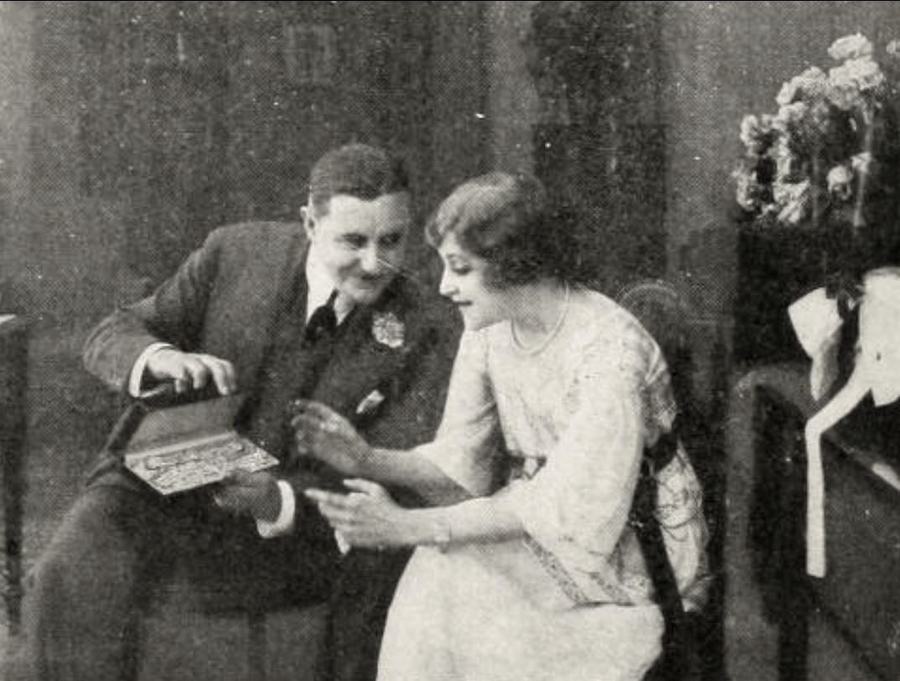
Critics widely regard The Active Life of Dolly of the Dailies as a cult-favorite piece of cult cinema. Its cinematic excellence is frequently cited as its strongest asset, solidifying its place in United States's film legacy.
Based on the unique cinematic excellence of The Active Life of Dolly of the Dailies, our vault has identified these titles as the most compelling follow-up experiences for fans of cult cinema:
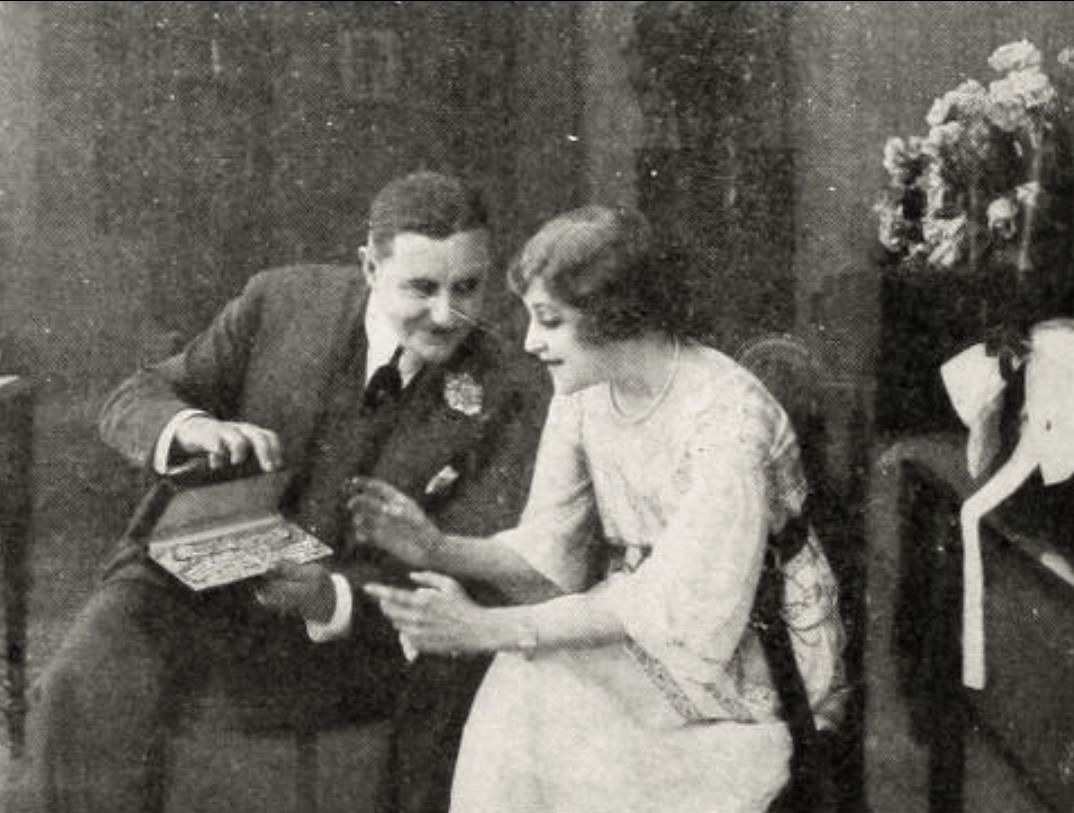
Dir: Walter Edwin
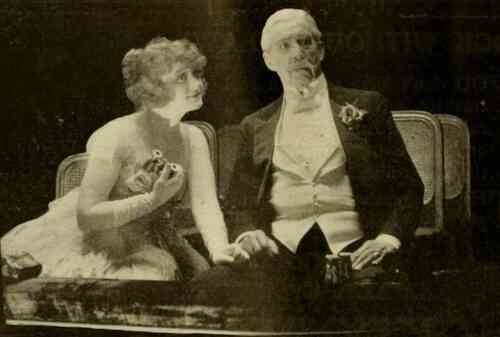
Tom Grayson, an engineer employed in Mexico, quarrels with some Greasers. When they plot to kill him, the plan is overheard by Lake, a promoter of worthless mines who scents an opportunity to make himself solid with the engineer. Accordingly the authorities are informed, and Tom is saved and Lake thereby wins Tom's friendship and regard. Back in the New England village, Judge Grayson, his wife, and their adopted daughter Cecelia make things as pleasant as possible for the little woman next door, who is socially ostracized by the village gossips because nothing is known of her former life and associates. When his work in Mexico is finished Tom returns home and thus meets the woman next door. Lake, hoping to obtain Tom's endorsement in a fraudulent mining venture, visits the Grayson's and one day is introduced to "Miss Ferguson." He acknowledges the introduction with a "Hello, Jenny." The little woman at first denies her identity and then finally admits that she is Jenny Gay, the former actress whose celebrated divorce suit was dragged through the mire of the yellow journals the year before. Tom, however, refuses to lose faith in her and she tells him her unfortunate history; how, when she was starring on Broadway, Lake had been an ardent suitor and had made life miserable with his persecutions. To escape him she married Ben Whittier, a wealthy banker, but found no happiness in the union, owing to her husband's fondness for Lake and his readiness to believe Lake's lies about her. Then Jenny told him of that night in the big hotel which formed the basis of Whittier's divorce proceedings; of how she had returned about midnight and gone to her room when Lake, who was secreted in a closet, suddenly stepped out. Before she could break from his grasp the door was pushed open and Whittier, with two detectives rushed in. After the sensational divorce, Jenny went to this quiet Connecticut town to seek peace and seclusion. At the conclusion of her narrative, they agree that the only thing to do is to wring a confession from Lake. This they plan to do. In the meantime, Tom's father, a retired lawyer, suspects Lake. With the aid of Federal authorities he is able to do this and on the day set, two secret service men arrive. That afternoon Jenny writes a note to Lake telling him that she has changed her mind about marrying him. Tom, Mr. Grayson and the detectives are hid in Jenny's house and, at the proper moment. Tom comes out and forces from Lake a statement of the framed-up divorce. When this is published, the announcement of the coming marriage of Tom Grayson and "the woman next door" is announced.
View Details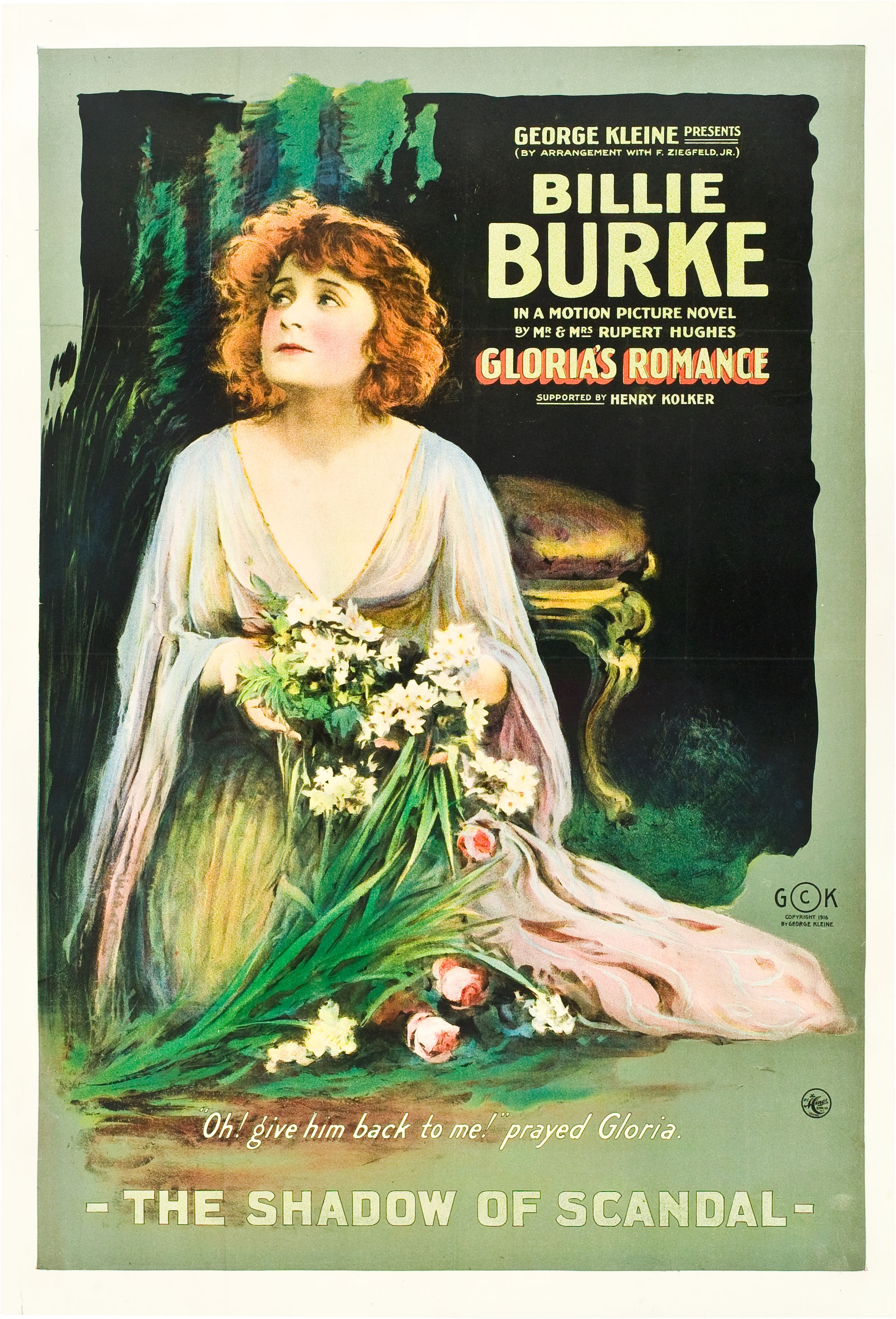
Dir: Walter Edwin
An adventurous young girl in Florida gets herself lost in the Everglades and finds terror and excitement, as well as the rivalry of two men in love with her.
Dir: Walter Edwin
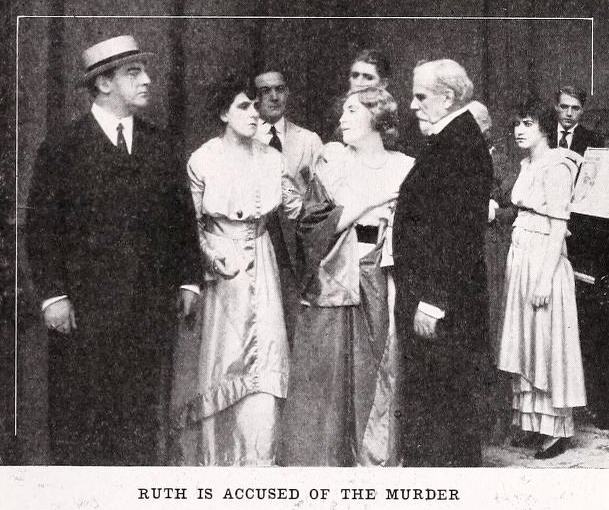
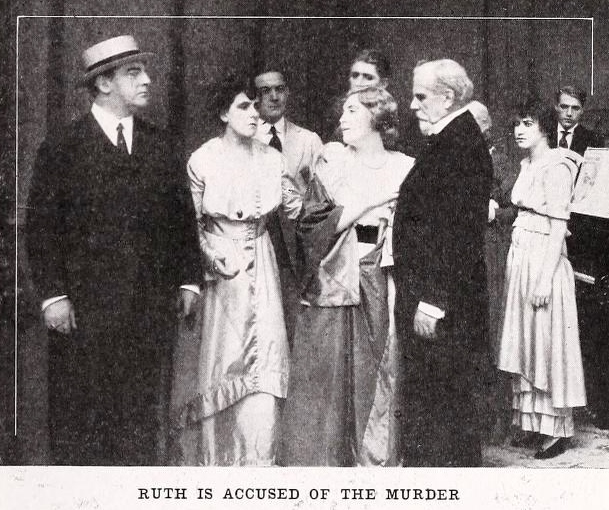
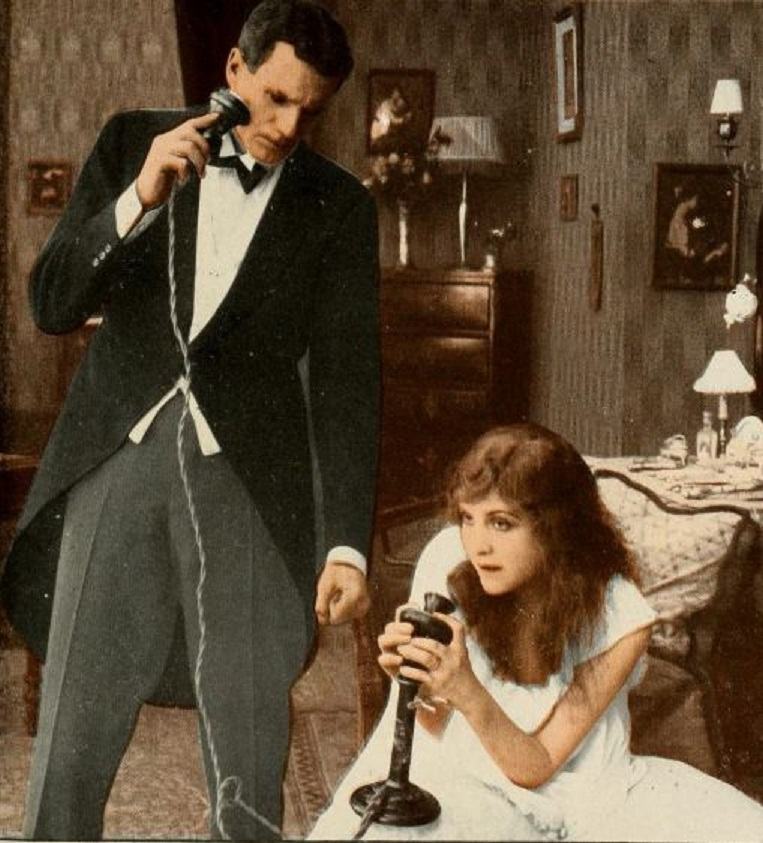
Upon Ruth McAllister's return with her father from a Western trip, John Gilbert calls to renew his attentions. He immediately notices a change in her and is greatly pained when she refuses him, not because she does not care for him but for reasons that she will not divulge. A stranger, in the meantime, calls, and rushing past the maid, stops breathlessly in the presence of Ruth and Gilbert. Astonished at the intrusion, Gilbert is more amazed when Ruth, seeing the intruder, faints. Asked to explain, the stranger tells Gilbert to ask Ruth. Regaining her composure, the stranger tells Ruth that he will not leave until he has had a talk with her, whereupon Gilbert, furious, is about to attack him as Professor McAllister enters. To Gilbert's surprise, Ruth introduces the stranger as Mr. Gerald, a friend whom she met while traveling and then excuses herself while the men chat about things in general. Upon the entrance of Wilkins, the butler, Gilbert is quick to discern the expression of fear that comes over the countenance of the stranger as a half smile curves the servant's lips, who, after making an unimportant announcement, retires. Then, with the excuse that some very important letters require his immediate attention, Gerald announces his intention to go, but the Professor, now suspicious, insists that he use his library for his correspondence. Alone in the library, Ruth enters and upbraids Gerald for coming to the house. He tells her that his life is in danger and begs her to help him escape. This she promises and leaves to call a taxicab. Dinner is announced and the Professor, opening the library door to call Gerald, is shocked to find him dead, and a green silken tassel, similar to those which adorn Ruth's cloak, clasped in his hand. Shortly after the arrival of the police, Ruth returns in the taxicab and entering the house, utters a shriek of laughter, not hysterical, but a laugh of savage joy, as she beholds the dead man. Questioned as to the man's identity, Ruth at first refuses to answer but finally admits that she had married him while in the West. With a strong case of circumstantial evidence against her, she is arrested and taken to headquarters, where she is held for trial on a charge of murder. Who Gerald really was and how the tangled skeins of destiny were finally unraveled make a charming, convincing and intensely interesting mystery story.
View Details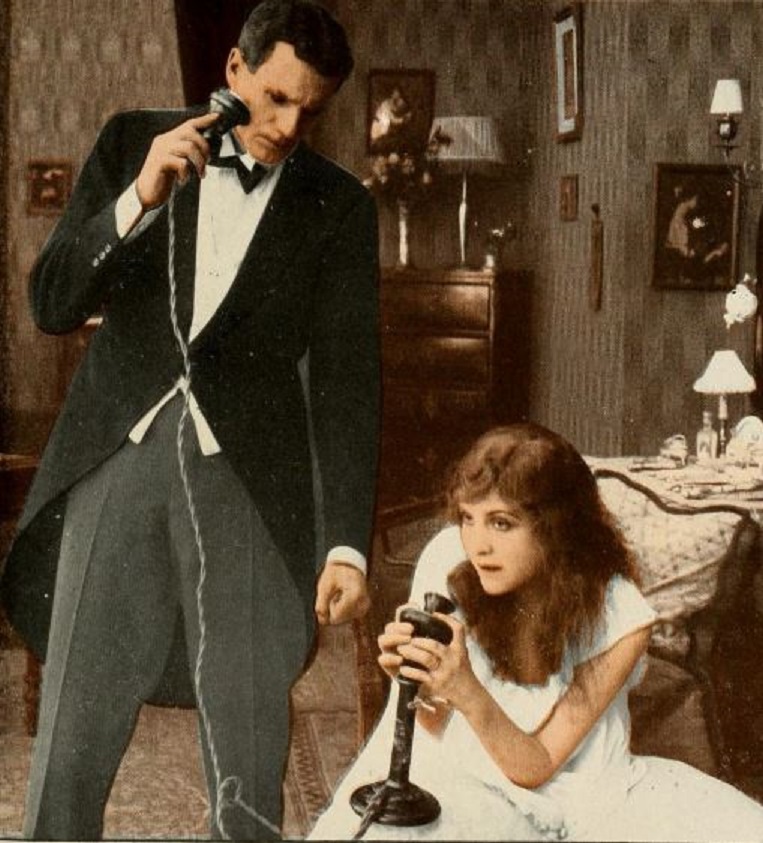
Dir: Walter Edwin
Who has reared the perfect child? Who has successfully combated the destiny-shaping factors of heredity and environment with a theoretical code of child-raising warranted never to fail? Mrs. Gretchen Jans, mistress of millions, failed. Her two pretty nieces, Frances and Clarice were taught to sew and mend, economize and retrench, not alone in clothes and money but in thought and emotion as well. "Plug up the fountain of youth," was the harsh, Puritanical code of Gretchen Jans, and Frances paid the penalty with her heartaches. Hence, when Richard Ward fell in love with Frances and Mrs. Jans refused the parental blessing, the young couple did what most young couples do, set off post-haste for the nearest parsonage. And then into the life of Frances came the great change. A comfortable allowance didn't reach. Money ran like rays of sunshine in a golden stream through the fingers of both hands. Richard couldn't keep up the gait. Bills payable increased with a monotonous regularity only equaled by the decrease of his bills receivable. Credit weakened, the specter of poverty grinned through the office door and the riotous waste of the girl who had been denied continued unabated. And then came the second man with his offer of money and the trail of suffering and self-abasement that followed in its wake. It seemed all very innocent to Frances but it was tragedy to Richard.
View Details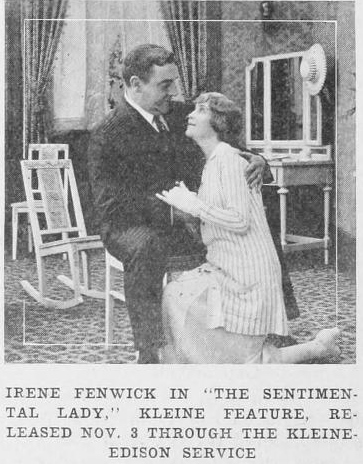
Dir: Walter Edwin
Amy Cary, owner of a controlling interest in the Peoples Gas Company, of which her uncle, Peter Cary, is president, is practical but sentimental. It is indefinitely understood that she is engaged to marry Norman Van Aulsten, whose intriguing father is vice-president of the company. Van Aulsten, Sr., has secretly purchased worthless Suburban Lighting Company stock and plans to unload it at an exorbitant price on the People's Gas Company, depending on his son to induce Amy to vote approval of his plan. Amy goes to Trout Lake Camp to spend the summer, where she meets a chum, Helen Nelson, who invites her brother Bob, a young attorney, to join her. Young Van Aulsten also is a visitor, paying considerable attention to Amy Cary, but clandestinely making love to, and deceiving to the point of defiling, the daughter of Johnson, the camp guide. Amy's uncle, innocently falling into Van Aulsten's scheme to unload the worthless lighting company stock on the People's Gas Company, writes, asking Amy her opinion regarding it. Her reply brings him to the camp also, where he is quickly followed by Van Aulsten, Sr. Nelson fathoms Van Aulsten's intentions regarding the worthless stock, and also sees that Van Aulsten is depending on his son's marriage to Amy to further his machinations. He invokes the aid of his sister's sweetheart, who invites Amy to go for a row with him. She steps into the boat, Nelson quickly follows, leaving his willing friend ashore. Nelson talks plainly to Amy, telling her he is taking her to her uncle who has gone to a nearby island for a fishing trip, and that he purposes telling her uncle about Van Aulsten's scheme. He apparently arouses her ire by advising her not to marry young Van Aulsten. Arrived at the island they are surprised not to find Amy's uncle, who had returned to the camp for forgotten fishing tackle. The situation is tense when they discover that their boat has gone adrift. Meanwhile Amy's absence has occasioned alarm, and when Bob's friend tells of the proposed trip to the island, a rescue party is made up of Amy's uncle, Van Aulsten and his son. Arrived there they find Amy and Bob trying to prepare a belated meal. Nelson is asked to leave while her uncle and Van Aulsten urge Amy to get ready to got at once with them to the city, where a meeting of the Gas Company stockholders is scheduled the next day. Bob suspects their intentions, and promptly sets their boat adrift also. When this is discovered, there is general indignation in which Amy apparently joins. Bob is berated, but excites Amy's sentimental nature again when he takes to the water for a long, perilous swim, in an attempt to recover their boat. "Isn't he a hero?" she asks of young Van Aulsten. "I'd like to see you do anything as brave as that." The marooned party is finally rescued by Bob's relief expeditions and taken back to the camp, where, as they land, Johnson the guide, attempts to shoot young Van Aulsten. Amy prevents the tragedy, but scorns young Van Aulsten when she learns of his behavior toward Johnson's daughter. In rapid sequence, a happy termination of the situation is reached, but the bankrupt lighting company's stock is still on the market.
Dir: Walter Edwin
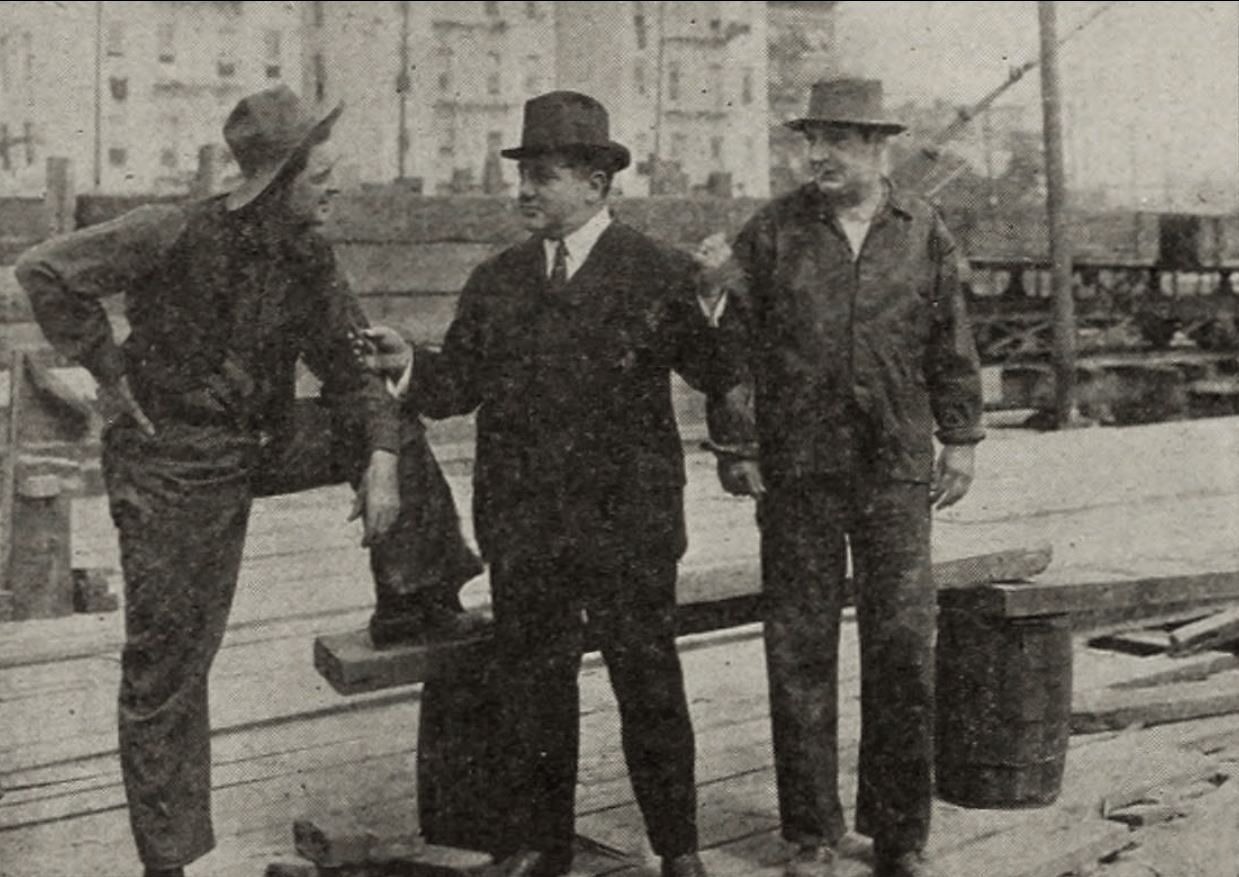
Danny Canavan, the big son of a tough Irish-American blacksmith, is actually not as tough as he looks--he's constantly abused by his wife, his scornful father and his father's employees. One day he is run over by a carriage owned by Rodman Cadbury, the president of an insurance company. Unable to work as a blacksmith anymore--something his wife constantly throws in his face--he gets a job on the subway as a flagman warning traffic of upcoming dynamite blasts. As menial as the job seems at first, it actually begins to change Danny's life.
View DetailsAnalysis relative to The Active Life of Dolly of the Dailies
| Film Title | Atmosphere | Complexity | Similarity |
|---|---|---|---|
| The Woman Next Door | Tense | Dense | 85% Match |
| Gloria's Romance | Ethereal | Linear | 95% Match |
| The Green Cloak | Gothic | Layered | 98% Match |
| The Spendthrift | Gothic | Layered | 91% Match |
| The Sentimental Lady | Ethereal | High | 93% Match |
This guide was algorithmically generated using the cinematic metadata of Walter Edwin's archive. Last updated: 8/17/2026.
Back to The Active Life of Dolly of the Dailies Details →