
Cult Cinema Deep Dive
The Midnight Metamorphosis: How Early Cinema’s Genre Rebels Forged the DNA of Modern Cult Obsession
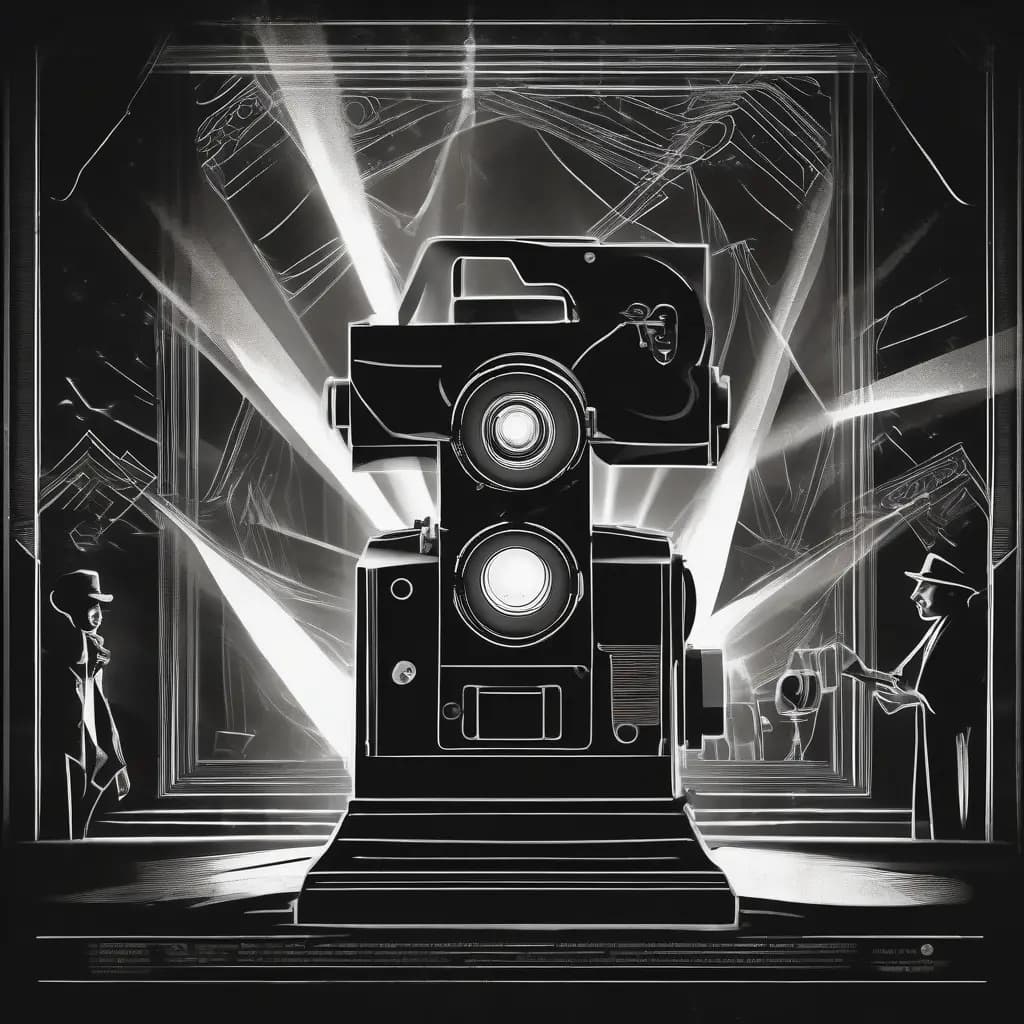
“Explore the hidden roots of cult cinema through the forgotten masterpieces of the early 20th century, where transgressive narratives and visual experimentation first ignited the fires of devotional fandom.”
The term "cult cinema" often conjures images of midnight screenings in the 1970s, the smell of popcorn mixing with the transgressive energy of The Rocky Horror Picture Show or the gritty urban decay of Eraserhead. However, the genetic material of these cinematic rebels was not synthesized in a vacuum. Long before the term was coined, the silent era and the dawn of talkies were already producing works that defied the mainstream, challenged moral boundaries, and experimented with the very fabric of visual storytelling. To understand the modern cult phenomenon, one must look back at the misfit masterpieces that dared to be different when the industry was still finding its feet.
The Faustian Bargain and the Birth of Transgression
At the heart of many cult classics lies the theme of the forbidden—the moral compromise that leads to a descent into darkness. This narrative archetype finds its primordial expression in films like The Devil's Toy. The story of an untalented artist who sells his soul for success, committing fratricide and institutionalizing his own wife, is a direct ancestor to the dark, psychological thrillers that define the cult canon today. It captures that essential subversive spirit: the willingness to explore the absolute nadir of the human condition without the safety net of a traditional moral resolution.
Similarly, the exploration of the primal self in Die Bestie im Menschen (The Human Beast) serves as a blueprint for the visceral, character-driven dramas that cult audiences adore. By focusing on hereditary madness and the uncontrollable urge to commit violence, early filmmakers were already tapping into the transgressive pulse that would later beat through the works of directors like David Cronenberg or Gaspar Noé. These films didn't just tell stories; they challenged the viewer's comfort, forcing an engagement with the 'otherness' of the human psyche.
Genre Hybridity: Where the Bizarre Becomes Beautiful
If there is one hallmark of cult cinema, it is the refusal to stay within the lines of a single genre. Modern audiences celebrate the 'genre-bender,' but this tradition was alive and well in the early 20th century. Consider Go and Get It, a film that blends intrepid journalism with a plot involving a gorilla carrying a transplanted human brain. This is the proto-B-movie, a wild leap into the absurd that prefigures the creature features and sci-fi oddities that would eventually dominate the midnight movie circuit. It represents a fearless embrace of the ridiculous, a quality that fosters the kind of ironic and devoted fandom essential to cult status.
The visual language of the cult aesthetic also owes a debt to early experimental shorts. Le Voyage Abracadabrant, with its animated house flying through a series of surreal adventures, provided a template for the cinematic phantasmagoria. These works were not concerned with the rigid realism of the burgeoning studio system; they were interested in the magic of the medium. This sense of wonder and the 'abracadabrant'—the utterly unexpected—is exactly what draws modern viewers to the fringes of the film world, looking for something that breaks the mold of the predictable blockbuster.
The Social Outcast and the Narrative of Resistance
Cult films often serve as a sanctuary for the marginalized, and early cinema provided plenty of mirrors for the disenfranchised. Ingeborg Holm, a devastating look at a mother separated from her children due to financial ruin, set a precedent for the socially conscious cult film. It used the camera as a tool for empathy and social critique, a tradition carried forward by filmmakers who use the 'fringe' to highlight the failures of the center. In the same vein, the plight of the orphan in Oliver Twist (1916) resonates with the recurring cult theme of the 'lost child' navigating a hostile, often grotesque world.
Resistance also took the form of the 'fallen' woman or the rebel heroine. In Fedora (1916), we see the Russian Princess Fedora pledging vengeance in a narrative that is as melodramatic as it is dark. This devotional intensity—a character's total commitment to a singular, often self-destructive goal—is a recurring motif in cult cinema. Whether it's a quest for revenge or a search for forbidden knowledge, the characters in these early films mirror the obsessive nature of the fans who would eventually discover them decades later.
The Mystery of the Lost Reel: Building the Mythos
Part of the allure of cult cinema is its scarcity. The 'lost' or 'forgotten' film carries a mystic weight, and the silent era is the ultimate treasure trove for the cinematic archeologist. Films like The Crimson Circle, a mystery involving blackmail and secret gangs, or The Haunted Valley, an adventure-thriller centered on a high-stakes dam project, represent the hidden history of the medium. The fact that many of these films were nearly lost to time adds a layer of 'forbidden' allure to their viewing.
When a modern cinephile tracks down a rare print of a film like Woman Against Woman; or, Rescued in the Clouds, they are participating in a ritual of rediscovery. This act of 'unearthing' is central to the cult experience. It transforms the viewer from a passive consumer into a guardian of a secret legacy. The early 20th-century experiments in suspense and action provided the raw material for this culture of curation, where the value of a film is measured not by its box office returns, but by the difficulty and dedication required to see it.
Visual Prowess and the Silent Spectacle
Even without the benefit of sound, early filmmakers were masters of the visual hook. The image of the aging doorman in The Last Laugh, facing the loss of his prestigious uniform and his identity, is a powerful exercise in visual storytelling that transcends language. Cult cinema often relies on these singular, haunting images that linger in the mind long after the credits roll. The stark contrast and expressive lighting of the silent era became the foundational aesthetic for film noir and the gothic horror movements, both of which are cornerstones of the cult world.
We also see the roots of the 'camp' aesthetic in the more flamboyant productions of the era. The Spirit of '76, with its tale of a half-breed Indian princess aspiring to be the Queen of America, offers a level of narrative audacity that borders on the operatic. This fearless excess is a key ingredient in the cult cocktail. It invites the audience to lean into the strangeness, to celebrate the ambition of the filmmaker even when (or especially when) it exceeds the grasp of conventional logic.
The Legacy of the Maverick: Why We Still Watch
Why do we return to these flickering shadows? It is because they represent a time of unfiltered creativity. Before the Hayes Code and the rigid formulaic structures of the mid-century studio system, cinema was a wild frontier. Films like Something New, which replaced a hero's horse with a car to navigate the Mexican desert, showed a willingness to innovate and play with the expectations of the audience. This renegade spirit is what defines a cult film; it is a work that refuses to be ordinary.
The modern cult fan is, in many ways, the spiritual successor to the early 20th-century moviegoer who sat in a dark theater and saw a gorilla with a human brain or a woman kidnapped by bandits in a remote hideout. Both are looking for an escape from the mundane. By studying films like The Love Flower or The Craving, we aren't just looking at history; we are looking at the blueprints of our own obsessions. We see the first attempts to capture the 'unconventional' and the 'other' on celluloid.
In conclusion, the midnight metamorphosis of cinema began the moment the first camera rolled on a story that didn't fit the mold. From the dark moral fables of The Waiting Soul to the slapstick chaos of Just Dropped In, the early pioneers of the medium were the original cultists. They were the ones who dared to dream in the margins, creating a legacy of rebellious art that continues to inspire, provoke, and haunt us today. As we continue to delve into the archives, we find that the fringe was never just the edge of the frame—it was the heart of the fire.
Community
Comments
Log in to comment.
Loading comments…