Summary
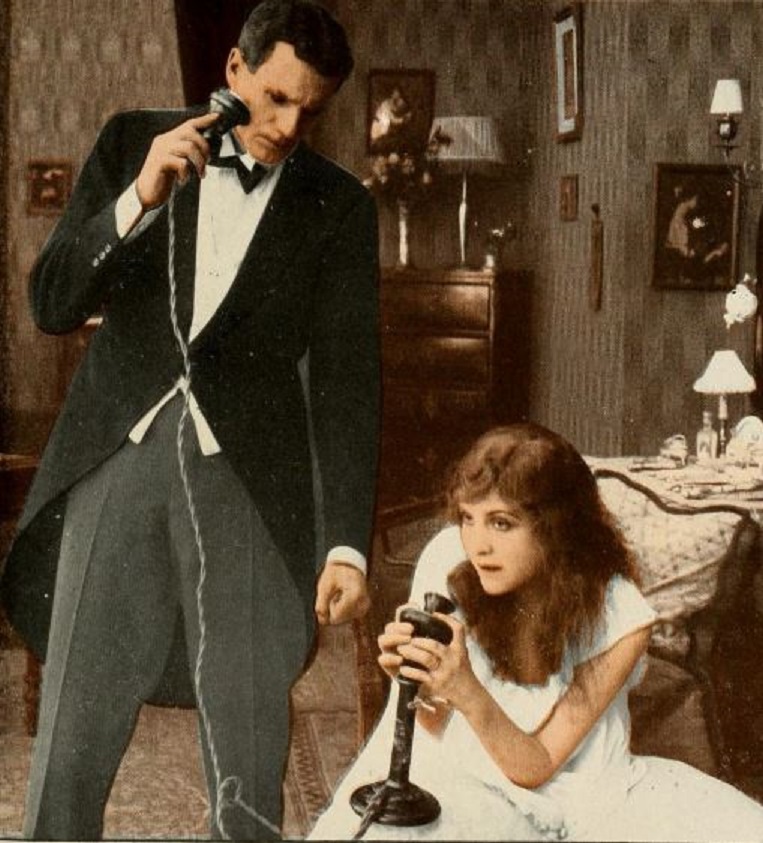
Frances, raised under the iron ledger of her millionaire aunt Gretchen, learns thrift the way novitiates learn flagellation: every withheld pleasure is a bead on the rosary of repression. When Richard Ward—ardent, solvent, dazzled—offers his heart, the dowager’s refusal detonates the lovers’ elopement into a headlong sprint toward the altar. Freedom, however, tastes like unbridled champagne; Frances uncorks the fizz of long-denied indulgence, and the couple’s purse hemorrhages gold in arterial spurts. Richard, once solvent, watches invoices bloom like nightshade while receivables wither. Into this crimson dusk glides a second suitor brandishing a checkbook instead of vows; his gifts are silken manacles, his interest compounded in shame. What began as innocent largesse calcifies into a ledger of flesh—every signature a scar, every loan a lien on the soul—until Frances confronts the vertiginous price of buying back her own reflection.
Synopsis
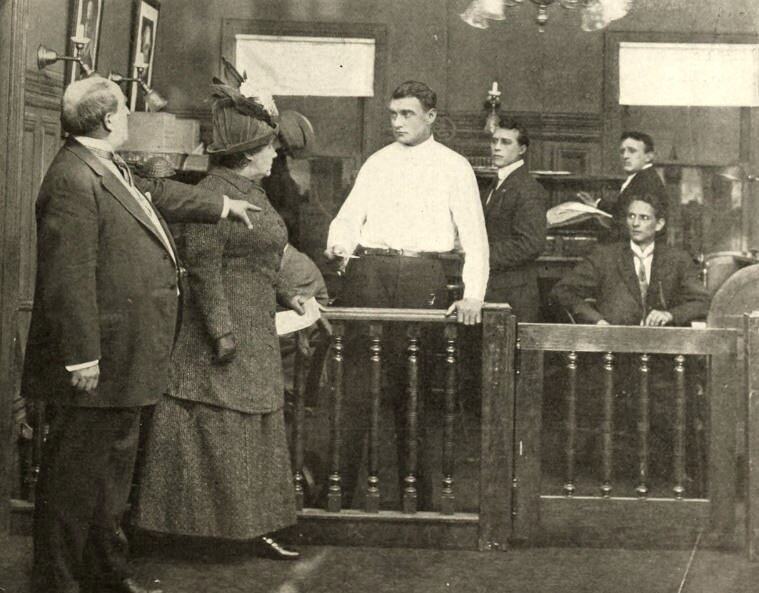
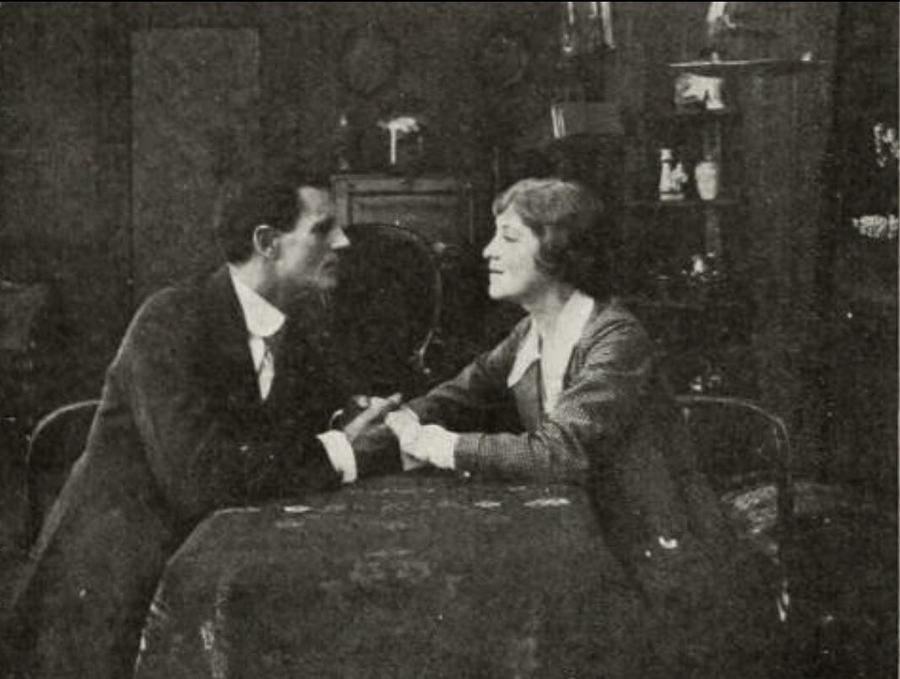
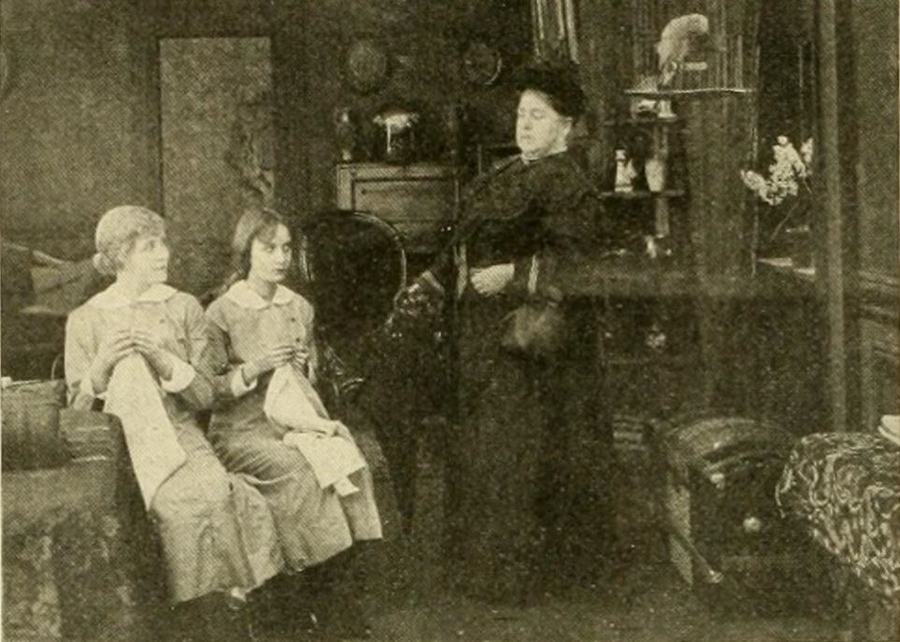
Who has reared the perfect child? Who has successfully combated the destiny-shaping factors of heredity and environment with a theoretical code of child-raising warranted never to fail? Mrs. Gretchen Jans, mistress of millions, failed. Her two pretty nieces, Frances and Clarice were taught to sew and mend, economize and retrench, not alone in clothes and money but in thought and emotion as well. "Plug up the fountain of youth," was the harsh, Puritanical code of Gretchen Jans, and Frances paid the penalty with her heartaches. Hence, when Richard Ward fell in love with Frances and Mrs. Jans refused the parental blessing, the young couple did what most young couples do, set off post-haste for the nearest parsonage. And then into the life of Frances came the great change. A comfortable allowance didn't reach. Money ran like rays of sunshine in a golden stream through the fingers of both hands. Richard couldn't keep up the gait. Bills payable increased with a monotonous regularity only equaled by the decrease of his bills receivable. Credit weakened, the specter of poverty grinned through the office door and the riotous waste of the girl who had been denied continued unabated. And then came the second man with his offer of money and the trail of suffering and self-abasement that followed in its wake. It seemed all very innocent to Frances but it was tragedy to Richard.
Review Excerpt
"
A gold-leafed migraine of a film, The Spendthrift arrives like a moth-eaten ledger exhumed from a safety-deposit vault: every frame smells of camphor, champagne, and the coppery tang of overdraft fees.
Porter Emerson Browne’s scenario, adapted from his own Broadway success, refuses to genuflect toward the moral absolutes that silent melodrama so often embosses onto title cards. Instead, it scribbles a graphite smear across the doctrine of “money can’t buy happiness,” arguing that, under certa..."