
Deep Dive
The Celluloid Fever: Unmasking the Primal Rites and Transgressive Allure of Early Cinema's Misfit Masterpieces
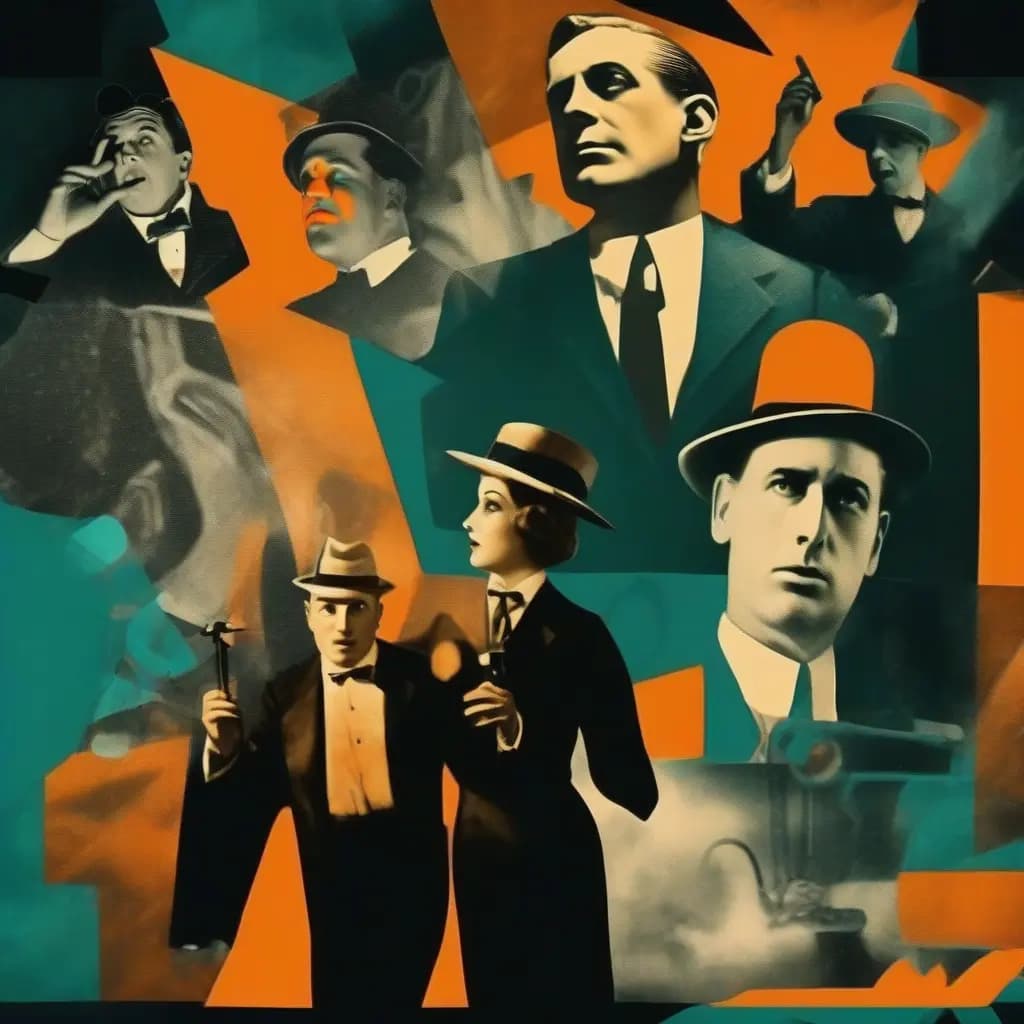
“A deep dive into how the silent era's most daring experiments and social outcasts forged the genetic blueprint for modern cult cinema devotion.”
The term cult cinema is often associated with the midnight movie madness of the 1970s—the flying toast of Rocky Horror or the Lynchian surrealism of Eraserhead. However, the true genetic markers of this devotional culture were etched into the celluloid long before the advent of sound. To understand the modern obsession with the fringe, we must look back to the early 20th century, where filmmakers were already experimenting with transgressive narratives, social taboos, and genre-bending aesthetics that defied the burgeoning mainstream standards. These were the original misfits, the cinematic anomalies that transformed viewers into lifelong devotees.
The Birth of the Transgressive Soul
In the silent era, the camera was a tool of discovery, but for the mavericks of the time, it was also a weapon. Consider the 1919 landmark Different from the Others. Long before queer cinema had a name, this film dared to portray a romance between two male musicians, ending in blackmail and tragedy. It is the quintessential cult artifact: a film that was banned, censored, and nearly lost to history, only to be resurrected by scholars and fans who recognized its bravery. This pattern of suppression and rediscovery is the heartbeat of cult culture.
Similarly, the psychological discomfort found in The Eternal Three (1923) showcases a narrative darkness that would make modern noir directors blush. When a doctor’s adopted son targets his own stepmother for conquest after bedding the household staff, the film moves beyond simple melodrama into a realm of moral complexity that challenged the era's sensibilities. These films didn't just tell stories; they explored the shadows of the human psyche, providing a blueprint for the psychological thrillers that would later dominate the cult landscape.
Genre Defiance: From Dust to Disguise
Cult cinema thrives on the subversion of tropes. In the early days, genres like the Western were still being codified, allowing for strange hybrids. The Red Warning and Human Stuff took the rugged landscapes of the American West and infused them with desperate stakes—lost gold mines and bitter feuds between sheep ranchers and cattlemen. These weren't just action flicks; they were explorations of isolation and the primal struggle for survival.
We also see the roots of cult comedy in the bizarre and the farcical. Oh, Baby! (1920) features a life-size baby doll as a central plot device, a premise so inherently surreal that it echoes the later works of Jan Švankmajer. When we look at Chop Suey, where an American girl masquerades as a Chinese girl leading to a cascade of cross-cultural disguises, we see the early cinema’s fascination with fluid identity. This playfulness with persona is a hallmark of cult fandom, where the act of dressing up and becoming "the other" is a ritualistic part of the experience.
The Allure of the Criminal Underworld
The criminal element has always been a magnet for cult devotion. Jim the Penman (1921) offers a fascinating look at the 'accidental' criminal—a bank clerk who forges a check to help a loved one and finds himself sucked into a gang of forgers. This descent from innocence into the underworld mirrors the trajectory of many cult anti-heroes. The film The Hand of Peril further pushes this boundary, following a government agent on the trail of sophisticated counterfeiters. These stories of clandestine operations and secret lives resonate with the cult viewer’s desire to peek behind the curtain of polite society.
Global Fringes and Ethereal Visions
The cult impulse was never restricted by borders. In Europe, the scale of production often met with radical subject matter. Sodom and Gomorrah (1922) utilized massive sets and biblical grandeur to tell a story of decadence and luxury, while Rouletabille chez les bohémiens brought an adventurous, almost pulp-novel energy to the screen with its tales of stolen books and gypsy lore. These films offered an escapist maximalism that paved the way for the high-concept genre films of the late 20th century.
Even the more traditional dramas of the time, such as Madame Butterfly (1915) or The Call of the Blood, carried an air of tragic exoticism that appealed to the 'otherness' sought by niche audiences. Whether it was the Sicilian sun leading to a fatal infatuation or the tragedy of a Japanese woman loving an American officer, these films dealt in heightened emotions and cultural collisions. They invited the viewer to step outside their own lived experience and into a world of stylized suffering and beauty.
The Ritual of the Lost Reel
What truly defines a cult film is often its scarcity. Many of the films from this era, like Tavasz a télben or Farkas, exist now primarily as whispers in the archives or as fragments of a larger history. The act of cinematic archaeology—searching for a print of Die Fahrt ins Blaue or uncovering the details of New Folks in Town—is a form of worship. To the cult devotee, a lost film is a holy relic.
Consider the case of Mrs. Slacker (1918). A story about a woman who joins the war effort to cover for her draft-dodging husband, only to be captured by the enemy, it blends patriotism with a strange, almost subversive gender-swap narrative. Films like this, which don't quite fit the standard historical narrative of their time, become the sacred texts for those who look for the unusual. They represent a time when the rules of cinema were still being written, and anything was possible.
The Aesthetics of the Uncanny
Early animation also contributed to this sense of the uncanny. Fishing (1917), featuring the iconic Mutt and Jeff, displays a surreal logic where characters interact with skunks and bathing girls in a world governed by slapstick physics. This visual anarchy is a direct ancestor to the cult of adult animation and the 'weird' shorts that populate underground film festivals today. The simplicity of the line-work belies a complex, often dark sense of humor that refuses to age.
Social Stigma and the Heroic Outcast
The cult hero is almost always an outsider. In The Right Way (1921), we see the stark contrast between two boys in prison—one who uses reformatory life to become a master criminal and another who seeks redemption. This exploration of heredity versus environment was a recurring theme in films like The Silver Lining. These movies questioned the social order, asking if a person’s past—or their blood—dictated their future. For the cult audience, often composed of people who feel out of step with the mainstream, these stories of predestined rebellion are deeply resonant.
Even lighthearted comedies like Heiress for a Day or Full of Pep touched on the friction of class and the desire to transcend one's station. Whether it's a manicurist at the Ritz falling for a wealthy patron or a fast-talking munitions salesman, these characters are driven by a restless energy. They are the proto-rebels, the early manifestations of the 'cool' that would later define the cult icon.
Conclusion: The Eternal Flicker
The films of the early 20th century were more than just entertainment; they were the first tremors of a cultural earthquake. By daring to depict the forbidden, the bizarre, and the unconventional, they created a space for a different kind of viewership—one based on devotion rather than just consumption. From the tragic depths of Should a Woman Tell? to the farcical heights of Pop Tuttle's Lost Control, the silent era provided the raw materials for the cult cinema temple.
As we continue to digitize and rediscover these forgotten reels, we aren't just looking at history; we are looking at our own reflection. The "Celluloid Fever" that drives us to seek out the strange and the beautiful is a direct inheritance from these early pioneers. They taught us that the most powerful stories are often found on the periphery, and that the flicker of a projector can be a beacon for all the misfits, dreamers, and rebels of the world. The cult lives on, not because it is popular, but because it is essential.
In the end, whether it is the high-stakes adventure of Smashing Through or the romantic yearning of His Youthful Fancy, these films remind us that cinema is a ritual. It is a collective experience of stepping into the dark to see the light. And for those of us who worship at the altar of the unusual, the silent era remains the most sacred of grounds.
Community
Comments
Log in to comment.
Loading comments…