
DbcultAccessing Vault...
Recommendations
Senior Film Conservator
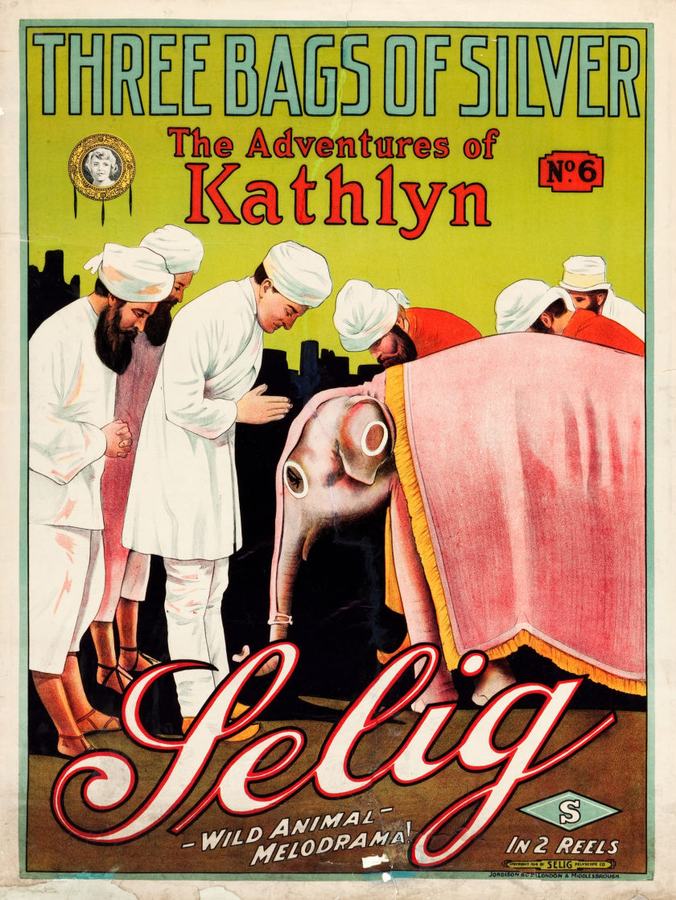
The United States-born brilliance of The Adventures of Kathlyn offers a unique artistic bravery, the profound questions raised in 1913 still require cinematic answers today. Our curated selection of recommendations echoes the very essence of The Adventures of Kathlyn.
In the Pantheon of cult cinema, The Adventures of Kathlyn to provide a definitive example of Francis J. Grandon's stylistic genius.
The daughter of an adventurer in India is kidnapped by a native king, whom she is forced to marry. She has several adventures battling natives and wild animals.
Based on the unique artistic bravery of The Adventures of Kathlyn, our vault has identified these titles as the most compelling follow-up experiences for fans of cult cinema:
Dir: Francis J. Grandon
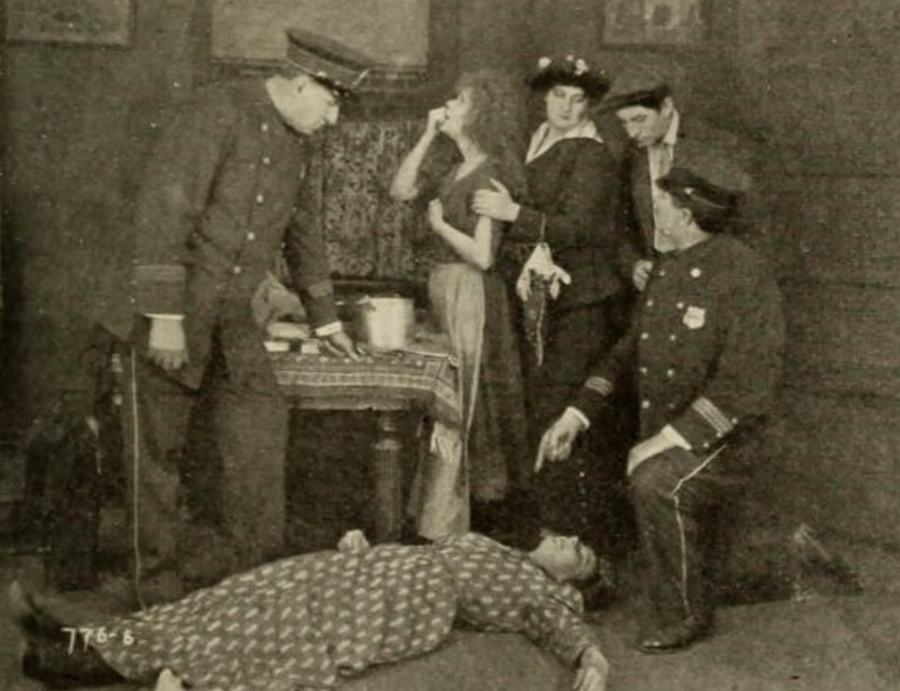
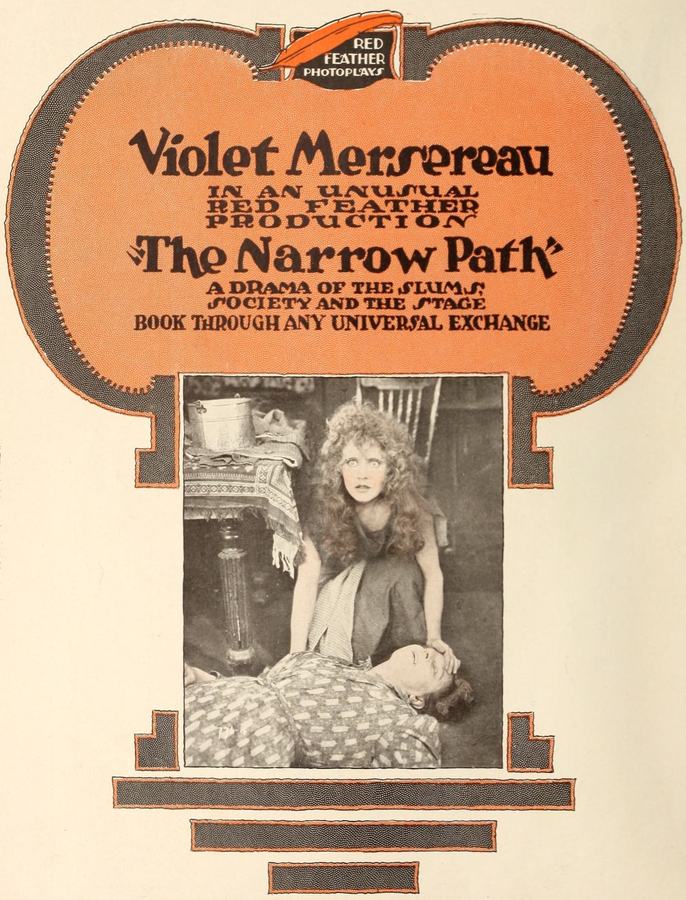
Bessie, a girl of the slums, is left an orphan. Her father was a drunkard and during one of his periods of intoxication he killed his wife and then, in trying to escape, was himself killed. Left destitute, Bessie is invited by a couple of youngsters to keep house for them. The two boys earn enough money selling papers to keep up the little establishment and Bessie does the housework. One day as she is playing in the street she is run over by an auto belonging to society lady Mrs. Latham, who feels sorry for her and visits her at the hospital where she is taken. On leaving the hospital Bessie goes to see the wealthy widow, who procures her a position at a modiste's shop. A couple of months later Bessie goes to a cheap dance hall with a friend, where she is noticed by theatrical agent Abrams, who offers her a job as a cabaret dancer and she accepts. While dancing in the cabaret she is noticed by wealthy clubman Shirley Martin, who says that he will make her a great dancer. He introduces her to a manager and all arrangements are made for the Broadway production. Shirley expects a price for his favors, but to his chagrin, he discovers that Bessie is incorruptible. Bessie's debut as a dancer is a success. Mrs. Latham, who has designs on Shirley's money, is jealous of the attentions he is paying the little dancer. She plans to so compromise her that his love will be cured. Accordingly, she invites the two of them on a weekend trip to the country and then, at the last minute, does not go herself. When the two young people arrive at the hotel, they find rooms engaged for Mr. and Mrs. Shirley Martin. When Bessie confesses that she loves him, he tries to force his attentions on her, but she repulses him. Then Shirley realizes that he has acted like a cad and when he asks her to marry him the next day, she agrees. Meanwhile, Mrs. Latham has written a note to Old Man Martin saying that Bessie is trying to ruin his son's life and that if he does not want a scandal, he must go at once to the hotel where they are registered as husband and wife. Martin hurries down and finds them there the next day. He accuses Bessie of having designs on Shirley and forbids the marriage. So Bessie, thinking that perhaps after all, the marriage would not be for the best, agrees to go away. When Shirley finds out what his father has done, he is furious, and says that he will not come home until his father consents to the marriage. But he cannot find Bessie, as she has left without giving anyone her address except old Martin. But at the Martin home, the mother has become ill, and the doctor thinks that the only thing that will save her life is a reunion with her boy. So Mr. Martin hunts up Shirley at the club and persuades him to come home for the sake of his mother, and then he goes to find Bessie. Of course the two are reunited and agree to have the long-delayed wedding take place at once.
View Details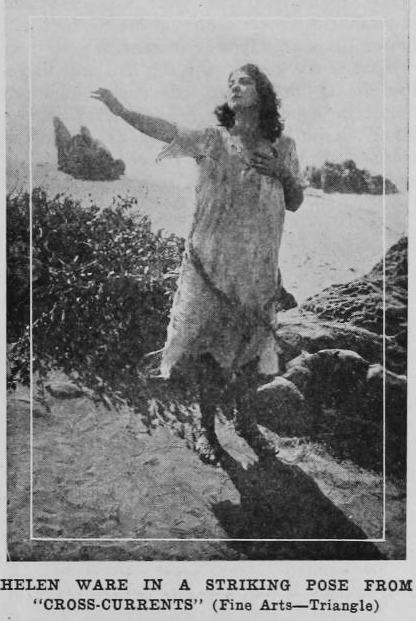
Dir: Francis J. Grandon
Washington, D.C. society belle Elizabeth Crane gives up her fiance, young diplomat Paul Beale, when she learns that her foster sister Flavia also loves him. After Flavia and Paul marry, they join Elizabeth on a yacht belonging to millionaire Silas Randolph, who wants to marry Elizabeth. The yacht catches fire and Elizabeth and Paul swim to a desert isle. Randolph arrives later and fights Paul to get to Elizabeth, but she stabs him to death. As the months pass, Paul and Elizabeth, believing Flavia dead, rediscover their love and live as if they were married; but Flavia, who was saved by a freight steamer, sees a vision of Elizabeth and organizes a search party. When Elizabeth sees Flavia's boat approach, she tells Paul, who says he wants to remain with her. After she convinces Paul that his child has a right to him, Elizabeth walks into the sea and drowns herself so that Flavia will not know of the island romance.
Dir: Francis J. Grandon
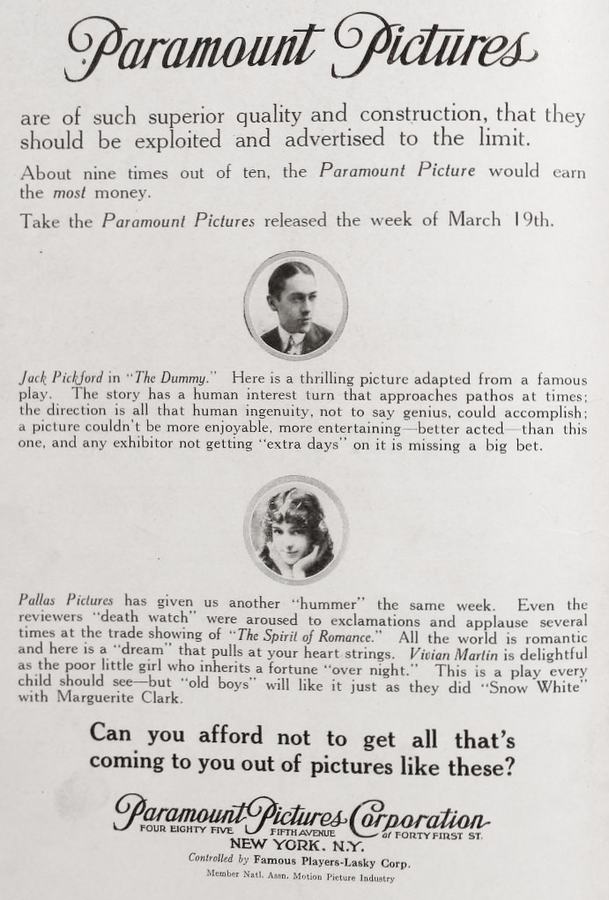
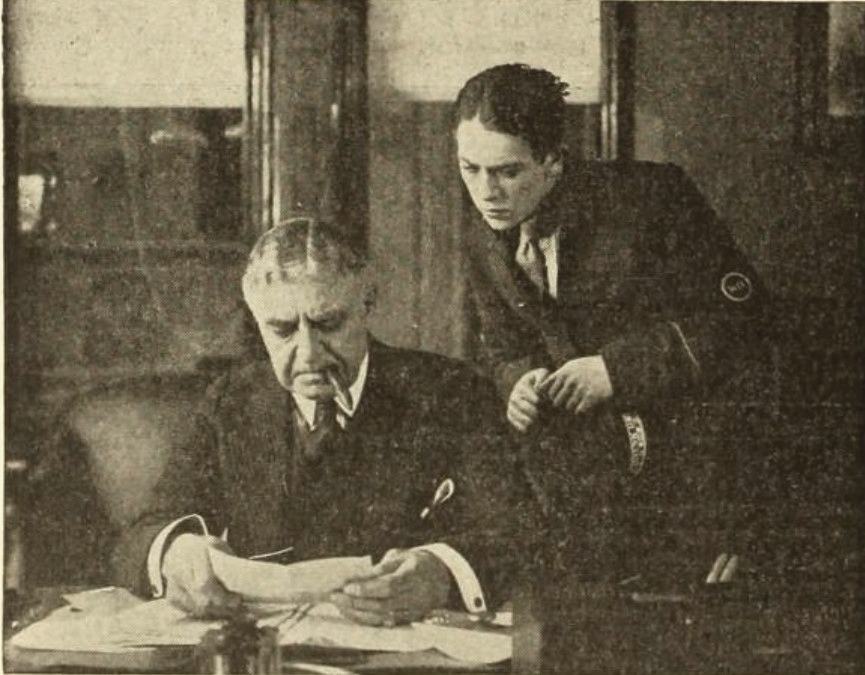
The Merediths, in reality much in love, have quarreled and agreed to separate but cannot agree as to the disposition of their little daughter Beryl. All this is opportune for the plans of Spider, a notorious kidnapper and his gang, who plot to steal Beryl while her nurse flirts in the park with one of their pals. The scheme works out as they plan and the child is taken to a deserted gambling den. The father and mother, in desperation, each apply to Babbings, a celebrated detective, although each accuses the other of haying kidnapped the child. Babbings privately suspects Spider's gang, whom he knows to be in town, but intends to make sure, so he has Spider shadowed. His men discover that Spider is receiving telegrams in code. It is necessary to get this code, so Babbings and one of his trusted men go to the hotel where Spider is stopping. Here they are at a loss until Barney, one-time messenger boy, comes whistling into their office to apply for a position with "reglar deetectuvs," and carries Babbings' bag to the hotel. Babbings has noticed the boy's shrewdness and asks him what he can do. Barney replies that he can "hold his tongue and talk deaf and dumb." This appears to please Babbings, who hires the boy at once and starts him to work by telling him to get the code book from Spider's room. The lad, disguised as a bellhop, accomplishes this and Babbings tells him the real plan, which is for Barney to masquerade as a wealthy deaf and dumb boy going to a sanatorium with an attendant. Spider will undoubtedly think this is a nice morsel for himself and will take Barney to the spot where he is hiding little Beryl, thinking to receive still another big ransom. This happens as Babbings has foreseen and Barney finds himself in the deserted house with little Beryl and Spider's gang. He manages to phone his information to Babbings in the night and the latter comes to the house disguised as a member of the gang. He gives the password and all would have been well had not Mrs. Meredith, summoned by the gang for the purpose of wringing money from her, entered and exclaimed his name, warning the crooks. They succeeded in making a getaway, but take Beryl and Barney with them. Barney is nearly discovered in his efforts to speak to Babbings but manages to disarm their suspicions and later signals to a small town sheriff whom he sees reading the notice of the thousand dollar reward offered by the Merediths. The sheriff, however, objects to sharing the reward with Barney and locks him and Beryl in a room while he goes to town to get it. Barney escapes, however, and an automobile race to town follows in which Barney is the victor by a few seconds.
View Details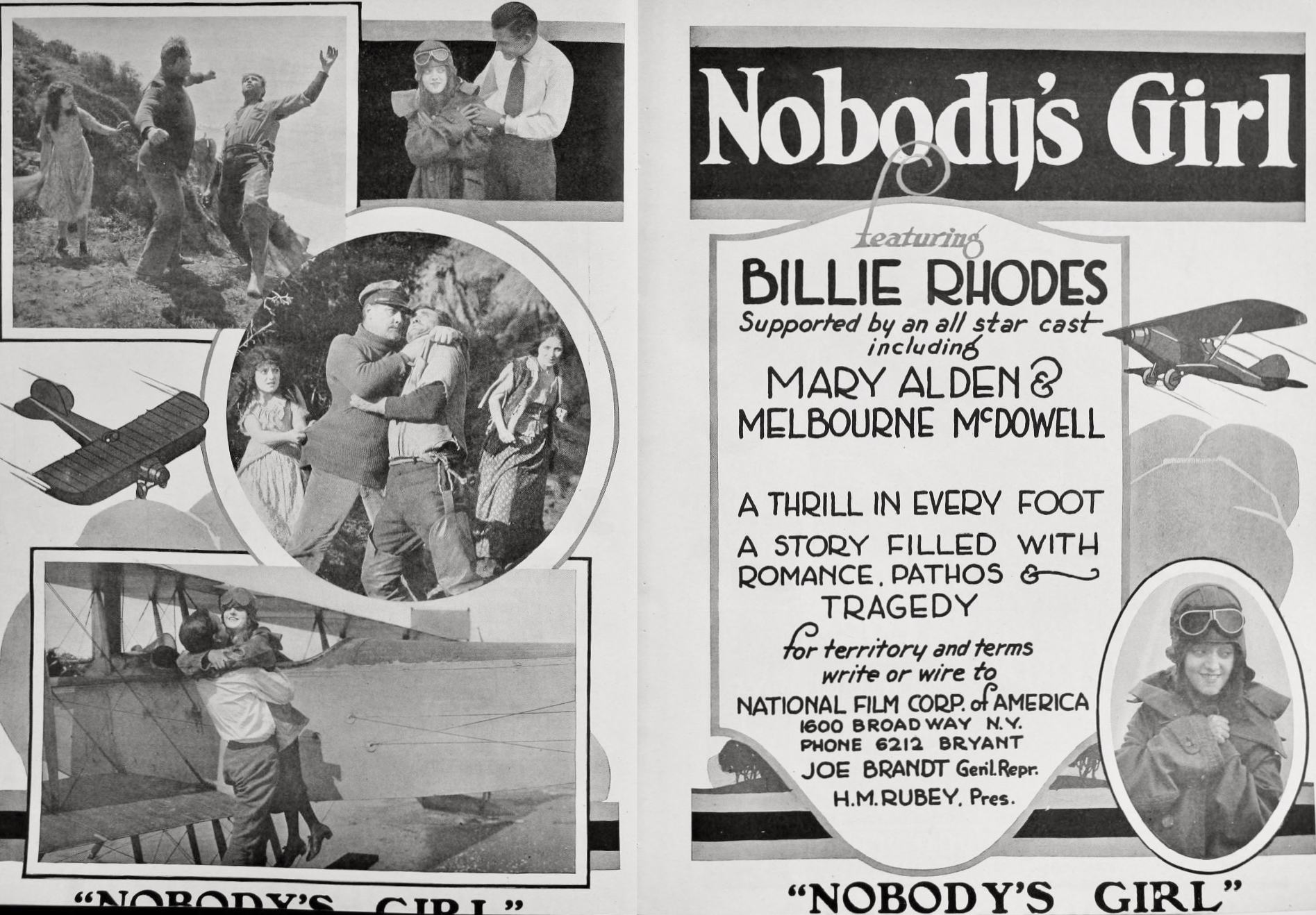
Dir: Francis J. Grandon
A raft carrying a little girl and a dead woman drifts in from a shipwreck to Devil's Island. There, a band of thieves and smugglers name the girl Rose Marie, though she grows up as "nobody's girl." Living in a cave, she learns to read through the kindness of Jason, who is soon killed by the cruel leader, Red Gull. In Red Gull's power, and urged on by Jason's jealous wife, Rose Marie makes her escape in a rowboat, where she is spotted by an aviator flying above the sea. He rescues her, taking her to be cared for at his home where she is well treated. When newspapers report a mysterious shipwreck on Devil's Island, Rose Marie reveals the way in which Red Gull lured ships to their doom there. She guides the authorities to the island, where, after a fierce battle, the thieves are wiped out. Eventually the aviator falls in love with Rose Marie, and "nobody's girl" is somebody's sweetheart at last.

Dir: Francis J. Grandon
A girl known as "Boots," who keeps house for a band of crooks led by her kind guardian, Uncle Ben, called "The Lion," demands that she be allowed to accompany them on a burglary. Dressed in boy's clothes, Boots is caught by Mrs. Kathryn Sylvester, a rich society widow, who, upon learning that Boots is a girl, resolves to avenge herself on James Graham, who refused to marry her stating that he wanted no stain on his lineage. She raises Boots in luxury, and at the proper time, introduces her to Graham's son Donald. After Boots endures an awkward two years of study during which she still frolics with her pet pig, she and Donald fall in love. During their wedding, Mrs. Sylvester announces Boot's past to Graham, but Uncle Ben, now reformed, reveals that Boots is really the daughter of Major Richard Harvey, who is present. The happy couple then resume their wedding.
View Details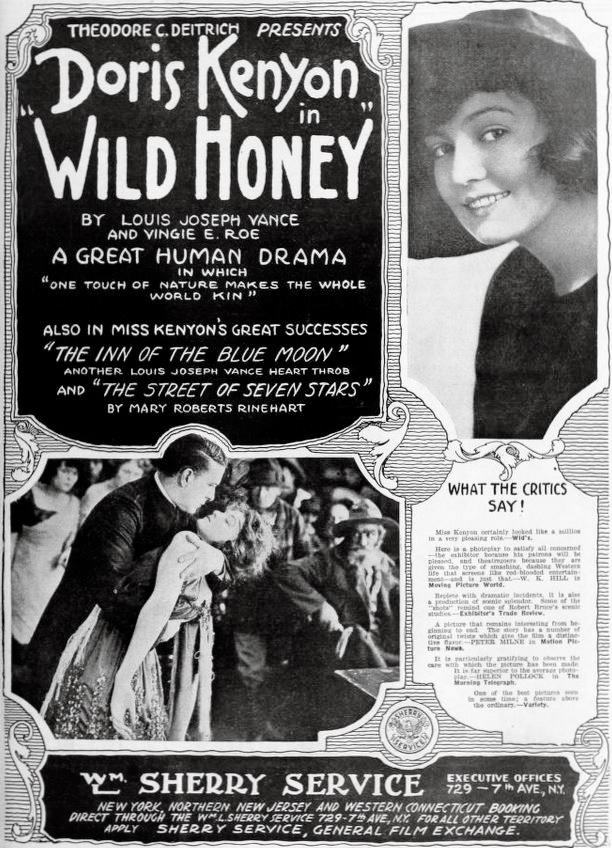
Dir: Francis J. Grandon
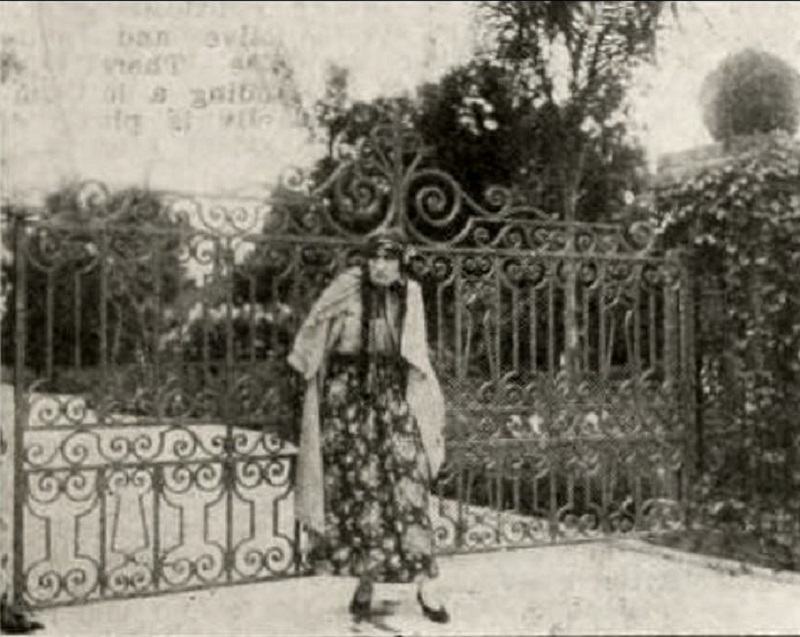
Concerned that she will ruin the Rev. David Warwick's career by marrying him, actress Letty Noon accompanies her fiancé to the home of Pastor and Mrs. Holbrook to seek advice. In answer to their question, the old parson narrates the story of young Jim Brown, a minister who resolves to reform the rough miners in a small Western town. His strength and dedication deeply impress the townspeople, but his sermons seem to have little effect on "Wild Honey," a dance hall girl who resents his constant admonitions. Wild Honey secretly loves Rev. Brown, however, and after she impulsively kisses him, he forgets his preaching and thinks only of her. One of Wild Honey's jealous suitors frames the reverend for murder, but she clears his name and, later that night, tells the parson of her love. Hearing her declaration, another rejected suitor attempts to shoot Rev. Brown, but Wild Honey shields him and is seriously wounded. The reverend then takes her to another town, where they happily grow old together.

Dir: Francis J. Grandon
Strathmore, a woman hater, falls in love with "Lady" Vavasour after having reproached his friend, Bertie Errol, for his attentions to Lucille, the little farm girl. Errol, too, has trifled with the Vavasour woman and warns Strathmore that she is thoroughly bad and not really Vavasour's wife at all. They quarrel and fight a duel in which Erroll is killed. He has left a letter to Strathmore, explaining that Lucille, the daughter of exiled but noble Russians, is really his wife though he has kept the marriage secret for fear of offending his family and wealthy uncle. When the news of Errol's death is brought to her, Mrs. Errol dies of shock and Strathmore adopts and rears the daughter of this match who has been named Lucille for her mother. Lord Strathmore drives "Lady" Vavasour from society and completely exposes her, for he holds her responsible for the trouble between himself and Errol. As the years pass, Lucille grows into a beautiful girl, and when the Comte de Valdor proposes for her hand she refuses him, revealing that she loves Strathmore. Because he has killed her father, he hesitates, but in the end he marries her. "Lady" Vavasour, affected by the girl's happiness, foregoes exposing the truth of her father's death.
View Details
Dir: Francis J. Grandon
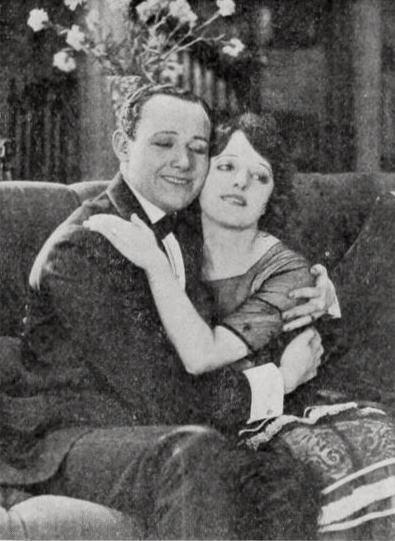
Two passionate suitors pursue actress Elaine Elton Oscar Billings, the head of several large theaters, and millionaire Jack Dexter, whom she has never met. To force her to spend time with him, Jack pretends to be a chauffeur and gets a job with Elaine, who soon feels quite attracted to him. Then, Oscar combines a marriage proposal with a threat, and tells Elaine that she will never work again if she refuses to become his wife. Elaine gives in and marries Oscar, but then murders him because of his numerous affairs, after which she herself dies while trying to escape from the police. Elaine then wakes up, and after realizing that her marriage and the events that followed it were a bad dream, decides that the nightmare may have foretold the future. As a result, she ignores Oscar's threat to her career, and marries her millionaire chauffeur.
Dir: Francis J. Grandon
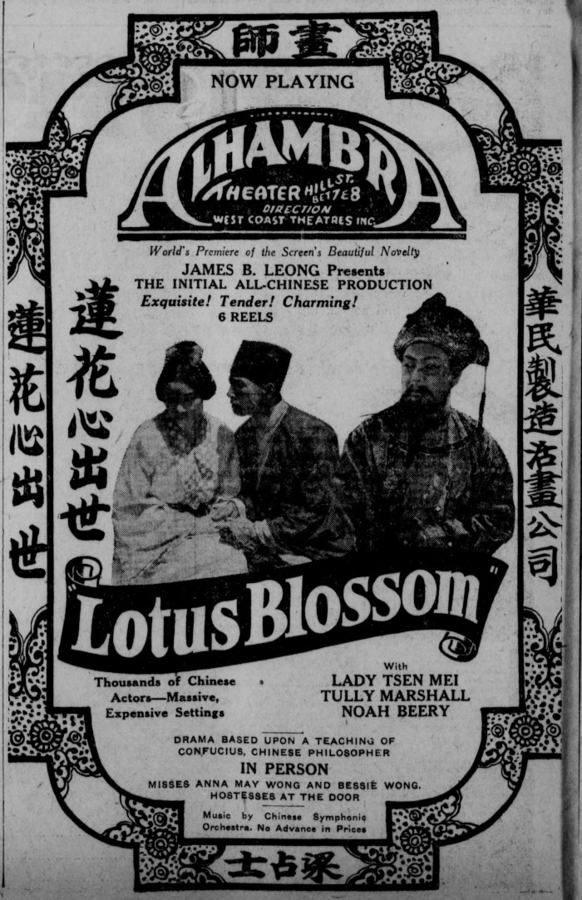
The inventor of the first clock, which would eliminate the use of the village's sacred bell, is sentenced to life imprisonment by the Emperor, but escapes his fate by hiding with a father and his daughter.
View Details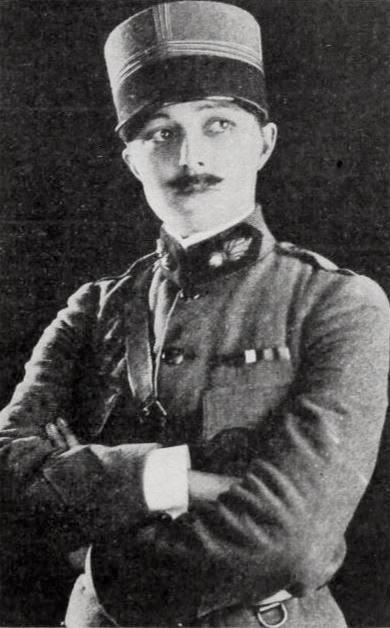
Dir: Francis J. Grandon
When Roberta Carruthers' father, Capt. Carruthers, is killed in France during the war, she comes to live in the US with her uncle. When she finds out that her uncle is under the impression that his brother had a son and not a daughter, she decides to disguise herself as a male, and calls herself Bob. She becomes a translator for William Faulkner, the governor of the state, and in that capacity exposes a number of German spies. However, Gov. Faulkner manages to meet "Roberta" as a woman, not knowing that she is actually "Bob", his translator--and falls in love with her. Complications ensue.
View DetailsAnalysis relative to The Adventures of Kathlyn
| Film Title | Atmosphere | Complexity | Similarity |
|---|---|---|---|
| The Narrow Path | Gothic | High | 87% Match |
| Cross Currents | Gothic | Dense | 95% Match |
| The Dummy | Surreal | Abstract | 98% Match |
| Miss Nobody | Gritty | High | 89% Match |
| The Lamb and the Lion | Tense | Layered | 85% Match |
This guide was algorithmically generated using the cinematic metadata of Francis J. Grandon's archive. Last updated: 8/16/2026.
Back to The Adventures of Kathlyn Details →