
DbcultAccessing Vault...
Recommendations
Senior Film Conservator
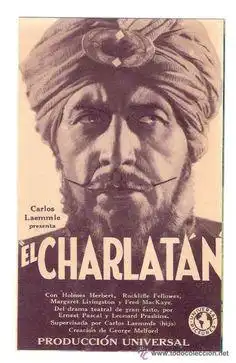
Navigating the complex narrative architecture of The Charlatan is a artistic bravery experience, the emotional payoff of the 1929 classic is what fans crave in similar titles. The following gems are essential viewing for anyone captivated by The Charlatan.
The artistic audacity of The Charlatan ensures it to define the very concept of artistic bravery in modern film.
A woman goes to a sideshow fortune-teller to have her fortune told, and is astonished when the man looks into his crystal ball and goes into great detail about events in her past that few people ever knew about. Shaken, she leaves and later tells her girlfriend about the incident. The girlfriend insists that she invite the fortune-teller to a party they're having at her house. What the woman doesn't realize is that the "fortune-teller" is actually the ex-husband she abandoned years ago, when she took their daughter and ran off with her lover. When the "charlatan" is invited to the party, he sees an opportunity to take his revenge on his faithless ex-wife.
The influence of George Melford in The Charlatan can be felt in the way modern Romance films handle artistic bravery. From the specific lighting choices to the pacing, this 1929 release set a high bar for atmospheric immersion.
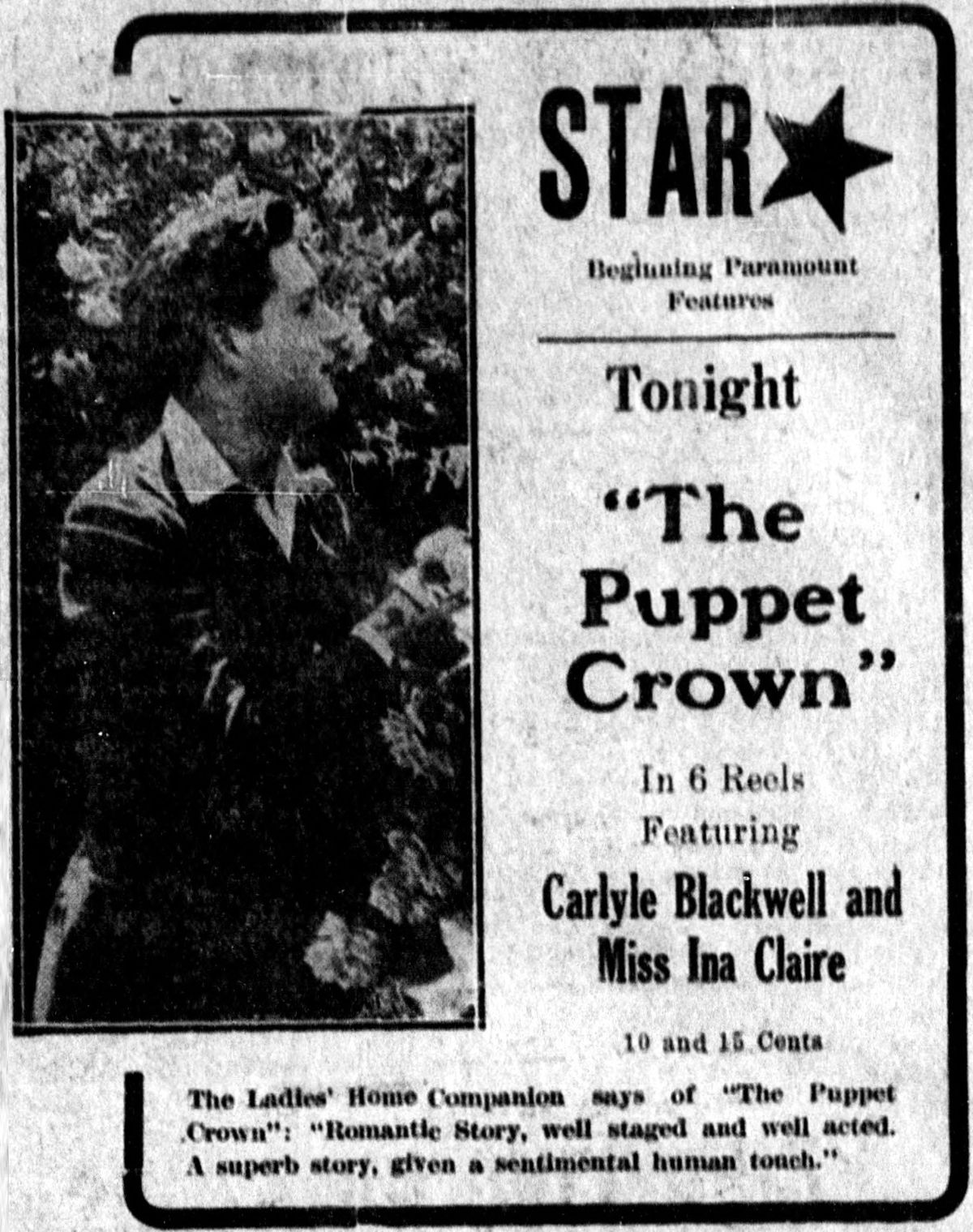
Based on the unique artistic bravery of The Charlatan, our vault has identified these titles as the most compelling follow-up experiences for fans of Romance cinema:
Dir: George Melford
Ailing King Leopold sends his daughter Princess Alexia of Osia to a exclusive American girls' boarding school as a commoner, so that she can know the meaning of true freedom. When she meets young millionaire Bob Carewe, they fall in love, but Alexia is summoned home because of a conspiracy of the king's advisers threatening to replace him with the Duchess Sylvia. When Bob reads of Osia's financial difficulties, he goes to help with a loan, though he realizes she cannot marry him if she is ever to rule. When the king dies suddenly, it causes a rebellion among the people. Although Bob bravely fights against the conspirators and nobly helps a bleeding rival for Alexia's affections, the duchess is proclaimed queen. She orders Alexia's arrest, but Bob, using one of the conspirators as a shield, escapes with Alexia to the border, now they are happily free to marry.
View Details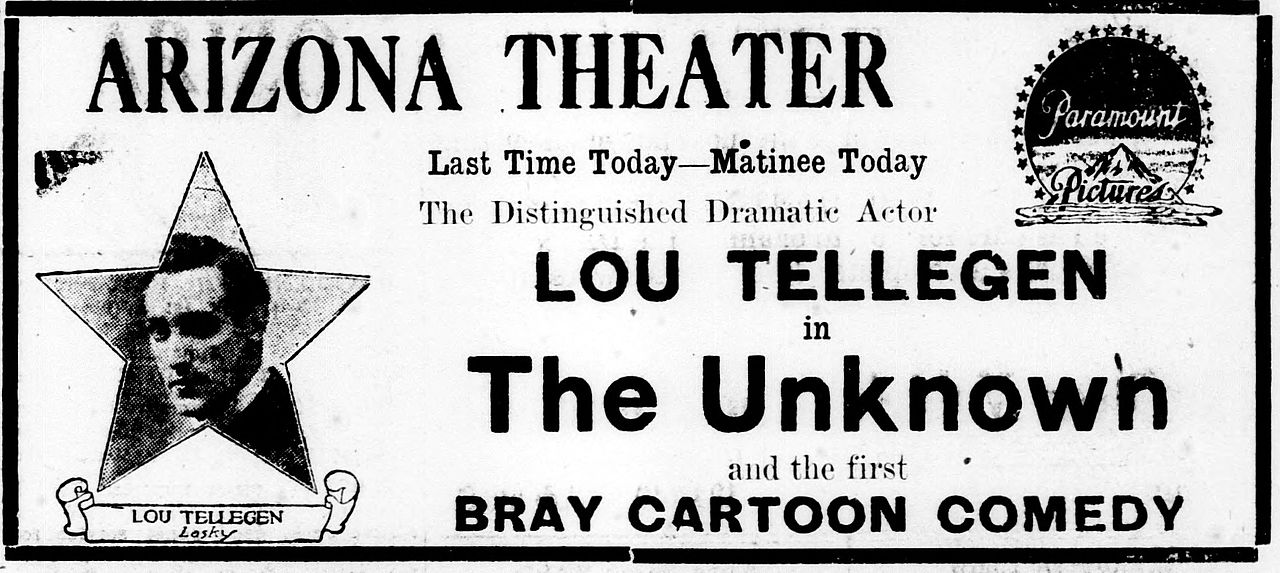
Dir: George Melford
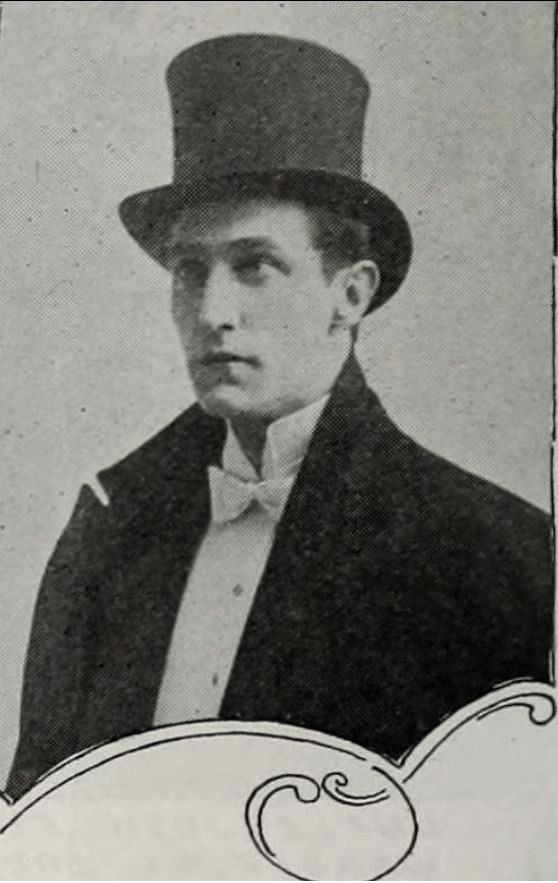
A young man joins the French Foreign Legion and is sent to Algieria, where he becomes a target for hatred by his commander. However, the commander has a change of heart when he realizes who the young man is.
View Details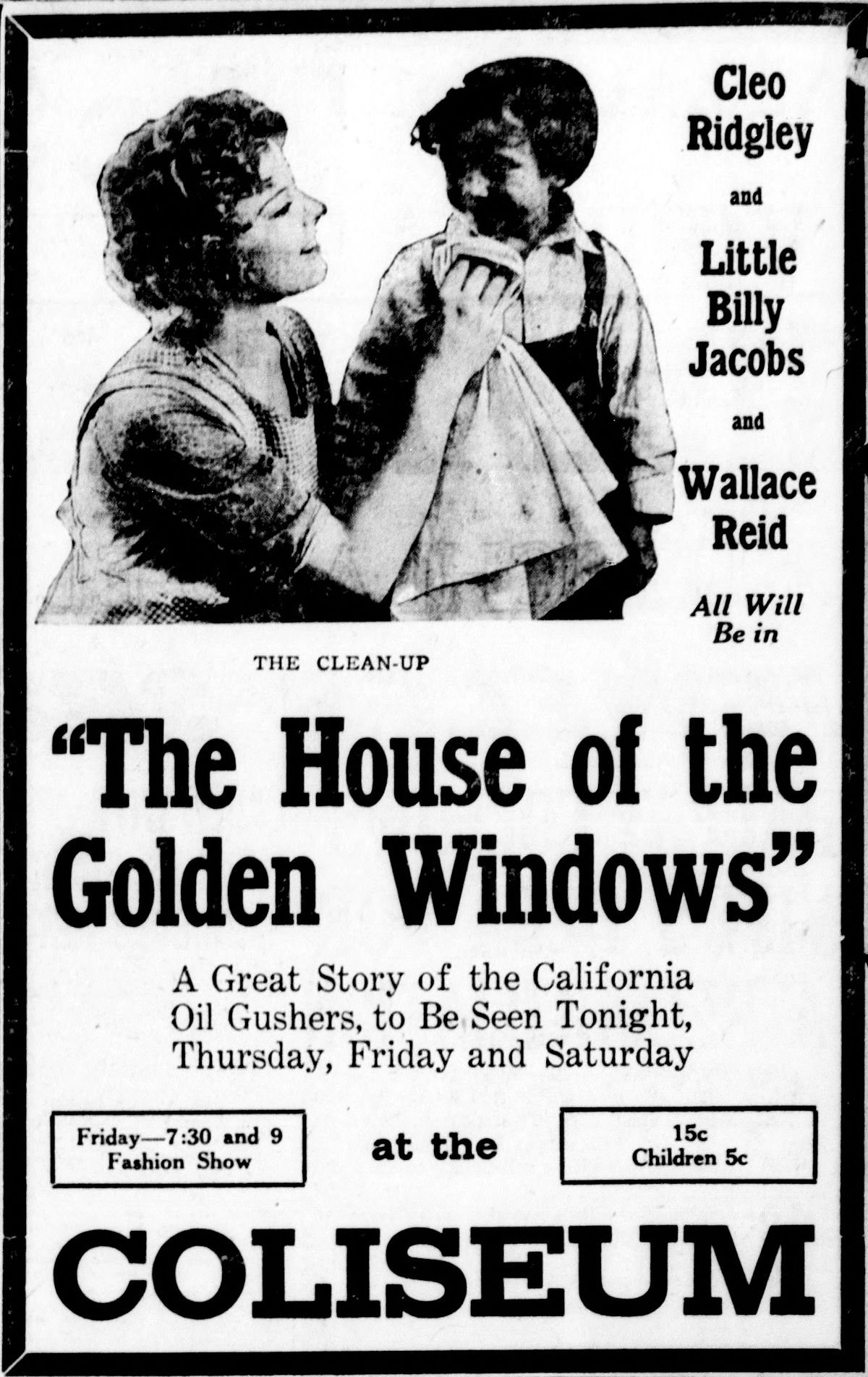
Dir: George Melford
Sue Wells husband Tom works as a shepherd, is sick of being poor, living in the shadow of Mr. and Mrs. James Peabody's opulent estate. When the Peabodys leave for a vacation, Sue and Tom carry out a check fraud scheme and take advantage of a loophole in the Peabody's lease, resulting in their becoming the owners of the estate. However, living in the mansion does little to make Sue happy, and when James returns and discovers what she and her husband have done, he kills Tom. He is about to murder Sue, too, when she wakes up, and realizes that her life as a wealthy landowner has been only a dream. James then enters, and announces that he has made Tom the estate manager, which forever ends Sue's financial worries.
View Details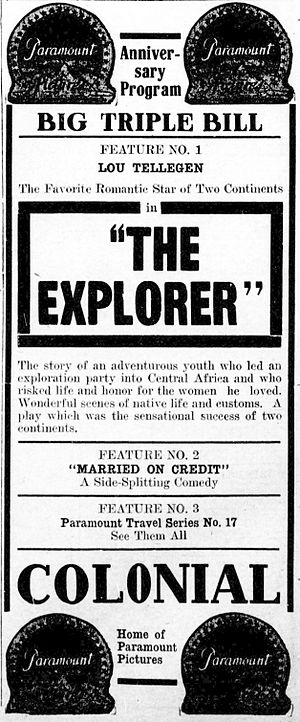
Dir: George Melford
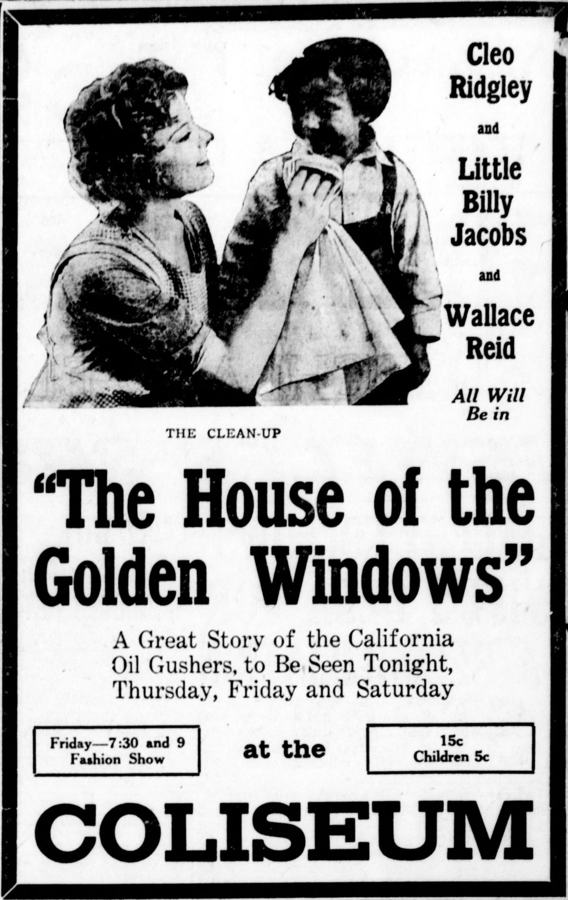
A fascinating piece of cinema that shares thematic elements.
View Details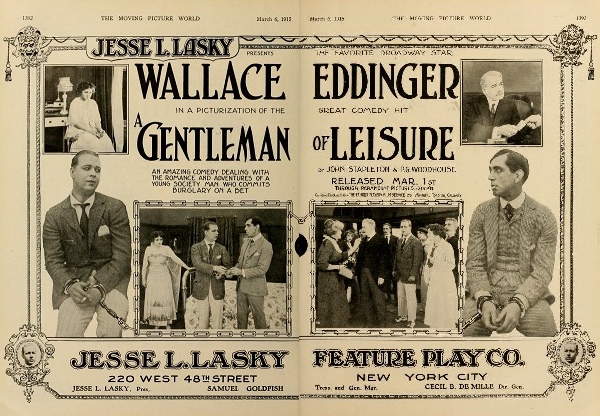
Dir: George Melford
A young New York society man makes a bet that he can rob a house and get away without being caught by the police. Shortly after making this wager, he overpowers a professional burglar in his own house, and instead of giving the man up, decides to use him in winning the bet. However, the house that he attempts to rob is the home of the Deputy Police Commissioner, with whose daughter he is in love. The succeeding complications, which arise out of this altogether original situation, are due to the Commissioner's willingness to accept graft and the professional burglar's inability to restrain himself when tempted to steal a valuable necklace. The final result is a happy conclusion to the very troubled love-story.
View Details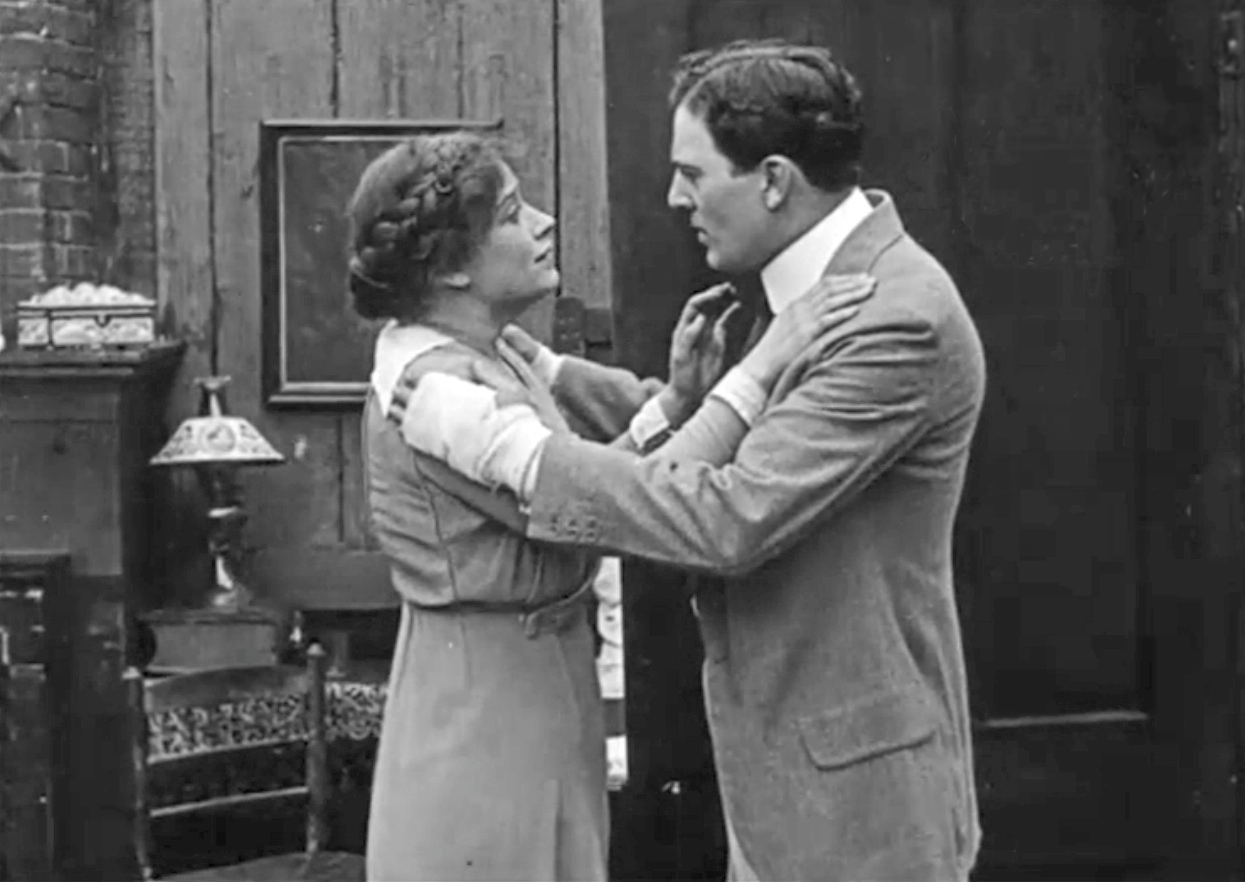
Dir: George Melford
Helen Scott has been left the sole owner of the Scott Canneries by her father's death, but being too busy with social duties, she leaves the handling of the industry's business to her hard-fisted uncle and only calls upon him when she needs money. Harvey Brooks, manager of the canneries' Tampa branch, is a hard-working young man with new ideas of social welfare. He has hundreds of people in his employ working under most unfavorable conditions for starvation wages. He has pleaded with Helen Scott and her uncle to better the working conditions but has always been ignored. During the height of the social season, Helen goes to Palm Beach, Florida with a party of friends for the yacht races. While sailing her sloop one foggy night, it is run down and sunk by a large schooner, a fruit carrier for the Scott canneries. Helen is rescued from the sea by the captain of the schooner. The heiress is stunned by a blow on the head, received at the time her sloop was struck. When she recovers she is unable to remember her name or her identity. The schooner captain takes Helen to his home, and when she has recovered, his daughter, who works in the cannery, secures Helen a position beside her at the cutting table. Brooks, hearing of Helen's accident and loss of identity, takes an interest in her and she is attracted by his kind manner. Labor leaders are urging the cannery workers to strike and place the blame for the conditions upon young Brooks. One night Brooks is slugged and bound to a chair in his frame office building and the plant is set on fire by the excited workers. Helen rushes through the flames to his aid and as she unbinds him she is overcome by smoke and falls unconscious by his chair. Brooks carries her to safety through the burning buildings and returns her to the schooner captain's home. While they are both recovering from their burns a detective, employed by the uncle, locates Helen. The shock of the fire and the burns has slightly restored Helen's memory and the clever detective finally brings her to realize who she really is. Helen is in love with Brooks and he with her, believing that she is a poor factory girl. The heiress realizes that Brooks hates the real Helen Scott for her indifference to the workers. When he has recovered she meets him alone, tells him she is Helen Scott, and breaks down his wall of hatred and together they go to help their coworkers.
View Details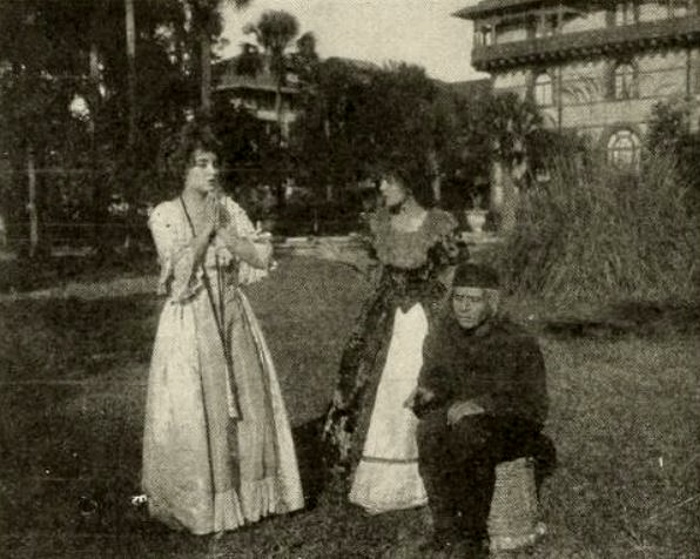
Dir: George Melford
Foster sister of the Duchess d'Aubeterre, Madeline, marries Jean Renaud, a French soldier, and has a daughter named Adrienne. Five years later, on a battlefield, Renaud is entrusted by the Count de Moray with jewels and papers proving that Adrienne is his heir. After Moray's death, Renaud gives everything to Madeline and then returns to the battle. Lazarre, who had followed Renaud, then goes to Madeline and demands the jewels. Madeline's refusal awakens Adrienne, but Madeline quiets her by saying that her father is home. When Madeline still refuses Lazarre's request, he stabs her. Later, Adrienne tells the neighbors that her father had just been with her mother. Renaud is sentenced to prison for life, after which the Duchess adopts Adrienne. Many years later, Adrienne re-encounters her father and eventually the true murderer is revealed and Renaud is pardoned.
View Details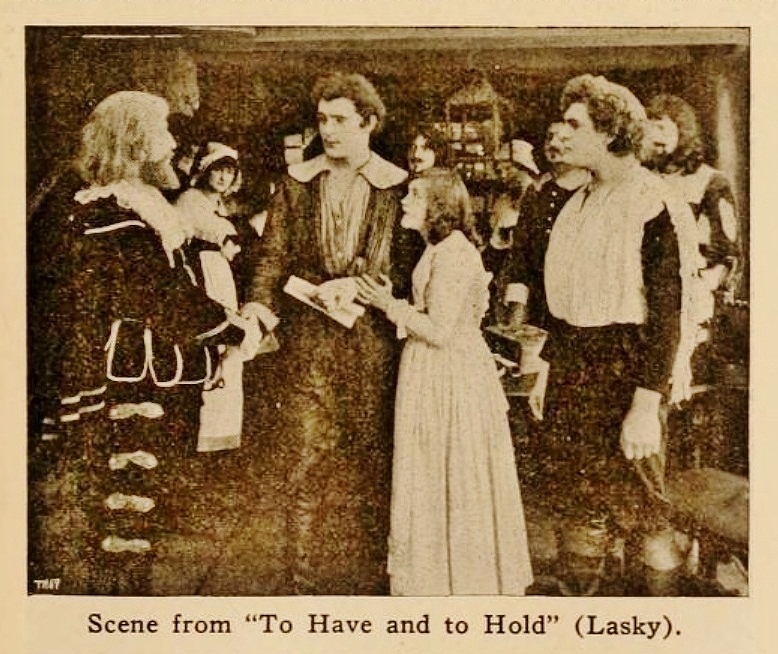
Dir: George Melford
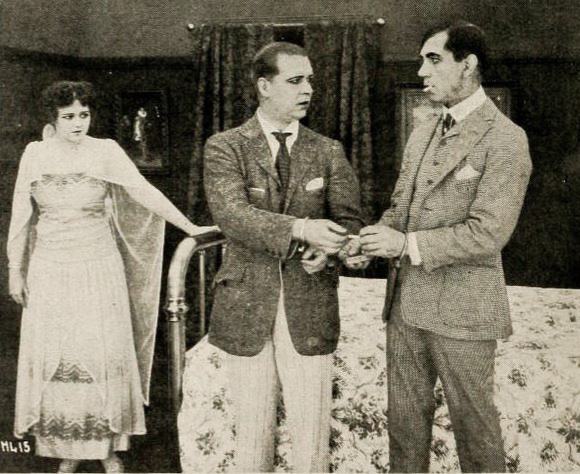
Lady Jocelyn, a favorite in the court of England's King James, escapes a forced marriage to the hated Lord Carnal by fleeing to American colonies. There she meets and marries Captain Ralph Percy. Pursued by Lord Carnal, Lady Jocelyn and her new husband eventually find themselves shipwrecked on a desert island with Lord Carnal. A band of pirates finds them there, and Captain Percy convinces them that he is himself a notorious pirate chief. But Lord Carnal casts them all into danger by revealing Percy's true identity.
View Details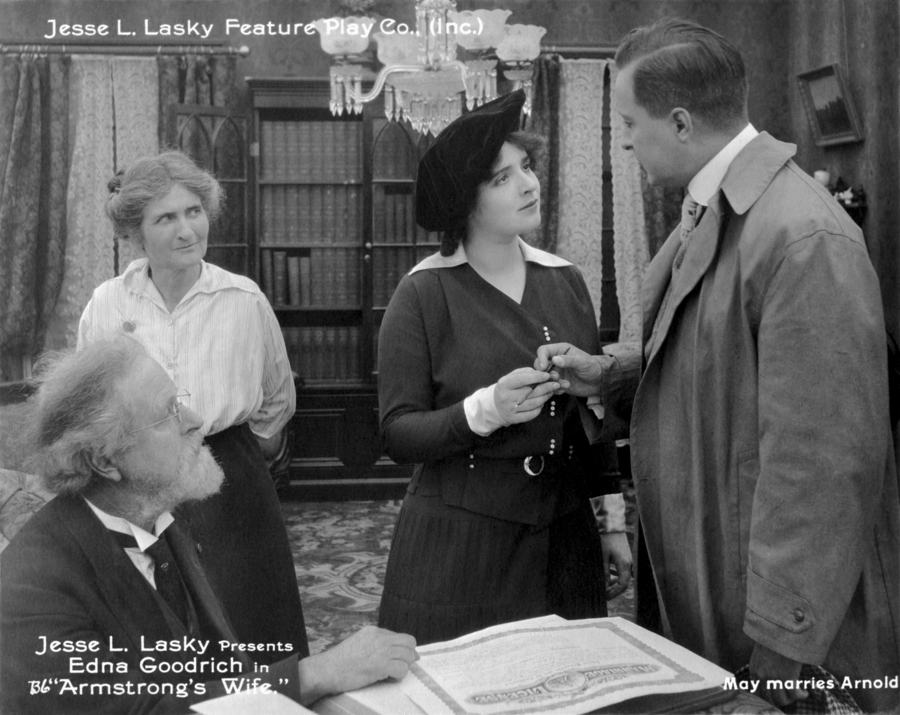
Dir: George Melford
Gambler Harvey Arnold is forced to leave San Francisco and winds up in a small country town that is in the midst of a reform movement. He marries local girl May Fielding, who has no idea of his profession. When she finds out, he promises to quit, but it turns out that his profession wasn't the only secret he was keeping from May.
View Details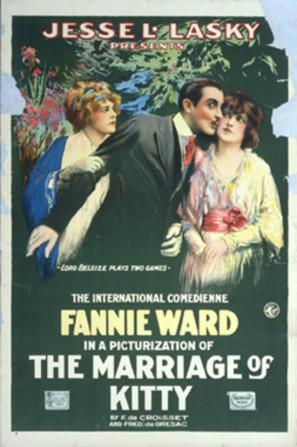
Dir: George Melford
For the first time in her life Katherine Silverton--Kitty to her friends--hesitated about spending carfare to ride six blocks to the law office of her godfather, John Travers. She was not used to walking and she didn't intend to start just because her money supply was short and she faced a future which threatened economy of the strictest sort. Kitty's father had died leaving her practically nothing. She sought the advice of Mr. Travers. At the moment she entered the outer office, Mr. Travers had a perplexing problem on his hands. He was attorney for a large estate, the heir to which, Lord Reginald Belsize, had that morning arrived in New York to claim his inheritance. Lord Reginald was young, good-looking and ambitious to marry Mme. Helen de Semiano. Mme. Helen saw a favored match in Lord Reginald, who was soon to be wealthy, and her young-spendthrift brother Jack Churchill encouraged the match. But certain provisions of the will perplexed Mr. Travers. They also perplexed Lord Reginald. It was stipulated that Lord Reginald was to marry within a year or lose his inheritance; it further was stipulated that he was not to marry an actress. Lord Reginald didn't see how it could be arranged as he had brought Mme. Helen and her brother to New York. Mr. Travers suggested that he marry someone else first, leave her after the wedding and in six months she will obtain a divorce on grounds of desertion, making you free to marry whom you please. Then Kitty entered the office. Kitty assented to the proposition readily. She had the promise of a large sum of money, a quick divorce, and a chance to look around the world. But Kitty was very attractive and pretty, and Lord Reginald said that if Mme. Helen, who had reluctantly agreed to the arrangement, should see such an attractive young woman, she would refuse her consent. But resourceful Kitty rearranged her hair, put on a gingham apron, rolled up her sleeves, and made herself into a most unpromising person. Mme. Helen passed approval, not knowing the hoax. The ceremony was quickly performed and Lord Reginald and his bride left to be gone for several months until Kitty had gained her divorce. Meanwhile the jealousy of Mme. Helen was discouraging Lord Reginald, so one day he went to Long Island where Kitty was living. Realizing her opportunity, Kitty did everything within her power to make him happy. When Mme. Helen arrived, having followed Lord Reginald, the latter told her the time had come for the parting of their ways. Kitty, he said, was the woman he loved, and Kitty admitted that she loved him.
View DetailsAnalysis relative to The Charlatan
| Film Title | Atmosphere | Complexity | Similarity |
|---|---|---|---|
| The Puppet Crown | Surreal | Linear | 90% Match |
| The Unknown | Surreal | High | 94% Match |
| The House with the Golden Windows | Gothic | High | 91% Match |
| The Explorer | Gritty | High | 97% Match |
| A Gentleman of Leisure | Tense | Dense | 91% Match |
This guide was algorithmically generated using the cinematic metadata of George Melford's archive. Last updated: 6/27/2026.
Back to The Charlatan Details →