
DbcultAccessing Vault...
Recommendations
Senior Film Conservator
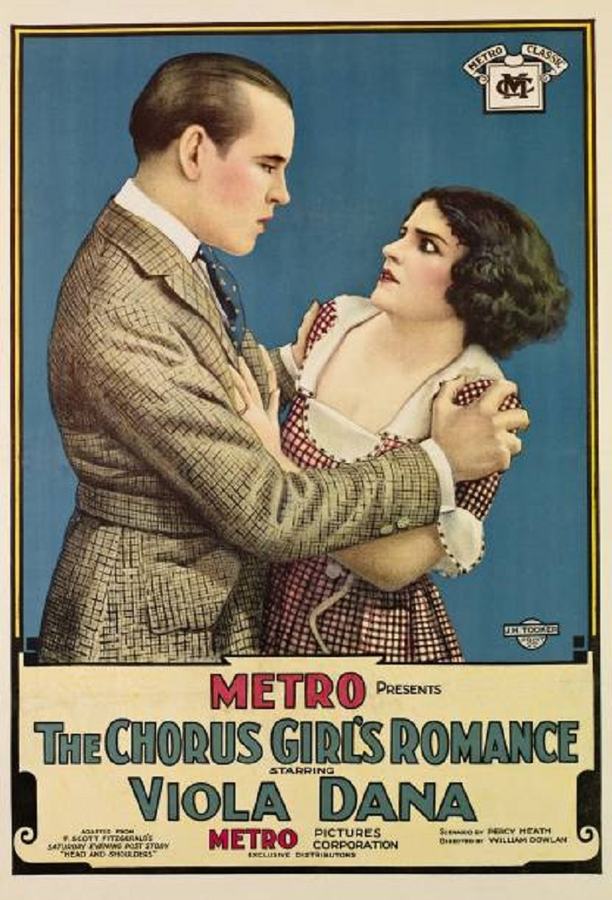
The cinematic DNA of The Chorus Girl's Romance (1920) is truly one of a kind, finding other movies that capture that same lightning in a bottle is a top priority. We have meticulously scanned our vault to find hidden gems that resonate with this work.
As a pivotal work in United States cinema, The Chorus Girl's Romance to challenge the status quo through its avant-garde structure.
When, on a prank, shimmy dancer Marcia Meadows visits bookworm Horace Tarbox in his Yale dormitory, Horace falls madly in love and follows her to New York, where they marry. Denounced by his wealthy father, Horace attempts to support Marcia through his writing, but all his manuscripts are rejected, and he is fired from every job. Marcia continues her dancing, and one night, Horace is soundly thrashed while trying to protect her from a fervent admirer. The incident forces Horace to take up athletics, and he is offered a job as a vaudeville trapeze artist. Marcia has a baby and for amusement writes a dictionary of slang. The book is published, Marcia becomes famous, and Horace's father forgives his son.
Critics widely regard The Chorus Girl's Romance as a cult-favorite piece of Comedy cinema. Its cinematic excellence is frequently cited as its strongest asset, solidifying its place in United States's film legacy.
Based on the unique cinematic excellence of The Chorus Girl's Romance, our vault has identified these titles as the most compelling follow-up experiences for fans of Comedy cinema:
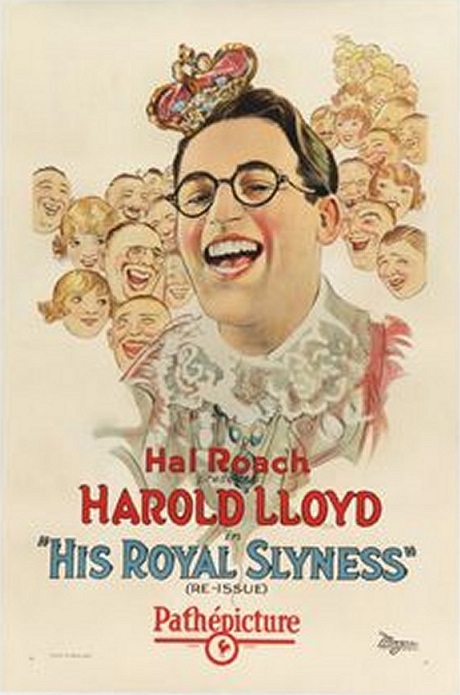
Dir: Hal Roach
An American book salesman (Lloyd) is persuaded to go to the kingdom of Thermosa to impersonate the Prince. He is greeted by a peasants' revolt before the real prince shows up to claim his throne and princess. The revolution succeeds, and the American is elected president of the new republic.
View Details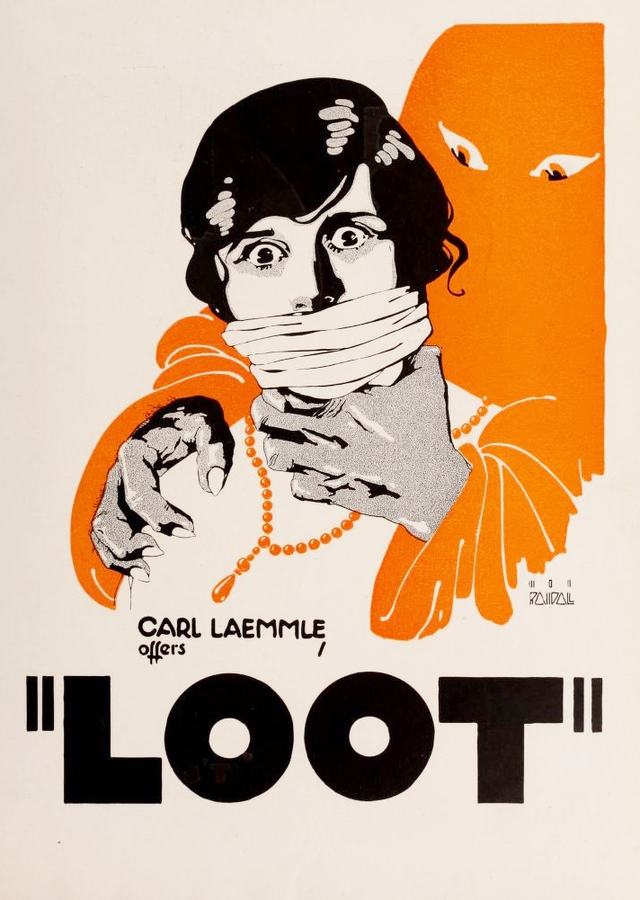
Dir: William C. Dowlan
Wade Hildreth is sent to New York from London to receive a diamond necklace for Lady Gwendolyn from the jeweler Arabin. A gang of crooks led by Pete Fielding, known as "The Shadow," plans to keep Hildreth from going to Arabin's until they have robbed the store. Actress Morn Light, whom the Shadow loves, agrees to entice Hildreth to her apartment to be imprisoned. When she warns Hildreth because she wants to avenge her father's death, which was caused by the Shadow, the Shadow overhears and captures them both. With large numbers of shoppers in the store, the gang takes the necklace, other valuables, and the customers' possessions. Discredited Detective Tyron follows the gang's getaway boat and arrives with the Marines in time to stop the Shadow, against whom his gang is mutinying, from attacking Morn Light. The gang is captured, the Shadow jumps overboard, and Hildreth returns to England with the necklace and Morn Light, now his bride.
View Details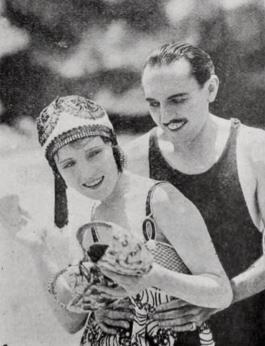
Dir: William C. Dowlan
Mary Brenton, daughter of wealthy Anthony Brenton, marries a man her father doesn't approve of, and they become estranged. When she tries to return home, her father refuses to let her in. Her daughter Angele disguises herself as a Belgian war refugee and her grandfather, not knowing who she really is, takes her into his house--and eventually into his heart. However, trouble arises in the form of the Brentons' greedy housemaid, a clandestine German spy ring, and an American agent tracking them.
View Details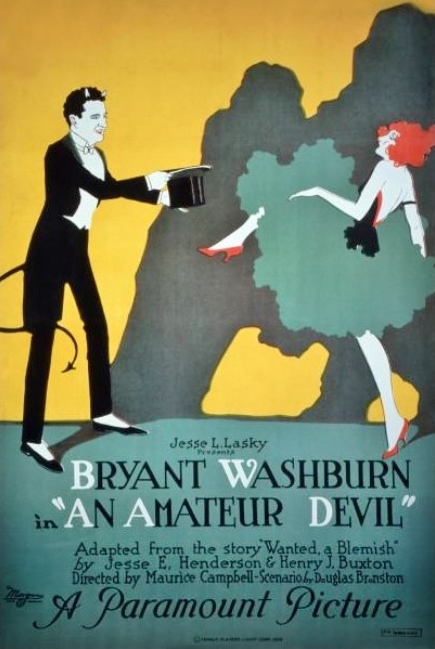
Dir: Maurice Campbell
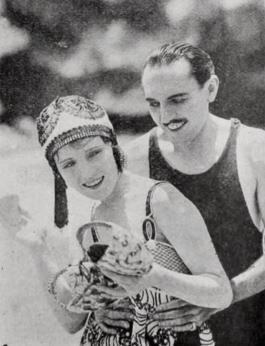
Carver Endicott, a young sophisticate, is rejected by his fiancée for being too foppish and dull. When she feigns an interest in his father, Carver attempts to disgrace his family name by working as a farmhand and later as a busboy in a hotel. However, the newspapers only praise him for his self-sacrificing principles; and finding that he cannot bring shame to the family through menial labor, he takes up with a notorious actress. But when this maneuver also fails, he returns to his former fiancée, who has no further complaint about his being an inexperienced dullard.
View Details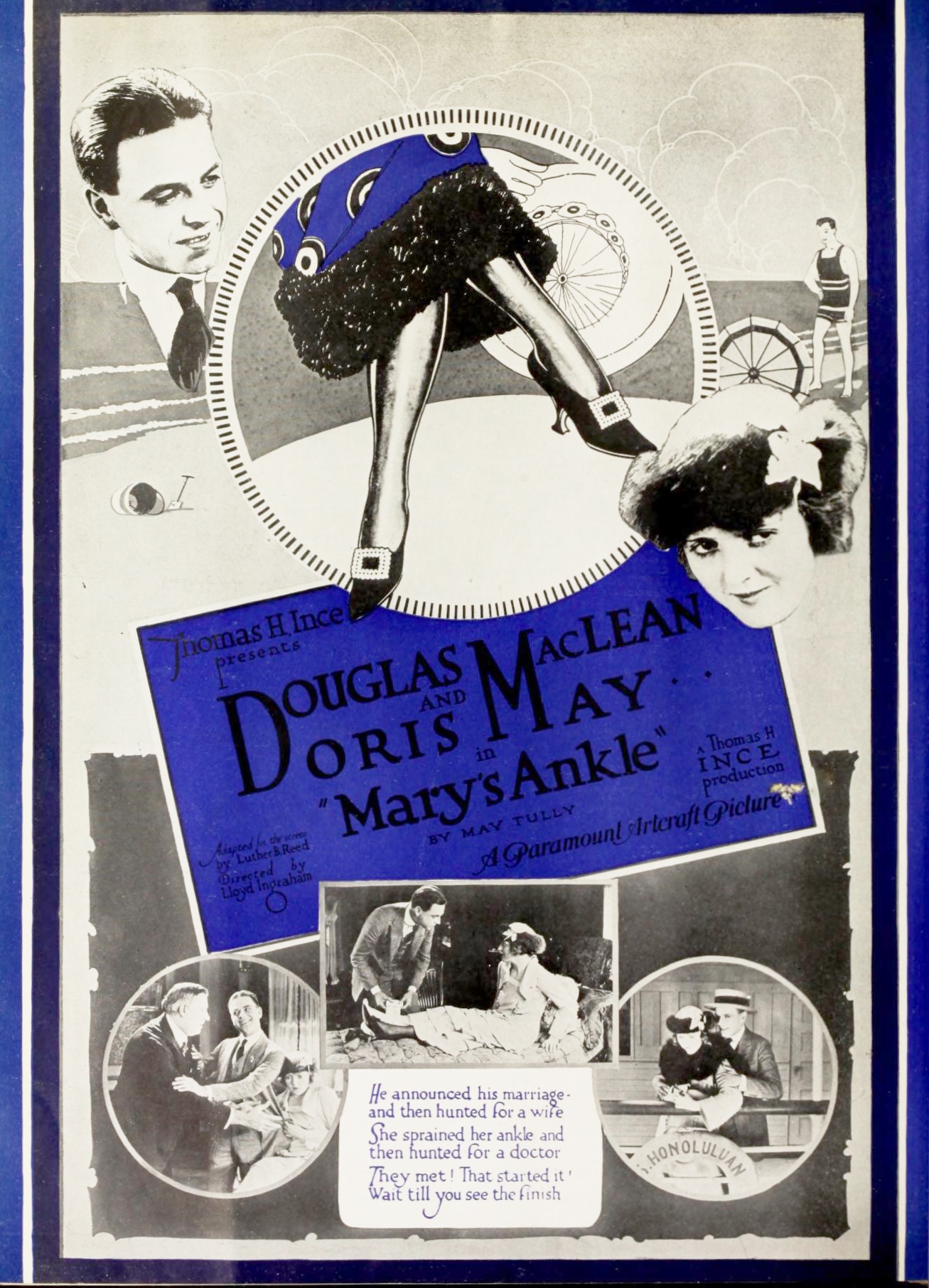
Dir: Lloyd Ingraham
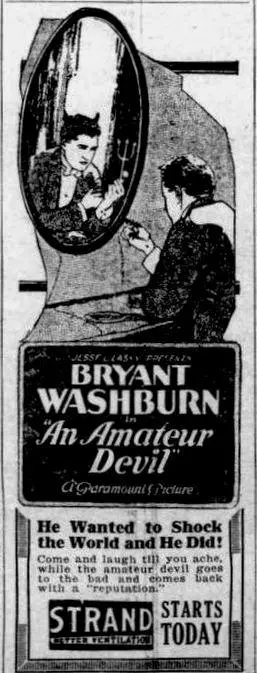
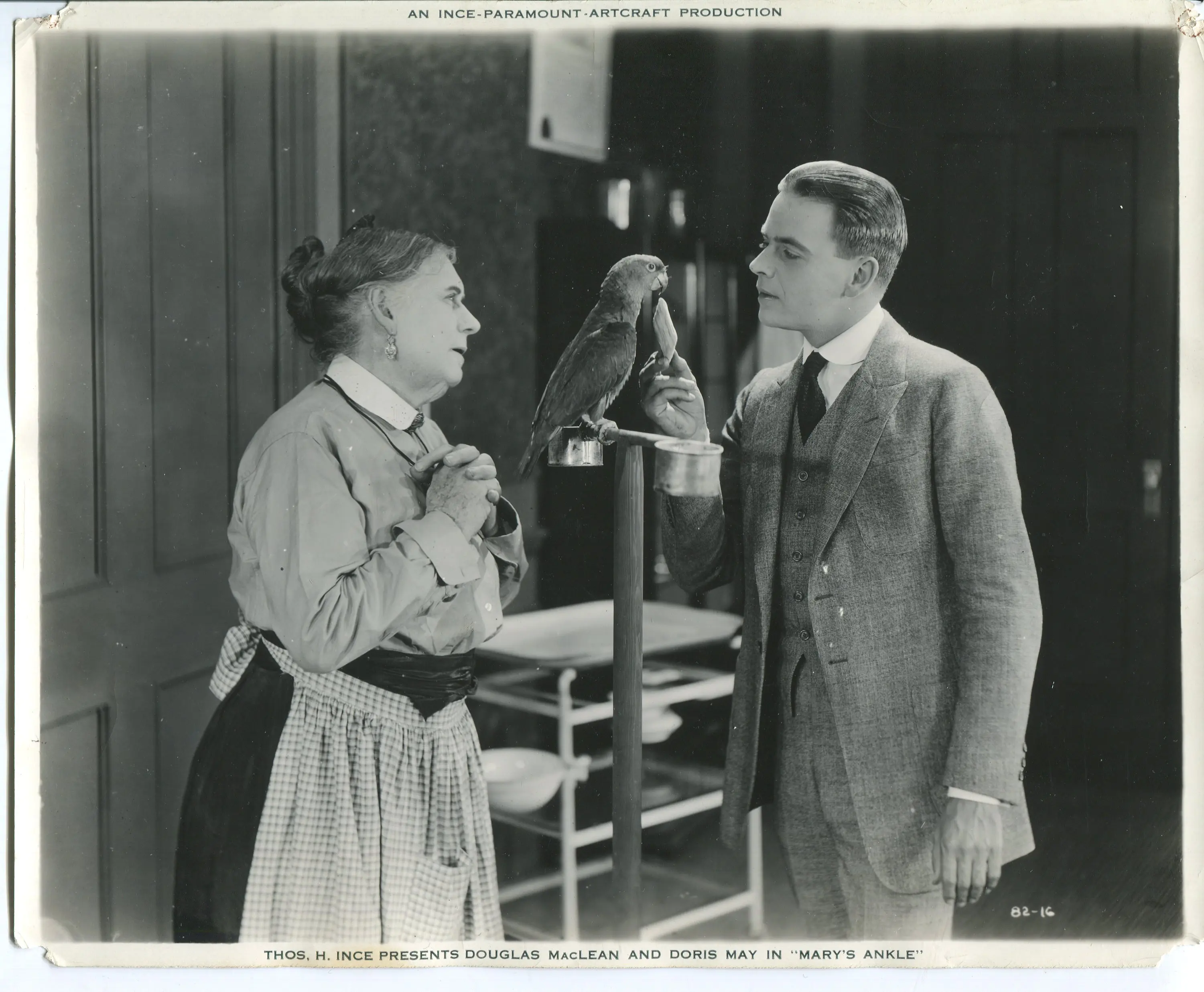
While walking along the street one day, Arthur P. Hampton, an impoverished young doctor, and his chums, Stub Masters and Johnny Stokes, are persuaded to part with their last remaining funds by tag day solicitor Mary Jane Smith, with whom the doctor promptly falls in love. Doc's friends then hit upon a get-rich-quick scheme. Knowing that his Uncle George has promised a large sum of money upon his nephew's marriage, they persuade Doc to send out fake wedding invitations naming Mary Jane as the blushing bride. Uncle George, elated at the good news, writes to Mary Jane's aunt, Angelica Burns, an old sweetheart, to invite Mary Jane and Angelica to be his guests on an ocean voyage. Meanwhile, Mary Jane pays a visit to the doctor's office and, upon seeing the wedding invitations, becomes so flustered that she trips and sprains her ankle. Doc comes to her rescue and then begs her to pose as his wife. She agrees, but at ship-side, Stub and Johnnie confess all to Uncle George, who flies into a rage until Doc announces that he and Mary Jane have chosen a wedding at sea.
View Details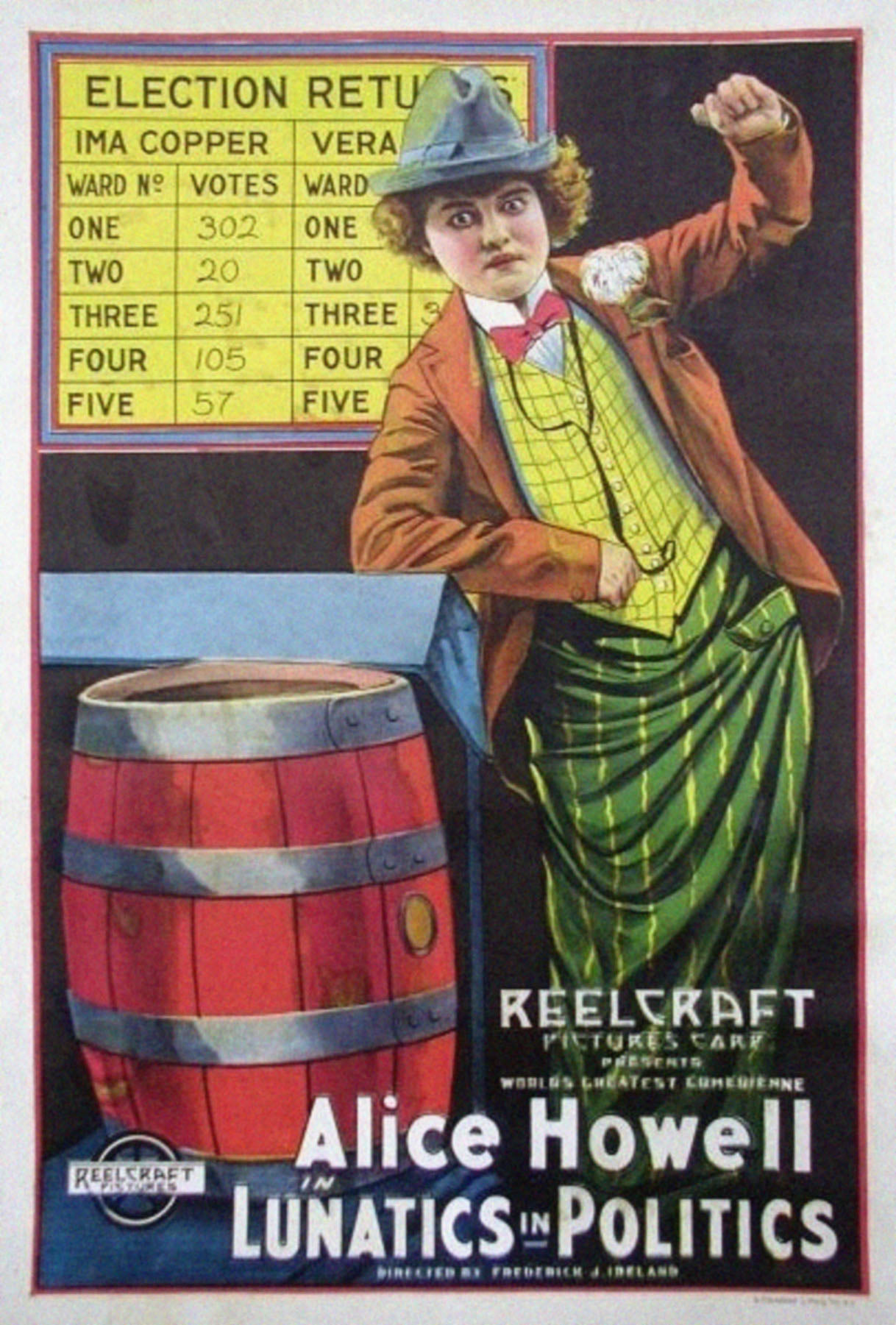
Dir: Richard Smith
Two female candidates for Chief of Police live across the hall from each other, and their political rivalry follows them home, leading to plenty of hi-jinks.
View Details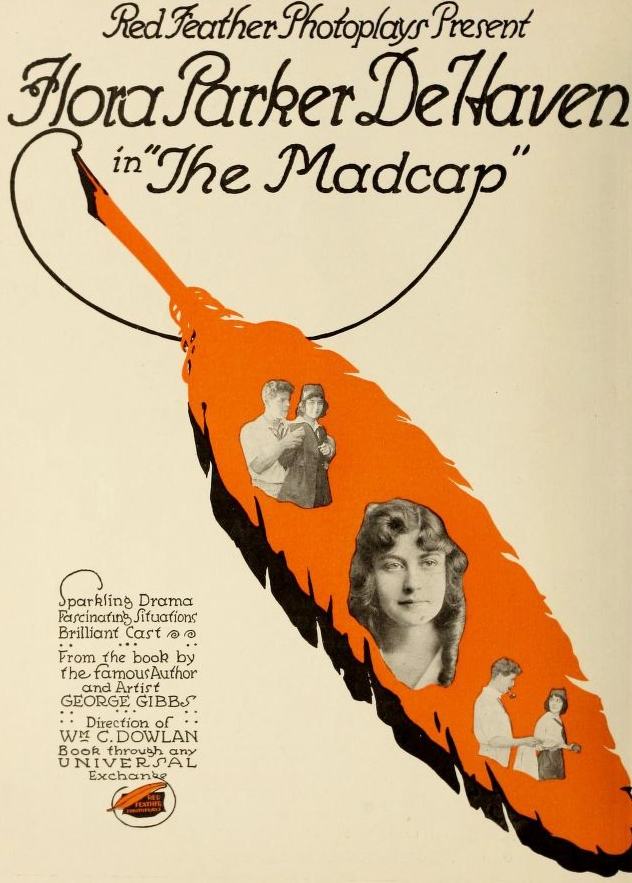
Dir: William C. Dowlan
Hermia Challoner, nicknamed the Madcap, has become so satisfied with luxury that she seeks happiness in danger and excitement. Her friend, Countess Olga Tcherny, introduces her to John Markham, a portrait painter. Although he interests Hermia, she is piqued at his treatment of her. Markham later goes to an isolated island to paint. Hermia, who has a country estate on the mainland, goes aeroplaning and purposely lands on the island. She disables the machine in landing, and Markham, who meets her, tells her that no boat will stop at the island for three days. Olga and others arrive. Meanwhile the aeroplane has been fixed and Hermia flies home. Markham afterwards spends a week-end at Hermia's home. Hidden from sight in a high-backed chair, Hermia overhears Markham tell Olga he starts for Normandy on the morrow. Later Olga tells Hermia she thinks she will take a trip to Normandy, and Olga, who has become rather jealous of Hermia, is surprised and displeased when Hermia tells her that she will accompany her. John Markham goes to Normandy, attired in vagabond clothes, and travels as an itinerant "lightning artist." Hermia is speeding to Trouville, where Olga is staying, and meets with an accident to her auto. She meets Markham and learns what he is doing. She longs with her whole heart to leave her world of sham and become a vagabond also. He finally consents to allow her to accompany him. She purchases a costume and determines to earn her living. She is known as Yvonne Deschamps. Markham passes as Philadin, a lightning portrait artist. Markham, now in love with Hermia, proposes to her in the rose garden at Vallecy, but she laughs and conceals her love for him. In the meantime Olga has made inquiries and is suspicious that possibly Hermia and Markham may have met and are together, so she starts an investigation. Markham and Hermia join a small band of performers and go to the Alencon Fete. While Markham is sketching the villagers at the show and Hermia is playing her instruments outside the tent she sees Olga in the distance, tells Markham and disappears. She knows her reputation will be destroyed if Olga sees her. Olga sees Markham and insists on investigating everything. Although Olga causes much suspense, she doesn't discover Hermia, but is still suspicious and gets her chauffeur to act as a spy. Hermia and Markham, tearful of discovery, leave that night and discover the chauffeur following them. Markham sends him about his business. Then they struggle on through the forest until, exhausted, they discover a hunting lodge. No one seems to be around, so they take possession. The next morning Olga is seen by Hermia and Markham coming toward the lodge. Markham tells Hermia to climb the ladder to the attic and escape through the window. Olga enters, and finding Markham, looks around, but can find no trace of Hermia until she notices the mud on the ladder and feels sure that Hermia is in the attic. She then starts to talk to Markham, inventing tales of the days they have spent together and his vows of constancy. He is too astonished to reply at first and as he is about to do so she fires her gun out of the window. Fearing something awful has happened, Hermia raises the trap door and comes down. Olga is now triumphant. Hermia tells her she has brought down the game and to whistle for the dogs. She tells Olga that she loves Markham and that Markham loves her. When Olga has left Markham takes Hermia in his arms. She if furious at him, and tells him she lied to Olga, that she detests him, and that, now their vagabondia is spoiled, they must part. Their next meeting is in New York at the home of Mrs. Hammond, a social leader, who is giving a party. Private theatricals are to be the feature of the evening. As Hermia enters Olga tells her she hopes she will like the play, as she wrote it herself. Later Hermia is horrified to find the play is a story based on her summer's adventures. Olga spreads the gossip and Hermia, seeing herself the object of scandal, is ashamed and broken hearted. Markham is indignant. Mrs. Hammond, hearing the scandal, questions Markham. He tells her the whole truth and how innocent of wrong Hermia is. Mrs. Hammond is furious at Olga's taking advantage of her hospitality and assures Markham that she will see that the story is denied and that Olga is ostracized from her circle of friends. Markham finds Hermia has left her home and spends weeks trying to find her, all to no avail. Finally, one day he receives a package containing nothing but a tiny bell. He recognizes the bell as being like the ones Hermia wore on her vagabond costume. The postmark is Vallecy and he knows it is a silent message from her, and that she is waiting for him in the rose garden. He hurries with all speed to Vallecy and there finds Hermia in the rose garden where he first told her of his love.
View Details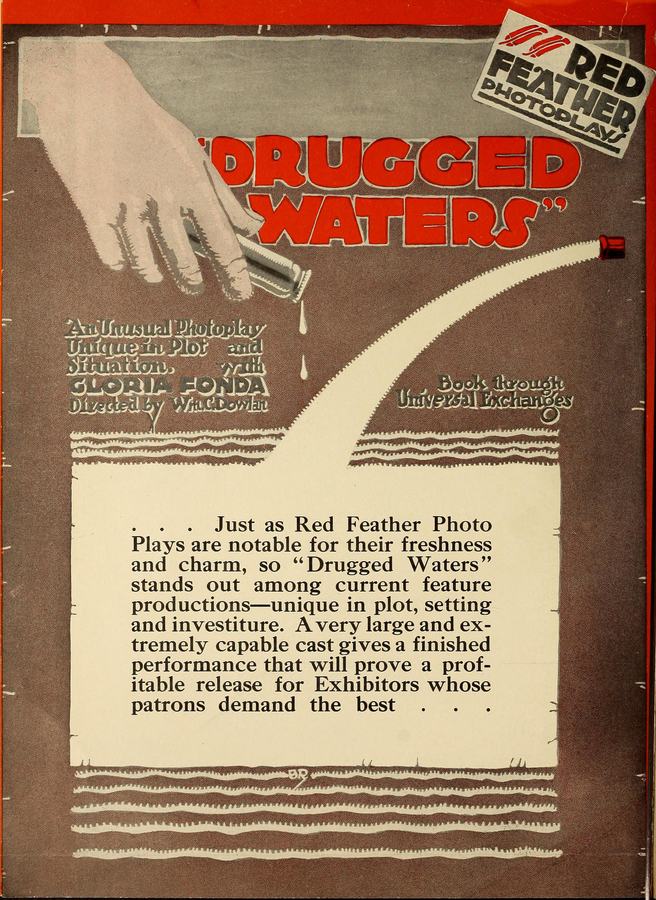
Dir: William C. Dowlan
Clarence Webb, manager of the High Bluff Mineral Springs, has long doped the spring with lithia, sulfur, etc., to attract wealthy patients who imagine that they have aliments. The county health officer is aware of the fact, but as the county is benefited by the larger number of hotel guests, he holds his tongue. He has also another reason for keeping quiet, as he is attracted by Cornelia Wrigley, the aunt of Gladys Saunders, who owns the spring. Cornelia is also aware of the drugging of the spring, but she considers the end justifies the means, as the business provides a nice income for her niece, Gladys, who would have nothing without it. She jollies Dr. Perkins to keep him silent, but she prefers old "Doc" Jenkins, the clerk of the hotel, who also admires Aunt Cornelia. Gladys has lately returned from college and knows nothing of the methods used to obtain business. She knows her father's wishes were for her to marry Clarence, but she has given the matter no thought, as she is sorrowful over her father's death. A retired capitalist, Mr. Harron, and his daughter, Selma, who is in love with her father's physician, Dr. Sherwood, come to the spring hotel and an attachment springs up between Gladys and Dr. Sherwood, much to the chagrin and jealousy of Selma and Clarence. Clarence at once urges Gladys to marry him, but she refuses. He then tells her that she owes everything to him, that the springs are not naturally medicated and that he is the only one who can carry on the business successfully. She is horrified at the deception and still refuses him. He afterwards tells Aunt Cornelia he will tell all the guests she is defrauding the public. Terrified, she tries to persuade Gladys to listen to him. Clarence is then discovered putting ingredients in the water by Dr. Sherwood, who accuses him of defrauding the public. Clarence tells him that Gladys would lose all her property if it wasn't for the deception. Dr. Sherwood disagrees and tells him that the only real cure is diet, exercise and pure spring water; that he could effect cures, without the deception. Gladys, who has entered unobserved, promises to back him up if he will try his plan. Clarence in revenge tells the guests of the deception and they all prepare to leave. Dr. Sherwood, determined to keep them there and give his plan a trial, knows the only way to do so is to quarantine them. He has Clarence, who is about to leave town, locked in an old ice-house and tells the guests Clarence has smallpox and that they are quarantined. He stations guards outside the doors and windows and no one is allowed to leave the house. Many laughable difficulties with his eccentric patients present themselves to Dr. Sherwood, but the final catastrophe occurs when Selma, who is jealous of Dr. Sherwood, learns that Clarence hasn't the smallpox. She bribes one of the guards to send for the health officer and constable and they release Clarence, who at once tells the guests of the false quarantine. The guests have become much benefited by Dr. Sherwood's treatment, and when he asks them if they will stand by him instead of taking sides with the man who would allow them to remain invalids for life, they all rally to support Dr. Sherwood. As the Doctor could prove that Clarence defrauded the public for years, no one is arrested but poor Weary, the tramp, who, without clothes and food, has been locked in the house and has been dodging everyone until finally caught. He tells the constable disgustedly, "You couldn't find anyone else to arrest, so you arrested me." The path of true love appears smooth to Gladys and Dr. Sherwood as the business seems an assured success.
View Details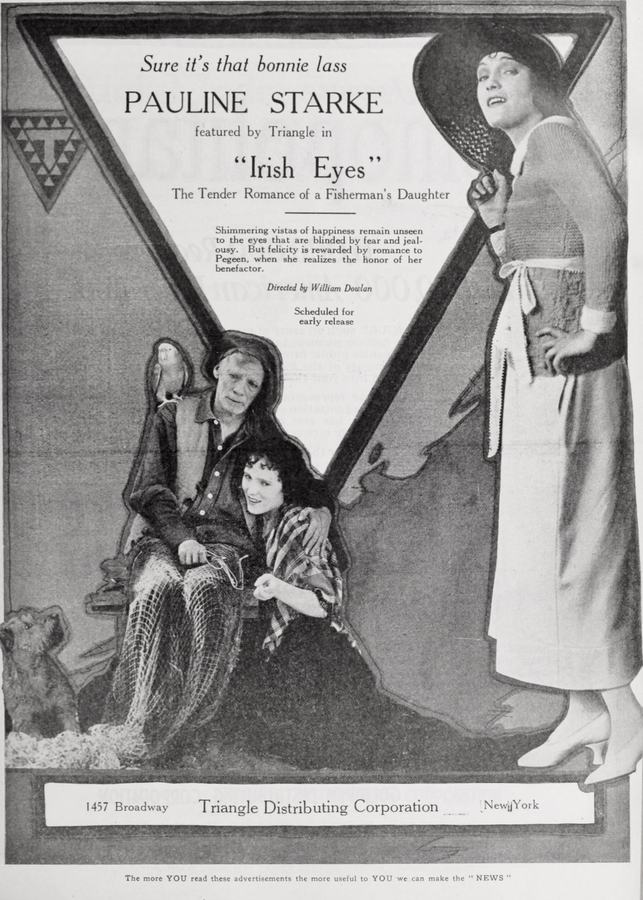
Dir: William C. Dowlan
Pretty Irish lass Pegeen O'Barry lives in a small fishing village on the cost with her kind but alcoholic father and her vicious stepmother Moll. When her father is killed during a drunken brawl, a stunned Pegeen wanders down to the shore in her grief. She is noticed by Sir Arthur Ormsby, an Englishman who just happens to be sailing his yacht up the coast. He takes a liking to her and before long she's moved into his estate. Things are going along swimmingly until Arthur's wastrel brother Guy shows up.
View Details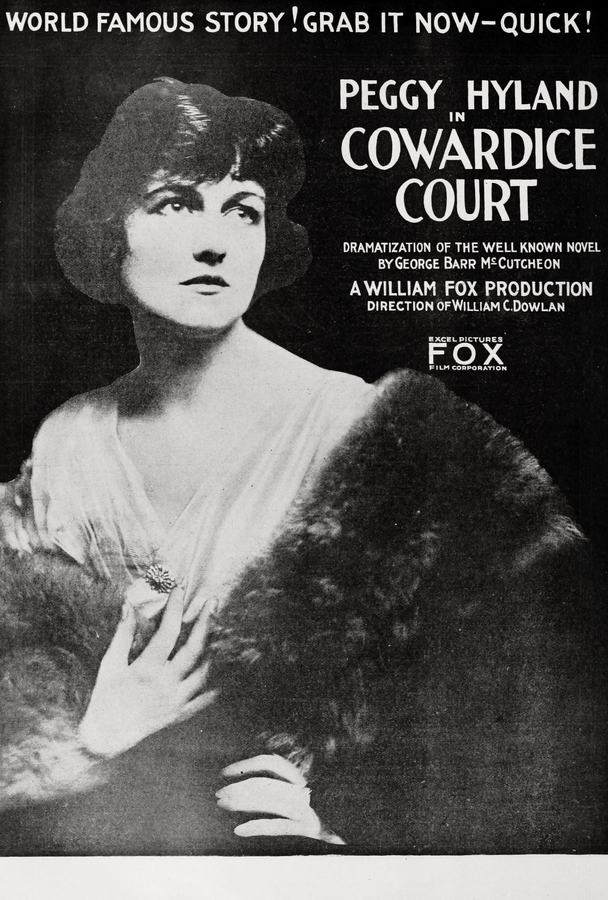
Dir: William C. Dowlan
A feud in the Adirondack Mountains develops when Randolph Shaw will not give up a shack and its acreage adjoining the estate of Lord Cecil Bazelhurst, whose wife, the former Evelyn Banks of Jersey City, married him for his title and now wants to get rid of Randolph's ugly shack. When Randolph meets Cecil's sister Penelope, a romance begins which is furthered after one of the Bazelhurst servants shoots Randolph in the arm for trespassing and Penelope, who earlier had looked upon the feud as a joke, runs away to Randolph's house and accepts his engagement proposal. Cecil and his men pursue Penelope, but are frightened away by Randolph's men and are forced to spend a miserable stormy night in the woods. The next day everyone becomes reconciled when Lady Evelyn realizes that the desired property will now be in the family, and Randolph offers Cecil and his men dry, if ill-fitting, garments to wear.
View DetailsAnalysis relative to The Chorus Girl's Romance
| Film Title | Atmosphere | Complexity | Similarity |
|---|---|---|---|
| His Royal Slyness | Gothic | Layered | 92% Match |
| Loot | Gothic | Abstract | 86% Match |
| Daughter Angele | Gritty | High | 87% Match |
| An Amateur Devil | Tense | Linear | 98% Match |
| Mary's Ankle | Surreal | High | 86% Match |
This guide was algorithmically generated using the cinematic metadata of William C. Dowlan's archive. Last updated: 6/26/2026.
Back to The Chorus Girl's Romance Details →