
DbcultAccessing Vault...
Recommendations
Senior Film Conservator
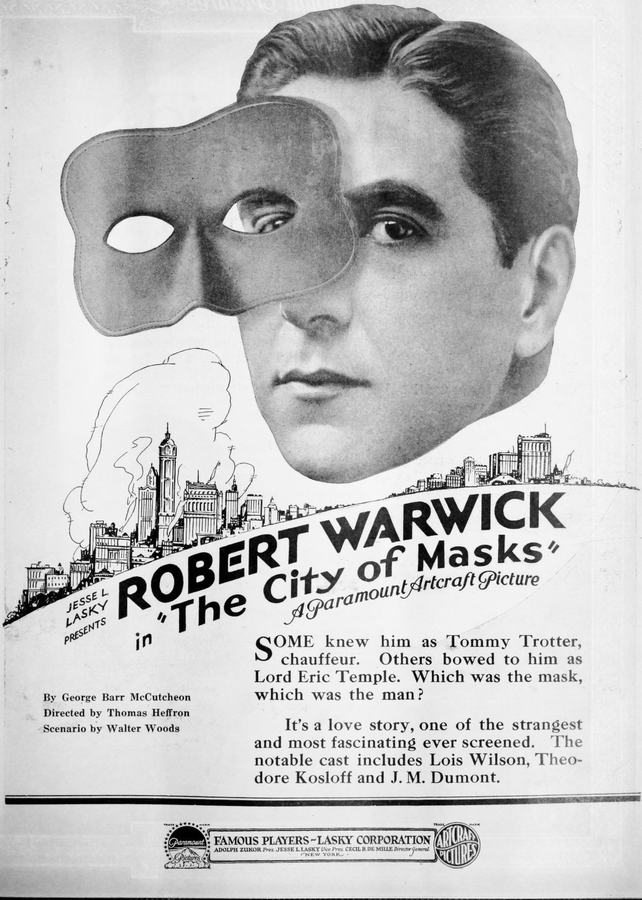
The United States-born brilliance of The City of Masks offers a unique character-driven intensity, the profound questions raised in 1920 still require cinematic answers today. Our curated selection of recommendations echoes the very essence of The City of Masks.
In the Pantheon of Comedy cinema, The City of Masks to provide a definitive example of Thomas N. Heffron's stylistic genius.
After emigrating to America, several European nobles find themselves living and working as common laborers. They join together one night a week to maintain the Continental style to which they were once accustomed.
Based on the unique character-driven intensity of The City of Masks, our vault has identified these titles as the most compelling follow-up experiences for fans of Comedy cinema:
Dir: Thomas N. Heffron
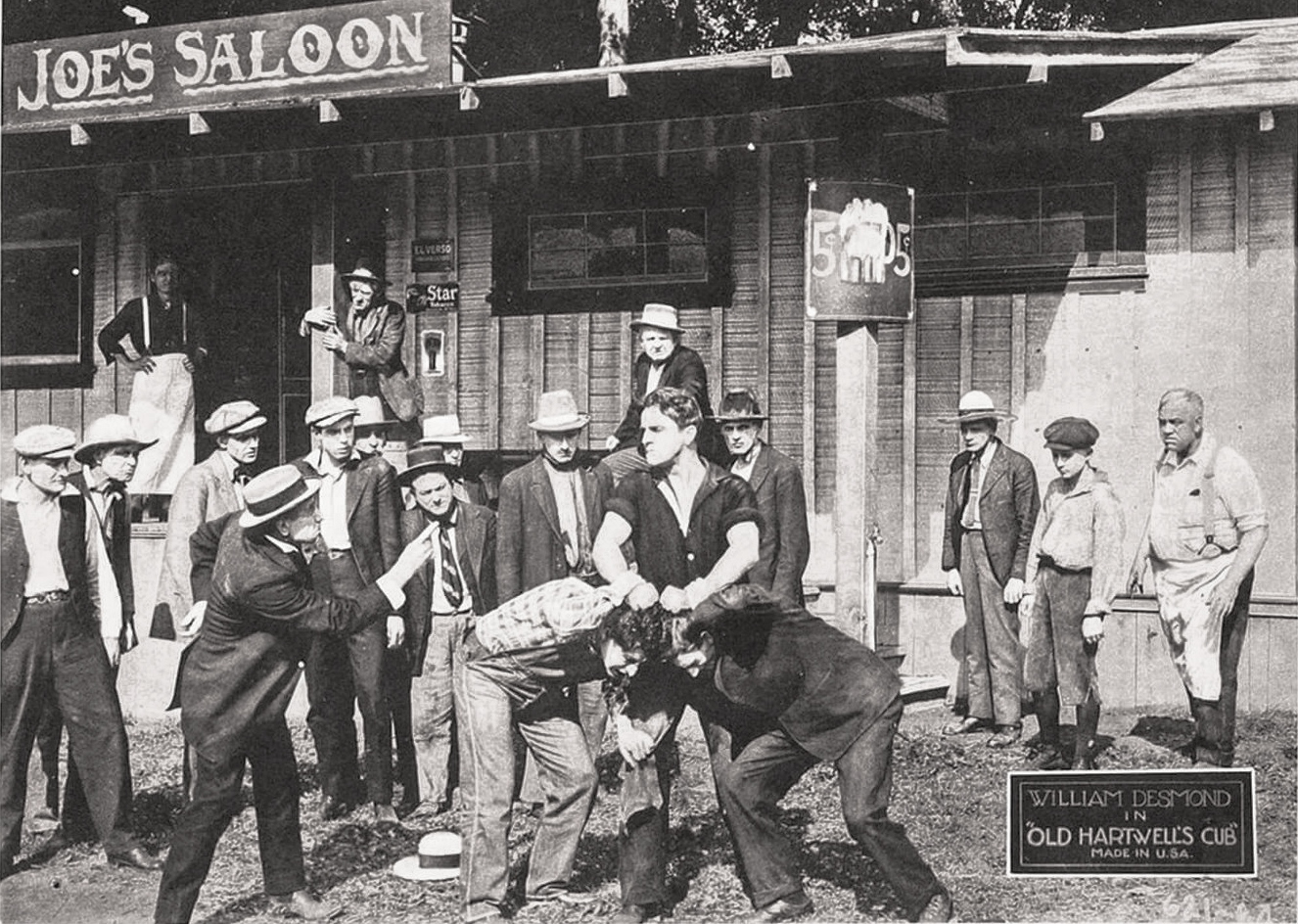
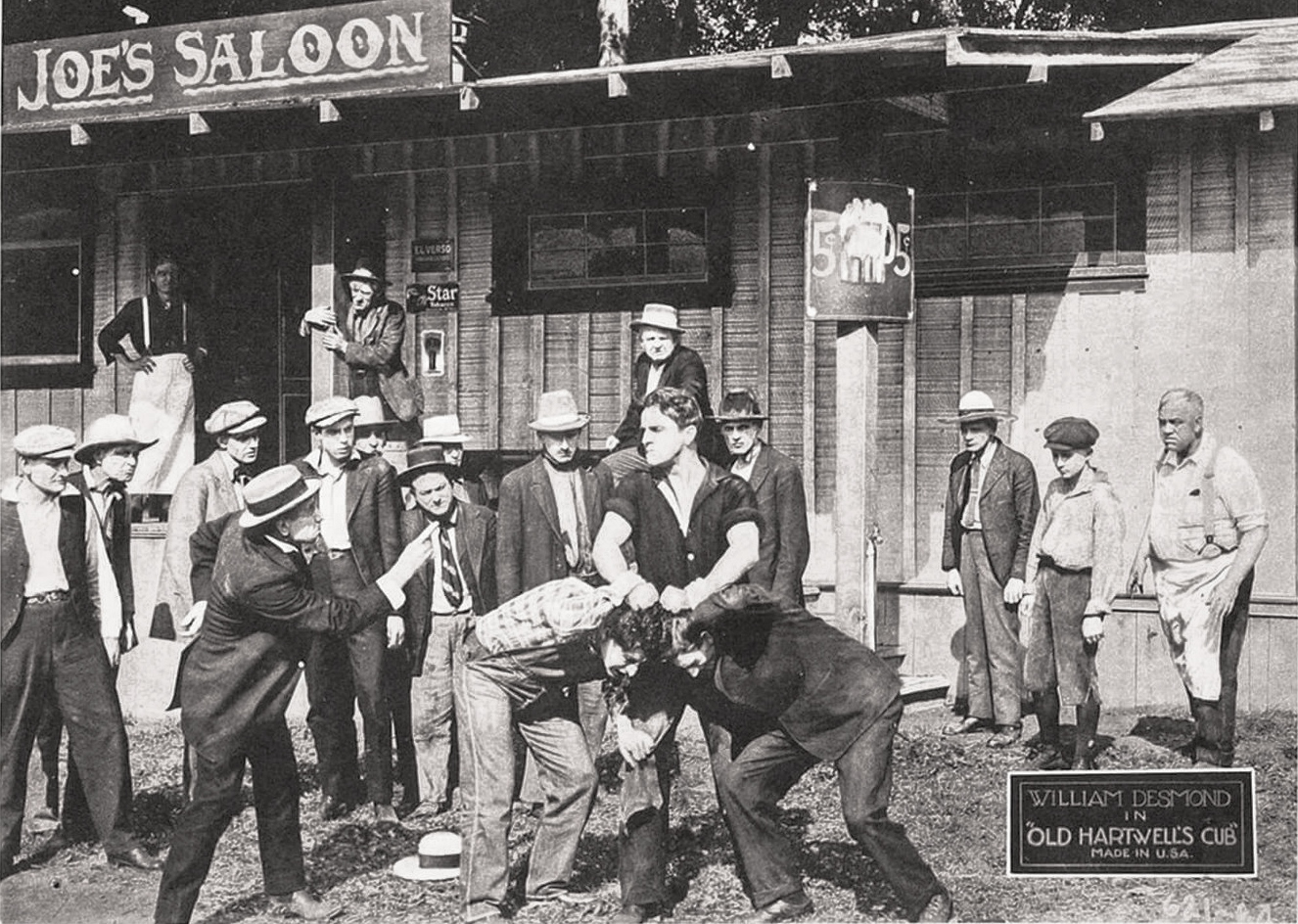
Although Tom Hartwell is the town drunk of Matherville, his son Bill, a blacksmith, loves him and batters down the jail door when the old man is arrested. In an effort to drive them both out of the village, the narrow-minded townspeople attack Bill, but the Rev. David Lane defends him and then invites him to dinner. Bill falls in love with the reverend's daughter, Mary Lane, but she becomes infatuated with Edward Jones and marries him. Edward robs Mary and flees to Chico, Arizona, and when Mary follows him, she learns that he has a wife there. Following his father's death, Bill travels to Chico, where he and Mary become entangled in several adventures. Finally Bill is accused of stealing a horse, and after Mary rescues him just as he is about to be hanged, the two return to Matherville as man and wife.
View Details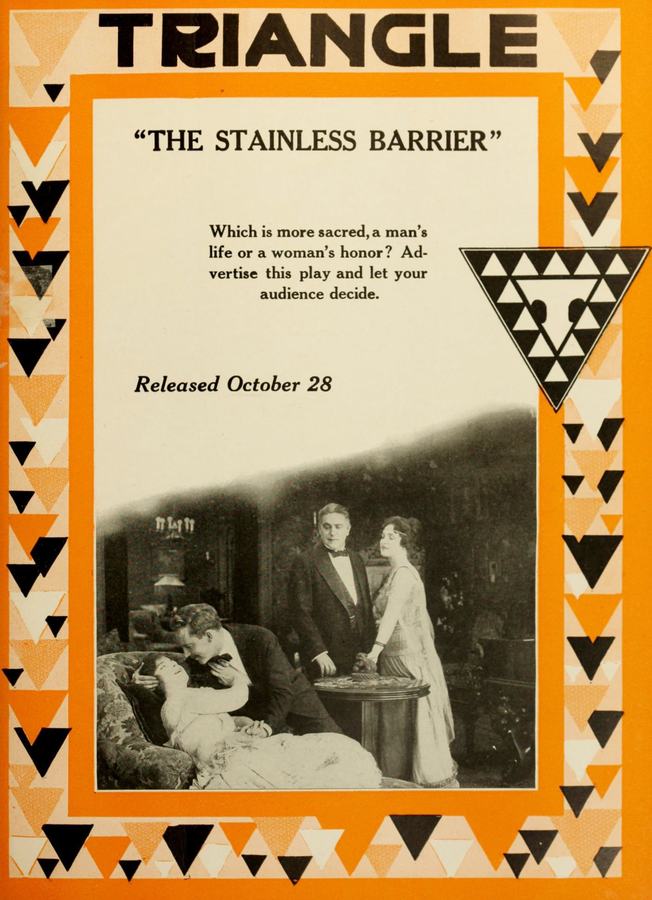
Dir: Thomas N. Heffron
Betsy Shelton, an orphan since early childhood, lives in Myrtleville with her aunt, and is engaged to marry Calvin Stone, a young lawyer. Betsy's brother, Dick, ostensibly working in New York to recover the family fortune, becomes involved with one Roger Enderleigh, a shyster promoter, who because of crooked dealings, is forced to flee from the postal authorities. He induces Dick to take him to Myrtleville, where Dick introduces Enderleigh as a prosperous banker promoting a munition plant, thus swindling the townsmen. The visit terminates in a vivid climax when the postal authorities track Enderleigh, who prepares to flee leaving Dick to bear the brunt. Dick kills Enderleigh and then asks for mercy on the plea that Enderleigh has ruined Betsy. Stone, true to the code of Southern chivalry, does not lose faith in his fiancée, and in the closing scenes of this photodrama, restores her good name and brings her erring brother to punishment.
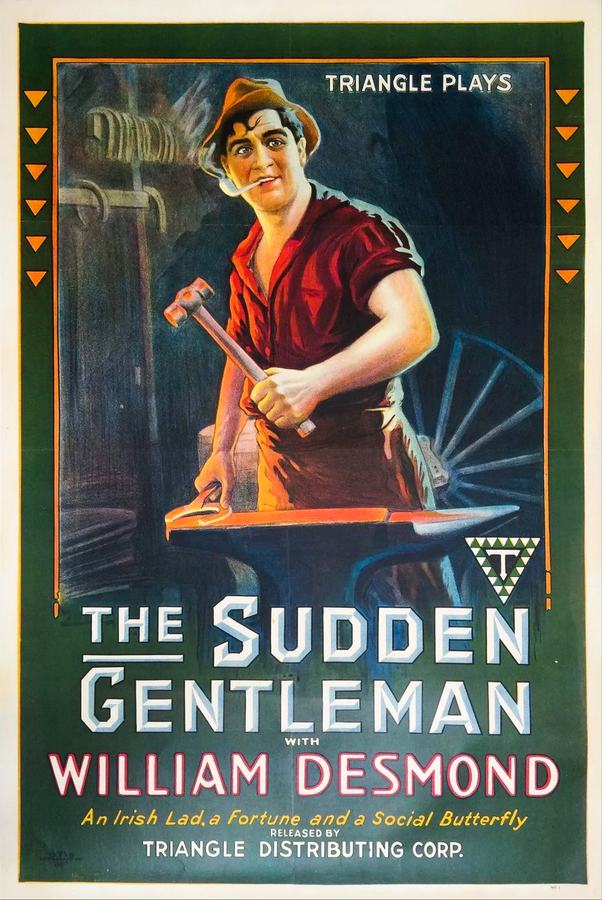
Dir: Thomas N. Heffron
Garry Garrity, an Irish blacksmith, receives word from America that he has fallen heir to his uncle's millions. Arriving in Chicago to take charge of his estate, Garry's awkward ways incur the enmity of his cousin and ward, Louise Evans, but after Louise sees through the rough surface to Garry's sterling qualities, the two fall in love. This disturbs Count Caminetti, who had designs on both Louise and the fortune. The count schemes with Mrs. Hawtry, who has visions of becoming a wealthy countess, to frame Garry in a compromising situation, thus forcing him to marry Mrs. Hawtry, who would then divorce him and sue for alimony. When Louise hears the scandalous rumors generated by the count, she insists that Garry marry Mrs. Hawtry until an innkeeper admits that it has been a frame-up. Garry rushes to confront the count and as he is choking a confession from him, Louise enters. After overhearing everything, Louise begs Garry's forgiveness.
View Details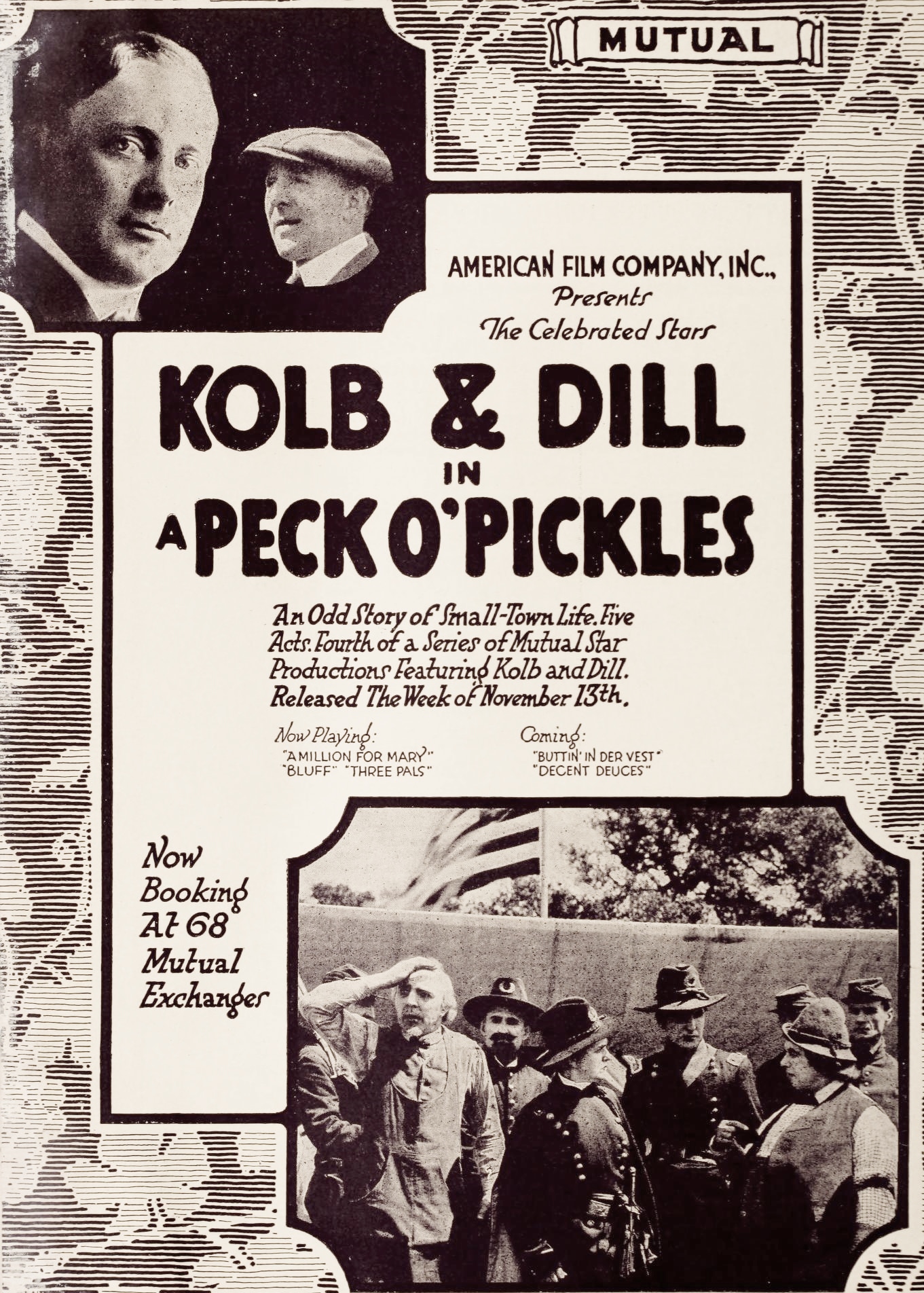
Dir: Thomas N. Heffron
Rudolph Schlitz, a cobbler, finds a lottery ticket in a shoe he is repairing and, determined to make some money from it, he sells an interest in the ticket to his friend, Adolph Busch. Then, fed up with the way temperance leader Caroline Pickett rails against the evils of alcohol, Bobbie Bennett spikes the cider at Caroline's picnic. All of the villagers in attendance get drunk, including Rudolph and Adolph, who then dream that they have arrived in Washington to claim their lottery winnings. Besides being transported to the nation's capital, however, they also have been transported through time back to the Civil War and barely escape from the fighting alive. Rudolph and Adolph then wake up from their shared nightmare, and remembering the link between gambling and Gettysburg, they swear off lotteries and other games of chance forever.
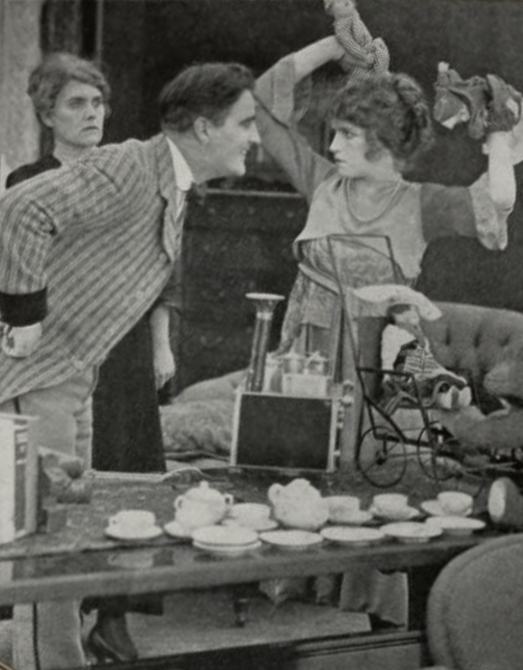
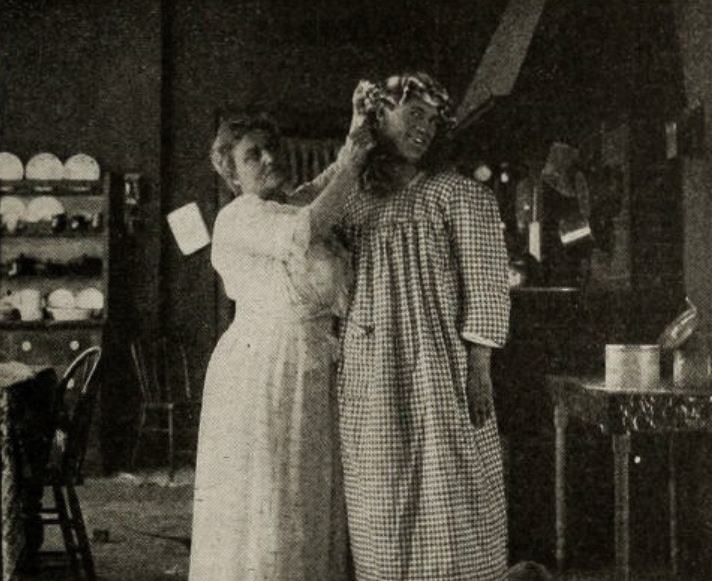
Dir: Thomas N. Heffron
Mrs. Black, formerly a plump, good-natured widow, tells Professor Black, her new husband whom she adores and fears, that she is 29 instead of 36, neatly knocking off 7 years. To further convince him of her youth, she also tells him that her son "Little Johnny," whom he has never met, is 10--in reality, John is a husky 17-year-old fellow in school in England, fully 6 feet tall, broad-shouldered, and quite up-to-date, even to his Irish valet Larry McManus. Not being able to tell the Professor this, Mrs. Black invents a mythical "Aunt Prue," living in New England, with whom Johnny is supposed to be staying. The professor must curb his impatience to see his new son, for whom he has, with great care, been buying toys. So does the Professor's class of gushing young girls, who look forward with equal eagerness to seeing "Professor's Little Johnny." To regain the slimness of her youth, Mrs. Black takes reducing exercises from physical-culture teacher Tom Larkey, but loses more money and patience than flesh. As John writes that he needs money and wants to come home, she takes the $400 due Larkey and sends it to her beloved offspring, telling him he must stay in England and finish his college course. His professor decides that he needs building-up and sends for an instructor to teach him the proper exercises. The instructor proves to be Larkey, who adds to Mrs. Black's troubles by hounding her for the debt due him. Meanwhile her son has promptly lost the money sent him in poker, and gives a Spaniard an I.O.U. for $400 on the back of an envelope addressed to his mother, Mrs. Black. Pedro, the Spaniard, is going to America and decides to look up Mrs. Black; finding her, he demands the $400 her son owes him, so all her ingenuity is taxed to dodge the two creditors and keep her husband away from them until she shall find some means of obtaining the money due. John falls in love with a pretty girl in England and follows her to America, telegraphing his mother on his arrival in New York that he will soon be with her. And Mrs. Black has just learned from her dignified husband that he never forgives a liar. Then things begin to happen, with Mrs. Black as the prime factor. Jack and his valet arrive; the valet is presented as "Aunt Prue's" husband; and Jack masquerades first as the gas man and finally as Lizzie, the new cook. Of course the fatal truth at last comes out, and the penitent Mrs. Black leaps into an auto, about which she understands nothing, and runs away. Her frantic husband sees the machine smash, and when, after believing her gone from him forever, he learns that she escaped injury, he is so glad to find "Mrs. Black is Back," that he readily forgives her deception and welcomes son John.
View Details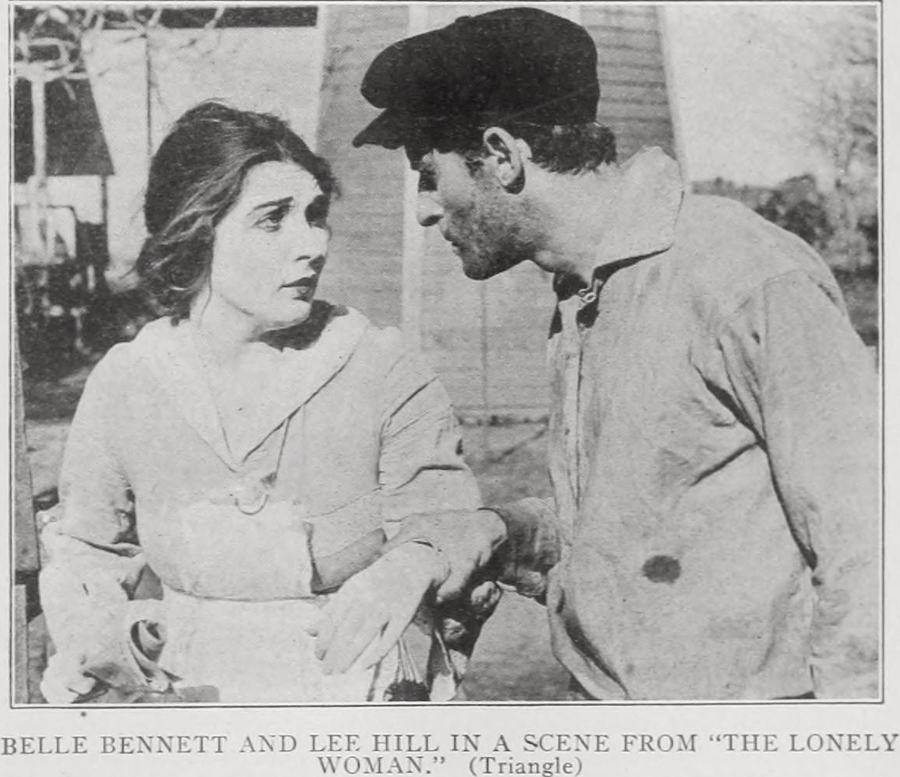
Dir: Thomas N. Heffron
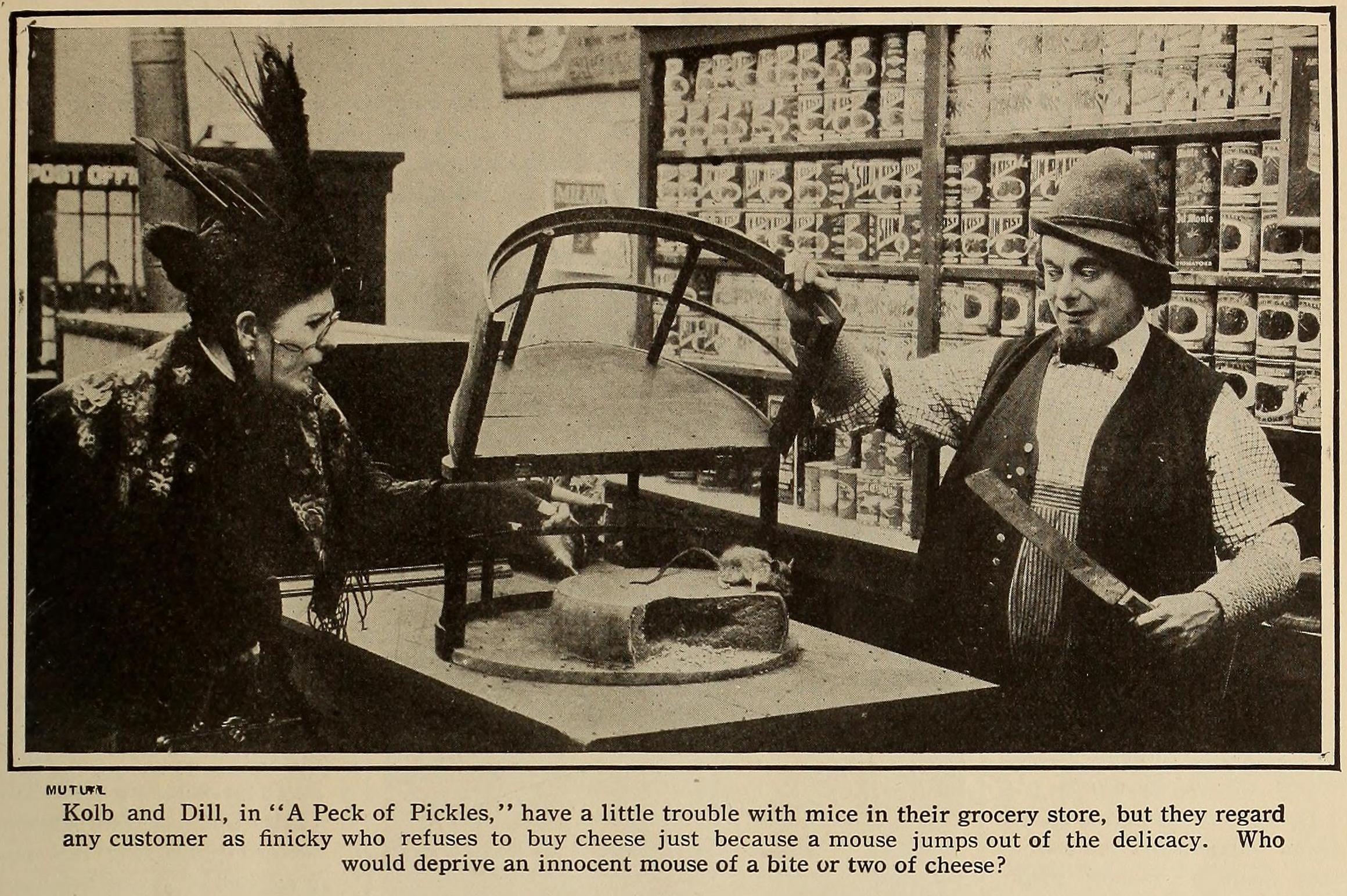
The reticence of Martha Sellers and her employment of Jim Ransom, a drunkard, excites the curiosity of the villagers. She receives mail postmarked "Ossining," and this further stirs the people. The gossipers spread the report that her lover is in Sing Sing, but the heart of the matter is that her husband has been unjustly convicted on a charge of embezzlement. Fate takes a hand and Ranson asserts that he is responsible for the robbery, thereby reuniting Martha and her husband.
Dir: Thomas N. Heffron
During a dance, John Valiant challenges duel Edward Sassoon to defend the honor of Virginia beauty, Judith Fairfax, John promises Judith he won't take the life to his opponent, but when the smoke clears, Sassoon lies dead and John must flee North. Before he leaves, John entrusts Major Bristow to deliver an explanatory note to Judith, but, torn by his own desire for the Southern belle, Bristow pockets the letter instead. In the North, John founds a successful business and marries, but his young wife dies while giving birth to a son. Filled with hatred for John, Judith marries Tom Dandridge and has a daughter, Shirley. Many years later, John, Jr., now head of the Valiant Corporation, becomes engaged to Katherine Fargo. In order to save his company during a business panic, John must stake his entire fortune and, with his financial situation looking dim, loses Katherine's interest. In despair, John returns to his father's estate and falls in love with Shirley Dandridge. To rekindle her romance with John, Katherine tells Shirley of the family feud and Shirley suddenly cools toward John. On his deathbed, Barstow finally gives Judith John's letter in which John reveals that Edward had shot himself during the duel. John and Shirley are happily reconciled.
View Details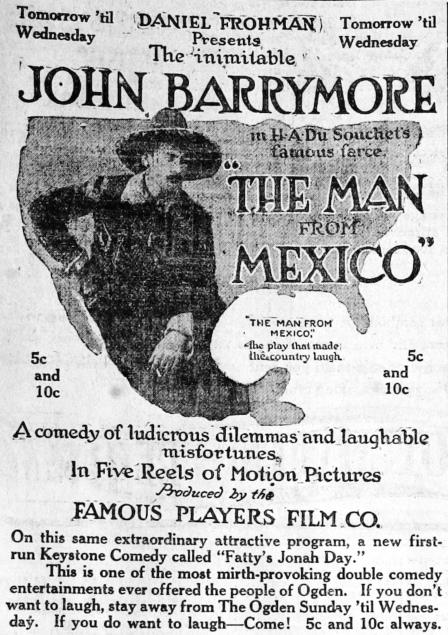
Dir: Thomas N. Heffron
A young man gets arrested after a drunken night. Sentenced to 30 days in jail, he tells his wife he has to go to Mexico for a month.
Dir: Thomas N. Heffron
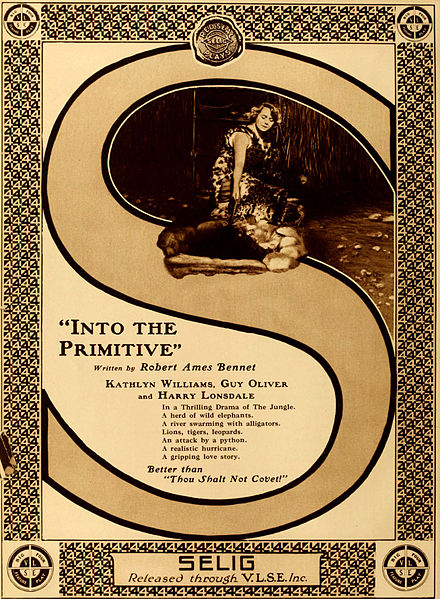
American heiress Jennie Leslie, the Honorable Cecil Winthrope, and the alcoholic Thomas Blake are washed ashore on a deserted island after a shipwreck. At first, Jennie sticks close to Cecil, preferring his upper-class British breeding to Thomas' man-of-the-people approach. Cecil, however, turns out to be completely ineffective when it comes to survival, and so both he and Jennie depend on Thomas for food, clothing, and protection. The surroundings bring out the "caveman" in Cecil in one respect, however; he tries to rape Jennie. During the attempt, which takes place during a storm, Cecil is crushed by a falling tree, and just before he dies, he reveals that he was merely a valet posing as an aristocrat. Then, Jennie and Thomas realize that they are in love with each other, and when a rescue ship picks them up, they begin making plans for their marriage.
View Details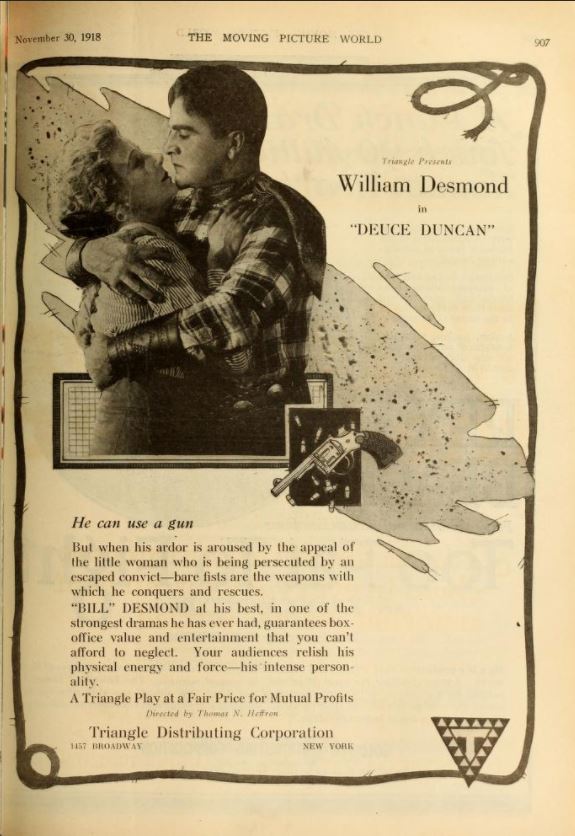
Dir: Thomas N. Heffron
Ann Tyson leaves her little cabin and goes West with her brother John, whom she has not seen in fifteen years during his imprisonment for a crime he did not commit. Ann becomes a barmaid in the local saloon, where she meets cowboy Deuce Duncan, and the two fall in love. Deuce correctly suspects that John is involved with a gang of cattle rustlers but remains silent because of his love for Ann. In a drunken rage, John attacks Ann, admitting that he is not her brother and demanding that she marry him. Deuce arrives and rescues Ann just as Clements, the head cattle rustler, sneaks up on the cabin and shoots John.
View DetailsAnalysis relative to The City of Masks
| Film Title | Atmosphere | Complexity | Similarity |
|---|---|---|---|
| Old Hartwell's Cub | Gritty | Abstract | 97% Match |
| The Stainless Barrier | Ethereal | High | 98% Match |
| The Sudden Gentleman | Gritty | Layered | 97% Match |
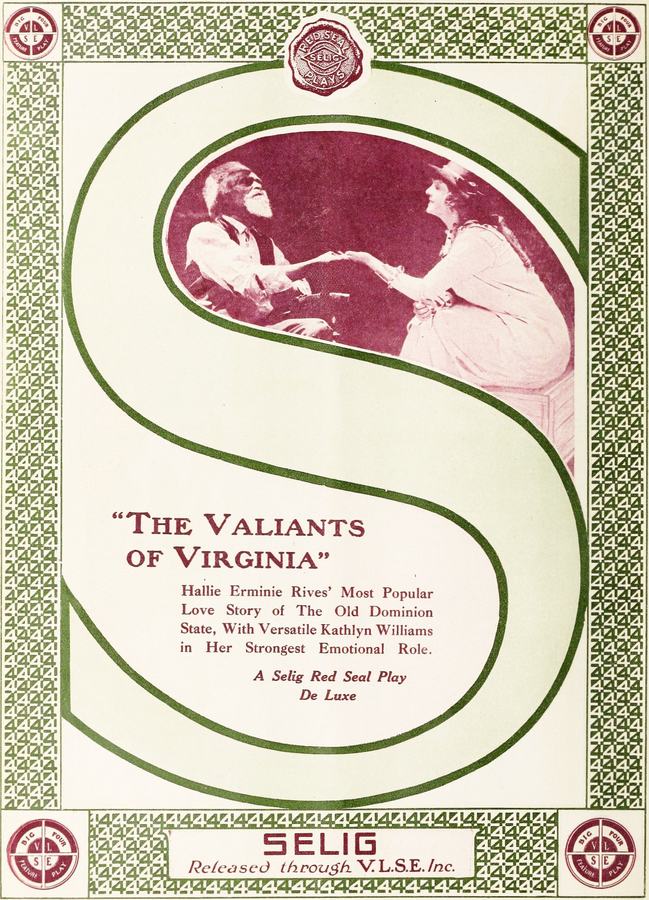
| Peck o' Pickles | Surreal | Dense | 85% Match |
| Mrs. Black Is Back | Gritty | High | 97% Match |
This guide was algorithmically generated using the cinematic metadata of Thomas N. Heffron's archive. Last updated: 6/25/2026.
Back to The City of Masks Details →