
DbcultAccessing Vault...
Recommendations
Senior Film Conservator
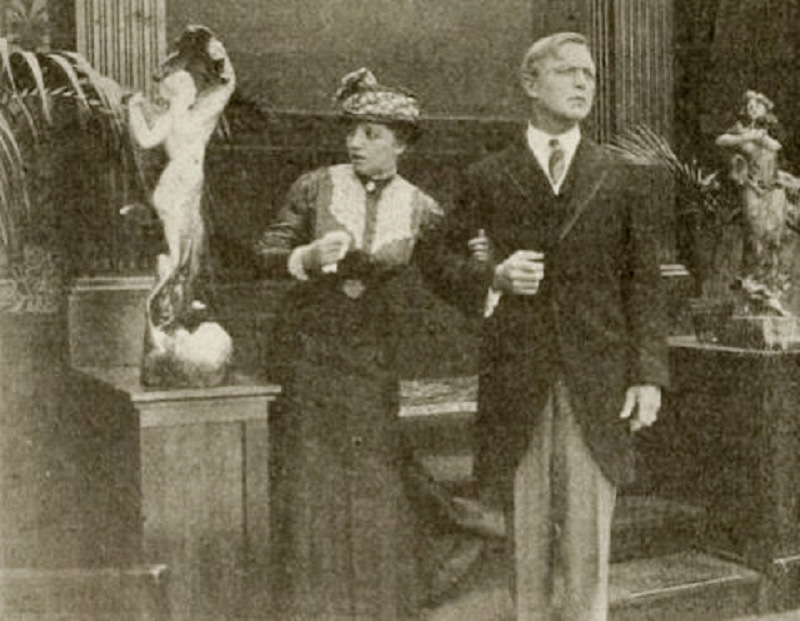
The evocative power of The Country Mouse (1914) continues to haunt audiences with its unique vision, the artistic provocations of The Country Mouse demand a follow-up of equal intensity. Explore the following titles to broaden your appreciation for cult excellence.
The visceral impact of The Country Mouse (1914) stems from to transcend the limitations of its 1914 budget and technology.
When Billy Balderson and his two cronies, Charlie and Ed, get together on Bill's porch to discuss the high-handed ways in which the railroad is putting it over on the farmers, cross-roads politics develop a latent spring of eloquence, and poor, dowdy little Addie, Billy's wife, thinks that her husband is the most wonderful orator she ever heard. A few days later they dress-up in their second best and go to a meeting on the Common, where George Marshall, suave, well-dressed and condescending, explains to the voters that the railroad is their only hope of salvation and that in the approaching election they should vote for representatives who will support that institution. Billy questions Marshall. The crowd is with Billy, and almost before he knows it he is on the platform, annihilating Marshall's argument in a rousing speech. Between excitement and pride Addie is reduced almost to hysterics, and when Charlie, seizing the psychological moment, nominates Billy for the Legislature, she is nearly overcome. The most exciting days of her hard-working, colorless life follow, culminating in the fete day when Billy entertains all the townsmen at their farm to celebrate his election. With their arrival at the State Capitol a new era begins, and Addie soon learns that the years of drudgery and plain living on the farm are poor preparation for coping with the political circle of the State Capitol. Shy and bewildered, and lacking the poise that a sense of his position gives Billy, she quickly finds herself outstripped by him in adapting themselves to the changed conditions of their lives. Addie can only look nervously about and wish she was at home; as she and Billy attend their first reception and she notices the covert laughter of the people about them. Two persons notice them particularly, George Marshall, the speaker Billy answered during the campaign, and his wife, Myrtle. As Billy is recognized as a coming man, and his vote will be needed on an impending railroad bill, Marshall quietly gives his instructions to Myrtle, then recalls himself to Billy, and tries to put him and the embarrassed Addie at their ease. Taken up by the Marshalls, Billy makes rapid progress in the social life of the capitol, but only until Addie learns that Mrs. Marshall is monopolizing her Billy's time, and that she herself is looked upon by the women of the political circle as a poor little frump with no spirit. With a blank signed check from Billy, she calls in the services of Mme. Pauline, proprietor of a beauty parlor, and the result is so astoundingly transforming that she can hardly believe her eyes. She passes Billy on the street and he does not know her, though the thought flashes through his mind that his little country mouse of a wife might have looked like that. When he reaches home, there is Addle, still the little, dowdy country mouse, who seems to shrink from the very thought of the reception and ball to which they are invited, and who later sees him off to it with an air of relief. The relief at least is not feigned, for it has been hard work to keep Mme. Pauline and her maid quiet in the kitchen, while she gets Billy out of the way. The transformation takes place quickly, and the country mouse appears at the ball as a wonderfully charming and brilliant woman. Marshall is distinctly impressed, and so ardently seized the opportunity of persuading Addie to influence Billy's vote on the railroad bill, that Billy is furiously jealous. The denouement is cleverly turned to a comedy finish and the play closes happily as Addie begins to teach her husband the tango.
The influence of Hobart Bosworth in The Country Mouse can be felt in the way modern cult films handle unique vision. From the specific lighting choices to the pacing, this 1914 release set a high bar for atmospheric immersion.
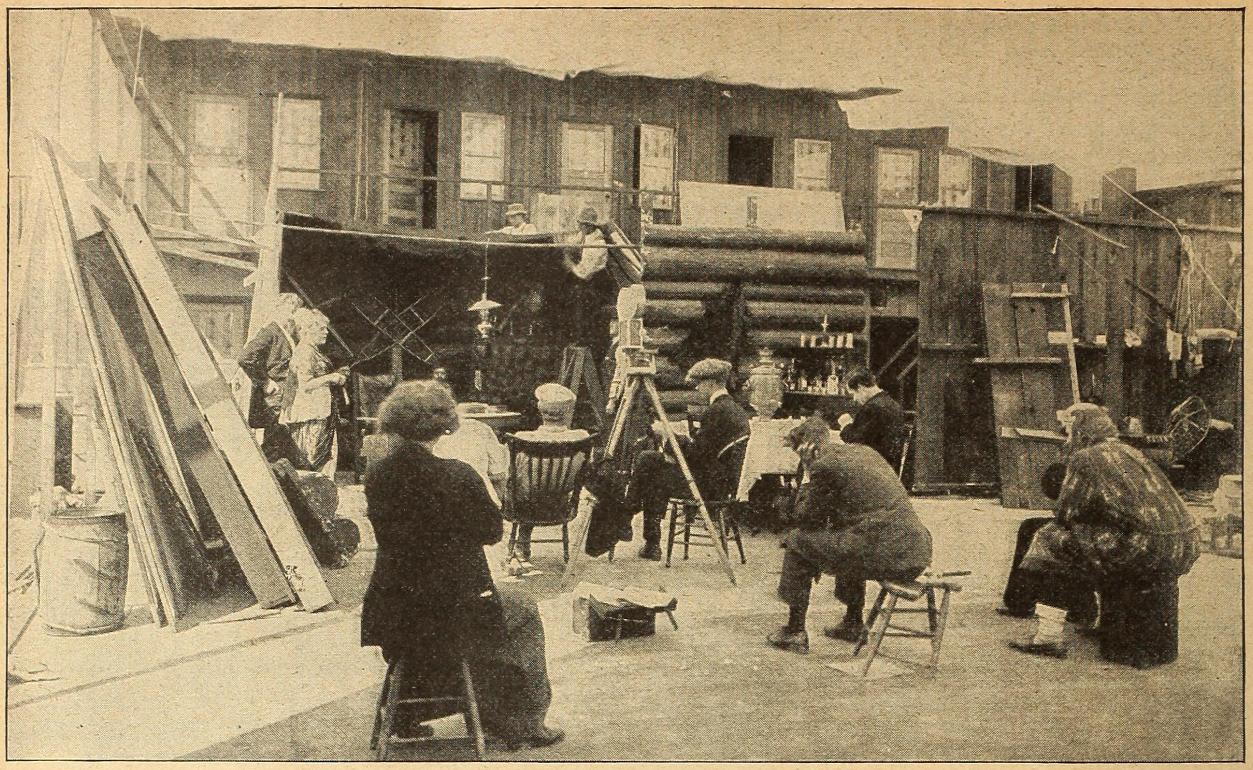
Based on the unique unique vision of The Country Mouse, our vault has identified these titles as the most compelling follow-up experiences for fans of cult cinema:
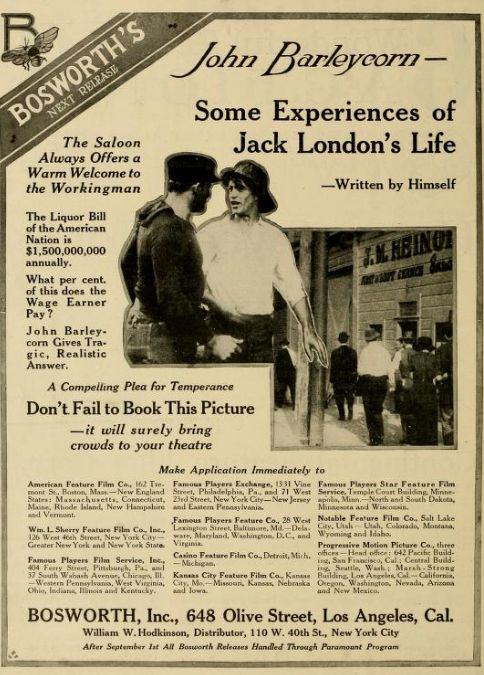
Dir: Hobart Bosworth
A tale following a boys relationship with alcohol.
View Details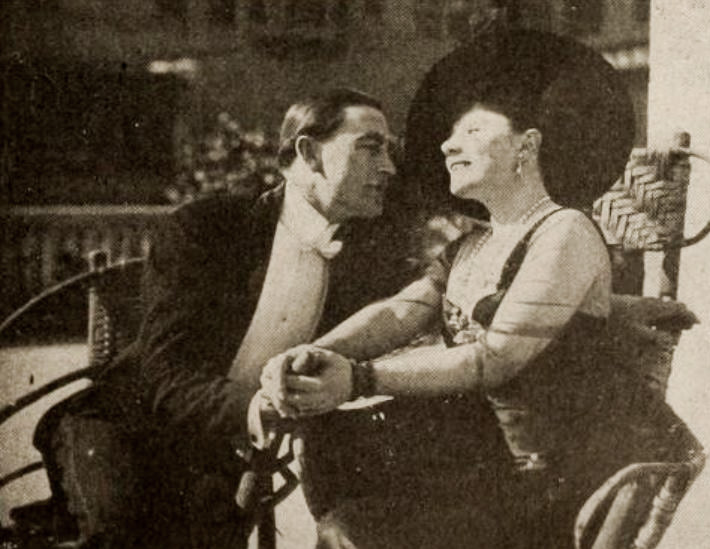
Dir: Hobart Bosworth
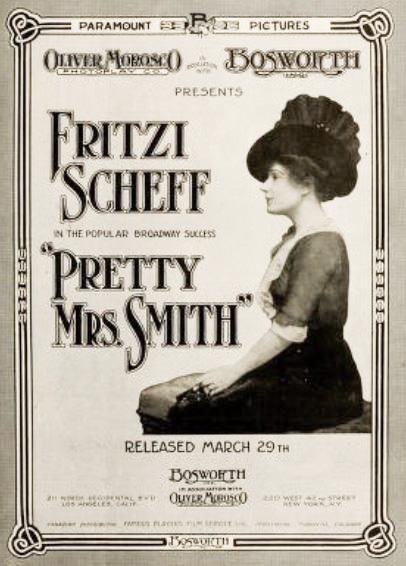
To escape the dreary formality of her born life, Drucilla marries a missionary, Ferdinand Smith, and goes with him to Africa. Here her life proves anything but happy. Denied the pleasures enjoyed by most girls of her age, she endures her husband's cold severity as long as possible and then leaves him, returning to America, where she visits her old school friend, Letitia Proudfoot. It is while attending a reception with Letitia that she meets the poet, Forrest Smith, whose attentions are welcome after the austerity of the frigid Ferdinand. A friendship springs up between them which soon ripens into love. On the news that Ferdinand has been lost at sea, she and the poet marry. Love in a cottage is hardly more satisfactory to pretty Drucilla than life among the heathen. Forrest is not a good provider, and when she threatens a suit for non-support, he disappears, leaving a note of farewell pinned to his coat, which is found at the edge of the sea. Free again, Drucilla for the first time really falls in love, this time with Frank Smith, a wealthy club man, athletically inclined. Frank turns out to possess a very jealous nature. Drucilla puts up with his doubts and suspicions patiently, but before long a climax arrives which precipitates a suit for divorce. Drucilla welcomes this conclusion to her unhappy domestic affairs with relief and sets off with Letitia in search of repose. Now it happens that Ferdinand was not lost at sea, and Forrest did not commit suicide, and each develops a desire to be reunited with his wife. Forthwith they set out in search of her, and eventually meet at the same hotel. Here also comes Frank, who, too, has undergone a change of heart. Thus instead of finding repose, as she hoped, Drucilla is plunged deeper than ever into marital tribulations. Her tender heart prompts her to make up with Frank. But no sooner is this done than Forrest puts in an appearance and makes his claim. Drucilla cries, "I am a bigamist," but belated Ferdinand, entering the scene, answers, "No, you are a trigamist." Which one of the husbands will Drucilla take, and how will she evade the law? This is the question. The clever authors have so arranged that this will be a guess until the very last, and then it ends just right for everybody.
View Details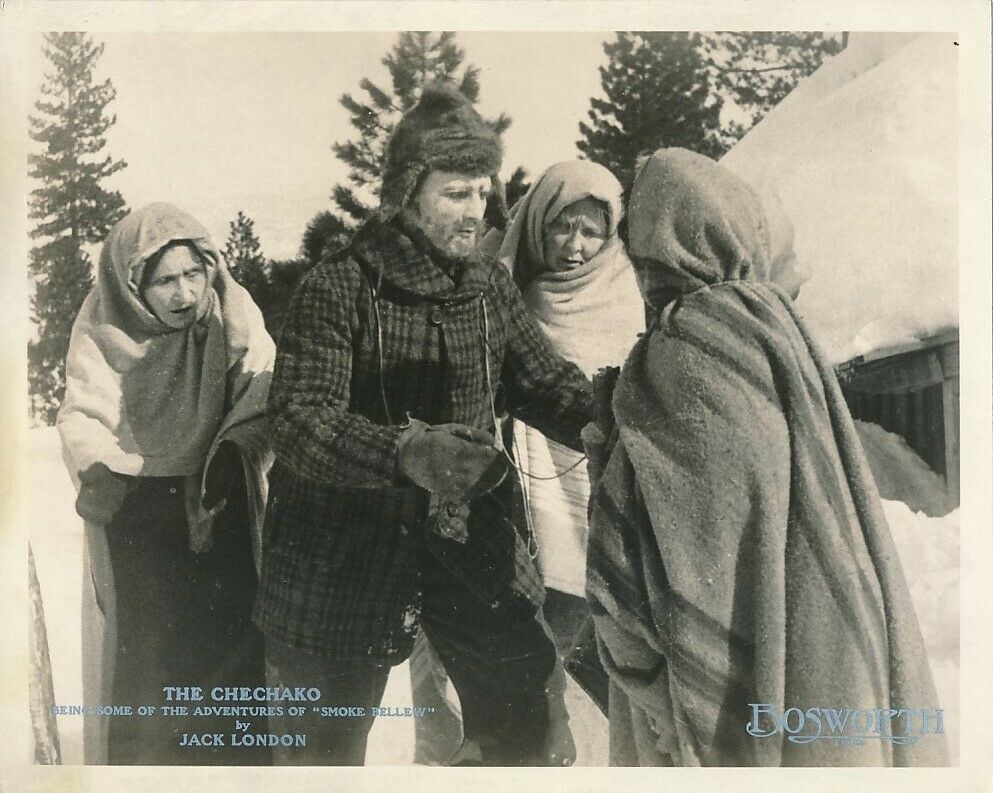
Dir: Hobart Bosworth
A fascinating piece of cinema that shares thematic elements.
View Details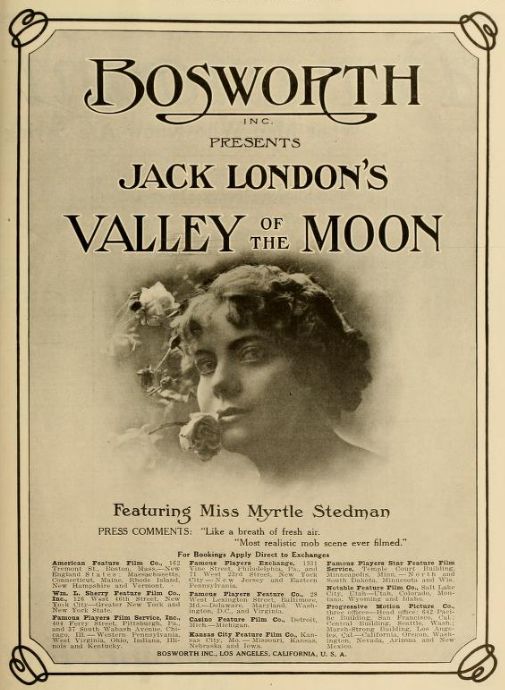
Dir: Hobart Bosworth
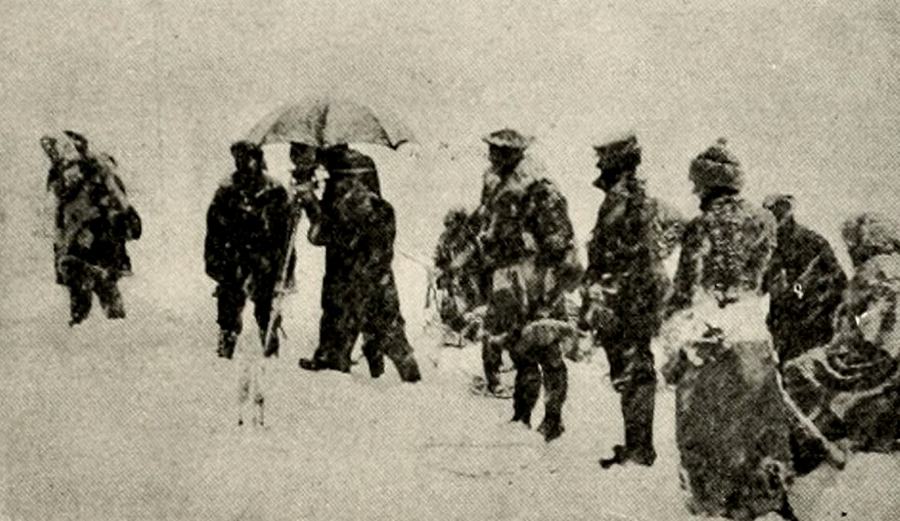
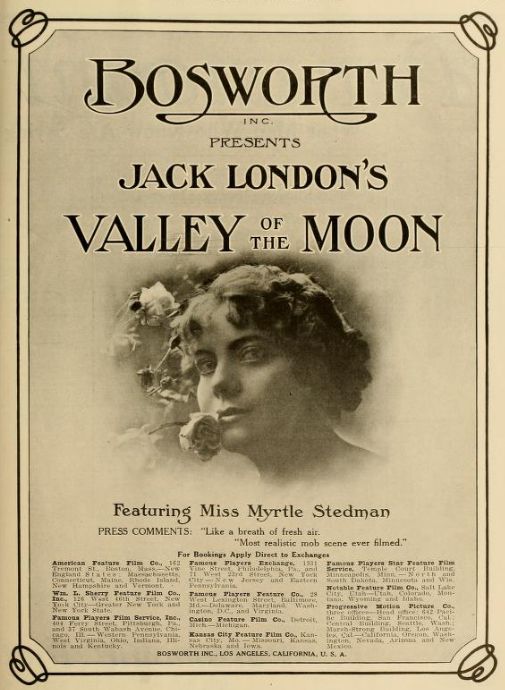
At the opening of the play Billy Roberts is successively a pugilist and a teamster, and Saxon, a young girl, works in a laundry. They meet at a Weazel Park picnic, the afternoon of the lively "roughhouse" between San Francisco and Oakland. They find each is of the race of the sturdy pioneers, which crossed the plains on foot and founded the new empire of the West. "We're just like old friends, with the same kind of folks behind us," says Billy. We see their simple wedding, and the happiness of the new life. Then comes the teamsters' strike, with its consequent poverty and unhappiness and the embittering of Billy's spirit. A succession of scenes shows the rioting that ensues when strike-breakers are imported. A thousand men were used in this part of the play. The action does not pause from the moment the strike-breakers leave the train until the riot culminates in front of Saxon's eyes, in the killing of Bert, Billy's chum. Things go from bad to worse, but it is when their fortunes are at the lowest ebb, when Billy is in jail and Saxon destitute, and while she sails on San Francisco Bay, that the great inspiration comes to her; the city is just a place to start from and that beyond the circling hills, out through the Golden Gate, somewhere they will find what they most desire. After his release and fired by her enthusiasm. Billy agrees and, with the thought that they are only following in the footsteps of their ancestors, they start out on foot to find a new home. Charming glimpses of the country through which they tramp are given, in the course of which we make the acquaintance of that delightful group of artists who call themselves the "Abalone Eaters," at Carmel, and attend a boxing match at which Billy earns a much-desired camping outfit in twenty-seven seconds. Finally they come to a cairn and view from it a valley that is all they have looked for. It is Sonoma, an Indian name, which means the Valley of the Moon. Our last view of them is in the midst of busy ranch life, and in a dell in Wildwater Canyon, where Saxon whispers to Billy the secret that crowns the summit of their happiness.
View Details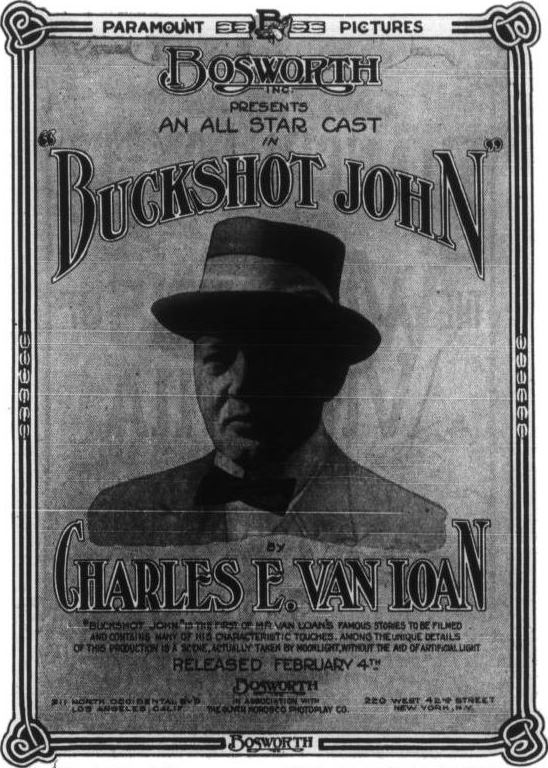
Dir: Hobart Bosworth
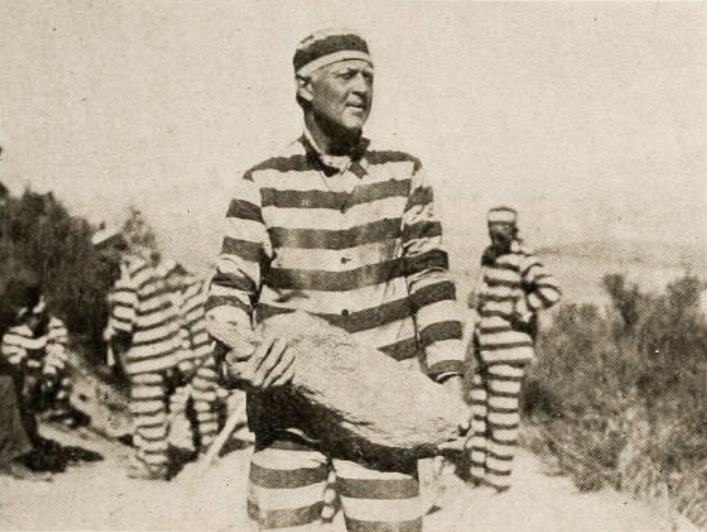
A sheriff and his posse shoot it out with a gang of robbers headed by Bad Jake Kennedy. The surviving robber, Buckshot John, won't tell where the gang's loot is hidden and gets 30 years in prison. Halfway through his sentence he "gets religion" and in order to save his soul, decides to tell where the gang has hidden its stash of gold. However, a phony clairvoyant, The Great Gilmore, finds out about John's intentions and tricks him into revealing where the gold is. When John finds out what happened, he decides to break out of prison and take care of matters himself.
View Details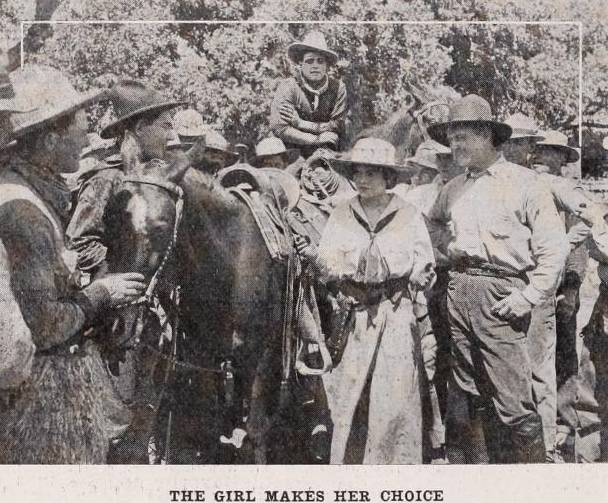
Dir: Hobart Bosworth
A ranch man saves a baby girl from Indians. Years later he unknowingly finds her and falls in love.
View Details
Dir: Hobart Bosworth
That a fork was ever meant for anything but spearing bread never dawned on Frederica Calhoun until the arrival at her father's big Montana ranch of Lord Cecil Grosvenor, a prospective buyer. He opened her eyes to an hitherto undreamed of world of refinement and good form, and she in turn appealed to his imagination by her crack riding, her beautiful lariat dances which the cowboys had taught her, and her unfailing sweet disposition and sunny bubbling good spirits. But on their betrothal, with its subsequent visit to Lord Grosvenor's sister, a New York society woman the idyll showed a flaw. Redfern gowns, afternoon teas and the formal social routine of the patrician Knickerbockers did wonders for Frederica, transforming the cocoon into a butterfly. But to Grosvenor it was demoralizing, and word of his escapades reached Frederica's ears. The night of the French Ball she borrowed a suit of men's evening clothes and hid by a stage door where with her own eyes she saw her fiancé come out with the dashing show girl with whom his name had been connected. Indeed, Frederica's "young man" makeup was so complete that Grosvenor grew jealous when Frederica eyed his companion so straight and hard. The fatal breach was widened when Frederica's prospective sister-in-law peeked into her room after her return and deceived as her brother had been, felt it her duty to inform him she had seen "a man." This Frederica spiritedly admitted, inasmuch as the "man" was none other than herself, but Grosvenor presumed to wax furious, and the absurdity of such a stand disgusted her and she tossed the Englishman over. As a matter of fact, she was glad of the excuse, for she had all the time been playing straight with him only at the expense of holding off an old Montana sweetheart who had come to New York and made good. Her hands free, Frederica returned to a man whose word she knew was good as his bond, and, thanking her stars she had learned in time that a man was not to be judged by the way he handled a fork.
View Details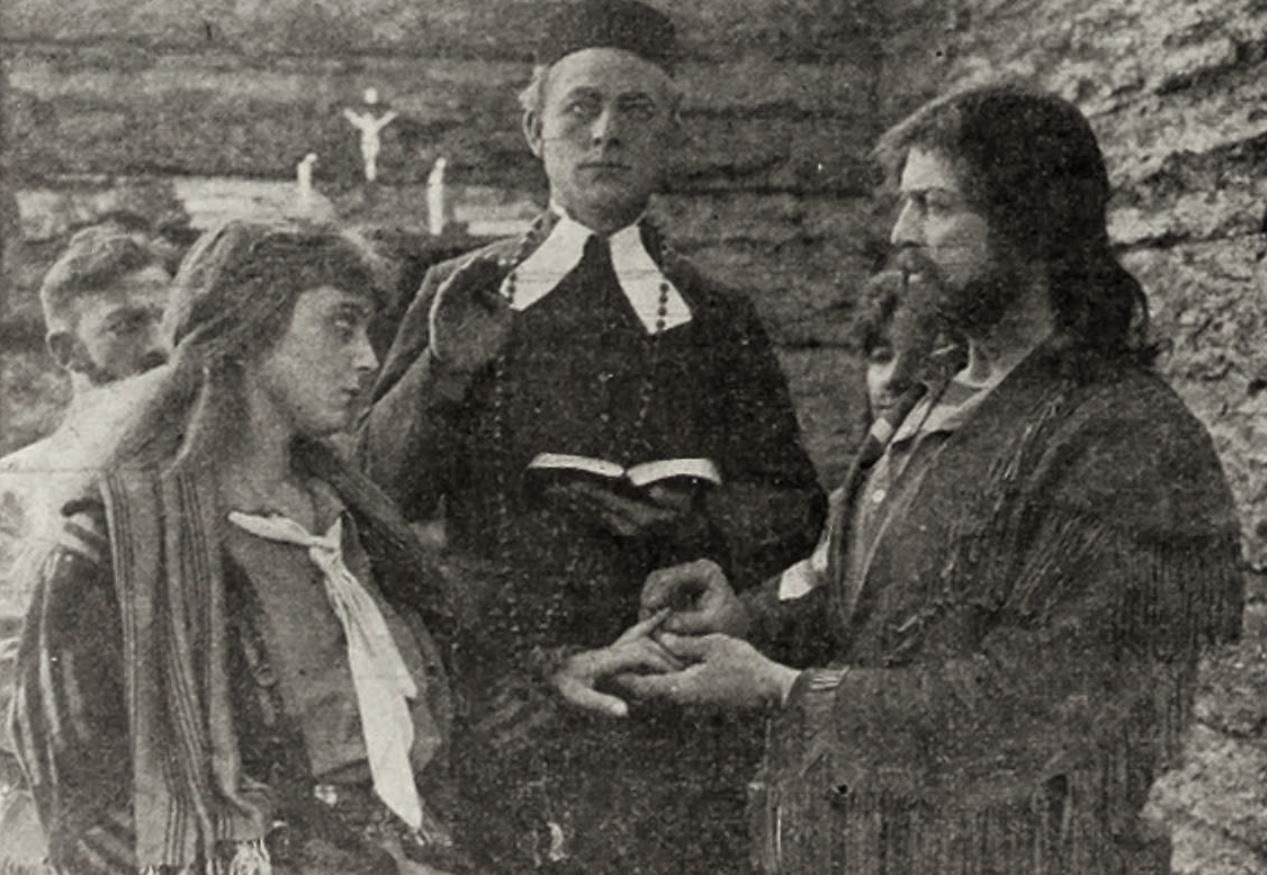
Dir: Hobart Bosworth
Hudson Bay fur trapper Na-Ta-Wan-Gan, falls in love with Janet Mackintosh, the daughter of the factor at the trading post who has been promised to the deceitful Henri Drouet. After stealing skins from Mr. Mackintosh with the help of Red Pete, Henri hides the evidence in the mail bag of Janet's brother Robert. Caught with the stolen goods, Robert is declared guilty and sentenced to a three-day journey into the wilderness. To save his love's brother, Na-Ta-Wan-Gan claims to be the thief and is jailed by Mackintosh. Robert and Janet release the trapper from prison, and then he and Janet abscond to a missionary's hut where they wed. The couple makes a home in the woods with the help of Wehnonah, an Indian chief's daughter who also loves Na-Ta-Wan-Gan. While on his death bed, Red Pete confesses his part in Henri's crimes, and Henri is apprehended and sent on a long traverse . Only after a series of misadventures, however, does he come to justice and clears Na-Ta-Wan-Gan's name.
View Details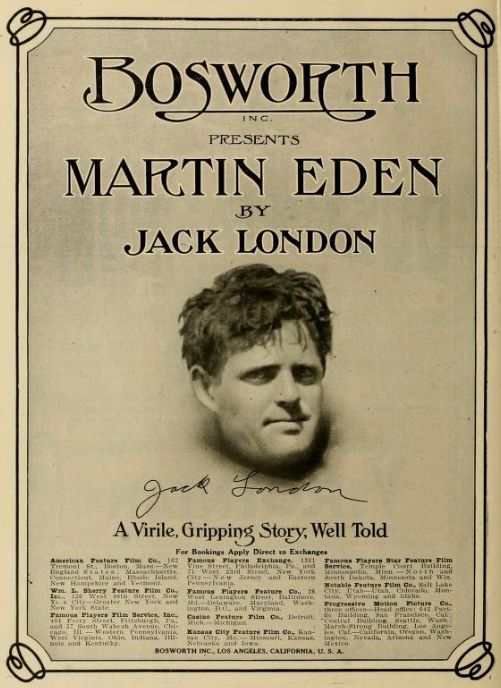
Dir: Hobart Bosworth
From a hard-won leadership of a hoodlum gang in Oakland, Cal., from a beach-comber's life in the South Seas, and from the inferno of the stokehole, Martin Eden, an unlearned sailor, wins his way to fame and fortune. But it is not until great odds have been conquered and much has been sacrificed that the goal is reached. And then it is too late. The odds are ridicule, poverty and lack of education. The great sacrifice, love. A chance meeting, in his hoodlum days, with Arthur Morse, a college man, proves the turning point of his life, for through him he meets Arthur's sister Ruth. This means the opening of a new world, and in the remaining reels of the play we see Martin's indomitable spirit and the development of his career. He makes two picturesque friends. One is Russ Brissenden, a poet, who encourages Martin when he sorely needs it, though his taking the latter to the Socialists' meeting had unfortunate results for the cub reporter as well as for Martin. The other is Maria, his warm-hearted Portuguese landlady, whose wildest flight of imagination, ""hoe all da roun' for da kids," Martin later is happily able to gratify. A third figure comes now and then into Martin's life: beautiful, wistful Lizzie Connelly, who loves him and whom he pities but cannot love. As in so many lives, matters are at their lowest ebb before the tide turns. Martin is penniless and without food or warmth. He has had only one sale of a manuscript in the many months of unceasing endeavor. Brissenden is dead. Ruth, losing her faith, has broken their engagement and refuses to see him. Then comes the sudden sweep of success, with publishers clamoring for his work and fame and wealth in his hand. But the tension that sustained him during his days of poverty and struggle breaks. Even Love, in the person of the repentant Ruth, knocks at his door in vain, and he sails for the South Seas, to find again, if he may, his old-time zest for life.
View Details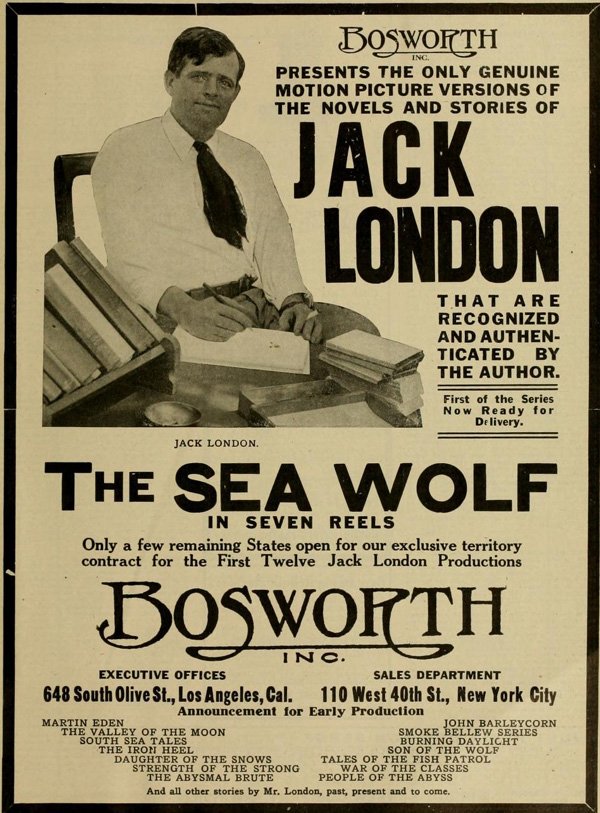
Dir: Hobart Bosworth
The cruel captain of a schooner dominates the shipwreck victims he picks up.
View DetailsAnalysis relative to The Country Mouse
| Film Title | Atmosphere | Complexity | Similarity |
|---|---|---|---|
| John Barleycorn | Ethereal | Dense | 95% Match |
| Pretty Mrs. Smith | Gritty | High | 95% Match |
| The Chechako | Ethereal | Layered | 90% Match |
| The Valley of the Moon | Surreal | Dense | 87% Match |
| Buckshot John | Gothic | Abstract | 93% Match |
This guide was algorithmically generated using the cinematic metadata of Hobart Bosworth's archive. Last updated: 8/16/2026.
Back to The Country Mouse Details →