
DbcultAccessing Vault...
Recommendations
Senior Film Conservator
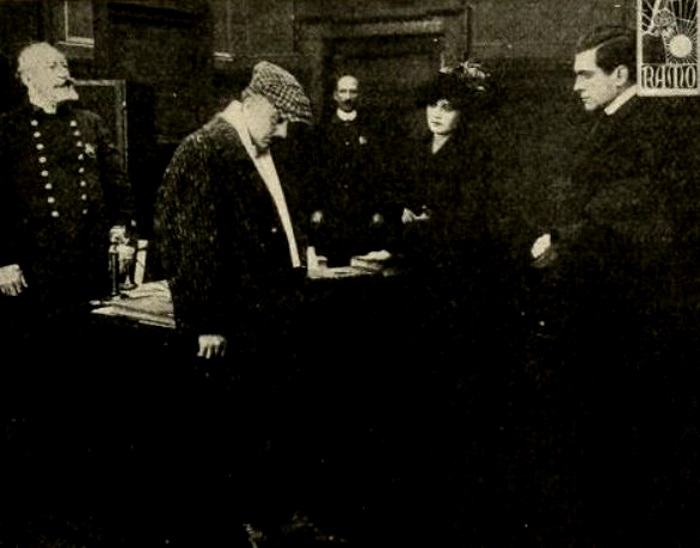
Looking back at the 1914 milestone that is The Criminal Path, the cinematic shorthand used by Will S. Davis is both ancient and revolutionary. Dive into this collection and find the spiritual successors to Will S. Davis's vision.
As Will S. Davis's most celebrated work, it defines to articulate the unspoken anxieties of United States's 1914 era.
Jim Jepson returns home after serving five years in prison for bank robbery. He manages to live a straight life with his wife and little daughter until misfortune overtakes him. His wife dies, his daughter is forced to work for her living, and at this crisis in his affairs, he meets one of his former pals, Doc Burns, a jailbird, who is wanted in the west for another robbery. Jepson, who has become discouraged, is persuaded by Burns to resume his former life. They rent an old house next to a bank, tunnel through the cellar to the bank, working at night, while Mary, innocent of the life her father leads, continues her work as cashier in an all-night restaurant. Mary, returning home late, is saved from insult by Bob Darrell, a detective, who escorts her home. A man seen loitering in the vicinity, is recognized by Darrell, as "The Worm," a notorious crook. Darrel, who arrested Jepson and Burns twenty years before, follows "The Worm," and seeing him meet Burns, is convinced that there is another plot on foot to rob a bank. Believing Mary to be an accomplice, he causes her discharge so that she will be at home at the time of his raid. Easy access to the house is gained by arresting Mary as she enters the door and Darrell and the detectives descend to the cellar, follow the cracksmen through the tunnel and capture the gang as they are blowing up the bank vaults. Jepson endeavors to exonerate Mary at the trial, but she is given a short sentence while the others receive a long term. Four years elapse. Mary, released from prison, experiences the utmost difficulty in obtaining the bare necessities of life. Sick and starving, she is tempted to snatch a purse, but is saved from the first step in The Criminal Path as the sound of singing in a nearby Mission reaches her ears. She seeks refuge in the Mission, only to faint away. The young minister, Rev. John Horton, sends her to a hospital where he visits her frequently and on her recovery gets her a position with his sister, Mrs. Blair. Morton's interest in Mary ripens into love, while Richard Blair, the husband, attracted by Mary, annoys her with attentions, but she keeps silent to prevent a family scandal and hold her position. Unknown to Mary, Jepson escapes from prison and Darrell believes he can recapture him by watching his daughter. Jepson seeks Mary for help in leaving the country. Darrell obtains an invitation to a reception in the Horton home to watch Mary. Blair, finding Mary alone, insults her. To protect herself she seizes a bronze candelabra from the mantel, but is discovered. Mary, for Horton's sake, makes no accusation. Later a noise is heard in the library and Mary is discovered standing over Blair's dead body, but being unable to give satisfactory explanations, she is arrested for the crime. Meanwhile, Darrell, gathering clues, finds Jepson's trail, and convinced that he killed Blair, pursues him across country through ice and snow. Overtaking him, a terrific struggle ensues. Jepson is the victim of his own wicked design to throw Darrell into the ice hole. Notwithstanding, Darrell rescues him. Dying from exhaustion and learning that his daughter is accused of the crime, Jepson gives the true facts of Blair's death, which convinces Darrell that his conclusions were right and that Mary is innocent. At last, the road to happiness opens to Mary.
Based on the unique cult status of The Criminal Path, our vault has identified these titles as the most compelling follow-up experiences for fans of cult cinema:

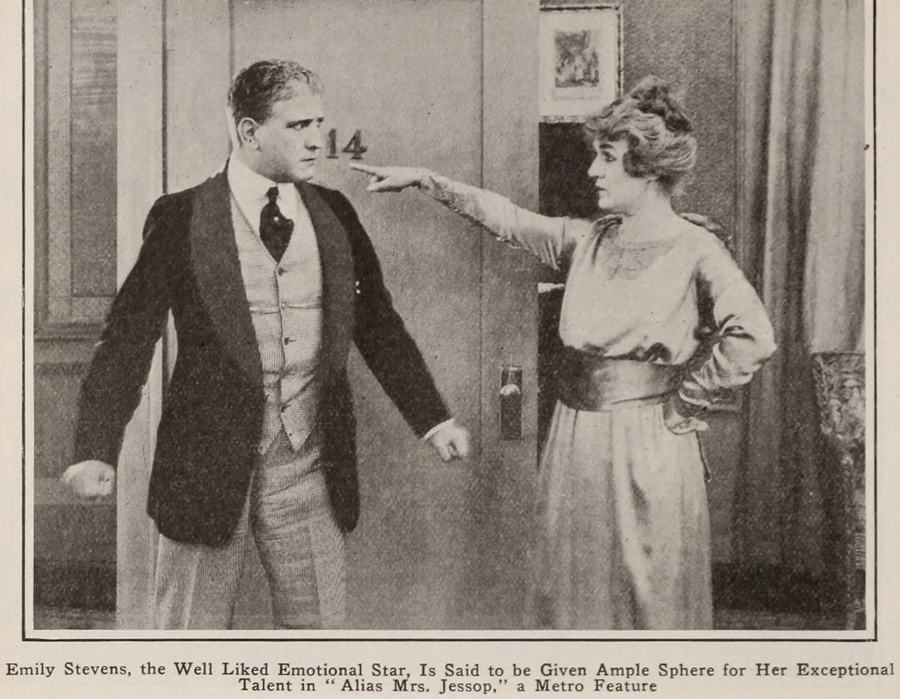
Dir: Will S. Davis
Janet Ford, a penniless orphan, is reared with her mischievous identical cousin Lillian by Lillian's affluent parents. While Mr. Ford treats Janet kindly, Mrs. Ford remains cold. When Lillian is caught in a gambling raid, she convinces Janet to bear the blame, and Mrs. Ford orders Janet to leave. Lillian marries Sir Anthony Jessop and settles in England. Jessop, who soon tires of Lillian's frivolity, finds fulfillment with their son Bobby. When he rebukes Lillian for her midnight revels, she orders him to leave. Under the pretense of visiting her dying father, Lillian travels to America, followed by her lover, Raymond Fleury, and they travel West together after she persuades Janet to impersonate her at Ford's deathbed. When Janet learns that Bobby has been hurt, she sails to England and cares for him. After Jessop's uncle dies, he returns as the Earl of Devon, and grows to love Janet, who he thinks is Lillian. Janet is terrified because she also loves him. Hearing of Jessop's good fortune, Lillian returns. After Fleury pursues and shoots her, Jessop proposes to Janet that they quietly marry and keep their past secret.
View Details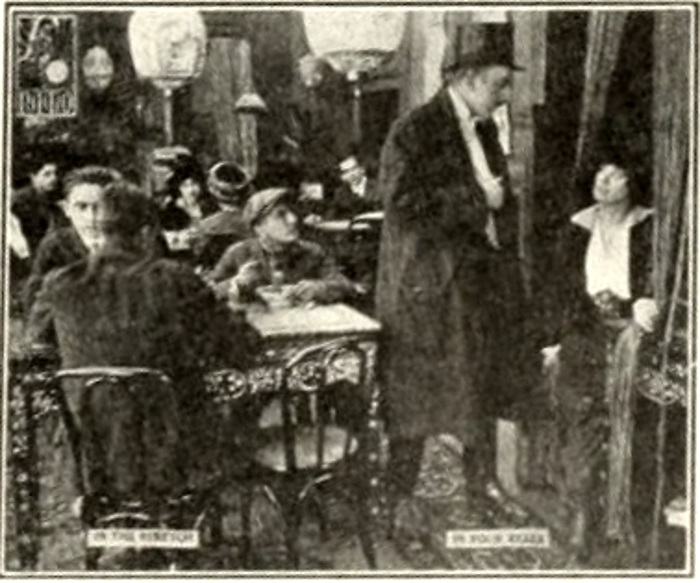
Dir: Will S. Davis
A jockey and a bettor are the victims of a corrupt bookmaker.
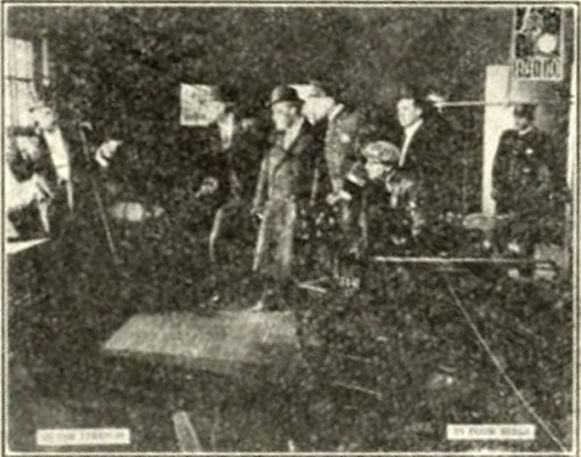
Dir: Will S. Davis
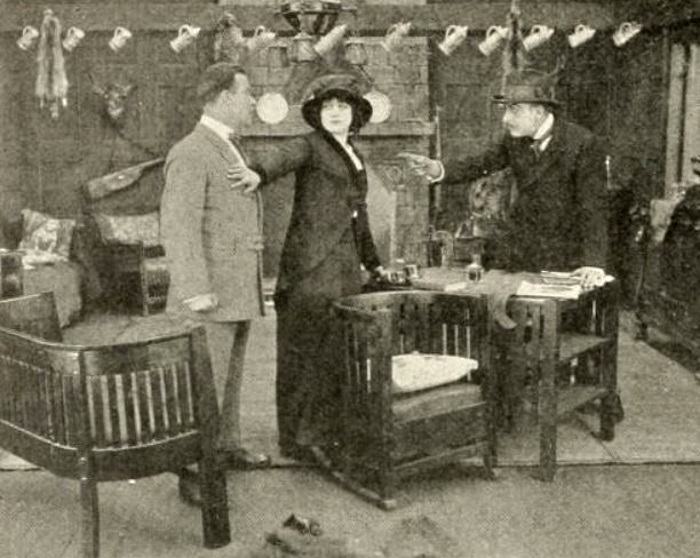
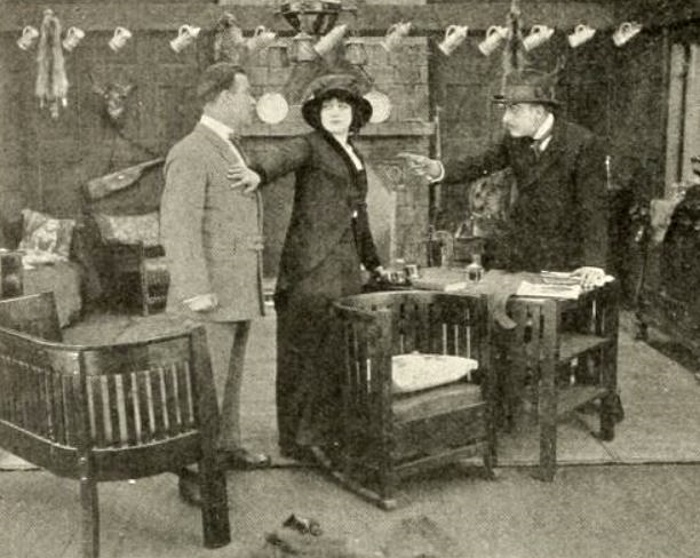
Stuart Homer, backed by the reform party, runs for the assembly. Rev. Richard Walters and his son, Horace, aid him. Homer wants his sister, Alice, knowing nothing of her love affair with Jefferson Blair, a young lawyer. Helen, Homer's wife, knows, however, and opposes the match and an elopement is planned. Helen finds Blair's note to Alice, reading simply, "Come to my bungalow. I love you. We will go away together. Believe me, sincerely, Jeff." Determined to prevent this, Helen starts for his bungalow alone, Homer being at the political meeting. Alice, on her way to Blair, crosses an old bridge to avoid being seen by Walters, who happens in that vicinity. The bridge falls, throwing her unconscious in a deep ravine, where she is exposed to the storm until found by strangers and later brought home. Helen is seen by Walters entering Blair's bungalow. Forming an unjust conclusion, Walters hurries to Homer at the meeting. Homer, not knowing of Blair's love for Alice, goes to the bungalow. Meanwhile Helen has surprised Blair, and shown him the note and told him she intends to wait and take Alice home. At this junction, Homer arrives and upon finding the incriminating note, orders Helen to leave his house and her little girl. Helen is caught in the storm and picked up practically out of her mind by an automobile party of questionable character. Alice is brought home only to die. Her story and Blair's grief convince Homer of his terrible mistake. He is agonized at obtaining no clue to Helen's whereabouts. Helen's despondency makes her a ready convert to the fast life of her companions. After fifteen years, we find Homer as State Governor, his daughter, Mary, away at school, and his wife a leading factor among her associates in their reprehensible career. Fate brings Mary Homer, her daughter, under the consideration of "the Master." Unknowingly she aids in the bringing of Mary into "the Master's" power. Mary's disappearance arouses the Governor's fears, but to avoid the dangers of publicity and disgrace, he puts a detective, Reggie Wilde, on the case. A restaurant is the means of picking the acquaintance of "Crooked Fingers" as Reggie looks easy, and entrance is gained to the house, where "the Master" lives, and Mary is detained. Wilde arrives during an attempted escape of Mary, the result of which is the discovery by Helen of a birthmark on Mary, proving to her that Mary is her own daughter. Helen plans Mary's escape. Meanwhile Wilde, finding the situation with "Crooked Fingers" and his confederates has reached a climax, shows his hand and under forceful "persuasion" the crooks are forced to telephone for the police, and then locked in a closet. "The Master" takes Wilde by surprise, overpowers him in a terrific struggle and stops Helen in her attempt at escaping with Mary. In desperation Helen shoots "the Master" just as the police arrive. Mary has fainted and Helen is arrested for the murder. Wilde takes Mary to the Governor. Blair, now a prominent lawyer, is assigned to the defense of Helen "Smith." On conferring with Helen, he recognizes her, but promises to keep her identity a secret. Mary is the chief witness against Helen "Smith," and during her testimony the Governor recognizes his wife. Tortured and powerless, he hears her testimony, which results in a verdict of guilty. The Governor visits Helen's cell and promises her to keep so that their daughter may not suffer disgrace. Urged by Blair, the Governor decides to pardon Helen, realizing that to do so, he must satisfy the public and get his reasons and thereby bring disgrace on himself and daughter. The decision proves needless, for Helen's weakened condition and refusal of food results in her death before the pardon leaves the Governor's hands. The Governor's Nemesis has disappeared; a Higher Court has assumed jurisdiction; who will be adjudged guilty?
View Details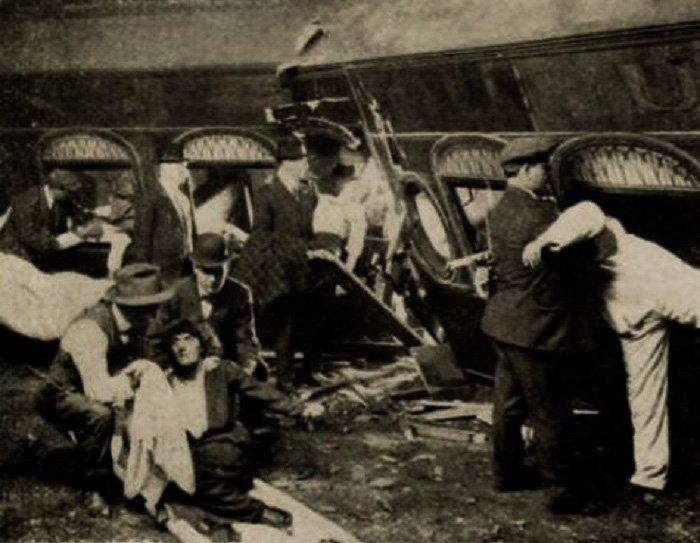
Dir: Will S. Davis
Kate Clarke and her brother, Joe, are alone in the world. Kate learns of her brother's connection with a counterfeiter's gang only when the police invade their rooms to arrest Joe. After a desperate struggle, Joe escapes, but Kate is seriously injured by an accidental blow. She recovers, but the memory of her past is gone. Kate wanders away to the city and becomes a cabaret dancer. Richard Harris, a noted artist, has a vision of creating a "Madonna," but has been unable to secure a suitable model. While visiting the cabaret, he sees in Kate the model he seeks and she consents to pose for the painting. As the painting progresses, Harris' interest ripens into love, but this only amuses her. At length, bored by posing, she suddenly goes away. The painting is yet unfinished. Harris, heartbroken over his loss, pours out the whole story in a letter to his twin brother, Joseph, a minister. Meanwhile the train which Kate had taken is wrecked near the village where Harris' brother is both pastor and physician to his flock. Interested in Kate's peculiar case, he has removed her to his home. The shock has blotted out entirely the memory of the past few years of her life as a dancer, nor does she remember how she came to be aboard the train. She recalls only her life before her first injury. The artist meanwhile has made futile attempts to finish his "Madonna." Broken in health and despondent he sends for his brother. One day, in his delirium, seeing Kate before his eyes, he finishes the painting. The brother arrives too late, but recognizing Kate as the original of the "Madonna" he takes it back home and hangs it in the church. During the minister's absence, Jane Perkins, one of his parishioners who is jealous of his attentions to Kate, finds the letter which the artist has written to his brother. She reads it and learns the tragic story of the artist and the girl who posed for the picture, the "Madonna." Kate's brother, Joe, unrepentant, is still a counterfeiter and a member of a gang located near this village. Kate and Joe meet, but he begs her not to disclose his identity or whereabouts. Unfortunately, Jane sees the affectionate parting and straightway starts a scandal. A bazaar fete is in progress in the church rooms, and while some of the congregation are admiring the "Madonna," Jane discloses Kate's past, and thus for the first time the girl, who overhears it, cruelly learns the story of her lost few years. The church members turn against her, but the minister defends her. By impersonating one of the members of the church, Fagin, a detective, captures all of the gang except Joe, who takes refuge in the church. He is tracked there and accidentally upsets a small stove, setting fire to the church. Badly injured, Joe crawls to the place where his sister is now living. The minister rescues Kate. The "Madonna" is practically the only article which escapes the flames. Kate, returning home, finds Joe. His condition requiring medical attention, she summons the minister, who remains through the night with Joe. Pledged to keep Joe's presence a secret, the minister is unable to answer the elder's demand for explanations. Joe dies and the gossiping villagers soon learn the truth. The minister presents the "Madonna"' to a Metropolitan Art Gallery where the public flock to see it. Though they may not know it, they are looking at the perfect likeness of the minister's present wife and child.
Dir: Will S. Davis
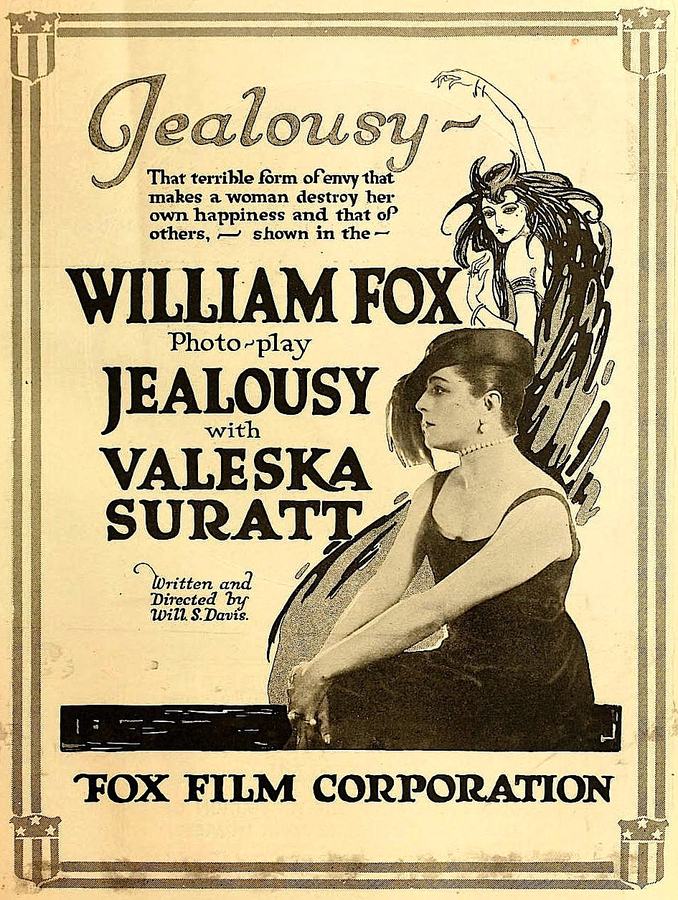
Carney marries Agnes Maynard and soon forgets his old sorrow. Anne, tired of her mock wedded life, attempts to make Roland jealous of his wife. She induces Carney to visit the home of Randolph Parsons. There Roland finds his wife, but a sudden twist of affairs results in his discovering that Agnes is innocent. Anne tries new tactics now. She knows that Carney has been losing steadily in the stock market, through her husband's efforts to ruin the man his wife loves. Anne finds a memorandum on Martin's desk: "Corner B.H.R. Stock." She gives this information to Carney. He is overjoyed and grasps the tip eagerly. Martin, however, learns of what Anne has done, and reverses his tactics. The result is that Carney is ruined completely. In his rage, he thinks that Anne has tricked him purposely, and he goes to her, furious. While he is there, she sees Martin returning. She thinks she has an opportunity for revenge. She tears her clothing and lets down her hair. Then she turns out the lights and screams. Martin enters. Anne shrieks that Carney had been attacking her. Martin smiles and takes out the B.H.R. memorandum. "I know your game," he says. "Go," he tells Carney, "you are ruined. You have been punished enough." Martin bids his wife good-bye, and informs her that he is going to leave her. Anne falls senseless to the floor.
View Details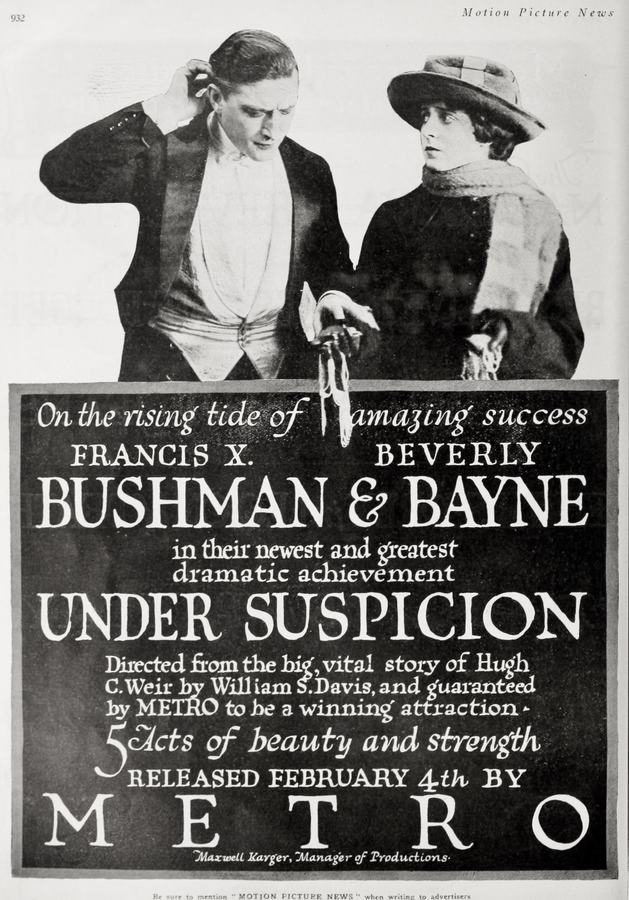
Dir: Will S. Davis
At a high society musicale, millionaire Gerry Simpson meets and falls in love with newspaper reporter Virginia Blake, whose disdain for the "idle rich" causes him to claim that he is a cub reporter on her paper. When the party is interrupted by the announcement that a burglar has stolen hostess Alice Woolworth's jewels, Virginia secures the button torn from the robber's coat by Mrs. Wentworth's pet monkey and is determined to solve the crime. Virginia begins to fall in love with Gerry, who has actually taken a job with the paper, but one day she notices that his coat is missing a button identical to the one that she obtained at the party. Believing him to be the thief, she searches his apartment and locates a cache of jewels. At that moment, however, Gerry's valet Rogers enters, and suspecting that she has discovered his guilt, he attacks her. After Gerry rescues Virginia, Rogers is imprisoned, and Gerry wins his girl's heart by promising to work hard as the editor of the newspaper he has just bought.
Dir: Will S. Davis
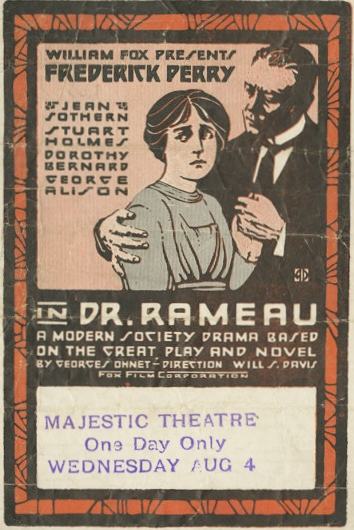
Pierre Rameau, the son of a poor gate-keeper, becomes the foremost physician and surgeon in Paris. Conchita, his wife who he loves above everything else in the world, dies leaving an infant daughter, Pamela. Rameau is inconsolable and keeps the room that Conchita died in inviolate, visiting it only on the anniversary of his wife's death. Twenty years later on one of these visits he discovers, among one of Conhita's letters, proof that she had been unfaithful to him and that Pamela, the girl he had raised from an infant to womanhood, was not his child. The shock drives him out of his mind, and he drives Pamela from his home, refusing to ever see her again. Dr. Talavanne, his best friend, informs him that Pamela is dying and only Rameau's skills as a physician can save her.
View Details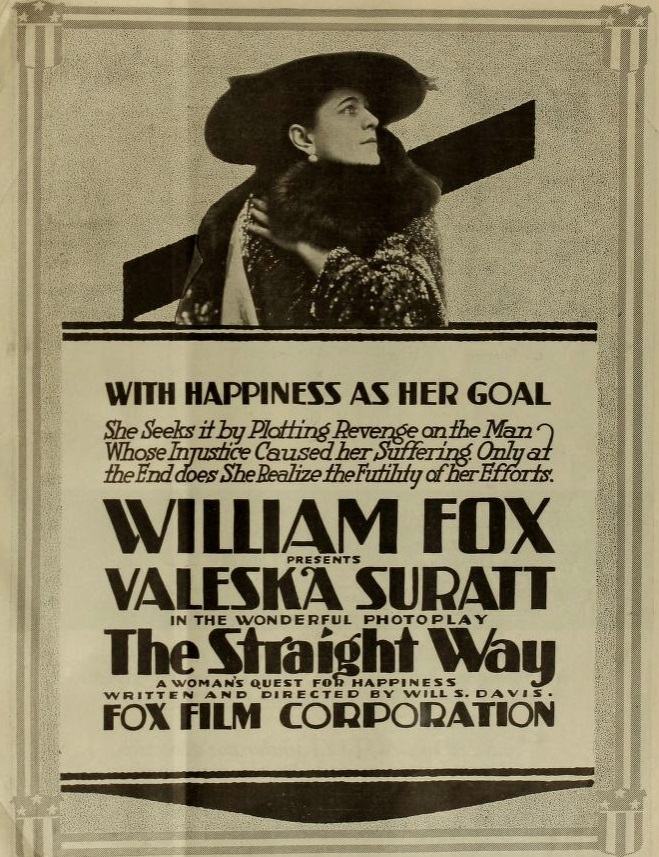
Dir: Will S. Davis
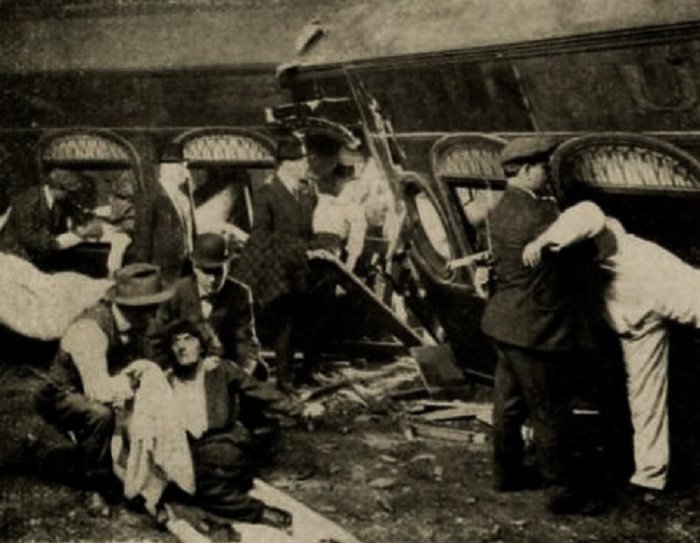
Deserted by her husband, John Madison, because he incorrectly accuses her of having an affair, Mary Madison goes to her aunt's house to have her baby, and then loses her memory in a train wreck. John, however, hears that she has died, so he takes possession of their infant daughter. Years later, John has remarried and Mary has regained her memory, but she does not know that her daughter is still alive. When she learns how John prizes his daughter, she decides to gain revenge on him by disgracing her, so she plots to have the daughter seduced by an ex-convict who served time on a trumped-up charge. The ex-convict and the daughter fall in love, however, and after their marriage, Mary finds out that the woman she tried to ruin is her own daughter. A less vengeful Mary then goes to John and is reconciled with him.
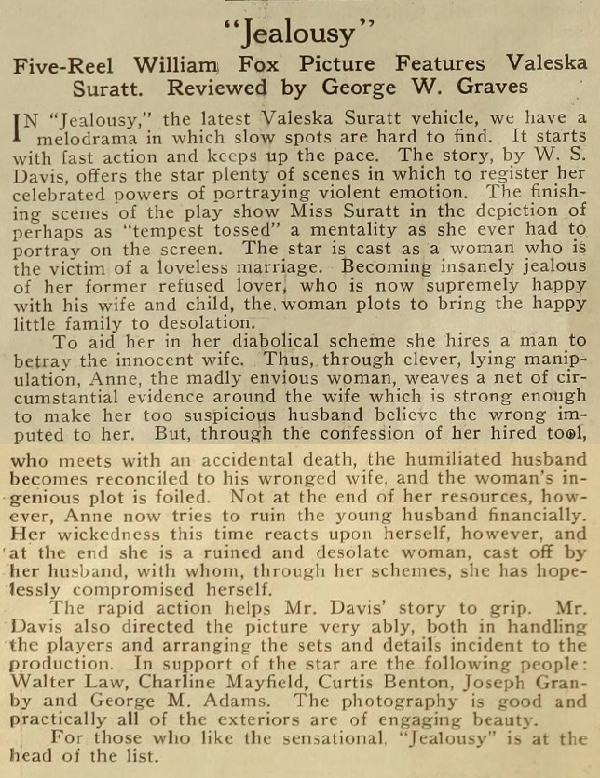
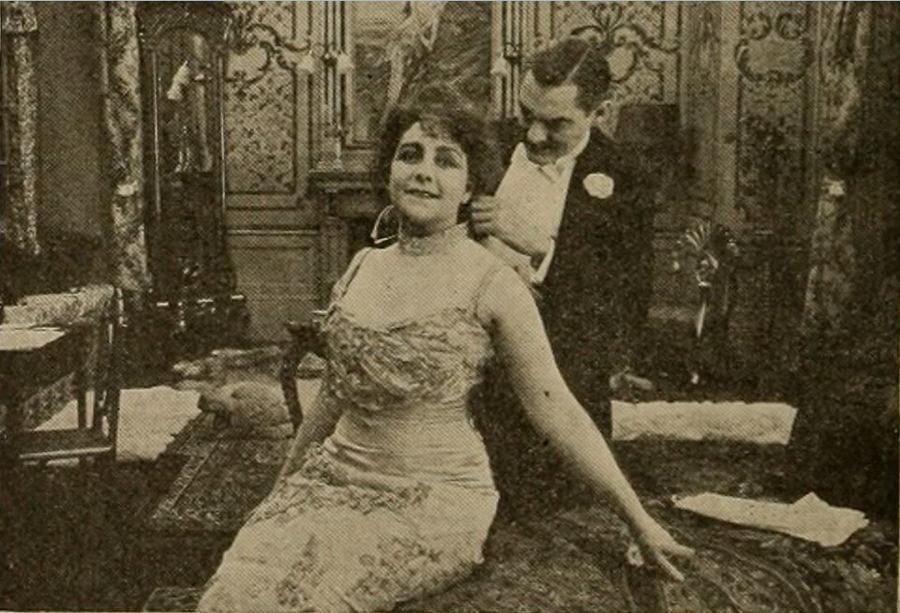
Dir: Will S. Davis
Unhappy surroundings and cruel parents force Katinka Jenkins to lead a very dissatisfied existence. The mill foreman becomes attracted by her, and makes advances which Katinka resents. Joe Mercer, a worker, is in love with Katinka, but the desperate girl chooses Lindsay, the rich mill owner. The girl's father, in order to obtain a petty loan, promises his daughter's hand to Joel Brinker, a money lender, who forces his attentions until Katinka leaves home. Katinka, ignorant of the fact that Lindsay is already married, proceeds to live a gay and reckless life, never forgetting, however, to send her family enough money to live on. Later, through Lindsay's influence, Katinka becomes the famous "Madcap" dancer. A reform movement, headed by John Strong, is started, in order to stop Katinka's disgraceful performances. Katinka's extravagance forces Lindsay to borrow money in order to pay the mill hands' wages. Ignorant of Lindsay's financial condition, Katinka continues her reckless living. The men demand their wages, and a strike at the mill is barely averted. Believing John Strong, who has fallen in love with her sister, Olivia, to be a reformer in name only, Katinka invites him to join a gay party which is given by Lindsay in her honor. Strong is at first shocked, but the gaiety of the occasion, and Katinka's hospitality towards him, soon makes him forget the real purpose of his visit. The mill owner is unexpectedly called away as the strikers, on the verge of riot, are only held back by Joe Mercer's great influence with them. As Strong is making desperate love to Katinka, Olivia and her father enter, and Strong is shown up in his true colors. After all the others have gone, Brinker, who is also a guest at the party, remains and tells Katinka of Lindsay's financial condition, at the same time telling her of his great love for her. Remorseful, Katinka orders Brinker out of her home, and for the first time realizes how much her reckless life has cost. Joe Mercer learns of Katinka's affair with Lindsay. Losing control of himself, he returns and arouses the workers to riot. They attack Lindsay as he is leaving the mill. Lindsay's wife leaves him, and later the mills are destroyed by fire which makes his ruin complete. The unhappy Katinka learns of the life she has wrecked. Remorseful, she decides to end her misspent life by suicide. This is prevented by Joe Mercer. After strong persuasion, Katinka promises to reform, and become a nurse in the United States Army. Joe also enlists. Her reformation becomes complete when she shows great bravery in the yellow fever camp. Joe has been stricken with the disease and is aided to recover by Katinka. who at last realizes that love from the poor is far better than luxuries from the rich.
View Details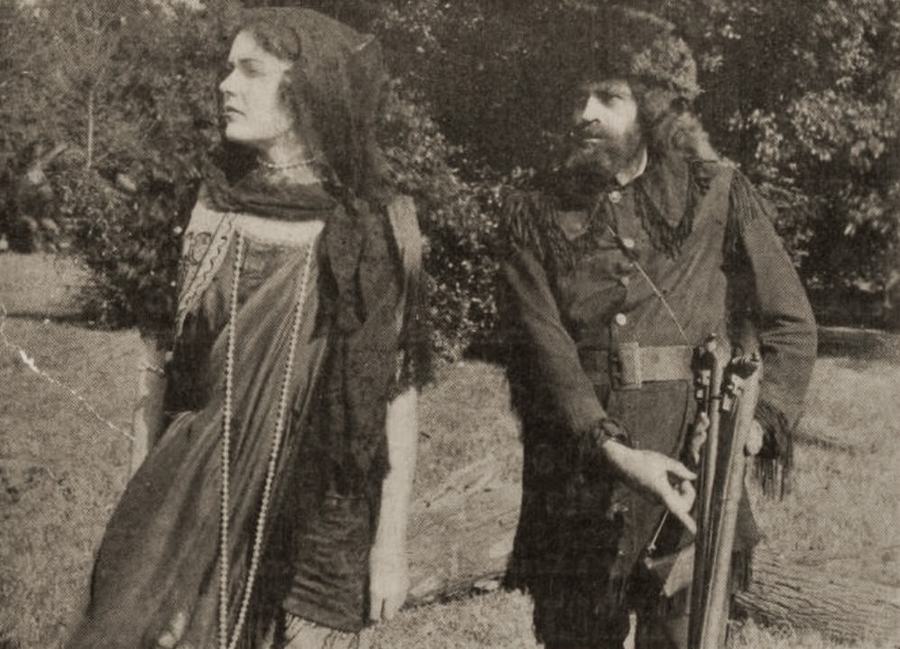
Dir: Will S. Davis
Madeline De Valette is betrothed to her father's cousin, Raoul De Valette, arrangements having been made when she was but a child. Valette requests his cousin's presence at his home to be presented to his fiancée. Raoul has been carrying on a love affair with L'Acadienne, a beautiful Creole who loves him devotedly. Much against his wishes, he is compelled to leave L'Acadienne. In spite of her pleadings and threats, he sets out for the Valette home. Her jealousy prompts her to follow Raoul and disclose their love affair to his fiancée's father, and thus prevent the marriage. Madeline is in the springtime of her youth. She is fully aware of her coming marriage with Raoul, but the realization of what it means does not occur to her. She has been rehearsed daily to prepare for her first meeting with her fiancé. Raoul finally arrives at the Valette home. Although disappointed, she accepts Raoul, as a duty to her father, whose earnest wish is that she shall marry a Val De Valette. At this time the United States is at war, and there is a call for volunteers. Wolf, a backwoodsman, has been recruiting a company of citizens to help Andrew Jackson to fight the enemy at New Orleans. Gilbert Seele, whose father owns the estate adjoining the Valette's has enlisted, unbeknown to his father, who has opposed his going away. Gilbert's father, who has purchased most of the Valette property, learning of Valette's poverty, desires to buy the Valette home. In spite of their previous business transactions, Valette and Steele are not on friendly terms. Steele sends Gilbert to Valette to negotiate the sale of Valette's home. While there. Gilbert meets Madeline. He immediately falls in love with her, and she, in her innocence returns it. Valette is angry at Gilbert for daring to expect love from a lady who was already betrothed. He also refuses to listen to Steele's proposition to buy his home. Gilbert is ordered from the house, enraged at the harsh treatment accorded him. Madeline, who fears that Gilbert is angry at her, runs after him to explain. She is unable to overtake him, but the thought of never seeing him again terrifies her and she continues to follow Gilbert. Gilbert is to join the recruits at sundown. He secretly leaves home, and Madeline, arriving there, finds him gone, but she does not give up her march. In the meantime. L'Acadienne has arrived, and meeting Raoul, she threatens to expose him. Raoul manages to persuade her to remain silent by telling her that his marriage with Madeline will not part them. This satisfies her. Raoul, seeing his opportunity for breaking the betrothal, asserts that Valette could not expect him to marry Madeline now. Valette allows him to depart. He is immediately joined by L'Acadienne and they return to New Orleans. Madeline's condition is serious. Her mind is afflicted by the shock, but her father does not relent, declaring that her condition is her punishment. Crawley's report is soon found to be false for Gilbert, Wolf and the recruits return. They have been victorious. Crawley, fearing Wolf's and the people's wrath, seeks aid from Father O'Mara, who promptly hands him over to Wolf and the people who are searching for him. Crawley receives a just punishment. Gilbert learns of Madeline's condition, and efforts are made to recover her reason. A plan is decided on, the result of which causes Madeline's recovery. Valette, learning the real facts, offers his sanction to the betrothal of Madeline and Gilbert.
View DetailsAnalysis relative to The Criminal Path
| Film Title | Atmosphere | Complexity | Similarity |
|---|---|---|---|
| Alias Mrs. Jessop | Surreal | Dense | 94% Match |
| In the Stretch | Gritty | Abstract | 87% Match |
| The Governor's Ghost | Tense | Abstract | 89% Match |
| Through Dante's Flames | Gritty | High | 92% Match |
| Jealousy | Tense | High | 92% Match |
This guide was algorithmically generated using the cinematic metadata of Will S. Davis's archive. Last updated: 8/16/2026.
Back to The Criminal Path Details →