
DbcultAccessing Vault...
Recommendations
Senior Film Conservator
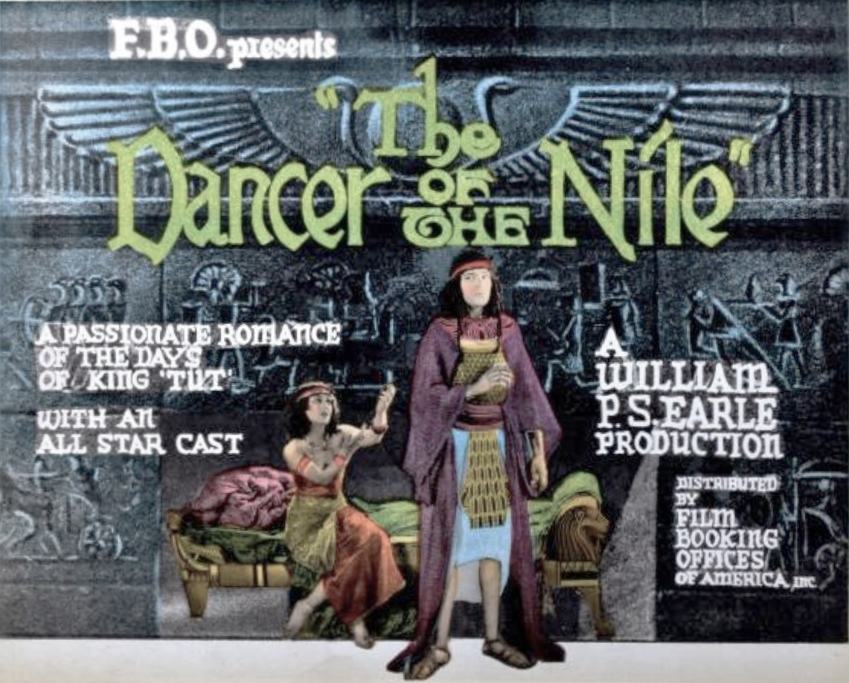
Ever since The Dancer of the Nile hit screens in 1923, fans have sought that same nuanced performance, the search for similar titles reveals the deep impact of William P.S. Earle's direction. These recommendations provide a deep dive into the same stylistic territory occupied by The Dancer of the Nile.
Whether it's the nuanced performance or the thematic depth, this film to capture the existential zeitgeist of 1923.
A tyrannical Egyptian princess falls in love with Karmet, prince of Syria, who loves Arvia, a dancing girl. The princess orders Arvia killed, but the dancer's father, a high priest, saves her for Karmet. The princess overcomes her disappointment and succumbs to the advances of Prince Tutankhamen.
The influence of William P.S. Earle in The Dancer of the Nile can be felt in the way modern Romance films handle nuanced performance. From the specific lighting choices to the pacing, this 1923 release set a high bar for atmospheric immersion.
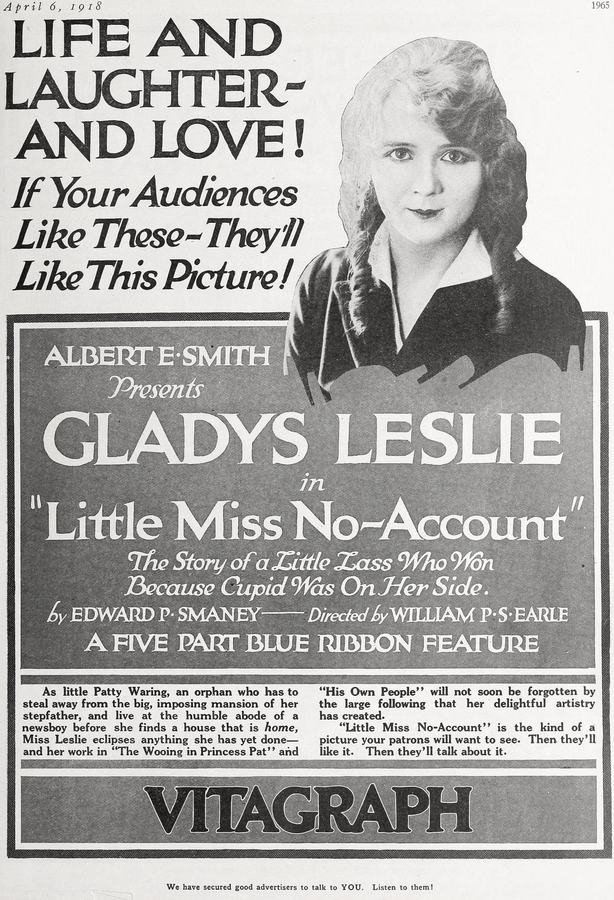
Based on the unique nuanced performance of The Dancer of the Nile, our vault has identified these titles as the most compelling follow-up experiences for fans of Romance cinema:
Dir: William P.S. Earle
Patty Baring will lose the fine old Washington Square house she is to inherit if her scheming stepfather Josiah Wheeler's plan to acquire it for himself is successful. Cruelly abused by Wheeler, a gambling hall owner, Patty runs away to live with a newsboy named Bobby and his grandfather Herman. There, in spite of her shabby dress and humble companions, she arouses the admiration of Edwin Sayer, the district attorney. Ned, a soft-spoken gambler, desires to possess Patty, and at the instigation of her stepfather, lures her into a gambling den that Edwin has been planning to raid. Patty is arrested, but Edwin secures her release and places her in the charge of his mother. Ned and Josiah are imprisoned, leaving Patty free to claim her inheritance and wed Edwin.
View Details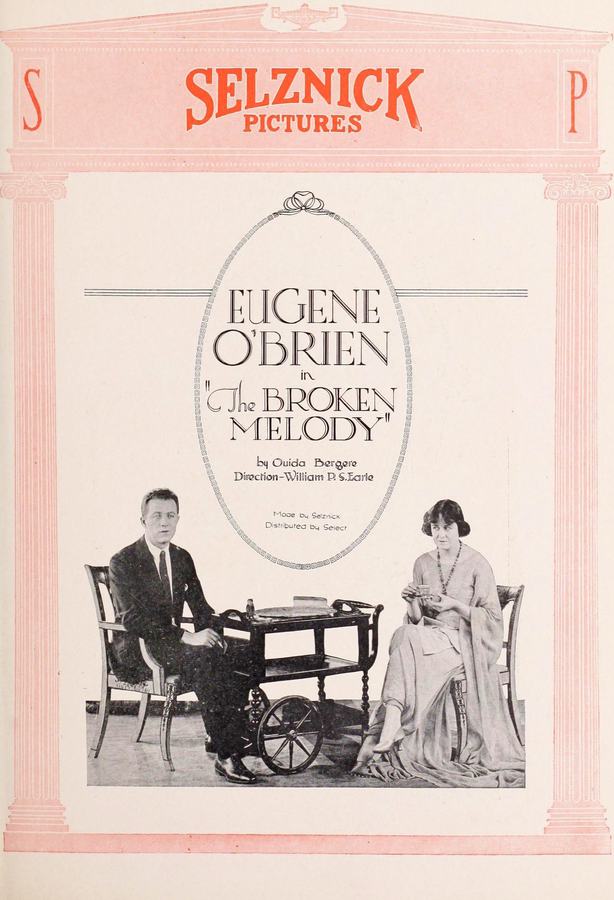
Dir: William P.S. Earle
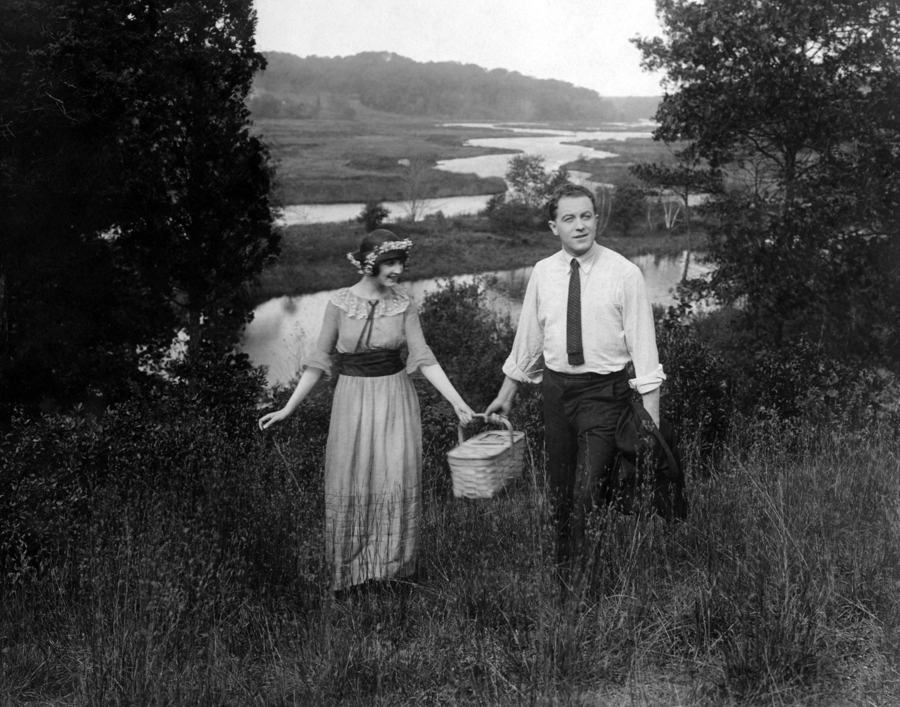
Stewart, an art student in New York City's "bohemian" Greenwich Village, lives next door to his girlfriend Hedda, who wants to be a singer. One night while they are dining at their favorite cafe', wealthy Mrs. Trask comes up to them with a proposition: she knows he is an artist and wants to go to Paris to study and develop his talent, and she will pay all his expenses. He refuses because he doesn't want to leave Hedda, but she eventually persuades him to agree. It turns out that she has an ulterior motive--as does Mrs. Trask.
View Details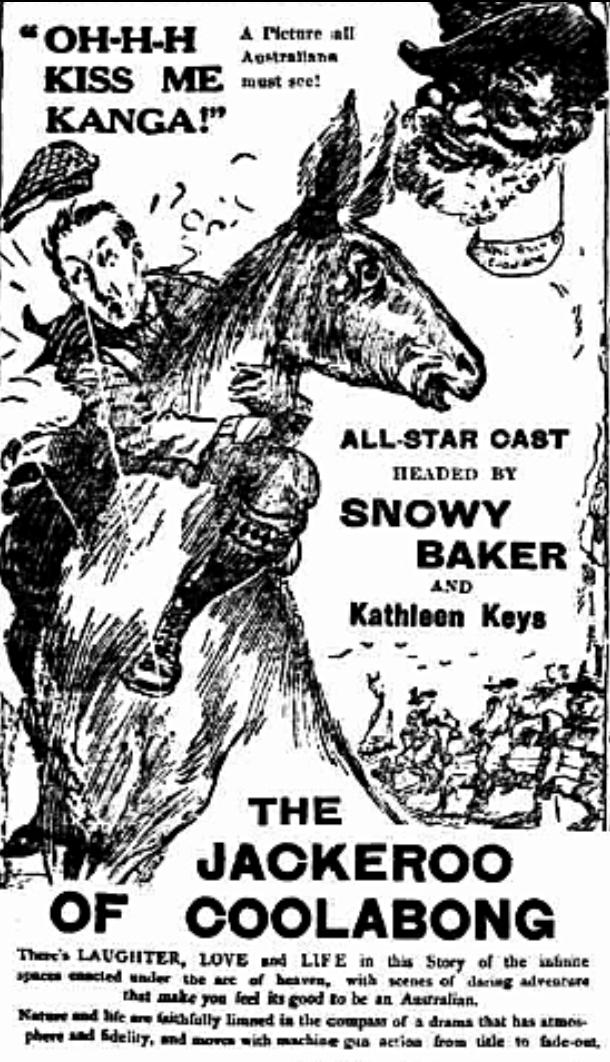
Dir: Wilfred Lucas
Brian O'Farrell (Snowy Baker), is an English 'new chum' who takes a job at an Australian cattle station. He is teased by station hands because of his appearance (including spats and a monocle) but he soon impresses them with his skills at riding and boxing. The station manager, John MacDonald (Wilfred Lucas), takes O'Farrell to Sydney to meet his daughter Edith (Kathleen Key) who is working in the slums. Edith is kidnapped by criminals after witnessing a crime but O'Farrell rescues her. It is later revealed he is the owner of the station.
View Details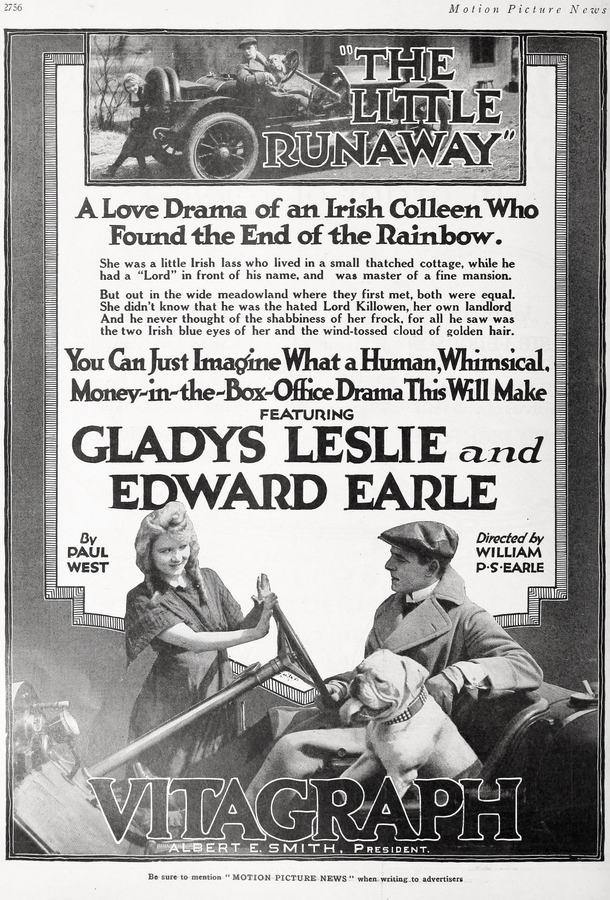
Dir: William P.S. Earle
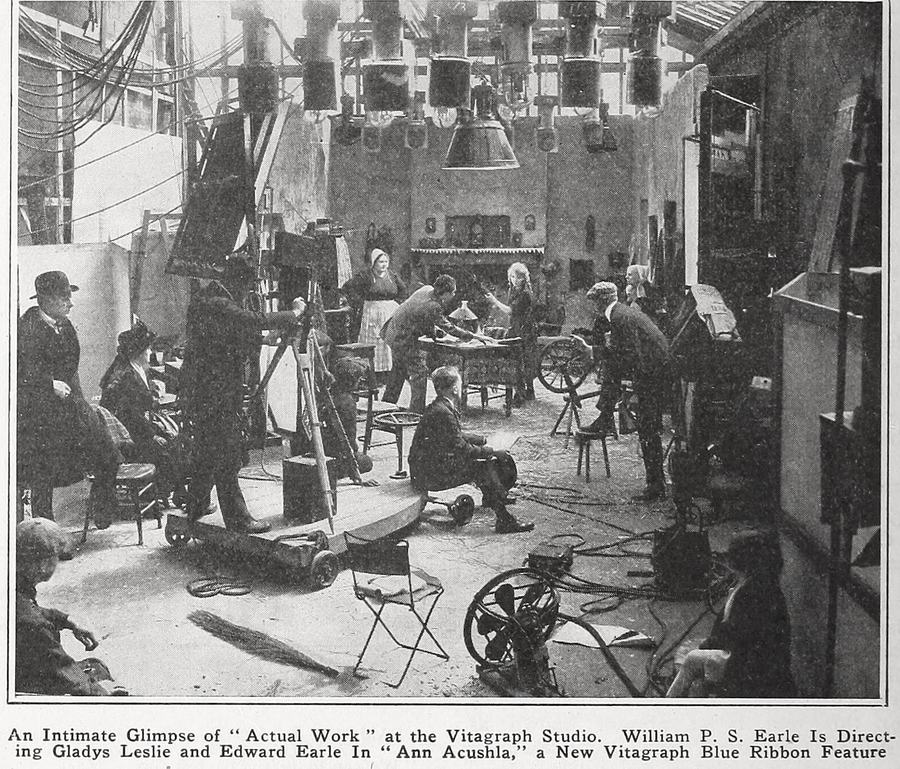
Lord Killowen, the landlord of a little village in Ireland, employs Harvey Dowd and his worthless son, Peter, to collect the rents. When Peter arrives at the modest home of Ann, a young lace maker who lives with her aunt and blind grandmother, he makes improper advances towards her, but Killowen, who is motoring through the area, rescues her. Without leaving her a receipt, Peter absconds with the rent money to America, and Ann's family is evicted. Determined to recover her money, Ann follows Peter to New York, where she is befriended by a policeman, who informs her that Killowen has come to America to court the wealthy Eileen Murtagh. Lord Killowen takes Ann to Eileen's home, but the latter, in a fit of jealousy, orders the girl to leave. When Ann returns during Eileen's engagement party, Killowen realizes that he prefers the little lace maker and proposes to her.
View Details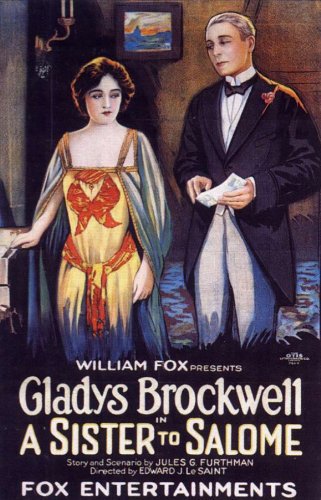
Dir: Edward LeSaint
When famous opera singer Elinore Duane undergoes an operation on her throat, she has a series of ether-induced visions. In one, she is transported to ancient Rome where she appears as a much-admired woman in love with Paul, a young heretic, and at odds with Lutor, the high priest. To save her love, she poisons Lutor with her ring. After several other visions which involve variations on this love triangle, Elinore awakens to discover that Lutor is actually her doctor, Sascha Jaccard, and that Paul is the son of a friend who has come to visit the recovering prima donna.
View Details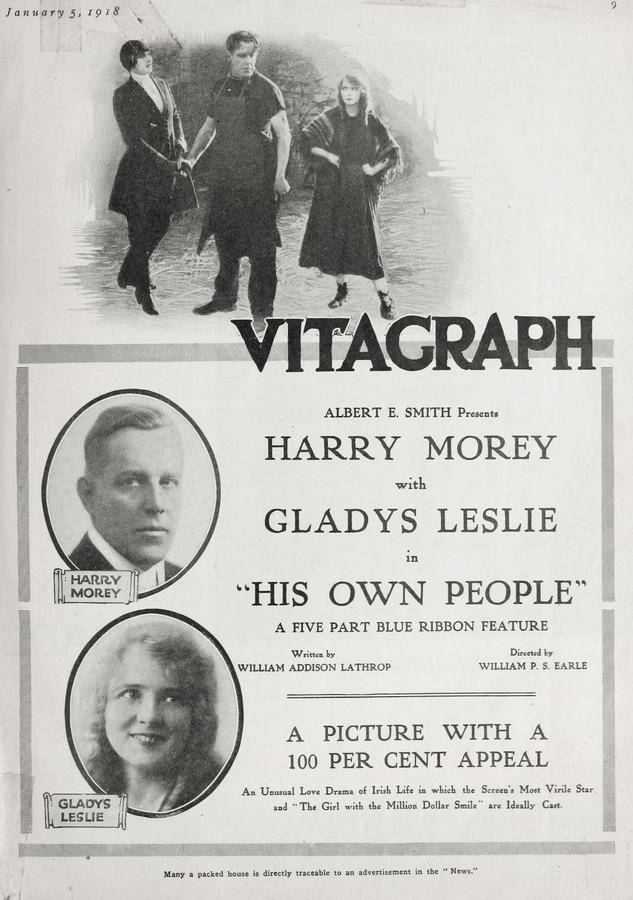
Dir: William P.S. Earle
Hugh O'Donnell, the town blacksmith and leader among the people, is in love with Molly Conway, who shows her love for Hugh in mischievous pranks at his expense. Lord Percival Cheltenham owns most of the village and is hated for his war on poachers. One day, Lady Mary Thorne, who is visiting Cheltenham, stops at the blacksmith shop to have her horse shod and, impressed by Hugh's rugged manliness, invites him to visit. Molly, overhearing the conversation, follows Hugh to the manor, where she is seen by Cheltenham, who has been drinking, and dragged inside. That night, Cheltenham's gamekeeper shoots a poacher, and the peasants storm the manor in revenge. Hugh holds them at bay and promises to turn the culprit over to the law. Searching the manor for its master, Hugh breaks into the library and finds Cheltenham with Molly. Believing that they are having an affair, the blacksmith attempts to choke the lord until Molly explains that she had flirted with Cheltenham in order to arouse Hugh's jealousy, and all is forgiven.
View Details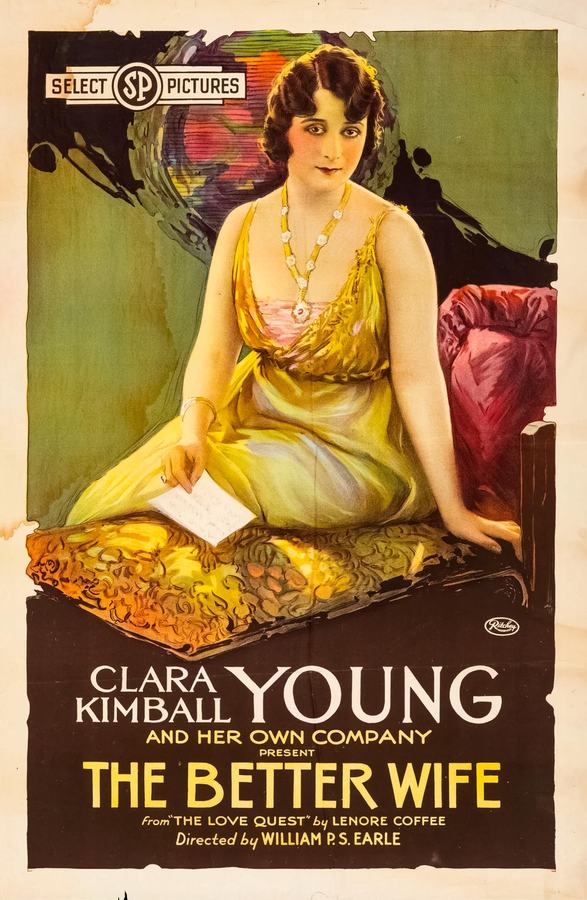
Dir: William P.S. Earle
Charmian Page has developed a great affection for the child of Sir Richard. When the child is seriously hurt in a car crash that has killed his mother Lady Beverly, who was on her way to see her lover, Charmian persuades her wealthy father to pay for the operation that saves the child. Sir Richard marries Charmian for his child's sake, but remains aloof towards her for the memory of Beverly. When he learns the truth about his late wife's infidelity, he begs for Charmian's forgiveness, realizing she is the better wife.
View Details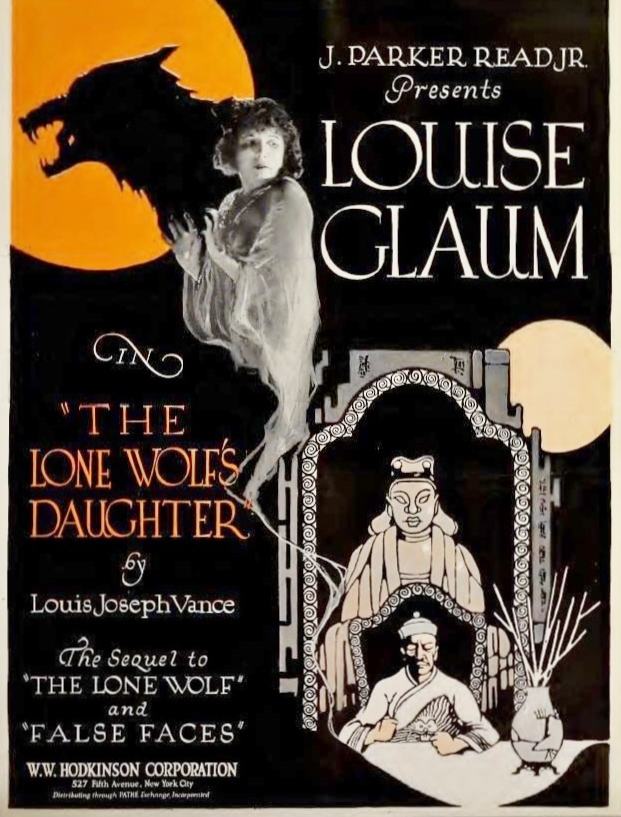
Dir: William P.S. Earle
At a London auction, Princess Sonia bids against her husband, exiled Prince Victor, for a Corot landscape in which incriminating letters Sonia wrote are hidden, but it is bought by Michael Lanyard, who is suspected of being the mysterious, international thief "The Lone Wolf." After Lanyard gives Sonia the letters, she divorces Victor, marries Lanyard, and dies after bearing their daughter Sonia. Years later, Sonia, who thinks she is the daughter of the Princess' maid, is found by Victor, now the leader of an underworld gang of Asian crooks and Bolsheviks. Saying he is her father, Victor brings her to his home, hoping to entice Lanyard to make an appearance. When Sonia discovers the gang's plan to pump poisonous gas into Buckingham Palace and the homes of the wealthy so that Victor would be England's dictator, she tells Roger Karslake, Victor's secretary, whom she loves. Lanyard, who has been posing as Victor's Asian butler, and Karslake, both Scotland Yard agents, capture the gang amid fire and fights.
View Details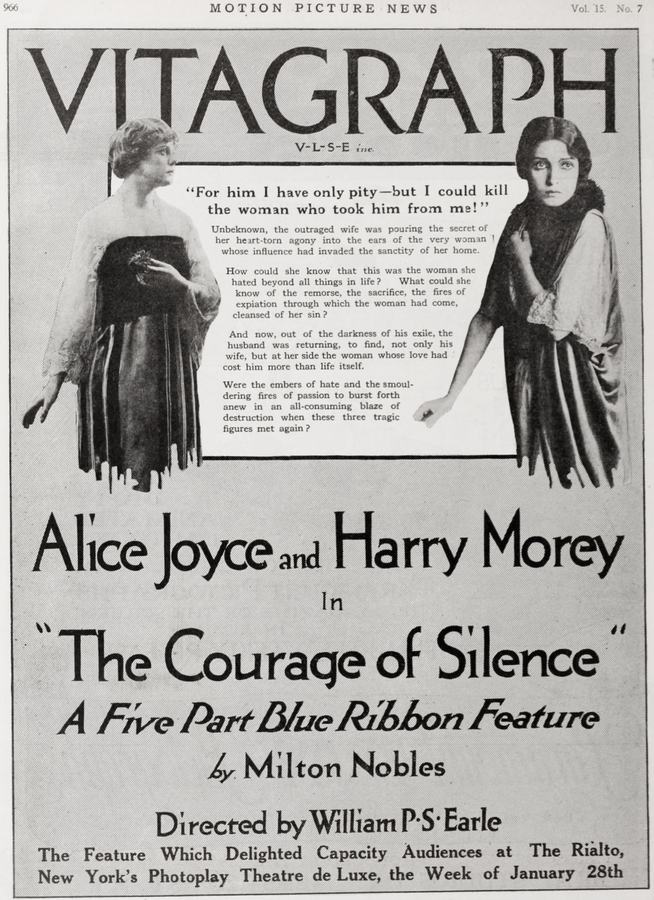
Dir: William P.S. Earle
Bradley, who is happily married and loves his family, is called to London on business. There he meets Mercedes, wife of the Spanish Ambassador. The marriage has been forced upon her, and her husband is cruel. Unaware that Bradley is married, she falls in love with him, and he is also infatuated. His better nature finally prevails, and he returns home and is happy until he receives a photograph from Mercedes. On pretext of business, he again goes back to Mercedes, finds there has been a quarrel, and that the ambassador has struck her. She and Bradley go away together, and while crossing the channel, he inadvertently discloses the fact that he is married. Mercedes unwilling to come between husband and wife, flees to a convent, and Bradley, unable to find her, joins an expedition to the forests of South America. Bradley has written his wife that he is a coward. Her health fails and her father takes her and the children for a trip abroad. The children are attacked by an epidemic of fever, and Mercedes, now a nurse, is summoned. She learns the identity of the family, and, when the boy calls for his father, she starts a search for him. After the crisis, Mercedes who has concealed her identity by use of a veil, wins her fight against a renewal of their relations, and warns Bradley, who has recognized her, to keep his wife in ignorance. Recovering from the fever which has now claimed her, she sees the reunited family depart for America, and knows her heart is empty and closed forever to love.
View Details
Dir: Bruno Ziener
A fascinating piece of cinema that shares thematic elements.
View DetailsAnalysis relative to The Dancer of the Nile
| Film Title | Atmosphere | Complexity | Similarity |
|---|---|---|---|
| Little Miss No-Account | Ethereal | Abstract | 93% Match |
| The Broken Melody | Ethereal | Abstract | 92% Match |
| The Jackeroo of Coolabong | Ethereal | High | 85% Match |
| The Little Runaway | Gritty | High | 98% Match |
| A Sister to Salome | Gothic | High | 88% Match |
This guide was algorithmically generated using the cinematic metadata of William P.S. Earle's archive. Last updated: 6/20/2026.
Back to The Dancer of the Nile Details →