
DbcultAccessing Vault...
Recommendations
Senior Film Conservator
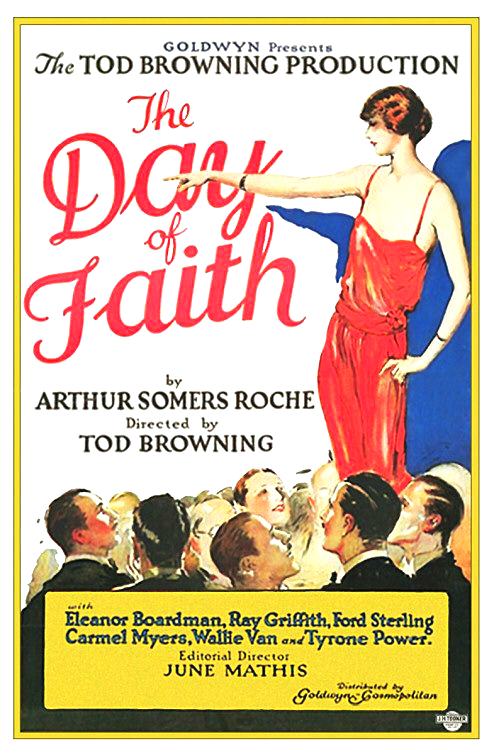
For those who were mesmerized by The Day of Faith, a true Drama masterpiece from 1923, its influence on Drama cinema remains a vital reference point for fans today. This list serves as a bridge to other Drama experiences that are just as potent.
The legacy of The Day of Faith is built upon its ability to blend thematic complexity with stunning visual execution.
Jane Maynard opens a mission in memory of philanthropist Bland Hendricks. John Anstell, son of a powerful and selfish millionaire, Michael Anstell, falls in love with Jane, to the old man's disapproval. Anstell tries to undermine Jane's work by hiring reporter Tom Barnett to write an unfavorable story about the mission. After a visit, Barnett is so convinced, by Jane's sincerity, of the value of the endeavor that he volunteers his help. Anstell pretends to support the mission to gain public favor, but a mob seeking revenge for wrongs done by Anstell attacks the son, John, and beats him to death. Anstell sees his mistakes, awakens to the real purpose of Jane's work, and reforms. Jane and Barnett continue together at the mission.
The Day of Faith was a significant production in United States, showcasing the immense talent of Emmett King, Wallace MacDonald, Jane Mercer. It continues to be a top recommendation for anyone studying Drama history.
Based on the unique nuanced performance of The Day of Faith, our vault has identified these titles as the most compelling follow-up experiences for fans of Drama cinema:
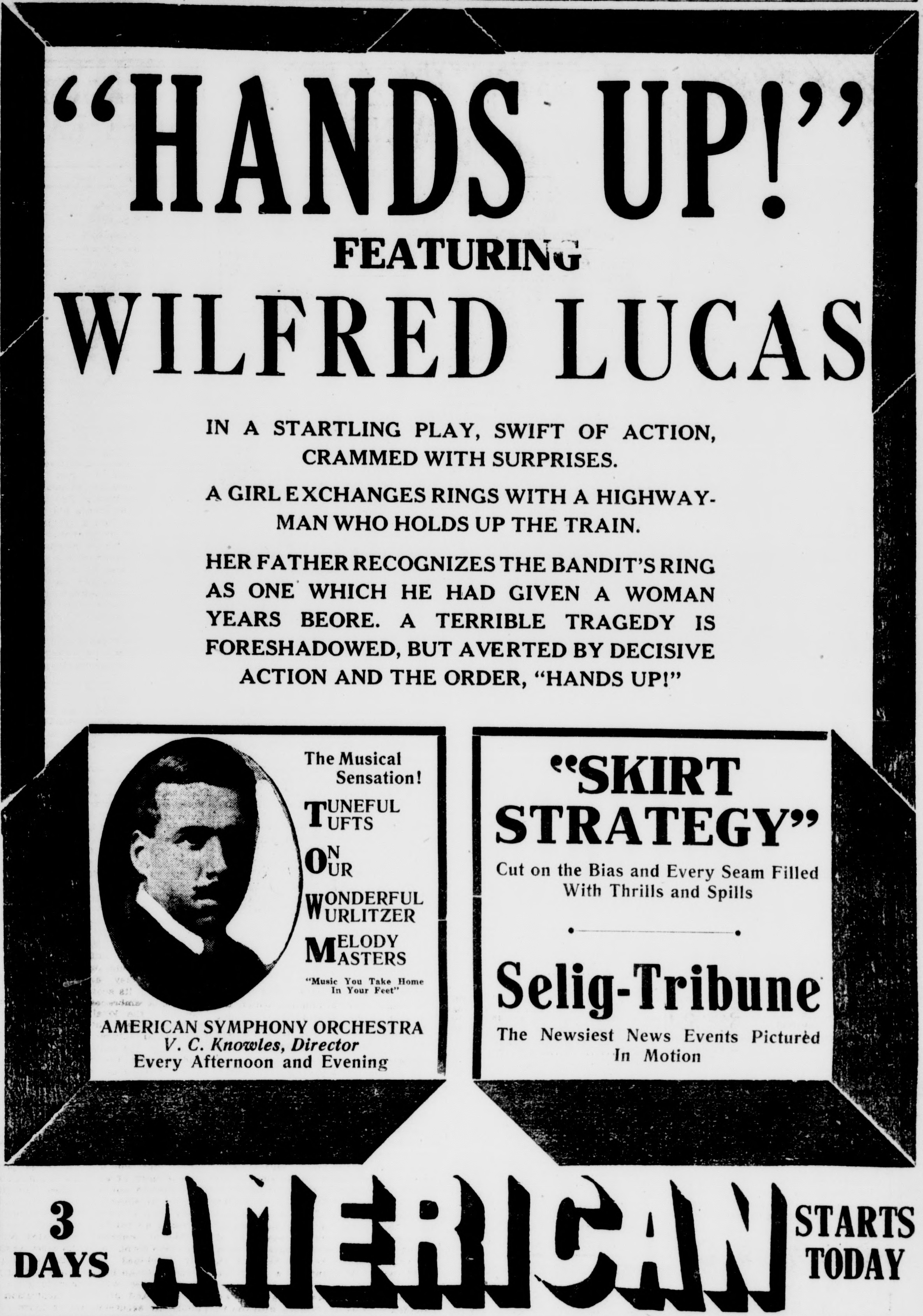
Dir: Tod Browning
Railroad president John Houston, along with his daughter Marjorie and his fiancee, Elinor Craig, are aboard the express train when it is held up by a gang of outlaws. Outlaw Dan Tracy is attracted to Marjorie, who, filled with dreams of romance, returns his interest. They exchange rings and later meet secretly in the city. When Houston learns that his daughter's new suitor is an outlaw, he hires a detective to investigate. The investigation indicates that Tracy is Houston's son by a former marriage, and Houston, mortified, allows the outlaw to escape. Tracy then persuades Marjorie to elope with him and takes her to his shack in the hills where she is rudely awakened to the realities of outlaw life. Houston arrives to save his daughter, and after Tracy is killed by Rosanne, the woman he betrayed, it is revealed that Tracy was not his son but an offspring of his former wife and an outlaw.
View Details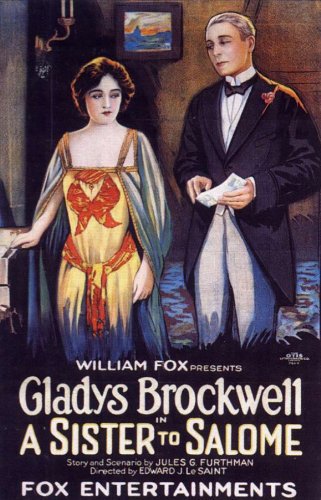
Dir: Edward LeSaint
When famous opera singer Elinore Duane undergoes an operation on her throat, she has a series of ether-induced visions. In one, she is transported to ancient Rome where she appears as a much-admired woman in love with Paul, a young heretic, and at odds with Lutor, the high priest. To save her love, she poisons Lutor with her ring. After several other visions which involve variations on this love triangle, Elinore awakens to discover that Lutor is actually her doctor, Sascha Jaccard, and that Paul is the son of a friend who has come to visit the recovering prima donna.
View Details
Dir: Tod Browning
Doris Standish's father insists upon her marriage to aging millionaire Cyrus W. Hopkins, but just before the wedding, the young woman runs from the house and leaps into a parked car, ordering the chauffeur to drive her quickly away. The driver is Jimmy Nevin, who, because Hopkins financially ruined his father, has agreed to help a gang of crooks in their plot to steal the bride's jewels and wedding presents. Realizing that Doris is not Mary Butler, his accomplice, Jimmy offers to accompany her home, but when she refuses to return, he takes her to the thieves' hideout. Mary and her henchmen try to rob Doris, but she escapes and notifies the police. Doris, her father and Hopkins return to the hideout just before the police arrive to arrest all of the thieves but Jimmy, who has grown extremely fond of the runaway bride.
View Details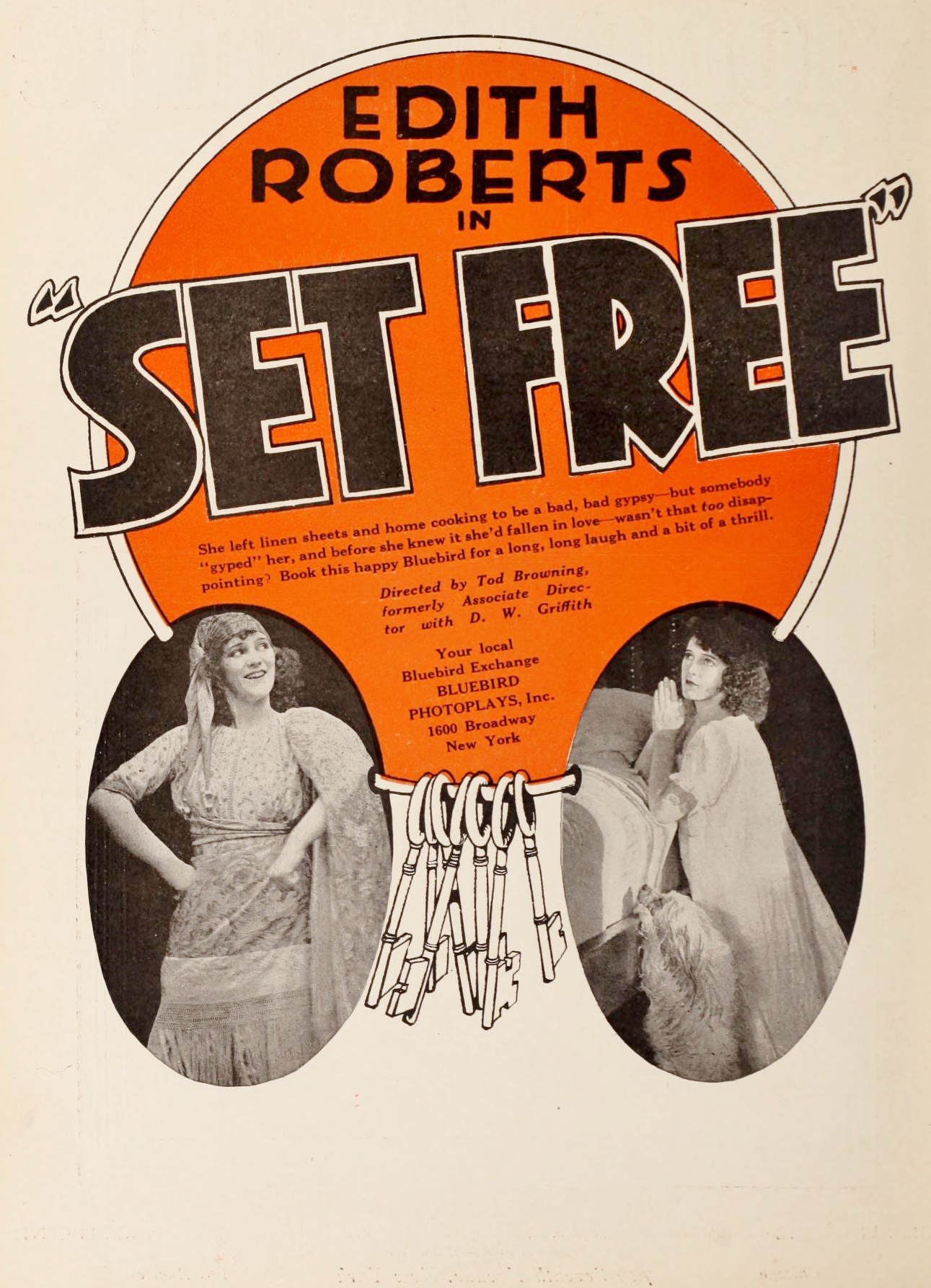
Dir: Tod Browning
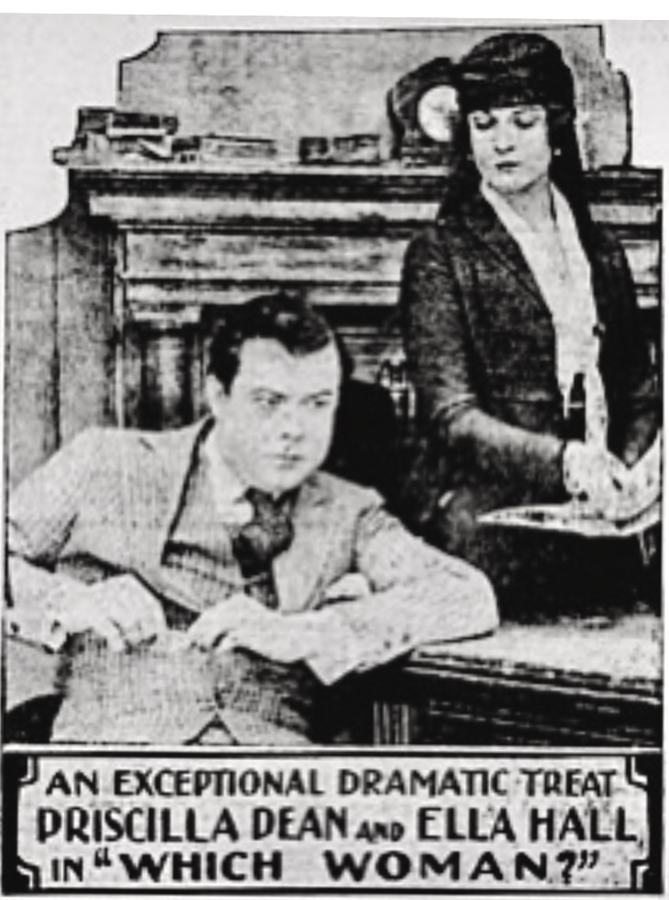
Roma Wycliffe, a high-spirited girl bored with the lavender-and-old-lace atmosphere of her Aunt Henrietta's estate, discovers that her grandmother was a gypsy and decides to become one herself. Wearing gypsy clothing, she runs away to New York, where she is arrested on the suspicion that she is Gypsy Nan, a thief. Mrs. Roberts, whose poodle had attracted Roma's attention, intercedes for the girl and, promising to care for her, takes her to her lavish home. Young John Roberts falls in love with Roma, but the "gypsy" imagines him too stodgy. To win her love, John declares himself the leader of a band of gypsy thieves and then hires a gang of ruffians to prove his claim. When the thugs actually rob a bank, John has them arrested, and Roma, realizing the darker side of gypsy life, marries John.
View Details
Dir: Tod Browning
A slum girl is forced to steal for a living. After she swipes a rich society's matron's necklace, she hides out at the home of a man who turns out to be the socialite's former fiance.
View Details
Dir: Tod Browning
Jacala, a strong-willed, temperamental ranch girl, inherits her father's millions and moves from Montana to New York, determined to earn a place in society. There she meets and is strongly attracted to Kenneth Hyde, but believing him to be a worthless man-about-town with a neglected wife, she hires Tony Dewey to pose as her fiancé. Tony wants a wealthy wife, and when his attentions toward Jacala are sternly rebuffed, he spreads scandalous stories about her. Jacala learns that Kenneth's supposed wife is actually his sister, and he, in turn, believes her claims that Tony's stories are untrue. With Kenneth, Jacala retreats from the superficial society life she had once coveted.
View Details
Dir: Tod Browning
Stella Schump is a shop girl and very devoted to her mother, who desires her to marry. Stella befriends her shoe store co-worker Cora Kinealy, who invites Stella to a party to meet the hero of a munitions plant fire. The young man does not attend, and Stella is pressured into over-drinking. She wanders into the street, is picked up by a detective, taken to night court, and sentenced to ten days in jail. Stella writes to her mother, and the shock of the news causes her mother's death. Upon release, Stella is relieved of her job and without a home. While wandering the streets, she is picked up by a man and taken to a Salvation Army home. The man is John Gilley, the munitions plant hero. The two find happiness together.
View Details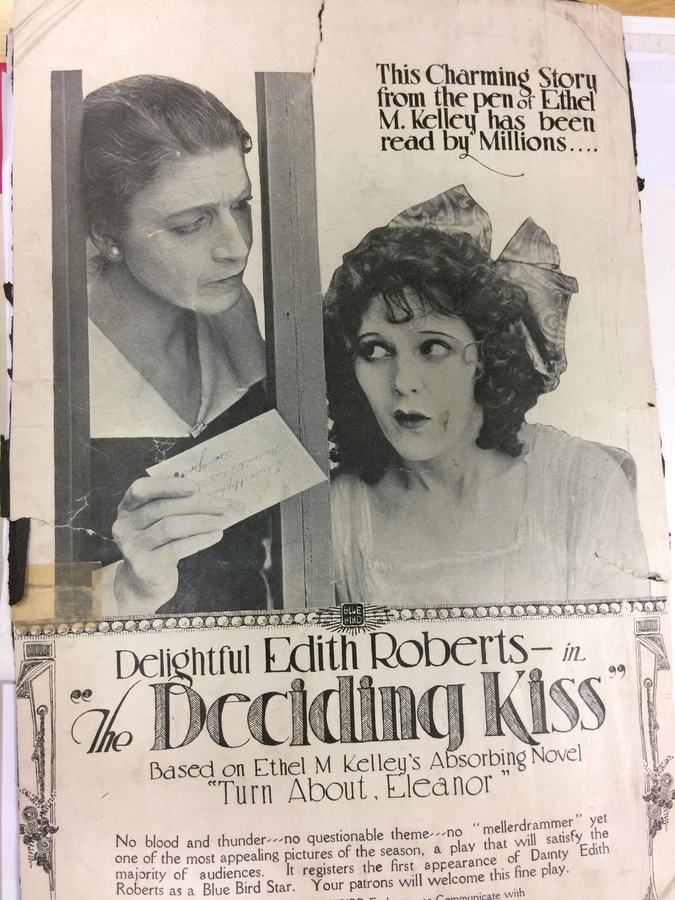
Dir: Tod Browning
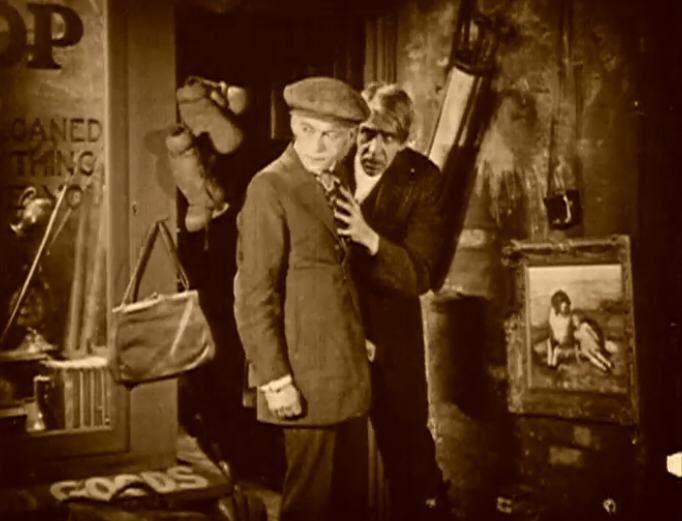
Eleanor Hamlin, a forlorn little orphan living with her grandparents in Cape Cod, is adopted by a wealthy New Yorker, Beulah Page, and her friends. Beulah does not love Eleanor, but her friends -- particularly Peter Bolling, a man she has chosen for herself -- are captivated by the girl. To get Eleanor out of the way, Beulah sends her to an upstate finishing school, but the plan backfires when Eleanor returns a refined and radiant young woman. Realizing that Peter is in love with Eleanor, Beulah tells her that she is engaged to him, and Eleanor sadly returns to her old Cape Cod home. Peter follows her but she eludes him, and although Beulah's deception ultimately is revealed, Eleanor informs her benefactors that she wishes simply to remain their child.
View Details
Dir: Tod Browning
Alisa Graeme travels from Scotland to America to visit Jeremiah Wishart, an old wealthy friend of her grandfather. The invalid Jeremiah is charmed by Alisa and decides she would make a good wife for his favorite nephew David. Without meeting Alisa, David refuses the arrangement and runs away. Later, Alisa also runs away rather than wed another of Jeremiah's nephews and meets a young billboard painter in the country. The two form a partnership, travel the countryside together painting billboards and gradually fall in love. When the painter tells Alisa that he won't marry until his finances are secure, she leaves him in anger and heads for Jeremiah's house. From his wheelchair, Jeremiah sees first his wayward nephew painting a nearby billboard, then a young woman stopping to help him. Jeremiah's initial anger at David mellows when he recognizes the woman as Alisa. Once Alisa and David realize the other's identity, they happily reunite.
View Details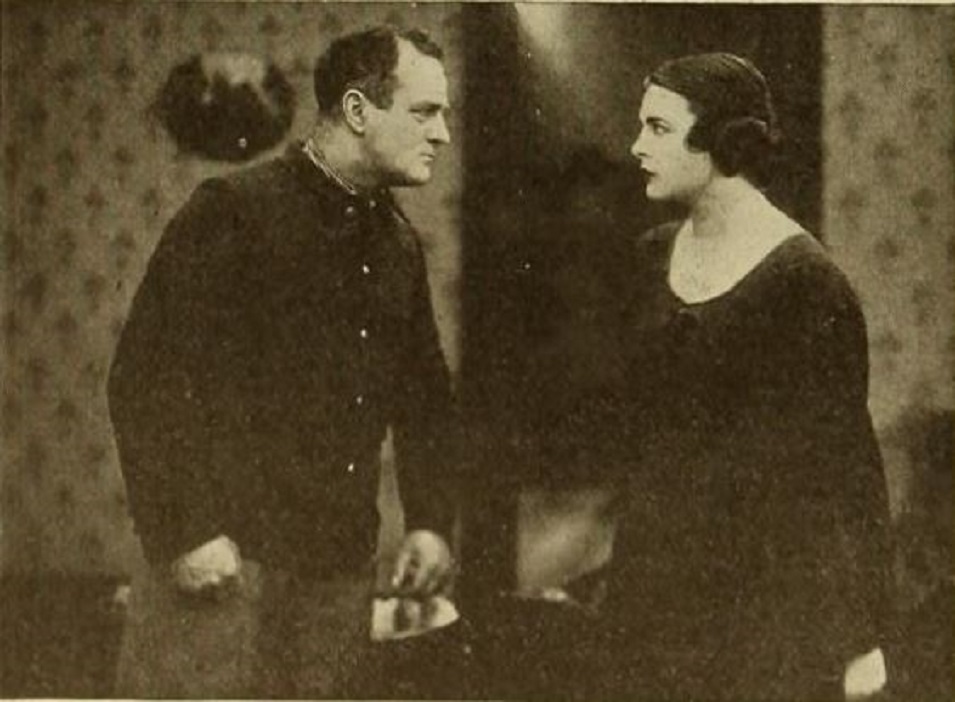
Dir: Tod Browning
Jim Bludso is engineer of the Mississippi River packet the "Prairie Belle." He has a home in Gilgal, Ill., and a wife and twelve-month-old baby at the time the story opens, in 1861. A call is received for volunteers and he joins the Northern army. His wife is a Southern girl, and she opposes his joining the Union forces. The quarrel results in a separation and Jim goes to war. Ben Merrill, an unscrupulous contractor, meets Jim's wife in Natchez, her home town, and induces her to go with him to New Orleans. She deserts her baby and goes. In New Orleans a levee contractor comes to Merrill with the proposition that they take the contract for a new levee to be built at Gilgal. Merrill accepts and leaves New Orleans without telling the woman where he is going, and she is left to take care of herself. After the war Jim returns to Natchez and finds that his wife has deserted their little boy, and no one knows where she is. He takes the boy, Little Breeches, and Banty Tim, a negro, who has saved his life during the war, and returns to Gilgal. He is welcomed by Kate Taggart, the daughter of the village storekeeper. Jim's wife yearns for her baby and returns. Jim forgives her for the child's sake. The high waters are coming on and Merrill is afraid that the levee will not hold. He plans to lay the blame on Jim and the negro. He arouses the suspicion of the townspeople against the negro and Jim is forced to fight for Banty Tim on several occasions. Merrill meets Jim's wife and induces her to loosen the sandbags and leave the water into the village. She escapes in a boat, the bottom of which has been cut by Merrill. In the middle of the stream the boat begins to sink and Banty Tim goes to her rescue. The negro is accused of breaking the levee and then escaping. Jim offers his life as a forfeit if the negro does not return by sunrise. The next day the village people are at Indian Mound, and the men are about to hang Jim because Banty Tim has not come back. Just then he comes on with Little Breeches, who tells of his rescue by the negro. A year later Jim is again engineer of the "Prairie Belle." In a race with another boat the engines become overheated. Merrill is aboard and Jim has him locked in the oil room. When the boat takes fire Jim goes and opens the door of the oil room and finds his son there with Merrill. While they are trying to escape the boilers explode. Jim is rescued from the debris by Banty Tim. Some time later Jim's wife having died, he and Little Breeches and Kate and Banty Tim are united in a happy family.
View DetailsAnalysis relative to The Day of Faith
| Film Title | Atmosphere | Complexity | Similarity |
|---|---|---|---|
| Hands Up! | Gothic | Layered | 90% Match |
| A Sister to Salome | Gothic | High | 88% Match |
| Which Woman? | Tense | Abstract | 98% Match |
| Set Free | Gritty | Linear | 87% Match |
| The Wicked Darling | Ethereal | Linear | 89% Match |
This guide was algorithmically generated using the cinematic metadata of Tod Browning's archive. Last updated: 6/25/2026.
Back to The Day of Faith Details →