
DbcultAccessing Vault...
Recommendations
Senior Film Conservator
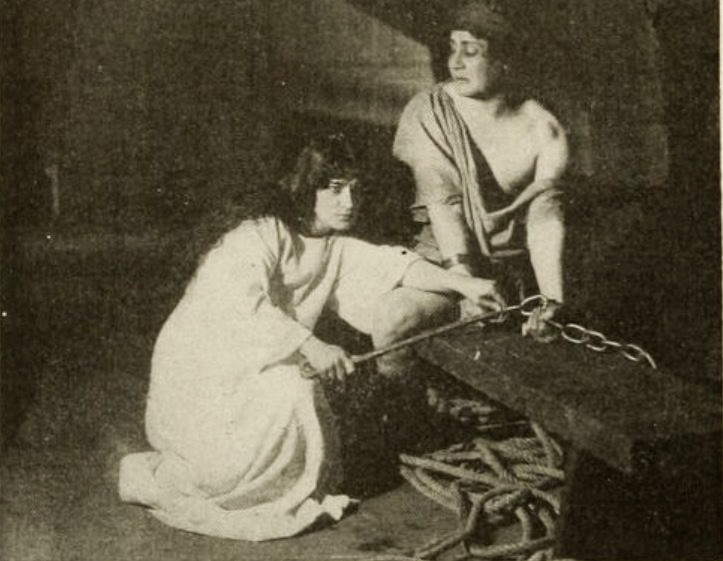
The cinematic DNA of The Destruction of Carthage (1914) is truly one of a kind, the search for similar titles reveals the deep impact of Luigi Maggi's direction. Our cinematic experts have identified several titles that reflect the spirit of 1914.
As a pivotal work in Italy cinema, The Destruction of Carthage to capture the existential zeitgeist of 1914.
In ancient times Rome looked upon Carthage as her greatest rival, and determined to plan her downfall. Cato, a Roman Senator, appealed to the Senate to conquer Carthage, and under a pretext that she had failed to keep faith, the Romans began a new war. The Roman army embarked for Africa and landed near Carthage. (This ends the prologue.) Markia, daughter of General Astrubal, Governor of Carthage, asks permission of Zaniah, her stepmother, to visit the Temple outside the town, which is refused, but Astrubal intercedes and consents to Markia's doing so. Mobi, Astrubal's spy, brings news to him of the triumphant advance of the Romans on African soil, and from the walls of the city they watch the retreat of the Carthaginian army commanded by General Annon. Astrubal, ambitious to become the dictator, conspires to cause the downfall of Annon, and induces the city council to bar the mercenary troops from the town, fearing disorder and plundering. Messengers are dispatched to the warriors with this command, and they rebel, but Annon calms them by promising to present their grievances. In the meantime, Astrubal denounces Annon, and upon the latter's appearance in the Senate he is assassinated. Upon returning from the Temple, Markia is abducted by some of Annon's warriors, but Sirabas, his lieutenant, releases her and escorts her to the city. The impatient warriors start an uproar outside the city, but Astrubal calms them, consenting to receive a deputation with their grievances. Sirabas heads the delegation and is received by Astrubal, who apparently yields to the soldiers' request. Upon beholding Sirabas, Markia's stepmother, falls in love with him. Astrubal entertains his warriors in the banquet hall, but plans a massacre that night by his bodyguard, who secretly enter the palace. Zamah, Astrubal's wife, tries to save Sirabas by summoning him to her chamber. While there he hears the clamor of the fight and realizes the treachery of Astrubal. Sirabas escapes from the town and carries the news of the massacre to the waiting warriors. Markia, who had seen Sirabas leave the chamber of Zamah, has lost faith in him and seeks seclusion in the Temple. Sirabas and his soldiers join the Romans, who, headed by young Scipio, receive him with open arms. Preparations are made for the siege of the city. Astrubal's bodyguard sallies forth and captures Sirabas and a Roman outpost. Markia begs her father to save Sirabas and her plea is successful. She repulses him, however, and he determines to seek an explanation. Later he meets her in the sacred garden and convinces her of the truth. While trying to escape from the garden Sirabas is taken prisoner and Zamah has him sentenced to galley-slavery, and he is chained in the hold of a ship. The town is attacked by the Roman legions and conquered. Astrubal deserts his followers and flees to his galleys with his daughter. Zamah, however, refuses to desert the palace and dies a heroic death. The Roman fleet pursues Astrubal's galleys and defeats them, Astrubal being killed in the melee. Markia discovers Sirabas chained in the ship's hold, and succeeds in breaking the chain. Sirabas in turn rescues Markia from the raging flames and, throwing her overboard, jumps after her, leaving the galley to burn to the water's edge. Both lovers succeed in reaching the shore and are reunited once more.
The influence of Luigi Maggi in The Destruction of Carthage can be felt in the way modern cult films handle stylistic flair. From the specific lighting choices to the pacing, this 1914 release set a high bar for atmospheric immersion.
Based on the unique stylistic flair of The Destruction of Carthage, our vault has identified these titles as the most compelling follow-up experiences for fans of cult cinema:
Dir: Luigi Maggi
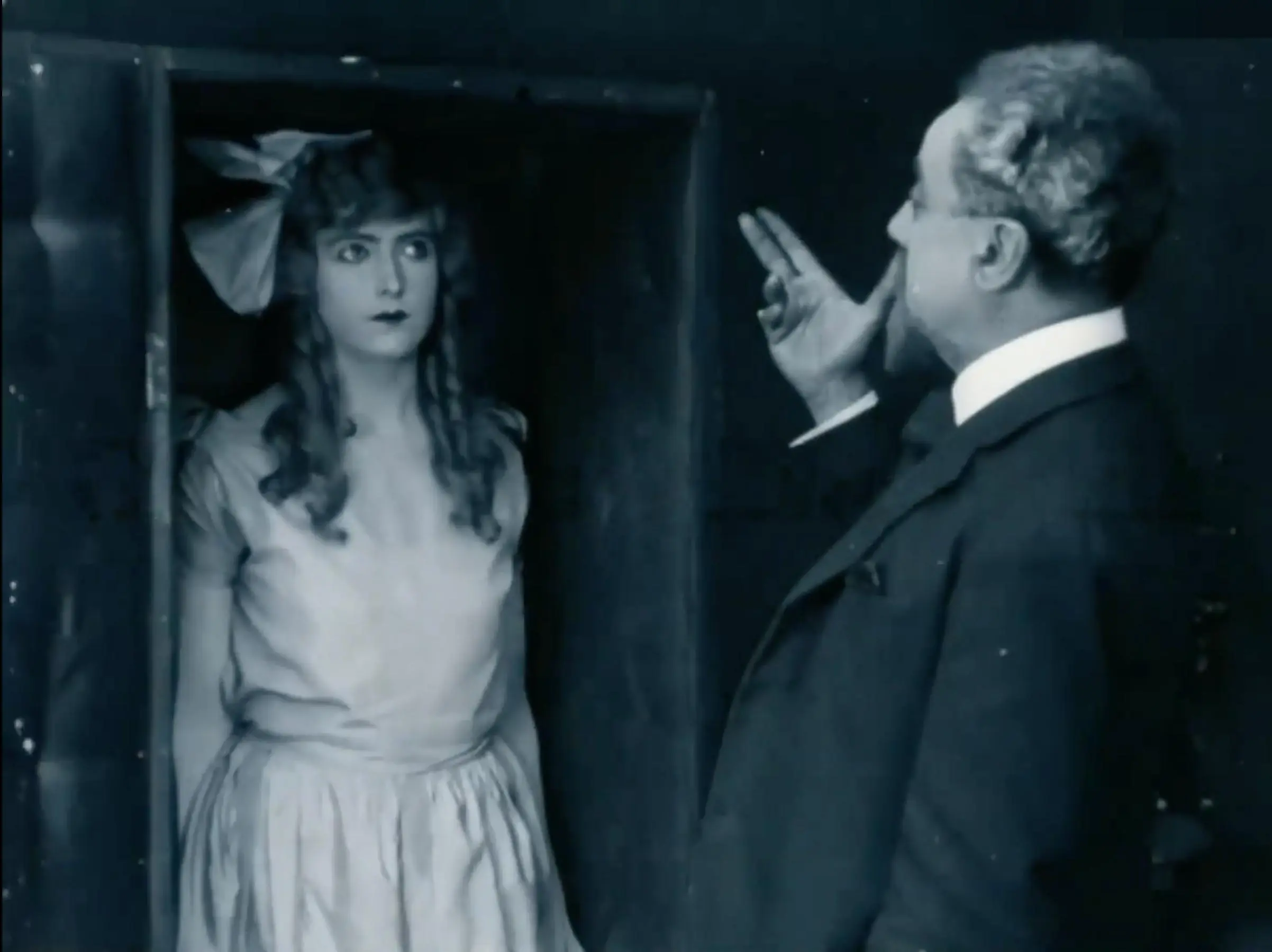
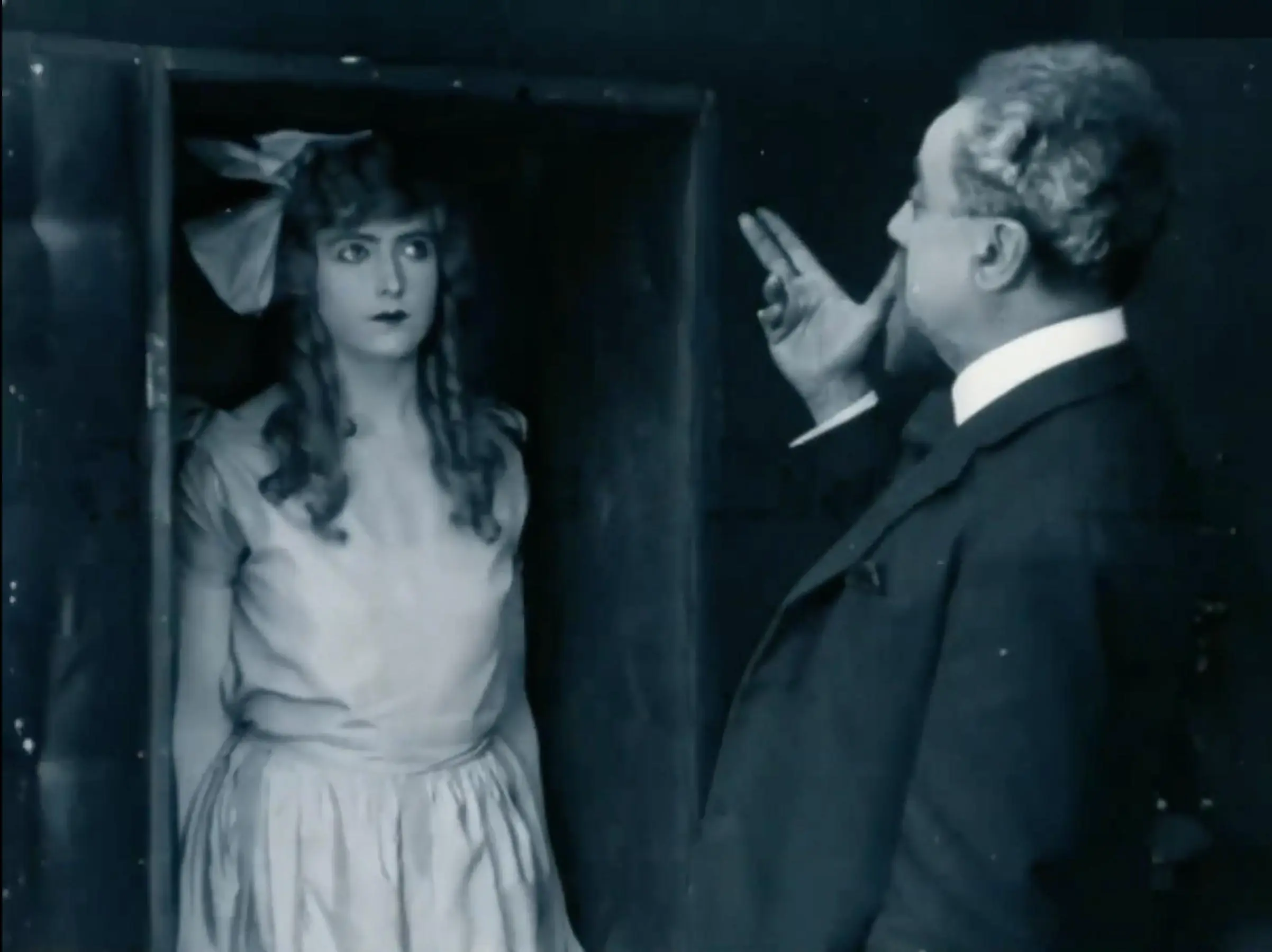
Early Italian Science-Fiction film. A scientist builds a robot using his daughter as a model. When the automaton is stolen by an unscrupulous assistant, the girl pretends to be the "living doll" to spare her father disappointment.
View Details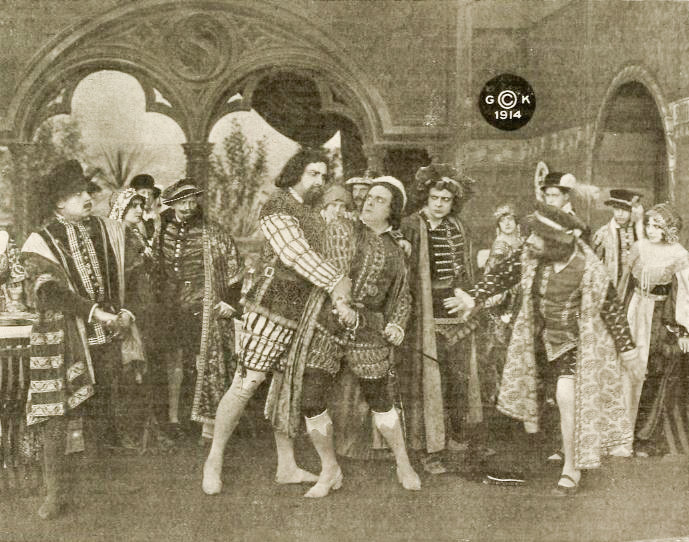
Dir: Luigi Maggi
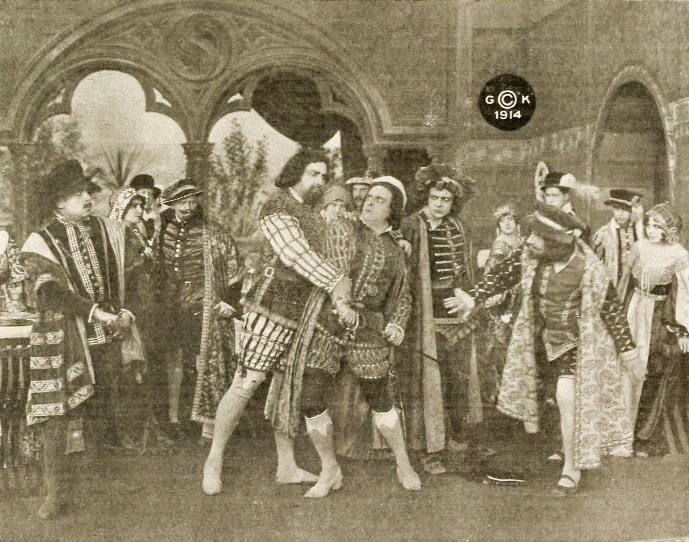
Captain Benito Rienzi, in command of a small fleet of Venetian men-of-war, is sent to hold the island of Cyprus against the onslaughts of the Turkish squadrons, but after a valiant defense is forced to give way and put back to Venice for reinforcements. His masterly retreat and his preservation of the fleet in the face of such odds wins him almost as much glory as a victorious battle would have done, and he is complimented by the Doge and the Council of Ten, the highest powers of the Republic. Those honors, however, are meaningless to Rienzi when he learns that during his absence his sweetheart, Bianca, has been forced to marry Count Orsini. He meets her at their trysting place, the famous shrine of Our Lady of the Water, and there she tells him that although her heart is his, she has pledged her faith to Orsini and that she will be true to her vows. In the meantime a scapegrace young nobleman of unsavory reputation has been unsuccessfully wooing Adriane, Rienzi's sister, and, unsuccessful in his attempts to win her by flattery, plans an abduction. Rienzi discovers the plot and pursues the would-be kidnapper, who takes refuge in a home frequented by Orsini. The Count protects him. Orsini, knowing of Benito's love for his wife, conspires with the young nobleman to bring about the captain's downfall. They conceal a forged letter in his apartment and denounce him to the authorities as a traitor to his country. His house is searched and the paper, ostensibly a letter from a Turkish commander accepting Rienzi's offer to surrender the Venetian flotilla to the Sultan, is found. He is arrested and only the personal intervention of the Doge's wife, who acts in response to an appeal by Adriane, prevents his execution. The disgrace causes the death of Rienzi's mother, and he, his death sentence commuted to exile from Venice, is forced to leave the country. Taking his sister with him, Rienzi joins the pirates of Dalmatia, who have risen in revolt against the power of Venice, and in revenge for the ungrateful treatment he has sustained at the hands of his fatherland, determines to lead her enemies against her. Adriane, still loyal, begs him not to turn his hand against the flag of his country, but he will not listen to her. News of Rienzi's connection with the pirates is carried to Venice and a price is set upon his head. Learning of this, Bianca hopes to win him back to loyalty, and to this end sends him a banner displaying ''The Lion of Venice," which she has "embroidered. The bitter-hearted captain, however, refuses to be won over. He throws the flag aside, but Adriane, still confident of changing his heart, secretly takes it and hides it in the hold of the pirate ship. Meanwhile Orsini has been placed in command of a great squadron sent out by Venice for the double purpose of destroying both the Turkish fleet and the pirate vessels. He is attacked by a giant Turkish armada, whose commander, knowing of Benito's rebellion, sends to invite the pirate vessels to participate in the attack. Benito gladly accepts and puts his vessel underway. While the ship is headed toward the hard-pressed Christian fleet, however, Adriane brings the lion flag of Venice from the hold and, unobserved, climbs quickly to the masthead. There is a moment of silence among the pirates as they see the waving folds of the national emblem, then they break into a hearty cheer. Rienzi can no longer resist the call of flag and country. With a shout he urges his men against the astonished Turks. By his aid the fleet of Venice comes out of the struggle victorious, and Orsini, mortally wounded, confesses the plot against his rival. Then, with the Crescent banners as trophies of his victory, Benito sails back to Venice, where his seeming treachery is explained and he is restored to rank and honor. And Bianca, freed by the same stroke that took her husband's life in battle, is waiting for him on his return.
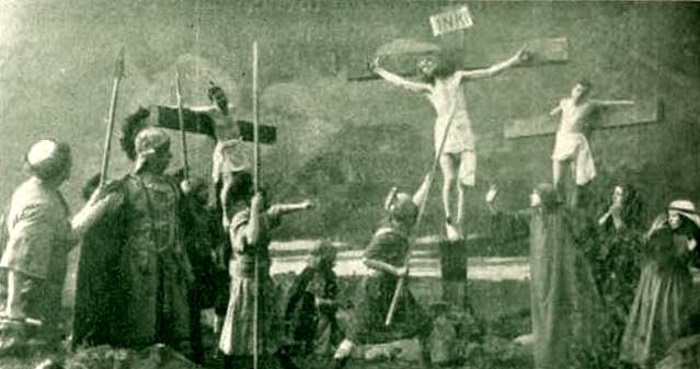
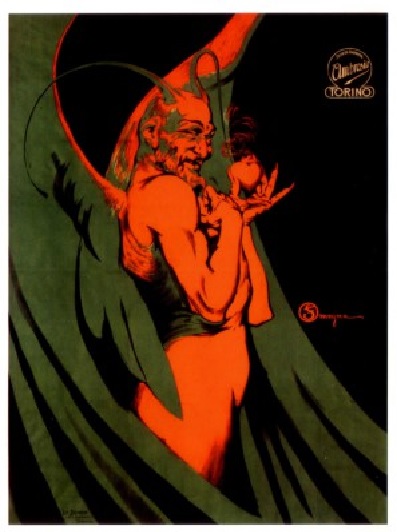
Dir: Luigi Maggi
A four chapter film including Satan vs the Creator, Satan vs the Saviour, The Green Demon/Satan during the Dark Ages and The Red Demon/Satan in modern times.
View Details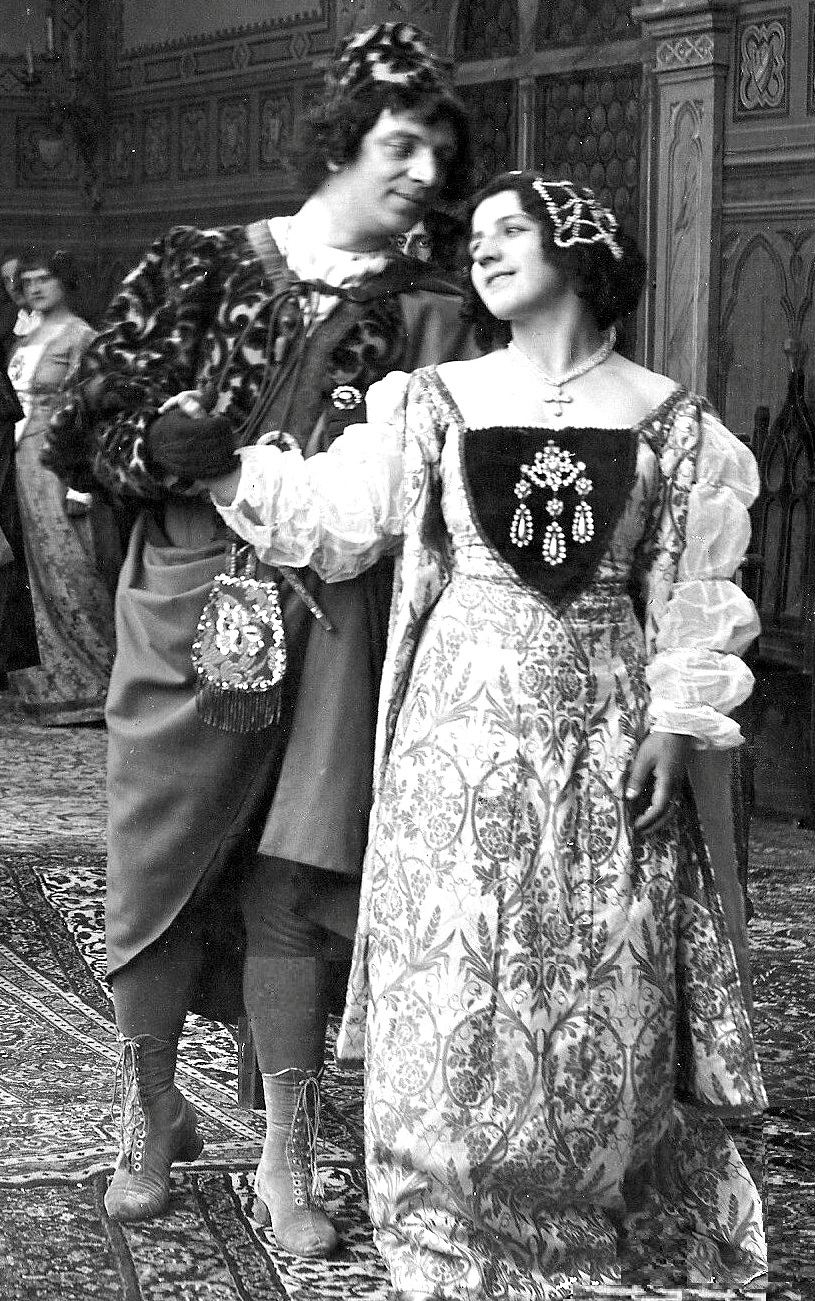
Dir: Luigi Maggi
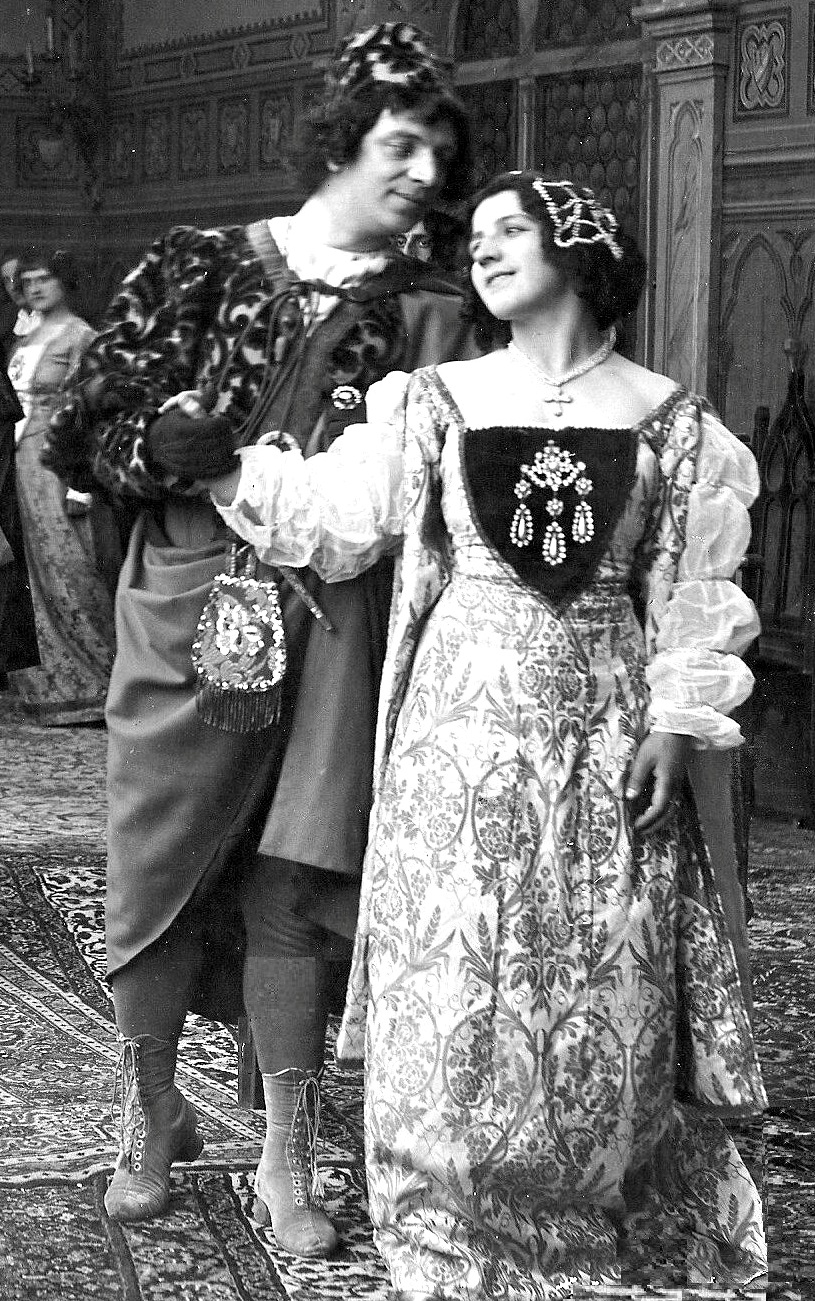
A fascinating piece of cinema that shares thematic elements.
View Details
Dir: Luigi Maggi
Bianca works in a porcelain factory. Enrico Cernelli, the head foreman, falls in love with Bianca and marries her. Bianca, tired of living poorly, leaves the home for a life of luxury with another man. One night, Enrico sneaks into her new house and begs her to come back. Upon her refusal, he strikes her. Not knowing if he killed her, he escapes. Back home, grief-stricken, he calls upon death where he hears a knock on the door. Bianca is coming back.

Analysis relative to The Destruction of Carthage
| Film Title | Atmosphere | Complexity | Similarity |
|---|---|---|---|
| La bambola vivente | Gothic | High | 96% Match |
| Lion of Venice | Tense | High | 95% Match |
| Satana | Tense | Dense | 94% Match |
| Il fornaretto di Venezia | Surreal | Dense | 95% Match |
| La gibigianna | Gothic | Abstract | 85% Match |
This guide was algorithmically generated using the cinematic metadata of Luigi Maggi's archive. Last updated: 6/14/2026.
Back to The Destruction of Carthage Details →