
DbcultAccessing Vault...
Recommendations
Senior Film Conservator
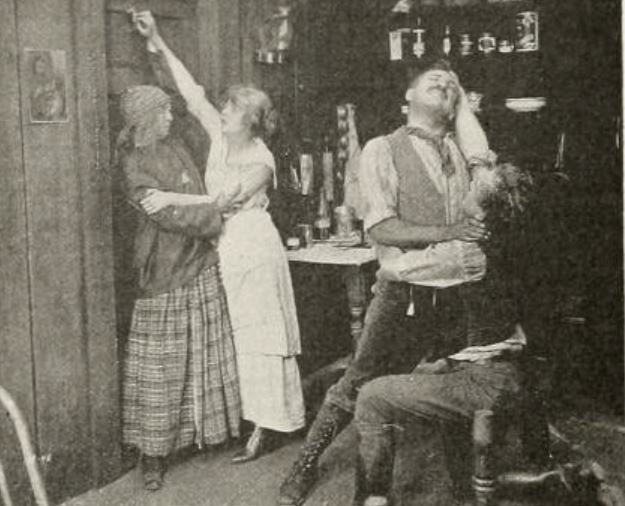
The cinematic DNA of The Evil Eye (1917) is truly one of a kind, the search for similar titles reveals the deep impact of George Melford's direction. Our cinematic experts have identified several titles that reflect the spirit of 1917.
As a pivotal work in United States cinema, The Evil Eye to capture the existential zeitgeist of 1917.
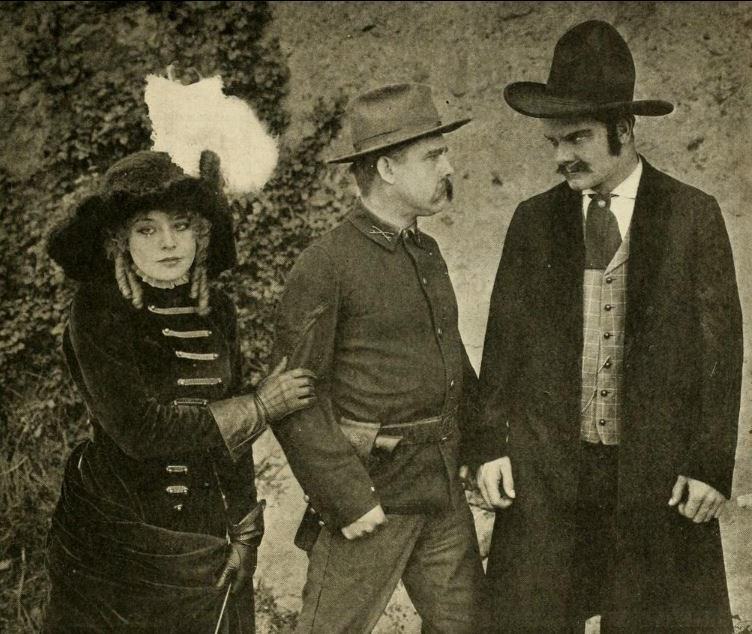
An alarming epidemic has broken out in the vineyards of which Leonard Sheldon is the manager, and in answer to his wire that a doctor be sent to the little Mexican settlement at once, Katherine Torrance, a young and beautiful physician, is sent. Accompanying her is her younger brother, Clifford, weak-willed and dissipated. The inhabitants of the village are ignorant and superstitious and the situation is a grave one. Upon Katherine's arrival, Sheldon, thunderstruck that a woman should tackle such a job, tries to persuade her to return, but this she declines to do and goes about her duties, faithfully caring for the afflicted. The light which she wears on her forehead in order that she may see clearly into the throats of her patients, arouses the suspicion of the benighted Mexicans, and as the disease spreads, the trouble is accredited to this light, or "evil eye," and the medicine which she leaves is thrown away. The friendship of Leonard and Katherine is rapidly ripening into love, but both are unconscious of this fact, so deeply are they absorbed in their strenuous duties. Sheldon falls ill and is unable to transfer the payroll to the bank, so Katherine volunteers to do it for him. A hold-up is planned by Mexican Joe, leader of the employees, but his plans are thwarted. Clifford braces up and becomes of great assistance to Katherine. Rosa, Sheldon's servant, is in love with Frank King, his assistant, whose affection for her is cooling. Sentiment against Katherine is growing daily and she decides to leave. Rosa's parents try to wring from her the name of the man responsible for her unfortunate condition and Leonard, believing it is Clifford, is about to announce himself as the guilty one when Frank confesses and sends for the priest. Leonard mistakes Katherine's tears as grief at Frank's wrongdoing, and is only awakened to her love for him when Clifford tells him to take her in his arms, which he promptly does, announcing to the crowd that they may send for a man doctor, Katherine is to be his wife.
The influence of George Melford in The Evil Eye can be felt in the way modern cult films handle cinematic excellence. From the specific lighting choices to the pacing, this 1917 release set a high bar for atmospheric immersion.
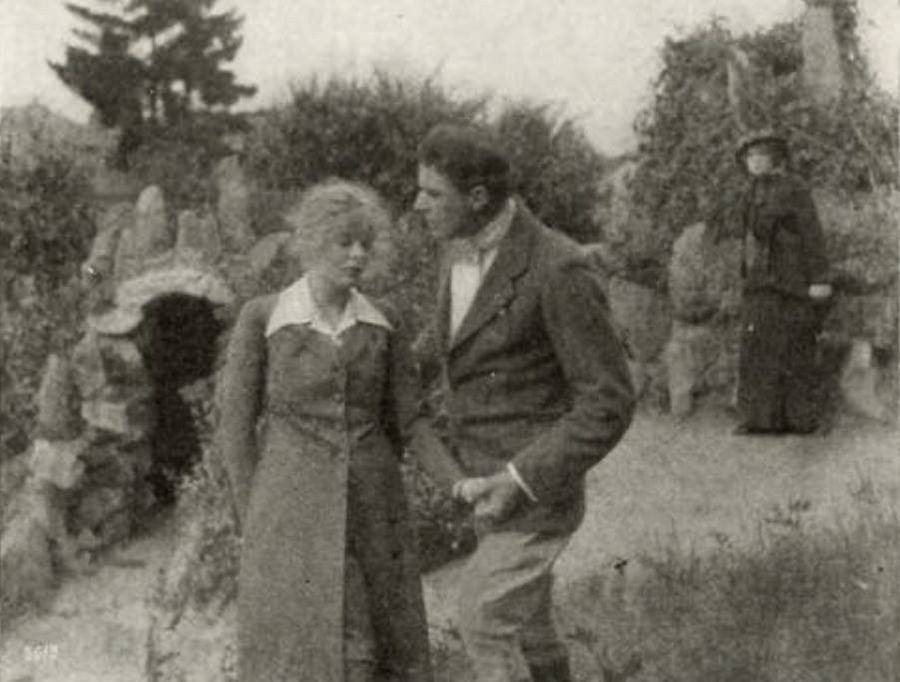
Based on the unique cinematic excellence of The Evil Eye, our vault has identified these titles as the most compelling follow-up experiences for fans of cult cinema:
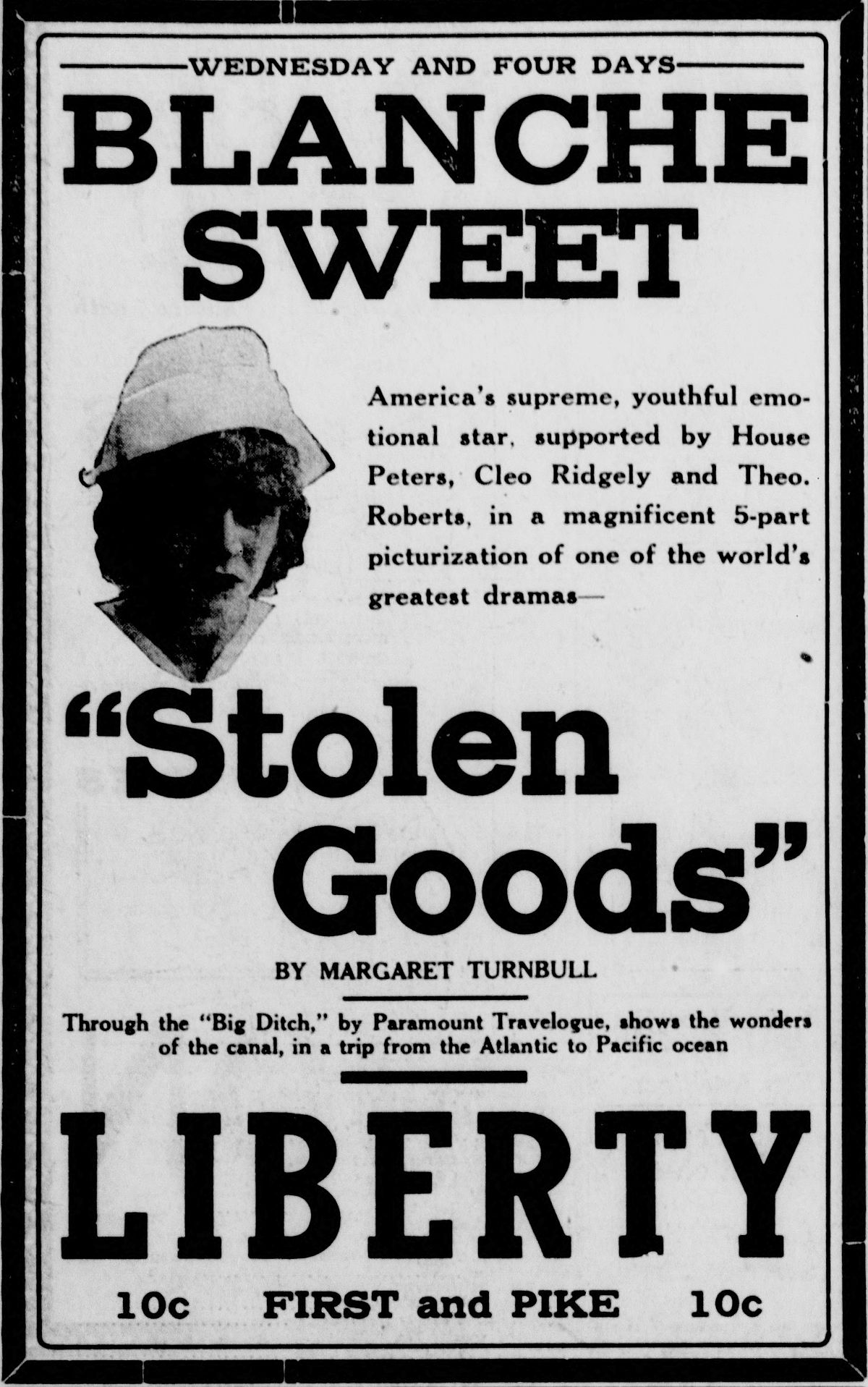
Dir: George Melford
Margery Huntley, an orphan alone in New York employed at a dressmaking establishment, is sent by the forewoman to match a sample of lace for a gown. At the lace counter she stands next to Helen North, a wealthy girl who is a kleptomaniac. Helen steals a piece of very expensive lace that is missed before she can get away; in a panic, she slips it into Margery's open handbag and disappears. The stolen goods are found on Margery and she is sent to prison; meanwhile,, Helen goes abroad with her invalid father. Margery serves her full term in prison, and on her release is befriended by the "Prison Angel," a kind Salvation Army woman who hears her story, believes in her, and gives her a chance to train as a nurse. Margery graduates and is happy in her work, when the detective who arrested her recognizes her while visiting the hospital and tells one of the nurses that she has a prison record. Margery, realizing that her usefulness in that particular field is over, asks the doctor to send her abroad to nurse the wounded in Belgium. Through the war Helen's father loses all his money and dies suddenly in Belgium and Helen is left practically penniless. Her only hope is to hear from her father's old friend, wealthy Mrs. Franklyn of California, to whom her father had written, begging her to help his daughter. Mrs. Franklyn has never seen Helen, but generously sends her money and a steamer ticket and urges her to join her as quickly as possible. Helen starts on her journey, but is compelled to wait, and suffers the delays and hardships common to all the refugees at that time. Margery has reached Belgium and is working in a Red Cross Emergency Hospital. Helen and other refugees are driven from the refugee camp by the appearance of two hostile airships. Helen, panic-stricken, runs so far that she is lost and exhausted, and is brought to the Emergency Hospital. Margery recognizes her, but Helen doesn't recognize Margery. Helen tells Margery her story, displaying her steamer ticket and asking how she may continue on her journey. Margery tells Helen, "I am the girl you sent to prison." A shell strikes the Emergency Hospital and Helen is severely wounded and left for dead The enemy captures the town and Margery is left alone with those wounded who couldn't be moved. While arranging Helen's dress and papers, she is struck by their similarity of age and height, and notes the fact that Mrs. Franklyn has never seen Helen. She yields to the temptation to take this chance Fate has put in her way and determines to go to California as Helen North. She leaves the Emergency Hospital in the company of Dr. Richard Carlton, a young American Red Cross surgeon, serving with the enemy who has been so badly wounded that he is invalided home. After Margery's departure, the German surgeon discovers that Helen is not dead, but suffering from a depressed fracture of the skull. He operates and restores her to health. In the meantime Margery has been successful in establishing herself as Helen North. Mrs. Franklyn has become very fond of her and Dr Carlton is deeply in love with her and wishes to marry her. The real Helen North makes her escape and comes to claim her own. At first Margery only begs to be allowed to go away quietly, but the other woman is so vindictive and so forgetful of the part she played in robbing Margery of her good name, that Margery, angry, determines to deny the truth. She succeeds in this up to the last moment and then overcome by the thought that she is condemning this girl to lifelong imprisonment in an insane asylum, and that she herself has gained Dr. Carlton's love under false pretenses, makes full confession, only to find that the doctor loves her in spite of everything.
View Details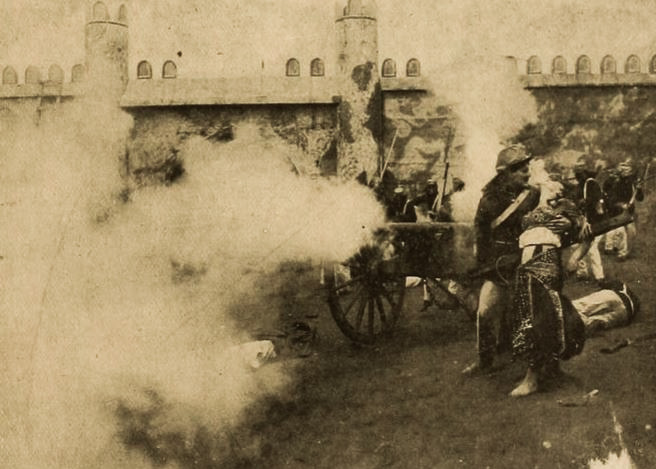
Dir: George Melford
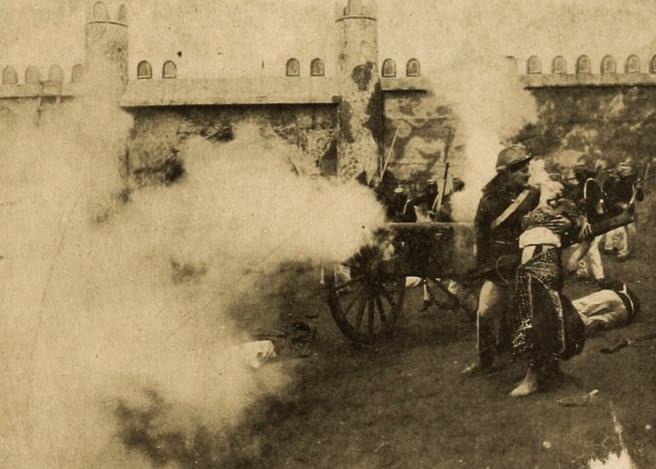
Ram, High Priest of the Temple of Delhi, urges his people to throw off the British yoke. Word of the uprising reaches General Kimber who is in command of the troops at Calcutta. Summoning Captain Arlington and Lieutenant Shannon of the famous Sixth, he orders them to proceed to Delhi with their troops. Arlington and Shannon are rivals for the hand of Dora, the commandant's daughter. Although secretly betrothed to Surrada, the beautiful native girl employed as Dora's maid, Arlington is filled with jealous rage upon discovering that Dora loves his rival. The captain has tired of Surrada but fears to cast her off because of the scandal she may create. Shortly afterwards, Arlington and Shannon reach Delhi where they succeed in restoring order. The High Priest Ram, however, lays his plans for a general uprising and on Sunday, May 10, 1857, the famous massacre at Meerut, which started the nationwide mutiny, commences. Thousands of English men, women and children are slain. Ram and his followers make their way to Delhi. At the sight of the priest, the Sepoy troops turn upon their white officers and slay them. At the first sign of danger, Arlington flees. Shannon, however, rallies the white troops. The soldiers are finally compelled to make a stand about the arsenal. The women and children beg Shannon to slay them, should the natives prove victorious. Knowing the terrible fate which must befall them should they fall into the hands of the Sepoys. Shannon consents. The women and children are placed in the magazine of the arsenal, while Shannon makes preparations to destroy the building in event of defeat. The soldiers are beaten back. The victorious natives rush into the arsenal to capture the women inside. Shannon lights a fuse leading to the powder stored in the building. The awful explosion which follows rends the walls asunder, bringing death to the hundreds in the building. Arlington makes his way back to Calcutta where he informs General Kimber that Shannon and his men have been slain by the natives. Believing her sweetheart dead, Dora is grief-stricken. Arlington attempts to console her but is spurned. By a miracle, Shannon has escaped death in the explosion which destroyed the arsenal. Slaying a native, the lieutenant disguises himself in the man's clothes. After many days he reaches Calcutta. Dora is overjoyed to see her lover alive and uninjured. Fearing lest his cowardice be revealed, Arlington implores Shannon to keep silent. The latter consents. General Kimber marches upon Delhi with his entire army. A few days after her father's departure, Dora decides to follow. Accompanied by a bodyguard of natives, she sets out for Delhi despite Surrada's pleas. The treacherous natives, however, deliver the girl into the hands of Shah, king of Delhi. Inflamed by her beauty, the king decides to make her the queen of his harem. Overwhelmed by the fate which menaces her mistress, Surrada slays the man guarding their room and escapes from the palace. The native girl makes her way out of the city to the British encampment. While she informs General Kimber of his daughter's plight, the murder of the guard is discovered. Dora is thrown into a dungeon to await torture and death. Kimber, Arlington and Shannon are horrified upon hearing Surrada's awful news. Shannon and Arlington beg to be allowed to go to the girl's rescue. Because of his seniority in rank, the honor falls to Arlington. Accompanied by Surrada, the man hastens towards the city gates. The two arrive a moment too late and are locked out of the city tor the night. Unwilling to return to camp, Arlington and Surrada enter the Temple nearby where they determine to hide for the night. There the captain sees the great diamond which forms the eye of the idol Brahma. Filled with greed, Arlington forgets his mission and unknown to Surrada, pries the jewel from its resting place. Umballa, a servant in the Temple, sees the thief at work, and is knocked unconscious after a struggle with the Englishman. To hide the jewel, Arlington returns to camp where he announces his failure. Unable to sleep, Shannon strolls beyond the lines. Learning of Arlington's failure upon his return, the man denounces him as a coward. Later, the thief wraps the diamond in a cloth and gives it to Surrada. He tells the native girl that it contains his mother's jewels. The following morning. Ram, Umballa and a number of natives arrive at the camp and inform General Kimber of the theft of Brahma's eye. Having promised that the sacred edifice should not be molested, the British commander vows to find and punish the offender. Umballa sees Shannon. Mistaking him for his assailant the native accuses the lieutenant of the theft. Circumstances point to Shannon as the vandal. Kimber orders him to his tent. Shortly afterwards, the British troops make an assault upon Delhi. While the attack is going on, Surrada suspecting the truth, comes to Shannon and gives him the package. Heart-broken because of her lover's deception, and fearing the curse of Brahma, the girl suicides before Shannon can interfere. The lieutenant sees that the British are being repulsed. He rejoins his men. Calling for volunteers Shannon announces his intention of blowing up the city gates. Accompanied by three men, the lieutenant crawls to the gates where he plants several sacks of powder A few moments later, the huge doors are torn from their hinges by a terrific explosion. Led by Shannon, the British enter the city and sweep all before them. King Shah hears this news with dismay. Furious, he determines to wreak vengeance upon the daughter of the British commander. Dora is tied to the muzzle of a loaded cannon. After lighting the fuse the natives flee. The maddened rebels make a last stand in the city streets. A number of them surround Arlington. Facing death, the man's courage comes to the surface. Six of the natives fall by his sword. A spear thrust through his breast brings Arlington low. Attracted by a woman's screams for help, Shannon and his men dash into the palace courtyard. The gallant soldier sees his sweetheart's awful danger. Slashing her bonds, Shannon pulls Dora aside. An instant later, a terrific roar appraises the fainting girl of the awful danger from which she had been rescued in the nick of time.
View Details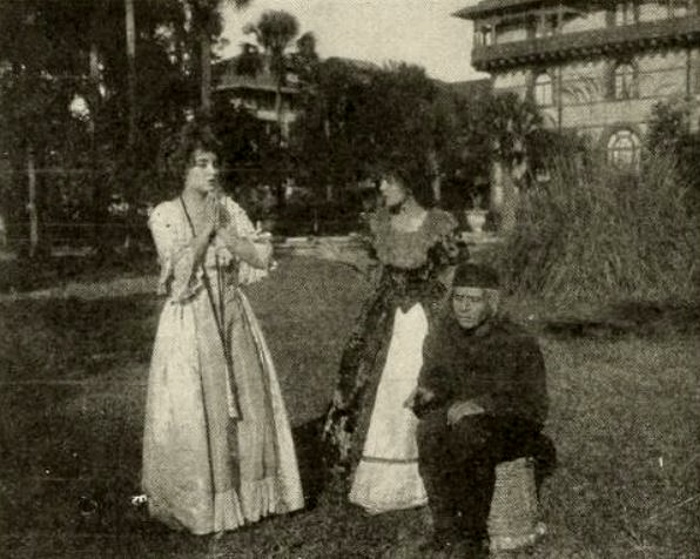
Dir: George Melford
Foster sister of the Duchess d'Aubeterre, Madeline, marries Jean Renaud, a French soldier, and has a daughter named Adrienne. Five years later, on a battlefield, Renaud is entrusted by the Count de Moray with jewels and papers proving that Adrienne is his heir. After Moray's death, Renaud gives everything to Madeline and then returns to the battle. Lazarre, who had followed Renaud, then goes to Madeline and demands the jewels. Madeline's refusal awakens Adrienne, but Madeline quiets her by saying that her father is home. When Madeline still refuses Lazarre's request, he stabs her. Later, Adrienne tells the neighbors that her father had just been with her mother. Renaud is sentenced to prison for life, after which the Duchess adopts Adrienne. Many years later, Adrienne re-encounters her father and eventually the true murderer is revealed and Renaud is pardoned.
View Details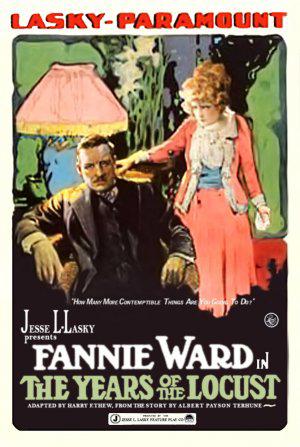
Dir: George Melford
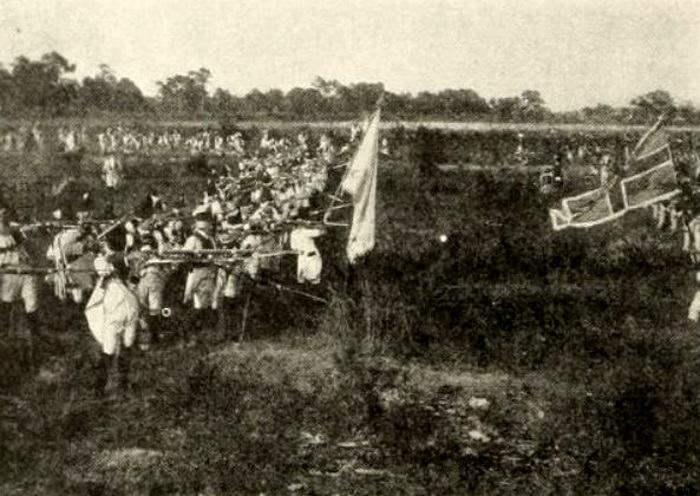
Despite her love for penniless Dirck Mead, Lorraine marries wealthy Aaron Roth to save her family from financial ruin. Roth is a swindler and when trying to escape the wrath of the law, he jumps from a ship and is declared dead. Mead, now a diamond magnate, finds Lorraine in New York, marries her and takes her to live in South Africa, where, as it happens, Roth, who survived his leap from the ship, is currently conducting his shady business. Roth discovers Lorraine's situation and threatens her with exposure, and Lorraine is about to leave Mead when she learns of Roth's plan to steal a valuable diamond that Mead is escorting to the city. Summoning help, Lorraine reaches Mead in time to thwart the robbery. Roth is killed in the fight, and Lorraine is spared the task of resolving her marital status.
View Details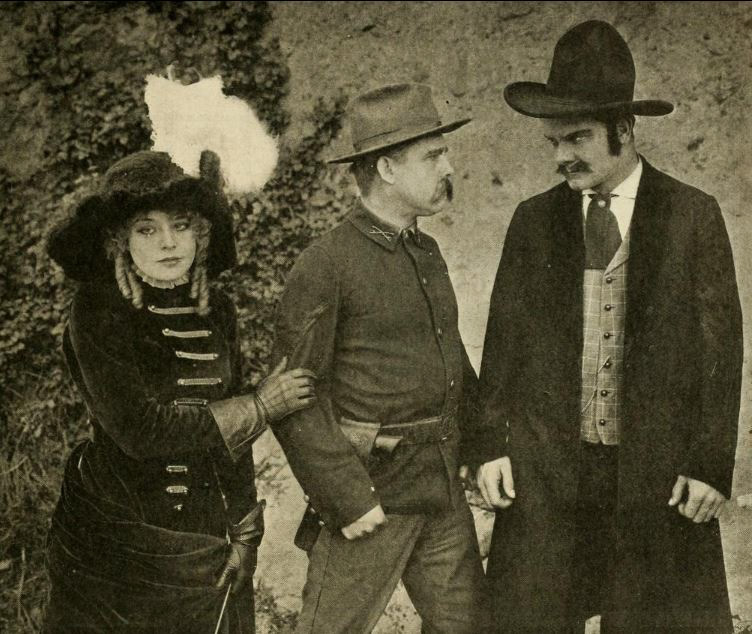
Dir: George Melford
Major Dean's developed mental powers have enabled him to give demonstrations in thought-suggestion. Interested in character types, the major, who is an army surgeon, visits a notorious dance hall owned by Lorenzo. The surgeon is struck by the beauty of Mabel, one of the dance hall girls. Mabel lives in deadly fear of Lorenzo. Due to the interest he takes in her Major Dean again demonstrates his wonderful power of mental suggestion by causing the girl to lay down the glass she raised to her lips. Later, a fight is started in the dance hall. All lights are shot out. Mabel is stunned by a bullet. Seizing her in his arms, Major Dean takes her to his home. The following morning finds the girl still unconscious. Major Dean's diagnosis leads him to believe that due to the wound caused by the bullet, a pressure on certain brain cells has wiped all memory of the past from Mabel's mind. Realizing that despite her condition, the girl's subconscious mind is capable o£ registering impressions, the surgeon forces upon Mabel's mind the thought she is, and always has been, his daughter. The girl is possessed of this belief when she recovers. She later accompanies Major Dean to the western army post to which he has been assigned. Sergeant Whitney, an old soldier, is stationed at the post. The man is struck by the wonderful resemblance which Mabel bears to his daughter who, several years previous, had been enticed from her home by a gambler. Although Whitney has never seen the man, he has vowed to find and kill him. Meanwhile, Lorenzo learns what has become of his former victim. Resolved to regain her, he leaves for the west. Arriving at the army post, Lorenzo demands that Dean surrender Mabel. Knowing the girl will not recognize the man, the surgeon allows her to comfort him. Mabel shrinks from Lorenzo in repulsion. Suspecting the truth, Lorenzo later waylays his former victim while she is out riding and endeavors to revive in her mind the memory of her life with him. At the same instant, Major Dean is obsessed by a sense of impending danger. The surgeon gazes out of the window through a pair of field glasses. He discovers Lorenzo talking to Mabel. Aware of the man's nefarious scheme, Major Dean concentrates his powerful will in an effort to so influence Mabel's mind as to enable her to withstand Lorenzo's hypnotic influence. The girl, who had been wavering, receives the message emanating from the major's mind. It causes her to shrink from her former master with the assertion she has no recollection of the incidents he has mentioned. The opportune arrival of Sergeant Whitney prevents Lorenzo from seizing Mabel and carrying her away. That night, Lieutenant Sibley, a young army officer who has fallen in love with Mabel, asks the major for her hand. Feeling it to be his duty, Dean informs Sibley of the girl's past. The surgeon declares it is his belief that Mabel is the daughter of Sergeant Whitney, and that Lorenzo is the man who enticed her from home. So great is his love, that Sibley vows to marry Mabel in spite of what has happened. Unknown to the two, Whitney has overheard the story. Mad with hate, he seeks Lorenzo. Unaware of his impending doom, Lorenzo resolves to make one supreme effort to regain Mabel. Seated by his window, the man fixes his mind upon Mabel with every ounce of power he possesses. Although fast asleep, the girl's mind receives the command sent forth by her former master. As though in a trance, she dons her clothes. Again the sense of danger overcomes Major Dean. He hastens towards Mabel's room. Just at this instant, Whitney enters Lorenzo's room. The rage-maddened father engages the gambler in a death struggle. While this combat rages, Mabel stands as though petrified. Securing possession of Whitney's revolver, Lorenzo shoots, wounding the old soldier mortally. Although he has received his death wound, Whitney's consuming hatred gives him strength to continue the struggle. A sudden twist, and the sergeant secures a vise-like grip on Lorenzo's throat. He forces the man back towards the bed. Mabel awakens with a start. In answer to Major Dean's anxious query, she replies that a bad dream had caused her to walk in her sleep. In Lorenzo's room, Whitney draws back from the silent form on the bed. The soldier attempts to reach the door, but his strength fails. The man staggers and crumples to the floor.
View Details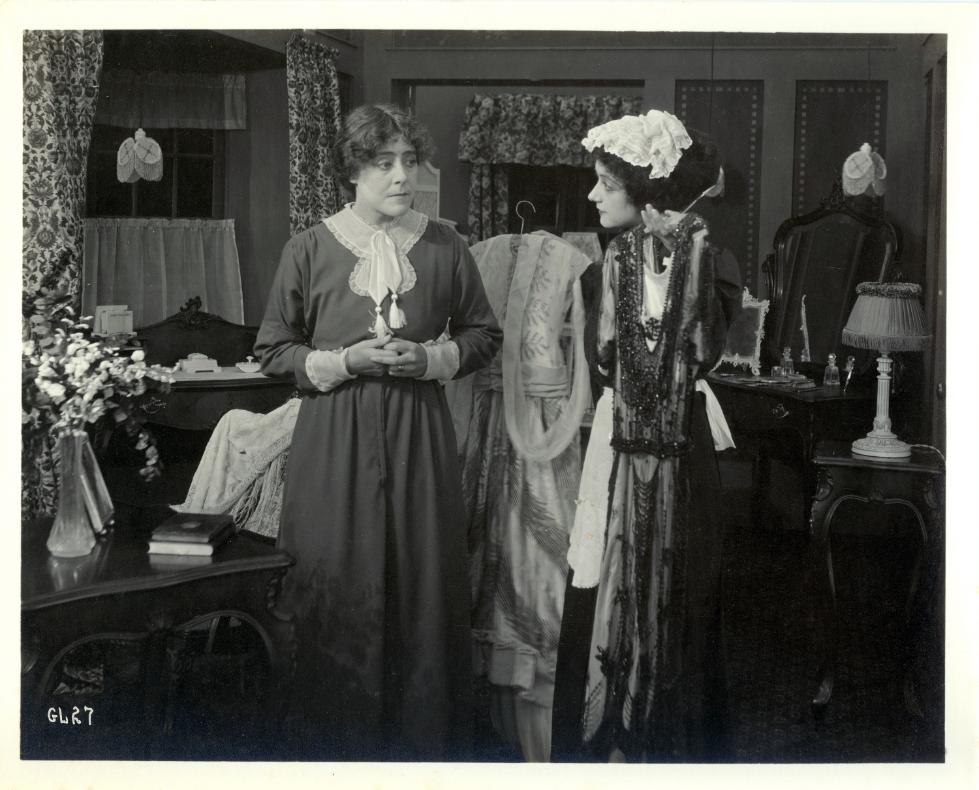
Dir: George Melford
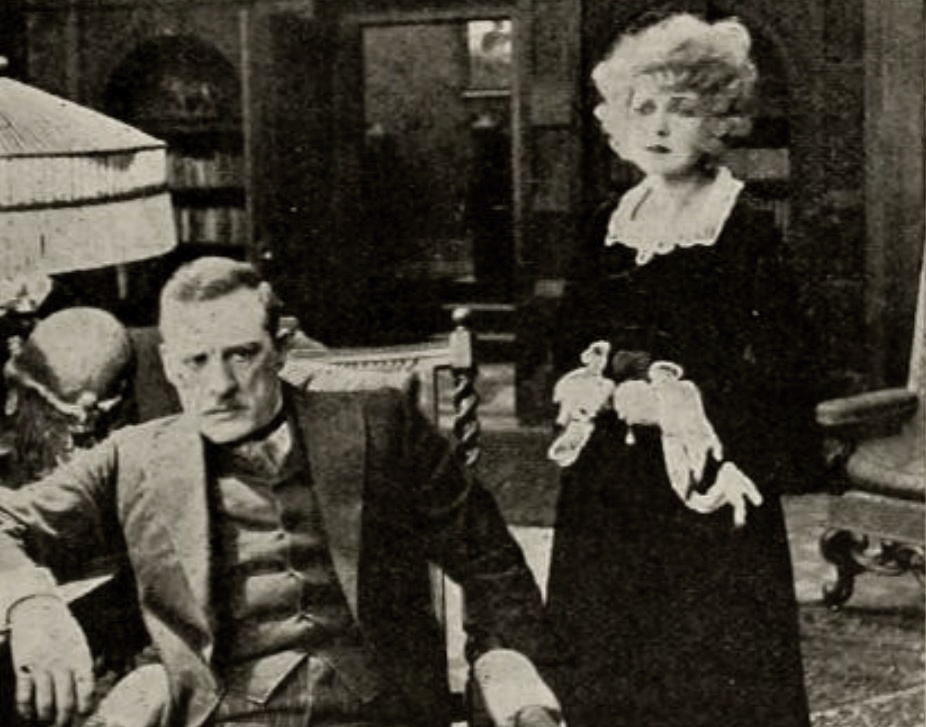
At the opening of the story Daniel Slade is working in a mine and, though not positively in need, he and his wife live in comparative poverty. Slade is a man filled with ambition, but his wife is contented and absorbed in her love for her husband. By a fortunate accident he discovers a gold mine, and with his newly acquired wealth, immediately sets out to make a position of influence for himself in the world. His aggressive personality and ability at once attract attention, these qualities being combined with wealth, and the possibilities of a political career are pointed out to him by Senator Strickland. Slade has no sooner established himself in his new surroundings than he comes to feel that his wife does not know how to take advantage of their altered circumstances. She is still the same simple, home-loving person. In the course of time he becomes attracted to the Senator's daughter, who, like himself, is of ambitious temperament. In fact, though she does not love him, she agrees to marry him if he obtains a divorce from his wife. The concluding episodes of the story show how the wife rescues her husband from his unpardonable folly, and how, much chastened, he finally persuades her to come back to him. He has now become the chief executive of the State and Mary at last takes her place as the Governor's Lady.
View Details
Dir: George Melford
The story relates the attempt of a group of machine politicians at Washington to ruin Matthew Standish, an insurgent who has made himself so strong with the people that he is in a position to defeat the Mullins bill, fostered by a corrupt ring in Washington, in favor of certain railroads. The leaders of this ring are Jim Blake, the boss of the party machine, and his son-in-law Mark Robertson. Standish is being hailed throughout the country as the exponent of morals and virtue, and Blake realizes that the only way to defeat him is to find some blot on his record in the past. He puts a detective to work, who, by bribing Standish's former secretary, finds out that some years ago Standish became involved with a young woman of good family, but for some reason he did not marry her. Blake realizes that skillfully handled, this story could be made to ruin Standish's career, but without the woman's name it will look like a campaign lie. So the entire machine bends its energy to discovering the woman's identity to prove the story. To accomplish this, they lay a trap that they think will make Standish try to warn the woman by telephone. He is deceived and does telephone the woman to be on her guard, calling the number Plaza 1001. Wanda Kelly, telephone girl at the Keswick, has been told of the plan by Blake, who believes that she can be bribed to give him the telephone number. After Standish telephones, Blake's son-in-law Robertson comes in to 'phone his home in New York, calling the same number that Standish has just called. Wanda, the operator, sees that the woman in the case is really Blake's daughter and Robertson's wife, and besides refusing to give the number, destroys her record sheet. Mrs. Robertson arrives from New York and is driven to desperation when Standish informs her that, though he has tried to protect her, he needs to give her name to Blake and Robertson if they continue striving to ruin him by this story. The subsequent events leading to the conclusion of the drama and the defeat of the offensive Mullins bill in Congress are stirring in the extreme. Once again the telephone girl interferes in the plot by disconnecting the wires when the "ring'' politicians, driven to their last ditch, are trying to telephone a newspaper to release the story even without the woman's name. She keeps her courage after this, even when threatened with arrest and criminal prosecution. It is the woman herself who finally comes to the rescue and refuses to see the little telephone girl made to suffer further on her behalf. This terrible revelation makes Blake and Robertson see what a veritable heroine she has been and even leads to the happy consummation of a romance between the telephone operator and Jim Blake's son.
View Details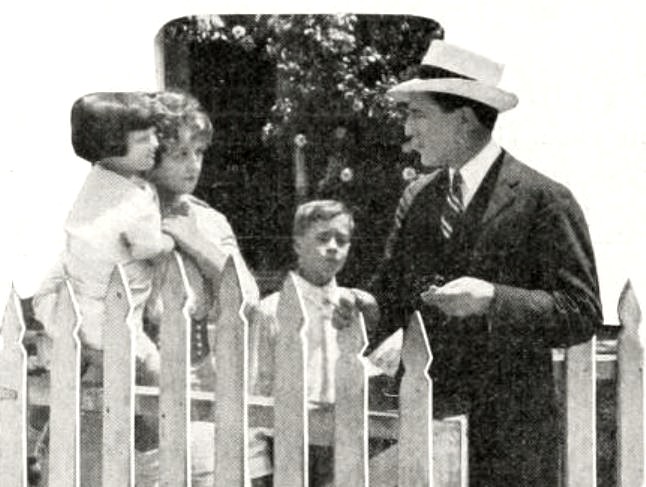
Dir: George Melford
Anna Granger's husband commits a fraud at the bank where he works and is condemned to pay the penalty of a jail sentence. In the hope of proving his innocence she goes to work, under an assumed name, for the President of the closed bank. This man is now indicted himself, though unjustly, and employs detectives who finally unearth a letter positively establishing the guilt of Granger. In spite of everything, Anna remains faithful until she learns that the theft her husband committed was to get money for another woman. Then comes a sudden climax which puts an end to a situation which she could not possibly endure.
View Details
Dir: George Melford
Masha, a young Russian emigrant traveling to the U.S., is saved from an officer's advances by civil engineer David Harding. Upon landing in America, J. J. Walton, a self-made political boss and contractor, pursues Masha and hires her as his maid. She leaves after the first night, but becomes his mistress after Walton promises her an education and marriage. Sometime later, David defeats Walton in a bidding war for a contract to build a dam in Arizona. Intent on ruining David, Walton dynamites the dam while Masha distracts the engineer. Although Walton takes refuge, he is drowned in the floodwaters. David and Masha survive, and confess their mutual love.
View Details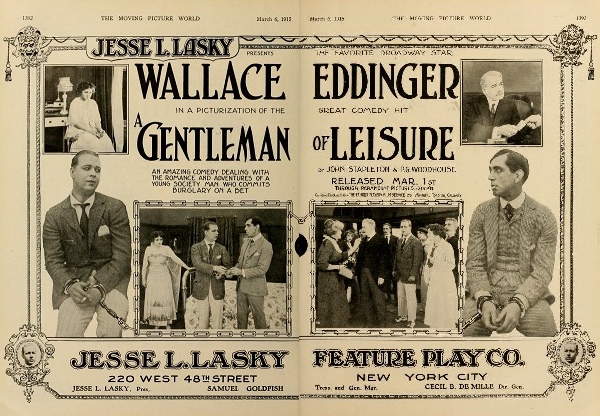
Dir: George Melford
A young New York society man makes a bet that he can rob a house and get away without being caught by the police. Shortly after making this wager, he overpowers a professional burglar in his own house, and instead of giving the man up, decides to use him in winning the bet. However, the house that he attempts to rob is the home of the Deputy Police Commissioner, with whose daughter he is in love. The succeeding complications, which arise out of this altogether original situation, are due to the Commissioner's willingness to accept graft and the professional burglar's inability to restrain himself when tempted to steal a valuable necklace. The final result is a happy conclusion to the very troubled love-story.
View DetailsAnalysis relative to The Evil Eye
| Film Title | Atmosphere | Complexity | Similarity |
|---|---|---|---|
| Stolen Goods | Gritty | Dense | 90% Match |
| Shannon of the Sixth | Tense | Abstract | 98% Match |
| A Celebrated Case | Gritty | Layered | 94% Match |
| The Years of the Locust | Tense | Linear | 85% Match |
| The Invisible Power | Gritty | Layered | 93% Match |
This guide was algorithmically generated using the cinematic metadata of George Melford's archive. Last updated: 6/27/2026.
Back to The Evil Eye Details →