
DbcultAccessing Vault...
Recommendations
Senior Film Conservator
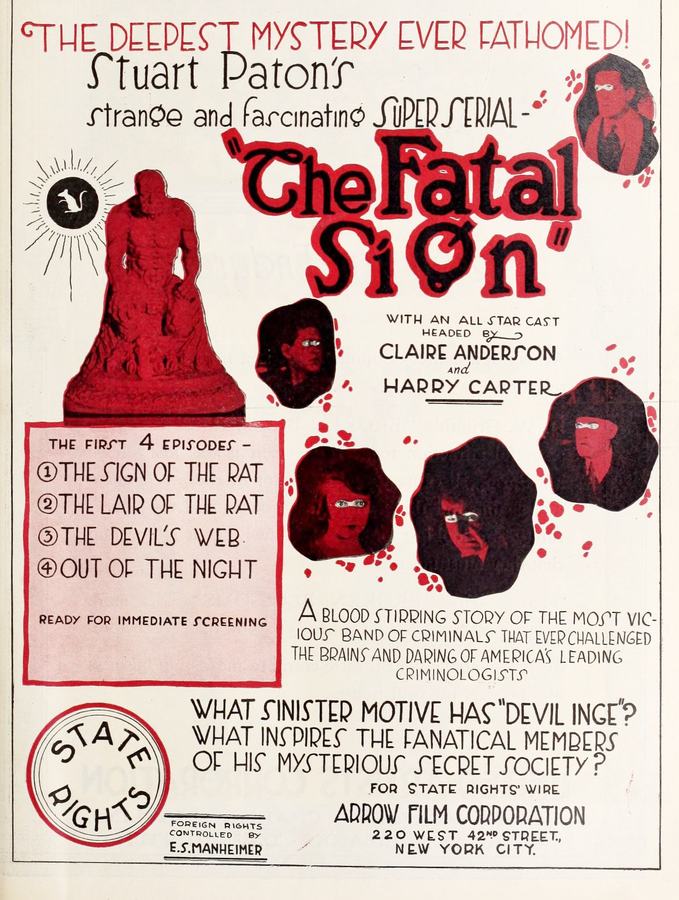
The cinematic DNA of The Fatal Sign (1920) is truly one of a kind, finding other movies that capture that same lightning in a bottle is a top priority. We have meticulously scanned our vault to find hidden gems that resonate with this work.
As a pivotal work in United States cinema, The Fatal Sign to challenge the status quo through its avant-garde structure.
The exploits of a noted band of criminals whose reputation for notorious crime equals that of the famous Camorra gang that for many years terrorized the cities of Europe. 15 episodes.
Critics widely regard The Fatal Sign as a cult-favorite piece of Crime cinema. Its nuanced performance is frequently cited as its strongest asset, solidifying its place in United States's film legacy.
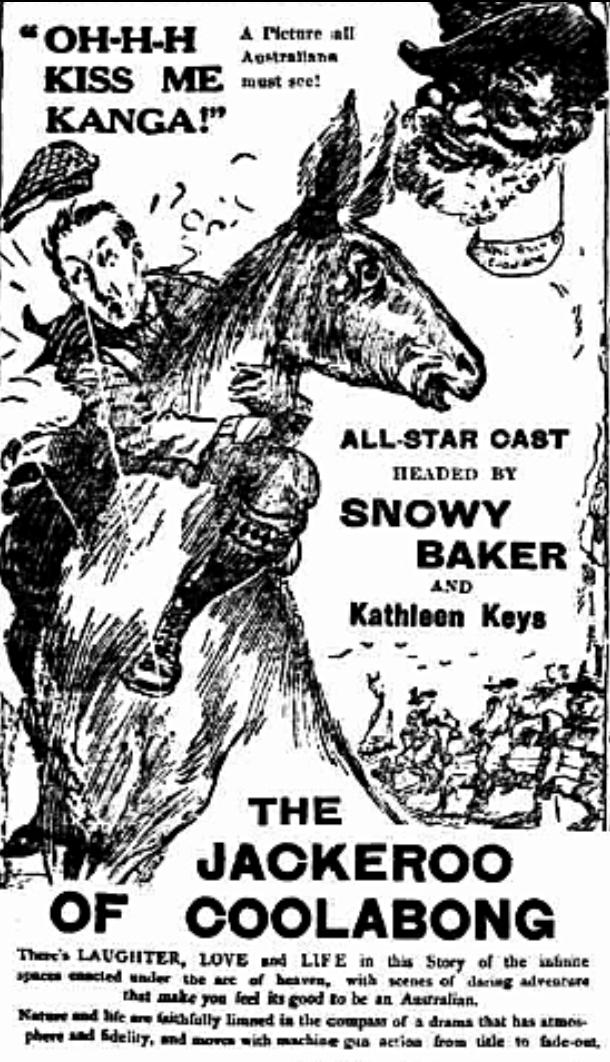
Based on the unique nuanced performance of The Fatal Sign, our vault has identified these titles as the most compelling follow-up experiences for fans of Crime cinema:
Dir: Wilfred Lucas
Brian O'Farrell (Snowy Baker), is an English 'new chum' who takes a job at an Australian cattle station. He is teased by station hands because of his appearance (including spats and a monocle) but he soon impresses them with his skills at riding and boxing. The station manager, John MacDonald (Wilfred Lucas), takes O'Farrell to Sydney to meet his daughter Edith (Kathleen Key) who is working in the slums. Edith is kidnapped by criminals after witnessing a crime but O'Farrell rescues her. It is later revealed he is the owner of the station.
View Details
Dir: Stuart Paton
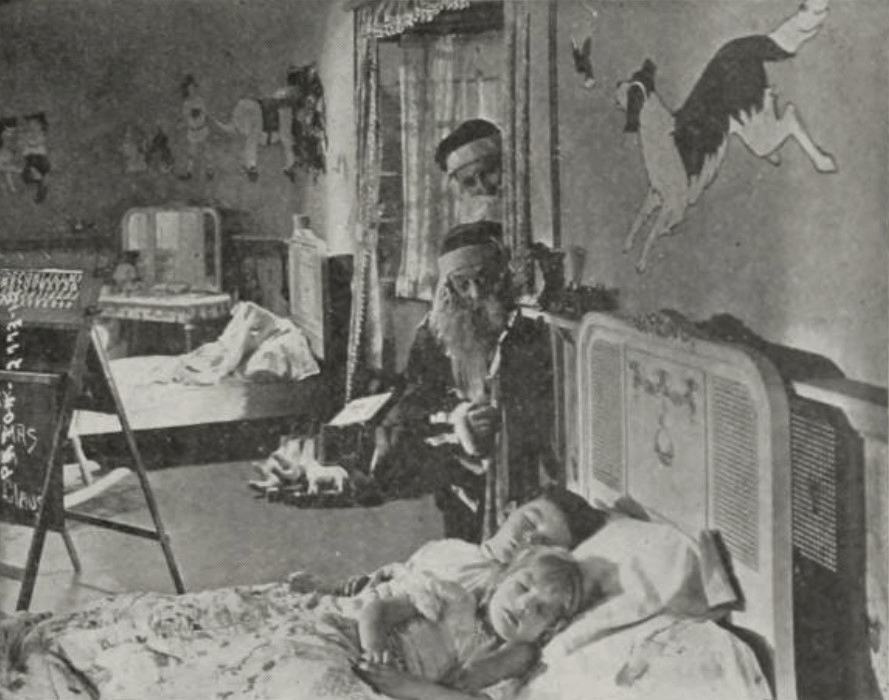
Jim Brockton had three interests in life: His nephew, Donald: the Trinity, three friends of different nationalities, but united by their love for Jim; and a faithful dog named Lady. His affection for Donald, his nephew, was entirely misplaced, and that unworthy young man laughed at his uncle every time he got a check from him, and proceeded to spend it upon riotous living. Christmas came, and with it Donald, who immediately proceeded to call his club friends around him and have a good time. Jim naturally was hurt, but excused Donald on the ground that youth seeks youth. But when he discovered his nephew and a group of his friends bear-baiting a poor beggar even his faith got a shock, but he took the derelict home and into his household and his heart. The next day the three friends introduced Jim to Mary, an admirable woman, and a year from that date saw them married. When Donald came home for Christmas a situation arose which was fraught with great danger, for Donald had previously been engaged to Mary, and had been low enough to permit an action of his toward her to be sadly misconstrued, destroying her reputation. In an endeavor to compromise her again the ingrate brought about two events which came near to wrecking Donald's life, but the old derelict saved the situation and exposed Donald for what he was.
View Details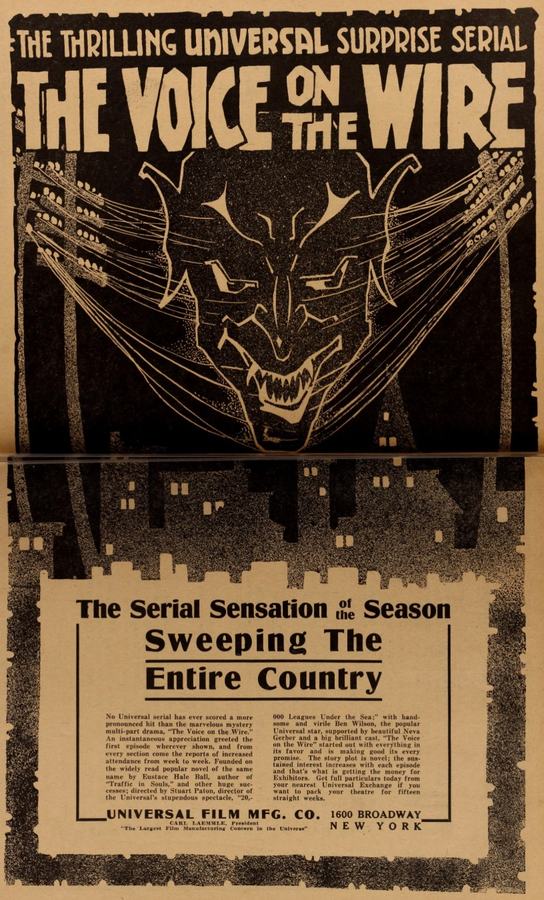
Dir: Stuart Paton
Episode 1: "The Oriental Death Punch" Alvin Van Cleft has a penchant for chorus girls, particularly Polly Marion. One night they leave a café and enter a taxi, closely watched by two muffled figures. As Van Cleft and the girl are riding through the park Van Cleft falls into a stupor, a mysterious hand which seems to have no attachment to a body, enters the cab and kills Van Cleft. Later Howard, his son, is notified by a mysterious voice that his father has been murdered and is the third victim, two others interested in chorus girls having preceded him. Howard notifies John Shirley, interested in criminology, and Professor Montague, a prominent physician, and they, together with Cronin, head of a detective agency, start working on the case. Shirley arrives at the conclusion that Van Cleft was murdered by the Japanese death punch, Sen Si Yao, as he is telling this to his friends he receives a telephone message that Cronin is in Bellevue Hospital with a crushed skull and that Montague may be the fourth victim. Shirley visits Cronin, who tells how he was beaten by two chaps who had been in the same taxi with him. Shirley then receives a message that he will be the next victim if he does not stop meddling in others' affairs. The professor, to the surprise of Howard, disguises himself and goes out the back way; as he jumps over the wall he is attacked by two thugs, whom he overpowers and marches to the police station.
View Details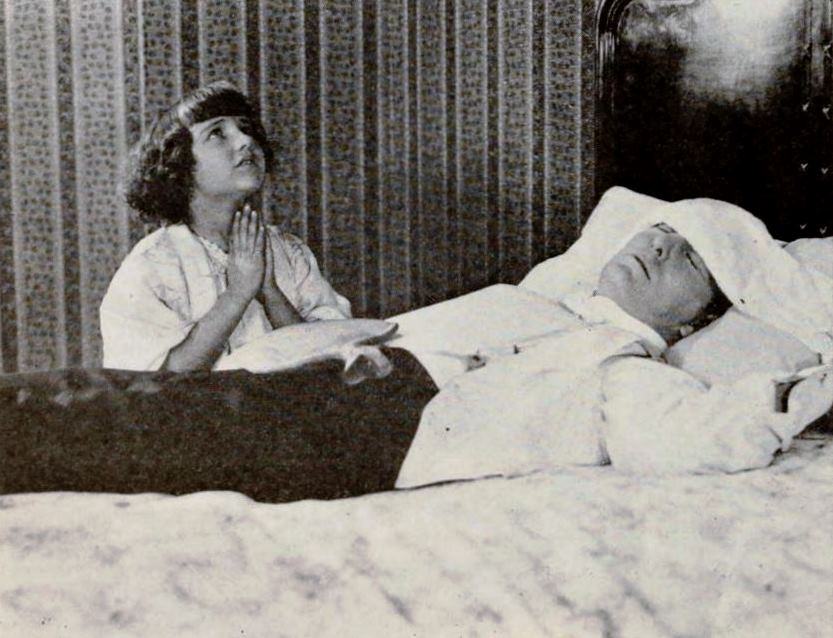
Dir: Stuart Paton
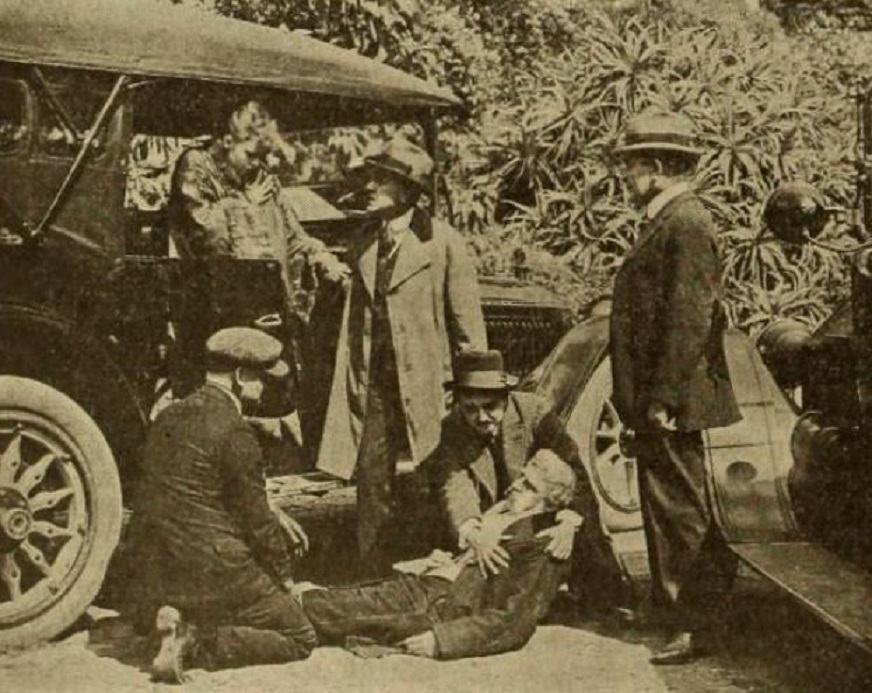
Antiques collector Bradley West agrees to adopt Little Marie, a French war orphan, to please his wife. Marie and a servant's son, George Washington Jones, Jr., irritate Bradley with their mischief until he hires Hulda, a governess who objects to Marie's friendship with a Black child. Marie attempts to placate Hulda by whitewashing George, then presents him at a tea party and shocks the guests. Bradley's nephew and secretary, Trent Gordon, befriends Marie and she assists him in overcoming difficulties with his girlfriend, Phyllis Dare. Unbeknown to the West family, Hulda, alias "Chicago Hattie," is in league with a gang of thieves led by Raymond Brownleigh, intent on robbing Bradley's safe. On the night of the burglary, the noise awakens Marie and she locks Brownleigh in the safe. Before the thief can make his escape, Trent captures the entire gang. Marie's courage and resourcefulness win her the love of her foster father.
View Details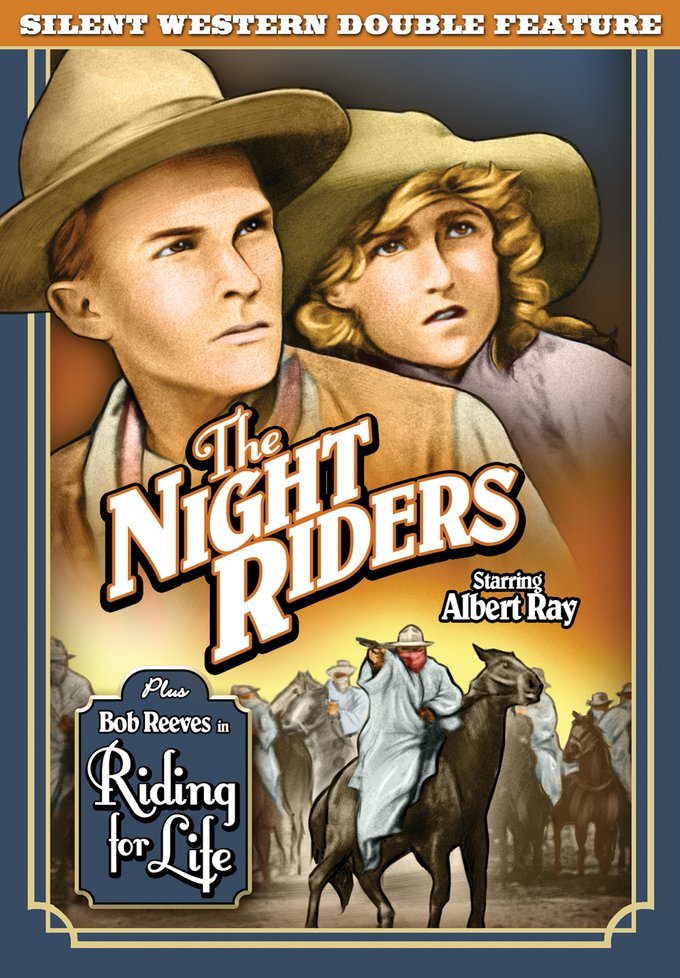
Dir: Alexander Butler
In Alberta, Canada, a Cornish emigrant unmasks a rustler posing as the girl's "blind" father.
View Details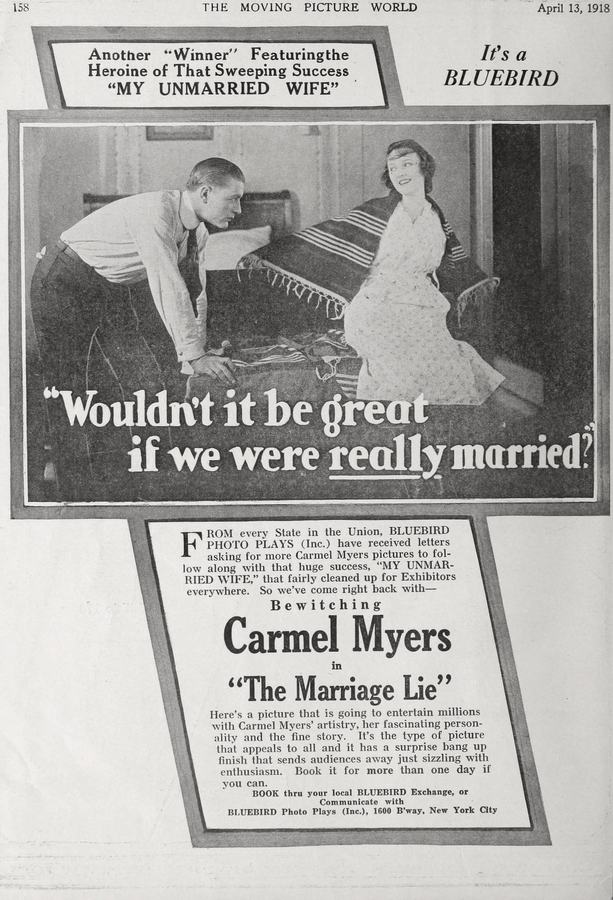
Dir: Stuart Paton
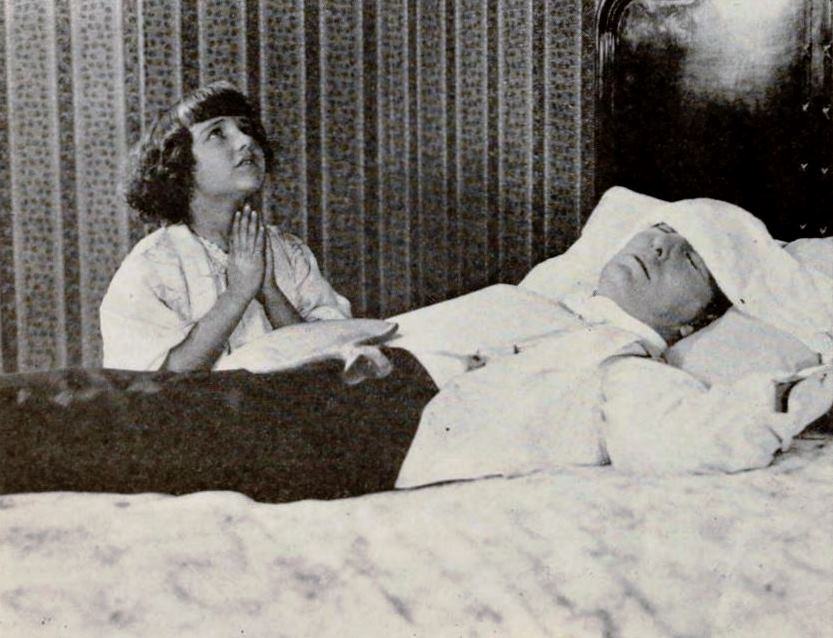
Being an unmarried man, Douglas Seward, a young engineer, is unable to secure a position with Terence Craver, a contractor. In search for a wife Seward meets Eileen Orton, who has been left destitute by the death of her father. He makes an agreement to support her if she present herself as his wife at Craver's office. She agrees and Seward secures a position and leaves for South America. The contractor, who has a mania for beautiful women, falls in love with Eileen, but she does not care for him, having become much attracted to Seward, who is sending her half his salary each week for her maintenance. Months later Seward comes to New York to see Eileen and arrives in time to protect her from Craver. The marriage lie no longer necessary, Seward proposes to Eileen, and they are forthwith made man and wife.
View Details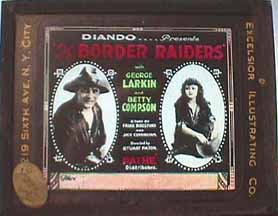
Dir: Stuart Paton
John Hardy, a ranch owner, marries Cleo Dade, not realizing she belongs to a gang planning to use the ranch as headquarters for Mock Sing's opium smuggling operations. When Hardy suddenly disappears, Cleo takes charge of the ranch, usurping the place of Hardy's daughter, Rose. Suspecting her father is still alive, Rose visits Mock Sing's cabin. John Smith, a card dealer for Mock Sing who is attracted to Rose, saves her from Mock Sing's assault and frees Hardy, who has been held prisoner. Soon after, Hardy's ranch hands attack and kill Mock Sing, Cleo is revealed as the wife of gang member "Square Deal" Dixon, and the ranch is restored to Hardy. John Smith, actually a government agent sent to curb opium trafficking on the border, marries Rose.
View Details
Dir: Edgar Jones
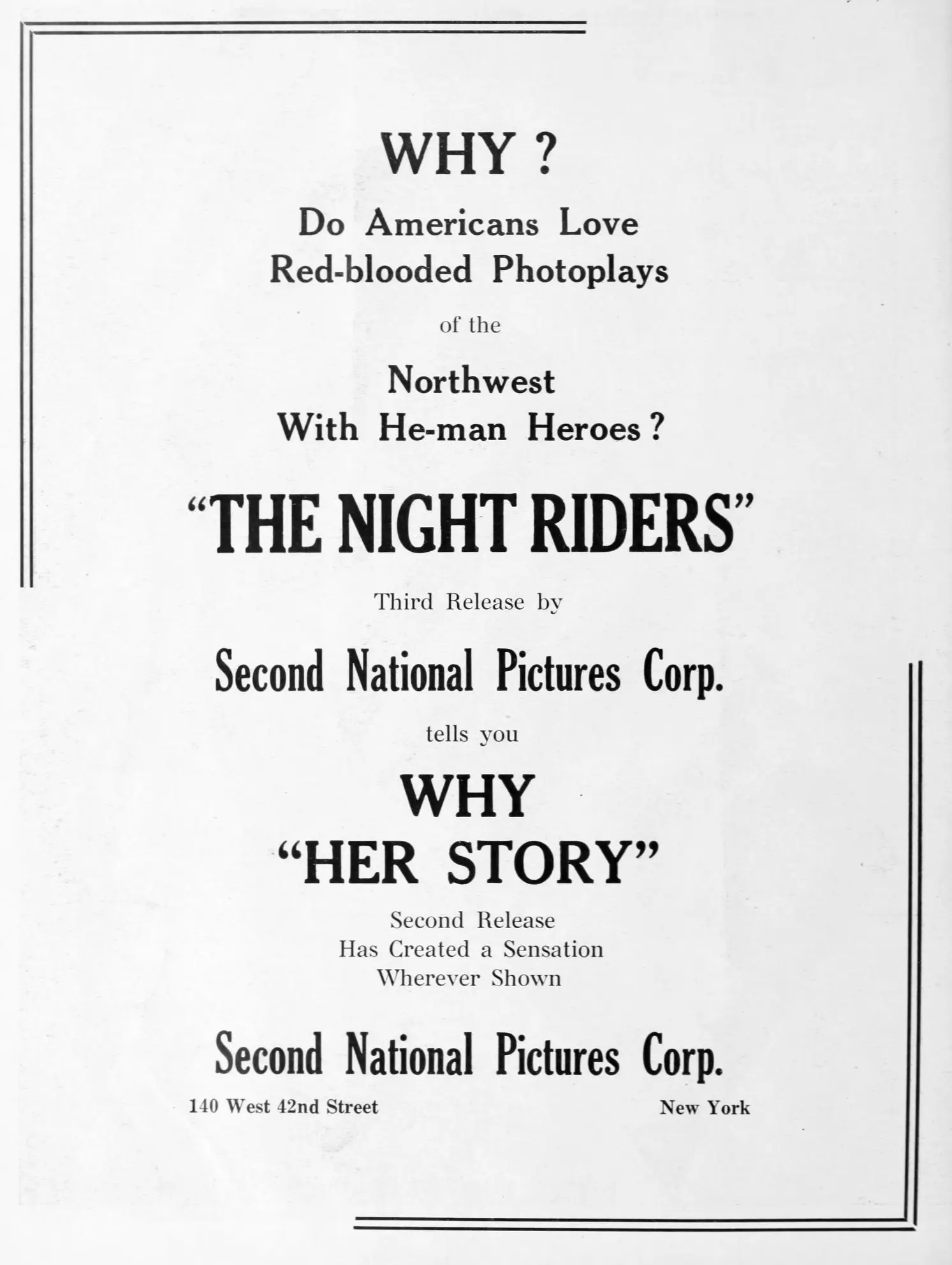
A mail-order bride arrives at a Maine lumber camp but doesn't like her prospective husband.
View Details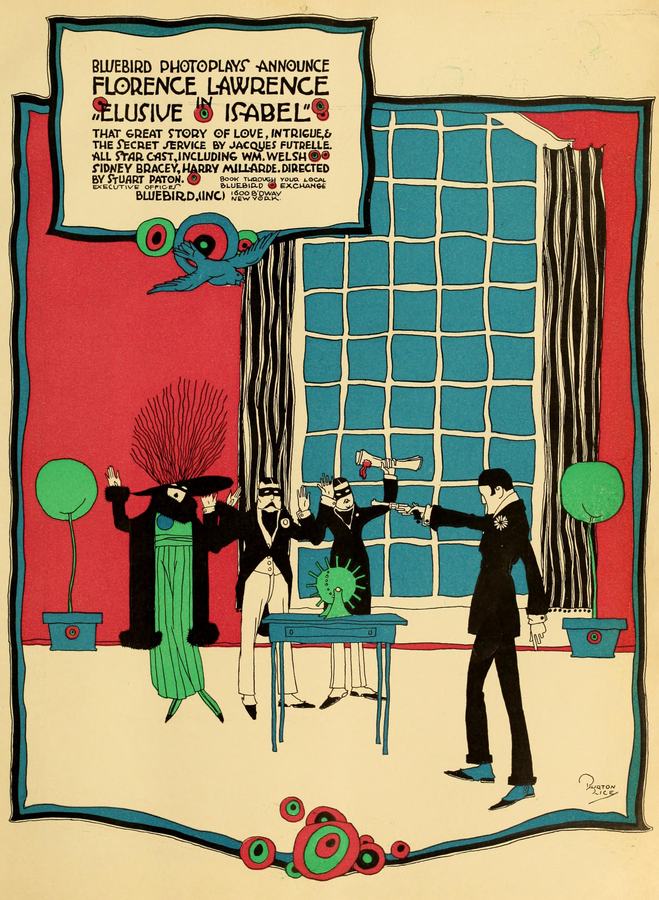
Dir: Stuart Paton
A conspiracy to take over the world is uncovered when several Latin diplomats visit the United States.
View Details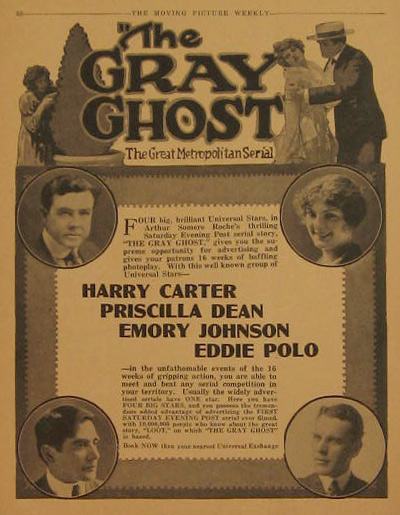
Dir: Stuart Paton
Episode 1: "The Bank Mystery" Mr. Carlow, a wealthy American living in London, is engaged to Lady Gwendolin, and has ordered from Arabin and Company, famous Fifth Avenue jewelers, a necklace worth two million dollars, to be made for her wedding present. She is anxious to see it, and he sends the junior partner of his London solicitors, Wade Hildreth, to America to get the jewel. He cables the young attorney's personal description to Arabin, and gives Wade his certified check for two million dollars. Wade makes ready to go with his secretary. Jean Marco. In New York is a master criminal known as the Gray Ghost. So perfect is his organization that he is never even suspected of the crimes and robberies which follow each other in quick succession. Only one member of the detective force really believes in his identity. This is Jerry Tyron. The Gray Ghost intercepts the message from Arabin. He prepares a reception for Hildreth, for he wishes to get the necklace and the check. Banker Olmstead is at dinner with his wife and son who is employed in the bank with him. His father is anxious that the books shall be in order, as the auditor is coming to examine them. He decides to go down to the bank. Young Olmstead is in the power of the Gray Ghost, to whom he has lost at cards. He goes to him to say that the game is up, and asks for mercy. Instead of helping him, the man plans to get him further into his power. Morn Light, a musical comedy star, whose connection with the Ghost is mysterious, arrives during their discussion. The Ghost asks her to retire, but she listens and watches. She sees the Ghost's men strike down Olmstead, and demands to know what is to be done with him. The Ghost tells her to mind her own business, and she is very angry. He sends her home. Olmstead has arrived at the bank and ordered the vault to be opened. The watchman is in the pay of the Ghost. Olmstead discovers his son's thefts from the bank. Suddenly he is shot down. It is the Ghost's men who have been introduced into the vault by the watchman. The men appear, carrying the boy. They place a revolver in his hand, and leave him lying upon his father's body. He comes to, and the watchman tells him that he has shot his father, and that the police are after him. He cannot believe it, but an officer rushes in and drags him out. In the car the officer changes his clothes to civilian attire, and when Olmstead demands to know what it means he is silenced. The Gray Ghost waits till one o'clock, and then he calls up Tyron and tells him that the bank has been robbed. Tyron sets out at once with a large force of police. They arrive at the bank, and find the unconscious watchman. The body of the banker has disappeared.
View DetailsAnalysis relative to The Fatal Sign
| Film Title | Atmosphere | Complexity | Similarity |
|---|---|---|---|
| The Jackeroo of Coolabong | Ethereal | High | 85% Match |
| Beloved Jim | Tense | Dense | 86% Match |
| The Voice on the Wire | Ethereal | Dense | 96% Match |
| The Little Diplomat | Surreal | Abstract | 91% Match |
| The Night Riders | Ethereal | High | 96% Match |
This guide was algorithmically generated using the cinematic metadata of Stuart Paton's archive. Last updated: 6/27/2026.
Back to The Fatal Sign Details →