
DbcultAccessing Vault...
Recommendations
Senior Film Conservator
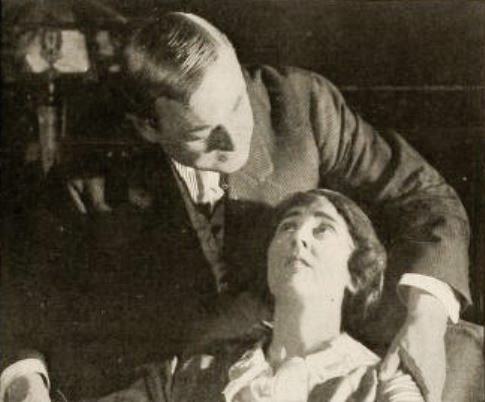
The cult sensibilities displayed in The Fight are unparalleled, its status as a United States icon makes it a perfect starting point for discovery. These hand-selected movies are designed to satiate your craving for cult quality.
The cultural footprint of The Fight in United States to serve as a cornerstone for cult enthusiasts worldwide.
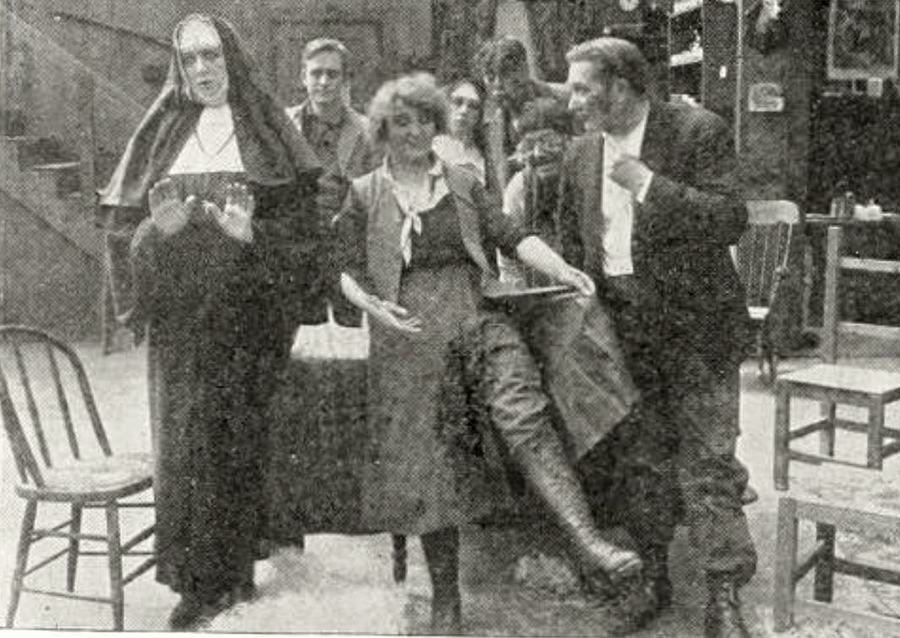
Jane sets out to suppress drink, gambling and dance hall viciousness by way of urging her candidacy as mayor. Like all zealots and would-be social reformers, she finds commercialized vice a hard proposition to defeat. Her enemies try to blacken her character, ruin her bank and take her life, but virtue triumphs and vice is vanquished. At the end of the photoplay Jane is elected mayor and united to the man of her choice.
Critics widely regard The Fight as a cult-favorite piece of cult cinema. Its cult status is frequently cited as its strongest asset, solidifying its place in United States's film legacy.
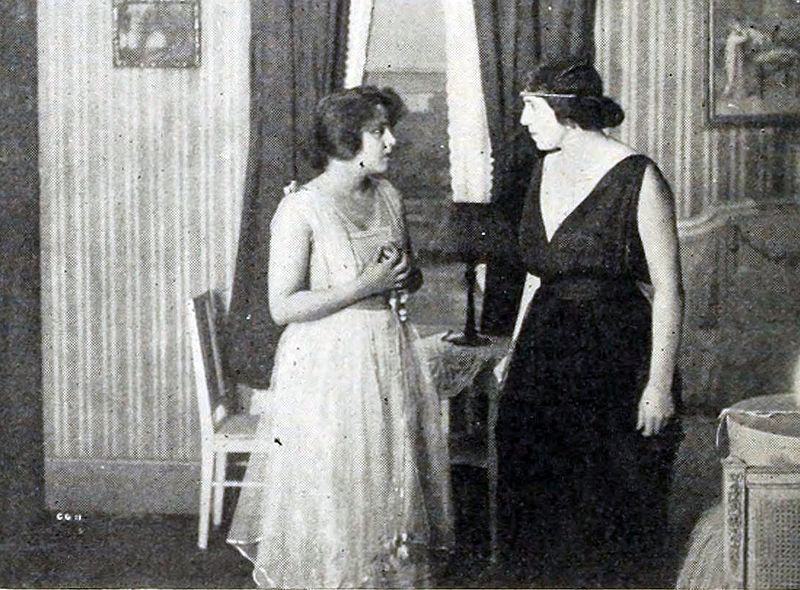
Based on the unique cult status of The Fight, our vault has identified these titles as the most compelling follow-up experiences for fans of cult cinema:
Dir: George W. Lederer

Sunday is a young girl left by a dying father in charge of four rough, but noble-hearted, lumbermen, known as Jack, Towzer, Davy and Lively, who bring her up as a boy. Jacky, the youngest of the quartet, is in love with Sunday, but she regards him only as a brother. The four men finally decide to send her to a convent school. Arthur Brinthorpe, the black sheep of an old English family, traveling in America, meets Sunday, and persuades her to elope. She believes that he intends to take her to his home in England as his wife. Arthur is compelled to confess that he does not intend to marry her. Stunned by this perfidy, Sunday denounces him furiously, and when Arthur seizes her in his arms, she draws her revolver, which he takes from her. The struggle is witnessed by Jacky, who comes to Sunday's rescue, and in doing so kills Arthur. A half-witted girl, named Lizette, who is hopelessly in love with Jacky, sees it. Jacky departs with the Sisters. New adventures, however, are in store for Sunday. Her aunt in England, Mrs. Naresby, has been searching for her, and she is finally discovered in the convent school and brought to England. She meets and falls in love with Henry Brinthorpe, an elder brother of the "ne'er-do-well Arthur." Sunday tries to resist his love, feeling that the dead man stands between them. He demands to know why she will not marry him. She is unable to tell him. Unhappy and wretched, she leaves her aunt's house by night and takes steerage passage tor America. She finally arrives at the lumber camp and surprises the "boys" by rushing into the cabin and telling them she has come home to stay. Henry and his friend, Tom Oxley, follow Sunday to America, and arrive at the cabin. Henry is determined to learn why Sunday has run away from him. Meantime, Lizette, believing that Sunday has returned to marry Jacky, accuses her of the murder of Arthur Brinthorpe, and when Jacky confesses that he committed the deed, Lizette attempts Sunday's life by throwing a knife through the door. Lively, suspecting Lizette's intentions, throws himself in front of Sunday and is wounded. Sunday tells the entire story to Henry, who realizes his brother's guilt and Sunday's innocence, and the story ends with the reconciliation of the lovers.
View Details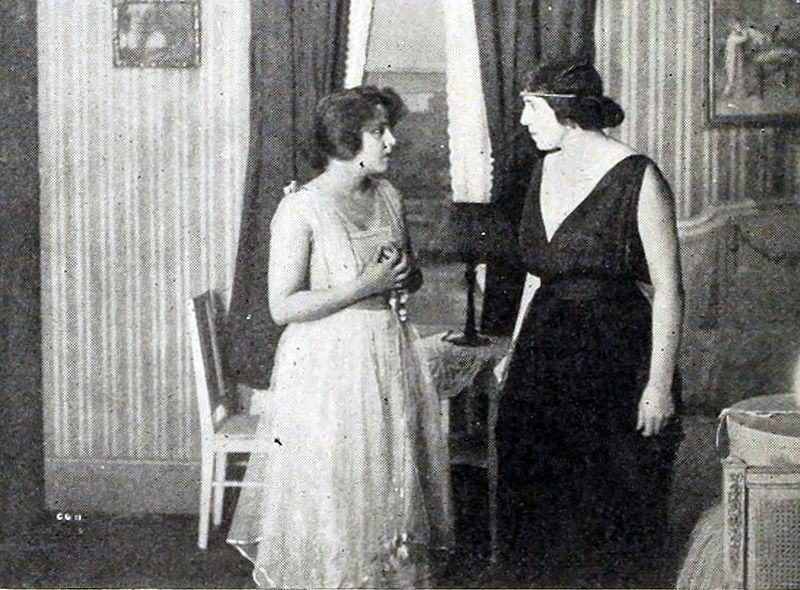
Dir: George W. Lederer
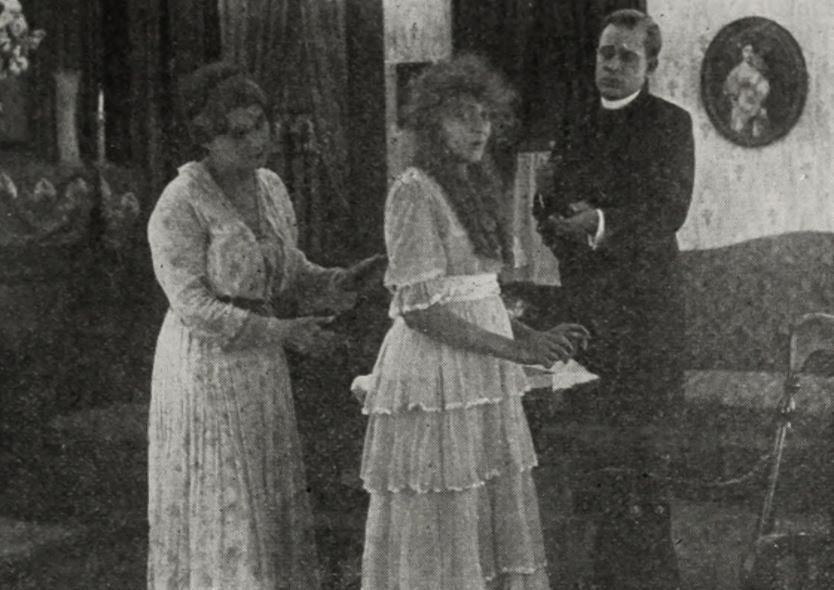
Glory Moore, a young girl, finds herself left unprovided for after her father's death, as the farm has to be sold to pay his debts. She writes to her aunt in New York, asking for help in obtaining employment in the city. The aunt, Mrs. Lawrence, is in reality an adventuress, and accomplice of two card sharps and confidence men, Milt Bannon and Harvey Dix. They decide to bring Glory to the city in order to use her as a decoy in fleecing rich young men. Jim Danvers, a rich young fellow who is going the pace, is one of their victims. The unsuspecting Glory believes she has found a loving aunt and a luxurious home, and is for a time deceived. She finally realizes the truth. She exposes the swindlers in a card game in which they are cheating Jim. Mrs. Lawrence, infuriated, locks Glory in her room. Glory, in wild panic, escapes through the window, climbs a fire-escape, wanders over adjacent roofs and accidentally falls through a skylight into an apartment which proves to be Jim's. Jim, who has fallen in love with Glory, befriends her, but Dix's appearance, while Jim is absent, frightens Glory and she runs away. She hires a furnished room and advertises for employment. She is followed by Bannon, who, by means of a decoy letter, brings her to his bachelor apartment. Meantime Dix and Mrs. Lawrence have quarreled with Bannon over the division of their spoils. Dix threatens revenge; Bannon in turn, threatens to expose Dix as an escaped convict. While Glory is denouncing Bannon for having tricked her to his rooms, Dix shoots Bannon through the window and escapes. By a combination of circumstances Jim and Glory are accused of the crime, taken to police headquarters, and put through the "third degree." Then both are separately released to further the plans of the police. Glory suspects Dix, but is not sure of it. She entices Dix into Jim's rooms and pretends to be in love with him. She is about to obtain a confession from him when Jim bursts in and denounces her. Glory is unable to reassure Jim of her love for him, as this will prevent Dix's confession. Accordingly she drives him away, admitting her love for Dix. Dix confesses. Glory then tells him it was all a trick on her part to save Jim and find the real murderer. Dix resolves to silence her forever. He attacks her. The room is wrecked. But just as he is about to kill her, Jim arrives with the police inspector. Glory accuses Dix. Dix jumps from the window and is killed by the fall into the court below. Glory and Jim are united.
View Details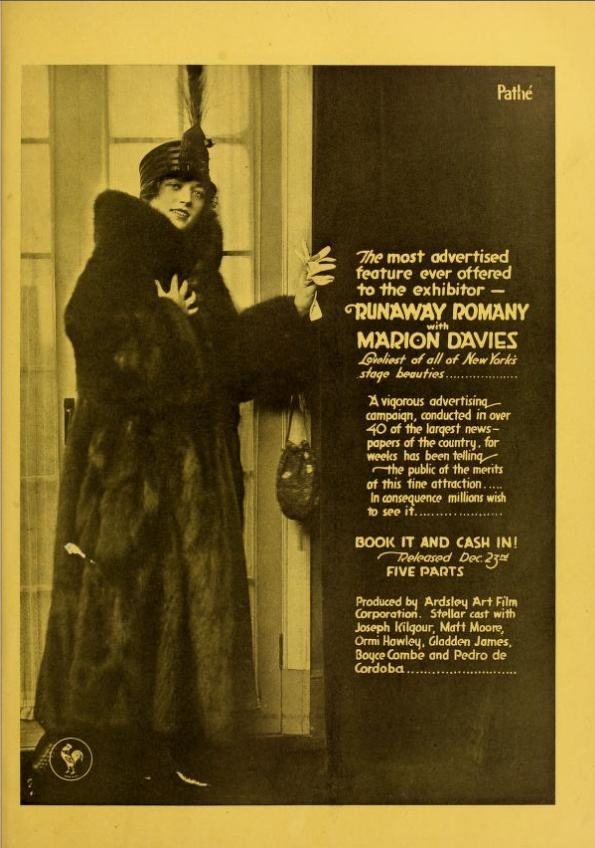
Dir: George W. Lederer
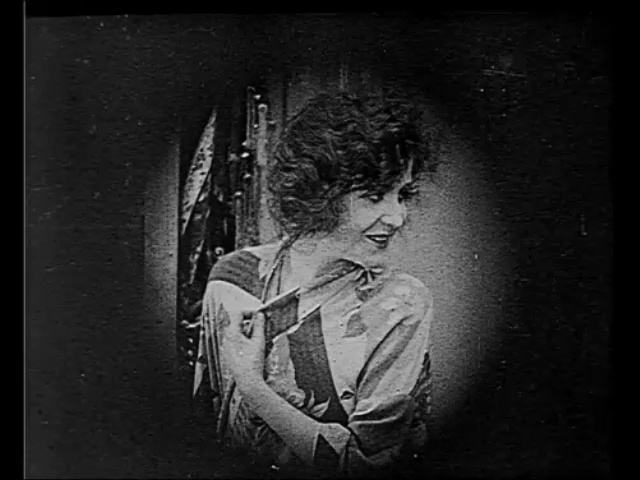
"Inky" Ames, theatrical press agent, through a fictitious story makes it appear that Anitra St. Clair, an actress, is the long lost daughter of Theodore True, the copper king. True accepts the actress as his daughter, and they, in answer to a telegram from Bud Haskel, representative in the west, decide to go westward immediately to inspect a newly-discovered copper mine. Bud Haskel is, incidentally, volunteer "school master" to the flower of a gypsy camp, Romany. The girl is loved by Zinga, son of the gypsy chief. Upon her father's threat to wed her to Zinga, Romany seeks the help of Bud, who aids her to escape. Zinga suspects Bud of conniving at Romany's escape and follows him constantly. Irking under the restraints of her new life, Anitra decides to give her former gayeties a whirl and finds in True's nephew Hobart, a willing assistant. She incurs the enmity of "Inky," who resolves to put True wise to the fact that the actress is not really his daughter. Romany, with the broader knowledge of life imparted to her by books, turns to her new world with keen expectancy, and is glad to receive Bud again at her first party. That same evening Romany discovers Hobart at his uncle's safe, but does not discover the fact that Hobart has extracted money from the strong box. Determined to make True see that he is being imposed upon by Anitra, "Inky" seeks out Bud Haskel, telling Bud that the actress is not True's daughter, and that he ("Inky") has cooked up a press stunt to advertise the show she was in. Zinga's persistent shadowing of Bud to uncover Romany's whereabouts succeeds at last. One development is that Romany writes a letter to True stating that she has been grateful to True and Haskel for their kindness, but that she must leave the True home; that she is broken hearted. Romany is then suspected of taking the money from True's safe, but after Anitra's deception is exposed to True, Hobart confesses to his uncle that he (Hobart) is the guilty one. Bud discovers Romany's whereabouts and persuades her to return to True's mansion. Bud also secures Zinga's release from prison, where he has been confined upon Zinga's assurance that he has a revelation to make to Mr. True. The gypsy tells True that Romany is really True's daughter; that when the girl grew up Zinga wanted her for himself. That the gypsies named her Romany. True is happy in the recovery of his daughter, and Bud and Romany plight their troth.
View Details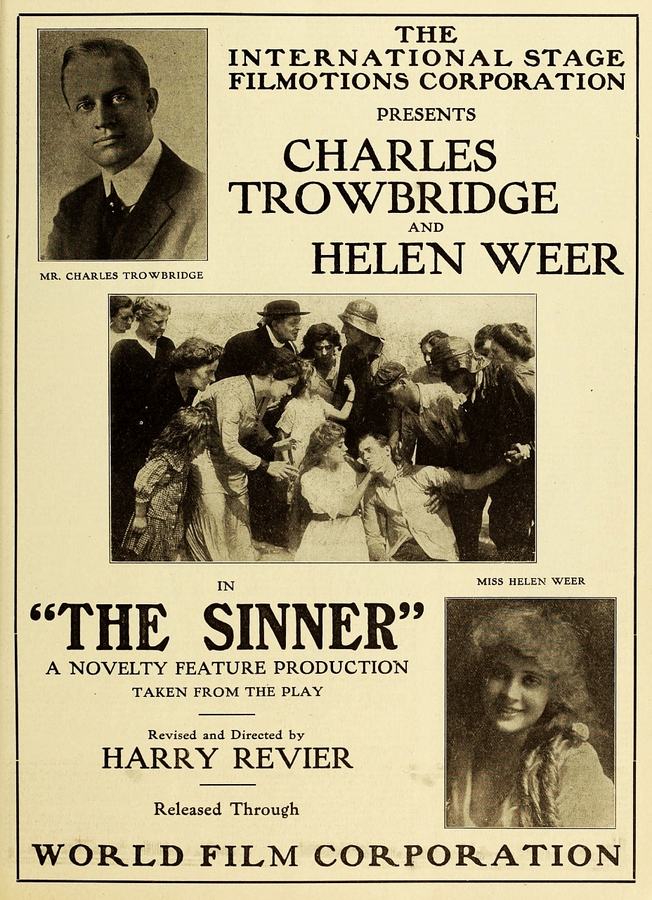
Dir: George W. Lederer
A young man, who comes to the big city to make his way in the world, has been unfortunate in securing employment. At last he receives a position with a bank. Through his limited knowledge of the world he is used by his employers as a tool to dupe patrons into purchasing worthless stock. Fearing detection, the employers make their "getaway," and leave the clerk to face the rioting depositors. The young man is arrested and sentenced to serve four years in prison. His prison life ended, he adopts the name of John Grey and decides to go to a foreign country. On board the steamer he meets Blake, the former bank president, and his confederate, Helen Granger. Grey becomes so embittered against Blake that he awaits an opportunity to demand reparation. Late at night he finds Blake on the deck alone and accosts him. There is a fight, at the termination of which Blake throws Grey overboard. After floating all night on a stray log, he is rescued by the crew of a fishing boat, who land him in a small village along the fishing banks, and he finds employment among the fishing folk. John Gordon's wife, a drug fiend, left him, and not having heard from her for several years, he again marries. The second union is blessed with a daughter, Katherine. While this happy family are visiting a summer resort, Gordon is confronted by his first wife. The shock of seeing her is so great that he suffers a heart attack and dies. His wife and daughter, knowing the truth, retire to the same village where John Grey has by this time endeared himself to the inhabitants. Helen Granger gains the confidence of the first wife and purchases her marriage certificate. Armed with this document and accompanied by Blake, she seeks the second Mrs. Gordon and attempts to blackmail her. Katherine, who is the affianced wife of John Grey, tells him of their predicament. Upon his discovery of who the plotters are, he secretly goes to the rooms occupied by Helen Granger to obtain the marriage certificate. He is discovered by Blake, who attacks him, and hearing the noise of the scuffle the adventuress enters the room. Grey, having secured the paper, is threatened with the exposure of his past life by his enemies. He tells them he will make a clean breast of the whole affair which would ultimately send Blake and his companion to prison. Realizing that he has the upper hand, the conspirators promise to leave town in the morning. This brings a happy ending to an interesting story.
View Details
Dir: George W. Lederer
Only the trailer of this lost film survives. Opening with Eve's temptation in the Garden of Eden, she survives as a vampire
View DetailsAnalysis relative to The Fight
| Film Title | Atmosphere | Complexity | Similarity |
|---|---|---|---|
| Sunday | Ethereal | Abstract | 96% Match |
| The Decoy | Gritty | High | 94% Match |
| Runaway Romany | Gothic | High | 92% Match |
| The Siren's Song | Gritty | Layered | 92% Match |
| The Sin Woman | Ethereal | Layered | 89% Match |
This guide was algorithmically generated using the cinematic metadata of George W. Lederer's archive. Last updated: 8/17/2026.
Back to The Fight Details →